
Reheating Focaccia: Bring Back That JustBaked Crisp

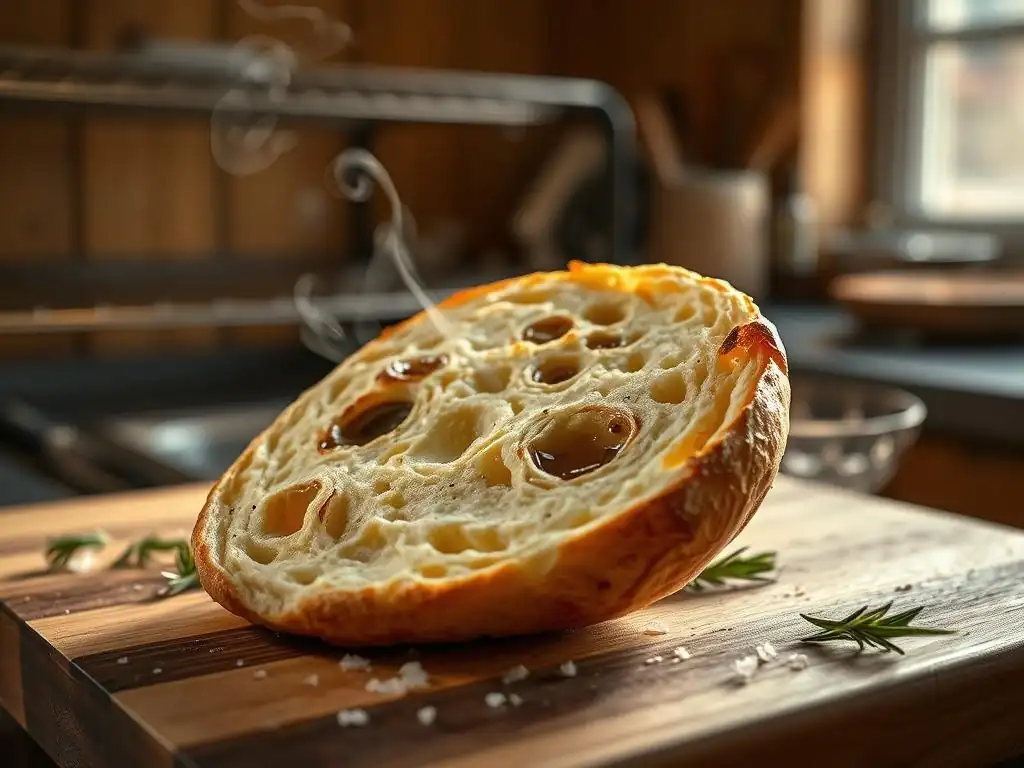
Welcome to BakeWithEase, your trusted guide to baking bliss! Ever wondered how to recapture that perfectly crisp texture and irresistible aroma of freshly baked focaccia? Discover secrets to revive your loaf and transform it back to its original glory. This guide on How to Reheat Focaccia unlocks the simple steps to achieving bakery-fresh results at home, ensuring every slice is as delightful as the first. Let's get started!
- Reheating Focaccia: Bring Back That Just-Baked Crisp - BakeWithEase
- Introduction: Reviving Your Focaccia's Freshness
- Understanding Focaccia: Texture and Flavor Considerations
- The Best Methods for Reheating Focaccia: A Comparison
- Tips for Maintaining Focaccia's Quality After Reheating
- Troubleshooting Common Reheating Problems
- Conclusion: Enjoying Focaccia Like It's Freshly Baked
- Frequently Asked Questions
- Final Reflection: The Enduring Appeal of Perfectly Reheated Focaccia
- Rediscover Your Focaccia's Crispy Glory!
Reheating Focaccia: Bring Back That Just-Baked Crisp - BakeWithEase
Introduction: Reviving Your Focaccia's Freshness
Why Reheating Focaccia Matters: Avoiding Stale Bread
Focaccia, with its airy crumb and delightfully crisp, olive-oil-rich crust, is a true pleasure when it's fresh from the oven. However, like most bread, it begins to lose its magical texture relatively quickly. Within just 24 hours, the starch molecules in the bread start to recrystallize, a process known as staling, which leads to a dry, crumbly interior and a less inviting crust.
This is where knowing how to reheat focaccia becomes essential. Simply letting it sit out or attempting to eat it cold the next day often results in a disappointing, tough bite that doesn't do justice to the bread's potential.
Mastering the art of reheating allows you to unlock the focaccia's original glory, bringing back that wonderful aroma and the satisfying contrast between the tender inside and the slightly chewy, crisp exterior. It's about more than just warming it up; it's about reversing some of the effects of staling and restoring the textural balance that makes focaccia so special. For anyone who loves baking or buying fresh focaccia, understanding the best ways to reheat it is key to minimizing waste and maximizing enjoyment, ensuring every last piece is as delicious as the first.
BakeWithEase's Guide to Perfect Focaccia Reheating
At BakeWithEase, we believe every bake deserves to be enjoyed to its fullest, even leftovers. Reheating focaccia properly is a skill that transforms day-old bread into a culinary highlight, perfect for dipping in olive oil, serving with soup, or making sandwiches. This guide will walk you through the most effective methods, explaining the why behind each technique to help you achieve optimal results. We'll explore options ranging from oven reheating for maximum crispness to quicker methods for convenience, providing specific temperatures, times, and tips gleaned from extensive testing in our own kitchens.
Our aim is to empower you with the knowledge to confidently revive your focaccia, ensuring it retains its characteristic flavor and texture. Whether you're dealing with a thick, rosemary-studded slab or a thinner, herb-infused piece, the techniques we outline can be adapted. By following these steps, you'll learn how to reheat focaccia so well that your friends and family might just think you baked it that morning! Get ready to say goodbye to dry, sad leftovers and hello to perfectly revived focaccia every time.
Understanding Focaccia: Texture and Flavor Considerations
What Makes Focaccia Unique: The Role of Olive Oil and Herbs
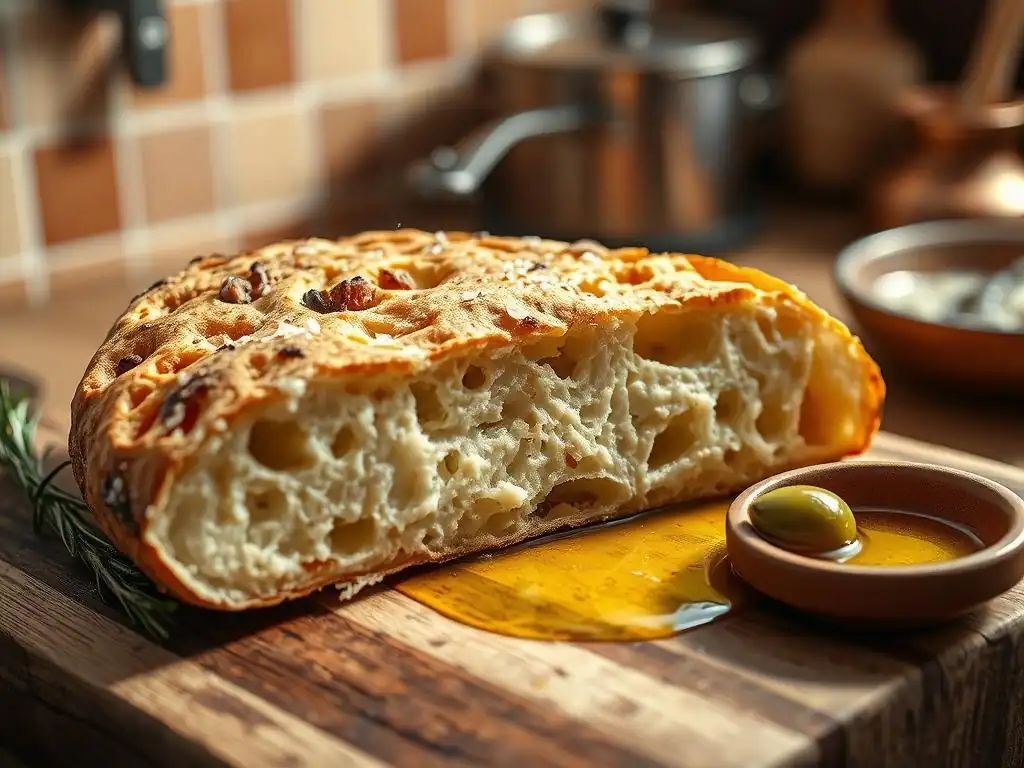
Focaccia's distinctive texture and rich flavor profile are largely due to its generous use of olive oil and often, aromatic herbs. Unlike many traditional breads, focaccia dough typically contains a higher percentage of olive oil, which contributes significantly to its moist, tender crumb and helps prevent it from drying out too quickly during baking.
The oil also plays a crucial role in creating that beautiful, slightly chewy, golden-brown crust that is characteristic of well-made focaccia. A good focaccia might contain olive oil making up anywhere from 10% to 20% (or even more) of the total flour weight, a much higher ratio than in lean bread doughs.
Beyond the oil, fresh herbs like rosemary, sage, and thyme, along with toppings like coarse sea salt, garlic, or olives, infuse the bread with layers of flavor that are central to its appeal. These elements aren't just decorative; they permeate the dough during rising and baking, creating an aromatic experience. When reheating focaccia, the goal is not only to restore texture but also to revive these delicate aromas and flavors that might have faded slightly overnight. Understanding these core components helps us choose reheating methods that preserve or even enhance these characteristics.
How Focaccia Changes Over Time: Staling and Moisture Loss
The primary challenge when storing and reheating focaccia is combating staling and moisture loss. As mentioned earlier, staling is a process where starch molecules within the bread retrogradate, essentially reorganizing themselves into a more crystalline structure. This makes the interior crumb become firm, dry, and less elastic. While focaccia's olive oil content helps slow this down compared to leaner breads, it doesn't stop it entirely. A fresh focaccia might have a moisture content around 35-40% of its weight; over time, this moisture can migrate within the bread and eventually evaporate.
Furthermore, the crust, which was initially crisp, can absorb moisture from the crumb and the air, becoming soft and less appealing. Conversely, if stored improperly, the crust can become excessively hard and dry. When you reheat focaccia, the heat can help reverse some of the starch retrogradation, softening the crumb. However, without the right method, the heat can also accelerate moisture evaporation, potentially making the bread even drier. The best techniques for how to reheat focaccia aim to re-crisp the crust while gently warming and re-softening the interior without excessive drying.
The Best Methods for Reheating Focaccia: A Comparison
Reheating Focaccia in the Oven: Achieving Crispy Perfection
The oven is widely considered the gold standard for reheating focaccia, especially if you want to restore that lovely, crispy crust. This method provides even heat distribution, allowing the interior to warm through gently while the exterior gets a chance to dry out slightly and re-crisp. It's particularly effective for larger pieces or entire slabs of focaccia. While it takes a little longer than other methods, the results in terms of texture are often superior. The dry heat of the oven helps evaporate any moisture the crust may have absorbed, bringing back its original crispness.
Using an oven also allows you to reheat multiple pieces simultaneously, making it convenient for serving a group. It's a forgiving method that works well for various focaccia thicknesses, though thicker pieces will naturally require a slightly longer reheating time. The key is to use a moderate temperature and keep a close eye on the bread to prevent burning, especially around the edges or on top if it has substantial toppings like herbs or cheese.
Step-by-Step Oven Reheating Guide
Here’s a simple task list to guide you through reheating focaccia in your oven:
- [ ] Preheat your oven to the recommended temperature (see below).
- [ ] If your focaccia was refrigerated, let it sit at room temperature for 15-20 minutes first. This helps it heat more evenly.
- [ ] Place the focaccia directly on the oven rack for maximum air circulation and crisping. Alternatively, you can place it on a baking sheet.
- [ ] Heat for the recommended time (see below), checking frequently.
- [ ] The focaccia is ready when the crust is crisp again and the interior is warm to the touch.
- [ ] Carefully remove from the oven and let it rest for a minute or two before serving.
Oven Temperature for Reheating Focaccia: Finding the Sweet Spot
The ideal oven temperature for reheating focaccia is typically between 350°F (175°C) and 375°F (190°C). Using a temperature in this range is crucial. Too low, and the bread will just warm slowly without the crust getting crisp; too high, and the exterior might burn before the interior is heated through. We've found that 350°F (175°C) is excellent for thicker focaccia or if you're worried about burning, offering a gentler reheat.
For thinner focaccia or when you prioritize maximum crust crispness, bumping it up to 375°F (190°C) can be beneficial. Remember that ovens vary, so it's always a good idea to know your oven's quirks. A simple oven thermometer can help ensure you're hitting the target temperature accurately. The goal is a temperature hot enough to reactivate the crust and warm the interior relatively quickly, but not so hot that it dries out the crumb or burns the toppings.
Timing is Key: How Long to Reheat Focaccia in the Oven
The amount of time needed to reheat focaccia in the oven depends primarily on the thickness of the bread and the temperature used. As a general guideline, at 350°F (175°C), a standard-thickness piece of focaccia (around 1-1.5 inches thick) will likely take between 8 to 12 minutes. Thicker pieces might need a few minutes longer, potentially up to 15 minutes.
If you're using a slightly higher temperature, like 375°F (190°C), the time will be shorter, typically ranging from 5 to 10 minutes. It's vital to start checking the focaccia around the 5-minute mark, especially if you haven't reheated focaccia this way before or if your pieces are on the thinner side. Look for visual cues: the crust should look revived and feel firm when gently tapped, and the bread should feel warm throughout when carefully tested. Don't just rely on time; use your senses!
Reheating Focaccia in a Skillet or Pan: Quick and Easy
Using a skillet on the stovetop is a fantastic method for reheating individual slices or smaller pieces of focaccia when you're short on time. It's significantly faster than the oven and is particularly effective at re-crisping the bottom crust, which can sometimes become less appealing than the top. While it doesn't always warm the interior as evenly as the oven, it's a great option for a quick snack or when you only need a single serving. This method is also useful if you don't want to heat up your entire oven.
The direct contact with the hot surface of the pan provides intense heat to the base, quickly driving out moisture and restoring crispness. This method is best suited for focaccia that isn't excessively thick, as very thick pieces might warm on the bottom but remain cool in the center. It requires active monitoring, as the high heat can quickly lead to burning if you're not careful.
Skillet Reheating Technique: Crisping the Crust
To reheat focaccia in a skillet, start by choosing a heavy-bottomed pan, such as cast iron or a good quality non-stick skillet. Place the skillet over medium heat – you don't typically need to add extra oil unless the focaccia is very lean (which is uncommon). Once the pan is warm, place the focaccia slice crust-side down (the bottom crust) in the dry pan. Let it heat for 2-4 minutes, checking frequently.
The bottom crust should become golden brown and crisp again. You can then flip the slice over and heat for another 1-2 minutes to warm the top and interior gently. The total time is usually under 5-6 minutes per piece. The key here is using medium heat; high heat will likely burn the crust before the inside warms up. Listen for a gentle sizzle and watch for the color change.
Adding Flavor Back: Olive Oil and Herb Revival
One excellent benefit of using the skillet method is the opportunity to add a touch more flavor, especially if your focaccia has lost some of its aromatic punch. Before placing the focaccia in the warm skillet, you can add a very small amount of fresh olive oil – perhaps just a teaspoon or two depending on the pan size and number of slices. Swirl it around to coat the bottom of the pan lightly.
If your focaccia originally had herbs like rosemary or thyme, consider adding a tiny sprinkle of fresh herbs to the oil in the pan just before adding the bread. As the focaccia heats, it will absorb some of this fresh oil and the heat will release the aroma of the herbs, mimicking the fresh bake. This extra step can significantly enhance the flavor and texture of the reheated focaccia, making it feel closer to its original state.
Reheating Focaccia in a Toaster Oven: A Convenient Option
For small pieces or individual servings, a toaster oven offers a convenient and efficient way to reheat focaccia, combining some of the benefits of both a full-sized oven and a skillet. It's faster to preheat than a standard oven and provides more even heating than a skillet, making it a solid middle-ground option. Like a regular oven, it uses dry heat which is effective for re-crisping the crust.
Toaster ovens are particularly good for achieving a balance between a warm, soft interior and a crisp exterior. They are energy-efficient for small jobs and are less likely to overheat your kitchen. However, due to their smaller size and often closer heating elements, you need to be more vigilant to prevent burning.
Toaster Oven Settings for Focaccia Reheating
When using a toaster oven to reheat focaccia, aim for a temperature similar to a regular oven, typically between 325°F (160°C) and 350°F (175°C). Many toaster ovens have specific settings like "Reheat" or "Toast," but using the "Bake" setting with a manual temperature is often best for more control. If your toaster oven has a convection fan option, using it can help circulate the hot air for more even heating and crisping, potentially allowing you to use a slightly lower temperature or shorter time.
Place the focaccia on the toaster oven's tray, ideally on a small rack if available to allow air circulation around the bottom. Avoid letting the top of the focaccia get too close to the upper heating element, especially if it has toppings. Start with the lower end of the temperature range if you're unsure or if your focaccia is thin.
Preventing Burning: Monitoring the Reheating Process
Due to the compact size and proximity of heating elements in toaster ovens, focaccia can go from perfectly reheated to burnt very quickly. It's crucial to monitor the process constantly. Begin checking the focaccia after just 3-5 minutes. Look for the crust to become firm and golden. The total time will likely be between 5 and 8 minutes, depending on the focaccia thickness and the toaster oven's power.
If the top seems to be browning too fast while the inside isn't warm, you can loosely tent the focaccia with a small piece of aluminum foil (be careful it doesn't touch the heating elements) for the last few minutes. This protects the top while allowing the rest to heat. Always use tongs or oven mitts to carefully remove the hot tray and focaccia.
Microwaving Focaccia: When It's Your Only Option (And How to Do It Right)
Let's be clear: microwaving is generally the least recommended method for reheating focaccia if your goal is to restore its texture. Microwaves heat food by exciting water molecules, which is great for warming quickly but terrible for creating crispness. It almost inevitably results in a soft, chewy, sometimes rubbery or soggy texture, completely losing the desirable crust. However, if you're in a situation where a microwave is your only option (say, at work or in a hotel room), there are a few tricks to make the best of a difficult situation.
Understanding the microwave's limitations is the first step. You will not achieve a crispy crust. The goal here is simply to warm the bread through without turning it into an inedible, tough mess. It's a compromise for speed and necessity, not for quality.
The Microwave Challenge: Avoiding Soggy Focaccia
The primary challenge when microwaving focaccia is its high moisture and oil content. The microwave's rapid heating of water molecules can make the crumb steamy and dense, while the crust becomes soft and loses all structure. This is why most bakers cringe at the thought of microwaving focaccia. It fundamentally changes the bread's texture in a way that is usually undesirable.
A typical slice microwaved for even 30 seconds can transform from a somewhat stale but salvageable piece into a hot, but unpleasantly soft and chewy item. The high oil content can also heat unevenly, potentially creating very hot spots. The key strategies for microwaving are centered around minimizing these negative effects as much as possible.
Tips for Microwaving Focaccia: Adding Moisture Back
If you absolutely must microwave focaccia, here are some tips to mitigate the damage:
- Use Short Bursts: Never microwave for a long, continuous period. Heat in 15-20 second increments.
- Wrap It: Loosely wrap the focaccia slice in a damp paper towel. This sounds counter-intuitive for avoiding sogginess, but the damp paper towel helps create a steamy environment around the bread, which can help warm it more gently and prevent it from drying out too much internally while still softening the starch.
- Don't Overheat: Stop microwaving as soon as the bread is just warm, not hot. Overheating will make it tougher.
- Accept the Texture Change: Understand that the crust will not be crisp. This method is purely for warming the crumb.
While these tips can help make microwaved focaccia tolerable, they won't replicate the texture achieved by oven or skillet methods. It's a last resort when how to reheat focaccia quickly is the only concern, and texture is secondary.
Tips for Maintaining Focaccia's Quality After Reheating
Serving Suggestions: Pairing Reheated Focaccia
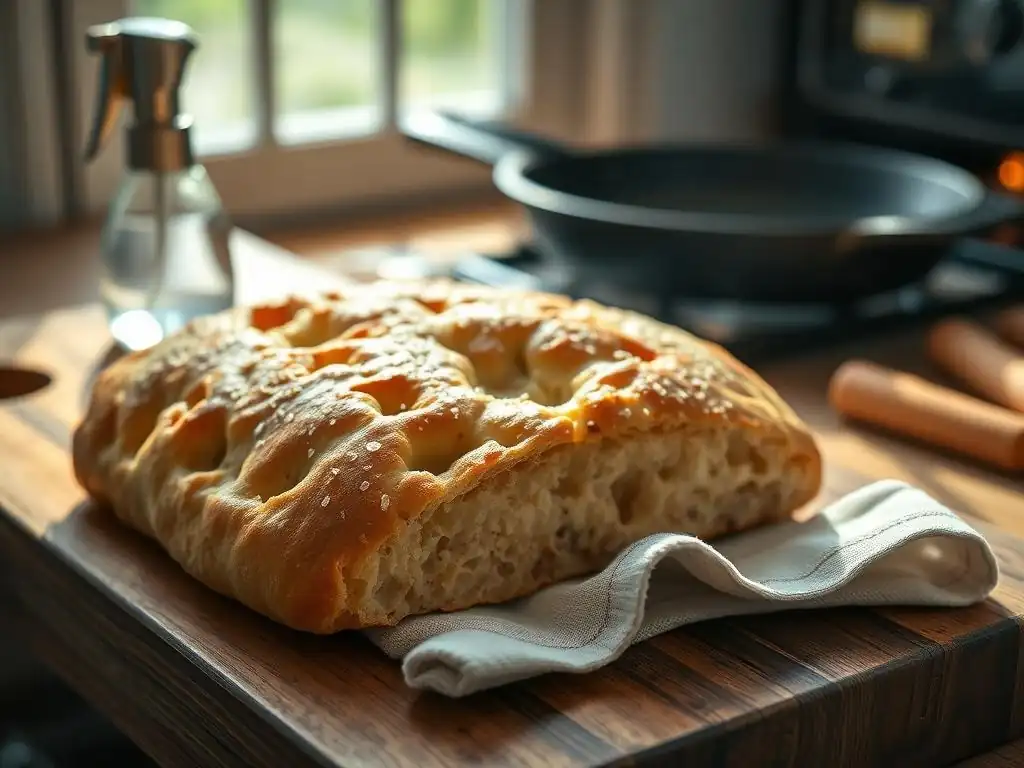
Perfectly reheated focaccia is incredibly versatile and can elevate many meals. Its restored texture makes it ideal for dipping. Serve warm slices alongside a good quality olive oil, maybe infused with garlic or herbs, and a balsamic glaze. The slightly crisp crust holds up well to dipping, while the soft interior soaks up the flavors beautifully.
It's also a fantastic accompaniment to soups, stews, or pasta dishes, where it can be used to sop up delicious sauces. Consider using reheated focaccia as the base for open-faced sandwiches or bruschetta-style toppings; the warm bread provides a sturdy yet yielding foundation. For a simple snack, enjoy it plain or with a sprinkle of flaky sea salt and a drizzle of fresh olive oil. The key is to serve it immediately after reheating to enjoy its best texture.
Storing Reheated Focaccia: Keeping it Fresh for Longer
Once you've gone to the trouble of reheating focaccia, it's best to consume it relatively quickly. Reheating and cooling cycles can accelerate staling. If you have leftover reheated focaccia, allow it to cool completely before storing. Store it at room temperature, wrapped tightly in plastic wrap or beeswax wrap, or placed in an airtight container.
Avoid refrigerating focaccia, as the cold temperature can actually speed up the staling process. If you don't plan to eat the leftovers within a day or two, it's better to freeze the original focaccia before it goes stale and then reheat from frozen or thawed as needed. Reheating focaccia multiple times is generally not recommended as it further degrades the texture and flavor.
Preventing Focaccia from Drying Out: Humidity and Storage
Proper storage is the first line of defense against your focaccia drying out before you even need to reheat it. Once the focaccia has cooled completely after baking, store it at room temperature. The enemy is air exposure, which leads to moisture loss. Wrap it tightly in plastic wrap, beeswax wraps, or place it in a resealable plastic bag or an airtight container. This creates a barrier against the dry air.
If you live in a particularly dry climate, you might find bread stales faster. Some people use a bread box, which can help regulate humidity slightly, though airtight wrapping is often more effective for shorter-term storage (1-2 days). For longer storage beyond a couple of days, freezing is the superior option. Wrap individual pieces or the whole loaf tightly in plastic wrap, then place in a freezer bag or wrap in foil. Frozen focaccia can last for up to 2-3 months. Thaw at room temperature before reheating using your preferred method.
Troubleshooting Common Reheating Problems
Why is My Reheated Focaccia Soggy?
Soggy reheated focaccia is almost always the result of using a method that traps moisture, most commonly the microwave. As discussed, microwaves excite water molecules, creating steam within the bread that makes it soft and wet rather than crisp. Another less common cause could be storing the focaccia improperly in a very humid environment before reheating, or perhaps reheating it in an oven where something else is steaming.
To avoid soggy focaccia, steer clear of the microwave if possible. Use the oven or skillet method, which employs dry heat to re-crisp the crust. Ensure your oven or skillet is preheated properly and that you're not covering the focaccia while it heats (unless specifically instructed to protect toppings). Proper storage in an airtight container after cooling also helps prevent it from absorbing excess ambient moisture.
How to Fix Over-Crisped or Burnt Focaccia
If you've accidentally over-crisped or slightly burnt your focaccia while reheating, especially common with the oven or toaster oven methods, there are limited fixes, but you can try to salvage it. If only the very top layer is burnt, you might be able to gently scrape or slice off the burnt portions. This works best if the burning is superficial.
If the focaccia is simply too crisp but not burnt, try serving it with something moist, like a hearty soup, a saucy pasta dish, or plenty of olive oil for dipping. The moisture from the accompanying food can help soften the bread slightly as you eat it. Prevention is key here: use a moderate temperature (350°F/175°C), check the focaccia frequently (every few minutes), and consider tenting it with foil if the top is browning too quickly.
Dealing with Dry and Crumbly Reheated Focaccia
Dry and crumbly reheated focaccia is usually a sign that too much moisture was lost during the reheating process, or that the bread was already quite stale and dry before reheating. This can happen if the temperature is too high, the reheating time is too long, or if the bread wasn't stored properly initially.
If your reheated focaccia turns out dry, the best way to make it palatable is to pair it with liquids or moist foods. Dip it generously in olive oil, serve it with a very liquidy soup or stew, or use it to soak up sauce from a dish. Unfortunately, once bread is significantly dried out and crumbly from reheating, it's difficult to fully restore its internal moisture. For future reheating, ensure you are using a moderate temperature, reheating only until just warm, and storing the original focaccia properly to minimize moisture loss before reheating.
Conclusion: Enjoying Focaccia Like It's Freshly Baked
Mastering the Art of Reheating Focaccia for BakeWithEase Recipes
Reheating focaccia doesn't have to be a gamble that ends in disappointment. By understanding the science behind why bread stales and applying the right techniques, you can confidently revive your leftovers. At BakeWithEase, we encourage you to try the oven method first for the best results in restoring that perfect texture balance – a soft, airy interior and a gloriously crisp crust.
The skillet method is a fantastic alternative for speed and targeting the bottom crust, while the toaster oven offers a convenient middle ground for smaller portions. Only resort to the microwave if absolutely necessary, and use our tips to minimize its negative effects.
Practicing how to reheat focaccia using these methods will ensure that the delicious focaccia you bake using BakeWithEase recipes, or purchase from your favorite bakery, can be enjoyed to its fullest potential, day after day. It's a simple skill that makes a big difference in reducing food waste and maximizing your culinary enjoyment.
The Joy of Perfectly Reheated Focaccia: Taste and Texture Restored
There's a unique satisfaction in taking a piece of focaccia that might seem past its prime and, with a little heat and know-how, bringing it back to life. The aroma that fills your kitchen as it warms, the gentle crackle of the crust as you slice it, and the yielding softness of the interior – these are the hallmarks of perfectly reheated focaccia. It's a testament to the quality of the original bake and the effectiveness of proper reheating techniques.
So, the next time you have leftover focaccia, don't let it go to waste or settle for a less-than-ideal texture. Choose the best method for your situation, follow our tips, and experience the joy of focaccia that tastes and feels remarkably like it's fresh from the oven. Happy reheating, and happy baking from all of us at BakeWithEase!
Frequently Asked Questions
How can I reheat focaccia to make it crispy again?
The best way to reheat focaccia and restore its crispness is to use an oven or toaster oven. A quick blast of heat will revitalize the bread's texture.
What temperature should I use to reheat focaccia in the oven?
Preheat your oven to 350°F (175°C). This temperature allows the focaccia to warm through without burning the crust.
How long should I reheat focaccia for best results?
Reheat focaccia for about 5-7 minutes, or until it's heated through and the crust is crisp to the touch. Keep a close eye to avoid over-baking.
Can I reheat focaccia in the microwave?
While you can reheat focaccia in the microwave, it's not recommended. Microwaving tends to make the bread soggy and lose its crispness.
Is it necessary to add moisture when reheating focaccia?
Lightly brushing the focaccia with olive oil before reheating can help to rehydrate the bread and enhance its flavor and texture.
Final Reflection: The Enduring Appeal of Perfectly Reheated Focaccia
The quest for that perfect, just-baked crisp in reheated focaccia is more than just a culinary challenge; it's a testament to our desire to savor deliciousness, even after the initial oven glow has faded. The methods explored in this article – from the oven and skillet to the microwave and air fryer – highlight the versatility of this beloved bread and the dedication we have to preserving its unique texture and flavor. Ultimately, the perfect reheating method depends on personal preference and available tools, but the pursuit itself speaks volumes about our appreciation for good food.
Reheating focaccia isn't simply about convenience; it's about extending the joy of a truly exceptional bread. It's about reclaiming those moments of culinary delight, even when time constraints might otherwise dictate a less satisfying outcome. The simple act of reheating speaks to a deeper connection with food, a desire to experience its full potential, regardless of when it was initially baked. The best things in life are worth savoring, even if it means a little extra effort.
This sentiment perfectly encapsulates the spirit of this article and the enduring appeal of perfectly reheated focaccia.
Now, consider your own relationship with food. What are your favorite ways to revive leftover dishes? What small acts of culinary care bring you joy? I encourage you to experiment with the methods outlined here, to find your own perfect technique for reheating focaccia, and to appreciate the simple pleasure of extending the life – and the deliciousness – of this remarkable bread. Let the crisp, warm aroma transport you back to that initial moment of culinary bliss, reminding you that even the simplest of things can bring immense satisfaction.
Rediscover Your Focaccia's Crispy Glory!
Thanks for joining us on this focaccia journey! You've now unlocked the secrets to reviving that perfect crust. Ready to put your new knowledge into practice?
- Reheat your focaccia today: Try the cast-iron skillet method – you'll be amazed by the results! Don't forget to experiment with different reheating techniques to find your perfect crisp.
- Share your focaccia reheating success (or challenges!) with us in the comments below. We love seeing your creations!
- Explore other BakeWithEase articles for more bread-baking tips and tricks – discover a whole new world of crusty perfection!
So, what delicious reheated focaccia adventure awaits you tonight?