
The Best Temperature and Time for Baking Whole Wheat Bread

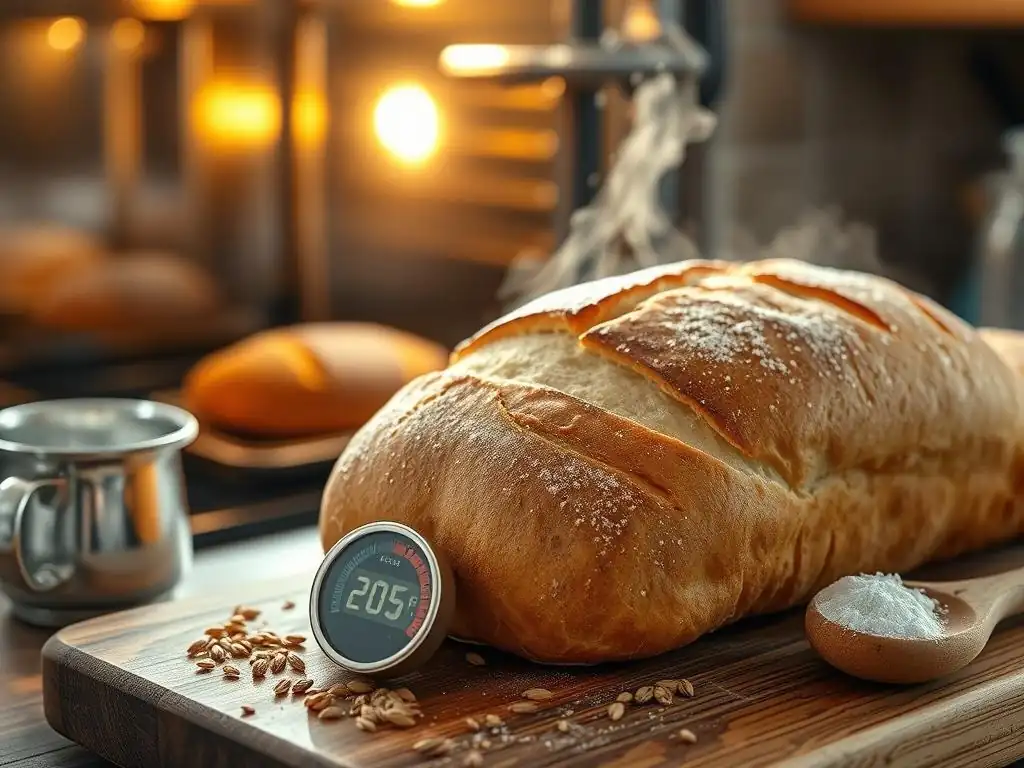
Welcome to BakeWithEase, your kitchen companion on a journey to baking brilliance! Ever wondered if you're hitting the sweet spot for that perfect loaf of whole wheat bread? Unlocking the secrets of optimal whole wheat bread baking time and temperature is easier than you think. Dive in and discover how to achieve bakery-quality results from the comfort of your own oven, turning simple ingredients into a masterpiece. Intrigued? Let's get baking!
- Baking the Perfect Whole Wheat Sourdough Boule: Time and Temperature
- Mastering Whole Wheat Sourdough: A Time and Temperature Guide
- Why Time and Temperature Matter in Sourdough Baking
- Optimal Baking Temperature for Whole Wheat Sourdough
- Ideal Baking Time for a Perfect Sourdough Boule
- Step-by-Step Guide: Baking a Whole Wheat Sourdough Boule with Precise Time and Temperature
- Troubleshooting Common Sourdough Baking Issues Related to Time and Temperature
- Tips for Achieving the Perfect Sourdough Bake
- Whole Wheat Sourdough Baking Time Chart: A Quick Reference Guide
- Conclusion: Bake Delicious Sourdough Every Time
- Frequently Asked Questions
- Final Reflection: The Heart of the Loaf, the Soul of the Process
- Unlock Your Perfect Whole Wheat Loaf!
Baking the Perfect Whole Wheat Sourdough Boule: Time and Temperature
Mastering Whole Wheat Sourdough: A Time and Temperature Guide
Achieving that perfect whole wheat sourdough boule – with its crackly crust and open, airy crumb – often comes down to mastering the interplay of time and temperature in the oven. While the fermentation process builds flavor and structure, the bake is where it all comes together, transforming dough into delicious bread.
Understanding the optimal whole wheat bread baking time and temperature is crucial for consistent results, whether you're aiming for a light, airy loaf or a denser, hearty one. This guide will walk you through the key principles and practical steps to bake your best whole wheat sourdough yet.
Baking sourdough is a delicate balance; too little time or too low a temperature can result in a gummy, undercooked interior, while too much of either can lead to a burnt crust and dry crumb. Whole wheat flour adds complexity, absorbing moisture differently than white flour and sometimes requiring slight adjustments in baking strategy. Paying close attention to the oven environment and the clock is just as important as perfecting your dough handling techniques. Let's dive into the specifics that make the difference in your whole wheat bread baking time and temperature approach.
Why Time and Temperature Matter in Sourdough Baking
The oven is where the magic of baking happens, but it's also where mistakes can be amplified if time and temperature aren't controlled. During the bake, several critical processes occur simultaneously: oven spring, crust formation, crumb setting, and flavor development. Each of these is directly influenced by how hot your oven is and for how long the loaf remains inside. Getting the whole wheat bread baking time right ensures the interior is fully cooked while the exterior develops desirable characteristics.
Temperature dictates the rate of these reactions, while time dictates their extent. A very hot oven initiates rapid oven spring and quick crust formation, potentially before the interior is fully expanded or cooked. A cooler oven slows everything down, which can be beneficial for even heat penetration but might lead to a less dramatic rise or a pale crust. Finding the sweet spot for your whole wheat sourdough baking time and temperature is key to unlocking its full potential.
Impact of Temperature on Sourdough Crumb Structure
The initial high temperature in the oven is vital for oven spring, the rapid expansion of the dough before the crust hardens. Yeast activity increases dramatically in the first few minutes (up to around 140°F or 60°C) before the yeast dies. The trapped gases expand, causing the loaf to rise. Simultaneously, the heat causes water in the dough to turn to steam, which also contributes to expansion, particularly within a humid environment like a Dutch oven. Baking temperatures typically start high, often 450-500°F (230-260°C), to maximize this initial lift.
Once the internal temperature reaches around 180°F (82°C), the starches in the flour gelatinize, and the protein (gluten) structure sets, forming the crumb. If the temperature is too low or the bake is too short, this process might not complete, resulting in a dense, gummy, or undercooked interior. Conversely, excessively high temperatures can set the outer layers too quickly, restricting oven spring and potentially leading to a dense band just inside the crust, even if the center is cooked. Proper temperature management throughout the whole wheat bread baking time is essential for a well-developed crumb structure.
How Baking Time Affects Sourdough Crust Development
The duration of the bake directly impacts the development of the crust through two primary chemical reactions: the Maillard reaction and caramelization. The Maillard reaction occurs between amino acids and reducing sugars at temperatures above 300°F (150°C), creating the complex flavors and brown pigments characteristic of a well-baked crust. Caramelization is the browning of sugars that occurs at even higher temperatures (around 320°F or 160°C and up), contributing nutty and slightly bitter notes.
Extending the whole wheat bread baking time allows these reactions to proceed further, resulting in a darker, thicker, and more flavorful crust. However, too long a bake can lead to a burnt, acrid crust and a dry interior as moisture evaporates. The total baking duration needs to be sufficient for the internal crumb to cook and set (reaching an internal temperature of 200-210°F or 93-99°C) while achieving the desired crust color and thickness. Typically, a standard 1-kilogram (approx. 2.2 lb) boule might require a whole wheat bread baking time of 35-45 minutes, depending on the temperature and desired outcome.
Optimal Baking Temperature for Whole Wheat Sourdough
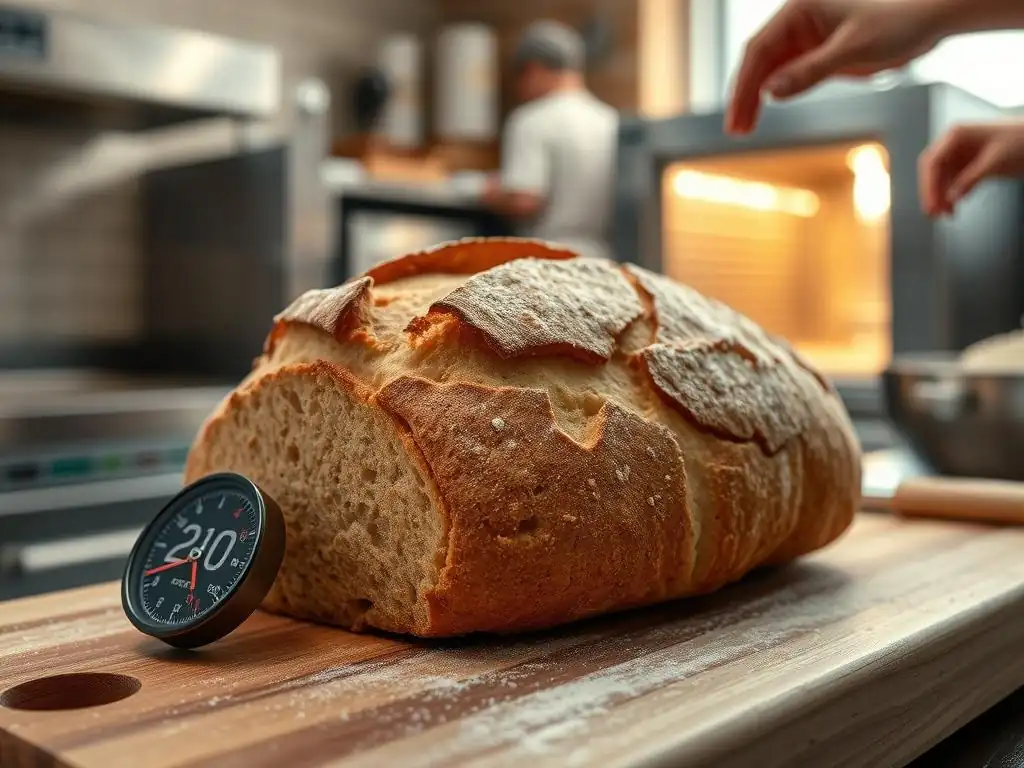
Finding the optimal temperature is key to baking whole wheat sourdough. Most recipes call for a high initial temperature to promote maximum oven spring, followed by a slightly lower temperature to finish the bake and develop the crust evenly without burning. This two-stage approach allows the loaf to get a good initial rise in intense heat and then cook through at a temperature that encourages browning and setting of the crumb.
A common starting point for baking whole wheat sourdough is preheating your oven to 475-500°F (245-260°C). Once the loaf is loaded, especially if using a Dutch oven, the temperature is often maintained at this high level for the first 15-20 minutes (the covered phase in a Dutch oven). After this initial period, the temperature is typically reduced to 425-450°F (220-230°C) for the remainder of the whole wheat bread baking time. This reduction prevents the crust from burning while the interior finishes cooking.
Understanding Oven Calibration for Sourdough Baking
Knowing your oven's true temperature is paramount for successful sourdough baking. Oven thermostats can often be inaccurate, sometimes by as much as 50°F (15°C) or more. Relying solely on the oven's dial can lead to inconsistent results, despite following recipe times and temperatures precisely. A simple oven thermometer is an inexpensive and essential tool for any serious baker. Place it inside your oven to monitor the actual temperature as it preheats and during the bake.
If your oven consistently runs hot or cold, you'll need to adjust the recipe's recommended temperature accordingly. For example, if your oven thermometer reads 450°F when the dial is set to 475°F, you'll know to set your dial higher to achieve the desired temperature. Consistent temperature control is a significant factor in determining the correct whole wheat bread baking time and ensuring your loaves turn out as expected, with the right crust color and crumb texture.
Recommended Temperatures for Open-Crumb vs. Denser Sourdough
The desired crumb structure can influence your temperature strategy. Achieving a very open, airy crumb often benefits from a very high initial temperature to maximize steam production and oven spring before the crust sets.
Open-Crumb Sourdough Baking Temperature
For an open crumb, start with a high temperature, perhaps 475-500°F (245-260°C), especially if using a Dutch oven. Bake covered at this high temperature for 15-20 minutes. This intense heat generates significant steam within the Dutch oven, keeping the crust pliable and allowing maximum expansion. After uncovering, reduce the temperature slightly to 450-475°F (230-245°C) for the remaining 20-25 minutes to finish browning the crust. The total whole wheat bread baking time will still be around 35-45 minutes, but the initial high heat phase is emphasized.
Denser Sourdough Baking Temperature
If you prefer a slightly denser, heartier crumb (often desired with whole wheat), you might opt for a slightly lower starting temperature, say 450-475°F (230-245°C). Bake covered at this temperature for the initial 20-25 minutes. Then, uncover and potentially reduce the temperature further to 425-450°F (220-230°C) for the final 15-20 minutes. While still hot, these temperatures are less extreme than those used for maximum open crumb, leading to a slightly slower, more controlled rise and a potentially more even, though less dramatically open, crumb structure. The whole wheat bread baking time remains similar, but the temperature profile is adjusted.
Ideal Baking Time for a Perfect Sourdough Boule
The ideal whole wheat bread baking time isn't a single fixed number; it's a range influenced by several factors, primarily temperature, loaf size, and hydration level. The goal is to bake the loaf long enough for the interior to reach full gelatinization and the desired internal temperature (200-210°F or 93-99°C) while developing a beautiful, flavorful crust without burning it. For a standard-sized boule (around 900g - 1kg of dough), this typically falls between 35 and 45 minutes in a properly preheated oven, often using a Dutch oven.
Underbaking is a common issue, resulting in a gummy or wet crumb. Overbaking leads to a dry interior and potentially burnt crust. Learning to gauge doneness is crucial. While time is a good guideline, the internal temperature is the most reliable indicator. A digital thermometer inserted into the center of the loaf should read at least 200°F (93°C) for a fully cooked loaf. Considering the whole wheat bread baking time specified in a recipe is a starting point, but always be prepared to adjust based on visual cues and internal temperature.
Factors Influencing Sourdough Baking Time
Several variables can cause the actual whole wheat bread baking time to deviate from a recipe's recommendation. Understanding these factors allows you to anticipate necessary adjustments. The temperature of your oven, as discussed, is the most significant, but the physical characteristics of your loaf also play a major role.
Consider the effects of moisture and mass. A wetter dough requires more energy (and thus time) for the water to turn to steam and for the starches to gelatinize. A larger loaf simply has more mass to heat through to the center, naturally increasing the required baking duration. Ignoring these factors can lead to undercooked centers or overcooked exteriors, even if you follow the time exactly.
Boule Size and its Impact on Baking Time
Larger loaves require a longer whole wheat bread baking time than smaller ones. A standard boule made from 900g to 1kg of dough might take 35-45 minutes. If you double the recipe to make a very large loaf (say, 1.5-2kg), you cannot simply double the baking time, but you will likely need to add an extra 10-20 minutes or more to the total duration, potentially at a slightly lower temperature to prevent the crust from burning before the center is cooked.
Conversely, if you divide your dough into smaller loaves or rolls, the whole wheat bread baking time will be significantly shorter. Smaller rolls might only take 20-30 minutes. Always consider the size and weight of your dough when estimating the required baking duration. Using an internal thermometer is especially helpful when baking loaves of unusual sizes to confirm they are cooked through.
Hydration Level and its Effect on Baking Time
Hydration refers to the ratio of water to flour in your dough. Higher hydration doughs (those with more water) tend to spread more and can sometimes benefit from slightly longer whole wheat bread baking time to ensure all that extra moisture is properly dealt with by the heat, leading to a set crumb. A dough at 80% hydration will likely require a few minutes longer in the oven than an otherwise identical dough at 70% hydration, assuming the same temperature.
The extra moisture in high-hydration dough also contributes significantly to oven spring, as more steam is generated. However, it also means the crumb takes longer to fully set. Paying attention to the hydration level of your whole wheat sourdough dough is important when estimating the appropriate whole wheat bread baking time. If working with a particularly wet dough, err on the side of slightly longer baking or confirm doneness with an internal thermometer.
Step-by-Step Guide: Baking a Whole Wheat Sourdough Boule with Precise Time and Temperature
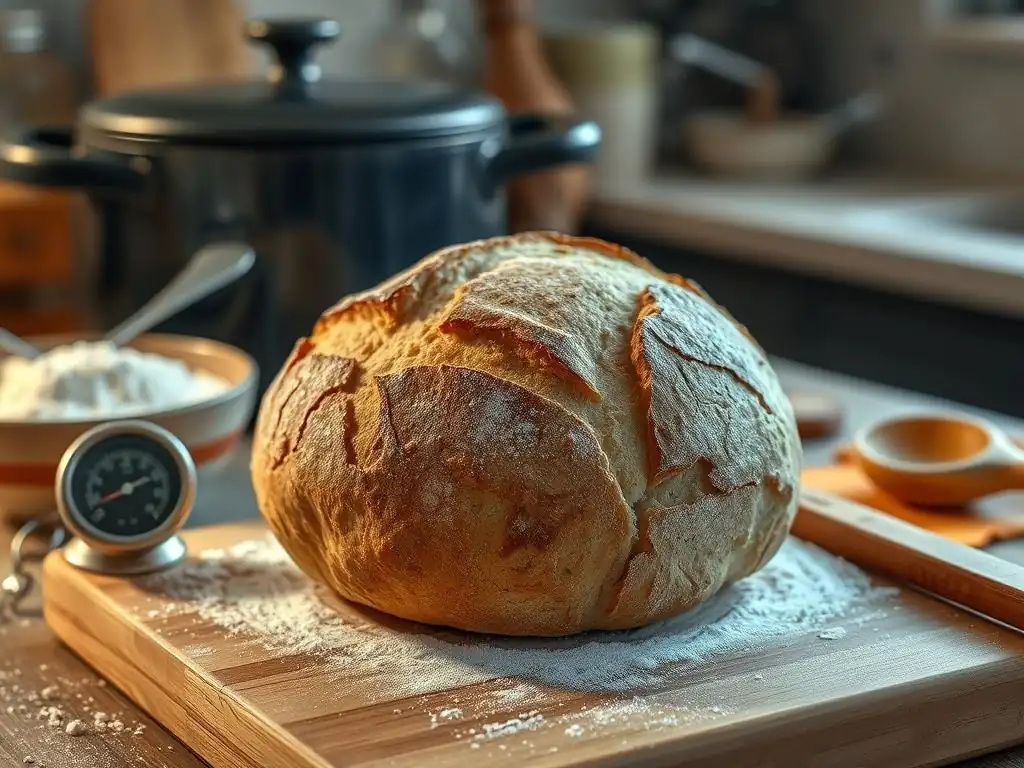
Let's put it all together into a practical guide for baking your whole wheat sourdough boule, focusing on time and temperature. This assumes you have a fully proofed loaf ready to bake.
Step 1: Preparing Your Sourdough Dough [Instructions on Dough Preparation]
(Note: This article focuses on baking time/temp, assuming dough is ready. A full guide would detail mixing, bulk fermentation, shaping, and proofing whole wheat sourdough. For this guide, we start with the shaped, proofed dough.)
Ensure your whole wheat sourdough dough has been properly mixed, bulk fermented, shaped into a boule, and proofed until it has increased significantly in volume and passes the poke test (a gentle poke leaves an indentation that springs back slowly). The dough should feel light and airy. This crucial preparation impacts how the dough responds to the heat, influencing oven spring and, consequently, the necessary whole wheat bread baking time.
Step 2: Preheating the Oven and Dutch Oven
Preheating is non-negotiable for sourdough. Place your Dutch oven (or baking stone/steel with a steam setup) in the oven before turning it on. Preheat your oven to a high temperature, typically 475-500°F (245-260°C). Allow the oven and the Dutch oven to preheat for at least 45-60 minutes after the oven indicates it has reached temperature. This ensures the Dutch oven walls and lid are thoroughly heated, which is essential for creating the initial burst of steam and maintaining a consistent high temperature during the first phase of the whole wheat bread baking time.
Step 3: Baking Your Sourdough Boule [Instructions on Baking and Monitoring]
Carefully transfer your proofed dough into the preheated Dutch oven. Score the top of the dough quickly and confidently with a sharp lame or razor blade. Immediately place the lid on the Dutch oven and return it to the preheated oven. Bake covered at the high temperature (475-500°F or 245-260°C) for 15-20 minutes. This covered phase traps steam released by the dough, facilitating maximum oven spring.
After the initial covered bake, carefully remove the lid. The loaf should have expanded significantly and the crust will be pale but set. Reduce the oven temperature to 425-450°F (220-230°C) and continue baking uncovered for another 20-25 minutes, or until the crust is a deep golden brown and the internal temperature reaches 200-210°F (93-99°C). This second phase develops the crust color and ensures the interior is fully cooked. The total whole wheat bread baking time will likely be between 35 and 45 minutes.
Step 4: Cooling and Slicing Your Sourdough Bread [Instructions on Cooling and Slicing]
Once baked, carefully remove the loaf from the Dutch oven and place it on a wire rack to cool completely. This step is critical for the crumb structure to set and for moisture to redistribute evenly throughout the loaf. Slicing into a hot loaf can result in a gummy texture. Allow the bread to cool for at least 2-3 hours, preferably longer, before slicing. Patience during this cooling period is rewarded with the best possible crumb texture and flavor from your perfectly timed and tempered whole wheat sourdough bake.
Even with careful planning, issues can arise. Many common problems in sourdough baking are directly related to incorrect whole wheat bread baking time or temperature. Learning to identify these issues and their causes will help you adjust your technique for future bakes.
Consider a gummy crumb: this often points to underbaking. A burnt crust, on the other hand, signals excessive temperature or too long in the oven uncovered. Lack of oven spring can sometimes be due to insufficient initial heat.
A gummy or wet crumb is a classic sign of underbaking. This means the loaf did not spend enough whole wheat bread baking time in the oven for the starches to fully gelatinize and the moisture to properly evaporate or redistribute. It can occur even if the crust looks done, especially if the oven temperature was too high initially, causing the crust to set too quickly and preventing heat from penetrating the center effectively.
To solve a gummy crumb, ensure your total whole wheat bread baking time is sufficient based on loaf size and hydration. Always check the internal temperature with a thermometer; it should be at least 200°F (93°C). If your crust is browning too fast, cover the loaf loosely with foil for the final part of the bake to allow the interior to catch up without the exterior burning. Consider reducing the initial oven temperature slightly in future bakes if this is a recurring issue.
Burnt Crust: Temperature Adjustment Tips
A burnt crust, especially on the bottom, is usually a sign that the oven temperature was too high, or the loaf baked uncovered for too long at a high temperature. While a dark, caramelized crust is desirable, a truly burnt crust is bitter and unpleasant. Whole wheat loaves can sometimes brown faster due to the sugars present in the bran.
If your crust is consistently burning before the interior is cooked, try reducing your oven temperature by 25-50°F (15-30°C) during the uncovered phase. If using a Dutch oven, ensure it's not sitting directly on a hot oven rack that's too close to the heating element; placing a baking sheet on the rack below the Dutch oven can sometimes shield the bottom from excessive direct heat. Adjusting the temperature is key to achieving the right whole wheat bread baking time without sacrificing the crust.
Lack of Oven Spring: Ensuring Adequate Baking Temperature
Insufficient oven spring means your loaf didn't rise much in the oven's heat. While proofing issues are a common cause, inadequate baking temperature can also play a role. If the oven isn't sufficiently preheated, or if the temperature drops too much when the loaf is loaded, the rapid heat needed for that initial burst of expansion might not be present.
Ensure your oven and Dutch oven are fully preheated to the recommended high temperature (475-500°F or 245-260°C) for the initial covered bake. Use an oven thermometer to verify the temperature. Loading the dough quickly and efficiently helps minimize heat loss. A strong initial temperature is crucial for maximizing oven spring during the critical first minutes of the whole wheat bread baking time.
Tips for Achieving the Perfect Sourdough Bake
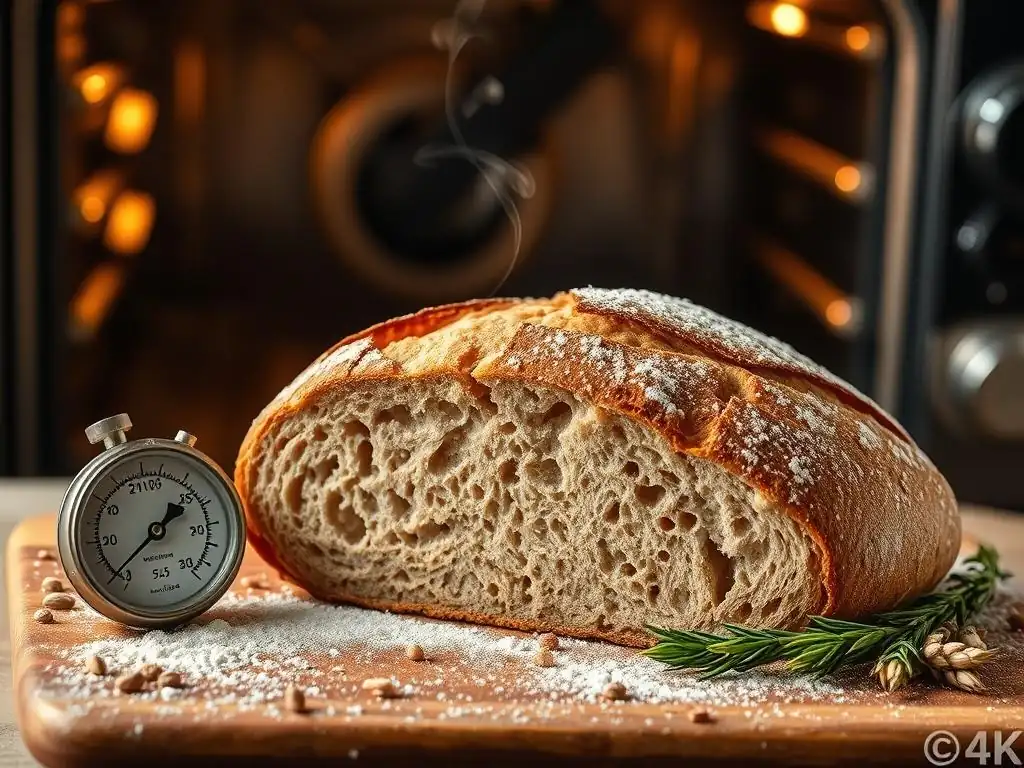
Beyond just time and temperature, a few techniques can significantly improve your whole wheat sourdough results. These tips help create the ideal baking environment and provide reliable indicators of doneness.
- Use a Dutch oven for optimal steam and heat distribution.
- Always monitor internal temperature, not just time.
- Be mindful of dough hydration when estimating bake time.
Using a Dutch Oven for Optimal Crust and Crumb
Baking sourdough in a Dutch oven is highly recommended, especially for home bakers. The lidded pot traps steam released by the dough during the initial phase of baking. This humid environment keeps the surface of the dough moist and pliable, allowing the loaf to expand fully during oven spring before the crust hardens.
Once the lid is removed, the dry heat of the oven hits the moist surface, rapidly forming a crisp, crackly crust. This two-stage process (covered, then uncovered) mimics the conditions of a professional steam-injected oven on a smaller scale. Using a Dutch oven helps ensure consistent heat transfer to the loaf, contributing to a more predictable whole wheat bread baking time and a superior crust and crumb.
Monitoring Internal Temperature for Doneness
Relying solely on visual cues or a recipe's whole wheat bread baking time can be misleading. The most accurate way to determine if your sourdough is fully baked is to measure its internal temperature. Using an instant-read thermometer, carefully insert the probe into the thickest part of the loaf, avoiding any large air pockets.
A perfectly baked sourdough loaf should register an internal temperature between 200°F and 210°F (93°C and 99°C). If the crust looks done but the internal temperature is below this range, continue baking for a few more minutes, checking the temperature again. This simple step eliminates the guesswork and ensures your crumb is fully set and not gummy, regardless of the total whole wheat bread baking time.
Adjusting Baking Time Based on Dough Hydration
As mentioned earlier, dough hydration affects baking time. Higher hydration doughs require slightly longer to bake through. If you are working with a recipe that specifies a high hydration level (say, 78% or more for a whole wheat loaf), you might need to extend the whole wheat bread baking time by 5-10 minutes compared to a lower hydration dough baked at the same temperature.
Pay attention to how your dough feels and behaves. A very wet dough might need that extra time in the oven to ensure the center is not undercooked. Conversely, a lower hydration dough might be fully baked closer to the shorter end of the recommended time range. Using the internal thermometer remains the best way to confirm doneness when adjusting for hydration.
Whole Wheat Sourdough Baking Time Chart: A Quick Reference Guide
Here is a general guideline for whole wheat bread baking time based on common methods and loaf sizes. Remember these are starting points and may need slight adjustment based on your specific oven and dough.
| Loaf Size (Approx. Dough Weight) | Baking Method | Initial Temp (Covered) | Time Covered | Final Temp (Uncovered) | Time Uncovered | Total Approx. Whole Wheat Bread Baking Time |
|---|---|---|---|---|---|---|
| Standard Boule (900g - 1kg) | Dutch Oven | 475-500°F (245-260°C) | 15-20 mins | 425-450°F (220-230°C) | 20-25 mins | 35-45 minutes |
| Smaller Loaf (600-750g) | Dutch Oven | 475-500°F (245-260°C) | 15 mins | 425-450°F (220-230°C) | 15-20 mins | 30-35 minutes |
| Standard Boule (900g - 1kg) | Baking Stone/Steel | 450-475°F (230-245°C) | N/A | 450-475°F (230-245°C) | 35-45 mins | 35-45 minutes (with steam) |
| Rolls (approx. 100-150g each) | Baking Sheet/Stone | 425-450°F (220-230°C) | N/A | 425-450°F (220-230°C) | 20-30 mins | 20-30 minutes (with or without steam) |
Note: Always confirm doneness with an internal thermometer (200-210°F or 93-99°C).
Conclusion: Bake Delicious Sourdough Every Time
Mastering the whole wheat bread baking time and temperature is a journey, not a destination. By understanding how heat affects your dough, preheating properly, and using tools like an oven thermometer and internal probe, you gain control over the final outcome. The specific whole wheat bread baking time for your perfect loaf might vary slightly from a recipe depending on your oven, the dough's hydration, and its size, but the principles remain constant.
Experiment with slight variations in temperature and time, keep notes on your results, and don't be afraid to adjust based on what you observe. With practice and attention to these details, you'll consistently pull beautiful, delicious whole wheat sourdough boules from your oven, achieving that ideal balance of crust and crumb every time you bake. Happy baking!
Frequently Asked Questions
What is the ideal temperature for baking whole wheat bread?
The ideal temperature for baking whole wheat bread is typically around 375°F (190°C). This temperature allows for even cooking and a nice crust without burning.
How long should I bake whole wheat bread?
The baking time for whole wheat bread is usually between 30 to 40 minutes. The bread should sound hollow when tapped on the bottom, indicating it is fully baked.
Can I adjust the baking time for different oven types?
Yes, baking times may vary based on your oven type. Convection ovens may require less time, while conventional ovens could need slightly longer. Always check for doneness.
What are some tips for achieving the best texture in whole wheat bread?
To achieve the best texture, consider adding vital wheat gluten to your whole wheat flour. This will enhance the bread's structure and improve its rise.
How can I tell if my whole wheat bread is done baking?
You can tell if your whole wheat bread is done by checking for a golden-brown crust and a hollow sound when tapped on the bottom. An internal temperature of 190°F (88°C) is also a good indicator.
Final Reflection: The Heart of the Loaf, the Soul of the Process
The perfect loaf of whole wheat bread isn't just about hitting the right temperature and time; it's about understanding the nuanced dance between heat, hydration, and patience. This seemingly simple act of baking speaks volumes about our connection to food, tradition, and the satisfaction of creating something delicious from scratch. The quest for the ideal baking parameters, as explored in this article, is a microcosm of a larger pursuit: mastering the art of mindful creation.
The journey of baking whole wheat bread, with its inherent challenges and rewarding outcomes, mirrors our own personal journeys. It's a process of trial and error, of learning to adapt to unexpected variables, and ultimately, of finding our own rhythm and style. The best bread is the bread you bake with love.
This simple sentiment encapsulates the essence of the whole wheat baking experience. It's not just about the perfect crust; it's about the process, the connection to ingredients, and the joy of sharing the results. The subtle variations in texture and flavor, dependent on even minor adjustments to time and temperature, highlight the delicate balance inherent in all things.
So, the next time you find yourself reaching for a pre-packaged loaf, consider the journey outlined in this article. Take the time to explore the world of whole wheat baking. Experiment with different temperatures and timings, and most importantly, embrace the process. Discover the satisfaction of kneading dough, feeling the warmth of the oven, and savoring the aroma of freshly baked bread. The perfect loaf awaits, but more importantly, the journey of discovery and self-expression does too.
Unlock Your Perfect Whole Wheat Loaf!
Thanks for taking the time to learn about baking the perfect whole wheat bread! We hope you've gained valuable insights into achieving that ideal texture and flavor. Now it's time to put your new knowledge into practice.
- Bake your masterpiece! Try out the temperature and time recommendations from the article – you might be surprised at the difference it makes! Don't forget to experiment with variations of flour and hydration to perfect your loaf.
- Share your baking journey! Let us know (and other baking enthusiasts!) how your loaf turned out by leaving a comment below – we'd love to see your results.
- Challenge yourself: Try adapting this recipe to make another type of whole wheat bread, such as a sourdough or a rye.
Ready to experience the joy of perfectly baked whole wheat bread? What unique twist will you add to your next loaf?