
Stop Butter Leaks! Tips for Perfect Lamination

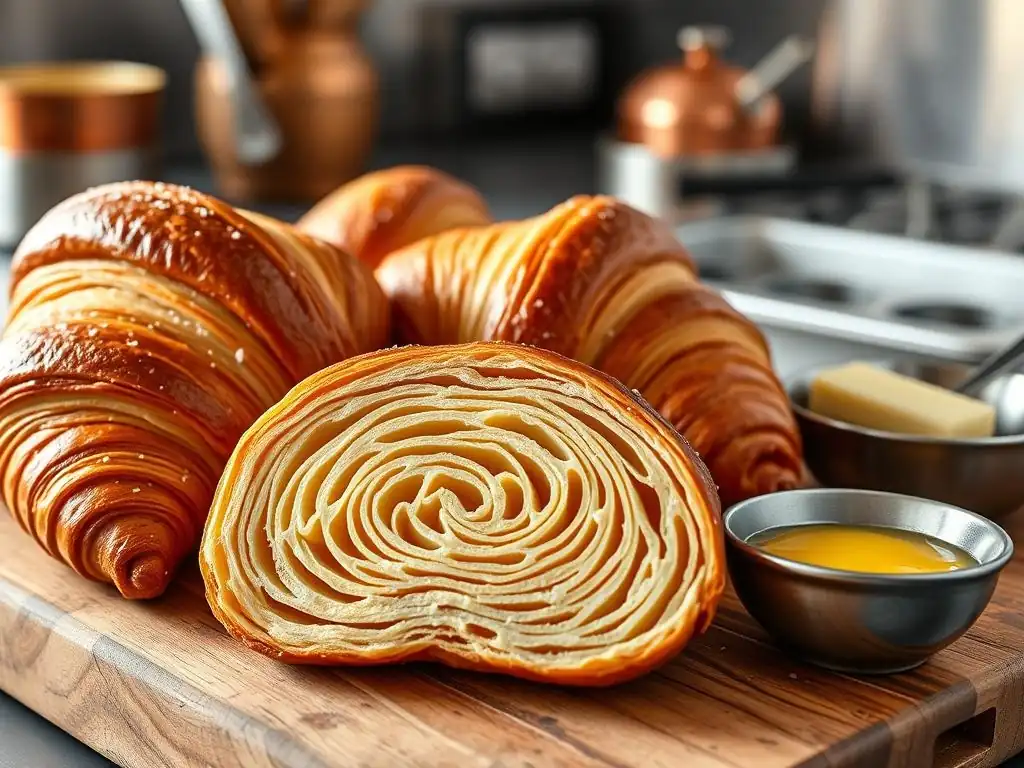
Welcome to BakeWithEase, your guide to unlocking the secrets of incredible baking! Ever dreamed of achieving bakery-worthy croissants at home? Then you're in the right place. We're diving deep into the art of perfect croissant lamination technique, tackling the dreaded butter leaks and revealing the secrets to flaky, golden layers. Ready to elevate your baking game? Let's get started and discover how to achieve that coveted "snap" with every bite!
- Maximizing Flakiness for Your Croissant
- Understanding Butter Leaks and Their Impact
- Essential Techniques for Preventing Butter Leaks and Enhancing Lamination
- Advanced Lamination Strategies for Experienced Bakers
- Maximizing Croissant Lamination: A Recap
-
Frequently Asked Questions
- How can I prevent butter from leaking during croissant lamination?
- What is the ideal butter temperature for successful croissant lamination?
- How many folds are typically required for perfect croissant lamination?
- What type of flour is best for achieving optimal lamination in croissants?
- What are some common mistakes to avoid during croissant lamination?
- Final Reflection: Mastering the Art of the Perfect Croissant
- Unleash Your Inner Pastry Chef: Master Perfect Lamination!
Maximizing Flakiness for Your Croissant
Achieving that signature flaky, airy texture in croissants and other laminated pastries is the ultimate goal for many home bakers. The key lies in creating distinct layers of butter and dough that separate during baking, yielding hundreds of crisp, delicate sheets. This process, known as lamination, is both an art and a science, requiring precision, temperature control, and patience.
When done correctly, perfect croissant lamination technique results in pastries that rise beautifully, with well-defined layers and a rich, buttery flavor. It's a rewarding skill that elevates your baking from good to exceptional.
Understanding Butter Leaks and Their Impact

What is Butter Leakage in Lamination?
Butter leakage, often called "butter blow-out," occurs during the lamination process when the butter layer melts and escapes from between the dough layers. This can happen during rolling, folding, or even during proofing if temperatures are too high. Essentially, the butter layer loses its integrity and is no longer evenly distributed within the dough matrix.
This issue is a major obstacle to achieving that desired flaky texture. Instead of distinct butter layers creating steam and separation during baking, melted butter can be absorbed into the dough, resulting in a greasy, dense, or unevenly risen pastry. Preventing butter leaks is crucial for mastering perfect croissant lamination technique.
Let's consider the ideal state: a cold, pliable sheet of butter is enclosed within a similarly cool, elastic dough. With each fold and roll, this butter layer is thinned and multiplied, creating potentially hundreds of layers.
If the temperature rises, say above 50°F (10°C) for the dough and butter block, the butter softens too much, making it prone to squeezing out under pressure. A study published in the Journal of Food Science (though specific figures for home baking are scarce) highlights how the rheological properties of butter and dough at specific temperatures are critical for successful lamination, indicating a narrow optimal range for handling.
Factors Affecting Butter Leaks and Lamination
Several factors contribute to the risk of butter leakage during the perfect croissant lamination technique. The most significant is temperature. Both the dough and the butter block must be kept consistently cold, typically between 40-50°F (4-10°C), throughout the rolling and folding process. If the dough or butter warms up, the butter becomes too soft and pliable, while the dough might become too relaxed, making it easier for the butter to squeeze out.
Another critical factor is the consistency of the butter and dough. The butter should be firm but pliable – able to bend without cracking. The dough should be elastic enough to roll without tearing but not so tough that it resists rolling, forcing the butter out.
If the butter is too hard (straight from the fridge), it can crack and break into pieces, leading to uneven layers. If the dough is too stiff, rolling pressure can cause the butter to burst through. Using butter with a higher fat content (around 82-84%) is often recommended for better structural integrity during lamination compared to standard 80% fat butter.
The technique of rolling also plays a vital role. Applying uneven pressure or rolling too aggressively can force the butter out. It's important to roll gently and evenly, gradually extending the dough. Allowing sufficient resting time in the refrigerator between folds is also essential. This allows the gluten in the dough to relax and the butter to firm up again, preparing it for the next roll and fold without risking leaks. A typical rest period is 30-60 minutes between turns.
The Benefits of Preventing Butter Leaks / Achieving Perfect Lamination
Successfully preventing butter leaks and achieving perfect croissant lamination technique yields pastries with unparalleled texture and volume. When the butter layers remain intact, they create distinct pockets within the dough. During baking, the water in the butter turns to steam, forcing these layers apart and creating that characteristic airy, flaky interior. This results in a significant increase in the pastry's rise and overall volume compared to one where butter has leaked out.
A well-laminated croissant can achieve a rise that is 2-3 times its unbaked height, showcasing hundreds of delicate layers. In contrast, a croissant suffering from significant butter leakage will likely be flatter, denser, and potentially greasy. The even distribution of butter also contributes to a consistent, rich flavor throughout the pastry.
For example, a perfectly laminated pain au chocolat will have clearly defined layers separating the dough from the chocolate, ensuring a delightful contrast in every bite, whereas leakage can lead to a soggy bottom or unevenly baked areas. Mastering this aspect of the process is fundamental to producing bakery-quality results at home.
Essential Techniques for Preventing Butter Leaks and Enhancing Lamination
1. Technique Optimization
Mastering the physical technique of rolling and folding is paramount for effective lamination and preventing butter leaks. It's not just about applying pressure, but applying the right pressure in the right way. Think of it as coaxing the dough and butter into layers rather than forcing them. Gentle, even strokes from the center outwards are far more effective than aggressive rolling, which can easily push soft butter out the sides.
Consider the process of extending the dough for a tour simple (single fold). You need to roll the rectangle evenly to three times its width. This requires consistent pressure across the entire surface, avoiding concentrated force on one area. If you roll too hard or unevenly, you risk thinning the dough too much in spots or, worse, squeezing the butter layer unevenly or even out through a weak point. Patience and a smooth, deliberate motion are key to maintaining the integrity of the butter layer within the dough structure.
Gentle Rolling and Folding
Applying smooth, even pressure during rolling is critical. Start rolling from the center of the dough rectangle and work your way outwards, turning the dough frequently (say, every few strokes) to ensure even extension. Avoid pressing down too hard, especially near the edges, where butter is most likely to escape. The goal is to thin the dough and butter layer uniformly, not to flatten the dough as quickly as possible.
When folding the dough, handle it gently to avoid compressing the layers you've just created. For a tour double (book fold), align the edges carefully before folding again. Rushing this step or pressing down hard on the fold lines can distort the layers and potentially compromise the butter barrier, increasing the risk of leaks during subsequent rolling or proofing. Smooth, deliberate movements are the hallmark of perfect croissant lamination technique.
Maintaining a Consistent Temperature
Temperature is the silent partner in successful lamination. Both the dough and the butter block need to be at the correct, consistent temperature throughout the entire process. This means your kitchen environment, your work surface, and your hands all play a role. The ideal dough temperature for rolling is typically between 40-50°F (4-10°C). If your kitchen is warm, the dough will heat up quickly as you work it.
Using a cold work surface (like marble or granite) can help, but it's also important to work relatively quickly and return the dough to the refrigerator for sufficient resting time between folds. This rest allows the butter to firm up again and the dough's gluten to relax, making the next rolling step easier and less likely to cause leaks. Skipping or shortening these rest periods is a common cause of butter blow-out.
Minimizing Aggressive Handling
Aggressive handling of the dough can damage the delicate layers and lead to butter leaks. This includes slamming the dough down, stretching it roughly, or rolling with excessive force. The dough contains a network of gluten that provides structure, but this structure can be compromised by rough treatment, making it less able to contain the butter layer under pressure.
Think of the dough and butter as delicate components that need to be coaxed into shape. Gentle stretching and folding, coupled with patient, even rolling, are far more effective than trying to force the dough into submission. Minimizing the time the dough is out of the refrigerator also falls under this principle; the less time it spends warming up under your hands or on the counter, the less likely the butter is to become too soft and leak.
2. Ingredient Preparation and Dough Management
The quality and preparation of your ingredients, particularly the butter and the dough itself, are foundational to preventing butter leaks and achieving perfect croissant lamination technique. You can have perfect technique, but if your butter is too soft or your dough isn't properly developed, you'll still face challenges.
The butter block, often called the beurrage, must have the right consistency. It needs to be pliable enough to roll out evenly with the dough but firm enough to maintain its structure. This is usually achieved by beating high-fat butter with a rolling pin or a stand mixer until it reaches the right plasticity, then shaping it into a rectangle and chilling it. The dough, or détrempe, needs sufficient gluten development to be elastic and strong enough to contain the butter layers, but not so tight that it resists rolling.
Quality Butter and Proper Beurrage Preparation
Choosing a high-quality butter with a high fat content (ideally 82% or more) is beneficial as it contains less water and melts at a slightly higher temperature, providing more stability during lamination. Preparing the beurrage correctly is crucial. The butter should be softened slightly (around 60-65°F or 15-18°C) before being worked into a pliable block.
One common method involves beating cold butter with a rolling pin until it is malleable but not greasy, then shaping it into a neat rectangle, often specified in recipes to be a certain size (e.g., 6x8 inches or 15x20 cm). This block is then chilled until it reaches the same firmness as the dough, typically around 40-45°F (4-7°C). If the butter is too hard, it will crack when rolled; if too soft, it will leak.
Dough Hydration and Gluten Development
The hydration level of the dough ( détrempe) impacts its elasticity and strength, which in turn affects its ability to perform during lamination. A dough that is too dry might be difficult to roll without tearing, potentially exposing the butter. A dough that is too wet might be sticky and hard to handle, and its structure might be too weak to contain the butter. Recipes for laminated dough typically have a specific hydration percentage designed for optimal handling and layer development.
Proper gluten development is also essential. The dough needs sufficient kneading (either by hand or machine) to develop a strong gluten network. This network provides the elasticity needed to roll the dough thinly and evenly alongside the butter without tearing. An underdeveloped dough will resist rolling and be prone to breaking, while an overdeveloped dough can become tough and difficult to work with. Achieving a smooth, elastic dough that passes the "windowpane test" (where a small piece can be stretched thinly enough to see light through it without tearing) is a good indicator of proper gluten development.
Yeast Activity and Proofing Readiness
While yeast activity doesn't directly cause butter leaks during the lamination phase itself, ensuring the dough is ready for proofing after lamination is important for the final bake. If the dough is overworked or too warm during lamination, the yeast can become too active prematurely.
An overly active dough might start proofing before it should, making it difficult to handle and prone to tearing, which could indirectly lead to butter escape during shaping or final proofing. Ensuring the dough is cold and relatively inactive during the lamination steps helps maintain its structure and prepares it for controlled proofing later. The dough should be chilled thoroughly after the final fold before being shaped and proofed.
3. Temperature Management
Precise temperature control is arguably the single most critical factor in preventing butter leaks and achieving perfect croissant lamination technique. Both the temperature of your ingredients, your workspace, and the ambient temperature of your kitchen play a role.
The ideal temperature range for handling laminated dough is quite narrow. The dough and butter should be cool enough that the butter remains firm but pliable, typically between 40-50°F (4-10°C). If the butter gets much warmer, it softens significantly and becomes prone to melting under pressure. If it gets much colder, it becomes brittle and can crack. Maintaining this temperature requires diligent chilling between steps and working efficiently.
Keeping Ingredients and Workspace Cool
Start with cold ingredients (except for the butter intended for the beurrage, which is briefly softened and then re-chilled). Ensure your kitchen is cool, ideally below 70°F (21°C). If your kitchen is warm, consider running air conditioning or working early in the morning. Your work surface should also be cool; using a marble or granite surface, or even chilling your regular counter with ice packs beforehand, can help.
Keep your hands cool by rinsing them in cold water if they tend to run warm. Minimize the amount of time the dough is out of the refrigerator. Work on one piece of dough at a time if you are making a large batch, keeping the rest chilled. Every degree matters when you are aiming for perfect croissant lamination technique.
Strategic Chilling Between Folds
Chilling the dough thoroughly between each fold (or "turn") is non-negotiable. After each rolling and folding step, the dough needs to rest in the refrigerator for at least 30-60 minutes, or even longer if your kitchen is warm or the dough feels soft. This rest period serves multiple purposes: it allows the gluten to relax, making the dough easier to roll in the next step, and it allows the butter layer to firm up again.
If the butter is not sufficiently firm before the next roll, it will be too soft to withstand the pressure and will leak out. Wrapping the dough tightly before chilling helps prevent it from drying out. Some bakers even recommend a short stint in the freezer (5-10 minutes) if the dough is warming up too quickly, but be careful not to freeze it solid. Consistent, strategic chilling is the backbone of successful lamination.
4. Butter Selection and Handling
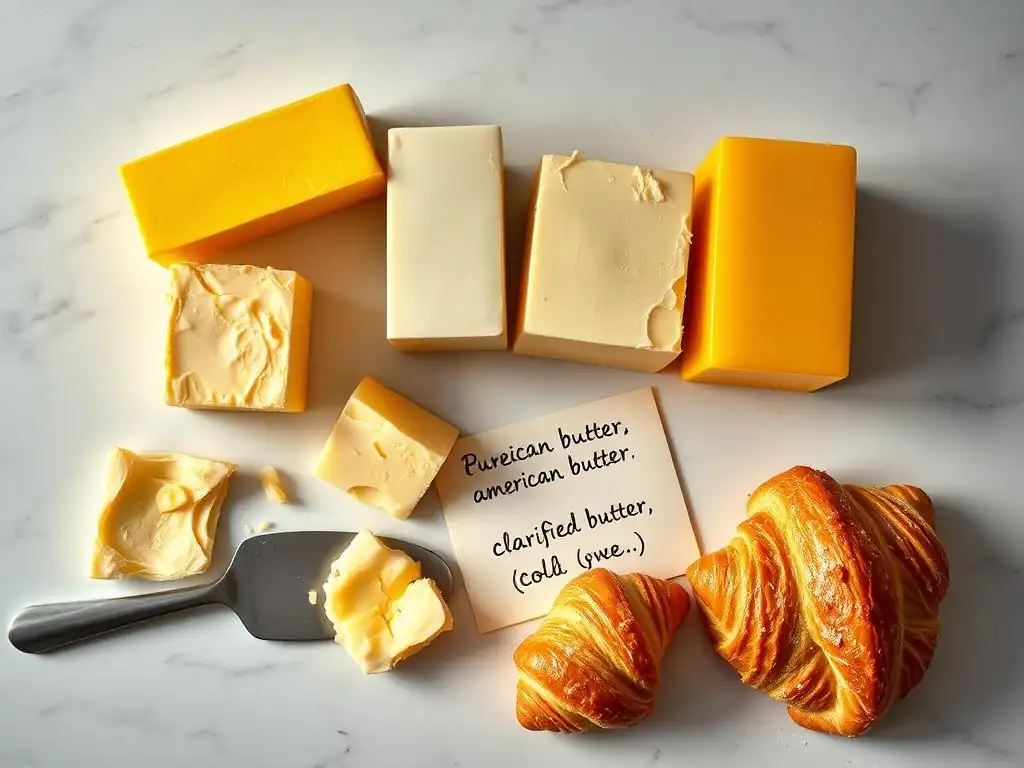
The type of butter you choose and how you prepare and handle it are fundamental to preventing those frustrating butter leaks and achieving perfect croissant lamination technique. Not all butters are created equal, particularly when it comes to their performance in laminated doughs.
High-quality butter, especially European-style butter with a higher fat content (typically 82-84% compared to the 80% in many American butters), is often preferred. The lower water content in these butters makes them more pliable and less prone to melting at slightly higher temperatures, providing a wider margin for error during the demanding process of lamination. How you prepare the butter block itself is also crucial.
High-Fat Butter for Stability
Opting for butter with a higher fat percentage provides several advantages for perfect croissant lamination technique. With less water, the butter block is more stable and less likely to melt and leak out prematurely. The higher fat content also contributes to a richer flavor and a tender crumb in the final baked good. While regular 80% butter can work, especially if kept very cold, upgrading to a higher-fat option can significantly improve your results and reduce the risk of butter blow-out.
Consider brands known for their high-fat content, such as Kerrygold (often around 82%), Plugrá (82%), or specific European brands. The slightly higher cost is often justified by the improved performance and the enhanced quality of the finished pastry. Using cold, high-quality butter is a non-negotiable step for serious laminated dough work.
Preparing the Beurrage to the Right Consistency
The beurrage (the butter block) needs to be prepared so that its consistency matches the dough's consistency when they are brought together. This means the butter should be pliable and bendable but not soft or greasy. If the butter is too hard, it will crack and break during rolling, creating gaps in the butter layer. If it's too soft, it will squeeze out.
Achieving the right consistency often involves taking cold butter, letting it soften slightly at room temperature, then beating it (with a rolling pin or mixer) until it becomes smooth and plastic. It's then shaped into a precise rectangle (using parchment paper and a ruler can help) and chilled until it is firm but still slightly flexible – roughly the same firmness as your chilled dough. This ensures that the butter and dough roll out together evenly, maintaining distinct layers.
5. Resting and Timing
Strategic resting periods are as important as the rolling and folding themselves in achieving perfect croissant lamination technique and preventing butter leaks. The dough needs time to relax between turns, and the butter needs time to firm up. Rushing this process is a common pitfall.
Each rest in the refrigerator allows the gluten network in the dough to recover from the stress of rolling. If the dough is rolled again too soon, the gluten will be tight and resistant, making rolling difficult and increasing the risk of tearing the dough or squeezing out the butter. The rest also ensures the butter is cold and firm, ready to be rolled into another thin, even layer.
Sufficient Resting Between Folds
After each "turn" (a series of rolling and folding steps), the dough must rest in the refrigerator. A minimum of 30-60 minutes is typically required, but longer rests (even several hours) can be beneficial, especially if your kitchen is warm or you are new to lamination. The goal is for the dough to feel relaxed and the butter firm when you take it out for the next step.
This resting period is crucial for preventing the butter from melting under the friction and pressure of rolling. It also allows the different layers to "bond" slightly in the cold, making them less prone to separation or tearing during subsequent steps. Patience during these resting periods is a virtue that directly pays off in the quality of your finished pastries.
Avoiding Overworking the Dough
Overworking the dough, either through excessive kneading initially or too much rolling and handling during lamination without adequate rest, can lead to a tough dough that resists rolling. This resistance can cause you to apply more pressure, increasing the likelihood of butter leaks.
Pay attention to how the dough feels. If it springs back excessively when you try to roll it, it needs more rest. Don't try to force the dough to extend; give it time to relax in the refrigerator. Also, be mindful of the total number of folds specified in the recipe (typically 3 or 4 for croissants). Doing more folds than necessary can overwork the dough and potentially break down the butter layers, leading to a less distinct final texture.
Advanced Lamination Strategies for Experienced Bakers
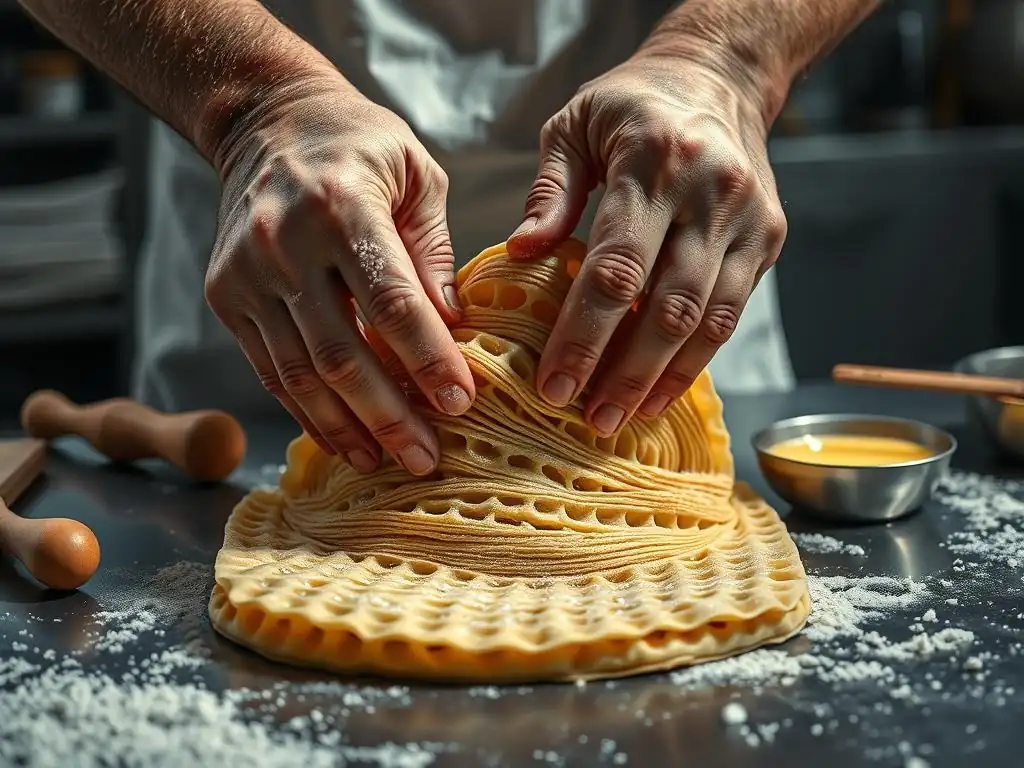
For those who have mastered the basics and are looking to refine their perfect croissant lamination technique further, there are additional strategies that can be employed. These often involve fine-tuning ingredient ratios, controlling the environment more precisely, or using tools to monitor conditions.
These advanced techniques require a deeper understanding of dough and butter behavior and often involve slight deviations from standard recipes or procedures based on experience and observation. They are aimed at achieving the absolute pinnacle of flakiness and rise.
Dough and Butter Ratio Adjustments (Proceed with Caution)
Experienced bakers might experiment with the ratio of butter to dough. Standard croissant recipes often use a ratio of approximately 1:2 (butter to dough weight), or sometimes slightly higher, like 1:1.8. Adjusting this ratio can impact the final texture and richness. Increasing the butter ratio can yield a richer, potentially flakier result, but it also significantly increases the risk of butter leaks if not handled perfectly.
For instance, moving from a 25% butter inclusion relative to total dough weight to 30% requires even more meticulous temperature control and gentle handling. A common range for butter in croissant dough is 25-35% of the total dough weight. Experimenting within this range requires careful observation of how the dough handles and how the butter performs under rolling pressure at specific temperatures. Start with small adjustments and note the outcomes.
Environmental Control
Beyond simply keeping the kitchen cool, advanced bakers often focus on creating a controlled environment for lamination. This can involve using specialized equipment or techniques to ensure the dough and butter remain within a very narrow temperature window.
Some professional kitchens use temperature-controlled rooms or specialized chilling tables for lamination. At home, this might involve using ice packs placed near (but not directly on) the work surface, or using a cold room like a basement or garage during cooler months. Monitoring the ambient temperature and the dough temperature with a thermometer and adjusting workflow accordingly (e.g., shorter rolling sessions, longer rests) is key. Maintaining an ambient temperature below 68°F (20°C) is highly beneficial.
Utilizing Temperature Monitoring Systems
While not a "system" in a high-tech sense for most home bakers, using a simple digital thermometer to check the internal temperature of your dough and butter block at various stages is an advanced technique that provides valuable data. Relying solely on how the dough "feels" can be misleading, especially when learning.
Periodically checking the temperature helps you understand how quickly your dough is warming up under your hands and on your work surface. If the dough temperature is creeping towards 55°F (13°C) during rolling, you know it's time for a longer, more effective chill before proceeding. Aim to keep the internal temperature of your laminated dough below 50°F (10°C) throughout the rolling and folding process. This data-driven approach helps pinpoint exactly when chilling is needed and ensures the butter remains in its ideal state for lamination.
Maximizing Croissant Lamination: A Recap
Preventing butter leaks is absolutely essential for achieving perfect croissant lamination technique and those coveted flaky layers. It requires a combination of precise temperature control, careful ingredient preparation, gentle handling, and sufficient resting time.
Focusing on keeping the dough and butter cold throughout the process, using high-quality butter, developing a strong yet elastic dough, and mastering smooth rolling and folding techniques are the fundamental steps. By paying close attention to these details, you significantly reduce the risk of butter leaks and set yourself up for lamination success.
Key Takeaways for Preventing Butter Leaks
- Temperature is paramount: Keep dough and butter between 40-50°F (4-10°C).
- Chill diligently: Rest the dough for 30-60 minutes (or longer) in the fridge between every fold.
- Use quality butter: High-fat butter (82%+) is more stable.
- Prepare butter correctly: The beurrage should be pliable but firm, matching dough consistency.
- Handle gently: Use smooth, even pressure when rolling; avoid aggressive force.
- Develop dough properly: Ensure sufficient gluten structure to contain the butter.
- Work efficiently: Minimize the time the dough is out of the refrigerator.
Resources for Further Learning and Research
For those eager to deepen their understanding of perfect croissant lamination technique, exploring resources from experienced pastry chefs and detailed baking books can be invaluable. Look for guides that provide specific temperature targets, visual cues for dough and butter consistency, and step-by-step photo tutorials of the folding process. Online forums and baking communities can also offer practical tips and troubleshooting advice from other home bakers facing similar challenges.
Studying the science behind lamination – how gluten development interacts with butter plasticity and how steam creation affects layers during baking – can provide a theoretical foundation that enhances your practical skills. Many culinary schools and online baking platforms offer courses specifically focused on viennoiserie (pastries like croissants), providing detailed instruction and expert guidance on mastering lamination.
We'd love to hear about your journey with perfect croissant lamination technique! Have you discovered a trick for keeping your butter cold? Do you swear by a specific brand of butter? What was your biggest challenge, and how did you overcome it? Sharing your experiences helps everyone in our baking community learn and grow.
- Did you successfully prevent butter leaks using a specific method?
- Have you experimented with different butter types or ratios?
- What temperature management strategies have worked best for you in a home kitchen?
- What are your favorite resources for learning about laminated dough?
Leave a comment below and share your insights, questions, and successes! Let's help each other achieve lamination perfection, one flaky layer at a time.
Frequently Asked Questions
How can I prevent butter from leaking during croissant lamination?
Butter leakage often stems from the butter being too warm or the dough being overworked. Ensure your butter is chilled and use a gentle touch during folding to maintain distinct layers.
What is the ideal butter temperature for successful croissant lamination?
The ideal butter temperature is crucial. Aim for a firm, yet pliable consistency, similar to modeling clay. If it's too cold, it will shatter; too warm, it melts.
How many folds are typically required for perfect croissant lamination?
While it varies slightly depending on the recipe, a typical croissant lamination involves around three to four single folds. This creates the desired flaky layers.
What type of flour is best for achieving optimal lamination in croissants?
Strong bread flour with a high gluten content is recommended. This provides the necessary structure and elasticity to hold the butter layers and create a light, airy crumb.
What are some common mistakes to avoid during croissant lamination?
Avoid overworking the dough, using warm butter, or insufficient resting time between folds. These can all compromise the lamination and result in a dense, less flaky croissant.
Final Reflection: Mastering the Art of the Perfect Croissant
The pursuit of the perfect croissant, with its delicate layers and melt-in-your-mouth texture, remains a culinary quest of enduring fascination. This seemingly simple pastry demands precision and patience, a testament to the power of technique in achieving culinary excellence. The seemingly minor details, like preventing butter leaks during lamination, are crucial to unlocking the secrets of this beloved treat. Mastering these techniques isn't just about creating a beautiful pastry; it's about understanding the fundamental principles of baking and embracing the rewarding process of culinary craftsmanship.
The impact of perfecting techniques like croissant lamination extends beyond the individual baker. It's a journey of continuous learning and refinement, a reflection of our dedication to quality and the pursuit of excellence in all aspects of our lives. The difference between ordinary and extraordinary is that little extra.
This quote resonates deeply with the meticulous care required for perfect lamination, highlighting how small details can elevate a simple pastry into a work of art. The pursuit of this perfection fosters a deeper appreciation for the ingredients, the process, and the artistry involved in creating something truly special.
Now, consider your own journey. Perhaps you've experienced the frustration of a butter leak, the disappointment of uneven layers. But remember, every failed attempt is a step closer to mastery. I invite you to embrace the challenge, to experiment with the techniques outlined in this article, and to find joy in the process of creating your own perfect croissants. Don't be afraid to get your hands messy, to learn from your mistakes, and to celebrate the delicious rewards of your hard work. The journey to the perfect croissant is a journey of self-discovery, patience, and ultimately, delicious success.
Unleash Your Inner Pastry Chef: Master Perfect Lamination!
Thanks for taking the time to explore the world of flawless lamination! You've just unlocked the secrets to buttery, flaky perfection. Now it's time to put your newfound knowledge into action.
- Take on the challenge! Try laminating your favorite pastry recipe this week. Even a simple croissant will show you the difference these techniques make.
- Share your successes (and even your failures!) We love to see your baking journey. Post your creations and tag us on social media – let's learn together!
- Explore our other baking guides and unlock even more baking mastery! (this is implied, don't need to write the website name)
Ready to create some seriously impressive pastries? What's the first recipe you're tackling with your newfound lamination skills?