
The Art of the Turn: How Many Folds for Perfect Croissants?

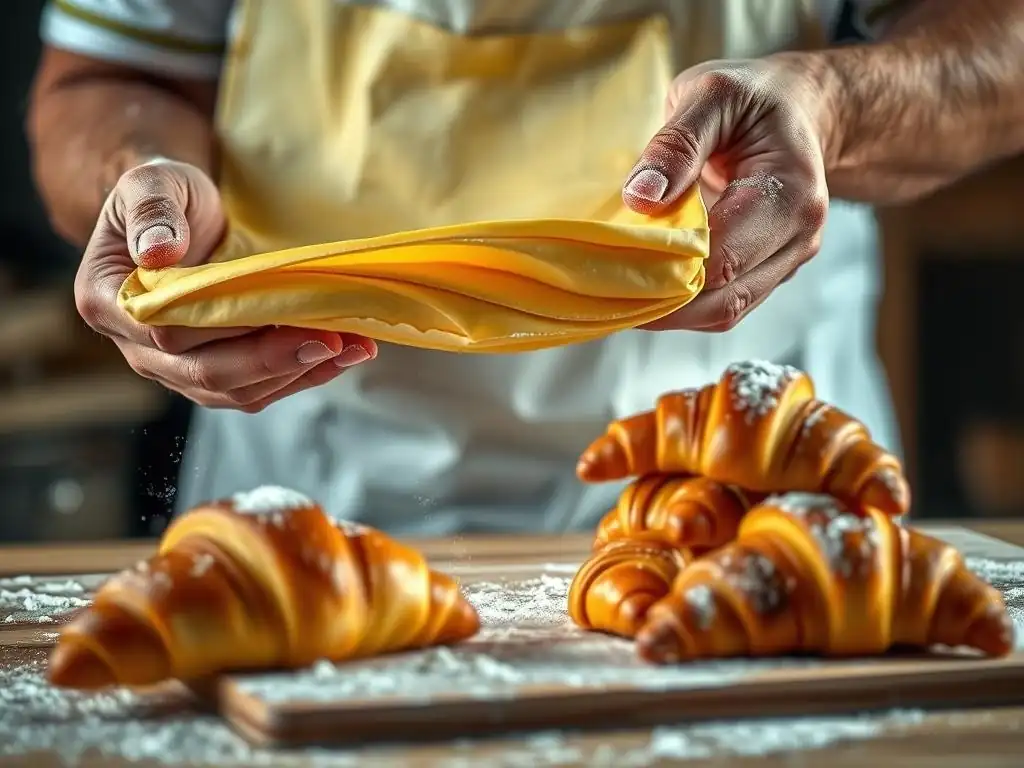
Welcome to BakeWithEase, your trusted guide to baking bliss! Ever wondered about the secret to achieving those irresistibly flaky layers in a perfect croissant? In this article, we delve into the crucial question: How many croissant folds are truly necessary to unlock that melt-in-your-mouth texture? Join us as we explore the art of the turn, demystifying the process and empowering you to create bakery-worthy croissants right in your own kitchen. Prepare to elevate your intermediate baking skills – the answer might surprise you!
- The Impact of Lamination on Croissant Quality
- Introduction to Lamination: Transforming Dough
- Dough Integrity Considerations: A Step-by-Step Guide to Dough Handling Security
- Optimizing Effort: Finding the Optimal Balance
- The Ideal Dough Environment: Balancing Flakiness and Integrity
- Beyond Basic Folding: Factors Influencing Croissant Success
- Troubleshooting Common Folding Issues
- Advanced Folding Techniques: Exploring Variations
- Conclusion: Mastering Croissant Folding for Baking Success
-
Frequently Asked Questions
- How many folds are generally recommended when making croissants?
- Why is the number of folds in croissant dough important?
- What happens if I over-fold my croissant dough?
- Is there a difference between single and double folds when making croissants?
- What are some tips for ensuring successful croissant folding?
- Final Reflection: The Enduring Allure of the Perfect Croissant Fold
- Unleash Your Inner Pastry Chef: Master the Croissant Fold!
The Impact of Lamination on Croissant Quality
Introduction to Lamination: Transforming Dough
Lamination is the crucial process that gives croissants their signature light, airy, and flaky texture. It involves repeatedly folding butter into dough, creating alternating layers. This intricate technique transforms a simple mass of dough and fat into a complex structure that, when baked, yields hundreds of distinct layers. The success of this transformation hinges significantly on precision and patience, directly influencing the final quality of the pastry. Understanding the mechanics of lamination is fundamental for anyone aiming to bake authentic croissants at home.
The lamination process, often referred to as "giving turns" or "folds," is where the magic truly happens. Each fold multiplies the existing layers of dough and butter. The number of times you repeat this folding process directly determines the total number of layers in your finished croissant. This build-up of layers is what allows the butter to create steam during baking, separating the dough layers and resulting in that characteristic flaky structure we all love. Mastering this process is key to achieving baking success.
Why Lamination Matters for Flakiness and Structure Efficiency
Lamination is absolutely critical for achieving the desired flakiness in croissants. Without the precise layering of butter between dough, the pastry would bake into a dense, bread-like texture rather than the delicate, shatteringly crisp layers that define a great croissant. The butter acts as a barrier, preventing the dough layers from fusing together during baking. As the croissant bakes, the water in the butter turns to steam, which forces the layers apart, creating air pockets and that wonderful, airy structure. The efficiency of this process, meaning how well the layers are created and maintained, directly impacts the final outcome.
Furthermore, the structure created by proper lamination contributes significantly to the croissant's rise and shape. A well-laminated dough will expand evenly in the oven as the steam works its magic, leading to a higher, more open crumb structure. The number of croissant folds directly influences this.
Too few folds might result in thick, bready layers, while too many can make the layers too thin, potentially causing them to merge or the butter to break through. Finding the right balance is essential for both optimal flakiness and structural integrity, ensuring the pastry holds its iconic crescent shape and achieves maximum volume.
Understanding Different Folding Techniques: Single, Double, Book Folds
When laminating dough for croissants, bakers typically employ one or two primary folding techniques, often referred to as turns. The most common is the single fold, where the dough is rolled into a rectangle, and one-third is folded over the middle third, then the remaining third is folded over the top, much like folding a letter. This method triples the number of existing layers with each turn. For instance, starting with 2 layers (dough and butter), one single fold yields 2 * 3 = 6 layers.
Another popular technique is the book fold (sometimes called a double fold or four-fold). Here, the rolled dough rectangle is folded in from both ends towards the center line, and then folded in half like closing a book. This method quadruples the number of layers with each turn.
Starting with 2 layers, one book fold yields 2 * 4 = 8 layers. Recipes often combine these techniques, for example, using a book fold followed by one or two single folds. The chosen sequence and how many croissant folds are performed ultimately determine the final layer count and contribute differently to the pastry's texture.
Dough Integrity Considerations: A Step-by-Step Guide to Dough Handling Security
Maintaining the integrity of the dough throughout the lamination process is paramount. Think of it like protecting a sensitive system; any compromise can lead to failure. This involves careful handling, precise temperature control, and preventing damage to the delicate layers being created. A breach in dough integrity, such as tearing or warming the butter excessively, can ruin the lamination and result in a poor texture. Following a step-by-step approach ensures the dough remains robust and pliable through each turn.
The process demands vigilance from start to finish. From the initial mixing of the detrempe (the dough base) to incorporating the butter block and executing each fold, every step requires attention to detail. Protecting the dough from temperature fluctuations is a primary concern, as warm dough becomes sticky and difficult to handle, and warm butter melts into the dough rather than staying in distinct layers. Handling the dough gently prevents tearing the gluten structure and preserves the thinness of the layers being built with each fold.
Implementing Temperature Control and Dough Handling Access
Effective temperature control is like implementing strong encryption for your dough. The butter needs to be pliable but cold, typically between 1°C and 10°C (around 34°F to 50°F). If the butter is too hard, it will break into pieces during rolling, leading to uneven layers. If it's too soft or melted, it will integrate into the dough, destroying the layering effect. The dough itself must also be kept cold, ideally below 10°C (50°F), to prevent the butter from melting and to keep the gluten relaxed, making it easier to roll without resistance or tearing.
Proper handling access means controlling how and how often you manipulate the dough. Minimizing handling and working quickly helps maintain the cold temperature. When rolling, apply even pressure and roll from the center outwards. Avoid excessive flour, which can dry out the dough and prevent layers from sticking properly.
Between each turn, the dough requires adequate resting time in the refrigerator, typically 30-60 minutes. This rest allows the gluten to relax, preventing shrinkage and making the dough easier to roll for the next fold, while also ensuring the butter remains cold and firm. This rest period is crucial regardless of how many croissant folds you plan to execute.
Monitoring Dough Environment for Temperature Fluctuation and Yeast Over-Activity Detection
Continuously monitoring the dough's temperature and its environment is vital, akin to monitoring a system for threats. During rolling and folding, the dough will inevitably warm up slightly from the heat of your hands and the friction of rolling. Feeling the dough regularly can give you a sense of its temperature. If it starts to feel soft or the butter seems to be oozing, it's a clear sign it needs to go back into the refrigerator immediately. Working in a cool kitchen environment also helps significantly in maintaining the desired temperature.
Beyond temperature, monitoring for signs of yeast over-activity is important, especially if your dough includes yeast (as traditional croissant dough does). Over-proofing between folds can make the dough difficult to handle and lead to a poor structure. If the dough starts to puff up significantly during its rest period in the fridge, it might indicate the yeast is too active for the cold temperature, or the fridge isn't cold enough.
While some slight rising is normal, excessive puffing suggests the dough needs a colder environment or a shorter rest time before the next turn. Observing the dough's behavior helps you adjust your process.
Optimizing Effort: Finding the Optimal Balance
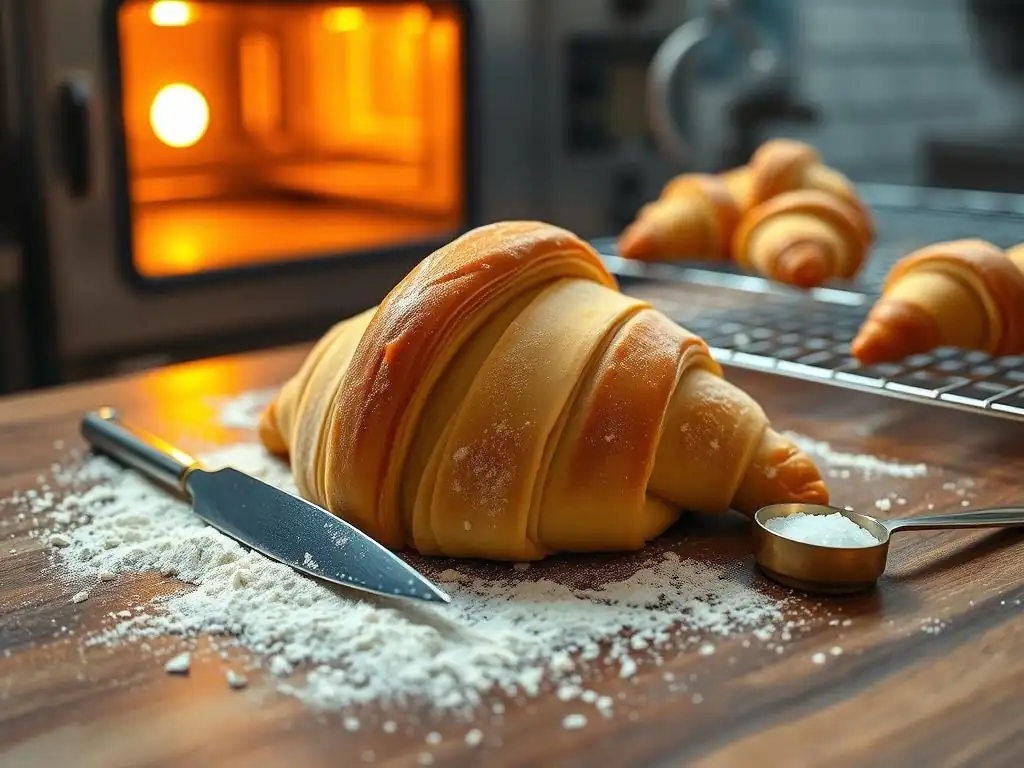
The lamination process requires significant effort, both physically in rolling and folding, and in terms of time with the necessary resting periods. Optimizing this effort means finding the balance between achieving the desired number of layers for optimal flakiness and preventing overworking the dough or spending excessive time. The goal is to create a perfectly laminated dough with minimal stress on the gluten structure and efficient use of your time in the kitchen. This balance directly relates to how many croissant folds are truly necessary for the best result.
Finding this optimal balance involves understanding the relationship between the number of folds, the type of folds used, and the resulting layer count. While more layers might seem intuitively better, there's a point of diminishing returns. Too many folds can make the layers so thin they fuse during baking, or make the dough too difficult to handle without tearing. An optimal number of croissant folds maximizes flakiness without compromising the dough's integrity or requiring excessive, counterproductive effort.
The Impact of Butter Distribution on Lamination Expenditure
The quality and distribution of the butter block significantly impact the efficiency and outcome of lamination, much like resource allocation affects system expenditure. Using high-quality butter with a relatively high fat content (typically 82% or higher) is crucial because it contains less water, leading to better layer separation. The butter block must also be prepared correctly – it needs to be the right consistency (pliable but cold) and evenly shaped to fit inside the dough rectangle, covering it almost entirely.
Uneven butter distribution is a common issue that wastes effort and compromises the final product. If the butter block is too hard, too soft, or unevenly thick, it will not roll out smoothly with the dough.
This can lead to areas with no butter (where layers fuse) or areas with too much butter (where it might leak out during baking). Ensuring the butter block is consistently pliable and evenly distributed within the dough before the first fold sets you up for successful lamination through all subsequent turns, reducing wasted effort and improving the quality of the layers, regardless of how many croissant folds you plan.
Avoiding Overworking: Strategies for Effort Optimization
Overworking the dough during lamination is a primary pitfall to avoid; it's like spending excessive resources on a task without gaining proportional benefit. Rolling the dough too forcefully or too many times between rests can develop the gluten excessively, making the dough spring back and difficult to roll thinly. This resistance makes the process harder and can lead to uneven layers or even tearing. Strategies to avoid this include using smooth, even pressure when rolling, ensuring the dough is adequately rested and cold between folds, and rolling only as much as needed to perform the next fold.
Another aspect of avoiding overworking is being mindful of the total number of folds. While some recipes call for four single folds resulting in 256 layers (2 * 3^4), this can be excessive for home bakers and often leads to fragile dough that's hard to handle.
A common and often optimal number of croissant folds is three turns, using either three single folds (resulting in 54 layers, 2 * 3^3) or a combination like one book fold and two single folds (resulting in 72 layers, 2 * 4 * 3 * 3). These layer counts provide excellent flakiness without making the dough overly delicate, optimizing your effort for a great result.
The Ideal Dough Environment: Balancing Flakiness and Integrity
Creating the ideal dough environment during lamination is about achieving a delicate balance between maximizing the potential for flakiness and maintaining the structural integrity of the dough. This environment is not just about temperature but also about the dough's elasticity, the butter's consistency, and the overall handling. A successful lamination process results in dough that is both strong enough to withstand rolling and shaping, yet yielding enough to produce those hundreds of paper-thin layers when baked.
The temperature of your workspace, your hands, and the dough itself are all critical factors in this environment. A cool kitchen is your best friend when making croissants. Warm conditions are the enemy of lamination, causing the butter to melt and integrate into the dough, destroying the layers. The dough needs to be pliable enough to roll without excessive force but firm enough to hold its structure. Achieving this balance through proper chilling and careful handling ensures that the layers you work so hard to create remain distinct and ready to perform in the oven.
The Recommended Folding Architecture: Balancing Layers and Dough Strength
Many classic croissant recipes converge on a recommended folding architecture that balances a high layer count with manageable dough strength. The most frequently cited approach involves three turns. This could be three single folds (letter folds), resulting in 54 layers before shaping, or sometimes a combination like one book fold followed by two single folds, yielding 72 layers. This range of layer counts (54-72) is generally considered ideal for achieving that characteristic honeycomb interior and crisp exterior.
This number of croissant folds provides enough layers for significant steam lift and flakiness without making the dough so thin that it tears easily or the butter breaks through during rolling and shaping. It strikes a balance where the gluten structure, developed just enough during initial mixing, can still support the dough through several rounds of rolling and resting. This architecture ensures that the dough has the necessary strength to be rolled out thinly for cutting and shaping into crescents without losing its layered structure.
Achieving Consistent Flakiness: Tips for Folding Optimization
Consistency is key to achieving uniformly flaky croissants batch after batch. This means applying even pressure when rolling the dough during each turn, ensuring the dough rectangle is uniform in thickness from edge to edge. Uneven rolling leads to areas with more layers and areas with fewer, resulting in inconsistent flakiness in the final product. Rolling gently and evenly across the surface helps distribute the butter consistently.
Another tip for optimization is allowing sufficient rest time between each fold. This isn't just about chilling the butter and dough; it also allows the gluten to relax. Relaxed gluten means the dough will be less resistant to rolling during the next turn, allowing you to roll it thinner and more evenly without fighting it. Rushing the resting periods is a common mistake that leads to uneven layers and potential tearing, ultimately compromising the flakiness, regardless of how many croissant folds you perform. Patience during the chilling steps is paramount for consistent results.
Beyond Basic Folding: Factors Influencing Croissant Success

While mastering the physical act of folding and understanding how many croissant folds are needed is central to croissant making, several other factors significantly influence the final success of your pastry. These elements go beyond the mechanics of lamination and touch upon the science and management of the dough itself, impacting everything from flavor development to oven spring. Neglecting these aspects can undermine even the most perfectly laminated dough.
These additional factors include managing dough temperature effectively throughout the entire process (not just during rests), adhering strictly to recipe specifications and techniques, and learning to observe and interpret the dough's behavior. Just like managing complex business operations involves more than just one department, successful croissant baking requires attention to multiple interconnected stages and details.
Dough Temperature Management Techniques and Strategies
Precise dough temperature management is crucial from the moment you mix the dough through to the final proofing. The initial dough temperature after mixing (known as the 'desired dough temperature' or DDT) is often controlled by adjusting the water temperature. For croissant dough, a low DDT is usually desired, around 20-22°C (68-72°F), to ensure a slow, controlled fermentation, especially during the overnight rest typically required before lamination begins.
Throughout the lamination process, strategies for keeping the dough cold are essential. This includes working in a cool kitchen, minimizing the time the dough is out of the refrigerator, and ensuring the refrigerator is set to a sufficiently cold temperature (around 2-4°C or 35-40°F). Some bakers even use marble surfaces or chilled rolling pins to help keep the dough cool during rolling. Properly managing temperature at every stage prevents the butter from melting into the dough and ensures the layers remain distinct through every one of the croissant folding turns.
The Importance of Recipe Adherence and Technique Compliance
Following a well-tested recipe meticulously is critical for croissant success. Croissant making is a precise process where ingredient ratios and timing matter. Altering the amount of flour, water, butter, or yeast without understanding the potential consequences can lead to dough that is too sticky, too dry, doesn't develop properly, or doesn't laminate well. Think of the recipe as your compliance framework – deviating from it introduces risks.
Beyond ingredients, adhering to specific techniques for mixing, kneading (minimal for croissants), incorporating the butter block, and executing each fold is equally important. Each step is designed to contribute to the final texture and structure. For example, correctly sealing the butter within the dough before the first fold prevents leakage, while rolling the dough to the specified dimensions before each turn ensures the correct multiplication of layers. Consistency in technique across all steps, including how many croissant folds are performed and how they are executed, is key to repeatable success.
Leveraging Folding Observation: Achieving Baking Insights
Learning to observe and interpret the dough's behavior during the lamination process provides invaluable baking insights. Is the dough tearing easily when you roll it? This might mean it hasn't rested long enough or the gluten is too developed. Is the butter cracking? It's too cold. Is the butter oozing? It's too warm. These observations allow you to make real-time adjustments to your technique or chilling times, preventing potential issues before they ruin the final product.
Furthermore, analyzing the results of your bake can provide insights for future attempts. How was the layer separation? Was the crumb structure open and airy? Did the butter leak out? By correlating the final outcome with your process – including how many croissant folds you performed, how long you rested the dough, and how you handled it – you can identify what worked well and what needs improvement. This iterative process of observation and adjustment is how bakers refine their skills and consistently achieve better results.
Troubleshooting Common Folding Issues
Even with careful planning and execution, you might encounter issues during the croissant lamination process. These problems often manifest as difficulties in handling the dough, compromised layer structure, or problems during baking. Recognizing these common issues and knowing how to address them is part of mastering the art of the croissant. Troubleshooting effectively can save a batch that might otherwise seem destined for failure.
Common problems include dough that resists rolling or tears, butter that leaks out, or the finished croissants lacking distinct layers. Each of these issues can often be traced back to specific points in the lamination process, highlighting the importance of attention to detail at every step. Addressing these problems requires understanding their root cause and applying corrective techniques.
Addressing Dough Tearing and Unevenness Problems
Dough tearing during rolling is a frustrating but common problem. Often, this is because the dough hasn't rested long enough between folds, and the gluten is too tight and resistant to stretching. If the dough springs back significantly when you try to roll it, stop, cover it, and return it to the refrigerator for another 15-30 minutes to allow the gluten to relax further. Trying to force the dough when it's resistant will inevitably lead to tears, compromising the layers you've worked to build.
Unevenness in the rolled dough is another frequent issue. This can result from applying uneven pressure when rolling or from the dough not being uniformly cold. If you notice thinner or thicker spots, try to gently roll these areas to even them out before performing the fold. If the dough is consistently uneven after rolling, it might indicate the butter block wasn't evenly distributed initially or the dough temperature is inconsistent. Ensuring the dough is uniformly chilled and rolling with steady, even pressure across the surface are key to preventing unevenness through all the croissant folding steps.
Resolving Butter Leakage and Over-Proofing Vulnerabilities
Butter leakage, where butter starts squeezing out from the edges of the dough during rolling or proofing, is a critical vulnerability. This usually happens if the butter is too soft (too warm) or if the dough has been rolled unevenly, creating thin spots where the butter can escape. If you notice minor leakage during rolling, you can sometimes dust the area with a little flour and try to seal the edge by pressing gently.
However, significant leakage means the butter was likely too warm and the dough needs immediate chilling. Return the dough to the fridge until the butter firms up again before attempting to continue.
Over-proofing before baking is another vulnerability that can ruin the layers. If the croissants proof for too long or in too warm an environment, the delicate layers can start to meld together, and the butter might begin to melt before it hits the oven. The croissants should look puffy and jiggly but still hold their shape.
If they look excessively swollen or the layers seem less defined, they are likely over-proofed. While difficult to fully correct, baking them immediately, perhaps at a slightly adjusted temperature, might salvage them. Proper temperature control during proofing (often at a cooler room temperature or even in the fridge overnight) is the best defense against this, regardless of how many croissant folds you've done.
Correcting Configuration Errors and Performance Bottlenecks
Configuration errors, in baking terms, often relate to mistakes in measurement or setup, like using the wrong flour type or having an improperly tempered butter block. Using bread flour instead of a lower-protein all-purpose flour can lead to overly strong, elastic dough that's hard to laminate. Ensure you are using the correct ingredients as specified by the recipe. An improperly tempered butter block (too hard or too soft) creates a performance bottleneck, making rolling difficult and risking tears or leakage. Always ensure your butter is pliable and cold before starting the lamination process.
Performance bottlenecks during lamination often stem from insufficient chilling time between folds. Trying to rush the process by shortening the rest periods means the dough and butter remain warm and resistant. This makes rolling harder, increases the risk of tearing or butter leakage, and prevents the gluten from relaxing, creating a vicious cycle of difficulty.
If you find the dough is consistently fighting you or warming up too quickly, the bottleneck is likely the chilling step. Extend the rest periods in the refrigerator to at least 45-60 minutes to allow the dough to properly recover and chill before attempting the next turn. This is a fundamental principle, irrespective of how many croissant folds are in your recipe.
Advanced Folding Techniques: Exploring Variations
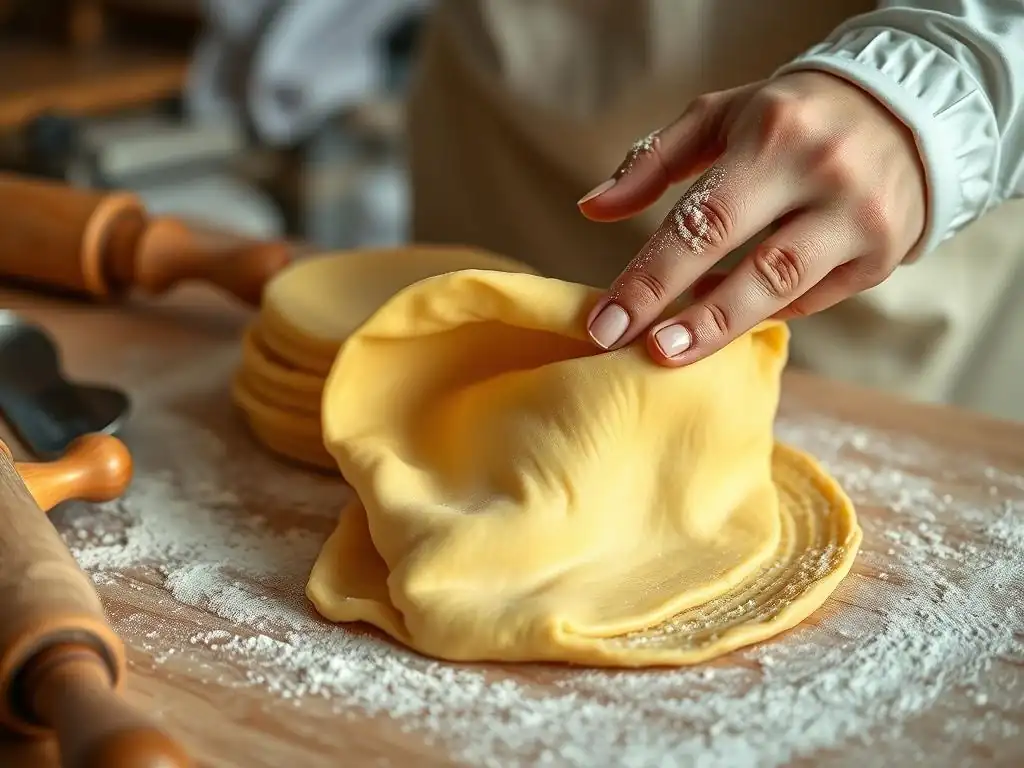
Once you've mastered the fundamental techniques and understand how many croissant folds achieve the classic result, you can explore variations and more advanced approaches. While the goal remains creating flaky layers, different methods can slightly alter the final texture or offer alternative workflows. Exploring these techniques allows bakers to refine their craft and experiment with different outcomes.
These advanced techniques might involve subtle changes in the type or sequence of folds, or understanding the underlying science to manipulate the dough more effectively. They build upon the basic principles of lamination but offer avenues for deeper control over the final pastry structure and texture.
Quick Folding Methods: A Time-Effective Approach
While traditional croissant making is a multi-day process involving long rests and multiple folds, some quicker methods exist for home bakers seeking a more time-effective approach. These often involve incorporating softened butter directly into the dough before chilling and performing fewer, but sometimes different, types of folds. For example, some recipes might use a method akin to rough puff pastry, where chunks of butter are folded into the dough initially, followed by a reduced number of turns.
These quick methods may not yield the identical, perfect honeycomb structure of a traditionally laminated croissant with its specific number of croissant folds, but they can produce a flaky pastry suitable for various applications. They are a compromise, trading some degree of layered perfection for speed and simplicity. Understanding the science behind lamination allows bakers to adapt techniques while being aware of the likely impact on the final texture.
Leveraging Dough Science: Enzymes and Fermentation Controls
A truly advanced understanding of croissant making involves leveraging dough science, particularly the role of enzymes and controlled fermentation. Enzymes naturally present in flour (like amylase and protease) or added commercially can affect the dough's extensibility and handling properties. Controlled fermentation, often involving a long, cold proofing period (12-24 hours) before baking, develops flavor and contributes to the final rise and texture.
Understanding how factors like temperature, hydration, and yeast activity influence enzyme action and fermentation allows bakers to manipulate the dough for optimal handling and flavor development. For instance, a slightly longer initial bulk fermentation can relax the gluten, making the dough easier to roll during lamination. Conversely, controlling fermentation during the final proof prevents the dough from losing its structure. This scientific knowledge complements the mechanical skill of knowing how many croissant folds to perform and how to execute them perfectly.
Conclusion: Mastering Croissant Folding for Baking Success
Mastering the art of croissant folding is a journey that transforms basic ingredients into an extraordinary pastry. It requires patience, precision, and an understanding of how each step contributes to the final flaky texture. While the process can seem intimidating at first, breaking it down into manageable steps and focusing on key principles makes it achievable for home bakers. The effort invested in proper lamination is directly rewarded in the quality of the finished croissant.
Ultimately, success in croissant baking comes down to respecting the process. From preparing the perfect butter block to executing each turn precisely and allowing adequate rest time, every detail matters. Learning to read the dough and adjust your technique based on its feel and appearance is a skill that develops with practice. Don't be discouraged by initial imperfections; each attempt is an opportunity to learn and refine your approach, getting you closer to baking those dream croissants.
Recap of Key Strategies and Best Practices
To recap, achieving perfect croissants hinges on several key strategies and best practices. First and foremost is maintaining cold temperatures throughout the process for both the dough and the butter. This ensures the butter stays in distinct layers, which is fundamental for flakiness. Secondly, executing each fold (single or book) with precision, ensuring the dough is rolled to even thickness before folding, is vital for uniform layers.
Finally, understanding the importance of rest periods between folds cannot be overstated. These breaks allow the gluten to relax and the dough and butter to chill, making the subsequent rolling much easier and preventing tears. While the specific number of croissant folds can vary slightly depending on the recipe, typically three turns (resulting in 54 or 72 layers) is the standard for achieving optimal flakiness and structure. Focusing on these core principles will significantly improve your croissant baking results.
Your Journey to Mastering Croissant Folding in Your Kitchen
Embarking on the journey to master croissant folding in your own kitchen is a rewarding experience. It challenges you to be meticulous and patient but offers the incredible reward of biting into a warm, flaky, homemade croissant. Don't aim for perfection on your first try. Start with a reliable recipe and focus on executing each fold and rest period carefully. Pay attention to how the dough feels and how it responds to rolling.
Practice is truly the key. The more you make croissants, the more intuitive the process will become. You'll develop a feel for the dough's readiness for rolling and become adept at keeping everything at the right temperature. Experiment with different numbers of croissant folds if your recipe allows, observing how it impacts the final texture. Each batch is a learning opportunity, bringing you closer to consistently baking those beautiful, buttery, perfectly layered croissants you've always dreamed of.
Frequently Asked Questions
How many folds are generally recommended when making croissants?
Typically, bakers recommend three to four single folds or two double folds when making croissants. This creates the desired layers of butter and dough.
Why is the number of folds in croissant dough important?
The number of folds directly impacts the flakiness and texture of the croissant. Too few folds result in a less layered and dense croissant.
What happens if I over-fold my croissant dough?
Over-folding can lead to the butter being squeezed out of the dough layers. This results in a tough and less flaky croissant.
Is there a difference between single and double folds when making croissants?
Yes, a single fold involves folding the dough in thirds, while a double fold folds it in quarters. Both achieve layering, but double folds are often considered faster but may require more precision.
What are some tips for ensuring successful croissant folding?
Keep the dough and butter cold throughout the process. Also, allow for adequate resting time between folds to relax the gluten.
Final Reflection: The Enduring Allure of the Perfect Croissant Fold
The pursuit of the perfect croissant, with its delicate layers and buttery flakiness, is more than just a culinary quest; it's a testament to the power of precision and patience. The seemingly simple act of folding dough reveals a complex interplay of technique, timing, and understanding of fundamental pastry principles. This article explored the various folding methods, highlighting the impact of each fold on the final product's texture and appearance, ultimately demonstrating that there's no single "perfect" number of folds, but rather a nuanced understanding of the desired outcome.
The journey of mastering the croissant fold is a microcosm of life itself – a process of iterative improvement, where each fold represents a lesson learned, a skill honed, and a step closer to achieving something truly beautiful. Perfection is not attainable, but if we chase perfection we can catch excellence.
– Vince Lombardi. This quote resonates deeply with the process of croissant making; the pursuit of the ideal fold, while perhaps never fully realized, pushes us to strive for excellence in our craft, whatever that craft may be.
Now, consider your own "folds" in life. What are the seemingly small, repetitive actions that, when performed with care and intention, contribute to a larger, more satisfying outcome? Are you willing to embrace the iterative process, learning from each "fold" – each success and each failure – to achieve your own version of perfection? Take the time to reflect on this, and perhaps, the next time you bake, you'll find a deeper appreciation for the art of the turn, not just in croissants, but in all aspects of your life.
Unleash Your Inner Pastry Chef: Master the Croissant Fold!
Thanks for joining us on this buttery journey into the world of perfect croissants! We hope you've gained valuable insights into the art of the fold. Now it's time to put your newfound knowledge to the test.
- Try a new folding technique: Experiment with a different number of turns based on your dough’s consistency and see how it impacts your croissants. This is your chance to personalize your baking!
- Share your baking adventure: Show off your croissant creations on social media using #BakeWithEaseCroissants and inspire others!
- Join our baking community: Leave a comment below and share your biggest croissant-folding challenge – let’s learn from each other!
Ready to transform your baking game? What's your secret ingredient for achieving the perfect flaky layer?