
The Right Flour Makes a Difference: Choosing for Croissants

Welcome to BakeWithEase!
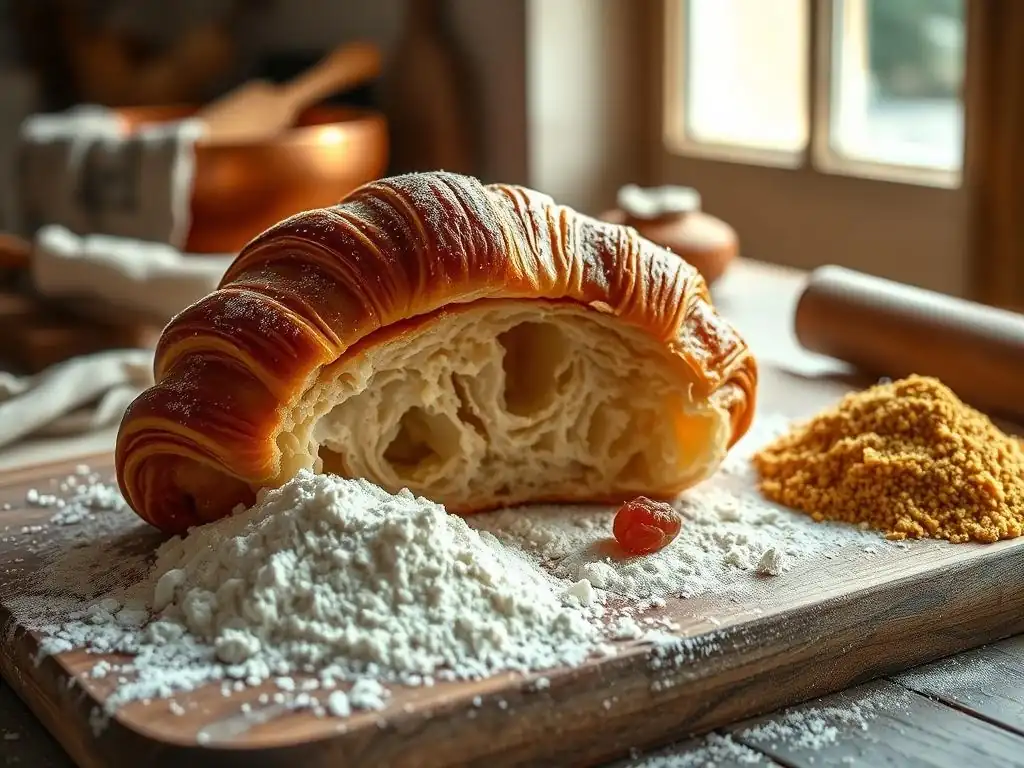
Ever wonder why your croissants don't quite match the bakery's flaky perfection? The secret often lies in the flour. This week, we're diving deep into the world of flour and unlocking the key to crafting the best flour croissants recipe you've ever tasted. Discover the crucial role of protein content, gluten development, and even milling techniques, as we explore what separates a good croissant from a truly exceptional one. Ready to elevate your baking game? Let's get started...
- The Baker's Choice: Selecting Flour for Exceptional Croissants
- Mastering Croissant Baking: Achieving Professional Results at Home
- Flour's Impact on Croissant Quality: A Deep Dive
- Exploring Flour Varieties for Croissant Baking
- Comparative Analysis: Flour Types in Croissant Baking
- Fine-Tuning Croissant Texture: Expert Tips and Techniques
- Flour Selection Guide: Tailoring to Your Baking Goals
- Step-by-Step Guide: Baking Croissants with Your Chosen Flour
- Troubleshooting Common Croissant Issues Based on Flour Properties
- Advanced Techniques: Enhancing Croissant Flavor and Texture
- Flour Storage: Preserving Quality for Consistent Results
- Conclusion: Informed Flour Selection for Exceptional Croissant Baking
-
Frequently Asked Questions
- What type of flour is generally considered best for croissants?
- Why is gluten development so important when making croissants?
- Can I use all-purpose flour if I don't have bread flour?
- What are some signs that my croissant dough has been properly laminated?
- How does the fat content of flour impact the quality of my croissants?
- Final Reflection: The Golden Ratio of Flour and Flavor
- Unleash Your Inner Croissant Master!
The Baker's Choice: Selecting Flour for Exceptional Croissants
Mastering Croissant Baking: Achieving Professional Results at Home
Creating flaky, buttery croissants at home is a rewarding baking journey that many aspire to master. It requires precision, patience, and a deep understanding of the ingredients involved. While butter and technique are undeniably crucial, the type of flour you choose plays an equally significant role in the final texture, structure, and overall success of your best flour croissants recipe. Selecting the right flour lays the groundwork for effective lamination and achieving those coveted airy layers.
Embarking on the path to professional-quality croissants begins with understanding the fundamental properties of flour, particularly its protein content and how it behaves when hydrated and worked. Different flours offer varying levels of gluten potential, which directly impacts the dough's elasticity and extensibility – two characteristics vital for the intricate folding and rolling process known as lamination. By making an informed decision about your flour, you set yourself up for success in replicating the delicate balance of crisp exterior and tender, honeycombed interior found in truly exceptional croissants.
Advanced Techniques for Perfect Croissant Lamination
Achieving perfect lamination is the hallmark of a well-made croissant, and this complex technique relies heavily on the dough's ability to be rolled thinly and evenly without tearing. Lamination involves enclosing a cold slab of butter within the dough and then repeatedly rolling and folding the dough (typically three or four times, creating numerous layers). The quality of the flour dictates how well the dough handles this stress. A dough made with flour that has insufficient or overly tenacious gluten can either tear during rolling or resist forming thin, distinct layers, resulting in dense or uneven croissants.
Expert bakers understand that temperature control is paramount during lamination. The dough and butter must remain cold and firm to prevent the butter from melting into the dough rather than creating separate layers. Typically, the dough temperature is kept between 4°C and 8°C (39°F to 46°F) between folds.
This temperature range ensures the butter stays solid and distinct. The gluten network, developed from the flour's protein, must be strong enough to support the structure but also extensible enough to stretch without snapping, allowing for the formation of hundreds of paper-thin layers of dough separated by butter. The right flour provides this delicate balance, making the dough pliable yet resilient throughout the demanding lamination process.
Flour's Impact on Croissant Quality: A Deep Dive
The quality and type of flour are not merely supporting actors in a best flour croissants recipe; they are central to its performance. Flour provides the structural backbone of the croissant dough through the development of gluten. This protein network is what gives the dough its elasticity, allowing it to be stretched and folded repeatedly during lamination, and its extensibility, enabling it to expand during proofing and baking. The characteristics of the flour determine how this network forms and behaves.
Beyond structure, flour also contributes significantly to the final texture and even the flavor of the baked croissant. The starch in the flour gelatinizes during baking, contributing to the crumb structure, while the protein content directly influences the chewiness or tenderness of the interior. Different flours absorb water differently, impacting the dough's hydration and handling. Understanding these fundamental impacts is key to selecting the ideal flour for your specific croissant baking goals.
Understanding Gluten Development for Optimal Texture
Gluten is formed when two proteins found in wheat flour, glutenin and gliadin, are hydrated and agitated (through mixing or kneading). Glutenin provides elasticity, allowing the dough to spring back, while gliadin provides extensibility, allowing the dough to stretch without breaking. For croissants, you need a balance of both. Too little gluten development (often from low-protein or improperly mixed flour) leads to a weak dough that tears during lamination and results in flat, dense croissants that lack structure. Imagine trying to roll out a crumbly cookie dough – it won't hold layers.
Conversely, over-developing the gluten (often from excessive mixing, especially with high-protein flour) can result in a dough that is too tight and elastic, resisting being rolled thinly. This leads to shrinkage during lamination and a tough, chewy final product rather than the desired light, airy, flaky texture.
The goal is to develop a gluten network strong enough to support the layers and trap steam during baking for oven spring, but relaxed and extensible enough to allow for thin, even layering. This is why specific flour types and careful mixing techniques are essential for achieving the optimal texture in a best flour croissants recipe.
Why High-Quality Flour is Essential for Flaky Layers
High-quality flour is paramount for achieving the signature flaky layers of a croissant. These layers are created during baking when the water in the butter turns to steam, separating the thin sheets of dough. For this to happen effectively, the dough layers must be distinct, uniform, and strong enough to hold their shape as they expand. Poor quality flour, which might have inconsistent protein levels, damaged starch, or impurities, can compromise the integrity of the dough layers.
A high-quality flour, often specifically milled for baking applications like pastries or bread, ensures consistent protein content and optimal starch characteristics. This consistency translates to predictable gluten development and dough handling. Using a reliable flour means the dough will likely stretch evenly during lamination, creating uniform layers that separate beautifully in the oven.
For instance, using a flour with around 11-12% protein is often recommended, as it provides sufficient strength for lamination without becoming overly tough. Such flours facilitate the creation of hundreds of distinct layers – potentially 729 layers after three folds, or even more with four folds – leading to that exquisite flakiness. Choosing the right, high-quality flour is arguably the most critical ingredient decision for any aspiring baker aiming for the best flour croissants recipe.
Exploring Flour Varieties for Croissant Baking
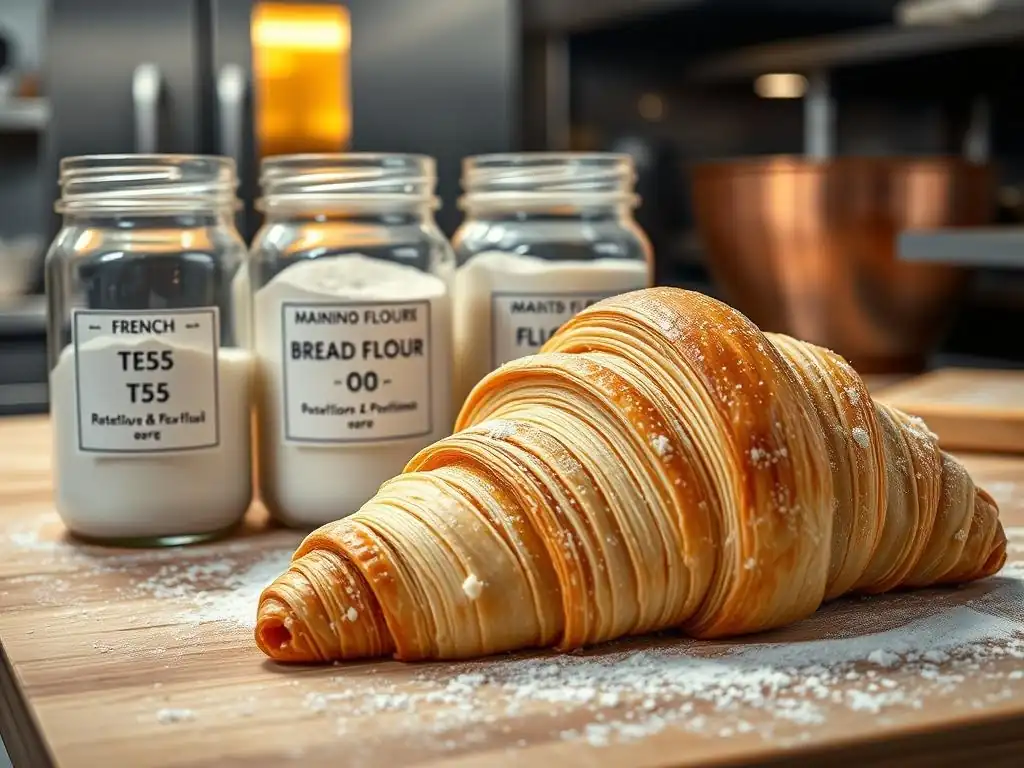
The world of flour offers several options when it comes to baking croissants, each bringing different characteristics to the dough. Understanding these differences is key to selecting the flour that aligns with your desired outcome for your best flour croissants recipe. While all-purpose flour can be used, specialized flours often yield superior results due to their protein content and milling process.
From the commonly available bread flour to specialized European-style flours and even alternative grains, each flour type interacts uniquely with water and butter, impacting dough development, lamination ease, and the final baked texture and flavor. Experimenting with different flours is part of the journey to finding your personal best flour croissants recipe.
Bread Flour: The Foundation for Strong Gluten and Structure
Bread flour is a popular choice for many laminated doughs, including croissants, primarily because of its high protein content, typically ranging from 12% to 14%. This higher protein level means bread flour has excellent gluten-forming potential. When hydrated and kneaded, it develops a strong, elastic gluten network capable of withstanding the rigorous rolling and folding required for lamination. This strength is crucial for creating a dough that can be stretched thinly without tearing and that provides a robust structure to support the many layers.
The strong gluten network in bread flour is also beneficial during proofing and baking. It helps the dough maintain its shape and allows for significant oven spring as the steam expands the layers. While its strength is an advantage for structure and volume, bakers using bread flour must be mindful of potential toughness. Careful mixing to avoid over-development and proper resting periods to allow the gluten to relax are essential techniques when using bread flour in your best flour croissants recipe to ensure flakiness rather than chewiness.
European-Style Flour: Achieving a Delicate Crumb and Rich Flavor
European-style flours, often labeled by 'T' numbers (like T45 or T55 in France, or Type 00 in Italy), are frequently considered ideal for viennoiseries like croissants, especially in traditional recipes. These flours are typically milled from soft wheat and have a lower protein content than most North American bread flours, often ranging from 8% (for very fine T45) to 11.5% (for T55). T55, with protein levels around 10-12%, is particularly favored for its balance of strength and extensibility.
The lower protein and finer milling of European-style flours result in a dough that is often more extensible and less elastic than dough made with high-protein bread flour. This makes the dough easier to roll thinly during lamination, leading to more delicate layers and a tender, open crumb structure.
While the gluten network might be slightly less robust than with bread flour, the extensibility promotes beautiful layering and contributes to the signature light and airy interior of classic French croissants. These flours can also impart a subtle, nuanced flavor profile compared to standard bread flour, elevating the overall taste of your best flour croissants recipe.
Whole Wheat Flour: Adding Nutty Flavors and Nutritional Value
Incorporating whole wheat flour into a croissant recipe introduces distinct nutty flavors and increased nutritional value due to the presence of the bran and germ. However, baking croissants with 100% whole wheat flour presents significant challenges. The sharp edges of the bran particles interfere with gluten development, cutting the delicate protein strands. This results in a dough that is less elastic and extensible, making lamination difficult and often leading to a denser, less flaky final product.
For those wanting to explore whole wheat in their best flour croissants recipe, a common approach is to use it as a partial substitute, blending it with white bread flour or European-style flour. Using 10-20% whole wheat flour can add flavor and character without completely compromising the dough's ability to laminate. For example, a blend of 80% white bread flour and 20% whole wheat flour can offer a pleasant nutty note while still allowing for reasonable layer development. Experimentation with small percentages is key to balancing flavor contribution with structural integrity.
Spelt Flour: A Unique Alternative for Distinctive Croissants
Spelt is an ancient grain related to wheat, and spelt flour offers a unique alternative for croissant baking, providing a slightly sweet, nutty flavor. Spelt flour typically has a protein content similar to or slightly lower than bread flour, often ranging from 10% to 13%. However, the gluten structure in spelt is different from modern wheat; it is more fragile and water-soluble. This characteristic means that spelt dough develops gluten quickly but can also become sticky and overmixed easily.
Using spelt flour in a best flour croissants recipe requires careful handling. The dough is often stickier and less elastic than wheat dough, which can make lamination trickier. It is prone to tearing if not handled gently.
Bakers often blend spelt flour with strong wheat flour to provide more structural support. For instance, a 50/50 blend of white bread flour and white spelt flour can yield croissants with the desirable spelt flavor while maintaining enough gluten strength for lamination. Spelt croissants tend to have a slightly different texture, often less airy than traditional ones, but offer a delightful flavor variation.
Comparative Analysis: Flour Types in Croissant Baking
When seeking the best flour croissants recipe, comparing different flour types head-to-head is incredibly insightful. The primary contenders often come down to high-protein bread flour versus moderate-protein European-style flour, each offering a different path to a delicious result. Understanding their respective strengths and weaknesses in the context of croissant baking helps you choose the flour that best fits your desired outcome and baking style.
This comparative analysis goes beyond just protein percentages, looking at how the gluten structure, starch properties, and even mineral content (ash content) impact the dough's behavior during mixing, lamination, proofing, and finally, the baked croissant's characteristics.
Side-by-Side Comparison: Bread Flour vs. European-Style Flour
Let's compare the typical performance of Bread Flour (e.g., 12.5% protein) against European-Style T55 Flour (e.g., 11% protein) for croissants. Bread flour develops a very strong, elastic gluten network. This makes the dough resilient during multiple folds and helps achieve significant oven spring, leading to tall, well-defined layers. However, if not mixed carefully and rested adequately, this strength can result in a dough that is difficult to roll thinly and can lead to a slightly chewier crumb.
European-style T55 flour, with its moderate protein and finer milling, develops a more extensible, less elastic gluten network. The dough is typically softer and easier to roll out very thinly during lamination, which facilitates the creation of numerous delicate layers. This often results in a more tender, open crumb structure that is highly prized in classic French croissants. While it might yield slightly less vertical rise than a high-protein bread flour, the delicate texture is a significant advantage. For many, the subtle flavor profile of European flours also makes them the choice for the best flour croissants recipe.
Evaluating Volume, Texture, and Flavor Profiles
The choice between flour types directly impacts the final characteristics of the baked croissant. Croissants made with high-protein bread flour often exhibit greater volume and a more pronounced rise due to the strong gluten trapping steam effectively. The texture tends to be slightly chewier but still flaky if lamination is executed well. The flavor is typically a clean, wheaty taste, letting the butter shine.
Croissants made with European-style T55 flour generally have a more moderate volume but boast a more delicate, airy, and open crumb structure. The texture is incredibly tender and light, with layers that shatter easily. The flavor profile can be more complex, often described as having subtle nutty or sweet undertones depending on the specific flour and its ash content (which relates to the presence of bran/germ particles). When aiming for a classic, melt-in-your-mouth texture, European-style flour is often considered the best flour croissants recipe choice by purists, while bread flour offers a more robust structure.
Fine-Tuning Croissant Texture: Expert Tips and Techniques
Beyond just selecting the right flour for your best flour croissants recipe, several techniques can be employed to fine-tune the dough's texture and ensure optimal results. These methods interact with the flour's properties to control gluten development, dough consistency, and ultimately, the flakiness and tenderness of the final croissant.
Mastering these techniques allows you to adapt to slight variations in flour batches or environmental conditions, ensuring consistent success. It's about understanding how hydration, temperature, and mixing times influence the specific flour you're using.
Hydration Ratios and Their Impact on Dough Consistency
Hydration ratio, the amount of water relative to the amount of flour (usually expressed as a percentage), significantly impacts dough consistency and gluten development. Different flours absorb water differently based on their protein content and milling. Higher protein flours, like bread flour (12-14% protein), typically absorb more water than lower protein flours, like European T55 (10-12% protein). A standard croissant dough hydration might be around 50-55% (water weight to flour weight), but this can be adjusted.
Using insufficient water results in a stiff, difficult-to-work dough that can resist stretching during lamination and lead to a dense crumb. Too much water creates a sticky, slack dough that is challenging to handle and can hinder the formation of distinct layers.
For instance, if your bread flour absorbs more water, you might need a slightly higher hydration (e.g., 54%) than if you were using a T55 flour (e.g., 52%) to achieve a similar dough consistency. Experimenting to find the ideal hydration for your specific flour is crucial for a pliable dough that laminates beautifully for your best flour croissants recipe.
Temperature Control for Optimal Gluten Development
Temperature is a critical factor throughout the croissant-making process, from mixing the dough to proofing and baking. During mixing, controlling the dough temperature is essential for regulating the rate of gluten development. Warmer dough develops gluten faster, while colder dough develops it more slowly. Aiming for a final dough temperature between 21°C and 24°C (70°F to 75°F) after mixing is often ideal, allowing for controlled gluten development during the initial rest.
Crucially, keeping the dough cold during resting periods and lamination (typically between 4°C and 8°C / 39°F to 46°F) slows down gluten development and prevents the butter from melting. This cold temperature maintains the dough's structure and allows the gluten network to relax, making it more extensible for rolling. Proper temperature management ensures the gluten network is strong enough for structure but relaxed enough for thin layering, vital for achieving the delicate texture in your best flour croissants recipe.
Adjusting Mixing Times Based on Flour Type
The optimal mixing time varies depending on the flour type and the desired level of gluten development. High-protein bread flour requires more mixing time to develop its strong gluten network compared to lower protein flours. However, it is also more prone to overmixing, which can result in a tough, overly elastic dough. Mixing until the dough just passes the "windowpane test" (a small piece of dough can be stretched thin enough to see light through it without tearing) is often the goal.
Lower protein flours, like T55, develop gluten more quickly but form a less robust network. They require less mixing time and are also less forgiving of overmixing. For instance, a bread flour dough might require 8-12 minutes of mixing in a stand mixer on medium speed, while a T55 dough might only need 6-10 minutes. Carefully observing the dough's development – noting its elasticity and how it pulls away from the bowl – is key to adjusting mixing times based on your specific flour and ensuring the dough is perfectly developed for your best flour croissants recipe.
Flour Selection Guide: Tailoring to Your Baking Goals
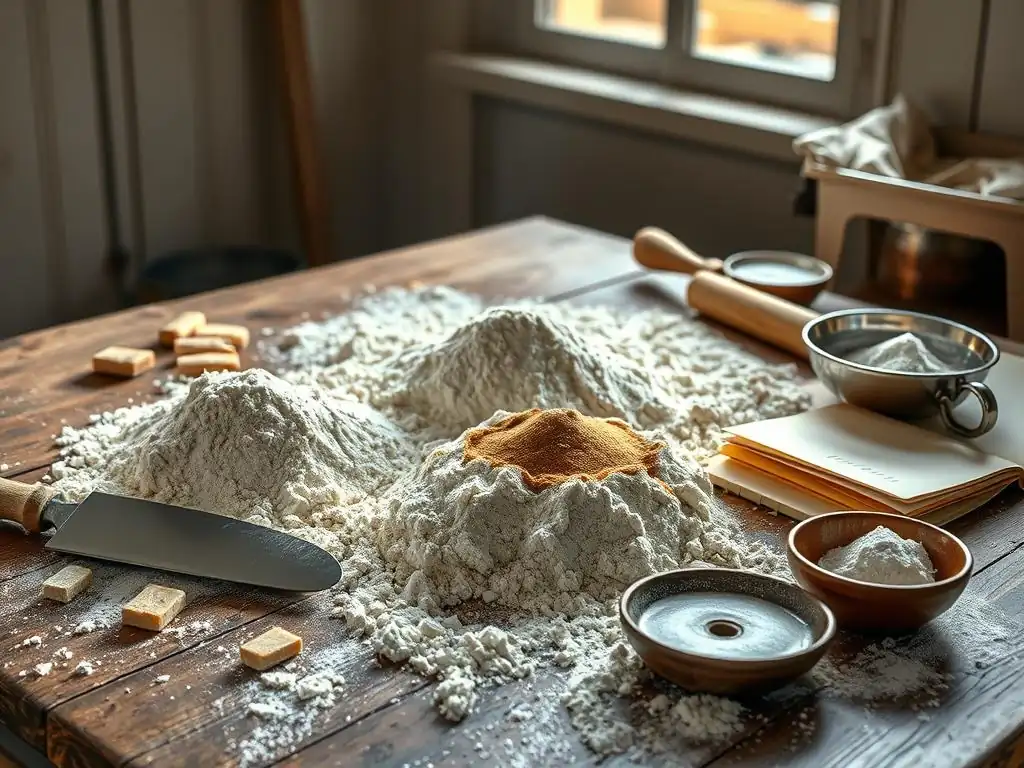
Choosing the right flour isn't just about finding the single "best" option; it's about selecting the flour that aligns with your specific baking goals, skill level, and desired outcome for your best flour croissants recipe. Are you aiming for maximum rise and a slightly chewier texture, or a classic, delicate crumb? Is cost a major factor, or are you willing to invest in specialty flours?
This guide helps you navigate these considerations, offering insights into how to tailor your flour choice to achieve the croissants you envision, from everyday baking to creating unique signature pastries.
Choosing Based on Desired Texture and Flavor
Your desired croissant texture and flavor are primary drivers for flour selection. If you prioritize a very light, tender, and open crumb with a classic delicate feel, a high-quality European-style T55 flour is often the preferred choice for a traditional best flour croissants recipe. Its moderate protein and milling characteristics promote extensibility and fine layering.
If you seek maximum volume, a more robust structure, and are comfortable managing a stronger dough, a good quality bread flour with 12-13% protein can yield excellent, tall, and flaky croissants, albeit potentially with a slightly chewier interior than those made with T55. For unique flavors, incorporating a percentage of whole wheat or spelt flour can add nutty or sweet notes, though this will impact the texture, likely resulting in a denser crumb depending on the proportion used. Define what you want in your final croissant first, then choose the flour to match.
Balancing Cost and Quality for Everyday Baking
Cost is a practical consideration, especially for everyday baking. High-quality specialty flours, like imported European T55, can be significantly more expensive and harder to source than standard bread flour available at most grocery stores. For many home bakers, finding the best flour croissants recipe involves balancing quality with accessibility and cost.
A good quality bread flour (12-13% protein) from a reputable brand can produce excellent croissants and is a more budget-friendly and readily available option. While it might require slightly more careful handling to achieve maximum tenderness, it's entirely possible to bake fantastic croissants with it. Alternatively, blending a readily available high-gluten or bread flour with a lower protein all-purpose flour can approximate the protein level of T55, offering a compromise between cost, availability, and desired characteristics. Aim for a blend that results in around 11-12% protein content for a versatile dough.
Creating Signature Croissants: Experimenting with Flour Blends
For experienced bakers looking to develop a signature best flour croissants recipe, experimenting with flour blends opens up a world of possibilities. Combining different flours allows you to fine-tune the dough's properties and introduce unique flavors. For example, blending a strong bread flour with a weaker pastry or all-purpose flour can help moderate gluten strength, creating a dough that is easier to laminate and potentially more tender.
Incorporating a small percentage (e.g., 5-15%) of rye or whole wheat flour into a white bread or T55 base can add complex, earthy flavors without drastically compromising lamination. Using specialty flours like Kamut or Einkorn in small proportions can also introduce distinctive tastes and colors. When creating blends, calculate the approximate protein percentage of the mixture to understand how it will behave. For example, mixing 500g of 13% protein bread flour with 500g of 10% protein T55 flour results in 1000g of flour with an average protein of 11.5%, offering a balance of strength and extensibility.
Step-by-Step Guide: Baking Croissants with Your Chosen Flour
Once you've selected the ideal flour for your best flour croissants recipe, it's time to put it to use. Baking croissants is a multi-day process that requires attention to detail at each stage, from preparing the dough to the final bake. This step-by-step guide outlines the key phases, highlighting considerations relevant to your flour choice.
Following a structured process ensures that the properties of your chosen flour are utilized effectively, leading to well-developed gluten, successful lamination, and ultimately, beautifully baked croissants.
Preparing a Pre-Ferment for Enhanced Flavor and Structure
Many best flour croissants recipe variations incorporate a pre-ferment, such as a poolish or a biga, to enhance flavor and dough structure. A pre-ferment is a portion of the total flour and water (and sometimes a tiny amount of yeast) mixed ahead of time and allowed to ferment for several hours, often overnight. This process develops complex flavors through fermentation and helps strengthen the gluten network before the main dough is mixed.
The type of flour used in the pre-ferment can influence the final outcome. Using the same flour for the pre-ferment as for the main dough ensures consistency in gluten development. For example, if using T55, the pre-ferment will develop a less elastic but very extensible network, contributing tenderness. If using bread flour, the pre-ferment will be stronger, adding resilience. Typically, a poolish uses equal parts flour and water (100% hydration), while a biga is stiffer, using less water (50-60% hydration). Incorporating a pre-ferment adds depth of flavor and contributes to a more open crumb structure.
Mastering Lamination: Achieving Uniform Layers
Lamination is the signature technique for croissants, involving enclosing a butter block within the dough and performing a series of folds (usually three "single" folds or a combination of single and "double" folds). The goal is to create hundreds of alternating layers of dough and butter. Success here depends heavily on the dough's extensibility and strength, properties directly influenced by your flour choice.
The dough must be cold (ideally 4°C-8°C) and well-rested between folds (at least 30-60 minutes in the refrigerator) to relax the gluten and firm up the butter. Roll the dough evenly and thinly in each step, ensuring the butter layer remains intact. A dough made with T55 might be easier to roll thinly without resistance than one made with high-protein bread flour, which might require slightly longer rest periods to relax. Patience and gentle, even rolling are paramount to achieving uniform layers that will separate beautifully during baking for your best flour croissants recipe.
Baking Techniques for Optimal Rise and Color
The final step is baking, where careful technique ensures optimal rise and a beautiful golden-brown color. Croissants are typically baked at a relatively high temperature, often starting around 200°C-220°C (400°F-425°F) for the first 10-15 minutes to promote rapid oven spring, followed by reducing the temperature to 175°C-190°C (350°F-375°F) to allow the interior to cook through without the exterior burning.
Adequate proofing before baking is also crucial. The croissants should be visibly puffy and jiggly, but not so proofed that the layers start to separate prematurely. Proofing times vary greatly depending on temperature and the strength of the flour; a stronger bread flour dough might take longer to proof than a T55 dough.
An egg wash applied before baking contributes to the rich color and glossy finish. The rapid heat causes the water in the butter layers to flash into steam, pushing the dough layers apart and creating the characteristic honeycomb interior and flaky exterior – the ultimate goal of any best flour croissants recipe.
Troubleshooting Common Croissant Issues Based on Flour Properties
Even with the best flour croissants recipe and careful technique, issues can arise. Many common problems in croissant baking can be traced back, at least in part, to the properties of the flour used and how it interacts with the process. Understanding these links helps you diagnose problems and adjust your approach.
Identifying whether an issue stems from insufficient gluten development, overly strong gluten, or improper handling related to the flour's characteristics is key to improving your results in future batches.
Dense Croissants: Addressing Insufficient Gluten Development
Dense croissants that lack that airy, open crumb are often a sign of insufficient gluten development or a weak gluten network. This can happen if:
- You used a low-protein flour (like all-purpose flour, typically 9-11% protein) that doesn't have enough gluten-forming proteins.
- The dough was not mixed long enough to develop the available gluten.
- The dough temperature was too low during mixing, slowing down gluten formation.
- Whole wheat or other non-wheat flours were used in too high a proportion, disrupting the gluten network.
To troubleshoot density when aiming for the best flour croissants recipe: ensure you are using a flour with adequate protein (11-13% is a good range), mix the dough sufficiently until it passes the windowpane test (or nearly so), and check your dough temperature after mixing to ensure it's within the recommended range (21°C-24°C). If using alternative flours, reduce their proportion or blend with a stronger white flour.
Croissants Lacking Flakiness: Adjusting Lamination and Flour
If your croissants look puffy but lack distinct, flaky layers, the issue might be related to lamination technique or the dough's properties influenced by the flour. Possible causes include:
- Butter melting into the dough during lamination because the dough/butter were too warm or rested insufficiently between folds.
- Tearing the dough during rolling, which disrupts the layers.
- Using a flour that is too weak or too strong, preventing even, thin layer formation.
To improve flakiness in your best flour croissants recipe: always keep dough and butter cold (below 8°C) during lamination and rest periods (at least 30-60 mins chilling between folds). Roll gently and evenly to avoid tears. If using a very strong bread flour, ensure the dough is well-rested to relax the gluten, making it more extensible. If using a weaker flour, be extra gentle during rolling as the dough will be more prone to tearing. Ensure your butter block is pliable but cold, not hard or soft.
Preventing Over-Proofing: Understanding Flour Strength
Over-proofing is another common issue where the dough rises too much before baking, causing the gluten structure to collapse. This results in flat croissants with poor rise and texture. The rate of proofing is influenced by temperature, yeast activity, and the strength of the flour's gluten network. A weaker flour (like T55) dough might proof faster than a stronger flour (like bread flour) dough because the less robust gluten network offers less resistance to expansion.
To prevent over-proofing when baking your best flour croissants recipe: pay close attention to the dough's appearance and feel rather than relying solely on time. Proofing time can vary significantly based on ambient temperature. The dough should look significantly increased in volume (perhaps doubled), feel very light and airy, and jiggle gently when shaken. If using a weaker flour, you may need to proof for a slightly shorter time or at a slightly cooler temperature. If using a stronger flour, it might take longer to reach optimal proof. Learning to recognize the signs of perfectly proofed dough is key.
Advanced Techniques: Enhancing Croissant Flavor and Texture
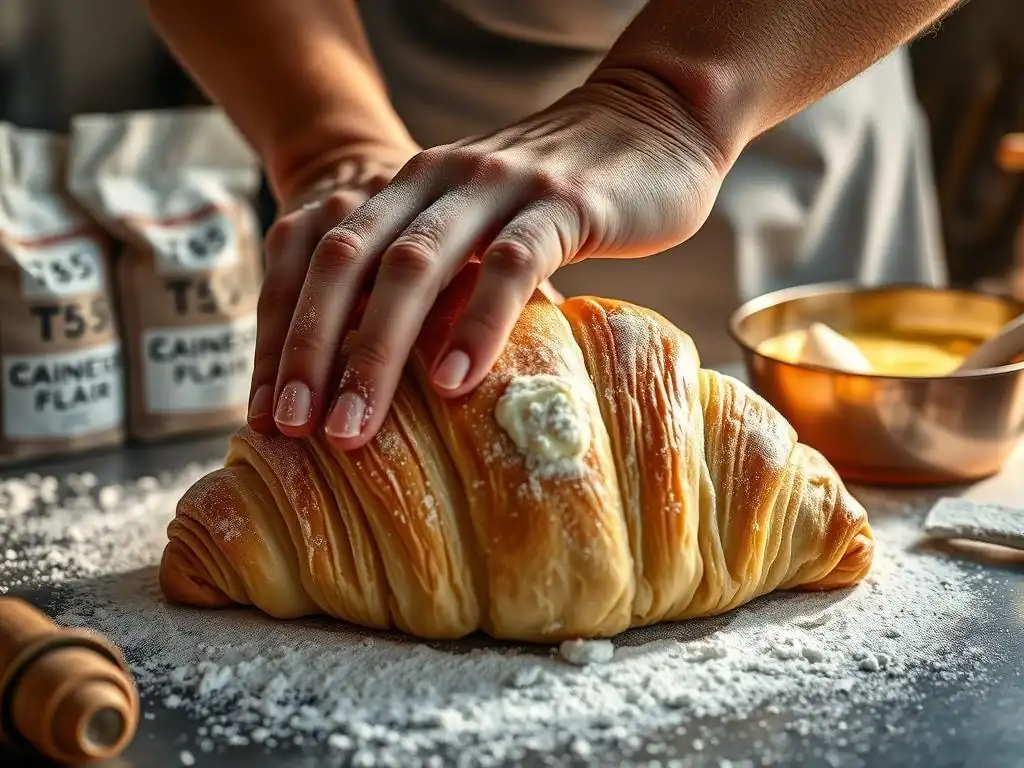
For those who have mastered the basics of their best flour croissants recipe, exploring advanced techniques can further elevate the flavor and texture. These methods often involve manipulating fermentation or incorporating alternative ingredients, building upon the foundation provided by your chosen flour.
These techniques allow for greater complexity and depth in your croissants, pushing the boundaries of home baking to rival professional patisseries.
Using a Poolish or Biga with Different Flours: Benefits and Adjustments
As mentioned earlier, pre-ferments like poolish (liquid, 100% hydration) and biga (stiff, lower hydration) add flavor and structure. Using different flours in the pre-ferment can subtly alter these benefits. A poolish made with a weaker flour like T55 will ferment more rapidly and contribute a lovely tang and extensibility to the final dough. A biga made with a stronger bread flour will ferment slower but contribute significant strength and structure, leading to excellent oven spring.
When using a pre-ferment for your best flour croissants recipe, adjust the hydration and mixing of the main dough accordingly. Since the pre-ferment has already absorbed some water and developed some gluten, you might need slightly less mixing for the final dough. The percentage of flour used in the pre-ferment (often 20-40% of the total flour) also impacts the final dough's characteristics. Experimenting with poolish vs. biga, and the flour used in each, allows for fine-tuning the flavor profile and dough handling properties.
Incorporating Ancient Grains for Unique Flavor Profiles
Beyond partial substitutions, incorporating ancient grains (like Einkorn, Emmer, Kamut) or other non-wheat flours (like rye or buckwheat) in small percentages (typically 5-20%) into your best flour croissants recipe can create unique flavor profiles and textures. These flours introduce different proteins, starches, and aromatic compounds not found in modern wheat.
For example, a blend incorporating 10% finely milled rye flour can add a subtle earthy, tangy note. A small amount of toasted buckwheat flour can provide a distinct nutty flavor. These flours often have different gluten characteristics or no gluten at all (like buckwheat), so they are best used in moderation blended with a strong wheat flour base (like bread flour or T55) to maintain lamination capability. Hydration may also need slight adjustment as ancient grains can absorb water differently. This approach allows for truly signature croissants that stand out.
Flour Storage: Preserving Quality for Consistent Results
Even the best flour croissants recipe starts with high-quality ingredients, and proper flour storage is critical to maintaining that quality. Flour is a perishable product susceptible to moisture, pests, and rancidity, especially whole grain flours due to the presence of oils in the germ. Improper storage can lead to off-flavors, reduced gluten potential, and inconsistent baking results.
Taking simple steps to store your flour correctly ensures that it performs as expected every time you bake, guaranteeing the best possible outcome for your croissants.
Maintaining Freshness and Preventing Rancidity
To maintain flour freshness and prevent rancidity, especially in whole wheat or high-extraction flours containing the germ, store it in a cool, dry, and dark place. Heat and light accelerate oxidation, which leads to rancid flavors. An airtight container is essential to protect the flour from moisture absorption, which can lead to clumping and mold, and from pantry pests.
For longer-term storage, especially for flours you don't use frequently or during warmer months, the refrigerator or freezer is ideal. Store the flour in a well-sealed container to prevent it from absorbing odors. When ready to use frozen flour, allow it to come to room temperature in the sealed container before opening to prevent condensation, which can introduce unwanted moisture. Following these storage guidelines ensures your flour stays fresh and potent for achieving your best flour croissants recipe.
Impact of Storage Conditions on Baking Performance
Poor storage conditions can directly impact flour's baking performance. Flour that has absorbed moisture can throw off hydration ratios in a recipe, leading to a stickier or stiffer dough than intended. Flour that has gone rancid will impart unpleasant flavors to your delicate croissants, overpowering the butter and other ingredients. Flour that is old or improperly stored may also see a degradation in its protein quality, resulting in a weaker gluten network.
Using flour that has lost some of its vitality due to poor storage can lead to issues like insufficient rise, poor structure, and a less desirable crumb texture in your best flour croissants recipe. The gluten may not develop properly, or the starch may be affected, hindering gelatinization during baking. Always check your flour's expiration date and storage conditions. If it smells off or looks discolored, it's best to discard it and start with a fresh bag to ensure your baking efforts are rewarded.
Conclusion: Informed Flour Selection for Exceptional Croissant Baking
Choosing the best flour croissants recipe truly begins with selecting the right flour. Understanding the nuances of different flour types – from high-protein bread flour offering structure and volume, to moderate-protein European-style flour providing tenderness and delicate layers – empowers you to make informed decisions based on your desired outcome. Each flour brings unique characteristics that interact with the complex lamination process.
Whether you stick to a single type, experiment with blends, or venture into ancient grains, the key is to appreciate how the flour's properties influence gluten development, dough handling, and the final texture and flavor. Coupled with meticulous technique in lamination, proofing, and baking, the right flour choice is the foundation for achieving those coveted flaky, buttery, and airy croissants that are the hallmark of a truly exceptional bake. Master your flour, and you're well on your way to mastering the art of croissants.
Frequently Asked Questions
What type of flour is generally considered best for croissants?
Generally, a strong bread flour with a high protein content is recommended. This provides the necessary gluten development for the laminated dough, resulting in a flaky and airy texture.
Why is gluten development so important when making croissants?
Gluten provides the structure and elasticity needed to trap air and steam during baking. Without adequate gluten development, the croissant dough will be flat and dense.
Can I use all-purpose flour if I don't have bread flour?
While bread flour is optimal, you can use all-purpose flour, but the results may vary. You might need to adjust the recipe slightly, perhaps adding a small amount of vital wheat gluten to boost the protein content.
What are some signs that my croissant dough has been properly laminated?
Proper lamination is indicated by visible layers of butter and dough in the rolled-out dough. You should also see a clear separation of these layers during baking, resulting in a flaky texture.
How does the fat content of flour impact the quality of my croissants?
Flour with a lower fat content is generally preferred for croissants. High fat content can interfere with gluten development and affect the overall flakiness and rise of the pastry.
Final Reflection: The Golden Ratio of Flour and Flavor
The pursuit of the perfect croissant is, at its heart, a pursuit of the perfect flour. This seemingly simple ingredient holds the key to unlocking flaky layers, a rich buttery aroma, and a melt-in-your-mouth texture that elevates the croissant from a pastry to an experience. Choosing the right flour isn't just about following a recipe; it's about understanding the fundamental relationship between ingredient and outcome.
The impact of flour choice extends far beyond the individual croissant. It speaks to a broader appreciation for the artistry of baking, the meticulous attention to detail required to achieve culinary excellence, and the profound satisfaction derived from creating something beautiful and delicious from simple ingredients. The best things in life are simple, but not easy.
This quote perfectly encapsulates the journey of mastering the croissant, a journey inextricably linked to the careful selection of flour. The subtle nuances in protein content, gluten development, and overall strength directly influence the final product, highlighting the importance of understanding the ingredients we use.
Now, consider your own baking journey. What seemingly small details have yielded unexpectedly large results? Perhaps it's time to revisit your flour choices, to experiment with different types and brands, and to truly appreciate the transformative power of this fundamental ingredient. Don't be afraid to embrace the process, to learn from your mistakes, and to savor the reward of a perfectly crafted croissant, born from a deep understanding of the right flour. The journey to the perfect croissant is a journey of discovery, and the first step is always the most important.
Unleash Your Inner Croissant Master!
Thanks for taking the time to explore the world of croissant flours with us! We hope you now feel confident in choosing the perfect flour for flaky, buttery perfection. Ready to take your baking to the next level?
- Bake your dream croissants: Use your newfound flour knowledge to immediately whip up a batch of croissants. Share your baking journey with us on social media using #BakeWithEaseCroissants!
- Experiment with different flours: Try substituting different types of flour mentioned in the article and compare the results. Note the texture and flavor differences – you might discover a new favorite!
- Join our baking community: Share your croissant creations and tips in the comments below! Let's learn and grow together.
What unique flour blend will you try for your next croissant masterpiece?