
Get That Golden, Flaky Croissant Crust Every Time

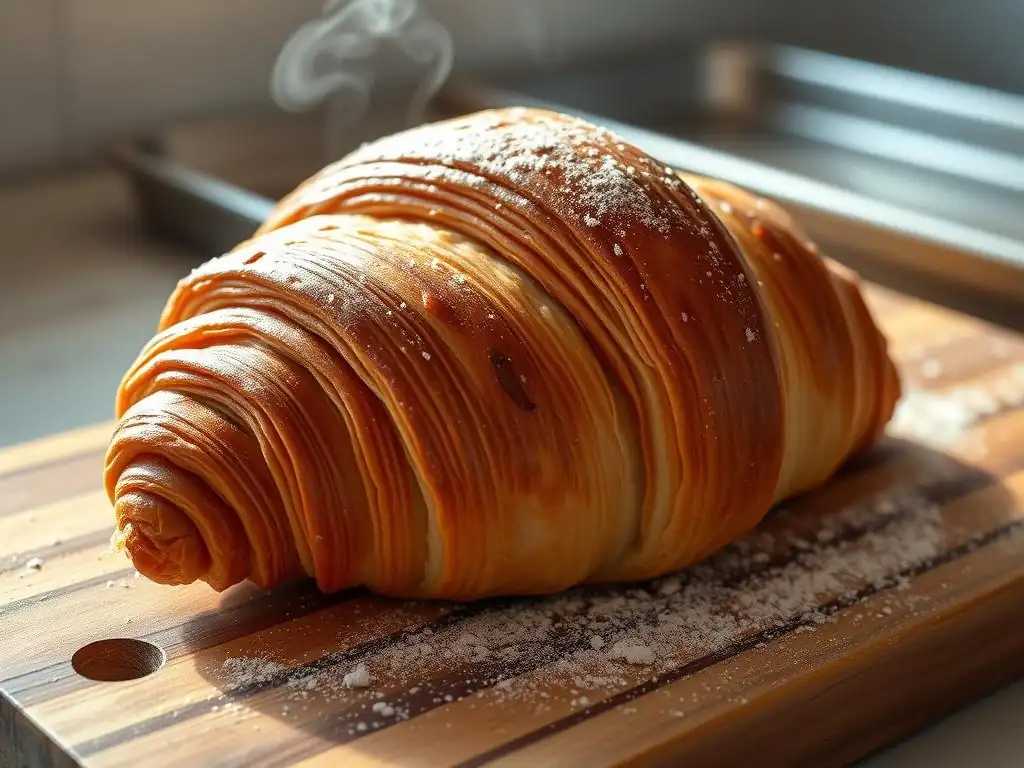
Welcome to BakeWithEase, where achieving baking brilliance is simpler than you think! Ever dreamed of creating croissants with that perfectly golden, impossibly flaky crust? Our latest guide unlocks the secrets to a truly exceptional golden flaky croissant crust recipe. Prepare to elevate your baking skills and impress everyone with bakery-worthy croissants – are you ready to discover the techniques that make all the difference?
- Mastering the Art of the Perfect Croissant Crust
- Introduction: Elevating Your Croissant Baking
- Key Factors for a Delicious Croissant Crust
- The Baking Process: Achieving Crust Perfection
- Techniques for Enhancing Crust Color and Texture
- Troubleshooting Common Crust Problems
- Achieving the Perfect Croissant Crust: A Summary
- Advanced Techniques for Exceptional Crusts
- Conclusion: Your Journey to Croissant Perfection
-
Frequently Asked Questions
- What is the secret to getting a truly golden croissant crust?
- My croissant dough is always sticky and hard to work with. What am I doing wrong?
- How important is the resting period between folds when making croissants?
- What kind of flour is best for achieving a flaky croissant crust?
- Can I freeze croissant dough after lamination but before baking?
- Final Reflection: The Pursuit of Perfect Pastry
- Unlock Your Inner Croissant Master!
Mastering the Art of the Perfect Croissant Crust
Introduction: Elevating Your Croissant Baking
Achieving that shatteringly crisp, deeply golden, and beautifully flaky exterior is the hallmark of a truly exceptional croissant. It's the first thing you see, the first thing you feel, and the first thing you hear as you bite into this classic pastry. While the soft, airy interior is crucial, the crust is what elevates a good croissant to a great one.
This guide is designed to walk you through the essential steps and techniques needed to consistently produce a stunning golden flaky croissant crust recipe result right in your own kitchen. We'll cover everything from ingredient selection to the final bake, demystifying the process and helping you achieve that professional-quality finish.
Why a Perfect Crust Matters
The crust of a croissant isn't just for show; it's integral to the overall sensory experience. A well-developed crust provides a crucial textural contrast to the tender, honeycomb interior. It should be crisp and delicate, shattering slightly upon impact, indicating successful lamination and proper baking.
Beyond texture, the color of the crust is a visual cue to its flavor development. A golden brown hue signals that the Maillard reaction and caramelization have occurred, contributing rich, complex flavors that complement the buttery layers within. A pale crust, conversely, often results in a doughy texture and underdeveloped flavor, missing the mark on the essential golden flaky croissant crust recipe outcome.
A Guide to Achieving the Ideal Croissant Crust
Mastering the golden flaky croissant crust recipe involves attention to detail at every stage, from preparing the dough to the final minutes in the oven. This guide breaks down the process into manageable steps, focusing specifically on the factors that influence crust development. We'll discuss how ingredient quality, precise lamination, controlled proofing, and accurate baking temperatures all play a critical role.
By understanding the science behind these steps and implementing the techniques outlined, you'll be well on your way to consistently baking croissants with a crust that is not only visually stunning but also delivers on texture and flavor. Get ready to transform your home baking and achieve that coveted golden flaky croissant crust recipe perfection.
Key Factors for a Delicious Croissant Crust
The Importance of Quality Ingredients
The foundation of any great bake, including a perfect golden flaky croissant crust recipe, lies in the quality of your ingredients. Using the right kind of flour and the best butter available can make a significant difference in the final texture and flavor. These components interact throughout the process, especially during lamination and baking, to create the characteristic layers and crispness.
Subpar ingredients can lead to issues like poor dough development, butter leakage during lamination, or a lack of richness and flakiness in the finished product. Investing in high-quality flour and butter specifically suited for laminated doughs is a critical first step towards achieving that desired golden flaky croissant crust recipe result.
Flour Selection: Achieving the Right Texture
Choosing the correct type of flour is crucial for developing the necessary gluten structure to support the delicate layers of a croissant. A medium-protein bread flour, typically with a protein content between 11% and 13%, is often recommended. This level of protein provides enough strength for the dough to be rolled thinly without tearing, yet isn't so high that it makes the dough tough.
Using a flour with too low a protein content might result in a dough that tears easily during lamination, compromising the layer structure needed for flakiness. Conversely, a very high-protein flour could make the dough too elastic and difficult to roll, potentially leading to a dense crust instead of a light, golden flaky croissant crust recipe outcome. Some bakers even use a blend of bread and pastry flour to balance strength and tenderness.
Butter's Role: Flavor and Lamination
High-quality butter is arguably the most critical ingredient for a golden flaky croissant crust recipe. European-style butter, which typically has a higher butterfat content (around 82-84%) compared to American butter (around 80%), is preferred. The higher fat content means less water, which is essential for creating distinct layers during lamination.
During baking, the water in the butter turns to steam, forcing the layers of dough apart and creating the characteristic puff and flakiness. The butterfat melts and coats these layers, contributing to the rich flavor and tender texture of the interior, while also helping the exterior achieve that desirable golden brown hue. Using butter that is too soft or has a low fat content can lead to the butter integrating into the dough rather than staying in distinct layers, resulting in a dense, less flaky crust.
Mastering the Lamination Process
Lamination is the technique of repeatedly folding and rolling butter into dough, creating hundreds of alternating layers. This is the core process that gives croissants their signature flaky texture. Achieving a perfect golden flaky croissant crust recipe relies heavily on successful lamination, ensuring even distribution of butter and consistent layer development.
Precise execution of each fold and careful handling of the dough are paramount. Any tearing or warming of the dough that causes butter to melt can compromise the layers. Patience and attention to detail during this stage will directly impact the quality of the final golden flaky croissant crust recipe result.
Dough Temperature Control: Preventing Butter Melt
Maintaining the correct dough and butter temperature throughout the lamination process is absolutely critical. The butter should be firm but pliable, typically around 10°C to 13°C (50°F to 55°F). The dough itself should be kept cold, ideally between 4°C and 8°C (39°F and 46°F), to prevent the butter from melting into the dough.
If the dough or butter becomes too warm, the butter will soften and potentially squeeze out or integrate into the dough during rolling, destroying the distinct layers needed for a flaky crust. Frequent chilling periods in the refrigerator between folds are essential to keep everything at the proper temperature and ensure successful lamination for your golden flaky croissant crust recipe.
Folding Techniques: Creating Even Layers
The standard lamination process for croissants typically involves multiple folds, most commonly a combination of single (letter) folds and double (book) folds. A common sequence might be one double fold followed by two single folds. A single fold creates 3 layers of dough and 2 layers of butter; a double fold creates 4 layers of dough and 3 layers of butter.
Performing one double fold and two single folds creates a remarkable number of layers: starting with 1 dough layer and 1 butter layer, a double fold results in 4 dough and 3 butter layers. A subsequent single fold multiplies these layers by 3, yielding 12 dough and 9 butter layers.
A final single fold again triples the layers, resulting in 36 dough and 27 butter layers. While the theoretical number of layers can reach into the hundreds after baking (e.g., 243 layers from three single folds), the key is consistent, even rolling and folding to ensure these layers are uniform throughout the dough for a consistently golden flaky croissant crust recipe.
The Baking Process: Achieving Crust Perfection
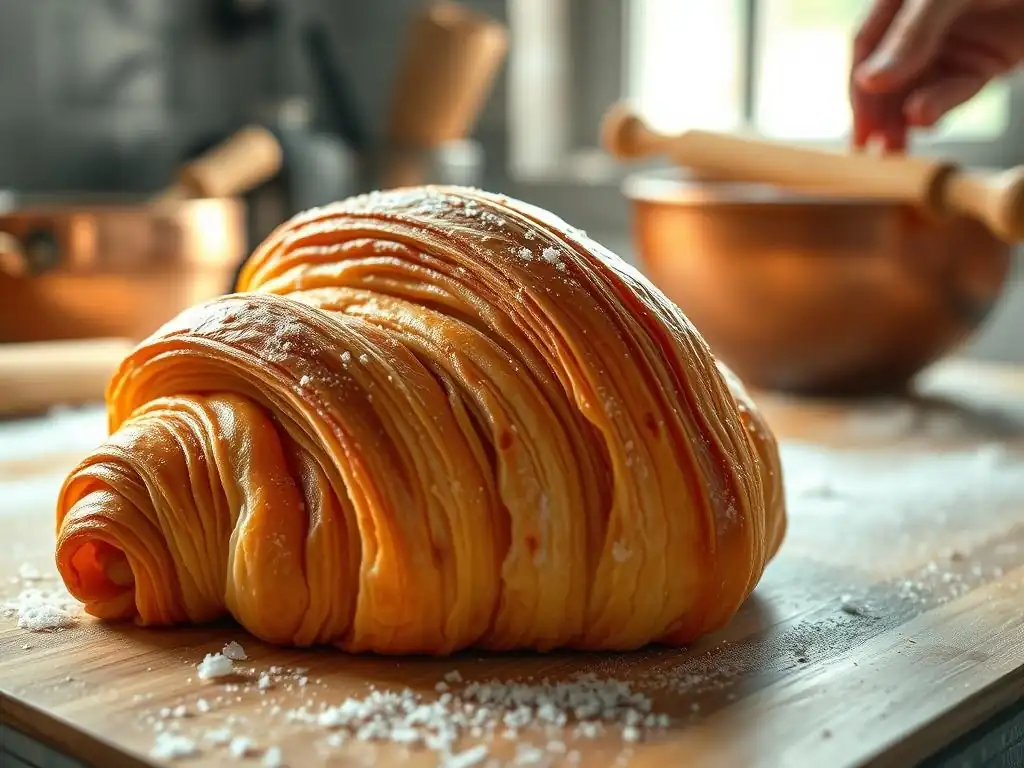
Baking is where all the careful preparation of your golden flaky croissant crust recipe comes to fruition. The interaction of heat, steam, and fat within the oven transforms the laminated dough into a puffed, layered, and golden masterpiece. Precise control over oven temperature and baking time is paramount to achieving the desired color, texture, and internal doneness without burning the exterior or leaving the interior raw.
Minor variations in oven performance can significantly impact the final crust. Understanding how your oven heats and monitoring the croissants closely throughout the baking cycle are key skills to develop for consistent results and that perfect golden flaky croissant crust recipe outcome.
Oven Temperature: The Key to Golden Brown
The initial oven temperature is critical for providing the necessary heat shock to rapidly expand the layers and set the structure of the croissant. Many recipes call for starting at a high temperature, often between 200°C and 220°C (390°F and 430°F), for the first 10-15 minutes. This high heat quickly creates steam from the butter's water content, causing the rapid puffing and separation of the dough layers.
After this initial phase, the temperature is typically reduced to around 180°C to 190°C (350°F to 375°F) for the remainder of the baking time. This lower temperature allows the interior to cook through gently while the crust continues to brown and crisp up without burning. Incorrect temperatures can lead to a pale, underbaked crust or one that browns too quickly before the inside is cooked.
Preheating Your Oven: Ensuring Even Baking
Properly preheating your oven is non-negotiable for achieving a consistently golden flaky croissant crust recipe. Ovens lose heat quickly when the door is opened, and placing croissants into an oven that hasn't reached its target temperature will negatively impact their rise and crust development. Preheat your oven for at least 20-30 minutes after it signals it has reached the set temperature to ensure the oven walls and air inside are fully heated.
Consider using an oven thermometer placed inside the oven to verify the actual temperature. Many home ovens have thermostats that can be off by as much as 10-20°C (50-68°F). Knowing your oven's true temperature helps you adjust accordingly, ensuring the croissants bake at the optimal heat for that perfect golden flaky croissant crust recipe.
Optimal Baking Temperature Range
As mentioned, a common strategy for baking croissants is a two-stage temperature approach. Start hot, perhaps 210°C (410°F), for the first 10-12 minutes to maximize oven spring and layer separation. Then, reduce the temperature to 185°C (365°F) for another 10-15 minutes or until the croissants are deeply golden brown and feel light.
The exact temperature and timing will depend on your specific oven and the size of your croissants. Monitoring is key. The goal is to achieve a beautiful, deep golden brown color on the exterior, indicating a crisp, caramelized crust, while ensuring the interior is fully cooked, airy, and not doughy. This temperature strategy is vital for a successful golden flaky croissant crust recipe.
Baking Time: Monitoring Color and Doneness
Baking time is just as critical as temperature. Underbaking will result in a pale, soft, and doughy crust with an uncooked interior. Overbaking, on the other hand, leads to a burnt, bitter crust and a dry interior. The total baking time for a standard-sized croissant is typically between 18 and 25 minutes, but this is merely a guideline.
The best way to determine doneness is by observing visual cues and, ideally, using a thermometer. The croissants should look and feel light for their size when done. Don't be afraid to let them get quite dark golden brown; this is where much of the flavor and crispness develops for your golden flaky croissant crust recipe.
Visual Cues: Identifying a Perfectly Baked Croissant
A perfectly baked croissant destined for golden flaky croissant crust recipe glory will have a rich, deep golden brown color across its entire surface, not just on the tips. The layers should be visibly separated and puffed, giving the croissant a light, airy appearance. There should be no pale, doughy patches remaining.
The bottom of the croissant should also be golden brown and feel firm. If the bottom is pale, the croissant might be underbaked. The tips and edges may be slightly darker, which is acceptable, but the main body should have a uniform, appealing golden hue.
Using a Thermometer: Ensuring Internal Doneness
While visual cues are helpful, using an instant-read thermometer is the most reliable way to ensure the interior of your croissants is fully cooked. Insert the thermometer into the thickest part of the croissant (avoiding the very center where it might be hollow).
A fully baked croissant should have an internal temperature of at least 90°C (195°F). This temperature ensures that the dough is cooked through and the starches have gelatinized properly, resulting in a light, airy interior that complements the golden flaky croissant crust recipe. If the internal temperature is lower, continue baking for a few more minutes, checking frequently.
Techniques for Enhancing Crust Color and Texture
Once the lamination and baking temperatures are perfected for your golden flaky croissant crust recipe, there are additional surface treatments you can apply just before baking to enhance the color, shine, and texture of the crust. These washes and glazes add the final touch, elevating the appearance and contributing subtly to the overall eating experience.
These techniques are simple but require careful application to ensure even coverage and avoid pooling, which can hinder layer separation. Choosing the right finish depends on the desired aesthetic and flavor profile for your golden flaky croissant crust recipe.
Egg Wash: Achieving a Rich Color
An egg wash is the most common method for achieving a beautiful, rich golden brown color and a slight sheen on baked goods, including croissants. It promotes even browning through the Maillard reaction and caramelization of the egg proteins and sugars on the surface. A well-applied egg wash is essential for that classic golden flaky croissant crust recipe look.
Using different components in the egg wash (whole egg, yolk, water, milk, cream) can slightly alter the final color and shine. Experimenting with ratios can help you find the perfect finish for your preference.
Preparing the Egg Wash
A standard egg wash for croissants is typically made by whisking together one whole egg with a liquid, such as water or milk. Adding about 1 tablespoon (15ml) of liquid per egg helps to thin the wash, making it easier to apply thinly and evenly.
For a richer, deeper color and more shine, some bakers use only the egg yolk mixed with a little cream or milk. For a less intense color and a matte finish, milk or cream alone can be used. Ensure the mixture is well-whisked and strained through a fine-mesh sieve to remove any chalazae or lumps, which could leave streaks on your golden flaky croissant crust recipe.
Applying the Egg Wash Evenly
Apply the egg wash just before placing the proofed croissants in the oven. Use a soft pastry brush and apply a thin, even layer over the entire surface of the croissant. Avoid letting the wash pool in the crevices between layers, as this can glue the layers together and inhibit puffing.
Apply the wash gently to avoid deflating the proofed croissants. A double wash can be applied for a deeper color – apply a thin layer, let it dry for a few minutes, and then apply a second thin layer. Even application is key to a uniform golden flaky croissant crust recipe.
Sugar Syrup Glaze: Adding Shine
Applying a simple sugar syrup glaze immediately after baking gives the croissants a professional, glossy finish. This adds a touch of sweetness to the crust and enhances its visual appeal, making that golden flaky croissant crust recipe look even more enticing.
The heat of the freshly baked croissant helps the syrup melt and adhere smoothly to the surface. This technique is often used on pastries where a high shine is desired.
Making a Simple Sugar Syrup Glaze
A basic sugar syrup is easy to prepare. Combine equal parts granulated sugar and water in a small saucepan (e.g., 50g sugar and 50ml water). Heat gently, stirring until the sugar is completely dissolved. Bring the mixture to a brief simmer, then remove from the heat and let it cool slightly.
Some recipes might call for a slightly thicker syrup with a 2:1 sugar to water ratio, while others prefer a thinner glaze. The consistency will affect the thickness and shine of the final coating on your golden flaky croissant crust recipe.
Applying the Glaze for a Professional Look
As soon as the croissants come out of the oven, while they are still hot, gently brush the warm sugar syrup over their surface. The heat from the croissants will help the syrup distribute evenly and create a beautiful, clear glaze as it cools.
Apply a thin, even layer. Applying too much syrup can make the crust sticky or overly sweet. This glaze not only adds shine but also helps to keep the crust crisp for a little longer, contributing to the perfect golden flaky croissant crust recipe experience.
Milk Wash: A Gentler Browning Approach
For those who prefer a less intense color than an egg wash provides, or who are avoiding eggs, a simple milk wash is an excellent alternative. It promotes a more subtle, matte golden brown finish. While it doesn't provide the same deep color or shine as an egg wash, it still helps the crust brown nicely.
Whole milk is typically used due to its fat and sugar content, which contribute to browning. This method is simpler and less prone to creating streaks if applied unevenly compared to egg wash.
When to Use a Milk Wash
Use a milk wash when you desire a lighter golden color and a matte finish on your golden flaky croissant crust recipe. It's a good option if you find egg wash results in too dark a crust for your preference or if you have dietary restrictions. It still aids in achieving a pleasant crust color and texture.
A milk wash can be applied plain, or a pinch of sugar can be dissolved in the milk to enhance browning slightly. This provides a gentler approach to crust color development compared to the richer hues achieved with egg or yolk washes.
Application Tips for a Beautiful Crust
Apply the milk wash just before baking, using a soft pastry brush. As with egg wash, apply a thin, even layer over the entire surface of the proofed croissants. Be gentle to avoid deflating them.
Ensure you cover all surfaces for uniform browning. While pooling is less of an issue than with egg wash, try to avoid excess liquid settling in the crevices. The milk wash contributes to a lovely, subtle golden finish on your golden flaky croissant crust recipe.
Troubleshooting Common Crust Problems
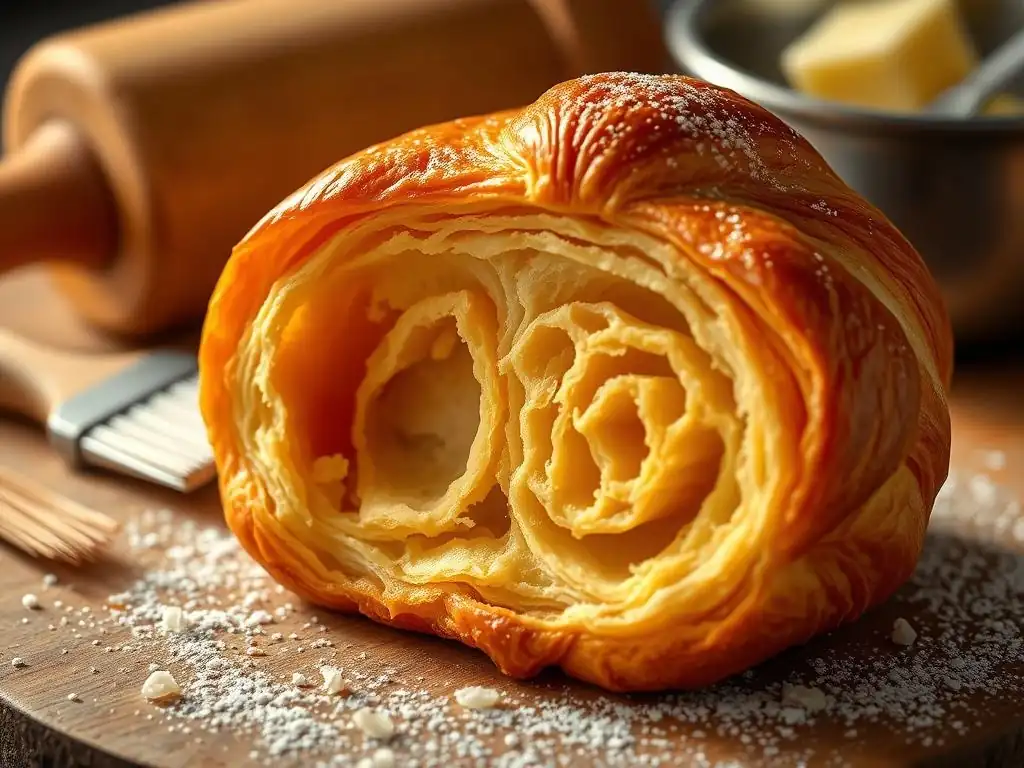
Even with careful technique, baking laminated dough can present challenges. Understanding common issues related to the crust and knowing how to address them is key to consistent success with your golden flaky croissant crust recipe. Problems like pale, burnt, or unevenly colored crusts are frustrating but often have identifiable causes and solutions.
Identifying the specific problem allows you to adjust your process for future batches, gradually improving your results. Don't be discouraged by initial setbacks; troubleshooting is a normal part of mastering complex baking like croissants.
Pale Crust: Causes and Solutions
A pale crust is a common issue and usually indicates insufficient browning. This can be caused by several factors related to temperature, time, or washes. If your golden flaky croissant crust recipe is coming out pale, consider the following:
- Oven Temperature Too Low: If the oven temperature is too low, especially initially, the crust won't develop color properly. Verify your oven temperature with an internal thermometer and increase the setting if necessary.
- Insufficient Baking Time: The croissants may simply not have baked long enough for the Maillard reaction and caramelization to occur fully. Extend the baking time by a few minutes, monitoring closely until the desired golden color is achieved.
- No or Insufficient Wash: Skipping an egg or milk wash, or applying too thin a layer, can lead to pale crusts. Ensure you apply a proper wash evenly just before baking.
- Dough Issues: Dough that is too wet or lacks sufficient sugar (which aids browning) can contribute to a pale crust. Review your recipe's hydration levels and ingredients.
To fix a pale crust during baking, you can sometimes increase the oven temperature slightly for the last few minutes, or move the baking sheet to a higher rack if the bottom is already sufficiently browned. For future bakes, address the root cause – check oven temp, extend time, or adjust your wash application for a better golden flaky croissant crust recipe.
Burnt Crust: Preventing Over-Browning
A burnt crust is the opposite problem and often results from excessive heat or baking time. While a deep golden brown is desired for a golden flaky croissant crust recipe, black or excessively dark spots indicate burning, leading to bitter flavors.
- Oven Temperature Too High: If your oven runs hot, or the temperature is set too high, the crust will brown too quickly before the interior is cooked. Verify your oven temperature and reduce the setting if needed.
- Baking Time Too Long: Leaving the croissants in the oven for too long, especially at a high temperature, will lead to burning. Start checking for doneness earlier than the recipe suggests, particularly if your oven is powerful.
- Too Much Sugar in Dough/Wash: Excessive sugar on the surface (from a sugary wash or recipe) can caramelize too quickly and burn. Use washes and recipes as directed.
- Placement in Oven: If your oven has hot spots, placing the croissants too close to a heating element can cause burning. Rotate the baking sheet halfway through baking.
If croissants are browning too quickly, you can cover them loosely with aluminum foil for the remainder of the baking time to shield the crust while the interior finishes cooking. Adjusting oven temperature and monitoring are key for preventing a burnt golden flaky croissant crust recipe in the future.
Uneven Crust Color: Ensuring Consistent Baking
An unevenly colored crust, with some spots pale and others too dark, suggests inconsistent heat distribution or improper dough handling. Achieving a uniform golden flaky croissant crust recipe requires even baking.
- Oven Hot Spots: Most ovens have areas that are hotter than others. Rotate your baking sheet 180 degrees halfway through the baking time to ensure even exposure to heat.
- Crowding the Pan: Placing croissants too close together on the baking sheet restricts airflow and can lead to uneven browning. Give them adequate space – they expand significantly.
- Uneven Proofing: Croissants that haven't proofed evenly will expand differently in the oven, leading to variations in crust development. Ensure a consistent proofing environment.
- Uneven Wash Application: Streaks or blotches of egg wash can result in darker patches where the wash is thicker. Apply washes thinly and evenly with a good brush.
Addressing oven hot spots by rotating the pan is the most effective solution for uneven browning. Also, ensure your proofing environment is stable in temperature and humidity. With practice, you'll achieve a beautifully uniform golden flaky croissant crust recipe.
Achieving the Perfect Croissant Crust: A Summary
Baking croissants with a stunning golden flaky crust is a rewarding endeavor that combines precise technique with patient execution. We've covered the critical factors from ingredient selection and lamination to baking temperatures and finishing touches. Each step plays a vital role in developing the structure, flavor, and appearance of that perfect crust.
Remember the importance of high-quality ingredients, meticulous temperature control during lamination, accurate oven temperatures, and careful monitoring during baking. By paying attention to these details, you significantly increase your chances of success in achieving a consistently beautiful golden flaky croissant crust recipe.
Quick Recap: Key Steps
Here’s a quick checklist for achieving that desirable golden flaky croissant crust recipe:
- Use high-quality, high-fat butter and medium-protein flour.
- Keep dough and butter cold (4-10°C) during lamination.
- Perform folds precisely, avoiding tearing.
- Proof properly in a controlled environment (around 24-26°C).
- Preheat oven thoroughly.
- Bake at a high initial temperature (200-220°C) then reduce (180-190°C).
- Monitor visual cues; aim for deep golden brown.
- Verify internal temperature (min 90°C).
- Apply an even wash (egg, milk, or glaze) for desired finish.
- Rotate baking sheet for even color.
Advanced Techniques for Exceptional Crusts
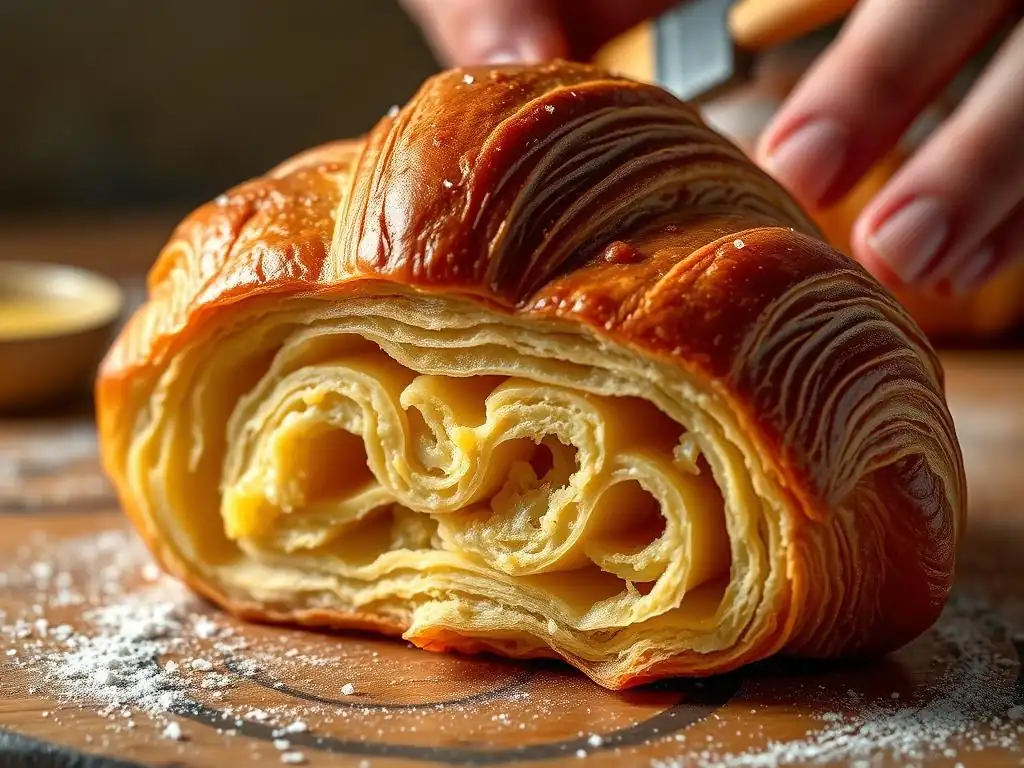
Once you've mastered the basics of achieving a golden flaky croissant crust recipe, you might want to explore some advanced techniques that can further enhance flavor, texture, and crust development. These methods require a bit more planning and understanding but can take your croissants from great to truly exceptional.
These techniques often involve longer proofing times or specialized equipment, contributing to more complex flavors and even better crust structure.
Using a Baking Stone or Steel
Baking croissants on a preheated baking stone or steel can significantly improve the crust development on the bottom of the pastry. The stone or steel provides a high-heat surface that transfers heat quickly and efficiently to the base of the croissant, promoting rapid oven spring and ensuring the bottom crust is as golden and crisp as the top.
To use a stone or steel, place it in your oven while preheating and allow it to heat up for at least 45-60 minutes at your target baking temperature. Carefully transfer the proofed croissants onto the hot stone or steel using a peel or parchment paper. This direct, intense heat contact helps create a robust and evenly colored golden flaky croissant crust recipe base.
Cold Proofing: Flavor Development
Cold proofing, or retarding the final proof in the refrigerator (typically for 8-12 hours or even up to 24 hours), is a technique widely used by professional bakers. This slow, cold fermentation develops more complex flavors in the dough and results in a stronger gluten structure.
The cold temperature also firms up the butter layers, which can lead to better separation and puffing in the oven, contributing to a more pronounced golden flaky croissant crust recipe. After cold proofing, the croissants are often allowed to warm up slightly at room temperature before baking, or baked directly from the cold state depending on the recipe and desired outcome.
Experimenting with Flour Blends
While a standard bread flour works well, experimenting with different flour blends can subtly alter the crust texture and flavor profile of your golden flaky croissant crust recipe. Some bakers incorporate a small percentage of rye or whole wheat flour for added depth of flavor. Others might blend bread flour with a softer pastry flour to achieve a slightly more tender crumb while still maintaining flakiness.
Using a portion of high-extraction flour or even using specific European-style flours (like Type 55) can also impact the dough's handling properties and the final crust characteristics. Keep detailed notes when experimenting to understand how different blends affect your golden flaky croissant crust recipe.
Conclusion: Your Journey to Croissant Perfection
Mastering the art of the golden flaky croissant crust recipe is a journey that requires practice, patience, and attention to detail. By understanding the science behind ingredient interactions, lamination, proofing, and baking, you gain the knowledge to troubleshoot issues and consistently improve your results. Every batch is a learning opportunity, bringing you closer to baking that perfect pastry you envision.
Don't be discouraged by less-than-perfect outcomes initially. Even experienced bakers encounter challenges with laminated dough. Focus on applying the techniques discussed, make small adjustments based on your observations, and celebrate your successes along the way.
Mastering the Art of the Croissant
Achieving a truly exceptional golden flaky croissant crust recipe is a testament to your dedication as a baker. It signifies not just technical skill but also an understanding of how time, temperature, and ingredients work together. With consistent practice, you will develop the intuition needed to feel the dough, read the signs during proofing, and know exactly when your croissants have reached peak perfection in the oven. This mastery extends beyond just the crust, encompassing the airy, tender interior as well.
Keep refining your technique, pay close attention to the details discussed in this guide, and enjoy the process of creating these beautiful pastries. The journey towards mastering the golden flaky croissant crust recipe is a rewarding one that yields delicious results.
We love seeing your baking achievements! Once you've successfully created your golden flaky croissant crust recipe, we encourage you to share your results. The baking community thrives on shared experiences, tips, and inspiration.
Whether it's a photo of your perfectly puffed croissants or a note about a technique that worked particularly well for you, sharing helps others on their own baking journeys. Your success with achieving that beautiful golden flaky croissant crust recipe can inspire fellow bakers in our community.
Frequently Asked Questions
What is the secret to getting a truly golden croissant crust?
The key lies in achieving the perfect lamination and ensuring the oven temperature is precise. An egg wash before baking also contributes significantly to that golden hue.
My croissant dough is always sticky and hard to work with. What am I doing wrong?
Sticky dough often indicates the butter is too soft or the dough is overworked. Make sure to keep the butter cold and use a light touch when laminating.
How important is the resting period between folds when making croissants?
The resting period is crucial for relaxing the gluten and allowing the butter to chill. Skipping this step will result in a tough, difficult-to-laminate dough.
What kind of flour is best for achieving a flaky croissant crust?
A strong bread flour with a high protein content is recommended. This provides the structure needed for the lamination and creates those distinct layers.
Can I freeze croissant dough after lamination but before baking?
Yes, you can! Properly wrapped, laminated croissant dough can be frozen for several weeks. Just thaw it in the refrigerator overnight before proofing and baking for that freshly-baked taste.
Final Reflection: The Pursuit of Perfect Pastry
The quest for the ultimate golden, flaky croissant crust isn't just about achieving a beautiful bake; it's about mastering a process, understanding technique, and ultimately, appreciating the artistry of baking. The seemingly simple act of creating a croissant reveals layers of complexity, demanding patience, precision, and a deep respect for the ingredients. This pursuit, as detailed in this article, is a microcosm of striving for excellence in any endeavor.
The influence of the perfect croissant extends far beyond the kitchen table. It speaks to a desire for perfection, a yearning for sensory delight, and a connection to culinary traditions passed down through generations. Baking is at once child's play and adult joy. And love, of course.
This quote encapsulates the essence of the croissant-making experience – a blend of simple pleasure and profound satisfaction. The process itself, with its careful layering and precise folding, mirrors the meticulous nature of many creative pursuits, reminding us that even seemingly simple things can hold immense beauty and complexity.
Now, I invite you to consider your own "golden, flaky crust" – that elusive goal in your life, whether it's a professional achievement, a personal relationship, or a creative project. What steps are you taking to achieve it? What patience and precision are required? Embrace the process, learn from each attempt, and remember that the journey, with all its imperfections, is just as rewarding as the final result. The pursuit of perfection, like the pursuit of the perfect croissant, is a journey worth taking.
Unlock Your Inner Croissant Master!
Thanks for joining us on this flaky, buttery journey! We hope you now feel confident in your ability to achieve that perfect croissant crust. Ready to put your new skills to the test?
- Bake your dream croissants: Use the techniques we've shared to create a batch of golden, delicious croissants this week. Challenge yourself to perfect that delicate, layered texture!
- Share your success (or even your struggles!): Post a picture of your creations on social media and tag us – we'd love to see your baking journey!
- Explore our other baking recipes: Dive deeper into the world of delightful pastries and breads on our site. You might discover your next favorite recipe!
What unexpected ingredient will you try adding to your next croissant batch to elevate its flavor?