
Unlock Richer Flavour: The Difference Real Vanilla Bean Makes in Your Recipes

Welcome to BakeWithEase, your guide to baking bliss! Ever wondered how to elevate your desserts from simply good to irresistibly decadent? Then you're in the right place. Prepare to unlock a whole new level of flavor as we delve into the secrets of using real vanilla bean recipes. What subtle nuances will it bring to your favorite treats? Keep reading to discover the difference this single ingredient can make!
- Unlock Richer Flavor: The Difference Real Vanilla Bean Makes in Your Recipes
- Exploring the World of Real Vanilla Bean in Baking
- Vanilla Bean vs. Extract: A Deep Dive into Vanilla Flavor
- Elevating Your Baking with Real Vanilla Bean: A Baker's Guide
- Real Vanilla Bean Recipes: Unleashing the Full Potential
- Choosing the Right Vanilla Bean for Your Recipes
- Extracting Vanilla Bean Flavor: Techniques and Tips
- The Cost of Real Vanilla Bean vs. Extract: Is It Worth It?
- Troubleshooting Vanilla Bean Recipes: Common Mistakes and Solutions
- Beyond Baking: Other Uses for Real Vanilla Bean
- Mastering Vanilla Bean: Your Journey to Baking Excellence
-
Frequently Asked Questions
- What is the main advantage of using real vanilla bean in baking compared to vanilla extract?
- How do I properly store unused vanilla beans to maintain their freshness?
- What are some simple recipes where I can immediately experience the impact of using real vanilla bean?
- Is it possible to substitute vanilla extract for real vanilla bean in a recipe, and if so, what's the conversion ratio?
- Where can I reliably source high-quality vanilla beans for my baking needs?
- Final Reflection: The Enduring Allure of Real Vanilla
- Unleash Your Inner Pastry Chef: Elevate Your Baking Today!
Unlock Richer Flavor: The Difference Real Vanilla Bean Makes in Your Recipes
Exploring the World of Real Vanilla Bean in Baking
Baking is a journey of flavor, and few ingredients offer the depth and complexity of real vanilla bean. While vanilla extract is a staple in most kitchens, the experience of using a whole vanilla bean introduces a new dimension to your baked goods. It's more than just sweetness; it's a symphony of subtle notes that elevate everything from a simple custard to intricate real vanilla bean recipes. Understanding the source and characteristics of this prized spice is the first step to unlocking its full potential in your culinary creations.
Stepping into the realm of real vanilla beans means embracing a more artisanal approach to baking. It requires a little extra effort compared to pouring from a bottle, but the reward is an unparalleled richness and aromatic profile that synthetic vanilla simply cannot replicate. This deep dive will explore why real vanilla bean stands apart, how to use it effectively, and provide some inspiring real vanilla bean recipes to try.
Vanilla Bean vs. Extract: A Deep Dive into Vanilla Flavor
Understanding the Essence of Real Vanilla Bean
Real vanilla bean, derived from the orchid genus Vanilla, is a complex ingredient containing hundreds of aromatic compounds. The primary compound is vanillin, but it's the presence of numerous other volatile organic compounds, including phenols, carbonyls, acids, and esters, that gives real vanilla its nuanced and multi-layered flavor profile. This complexity is why a high-quality vanilla bean can impart notes of cream, wood, spice, and even subtle floral or smoky undertones, depending on its origin.
When you use real vanilla bean in your recipes, you're introducing this entire spectrum of flavors directly into your doughs, batters, and creams. This provides a richer, more rounded, and lingering taste compared to vanilla extract, which, even if made from real beans, often has a flavor profile dominated heavily by vanillin. For instance, a well-cured Madagascar vanilla bean might contain around 1.5% to 2.5% vanillin by weight, but its true magic lies in the interplay of dozens of other compounds present in smaller concentrations, contributing to its signature creamy sweetness.
The Convenience of Vanilla Extract: When to Use It
Vanilla extract offers unparalleled convenience, making it a go-to for everyday baking. It's liquid, easily measured, and disperses quickly throughout a mixture, requiring no preparation beyond opening a bottle. This makes it ideal for recipes where speed and simplicity are key, or where vanilla is just one of many flavors contributing to the final profile, such as in chocolate chip cookies or spiced cakes. A standard bottle of pure vanilla extract typically contains alcohol (often around 35-40%) used to steep chopped vanilla beans, effectively extracting the vanillin and some other soluble compounds.
While extract is convenient, it's important to recognize its limitations. The extraction process and the focus on solubility mean that many of the subtle, less soluble aromatic compounds found in the whole bean are left behind. This results in a less complex flavor. However, for recipes where the vanilla flavor isn't the star, or where the heat of baking will drive off some of the volatile compounds anyway, a good quality pure vanilla extract is perfectly acceptable and far more economical than using whole beans. Think of it as a supporting player versus the lead actor.
Elevating Your Baking with Real Vanilla Bean: A Baker's Guide
The Superior Flavor Profile of Vanilla Bean
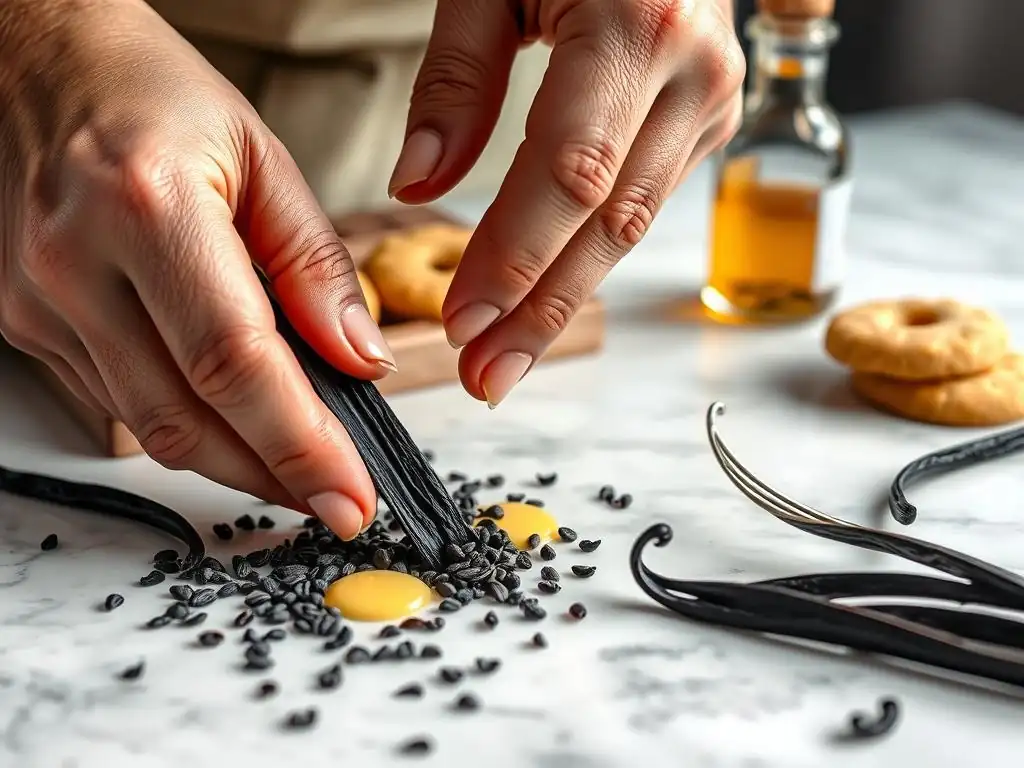
The most compelling reason to use real vanilla bean is its superior flavor profile. As mentioned, it's not just about vanillin; it's about the harmonious blend of hundreds of compounds. When these compounds are introduced directly from the bean into your recipe, they interact with other ingredients in unique ways, creating a deeper, more authentic vanilla taste. For example, in a simple vanilla ice cream base, infusing the cream with a split vanilla bean allows the fat to absorb a wide range of these fat-soluble flavor compounds, resulting in a richness and depth that extract struggles to match.
Consider a classic crème brûlée. Using real vanilla bean means those complex aromatics are gently heated and infused into the custard base. The resulting dessert has a more persistent and satisfying vanilla flavor on the palate. In contrast, adding extract often provides an initial punch of vanillin that can sometimes taste slightly alcoholic or artificial compared to the smooth, lingering finish from a real bean. The difference is particularly noticeable in recipes with minimal competing flavors, allowing the vanilla to truly shine. Many of the best real vanilla bean recipes highlight this purity.
Visual Appeal: Vanilla Bean Specks Add Elegance
Beyond flavor, real vanilla bean brings a delightful visual element to your baked goods: the tiny, dark specks of vanilla seeds. These specks are a hallmark of quality and artisanal preparation, instantly signaling to anyone enjoying your creation that real, whole vanilla was used. This is especially effective in light-colored desserts like panna cotta, custards, cheesecakes, and white cakes.
Imagine a scoop of homemade vanilla bean ice cream – the visible flecks embedded in the creamy white base are incredibly appealing and add an extra layer of perceived value and authenticity. While some extracts contain added vanilla bean seeds for visual effect, they don't provide the full spectrum of flavor that comes from infusing the recipe with the seeds and the split pod together. These tiny seeds, often called "vanilla caviar," are packed with intense vanilla flavor and fragrance themselves.
Real Vanilla Bean Recipes: Unleashing the Full Potential
Vanilla Bean Infused Sugar: A Simple Start
One of the easiest ways to incorporate real vanilla bean flavor into your daily baking is by making vanilla bean infused sugar. This simple technique requires minimal effort but yields sugar with a beautiful aroma and subtle vanilla notes perfect for dusting pastries, sweetening coffee, or using in any recipe that calls for sugar. To make it, simply bury one or two spent (or fresh) vanilla bean pods in an airtight jar filled with about 2-4 cups of granulated sugar.
Over a week or two, the sugar will absorb the oils and fragrance from the vanilla bean pod. Shake the jar occasionally to distribute the aroma. You can leave the pods in the sugar indefinitely, replacing the sugar as you use it. This vanilla sugar is a fantastic way to use leftover pods after scraping out the seeds for other real vanilla bean recipes and adds a lovely touch to simple cookies or whipped cream.
Vanilla Bean Pastry Cream: A Decadent Delight
Pastry cream is a foundational element in many desserts, from tarts to éclairs and cakes. Using real vanilla bean transforms it into a truly decadent filling. The process typically involves infusing warm milk or cream with a split vanilla bean pod and its scraped seeds before tempering it into the egg yolk and sugar mixture. This gentle heating allows the full spectrum of vanilla flavors to meld beautifully with the creamy base.
The visual presence of the vanilla specks in the rich, yellow cream is instantly appealing. A classic recipe might call for one whole vanilla bean for about 2 cups of milk. The resulting pastry cream has an unparalleled depth of flavor and aroma that store-bought versions simply cannot replicate. It's a perfect example of how real vanilla bean elevates a classic component into something extraordinary, making it a star among real vanilla bean recipes.
Vanilla Bean Ice Cream: The Ultimate Flavor Experience
If there is one recipe where real vanilla bean truly shines, it's homemade ice cream. Because ice cream is served cold, many volatile flavor compounds are less pronounced. However, the complex, lingering notes of real vanilla bean cut through the cold and the richness of the cream base, providing a pure, intense vanilla flavor that is simply unmatched by extract. The visible specks of vanilla seeds add to the allure.
A typical recipe for vanilla bean ice cream might use 1-2 high-quality vanilla beans for a standard 1.5 to 2-quart batch. The beans are split, scraped, and both the seeds and the pods are steeped in the milk and cream base as it's heated. This infusion process is crucial for extracting the maximum flavor. Once churned and frozen, the result is a luxuriously smooth, incredibly flavorful ice cream with a beautiful speckled appearance – the quintessential real vanilla bean recipe highlight.
Choosing the Right Vanilla Bean for Your Recipes
Types of Vanilla Beans: Madagascar, Tahitian, Mexican
The world of real vanilla beans offers fascinating variety, primarily categorized by origin, which influences flavor profile. Madagascar vanilla beans, often called Bourbon vanilla (though not related to Bourbon whiskey), are the most common and are known for their classic, creamy, sweet flavor with notes of cherry or chocolate. They are typically plump and oily.
Tahitian vanilla beans are usually fatter and moister than Madagascar beans. They possess a more floral, fruity, and slightly anise-like aroma and flavor, making them excellent for fruit-based desserts, custards, and perfumes. Mexican vanilla beans are often described as having smoky, spicy, or woody undertones with a smooth vanillin flavor. They are a good choice for chocolate or spice-forward recipes. Exploring these different types can significantly impact the outcome of your real vanilla bean recipes.
Selecting the Best Vanilla Bean: Look and Feel
When choosing real vanilla beans, quality is paramount. Look for beans that are plump, moist, and pliable – you should be able to gently bend them without them breaking. Dry, brittle beans have lost much of their volatile flavor compounds. They should have a rich, dark brown to black color and a glossy sheen, indicating high oil content. Avoid beans that look shriveled, are excessively dry, or have a dull appearance.
Smell the beans if possible; they should have a strong, sweet, characteristic vanilla aroma, free from any off-putting or smoky smells (unless intentionally smoked, like some Mexican varieties). A high-quality bean will feel substantial and slightly oily in your hand. While price can be an indicator, visually inspecting the beans for these characteristics is the best way to ensure you're getting a potent and flavorful ingredient for your real vanilla bean recipes.
Storing Vanilla Beans to Preserve Freshness
Proper storage is essential to maintain the quality and potency of real vanilla beans. They should be stored in an airtight container, such as a glass jar or a sealed plastic bag (vacuum-sealed is ideal), away from direct sunlight and heat. The ideal temperature is cool room temperature, around 60-70°F (15-21°C). Avoid refrigerating vanilla beans, as this can dry them out and potentially cause mold due to condensation.
Do not store vanilla beans in alcohol unless you are intentionally making extract, as this will leach out the flavors. Kept properly, high-quality vanilla beans can remain fresh and potent for up to two years or even longer. If they start to dry out slightly, they can sometimes be rehydrated by placing them in a sealed container with a damp paper towel for a day or two, though this won't fully restore lost flavor.
Extracting Vanilla Bean Flavor: Techniques and Tips
Scraping Vanilla Bean Seeds: A Step-by-Step Guide
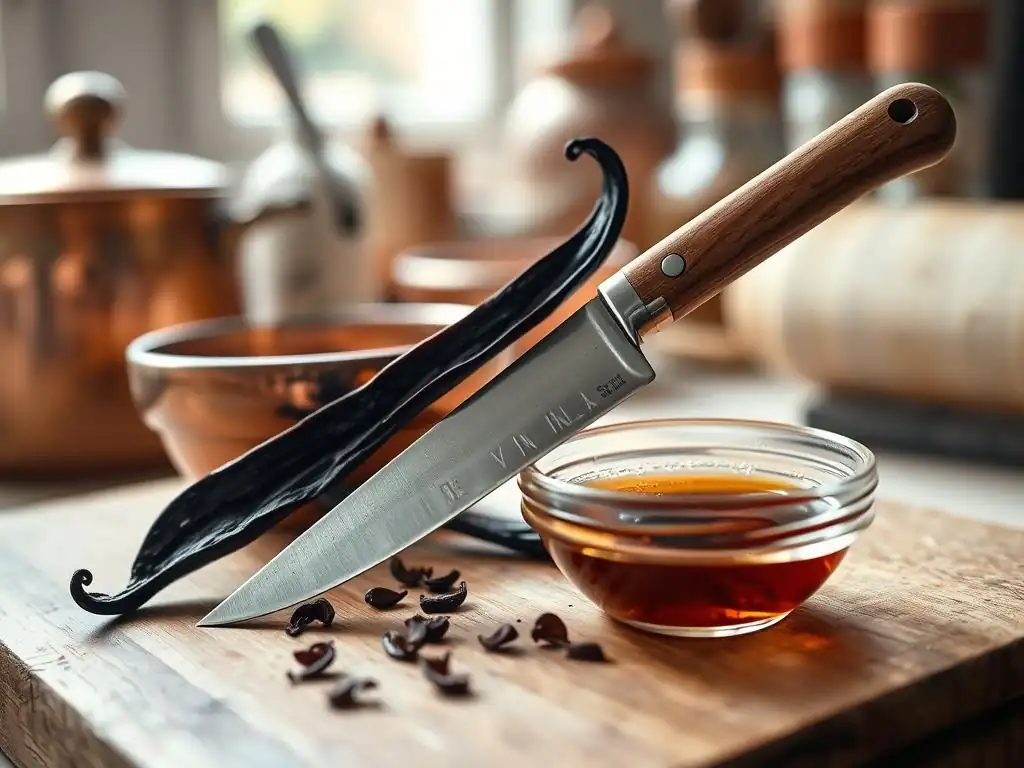
Scraping the seeds, or "caviar," from a real vanilla bean is a straightforward process. First, place the bean on a clean cutting surface. Using a sharp paring knife, split the bean lengthwise down the center, being careful not to cut all the way through to the other side initially. Open the bean like a book.
Next, using the back (dull side) of the knife blade or a small spoon, gently scrape down the inside length of each half of the bean, from one end to the other. The goal is to collect the paste-like mass of tiny seeds. Gather the scraped seeds on the knife or spoon and add them directly to your recipe. Don't discard the scraped pod! It still contains valuable flavor and can be used for infusing liquids or making vanilla sugar.
Infusing Whole Vanilla Beans: Slow and Steady Wins the Race
Many real vanilla bean recipes, especially those for liquids like custards, creams, or syrups, benefit from infusing the entire split bean pod along with the scraped seeds. This allows the full range of fat-soluble and alcohol-soluble compounds in the bean to be released into the liquid. The process typically involves heating the liquid (milk, cream, sugar syrup) gently with the split bean and seeds, then letting it steep off the heat for a period, often 15-30 minutes or even longer.
For maximum flavor extraction, ensure the liquid is warm but not boiling vigorously, as excessive heat can cause some delicate flavors to evaporate. After infusing, remember to remove the pod, rinse it, and save it for future use (like vanilla sugar or extract). This slow and steady infusion method ensures that the liquid captures the deep, complex essence of the real vanilla bean.
Making Your Own Vanilla Extract from Vanilla Beans
Making your own vanilla extract is a rewarding project that utilizes real vanilla beans and provides a cost-effective source of high-quality extract over time. The basic process involves steeping chopped or split vanilla beans in a food-grade alcohol, typically vodka, rum, or bourbon, with an alcohol content of around 35-40%. A common ratio is about 1 ounce of vanilla beans (roughly 6-8 beans, depending on size) per 8 ounces of alcohol.
Place the beans (split or chopped into smaller pieces) into a clean bottle or jar and cover completely with the alcohol. Seal the container tightly and store it in a cool, dark place, like a pantry. Shake the bottle gently every week or so. The extract will develop flavor over several months, improving with age. It's generally recommended to steep for at least 6 months, and ideally 12 months or longer, before using. This homemade extract is a wonderful way to capture the flavor of real vanilla beans in a convenient liquid form.
The Cost of Real Vanilla Bean vs. Extract: Is It Worth It?
Analyzing the Price Difference
There's no denying that real vanilla beans have a significantly higher upfront cost than vanilla extract. As of recent years, the price of high-quality vanilla beans has fluctuated but often ranges from $5 to $15 or more per bean, depending on type, grade, and market conditions. A standard 4-ounce bottle of pure vanilla extract might cost anywhere from $10 to $30+. While the bottle seems less expensive initially, it contains multiple uses.
To compare value, consider yield. A single vanilla bean is often said to be equivalent in strength to 1 to 3 teaspoons of vanilla extract, depending on the bean's quality and how it's used. A 4-ounce bottle of extract contains roughly 24 teaspoons. Doing the math, if a bean equals 2 tsp extract and costs $8, that's $4 per tsp equivalent. If the extract costs $20 for 24 tsp, that's about $0.83 per tsp. Clearly, extract is cheaper on a per-use basis if you only consider vanillin strength. However, this calculation ignores the qualitative difference in flavor.
The Value of Superior Flavor: A Matter of Taste
While the per-use cost analysis favors extract, the value of real vanilla bean lies in the superior flavor it imparts. For recipes where vanilla is a primary flavor component – like panna cotta, ice cream, custards, or delicate cakes – the difference is palpable and, for many bakers, worth the extra expense. The complex, nuanced flavor of the bean adds a depth and authenticity that extract simply cannot replicate.
Think of it like using fresh herbs versus dried in certain dishes; while dried herbs are convenient and less expensive, fresh herbs often provide a brighter, more vibrant flavor essential to the dish's success. Similarly, for truly exceptional baked goods, real vanilla bean elevates the final product from good to outstanding. The value is subjective, but for those who appreciate nuanced flavors, the cost is justified by the unparalleled results in their real vanilla bean recipes.
Troubleshooting Vanilla Bean Recipes: Common Mistakes and Solutions
Preventing Vanilla Bean Seeds from Clumping
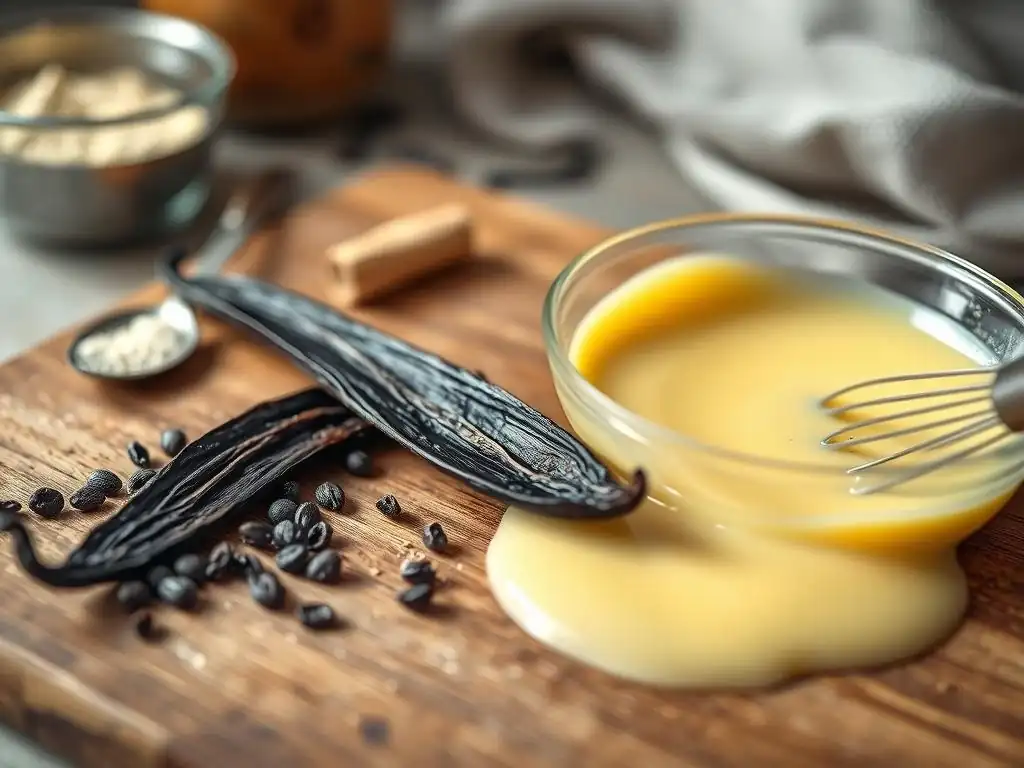
One common issue when working with real vanilla bean seeds is that they can sometimes clump together when added directly to a batter or dough, resulting in uneven distribution and concentrated pockets of flavor. To prevent this, try whisking the scraped vanilla seeds into a small amount of one of the liquid ingredients from your recipe before adding them to the main mixture.
For example, if making a cake batter, whisk the seeds into the wet ingredients (eggs, milk, melted butter) before combining with the dry ingredients. If making a custard, stir the seeds into the milk or cream while it's cold or just beginning to warm. This helps to separate the tiny seeds and ensures they disperse evenly throughout the mixture, leading to consistent vanilla flavor in every bite of your real vanilla bean recipes.
Adjusting Recipes for Vanilla Bean Intensity
Converting recipes that call for vanilla extract to use real vanilla bean requires a bit of estimation, as the potency of beans can vary. A general guideline is that one standard 6-8 inch vanilla bean is roughly equivalent to 1 to 3 teaspoons of vanilla extract. For recipes where vanilla is a star, start with 1 bean per 1-2 cups of liquid or per batch size that would typically use 1-2 tsp of extract. For recipes where vanilla is a background flavor, you might use half a bean or even just a quarter of a bean.
It's often better to start with a conservative amount and taste as you go, if possible (e.g., in custards or sauces before cooking fully). Remember that infusing the pod along with the seeds will yield more flavor than just using the seeds alone. With practice, you'll develop an intuition for how much bean to use in your favorite real vanilla bean recipes to achieve the desired intensity.
Saving Over-Infused Vanilla Flavor
Sometimes, particularly when infusing liquids, you might accidentally achieve a vanilla flavor that is too intense or even slightly bitter from over-steeping the pod or using too many beans. While it's hard to "remove" flavor once infused, you can sometimes balance it. In a custard or cream, adding a little extra plain milk or cream can help dilute the intensity.
If the flavor is slightly bitter (sometimes caused by over-heating the pod), a tiny pinch of salt or a touch of sugar can sometimes help to round out the flavor profile and mask the bitterness. For baked goods, if the batter is too vanilla-forward, you might consider adding a complementary flavor like a pinch of cinnamon, a touch of citrus zest, or even a small amount of cocoa powder in future iterations of those real vanilla bean recipes to create balance.
Beyond Baking: Other Uses for Real Vanilla Bean
Vanilla Bean in Beverages: Coffee, Tea, Cocktails
Real vanilla bean isn't just for the oven; it can add a touch of luxury and complex flavor to various beverages. Dropping a piece of a spent vanilla bean pod into your coffee grounds before brewing can infuse your morning cup with a subtle vanilla aroma. Similarly, adding a piece of pod to loose leaf tea as it steeps introduces a delicate sweetness and fragrance.
For cocktails, vanilla bean simple syrup is a game-changer. Heat equal parts sugar and water with a split vanilla bean and its seeds until the sugar dissolves, then let it steep as it cools. This syrup adds a sophisticated vanilla note to drinks like Old Fashioneds, martinis, or even just sparkling water. Using real vanilla bean elevates everyday drinks into something special.
Vanilla Bean in Savory Dishes: Vanilla Bean Infused Olive Oil for Seafood
While less common, real vanilla bean can also find a place in savory cooking, particularly complementing seafood, poultry, or light sauces. The subtle sweetness and complex aromatics can provide an unexpected layer of flavor that enhances rather than overwhelms. One intriguing use is infusing olive oil with a split vanilla bean. Gently heating a split bean and its seeds in good quality olive oil for a short time (avoiding high heat which can damage the flavors) creates a fragrant oil.
This vanilla bean infused olive oil can be drizzled over grilled fish or shrimp just before serving, used in a light vinaigrette for a salad with fruit, or even brushed onto chicken before roasting. The vanilla notes interact beautifully with the natural sweetness of seafood and white meats, proving that the versatility of real vanilla bean extends far beyond the realm of real vanilla bean recipes for desserts.
Mastering Vanilla Bean: Your Journey to Baking Excellence
Embrace the Richness of Real Vanilla Flavor
Embarking on the journey of using real vanilla bean in your baking is an exploration of richer, more authentic flavors. It's an ingredient that rewards attention to detail and technique, offering a complexity that synthetic alternatives cannot match. From the visual appeal of the tiny seeds to the lingering, nuanced aroma, real vanilla bean elevates baked goods from simple treats to culinary experiences.
Whether you're making a classic crème brûlée, whipping up a batch of homemade ice cream, or simply infusing sugar, incorporating real vanilla bean connects you to the source of one of the world's most beloved flavors. Don't be intimidated by the cost or the process; start with simple real vanilla bean recipes and gradually explore its potential. The depth of flavor it brings is a testament to the power of using high-quality, natural ingredients in your quest for baking excellence.
Frequently Asked Questions
What is the main advantage of using real vanilla bean in baking compared to vanilla extract?
Real vanilla bean offers a more complex and nuanced flavor profile, with tiny specks that add visual appeal. Vanilla extract, while convenient, can sometimes lack the depth and authenticity of the real thing.
How do I properly store unused vanilla beans to maintain their freshness?
Unused vanilla beans should be stored in an airtight container in a cool, dark place. You can also wrap them in parchment paper to further protect them from drying out.
What are some simple recipes where I can immediately experience the impact of using real vanilla bean?
Consider using real vanilla bean in vanilla bean ice cream, crème brûlée, or even simple sugar cookies. These recipes allow the pure vanilla flavor to truly shine.
Is it possible to substitute vanilla extract for real vanilla bean in a recipe, and if so, what's the conversion ratio?
Yes, you can substitute, but the flavor won't be identical. As a general guideline, use approximately 1 teaspoon of vanilla extract for every inch of vanilla bean called for in the recipe.
Where can I reliably source high-quality vanilla beans for my baking needs?
Look for reputable spice shops, specialty food stores, or online retailers that specialize in baking ingredients. Ensure the beans are plump, oily, and have a strong vanilla aroma for optimal quality.
Final Reflection: The Enduring Allure of Real Vanilla
The subtle nuances of real vanilla bean are more than just a culinary trend; they represent a commitment to quality and a deeper connection to the ingredients that nourish us. In a world increasingly dominated by artificial flavors and shortcuts, rediscovering the unparalleled richness of real vanilla bean offers a powerful antidote to blandness, both in our kitchens and our lives.
The journey from the humble vanilla orchid to the exquisite flavor in our desserts is a testament to the power of natural ingredients. The impact of real vanilla extends beyond mere taste; it speaks to a mindful approach to cooking and a desire for authenticity. It's a reminder to slow down, appreciate the process, and savor the experience. The best things in life are simple,
a phrase often repeated, perfectly encapsulates the profound satisfaction derived from using real vanilla bean. Its subtle complexity elevates even the simplest recipes, proving that sometimes, less is truly more.
Now, consider your own kitchen. What small changes can you make to bring more authenticity and intentionality to your cooking? Will you embrace the challenge of incorporating real vanilla bean into your next baking project? The journey towards richer flavors begins with a single bean, a conscious choice to prioritize quality, and a willingness to experience the difference. Let the aroma of real vanilla inspire you to unlock a deeper appreciation for the simple pleasures and the profound impact of truly authentic ingredients.
Unleash Your Inner Pastry Chef: Elevate Your Baking Today!
Thanks for exploring the world of real vanilla bean with us! We hope you've discovered the incredible difference it makes in your baking. Ready to take your skills to the next level?
- Bake a masterpiece: Try substituting real vanilla bean in your favorite recipe this week. Note the difference in aroma and flavor! Consider starting with something simple like vanilla cupcakes or cookies.
- Share your vanilla creation: Post a picture of your vanilla-infused bake on social media and tag us! Let's inspire each other.
- Explore deeper: Dive into our extensive recipe library on BakeWithEase.com to find more recipes featuring the rich, complex notes of real vanilla bean.
What incredible vanilla-infused treat will you create first?