
Pizza Dough on a Budget: Simple Ingredients, Great Results

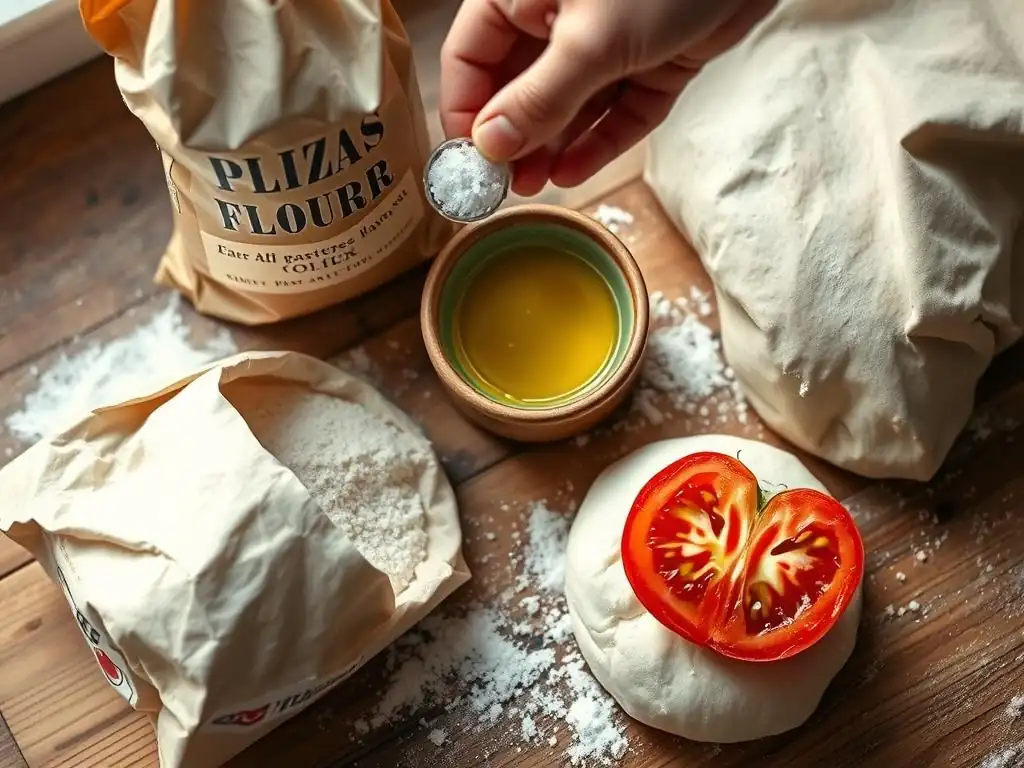
Welcome to BakeWithEase, your companion in the delightful world of baking! Ever dreamt of crafting the perfect homemade pizza but worried about the cost? Discover how to make delicious, budget-friendly pizza dough with our simple recipe and achieve incredible results. Intrigued? Keep reading to unlock the secrets to an easy budget pizza dough that will revolutionize your pizza nights!
- Pizza Dough on a Budget: Simple Ingredients, Great Results - BakeWithEase
- Introduction: Delicious Pizza on a Dime - Easy Budget Pizza Dough
- Understanding the Basics: The Keys to Inexpensive Pizza Dough
- The Ultimate Recipe: Easy Budget Pizza Dough for Home Bakers
- Mastering the Technique: Tips for Perfect Budget Pizza Dough
- Troubleshooting: Common Problems & Solutions for Budget Pizza Dough
- Flavor Variations: Enhancing Your Budget Pizza Dough Recipe
- Creative Uses for Leftover Pizza Dough (Budget-Friendly Ideas)
- Cost-Saving Tips: Making Pizza Dough Even More Affordable
- Conclusion: Enjoying Delicious, Affordable Pizza with BakeWithEase
-
Frequently Asked Questions
- What makes this pizza dough recipe "budget-friendly"?
- Can I substitute any of the ingredients in this easy pizza dough recipe?
- How long does it take to make this pizza dough from start to finish?
- What's the best way to store leftover pizza dough?
- Can I use this dough recipe for other types of bread or baked goods?
- Final Reflection: The Humble Pie (and Dough) of Affordability
- Unleash Your Inner Pizzaiolo!
Pizza Dough on a Budget: Simple Ingredients, Great Results - BakeWithEase
Introduction: Delicious Pizza on a Dime - Easy Budget Pizza Dough
Making your own pizza at home is a rewarding experience, offering control over ingredients, flavor, and texture that store-bought options simply can't match. Beyond the culinary satisfaction, crafting your pizza from scratch, especially the dough, is significantly more economical. A single batch of homemade dough, using common pantry staples, can cost mere cents compared to several dollars for a pre-made crust or frozen pizza. This makes mastering an easy budget pizza dough recipe a fantastic way to enjoy gourmet-level pizza without breaking the bank.
At BakeWithEase, we believe that delicious baking should be accessible to everyone, regardless of budget or experience level. Our commitment is to provide clear, simple instructions and cost-effective recipes that empower you to create wonderful baked goods right in your own kitchen. This guide on making easy budget pizza dough is a perfect example of that philosophy, demonstrating how minimal investment in ingredients can yield truly spectacular results, proving that quality pizza is well within reach for any home baker.
Understanding the Basics: The Keys to Inexpensive Pizza Dough
Key Ingredients for a Cheap and Cheerful Pizza Base
The beauty of a simple, easy budget pizza dough lies in its incredibly basic ingredient list. You typically need just four core components: all-purpose flour, water, yeast, and salt. These items are standard in most kitchens and are among the least expensive baking ingredients available. For instance, a 5-pound bag of all-purpose flour might cost around $3-5 and contains enough flour for many batches of dough, potentially dozens of pizzas. A small packet of active dry yeast, usually enough for two batches, costs less than a dollar. Salt and water are practically free.
Sometimes, a touch of olive oil or a pinch of sugar might be added, but even these additions are minimal in cost. Olive oil, while potentially more expensive than other oils, is used in small quantities, perhaps just a tablespoon or two per batch, adding only a few cents to the total cost.
Sugar, if used, is usually just a teaspoon to help activate the yeast, adding negligible cost. This minimalist approach keeps the ingredient cost for an easy budget pizza dough exceptionally low, often under 50 cents for enough dough to make a large pizza that could feed 3-4 people.
Essential Equipment for Making Budget Pizza Dough at Home
You don't need fancy equipment to make excellent easy budget pizza dough. The most essential tools are likely already in your kitchen. A large mixing bowl is necessary for combining the ingredients and allowing the dough to rise. You'll also need measuring cups and spoons for accurate ingredient proportions – precision, especially with flour and water, helps ensure consistent results. A sturdy spoon or a spatula is useful for the initial mixing phase before you turn the dough out onto a surface for kneading.
Kneading can be done entirely by hand on a clean counter or cutting board, eliminating the need for expensive stand mixers. A simple kitchen scale is a great tool for accuracy, costing around $15-30 for a basic model, but it's not strictly essential when following volume measurements. For baking, you'll need a baking sheet or pizza stone, but even a standard oven rack can work in a pinch. The key is that the entry cost for equipment to make easy budget pizza dough is virtually zero if you have standard kitchen basics.
The Ultimate Recipe: Easy Budget Pizza Dough for Home Bakers
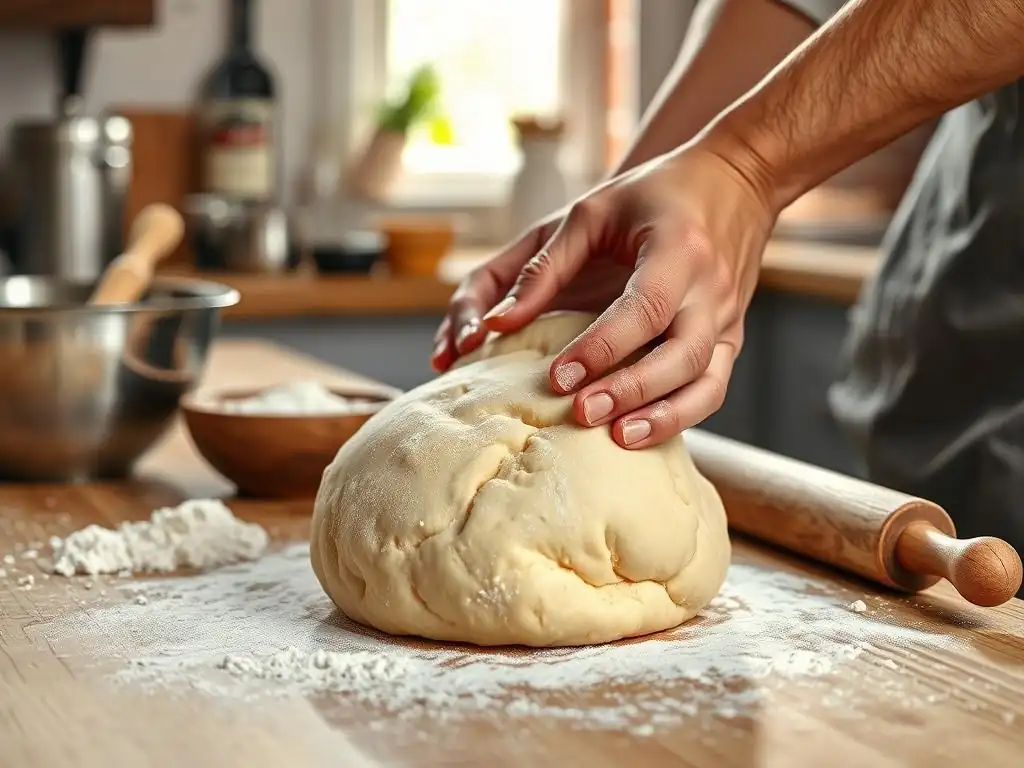
Ingredients List: Affordable Pizza Dough Recipe
Here is a straightforward list of ingredients for a delicious and easy budget pizza dough, yielding enough for one large pizza (about 12-14 inches) or two smaller ones. These are the most common measurements; slight variations can be made based on your preferred dough consistency.
- 2 ½ cups (about 300 grams) all-purpose flour, plus extra for dusting
- 1 teaspoon instant dry yeast (or 1 ¼ teaspoon active dry yeast)
- 1 teaspoon salt
- 1 cup (240ml) warm water (around 105-115°F or 40-46°C)
- 1 tablespoon olive oil (optional, for flavor and texture)
This simple combination focuses on the absolute essentials, keeping the ingredient list short and the cost minimal. Using instant yeast is often easier as it can be mixed directly with the dry ingredients, simplifying the process for a truly easy budget pizza dough experience.
Step-by-Step Guide: Preparing Your Homemade Budget Pizza Dough
Follow these steps to create your easy budget pizza dough:
- Combine Dry Ingredients: In a large mixing bowl, whisk together the flour, yeast, and salt. If using active dry yeast, you'll need to activate it first by dissolving it in the warm water with a pinch of sugar for about 5-10 minutes until foamy, then proceed.
- Add Wet Ingredients: Pour the warm water (and activated yeast mixture if using active dry) into the bowl with the dry ingredients. Add the olive oil now if using.
- Mix the Dough: Using a spoon or spatula, mix until a shaggy dough forms and most of the flour is incorporated. It will look rough and sticky at this stage.
- Knead the Dough: Turn the dough out onto a lightly floured surface. Knead the dough for about 5-7 minutes until it becomes smooth and elastic. If it's too sticky, add flour a tablespoon at a time, but avoid adding too much.
- First Rise (Proofing): Lightly grease the mixing bowl with a little oil. Place the dough in the bowl, turning it to coat. Cover the bowl with plastic wrap or a damp kitchen towel. Let it rise in a warm place for 1 to 1.5 hours, or until doubled in size. This proofing step is crucial for developing flavor and texture in your easy budget pizza dough.
Mastering the Technique: Tips for Perfect Budget Pizza Dough
Achieving the Right Consistency: Dough Hydration and Kneading
The consistency of your easy budget pizza dough is primarily determined by its hydration level – the ratio of water to flour. For a standard, easy-to-handle dough, aim for a hydration around 60-65%. This means for every 100 grams of flour, you use 60-65 grams (or milliliters) of water. The recipe above, using 300g flour and 240ml water, is slightly higher hydration (80%), which results in a slightly stickier dough that can yield a lighter, airier crust if handled correctly. Don't be afraid if the dough feels a bit sticky after mixing; that's normal for higher hydration.
Kneading develops the gluten structure, giving the dough strength and elasticity. Whether by hand or mixer, the goal is to transform the shaggy mass into a smooth, pliable ball. For this easy budget pizza dough, 5-7 minutes of hand kneading is usually sufficient. You can test if the dough is ready by performing the "windowpane test": pinch a small piece of dough and gently stretch it. If you can stretch it thin enough to see light through it without it tearing, the gluten is well-developed. If it tears easily, continue kneading for a few more minutes.
Proofing Your Dough: Making the Most of Your Ingredients
Proofing, or the first rise, is where the yeast does its work, fermenting sugars and producing carbon dioxide gas, which makes the dough rise and develops complex flavors. For an easy budget pizza dough, adequate proofing is essential for a light, airy crust. A warm environment, ideally between 75-85°F (24-30°C), will speed up the process, allowing the dough to double in size in about 60-90 minutes. Placing the covered bowl in a slightly warm oven (turned off) can help achieve this.
For even better flavor development, especially with a simple ingredient list, consider a cold fermentation. After the initial rise, you can punch down the dough, reshape it into a ball, and place it in an airtight container or back in the covered bowl in the refrigerator for 12-48 hours. This slow, cold proof allows enzymes to break down starches into sugars, resulting in a more flavorful crust. This is a fantastic technique to elevate your easy budget pizza dough without adding any cost.
Baking Your Pizza: Oven Temperature and Timing for a Crispy Crust
Achieving a crispy crust with your easy budget pizza dough depends heavily on high oven temperature and efficient heat transfer. Preheat your oven as high as it will go, ideally between 450°F and 500°F (230°C and 260°C). If you have a pizza stone or steel, place it in the oven while it preheats for at least 30-60 minutes – this superheated surface will provide intense heat to the bottom of the dough, resulting in a beautifully crisp base.
When you're ready to bake, transfer your topped pizza onto the hot stone or steel. If you don't have a stone, an inverted baking sheet preheated in the oven can work, or you can bake directly on a baking sheet lined with parchment paper, though the crust might be less crispy. Baking time will vary depending on your oven and toppings, but a typical pizza bakes in 8-15 minutes.
Look for a golden-brown crust and bubbling cheese. For an extra crispy bottom, slide the pizza directly onto the oven rack for the last minute or two of baking, if possible.
Troubleshooting: Common Problems & Solutions for Budget Pizza Dough
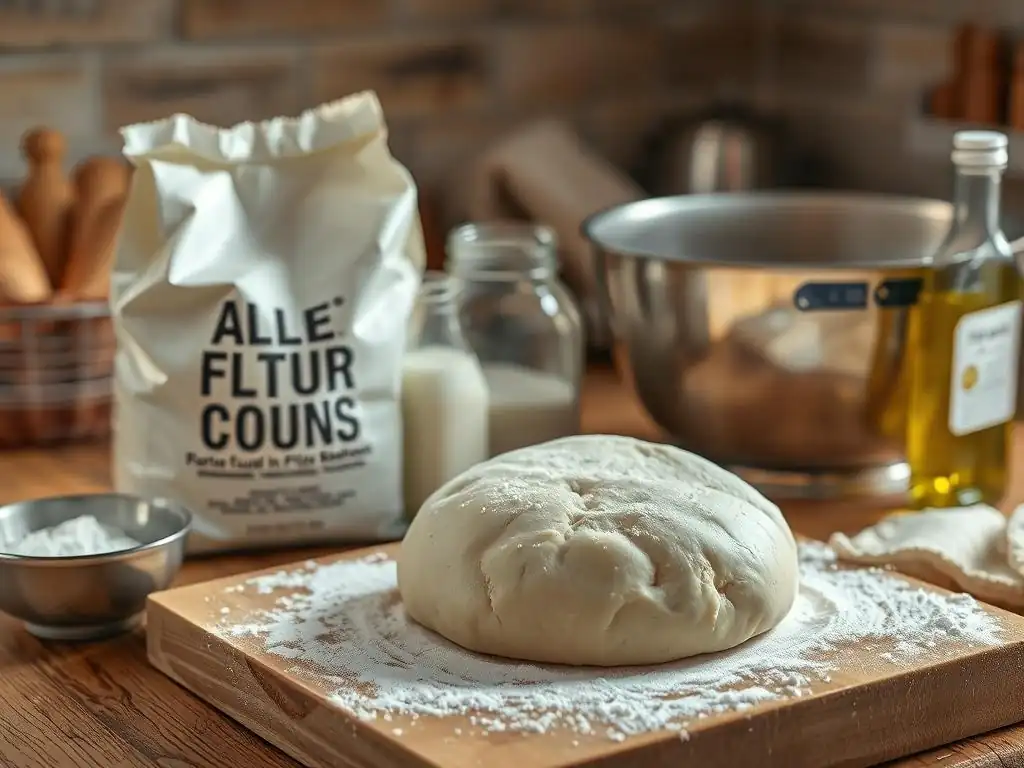
Dough Too Sticky? Tips for Handling Difficult Dough
One common issue when making easy budget pizza dough, particularly with higher hydration recipes, is stickiness. If your dough is sticking excessively to your hands or the counter during kneading, resist the urge to add large amounts of flour all at once. Adding too much flour can result in a dense, tough crust. Instead, add flour gradually, a tablespoon at a time, kneading it in thoroughly before adding more. Lightly flour your hands and the work surface as needed.
Another helpful tip for handling sticky dough is to use a bench scraper. This tool allows you to scrape the dough from the surface and fold it over without getting your hands completely coated. Practicing the stretch and fold technique, where you stretch the dough out and fold it back onto itself, can also be less messy than traditional kneading for very wet doughs. Remember that a slightly sticky dough is often desirable for a lighter crust, so embrace a little stickiness!
Dough Not Rising? Troubleshooting Proofing Issues
If your easy budget pizza dough isn't rising as expected during the proofing stage, there are a few potential culprits. The most common reason is inactive or dead yeast. Check the expiration date on your yeast packet or jar. If it's past the date, it may not be viable. If you're unsure, you can proof active dry yeast separately in warm water with a pinch of sugar before adding it to the flour; if it doesn't get foamy, your yeast is dead.
Another factor is water temperature. Water that is too hot (above 130°F or 54°C) will kill the yeast, while water that is too cold (below 70°F or 21°C) will significantly slow down fermentation. Aim for warm, not hot, water, ideally between 105-115°F (40-46°C) for active dry yeast, or just warm tap water for instant yeast. Finally, ensure your proofing environment is warm enough. Cold temperatures dramatically slow yeast activity. If your kitchen is cold, find a warmer spot or create one (like the slightly warm oven trick mentioned earlier).
Pizza Crust Too Hard? Achieving the Perfect Texture on a Budget
A hard or tough pizza crust can be disappointing, but it's often fixable. Overworking the dough during kneading is a frequent cause; excessive kneading develops too much gluten, resulting in a dense texture. Stick to the recommended kneading times (5-7 minutes by hand for this easy budget pizza dough recipe). Another reason could be insufficient proofing. Dough that hasn't risen enough will be dense and heavy, leading to a hard crust. Ensure your dough has at least doubled in size during the first rise.
Overbaking is also a major contributor to a hard crust. Keep a close eye on your pizza in the oven; baking times can vary. The crust should be golden brown, not dark brown or black unless you prefer a very well-done crust. Finally, using too much flour during kneading or shaping can make the dough dry and the resulting crust tough. Use just enough flour to prevent sticking, not so much that the dough feels dry.
Flavor Variations: Enhancing Your Budget Pizza Dough Recipe
Adding Herbs and Spices for Extra Flavor
Even an easy budget pizza dough can be infused with wonderful flavors using inexpensive herbs and spices already in your pantry. Dried Italian herbs like oregano, basil, and thyme are classic additions. You can mix 1-2 teaspoons of dried herbs into the dry ingredients along with the flour and salt. This simple step adds aromatic complexity to the crust itself.
Garlic powder is another excellent and budget-friendly option. Adding ½ to 1 teaspoon of garlic powder to the dough mixture imparts a subtle garlic flavor that complements almost any pizza topping. For a bit of heat, a pinch of red pepper flakes can be included. Experimenting with these common spices allows you to customize your easy budget pizza dough without adding significant cost.
Exploring Different Flour Types for Unique Crusts
While all-purpose flour is the go-to for a simple, easy budget pizza dough due to its cost and availability, incorporating small amounts of other flours can change the texture and flavor. Substituting 25-50% of the all-purpose flour with whole wheat flour, for example, adds a nutty flavor and extra fiber. Whole wheat flour is slightly more expensive per pound than all-purpose, but using it for only a portion of the total keeps the cost reasonable.
Another option is using bread flour, if it's on sale or already in your pantry. Bread flour has a higher protein content than all-purpose flour, which can result in a chewier crust. While not strictly necessary for an easy budget pizza dough, these substitutions offer ways to experiment with texture and flavor using relatively inexpensive ingredients.
Creating a Garlic Infused Budget Pizza Dough
To create a more pronounced garlic flavor than just using garlic powder, you can infuse the olive oil (if using) or even the water with garlic. Gently heat a tablespoon or two of olive oil with 1-2 cloves of minced garlic over low heat for a few minutes until fragrant, being careful not to burn the garlic. Let it cool slightly, then strain out the garlic solids and use the infused oil in your dough.
Alternatively, you can steep a crushed garlic clove or two in the warm water for about 15-20 minutes before using the water to make the dough. Remove the garlic solids before mixing. This method adds a subtle garlic essence to the easy budget pizza dough without adding chunks of garlic that might burn during baking. Both methods are inexpensive ways to elevate the flavor profile of your basic dough.
Creative Uses for Leftover Pizza Dough (Budget-Friendly Ideas)

Pizza Dough Breadsticks: A Simple and Tasty Snack
If you have leftover easy budget pizza dough, transforming it into breadsticks is a quick and delicious way to use it up. Simply roll or stretch the dough into a rectangular shape, brush the surface with melted butter or olive oil, and sprinkle with garlic powder, dried herbs, or parmesan cheese (if you have some on hand). Cut the rectangle into strips about 1-inch wide.
Place the strips on a baking sheet and bake in a preheated oven at 400°F (200°C) for 10-15 minutes, or until golden brown and puffed. These homemade breadsticks are significantly cheaper than store-bought versions and pair perfectly with pasta or soup, making a simple side dish from your easy budget pizza dough scraps.
Pizza Dough Calzones: Filling and Affordable Meals
Calzones are essentially folded-over pizzas, and they are a fantastic way to use up easy budget pizza dough along with leftover ingredients like cheese, cooked vegetables, or small amounts of meat. Roll out a portion of the dough into a circle. Place your fillings on one half of the circle, leaving a border around the edge.
Moisten the edge with a little water, then fold the other half of the dough over the filling to create a semicircle. Crimp the edges tightly to seal. Cut a few small vents in the top to allow steam to escape. Bake at 400-425°F (200-220°C) for 20-25 minutes, or until golden brown. Calzones are incredibly versatile and turn easy budget pizza dough into a complete, portable meal.
Sweet Treats with Pizza Dough: Budget-Friendly Desserts
Believe it or not, easy budget pizza dough can even be used for simple sweet treats! One popular option is cinnamon sugar twists or knots. Roll or stretch a piece of dough, brush with melted butter, sprinkle generously with cinnamon sugar (a mix of granulated sugar and cinnamon), and twist or knot the dough strips.
Bake them as you would breadsticks until golden brown. Another idea is a rustic fruit tart: press dough into a rough circle or rectangle, top with sliced fruit mixed with a little sugar and cornstarch, and fold the edges over. Bake until the crust is golden and the fruit is bubbling. These unexpected uses demonstrate the versatility and value of mastering an easy budget pizza dough.
Cost-Saving Tips: Making Pizza Dough Even More Affordable
Buying Ingredients in Bulk for Savings
For ingredients used frequently, like flour and yeast, buying in larger quantities is often significantly cheaper per unit. A 5-pound bag of all-purpose flour is much more cost-effective than smaller bags. Similarly, buying yeast in a larger jar (often around 4 ounces) is cheaper per ounce than individual packets, especially if you bake regularly. Store bulk yeast in an airtight container in the refrigerator or freezer to keep it fresh for months.
Salt is already very inexpensive, but buying a larger container of table salt or kosher salt offers even greater savings over time. While the initial outlay might be slightly higher, the cost per batch of easy budget pizza dough decreases considerably when you purchase these staples in bulk, especially for an ingredient like flour, which makes up the majority of the dough's weight.
Utilizing Pantry Staples Effectively
Making easy budget pizza dough is a prime example of utilizing basic pantry staples. Beyond the flour, water, yeast, and salt, think about how you can use other ingredients you likely already have for flavor or toppings. That half-used jar of dried oregano? Perfect for adding to the dough or sauce. The last bit of mozzarella? Exactly what you need for a simple topping.
Planning your pizza around ingredients you already have on hand minimizes extra grocery trips and impulse buys, further reducing the overall cost of your meal. An easy budget pizza dough combined with simple, existing toppings like canned crushed tomatoes, dried herbs, and whatever cheese is in the fridge makes for a truly economical and satisfying dinner.
Planning Ahead to Minimize Waste
One of the best ways to save money when baking, including making easy budget pizza dough, is to plan ahead and minimize waste. Make sure you know how much dough you need and plan to use any leftovers promptly using the creative ideas mentioned earlier. If you make a larger batch of dough than you need for one pizza, you can refrigerate it for a day or two, or freeze it for longer storage (thaw in the refrigerator overnight before using).
Knowing how to store your ingredients properly also prevents waste. Keep flour in an airtight container to protect it from moisture and pests. Store yeast correctly to maintain its viability. By properly managing your easy budget pizza dough and its ingredients, you ensure that every penny spent on ingredients is utilized effectively, maximizing your savings.
Conclusion: Enjoying Delicious, Affordable Pizza with BakeWithEase
Making your own easy budget pizza dough is a skill that pays dividends, both in culinary satisfaction and cost savings. With just a few simple, inexpensive ingredients and basic kitchen equipment, you can create a versatile and delicious base for countless pizza creations. From classic margherita to inventive toppings using whatever leftovers you have, homemade pizza becomes an incredibly affordable meal option.
We hope this guide from BakeWithEase empowers you to try making your own easy budget pizza dough. It's a fundamental baking skill that opens up a world of possibilities for delicious, homemade meals that are kind to your wallet. So gather your ingredients, get your hands a little floury, and enjoy the simple pleasure of baking and sharing affordable, homemade pizza!
Frequently Asked Questions
What makes this pizza dough recipe "budget-friendly"?
This recipe focuses on using simple, readily available ingredients that are typically cheaper than specialty flours or additives, making it easy on your wallet. It avoids unnecessary extras.
Can I substitute any of the ingredients in this easy pizza dough recipe?
While we recommend sticking to the recipe for best results, you can substitute active dry yeast for instant yeast, but you may need to adjust proofing time. Also, different flours will impact the final texture.
How long does it take to make this pizza dough from start to finish?
From mixing to proofing, expect the dough to take approximately 2-3 hours. Most of this time is hands-off as the dough rises.
What's the best way to store leftover pizza dough?
Wrap the dough tightly in plastic wrap and store it in the refrigerator for up to 3 days or freeze it for up to 3 months. Let it thaw in the fridge before using.
Can I use this dough recipe for other types of bread or baked goods?
While designed specifically for pizza, the basic dough can be adapted for focaccia or simple flatbreads. However, it may not be suitable for sweeter baked goods without significant modifications.
Final Reflection: The Humble Pie (and Dough) of Affordability
The pursuit of delicious, homemade pizza shouldn't break the bank. This article has demonstrated that crafting a truly satisfying pizza dough, bursting with flavor and texture, is entirely achievable even on a tight budget. We've debunked the myth that quality ingredients necessitate a hefty price tag, proving that simple, accessible ingredients can yield extraordinary results.
The enduring appeal of pizza transcends socioeconomic boundaries; it's a comfort food, a celebration, a simple pleasure. Its accessibility is a powerful equalizer, and the ability to create it affordably at home is a skill that empowers individuals and families. Food is symbolic of love when words are inadequate.
– Alan D. Wolfelt. This sentiment rings true, especially when sharing a homemade pizza crafted with love and minimal expense. The act of making pizza from scratch, regardless of budget, fosters connection and creativity in the kitchen.
Now, I challenge you to embrace the simplicity and satisfaction of homemade pizza dough. Don't let perceived limitations hold you back from experimenting with different flour types, exploring unique flavor combinations, and sharing the joy of a delicious, budget-friendly meal with loved ones. The journey of creating your own pizza dough is a rewarding one, a testament to resourcefulness and the magic that can be found in the most humble of ingredients. So, gather your ingredients, roll up your sleeves, and discover the delicious possibilities that await!
Unleash Your Inner Pizzaiolo!
Thanks for taking the time to explore the world of budget-friendly pizza dough! We hope you now feel confident in creating delicious pies without breaking the bank. Ready to get baking?
- Craft your masterpiece: Try out the recipe today! Use the ingredients you already have and see how easy it is to make amazing pizza dough at home.
- Share your success: Post a picture of your creation on social media using #BakeWithEaseBudgetPizza and tag us! Let's see those delicious results.
- Experiment with toppings: What unusual combination will you try next?
What unexpected ingredient are you eager to try on your homemade pizza?