
The Science of Delicious: How Different Butters Impact Baking Results

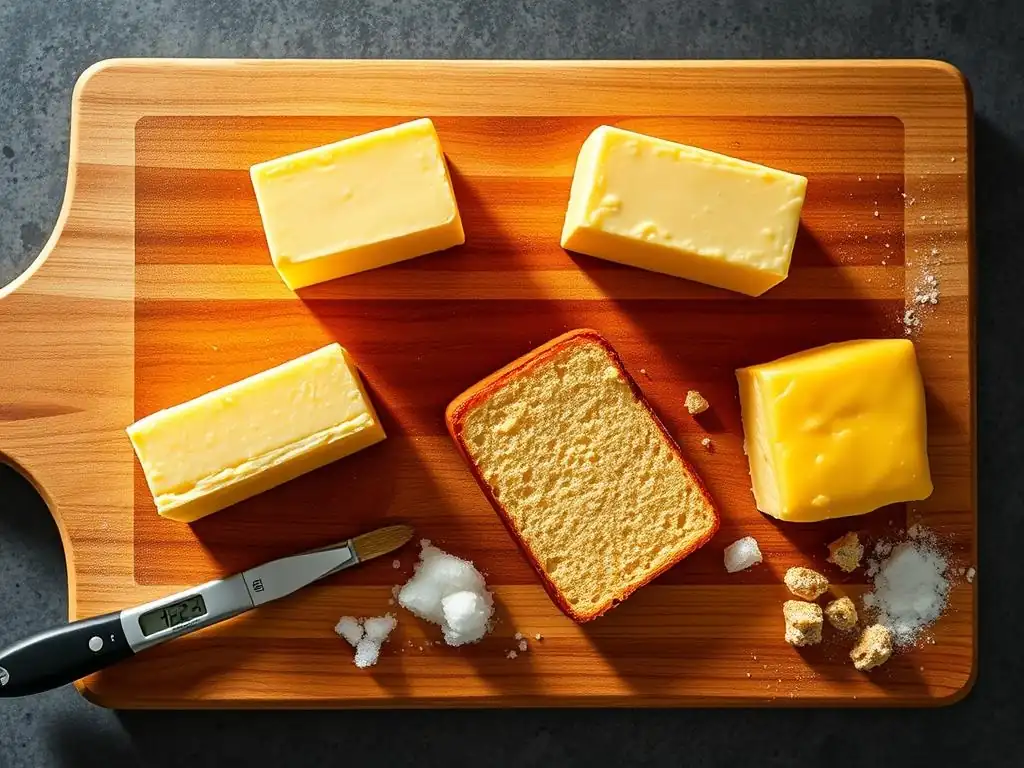
Welcome to BakeWithEase, your haven for all things baking! Ever wondered how the simple choice of butter can dramatically alter the outcome of your favorite recipes? Uncover the secrets to achieving baking perfection in " The Science of Delicious: How Different Butters Impact Baking Results." Prepare to be amazed as we delve into the fascinating world of butter baking impact results, and discover how to elevate your creations from good to extraordinary. Curious to learn more? Let's get baking!
- Understanding Butter's Role in Baking: Impact on Taste & Texture
- The Ultimate Butter Taste Test: Comparing Baking Results
- Butter Baking Impact Results: A Recipe-Based Comparison
- Choosing the Right Butter for Your Baking Needs: Recommendations
- Maximizing Flavor and Texture: Expert Baking Tips with Butter
- Conclusion: Mastering the Art of Baking with the Right Butter
-
Frequently Asked Questions
- How does the type of butter affect the final texture of my baked goods?
- Why is temperature important when using butter in baking?
- Does the salt content in butter matter when baking?
- Can I substitute margarine or other butter alternatives in baking?
- What is the difference between clarified butter (ghee) and regular butter in baking?
- Final Reflection: The Unsung Hero of Baking—Butter's Profound Influence
- Unlock Your Baking Potential: Master the Butter!
Understanding Butter's Role in Baking: Impact on Taste & Texture
Why Butter Matters: The Science Behind Baking Success
Butter is far more than just a fat in baking; it's a cornerstone ingredient that profoundly influences the structure, texture, and flavor of baked goods. At a fundamental level, butter is an emulsion of fat, water, and milk solids. When heated, the water turns to steam, creating lift and contributing to flakiness, particularly in laminated doughs like croissants and puff pastry.
The fat coats flour particles, inhibiting gluten development, which results in tenderness and a desirable crumb structure in cakes and cookies. The milk solids brown during baking, contributing to delicious flavor compounds through the Maillard reaction, enhancing the overall taste profile.
Beyond its structural and textural contributions, butter is a primary carrier of flavor. Its rich, creamy notes are essential to classic baked goods. Different types of butter, with varying fat content and production methods, offer distinct flavor profiles and physical properties. Understanding these differences is crucial for predicting the butter baking impact results in your recipes. For instance, a butter with higher fat content will yield a richer flavor and potentially a more tender or flaky result compared to one with less fat, directly affecting the final quality and enjoyment of your baked treats.
Fat Content & Baking Performance: Key Considerations
The percentage of fat is the most significant factor differentiating various butters and predicting their performance in baking. Standard American butter typically contains around 80% butterfat, 16-18% water, and a small percentage of milk solids. European-style butters, on the other hand, are legally required to contain at least 82% butterfat, often reaching 84% or even higher, with correspondingly less water (typically 14-16%). This difference, though seemingly small, has a substantial butter baking impact results.
Higher fat content means less water. Less water translates to less gluten development and more fat to create tender, flaky layers. In pastries, this higher fat allows for more distinct fat layers between dough layers, leading to superior flakiness when the water steams and pushes the layers apart. In cookies, more fat generally leads to more spread and chewiness, while in cakes, it contributes to a finer, more tender crumb and increased moisture. Considering the fat content is paramount when selecting butter to achieve specific textural goals in your baking projects.
The Ultimate Butter Taste Test: Comparing Baking Results
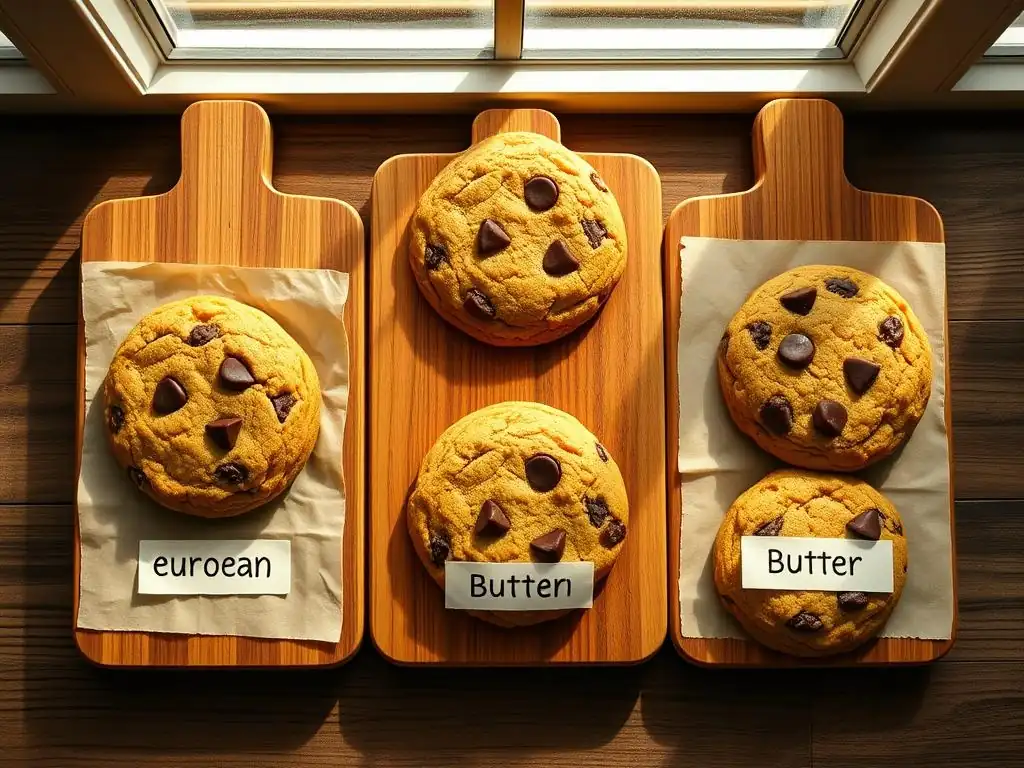
European-Style Butter: The High-Fat Advantage for Flaky Pastries
European-style butters are renowned for their higher butterfat content, typically ranging from 82% to 86%. This elevated fat level is a game-changer for pastries, especially those requiring lamination. The extra fat provides more material to create distinct layers within the dough, which then separate beautifully when baked, resulting in that coveted light, airy, and exceptionally flaky texture. The lower water content also contributes to a crisper finish.
Beyond texture, European-style butters often have a richer flavor due to their higher fat and sometimes a slightly tangy note if they are cultured. This contributes significantly to the overall sensory experience of the baked good. When aiming for truly exceptional croissants, puff pastry, or even flaky pie crusts, the butter baking impact results clearly favor a high-fat European-style butter for its superior flakiness and rich flavor.
Kerrygold: A Deep Dive into Kerrygold's Performance in Croissants
Kerrygold Pure Irish Butter is a widely available and popular example of European-style butter, boasting an 82% butterfat content. Its high fat and relatively low water content make it an excellent candidate for laminated doughs like croissants. When used in croissant dough, Kerrygold contributes significantly to creating clear, defined layers that puff up dramatically in the oven.
The result is a croissant with a wonderfully crisp, shatteringly flaky exterior and a soft, airy interior. The rich, slightly golden hue of Kerrygold also imparts a beautiful color to the finished pastry, and its distinct, creamy flavor enhances the overall taste, making the butter baking impact results in a croissant particularly noticeable and desirable.
Kerrygold vs. American Butter: A Side-by-Side Croissant Comparison
Comparing croissants made with Kerrygold (82% fat) and standard American butter (80% fat) highlights the tangible butter baking impact results. In a side-by-side test, the Kerrygold croissants typically exhibit superior lift and more pronounced, separated layers. The texture is noticeably flakier and lighter.
Conversely, croissants made with standard American butter, due to their higher water content, may result in slightly tougher layers or less dramatic puff. While still yielding a decent croissant, the difference in flakiness and richness of flavor is often discernible, demonstrating how just a few percentage points of fat can alter the final texture and quality of a delicate pastry.
American Butter: The Budget-Friendly Baking Staple
Standard American butter, typically containing 80% butterfat, is the most common and widely available butter in many supermarkets. It's a versatile workhorse in the kitchen and perfectly suitable for a vast array of baking applications, especially those where extreme flakiness isn't the primary goal. Its slightly higher water content compared to European butter can influence texture, making it suitable for different outcomes.
While it may not produce the absolute flakiest pastries, American butter performs reliably in cookies, cakes, muffins, and quick breads. Its neutral, creamy flavor integrates well into many recipes without overpowering other ingredients. Understanding its properties helps predict the butter baking impact results and when it's the appropriate choice for a recipe.
Land O'Lakes: Evaluating Land O'Lakes' Impact on Cake Texture
Land O'Lakes Unsalted Butter, a popular American brand with 80% fat, is a staple for many home bakers making cakes. In a classic vanilla cake, Land O'Lakes contributes to a tender crumb and moist texture when properly creamed with sugar. The creaming process incorporates air, and the butter's fat helps tenderize the cake structure by interfering with gluten formation.
While a higher-fat butter might produce a slightly finer or more delicate crumb, Land O'Lakes provides a consistently good result, yielding a cake that is soft, moist, and has a pleasant, even texture. Its reliable performance makes it a standard against which other butters' butter baking impact results in cake are often compared.
When to Choose American Butter: Best Uses in Baking
American butter is an excellent choice for a wide range of baking applications where extreme flakiness is not the main objective. It performs admirably in recipes like classic chocolate chip cookies, where its fat content contributes to spread and chewiness. It's also ideal for most cakes, muffins, brownies, and quick breads, providing necessary fat for tenderness and moisture without the need for the highest possible fat content.
Furthermore, American butter is typically more budget-friendly than European-style or cultured butters, making it a practical choice for everyday baking. Understanding the desired butter baking impact results for a specific recipe helps determine if standard American butter is the perfect, cost-effective ingredient.
Cultured Butter: Adding Tang and Complexity to Your Baked Goods
Cultured butter is made by adding live bacterial cultures to cream before churning. This fermentation process develops lactic acid, which gives the butter a distinct, slightly tangy flavor and a more complex aroma compared to sweet cream butter (which is what most American and European-style butters are). Cultured butters often have a higher fat content, similar to European styles (82% or more), and a lower water content.
The unique flavor profile of cultured butter can add an extra dimension to baked goods, particularly those where butter is a prominent flavor, such as scones, biscuits, or certain cookies. The tang can provide a pleasant contrast to sweetness. The higher fat content also contributes to desirable textures, similar to other high-fat butters, influencing the overall butter baking impact results in terms of both flavor and texture.
Vermont Creamery: Scones with Vermont Creamery Cultured Butter: A Flavor Explosion
Vermont Creamery Cultured Butter is a well-regarded example of cultured butter, typically containing 82% fat. When used in scones, its characteristics shine. The high fat content helps create tender, flaky layers within the scone structure, while the culturing process imparts a subtle but noticeable tang.
This tang balances the sweetness of the scone and adds a depth of flavor that is missing when using standard sweet cream butter. The butter baking impact results with Vermont Creamery in scones are a delightful combination of flaky texture and a sophisticated, slightly sour note that elevates the simple scone to something truly special.
Cultured Butter vs. Regular Butter: Exploring the Flavor Differences
The primary difference between cultured butter and regular sweet cream butter lies in their flavor profile. Regular butter has a pure, creamy taste derived directly from the cream. Cultured butter, through fermentation, develops a richer, more complex, and slightly tangy or nutty flavor due to the presence of lactic acid compounds.
This flavor difference has a direct butter baking impact results on the final taste of baked goods. While regular butter provides a classic buttery taste, cultured butter can add nuances that make a recipe more interesting. For instance, using cultured butter in a pound cake or shortbread can add a subtle complexity that enhances the overall richness and depth of flavor.
Brown Butter (Beurre Noisette): Enhancing Depth and Nutty Notes
Brown butter, or beurre noisette, is not a type of butter itself but a technique of cooking butter toasting its milk solids. When butter is heated gently, the water evaporates, and the milk solids separate and sink to the bottom of the pan. Continued heating causes these milk solids to brown, undergoing the Maillard reaction and developing a rich, nutty aroma and flavor, reminiscent of toasted hazelnuts.
This process transforms the simple flavor of butter into something complex and deeply aromatic. Using brown butter instead of melted or softened butter in a recipe fundamentally alters the butter baking impact results, adding layers of caramelized and nutty notes that can elevate even the simplest baked goods.
Making Brown Butter: A Step-by-Step Guide for Baking
Making brown butter is a straightforward process that requires attention:
- Place the desired amount of butter in a light-colored saucepan (light color helps you see the browning).
- Melt the butter over medium heat, stirring occasionally.
- Once melted, the butter will foam. Continue stirring gently as it cooks.
- The foam will subside, and you will see milk solids at the bottom. They will start turning from white to golden, then brown.
- Watch carefully! The butter can go from perfectly browned to burned quickly. Swirl the pan occasionally.
- When the milk solids are a deep golden-brown and the butter smells nutty, remove the pan from the heat immediately.
- Pour the brown butter (including the browned bits) into a heatproof container to stop the cooking process.
Brown Butter Applications: Elevating Cookies, Cakes, and More
Brown butter is a fantastic ingredient for adding depth and sophistication to baked goods. Its nutty, caramelized flavor works exceptionally well in cookies, such as classic chocolate chip or sugar cookies, adding a gourmet twist. Simply replacing some or all of the called-for butter (often melted or softened) with cooled brown butter can dramatically change the flavor profile.
It also performs beautifully in cakes, muffins, and even frostings, lending a warm, rich note. The butter baking impact results of using brown butter are primarily flavor-driven, adding complexity that plain butter cannot achieve, while also slightly altering texture depending on whether it's used in a liquid or solidified state.
Butter Baking Impact Results: A Recipe-Based Comparison
Conducting a simple cookie experiment using the same recipe but different types of butter is an excellent way to observe the butter baking impact results firsthand. A basic sugar cookie recipe is ideal as it has few ingredients, allowing the butter's characteristics to shine through. Comparing cookies made with standard American butter, European-style butter, and possibly cultured butter or brown butter reveals clear differences in spread, texture, and flavor.
Typically, a sugar cookie made with higher-fat European butter will spread more and have a chewier center with crisp edges. American butter might result in a cookie with slightly less spread and a more uniform texture. Brown butter adds a distinct nutty flavor and often leads to a slightly denser, chewier cookie depending on how it's incorporated. These comparisons vividly demonstrate how butter choice influences the final outcome.
Recipe: Basic Sugar Cookies with Varying Butter Types
Here is a simple recipe foundation for a cookie experiment:
- 1 cup (2 sticks) unsalted butter, softened (substitute different types for comparison)
- 1.5 cups granulated sugar
- 2 large eggs
- 1 teaspoon vanilla extract
- 2.75 cups all-purpose flour
- 1 teaspoon baking soda
- 0.5 teaspoon salt
Instructions:
- Cream the softened butter and sugar until light and fluffy. (If using brown butter, cool it until solid but still soft enough to cream).
- Beat in the eggs one at a time, then the vanilla.
- In a separate bowl, whisk together the flour, baking soda, and salt.
- Gradually add the dry ingredients to the wet ingredients, mixing until just combined.
- Chill the dough for at least 30 minutes.
- Preheat oven to 375°F (190°C). Line baking sheets with parchment paper.
- Scoop or roll dough into balls and place on prepared sheets.
- Bake for 8-11 minutes, or until edges are lightly golden.
- Let cool on sheets for a few minutes before transferring to a wire rack.
Repeat this process using different butters, ensuring all other variables (mixing time, chilling time, oven temperature) are kept consistent to accurately assess the butter baking impact results.
Analyzing Texture: From Chewy to Crispy with Different Butters
The type of butter significantly impacts the texture of cookies. Butter's fat content, water content, and how it's prepared (softened, melted, browned) all play a role. Higher fat butters tend to spread more during baking because there is less water to hold the structure, often resulting in thinner, crispier edges and chewier centers.
Conversely, butters with standard fat content (like American butter) or using butter that is less softened can lead to cookies that spread less and have a softer, puffier texture. Brown butter, when cooled and re-solidified, can create a chewier texture due to the altered fat structure and the presence of toasted milk solids. Analyzing the butter baking impact results on texture involves looking at spread, crispness, chewiness, and overall structure.
Flavor Profile: Unveiling the Nuances of Each Butter
Beyond texture, the flavor is a key differentiator. Standard sweet cream butters offer a clean, creamy, and classic buttery taste. European-style sweet cream butters often have a slightly richer flavor simply due to the higher concentration of butterfat. Cultured butters introduce a tangy, sometimes nutty or slightly sour note that adds complexity.
Brown butter, as discussed, provides a distinct caramelized, nutty flavor profile that is arguably the most dramatic flavor change achievable through butter preparation. Tasting cookies side-by-side reveals these subtle to significant flavor differences, making the butter baking impact results on taste a fascinating discovery for bakers.
The Cake Test: Butter's Influence on Cake Density and Moisture
Butter is crucial for cake structure, tenderness, and moisture. In many cake recipes, butter is creamed with sugar, a process that incorporates air and creates lift. The fat then coats flour particles, inhibiting gluten development, which results in a tender crumb. The type of butter used can influence how effectively these processes occur and the final butter baking impact results on the cake's density and moisture.
A cake made with butter that is properly softened and creamed will have a finer, more even crumb and a tender texture. The fat content affects this; higher fat butters can sometimes yield a slightly finer crumb and a moister cake due to less water. Conversely, using butter that is too cold or melted can result in a denser or tougher cake.
Recipe: Classic Vanilla Cake with Different Butter Types
Here is a basic vanilla cake recipe framework for comparison:
- 1 cup (2 sticks) unsalted butter, softened (substitute different types for comparison)
- 2 cups granulated sugar
- 4 large eggs
- 1 teaspoon vanilla extract
- 3 cups all-purpose flour
- 2 teaspoons baking powder
- 0.5 teaspoon salt
- 1 cup milk
Instructions:
- Preheat oven to 350°F (175°C). Grease and flour two 8-inch cake pans.
- Cream the softened butter and sugar until light and fluffy, about 3-5 minutes.
- Beat in the eggs one at a time, then the vanilla extract.
- In a separate bowl, whisk together the flour, baking powder, and salt.
- In a small bowl, measure the milk.
- Alternately add the dry ingredients and milk to the butter mixture, beginning and ending with the dry ingredients (e.g., 1/3 dry, 1/2 milk, 1/3 dry, 1/2 milk, 1/3 dry). Mix until just combined after each addition; do not overmix.
- Pour batter evenly into prepared pans.
- Bake for 30-35 minutes, or until a toothpick inserted into the center comes out clean.
- Let cakes cool in pans for 10 minutes before inverting onto a wire rack to cool completely.
Using different butters in this recipe allows for a direct comparison of their butter baking impact results on crumb structure, density, and moisture.
Evaluating Crumb: Understanding Butter's Role in Cake Structure
The crumb of a cake refers to the internal texture – how fine or coarse it is, how evenly the air pockets are distributed. Butter plays a critical role in developing a desirable crumb. During creaming, butter traps air bubbles, which expand during baking, contributing to lift and a tender structure. The fat also shortens gluten strands, preventing toughness.
Butters with different fat contents can subtly alter the crumb. Higher fat butters may produce a slightly finer, more velvety crumb because there's more fat to coat the flour and less water to encourage gluten. Observing the crumb structure side-by-side in cakes made with different butters helps illustrate the tangible butter baking impact results on texture.
Moisture Levels: How Butter Affects Cake Longevity
Butter's fat content directly contributes to the perceived moisture and richness of a cake. Fat coats the palate, giving a sense of moistness. Furthermore, fat helps retain moisture in the cake over time, potentially affecting its longevity and how well it stays fresh. Cakes made with sufficient butter tend to be more tender and moist than those made with less fat or alternative fats.
While the difference in moisture solely based on the slight fat variation between American and European butter might be subtle immediately after baking, it can potentially influence how quickly the cake dries out. Understanding this aspect of the butter baking impact results helps in choosing butter for cakes where moisture retention is a priority.
Choosing the Right Butter for Your Baking Needs: Recommendations
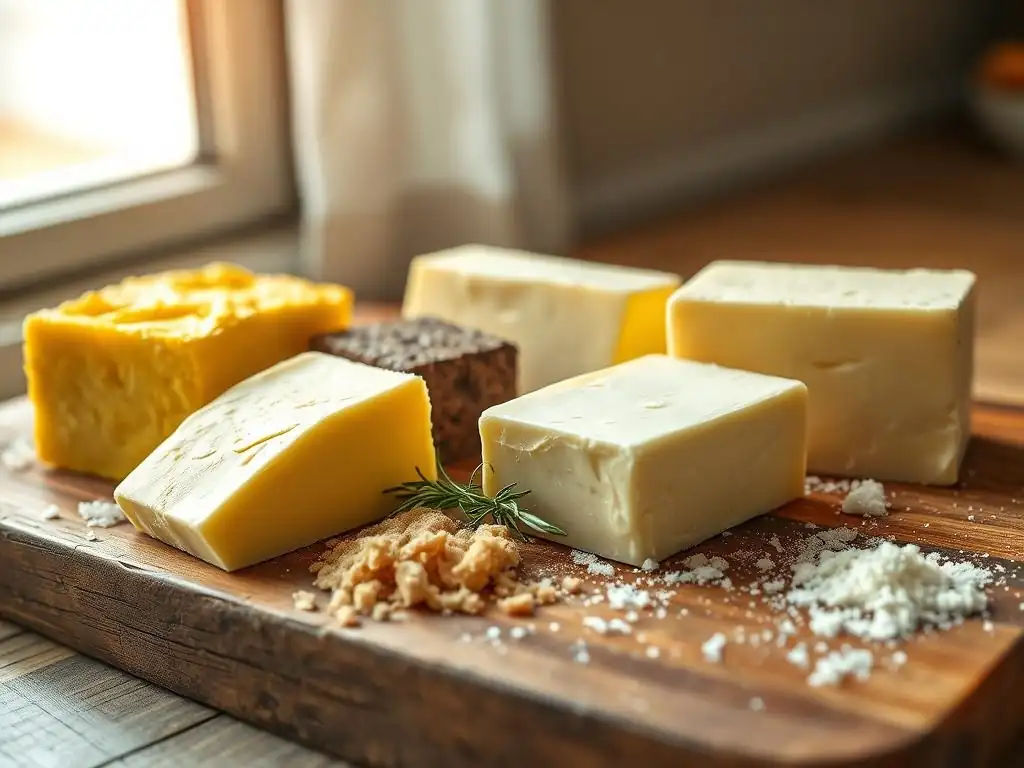
Selecting the appropriate butter for your baking project is key to achieving your desired outcome. Consider the type of baked good and the specific texture and flavor characteristics you are aiming for. The butter baking impact results vary significantly depending on the butter's fat content, water content, and whether it's cultured or browned.
For recipes where flakiness is paramount, such as croissants or puff pastry, a high-fat European-style butter is generally the superior choice. For everyday cakes, cookies, and muffins, standard American butter works reliably. If you want to add a tangy complexity or a nutty depth of flavor, cultured butter or brown butter are excellent options, respectively.
Best Butter for Flaky Pastries: European-Style Butters
For achieving those beautiful, airy, and flaky layers in pastries like croissants, puff pastry, and kouign amann, European-style butters are highly recommended. Their higher butterfat content (82%+) and lower water content are essential for creating distinct fat layers that steam and expand during baking, resulting in exceptional flakiness.
The rich flavor of these butters also enhances the overall taste of the pastry. Investing in a quality European-style butter will yield noticeable butter baking impact results in the flakiness and richness of your laminated doughs.
[Link to High-Quality European-Style Butter - Kerrygold Pure Irish Butter]
Best Butter for Cakes: Finding the Perfect Balance of Flavor and Texture
For most cakes, standard unsalted American butter (around 80% fat) provides an excellent balance of performance and flavor. It creams beautifully with sugar to incorporate air and contributes to a tender, moist crumb. Its neutral flavor allows other ingredients, like vanilla or chocolate, to shine.
While higher-fat butters can also work in cakes and might offer a slightly finer crumb or added richness, standard American butter is reliable, widely available, and delivers excellent butter baking impact results for classic cake recipes. Ensure the butter is at the correct softened temperature for optimal creaming.
[Link to Recommended American Butter for Cakes - Land O'Lakes Unsalted Butter]
The "best" butter for cookies depends heavily on the desired outcome. For a classic chewy cookie with good spread, standard American butter, especially when melted and cooled slightly, performs well. For cookies where you want a richer flavor and potentially more spread and chew, a high-fat European-style butter is a great choice.
If you're looking to add a unique tangy complexity, cultured butter can elevate the flavor profile, particularly in sugar cookies or shortbread. And for a deep, nutty flavor, brown butter is unparalleled. Experimenting with different butters allows you to explore the varied butter baking impact results on cookie texture and flavor.
[Link to Cultured Butter for Cookies - Vermont Creamery Cultured Butter]
Maximizing Flavor and Texture: Expert Baking Tips with Butter
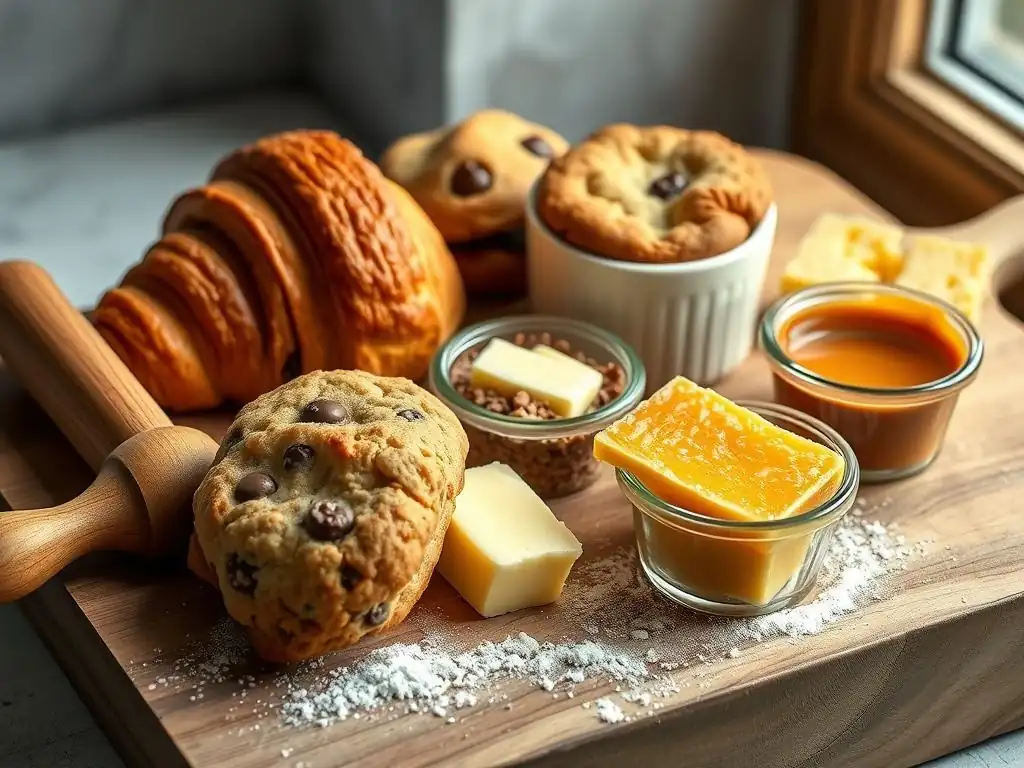
Beyond choosing the right type of butter, how you handle and prepare it is equally critical to achieving optimal butter baking impact results. Simple techniques can make a significant difference in the final texture, structure, and flavor of your baked goods. Mastering these tips will enhance your baking success regardless of the butter you choose.
Paying attention to butter temperature, proper creaming, and even storage ensures that the butter performs as intended in the recipe. These details are often overlooked but are fundamental to harnessing the full potential of butter in your baking.
Temperature Matters: The Importance of Softened Butter
Many recipes call for "softened" or "room temperature" butter, and this is not a suggestion – it's crucial. Softened butter should be pliable but not melted, around 65-68°F (18-20°C). At this temperature, butter can properly emulsify with other ingredients and, most importantly, trap air during the creaming process with sugar.
Using butter that is too cold results in poor creaming, less air incorporation, and potentially a dense or uneven texture in cakes and cookies. Using butter that is too warm or melted (unless the recipe specifically calls for it) can lead to greasy baked goods with less structure and spread excessively. The correct butter temperature is a foundational element for predictable butter baking impact results.
Creaming Butter and Sugar: Achieving the Perfect Emulsion
Creaming butter and sugar is a vital step in many cake and cookie recipes. This process involves beating softened butter with granulated sugar until the mixture becomes light in color and fluffy in texture. The sharp edges of the sugar crystals cut into the butter, creating tiny air pockets. As you continue beating, these air pockets become more numerous and evenly dispersed.
Proper creaming incorporates air, which acts as a leavening agent, contributing to the rise and tender crumb of the baked good. It also helps distribute the fat evenly throughout the batter or dough, ensuring consistent texture. The butter baking impact results are significantly improved when butter and sugar are creamed sufficiently, typically taking 3-5 minutes with an electric mixer.
Storing Butter Properly: Maintaining Freshness and Flavor
Butter is susceptible to absorbing odors and flavors from its surroundings and can go rancid if not stored correctly. Proper storage is essential to maintain its fresh flavor and optimal performance in baking. Unsalted butter is generally preferred for baking because it allows the baker to control the salt level in the recipe, but it also has a shorter shelf life than salted butter.
Butter should be stored tightly wrapped in its original packaging, and ideally placed in an airtight container, in the coldest part of the refrigerator. For longer storage, butter freezes exceptionally well. Properly stored butter ensures that its inherent flavor and physical properties are preserved, leading to the best possible butter baking impact results when you use it.
Conclusion: Mastering the Art of Baking with the Right Butter
Frequently Asked Questions
How does the type of butter affect the final texture of my baked goods?
Different butters have varying fat content and water percentages. Higher fat content, like in European-style butter, often leads to more tender and flaky results. Lower fat butter can result in a denser texture.
Why is temperature important when using butter in baking?
Butter temperature significantly impacts the creamability and gluten development. Softened butter, but not melted, is crucial for incorporating air and creating a light and airy texture in cakes and cookies.
Does the salt content in butter matter when baking?
Yes, salt content affects both flavor and gluten development. Unsalted butter allows for precise control over salt levels in your recipe, while salted butter adds flavor but can also impact the gluten structure of your baked goods.
Can I substitute margarine or other butter alternatives in baking?
While possible, substitutions often yield different results. Margarine, for example, typically has a higher water content than butter, which can affect the texture and browning of your baked goods. The flavor profile will also differ.
What is the difference between clarified butter (ghee) and regular butter in baking?
Clarified butter, like ghee, has had its milk solids and water removed. This results in a higher smoke point and a richer, nuttier flavor. It can be excellent for pie crusts or recipes where a strong butter flavor is desired.
Final Reflection: The Unsung Hero of Baking—Butter's Profound Influence
The science of baking is far more nuanced than simply following a recipe; understanding the impact of ingredients, particularly butter, is key to unlocking truly exceptional results. The subtle variations in fat content, water content, and even processing methods between different butters dramatically alter the final product, from the texture of a cake to the flakiness of a croissant. This isn't just about achieving a "better" bake; it's about understanding the fundamental chemistry that transforms simple ingredients into culinary masterpieces.
This exploration into the world of butter and its impact on baking has been a journey of discovery, not just for me, but hopefully for you as well. The seemingly simple act of choosing a butter is far from trivial; it's a decision that ripples through the entire baking process. The difference between something good and something great is attention to detail.
This quote, often attributed to various sources, perfectly encapsulates the importance of understanding the subtle nuances of ingredients like butter. The more we understand, the more we can appreciate the artistry and science behind baking.
Now, consider your own baking experiences. Have you noticed subtle differences in your results depending on the type of butter you've used? I encourage you to experiment! Try substituting different butters in your favorite recipes, paying close attention to the texture, flavor, and overall outcome. By actively engaging with the science behind baking, you'll not only improve your baking skills but also deepen your appreciation for the intricate relationship between ingredients and the final product. Embrace the journey of culinary exploration, and discover the magic that lies within each pat of butter.
Unlock Your Baking Potential: Master the Butter!
Thanks for exploring the fascinating world of butter and its impact on baking! You've now learned how different butter types can elevate your creations. Ready to put this knowledge into practice?
- Bake your dream recipe: Choose a recipe you love and experiment with a new type of butter – perhaps browned butter for extra depth or a cultured butter for a richer flavor. Note the difference!
- Share your butter adventures: Post a picture of your masterpiece on social media and use #BakeWithEaseButter to connect with other baking enthusiasts. Let's see those delicious results!
- Explore our Butter Guide (coming soon!): We're developing a comprehensive butter guide with even more tips and tricks. Sign up for our newsletter to be notified when it's released!
What butter type will you try first, and what delicious creation will you make?