
The Secret to Deliciously Moist Cakes? It Might Be Maple Syrup

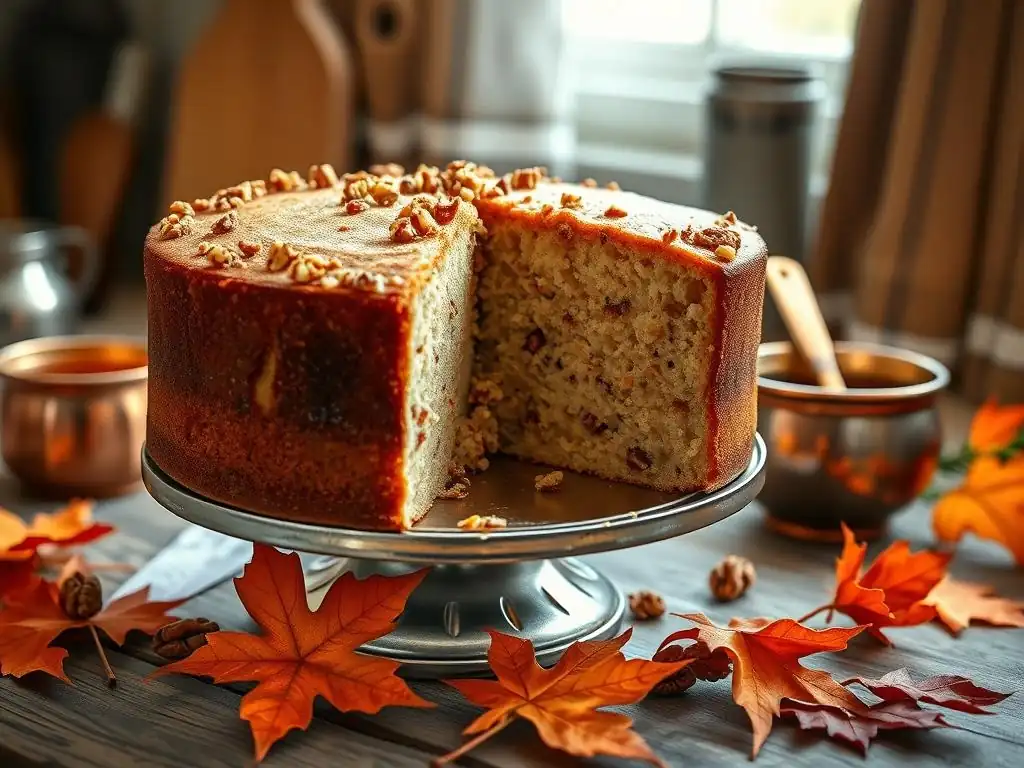
Welcome to BakeWithEase, your companion on a delicious journey into the world of baking! Ever wondered how to achieve that perfectly moist crumb in your cakes? Forget dry, disappointing desserts. We're about to unlock a secret ingredient that will transform your baking: maple syrup. Intrigued? Dive in to discover our Maple Syrup Cake Recipe Moist and learn how this natural sweetener can elevate your creations from ordinary to extraordinary. Let's get baking!
- Discover the Magic of Maple Syrup in Baking: Achieving Ultimate Cake Moistness
- Mastering the Maple Syrup Cake Recipe for a Moist Delight: A Step-by-Step Guide
- Troubleshooting Common Maple Syrup Cake Problems: Ensuring a Moist Outcome
- Elevate Your Baking with the Best Maple Syrup for Cakes: A Product Comparison
- Beyond Cake: Exploring Other Baking Applications of Maple Syrup
- Conclusion: Embrace the Moistness of Maple Syrup in Your Cake Baking Journey
-
Frequently Asked Questions
- How does maple syrup contribute to a moist cake?
- Can I substitute maple syrup for sugar in any cake recipe?
- What kind of maple syrup should I use for the best flavor in my cake?
- Will adding maple syrup change the texture or color of my cake?
- Is there a specific type of cake that pairs particularly well with maple syrup?
- Final Reflection: The Enduring Sweetness of Maple
- Unlock Your Inner Cake Boss: Master the Art of Moist Cakes!
Discover the Magic of Maple Syrup in Baking: Achieving Ultimate Cake Moistness
Baking a cake that is perfectly moist, tender, and full of flavor is a goal for many home bakers. While sugar is the traditional sweetener, a simple swap or addition can unlock a new level of deliciousness and texture: maple syrup. This natural sweetener, with its distinct aroma and complex flavor profile, offers more than just sweetness; it brings unique properties that contribute significantly to cake moistness. Understanding how maple syrup interacts with other ingredients is key to elevating your baking results, ensuring that your next maple syrup cake recipe yields a truly moist and delightful creation.
Unlike granulated sugar, which is a dry crystalline solid, maple syrup is a liquid sweetener primarily composed of sucrose and water, along with trace minerals and flavor compounds. This inherent liquid content is a primary reason it contributes to moistness. When you substitute or incorporate maple syrup into a cake batter, you are introducing more liquid into the mix than you would with an equivalent amount of dry sugar.
This extra moisture helps to keep the cake crumb tender and prevents it from drying out during the baking process. Furthermore, the complex sugars in maple syrup can affect the cake's crumb structure and how it retains moisture over time, often resulting in a cake that stays moist for longer.
Why Maple Syrup Creates Exceptionally Moist Cakes: A Baker's Secret Weapon
Maple syrup's ability to create exceptionally moist cakes stems from its hygroscopic nature and liquid form. Hygroscopic substances attract and retain moisture from their surroundings. While sugar is also hygroscopic, maple syrup, being a liquid sweetener, integrates moisture directly into the batter from the start.
Replacing even a portion of granulated sugar with maple syrup introduces a significant amount of water, typically around 34% water content for Grade A Dark Color, Robust Taste syrup. This additional liquid helps dissolve dry ingredients more effectively and creates a more tender crumb structure by interfering with gluten development, resulting in a softer, more yielding texture.
Beyond just adding liquid, the specific sugar profile of maple syrup plays a role. While primarily sucrose, it also contains small amounts of glucose and fructose. These simpler sugars can contribute to browning (Maillard reaction and caramelization) at lower temperatures than sucrose alone, which can help form a slightly caramelized crust that seals in moisture.
Additionally, the mineral content, though small (around 0.2% of total solids), can subtly affect the batter's pH, potentially influencing protein coagulation and starch gelatinization during baking. For instance, a typical cup (240ml) of maple syrup contains about 60-80g of water, directly adding moisture that granulated sugar cannot. This makes any maple syrup cake recipe inherently predisposed to being moist.
Mastering the Maple Syrup Cake Recipe for a Moist Delight: A Step-by-Step Guide
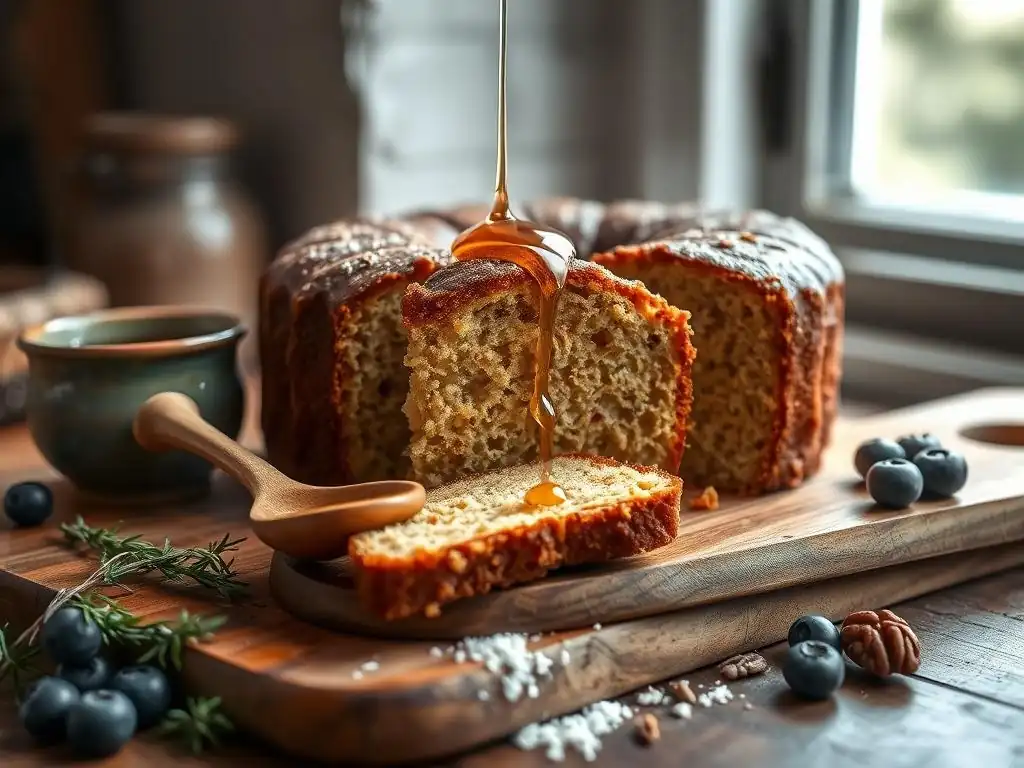
Creating a deliciously moist maple syrup cake involves careful attention to ingredients and technique. While specific measurements vary by recipe, the principles of incorporating maple syrup for optimal texture remain consistent. The goal is to balance the liquid content and sweetness that maple syrup brings, ensuring the cake bakes through without becoming gummy or overly dense, while maximizing that sought-after moistness.
This section guides you through the typical process, highlighting key considerations when working with maple syrup in your cake batter. By following these steps, you can increase your chances of achieving a perfectly moist outcome with your maple syrup cake recipe.
Ingredients You'll Need for the Perfect Maple Syrup Cake
To bake a moist maple syrup cake, you'll need standard cake ingredients, with maple syrup playing a starring role as a sweetener. The proportions will differ from a sugar-sweetened cake due to maple syrup's liquid volume and different sweetness level. A typical ingredient list might include:
- All-purpose flour (or a blend like cake flour for tenderness)
- Leavening agents (baking powder, baking soda)
- Salt
- Fats (butter, oil, or a combination)
- Eggs
- Dairy (milk, buttermilk, or sour cream for added richness and moisture)
- Vanilla extract
- Maple Syrup (Grade A Dark or Very Dark often preferred for stronger flavor)
- Optional: Spices like cinnamon, nutmeg, or ginger; nuts; dried fruit
When substituting maple syrup for granulated sugar, a common guideline is to use about 3/4 cup of maple syrup for every 1 cup of granulated sugar called for in a recipe. However, because you're adding liquid, you often need to slightly reduce other liquids in the recipe (like milk or buttermilk) by about 1/4 cup per cup of maple syrup used to maintain the proper wet-to-dry ingredient ratio.
For example, if a recipe calls for 1 cup sugar and 1 cup milk, you might use 3/4 cup maple syrup and 3/4 cup milk. This adjustment is crucial for preventing a gummy or overly wet texture and ensuring the cake bakes correctly while still benefiting from maple syrup's moistening properties.
Step 1: Preparing the Maple Syrup Cake Batter for Optimal Moistness
The preparation of your maple syrup cake batter is where the magic begins in achieving a moist result. Start by accurately measuring all your ingredients. Because maple syrup is a liquid, it's best measured in liquid measuring cups. Ensure your fats (like butter) and eggs are at room temperature, as this helps them emulsify better with the other ingredients, creating a smoother batter that traps air and moisture more effectively.
Follow the standard creaming method if using butter: cream the softened butter with the maple syrup until well combined, though it won't become as light and fluffy as butter and granulated sugar. Add eggs one at a time, mixing well after each. In a separate bowl, whisk together your dry ingredients (flour, leavening, salt, spices). In another container, combine your wet ingredients (milk/buttermilk, vanilla).
Alternate adding small portions of the dry ingredients and wet ingredients to the butter mixture, beginning and ending with the dry. Mix until just combined; overmixing can develop gluten excessively, leading to a tougher, drier cake. The batter might appear slightly thinner than a granulated sugar cake batter due to the liquid maple syrup, which is normal for a moist maple syrup cake recipe.
Step 2: Baking Your Maple Syrup Cake to Perfection
Baking is a critical step in setting the structure and locking in the moisture of your maple syrup cake. Preheat your oven to the temperature specified in your recipe, typically between 325°F (160°C) and 350°F (175°C). Lower temperatures can sometimes be beneficial for cakes with liquid sweeteners as they allow the cake to set more gently, reducing the risk of a dense layer forming at the bottom and promoting even baking. Prepare your cake pan(s) by greasing and flouring or lining with parchment paper to prevent sticking.
Pour the batter into the prepared pan(s) and smooth the top. Bake for the time recommended in your recipe, or until a toothpick inserted into the center comes out clean or with a few moist crumbs attached. Maple syrup cakes might brown slightly faster due to the type of sugars present, so keep an eye on them.
A standard 9-inch round cake might take anywhere from 30 to 40 minutes at 350°F, while cupcakes could be ready in 18-25 minutes. Avoid opening the oven door frequently, especially in the first two-thirds of the baking time, as this can cause temperature fluctuations that lead to uneven baking or a collapsed cake.
Step 3: Cooling and Serving Your Deliciously Moist Maple Syrup Cake
Proper cooling is just as important as baking for ensuring your maple syrup cake retains its moistness and develops the best texture. Once the cake is baked, remove it from the oven and let it cool in the pan on a wire rack for 10-15 minutes. This allows the cake to finish cooking slightly from residual heat and firm up before being moved. Trying to remove it too soon can cause it to break apart.
After the initial cooling period in the pan, carefully invert the cake onto the wire rack to cool completely. Cooling on a wire rack allows air circulation around all sides, preventing the bottom from becoming soggy from trapped steam. Ensure the cake is entirely cool before frosting or slicing.
Frosting a warm cake will melt the frosting, and slicing while warm can compress the crumb, making it seem denser. Allowing it to cool fully allows the internal structure to set and the moisture to redistribute evenly throughout the cake, ensuring every slice of your maple syrup cake recipe is wonderfully moist.
Troubleshooting Common Maple Syrup Cake Problems: Ensuring a Moist Outcome
Even with the best intentions and a great maple syrup cake recipe, sometimes things don't turn out quite as planned. Understanding common issues and their causes can help you adjust your technique and ingredients for future baking success, ensuring your cakes are consistently moist.
Here are a couple of common problems bakers encounter when using liquid sweeteners like maple syrup and how to address them to maintain that desired moistness.
My Maple Syrup Cake is Dry: Identifying and Correcting the Issue
A dry maple syrup cake can be disappointing, especially when maple syrup is specifically chosen for its moistening properties. Several factors can contribute to dryness. Over-baking is a primary culprit; baking too long at too high a temperature evaporates too much moisture. Ensure your oven thermostat is accurate and use a timer, checking for doneness with a toothpick test at the earliest recommended time.
Another common cause is incorrect ingredient ratios, particularly if you've substituted maple syrup in a recipe not designed for it without adjusting other liquids. Remember, you generally need to reduce other liquids by about 1/4 cup for every cup of maple syrup used to maintain balance. Measuring flour incorrectly (scooping directly from the bag, which compacts it) can add too much dry ingredient.
Always spoon flour into your measuring cup and level it off. Using low-fat or fat-free dairy or reducing the amount of fat can also lead to a drier cake, as fat contributes significantly to tenderness and moisture retention. For a truly moist maple syrup cake recipe, stick to the fat quantities specified or make careful, informed adjustments.
My Maple Syrup Cake is Too Dense: Achieving a Light and Airy Texture
While aiming for moistness, you also want a cake that isn't heavy or gummy. A dense maple syrup cake often results from issues related to leavening or overmixing. Maple syrup is slightly acidic, which can react with baking soda, but relying solely on this reaction might not provide enough lift. Ensure your leavening agents (baking powder and baking soda) are fresh.
Baking powder is double-acting, providing lift both when it's mixed with liquid and when it hits the oven heat. Baking soda requires an acid (like that in buttermilk, sour cream, or potentially maple syrup itself) to activate. Using the correct combination and amount specified in the recipe is vital for a light crumb.
Overmixing the batter after adding the dry ingredients is another major cause of density. This develops gluten, which creates a strong, elastic structure suitable for bread but not for a tender cake. Mix only until the dry ingredients are just incorporated – a few small lumps are acceptable. Also, using too much maple syrup without reducing other liquids can throw off the balance, making the batter too wet and heavy for the leavening to lift effectively. Ensure you've made the necessary liquid adjustments when adapting a recipe to be a maple syrup cake recipe for optimal moistness and texture.
Elevate Your Baking with the Best Maple Syrup for Cakes: A Product Comparison
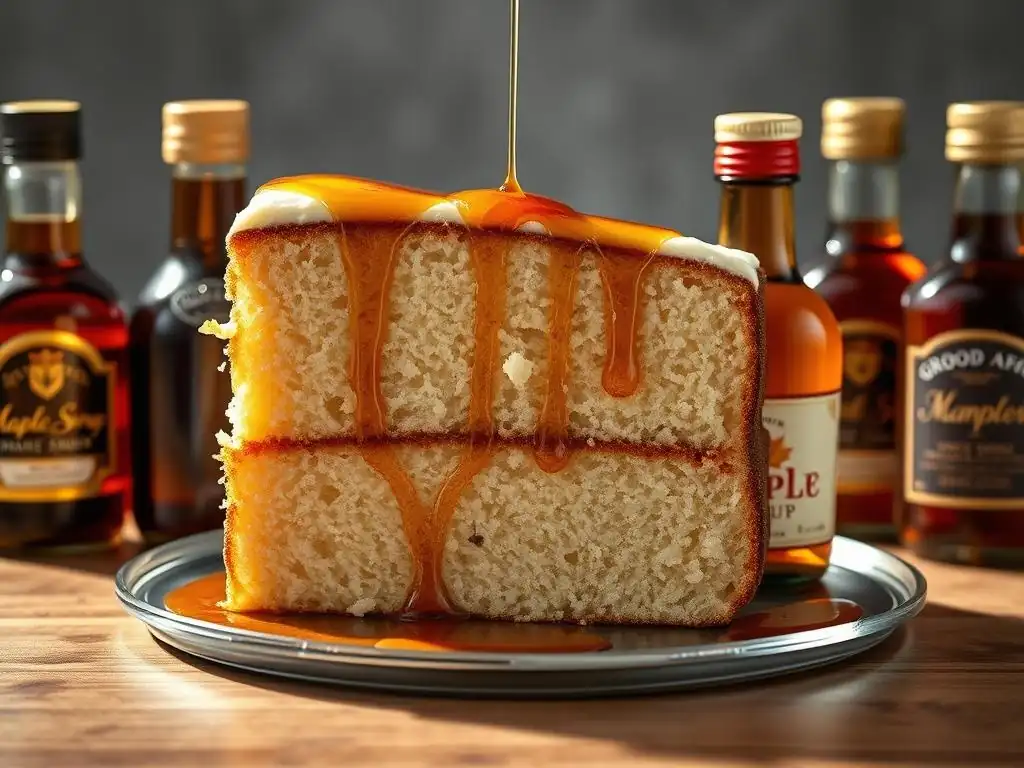
The quality and grade of maple syrup can influence the flavor and moisture of your cake. Different grades offer varying intensities of flavor, from delicate to robust. While personal preference plays a large role, choosing a syrup with a pronounced flavor (often darker grades) can ensure the maple taste comes through in your baked goods.
Here are a few widely available and respected maple syrup brands known for their quality, which can contribute to a fantastic maple syrup cake recipe yielding a moist result.
Runamok Maple - Organic and Flavorful
Runamok Maple, based in Vermont, is known for its high-quality organic maple syrup, including traditional grades and unique infused, smoked, and barrel-aged varieties. For a standard maple syrup cake recipe where you want a clean, rich maple flavor to shine, their organic Sugarmaker's Cut (formerly Grade A Amber Color, Rich Taste) or the Sugarmaker's Cut Dark (formerly Grade A Dark Color, Robust Taste) are excellent choices. The Dark grade, in particular, offers a more intense maple profile that stands up well to baking.
Their syrup is certified organic, ensuring it's produced without prohibited synthetic fertilizers or pesticides. Using a high-quality syrup like Runamok ensures you're not just getting sweetness and moisture, but also the complex, authentic flavor that defines a great maple syrup cake.
Runamok also offers grades like Grade A Very Dark Color, Strong Taste, which provides the most potent maple flavor. While often used as a topping, a small amount of this grade could be used in baking if you desire a very pronounced maple presence. Their commitment to organic practices and the distinct flavor profiles of their syrups make them a premium choice for bakers looking to elevate their maple syrup cake recipe beyond the ordinary, contributing both to depth of flavor and that desirable moistness.
Butternut Mountain Farm Maple Syrup - Classic and Reliable
Butternut Mountain Farm, also from Vermont, is one of the largest producers of maple syrup and is highly regarded for its consistent quality and availability. They offer a full range of Grade A syrups. For general baking purposes and a reliable maple syrup cake recipe, their Grade A Dark Color, Robust Taste is a popular choice. It provides a good balance of classic maple flavor that pairs well with other ingredients without being overpowering.
Butternut Mountain Farm emphasizes sustainable forestry practices and quality control from tree to bottle. Their syrups are known for their clean taste, which translates well into baked goods, allowing the natural sweetness and moisture-retaining properties of the maple syrup to enhance the cake's texture without introducing off-flavors. Their syrups provide a dependable option for achieving consistent, moist results in your baking, making them a staple for many bakers tackling a maple syrup cake recipe.
Coombs Family Farms Maple Syrup - Dark and Robust
Coombs Family Farms, another established producer, often highlights their Grade A Dark Color, Robust Taste and Grade A Very Dark Color, Strong Taste syrups for baking. These darker grades are specifically recommended because their more intense flavor holds up better against the heat of the oven and the flavors of other ingredients in a cake. The Very Dark grade, for instance, has a pronounced flavor that ensures the maple is noticeable in the finished cake, even when combined with flour, eggs, and butter.
Coombs Family Farms is known for its commitment to organic and sustainable farming. Their darker syrups are excellent for adding significant maple depth to a maple syrup cake recipe, contributing not only sweetness and moisture but also a rich, authentic flavor. Choosing a syrup like Coombs' Dark or Very Dark ensures that the signature maple taste is a prominent feature of your deliciously moist cake.
Beyond Cake: Exploring Other Baking Applications of Maple Syrup
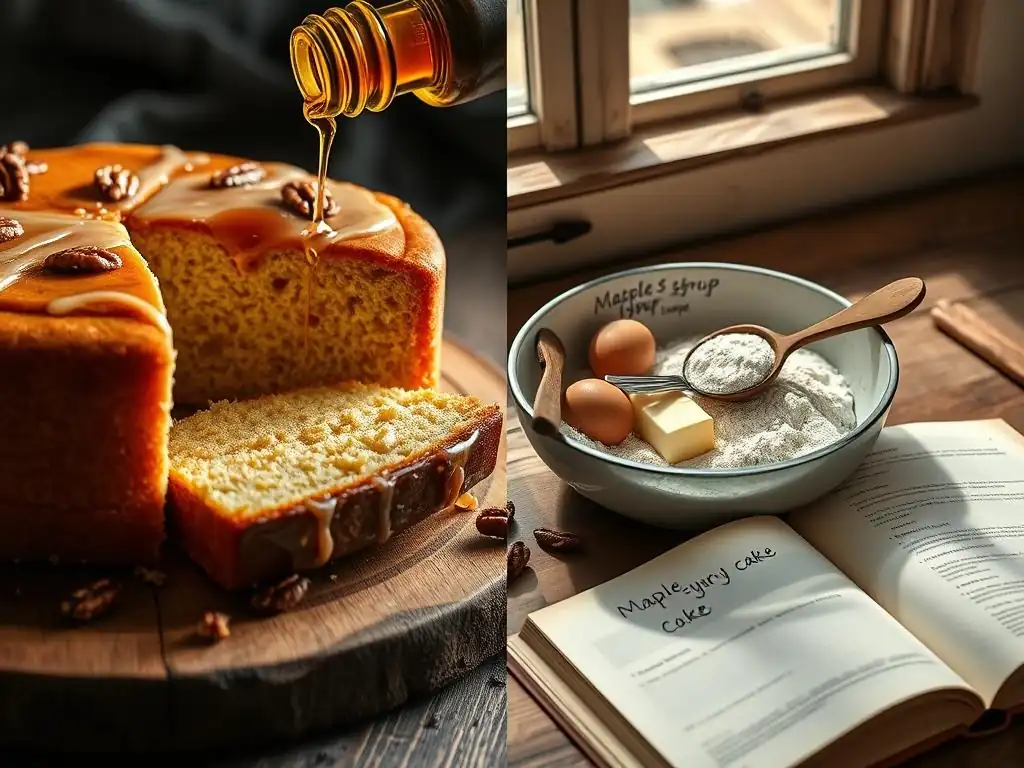
While maple syrup is a fantastic ingredient for creating a moist maple syrup cake recipe, its versatility extends far beyond cakes. Its unique properties – liquid form, hygroscopic nature, and distinct flavor – make it a valuable addition to various other baked goods, enhancing both texture and taste.
Incorporating maple syrup into cookies, breads, muffins, and other pastries can add a delightful twist, contributing to chewiness, tenderness, flavor complexity, and even extending shelf life by helping retain moisture.
Using maple syrup in cookie recipes can significantly impact their texture, often resulting in a chewier, more tender cookie compared to those made solely with granulated sugar. The liquid content of the syrup adds moisture directly to the dough, while the mix of sugars (sucrose, glucose, fructose) can affect how the cookies spread and crisp. Recipes substituting all or part of the granulated sugar with maple syrup typically produce cookies that are softer in the center and remain moist for longer.
For example, a standard chocolate chip cookie recipe using 1 cup of granulated and 1/4 cup brown sugar might be adapted by using 3/4 cup granulated sugar and 1/4 cup maple syrup (while slightly reducing other liquids). This swap introduces liquid and different sugars, leading to a cookie that might spread slightly more and have a wonderfully chewy texture. The maple flavor also subtly complements classic cookie flavors like chocolate, oats, or nuts.
Maple Syrup in Breads: Enhancing Flavor and Extending Shelf Life
Maple syrup can be used as a sweetener in various bread recipes, from quick breads like muffins and scones to yeast breads. In quick breads, it functions similarly to in cakes, adding moisture and flavor. A maple-sweetened muffin recipe will likely yield a more tender and moist crumb than one using only dry sugar.
In yeast breads, maple syrup can serve as food for the yeast, helping with fermentation and rise, while also adding subtle sweetness and flavor to the dough. More notably, its hygroscopic nature helps the finished bread retain moisture, potentially extending its shelf life and keeping it fresh for longer. For instance, adding just 2-4 tablespoons of maple syrup to a standard loaf of whole wheat bread can not only add a hint of flavor but also improve its texture and moistness over several days compared to using only granulated sugar or honey.
Conclusion: Embrace the Moistness of Maple Syrup in Your Cake Baking Journey
As we've explored, maple syrup is far more than just a pancake topping; it's a powerful ingredient in the baker's pantry, particularly when the goal is a wonderfully moist cake. Its liquid form, hygroscopic properties, and unique sugar composition work together to create cakes with a tender crumb and extended freshness. While adapting a traditional recipe to be a maple syrup cake recipe requires careful consideration of liquid ratios, the results are often well worth the effort, yielding a dessert that is not only moist but also infused with the rich, complex flavor of maple.
From understanding the science behind its moistening capabilities to selecting the right grade and troubleshooting common issues, mastering the use of maple syrup in baking opens up a world of delicious possibilities. So, the next time you're aiming for that perfect, deliciously moist cake, remember the secret weapon that might just be sitting in your pantry. Embrace the magic of maple syrup and transform your baking with its unparalleled ability to deliver moist, flavorful results. Happy baking!
Frequently Asked Questions
How does maple syrup contribute to a moist cake?
Maple syrup is a humectant, meaning it attracts and retains moisture. This helps keep the cake soft and moist for a longer period. It also adds a subtle sweetness.
Can I substitute maple syrup for sugar in any cake recipe?
While possible, it's not a direct 1:1 substitution. Maple syrup is liquid, so you'll need to adjust liquid levels in the recipe and potentially reduce other sweeteners.
What kind of maple syrup should I use for the best flavor in my cake?
Generally, a darker, more robust maple syrup (like Grade A Dark Color or Grade B) will provide the most pronounced maple flavor in your cake. Avoid imitation syrups.
Will adding maple syrup change the texture or color of my cake?
Yes, maple syrup can slightly darken the color of your cake. It also contributes to a tender, softer texture due to its moisture-retaining properties.
Is there a specific type of cake that pairs particularly well with maple syrup?
Maple syrup works well in spice cakes, bundt cakes, and even simple vanilla cakes. Its flavor complements nuts, cinnamon, and other warm spices, creating a deliciously complex flavor profile.
Final Reflection: The Enduring Sweetness of Maple
The simple addition of maple syrup isn't just a culinary trick; it's a revelation for anyone seeking the perfect moist cake. The depth of flavor and the unparalleled ability of maple syrup to retain moisture elevates the humble cake to a truly exceptional dessert. This isn't just about a recipe; it's about understanding the power of unexpected ingredients to transform a classic.
The influence of maple syrup extends far beyond the simple act of baking. It speaks to a deeper connection with nature and the rich history of this versatile ingredient. From its humble beginnings in the sugar bush to its prominent place in modern baking, maple syrup embodies a sense of tradition and craftsmanship. The best things in life are simple,
a saying often heard, rings especially true when considering the transformative power of a few tablespoons of maple syrup in a cake recipe. Its subtle sweetness and complex flavor profile add a layer of sophistication that elevates the entire experience.
Now, consider your own baking journey. What seemingly small ingredient might hold the key to unlocking a new level of deliciousness in your own creations? Don't be afraid to experiment, to push boundaries, and to discover the unexpected magic that lies within the simplest of ingredients. The next time you bake, remember the power of maple syrup – and the power you hold to create something truly special.
Unlock Your Inner Cake Boss: Master the Art of Moist Cakes!
Thanks for taking the time to explore the magic of maple syrup in baking! We hope you’ve discovered a new secret ingredient for incredibly moist and flavorful cakes. Now it's time to put your newfound knowledge to the test.
- Bake a maple-infused masterpiece! Try our suggested recipe (or experiment with your own!) and let the delicious results speak for themselves.
- Share your baking journey! Post a picture of your creation on social media using #BakeWithEaseMapleMagic and inspire other bakers.
- Dive deeper into our cake collection: Explore more recipes on our website for even more baking inspiration.
Ready to create your next signature cake? What unique flavor will you infuse into your next masterpiece?