
The BakeWithEase Review: Our Honest Opinion on Top Baking Butters

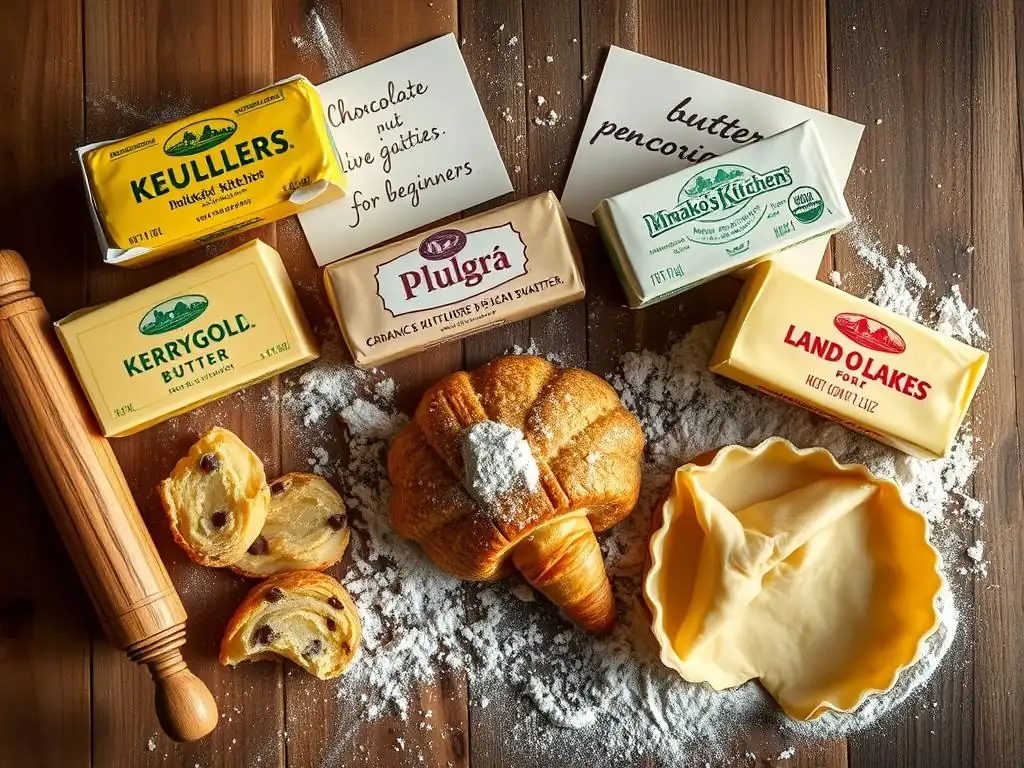
Welcome to BakeWithEase, your guide to unlocking baking brilliance! Ever wondered which butter truly elevates your creations from good to unforgettable? Dive into our comprehensive review of the best baking butter for beginners and discover the secret weapon that will transform your pastries, cakes, and cookies. Ready to bake with ease and confidence? Let's get started!
- Finding the Best Baking Butter for Beginners: A Comprehensive Guide
- BakeWithEase Taste Test: Comparing Top Baking Butters for Novices
- Unsalted vs. Salted Butter: Which is Best for Beginner Baking?
- The BakeWithEase Top Butter Picks for Beginners: Detailed Reviews
- Best Butter for Specific Beginner Baking Projects
- Expert Baking Tips: Maximizing Your Butter's Potential
- Final Verdict: The Best Baking Butter for Beginners Overall
-
Frequently Asked Questions
- What qualities make a butter "best" for beginners in baking?
- Why is fat content important when choosing butter for baking?
- Does unsalted or salted butter matter for beginner bakers?
- Are there any specific butter brands BakeWithEase recommends for beginners?
- How can I tell if my butter is the right temperature for baking?
- Final Reflection: The Sweetness of Success, One Bake at a Time
- Unlock Your Baking Potential: Take the Next Step!
Finding the Best Baking Butter for Beginners: A Comprehensive Guide
Why Butter Matters: The Foundation of Baking Success
Butter is far more than just an ingredient; it's a cornerstone of countless baking recipes, playing crucial roles that influence everything from flavor to texture and structure. For beginner bakers, understanding the fundamental impact of butter is key to unlocking consistent and delicious results. Butter provides rich flavor notes that other fats simply cannot replicate, contributing significantly to the overall taste profile of cookies, cakes, pastries, and breads. Its unique composition of fat, water, and milk solids interacts differently with other ingredients like flour and sugar compared to oils or shortenings.
Beyond flavor, butter is critical for achieving desired textures. When creamed with sugar, butter helps incorporate air, which is essential for leavening in many cakes and cookies, leading to a lighter crumb. In pastries and pie crusts, cold butter cut into flour creates pockets of fat that melt during baking, producing flaky layers. The fat also shortens gluten strands, resulting in tenderness in everything from scones to biscuits. Using the right type of butter, and using it correctly (especially regarding temperature), is arguably one of the most important skills a beginner baker can master.
Understanding Different Types of Butter for Baking: A Beginner's Guide
Navigating the dairy aisle can be a bit overwhelming with various types of butter available. For beginners, the primary distinction to understand is between unsalted and salted butter, which we'll delve into more detail later. However, it's also helpful to be aware that butter can vary by fat content and how it's processed. American-style butter typically contains around 80% butterfat, while European-style butter often boasts a higher percentage, closer to 82-84%. This seemingly small difference in fat content can have a noticeable effect on baking outcomes.
Higher fat butter, like many European varieties, generally contains less water and more fat. This translates to better flakiness in pastries and can contribute to a more tender crumb in cakes. For beginner bakers, starting with a reliable, standard American-style unsalted butter is often recommended because recipes are typically developed using this type, making it easier to follow instructions and achieve expected results. As you gain confidence, experimenting with higher-fat butters can be a fun way to explore new textures and flavors in your bakes.
BakeWithEase Taste Test: Comparing Top Baking Butters for Novices
Challenge: Choosing the Right Baking Butter for New Bakers
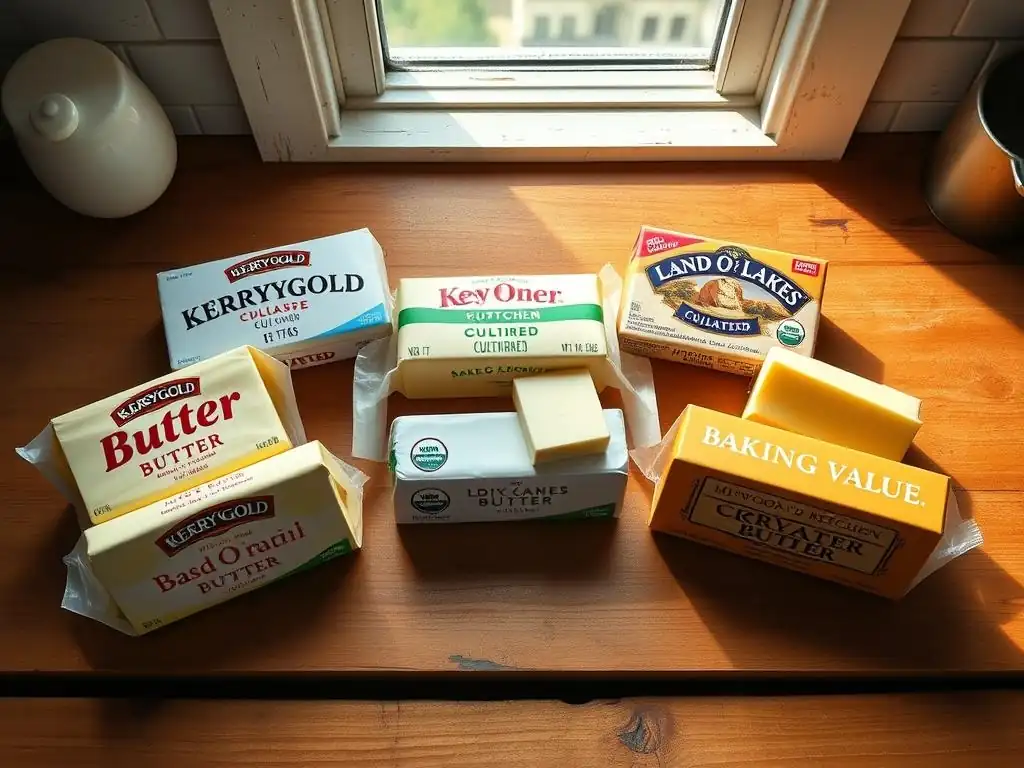
One of the biggest hurdles for new bakers is knowing which ingredients to choose when faced with a wall of options at the grocery store. Butter is a prime example. With different brands, types (salted, unsalted), and styles (European, American), selecting the best baking butter for beginners can feel like a shot in the dark.
Many beginner recipes simply call for "butter," leaving the novice baker to guess which kind is appropriate. Using the wrong type, especially unsalted when a recipe calls for salted (or vice versa), can significantly impact the final taste of a baked good, potentially making it too salty or bland.
Furthermore, the quality and freshness of butter can also play a role, although this is often less immediately apparent to someone just starting out. Some butters have a cleaner, more neutral flavor profile, which is ideal for recipes where other flavors should shine, while others have a distinct, perhaps nuttier or tangier, taste that can enhance certain bakes. For beginners, finding a butter that is consistently reliable, easy to find, and performs well across a range of basic recipes like cookies, muffins, and simple cakes is paramount to building confidence and achieving early successes in the kitchen.
Unsalted vs. Salted Butter: Which is Best for Beginner Baking?
Pros and Cons of Unsalted Butter for Baking (with Examples)
Unsalted butter is widely considered the standard for most baking recipes, particularly in professional contexts. Its primary advantage is that it gives the baker complete control over the amount of salt in a recipe. Different brands of salted butter contain varying amounts of salt, which can make it difficult to achieve consistent results or fine-tune the flavor profile.
By using unsalted butter, you can add precisely the amount of salt specified in the recipe, ensuring the balance of flavors is just right. This control is particularly important in delicate recipes like French macarons or sensitive doughs like brioche, where even a slight excess of salt can ruin the intended taste.
However, unsalted butter does have its considerations. It generally has a shorter shelf life than salted butter because salt acts as a preservative. This means it's important to check the expiration date and store it properly.
For beginner bakers just getting started, keeping both types on hand might be impractical. If a recipe specifically calls for unsalted butter and you only have salted, you can often adapt by reducing or omitting the added salt in the recipe, but this requires a bit of estimation and understanding of how much salt is typically in salted butter (often around 1/4 teaspoon per stick, but this varies). Using unsalted butter simplifies the process of following a recipe accurately, especially when you're still learning the ropes.
Pros and Cons of Salted Butter for Baking (with Recipes)
Salted butter has salt added during the churning process, which contributes flavor and acts as a mild preservative. For some simple recipes, particularly those where a touch of salt enhances sweetness or richness, like basic butter cookies or a quick bread, using salted butter might seem convenient as it adds flavor directly.
It can also be a good choice for spreading on finished baked goods like scones or muffins, where the salt crystals provide a pleasant counterpoint to the sweetness. An example might be a simple shortbread recipe using just flour, sugar, and salted butter; the salt in the butter is the primary source of salinity, balancing the rich, buttery flavor.
The main drawback of salted butter in baking is the variability in salt content between brands. This inconsistency makes it challenging to use in recipes that require precise salt levels for leavening (like some chemical leavened goods) or specific flavor balance. If a recipe calls for unsalted butter and a specific amount of added salt, substituting salted butter means you're guessing how much salt is already present, which can lead to overly salty results.
While it might be tempting for beginners for its convenience, relying on salted butter can hinder learning how to properly balance flavors and follow recipes accurately, especially as you move beyond the simplest bakes. For the best baking butter for beginners overall, most experts recommend starting with unsalted.
The BakeWithEase Top Butter Picks for Beginners: Detailed Reviews
Land O'Lakes Unsalted Butter Review: A Reliable Starting Point
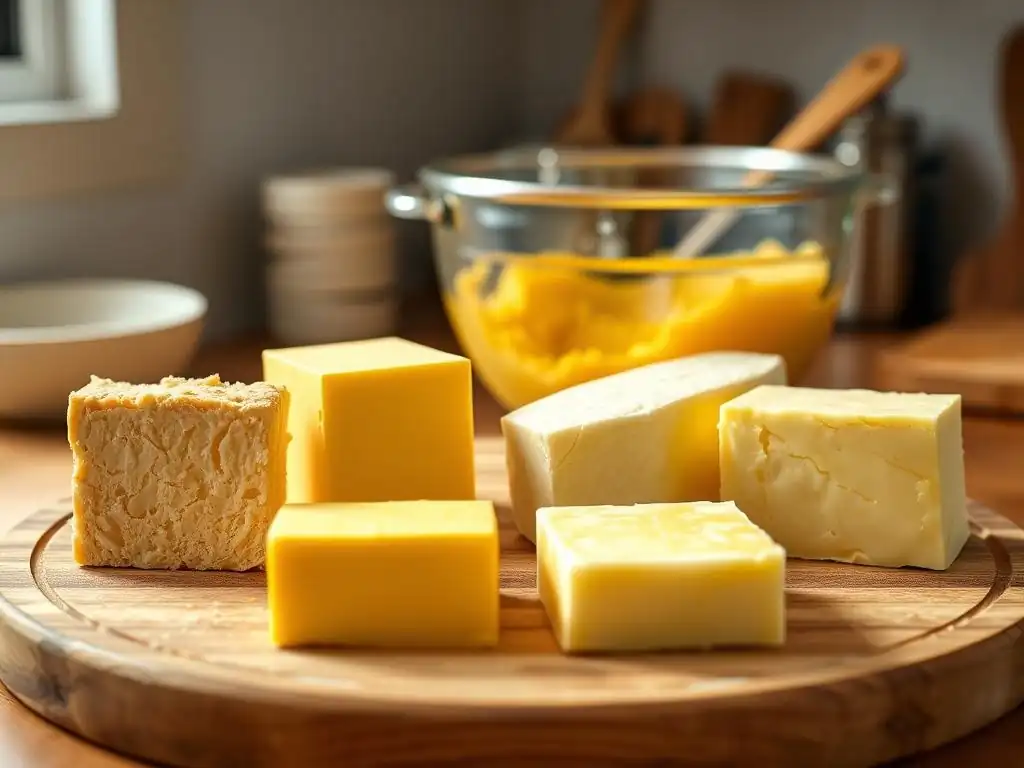
Land O'Lakes Unsalted Butter is a staple in many American kitchens and a fantastic choice for beginner bakers. Its widespread availability means you can find it in almost any grocery store, which is a huge plus when you're just starting out and need ingredients that are easy to source.
This butter is known for its consistent quality and mild, creamy flavor that doesn't overpower other ingredients. Recipes in many cookbooks and online resources are often developed using standard American-style butter like Land O'Lakes, making it a reliable option for following instructions without worrying about how a different type of butter might affect the outcome.
For a beginner, consistency is key to building confidence. Land O'Lakes provides that. Whether you're making your first batch of chocolate chip cookies, a simple vanilla cake, or basic muffins, this butter behaves predictably when creamed with sugar or cut into flour. It has a standard fat content (around 80%), which works well for most common baking applications. While it may not offer the complex flavor profile or ultra-high fat content of some premium or European butters, its reliability and accessibility make it an excellent foundation for learning fundamental baking techniques.
Land O'Lakes: Key Features for Beginner Bakers
- Wide Availability: Easily found in most supermarkets across the United States.
- Consistent Quality: Reliable performance batch after batch.
- Mild Flavor: Doesn't compete with other ingredients.
- Standard Fat Content: Works well in most standard American recipes.
- Unsalted: Allows for precise control over salt levels.
BakeWithEase Verdict: Land O'Lakes Pros and Cons for Beginners
- Pros:
- Reliable and consistent results.
- Perfect for following standard recipes.
- Neutral flavor profile.
- Very easy to find.
- Unsalted format is ideal for learning precision.
- Cons:
- Standard fat content means it won't produce the flakiest pastries compared to higher-fat butters.
- Flavor is less complex than some premium options.
- Can be slightly more expensive than some store brands, but still budget-friendly overall.
Kerrygold Pure Irish Butter Review: Elevating Baking with Flavor
Kerrygold Pure Irish Butter has gained significant popularity in recent years and offers beginner bakers a chance to experience the difference a higher-quality, higher-fat butter can make. This butter is made from the milk of grass-fed cows and has a distinctive golden color and a rich, creamy flavor that is often described as slightly tangy or nutty. With a butterfat content typically around 82%, it falls into the European-style category, meaning it contains less water than standard American butters.
The higher fat content of Kerrygold provides notable benefits in baking. It can contribute to a more tender crumb in cakes and helps create exceptionally flaky layers in pastries like pie crusts or croissants (though croissants are not a beginner project, pie crusts are!).
The richer flavor also enhances the taste of baked goods, making it a good choice for recipes where butter flavor is prominent, such as pound cake or shortbread. While it's often more expensive than standard butters like Land O'Lakes and may not be as widely available in every store, experimenting with Kerrygold can be a rewarding step for a beginner looking to elevate their results.
Kerrygold: Unique Characteristics for Baking Enthusiasts
- Higher Fat Content: Typically 82% butterfat, leading to less water.
- Rich, Creamy Flavor: Distinctive taste from grass-fed milk.
- Golden Color: Visually appealing.
- Good for Flakiness: Higher fat aids in pastry layers.
BakeWithEase Verdict: Kerrygold Pros and Cons for Beginner Baking
- Pros:
- Significantly enhances flavor in baked goods.
- Higher fat leads to flakier pastries and tender crumbs.
- Good quality and consistency.
- Unsalted version available for salt control.
- Cons:
- More expensive than standard butters.
- May not be available in all grocery stores.
- Stronger flavor might not be desirable in all recipes.
- Higher fat content behaves slightly differently than standard butter, requiring minor adjustments in some recipes (though often negligible for beginners).
Miyoko's Kitchen Cultured Vegan Butter Review: Dairy-Free Baking for Beginners
For beginners exploring dairy-free or vegan baking, Miyoko's Kitchen Cultured Vegan Butter is an excellent option. Unlike some margarine or vegetable oil-based spreads, Miyoko's is crafted from organic cashews, coconut oil, and sunflower oil, cultured for a buttery flavor and texture that closely mimics dairy butter. This makes it a top contender for the best baking butter for beginners who need a plant-based alternative that performs reliably in classic recipes.
Miyoko's vegan butter can often be substituted cup-for-cup in recipes calling for dairy butter, making it relatively straightforward for beginners. It creams well with sugar for cookies and cakes, and its fat content is suitable for many applications. While its flavor profile is slightly different from dairy butter, it offers a pleasant, rich taste that works well in most baked goods. Finding a reliable vegan substitute is crucial for beginners with dietary restrictions, and Miyoko's consistency and performance make it a strong choice to start with.
Miyoko's Kitchen: A Vegan Alternative for Baking
- Plant-Based Ingredients: Made from organic cashews, coconut oil, and sunflower oil.
- Cultured Flavor: Mimics the tang and richness of dairy butter.
- Substitute Ratio: Often a 1:1 substitute for dairy butter.
- Suitable for Various Bakes: Performs well in cookies, cakes, and pastries.
BakeWithEase Verdict: Miyoko's Kitchen Pros and Cons for Beginner Baking
- Pros:
- Excellent dairy-free/vegan alternative.
- Good flavor and texture replication of dairy butter.
- Reliable performance in many standard recipes.
- Cultured process adds depth of flavor.
- Cons:
- Significantly more expensive than dairy butter.
- Availability can be limited to larger or specialty grocery stores.
- Flavor is distinct from dairy butter and may not be preferred in all recipes.
- Melting point and behavior can be slightly different in very specific applications.
Challenge Creamery Unsalted Butter Review: A Budget-Friendly Option
Challenge Creamery Unsalted Butter presents a solid, budget-friendly choice for beginner bakers. Like Land O'Lakes, it's a widely available American-style butter with a standard butterfat content. It offers consistent quality and a mild, clean flavor, making it a reliable workhorse for everyday baking projects. For someone just starting out and practicing fundamental techniques like creaming or cut-in methods, using an affordable yet dependable butter like Challenge allows for experimentation without a high cost per batch.
This butter performs predictably in most standard recipes designed for 80% butterfat butter. It creams well with sugar, helps create tender cakes, and works effectively in cookie doughs. Choosing an unsalted version, as recommended for beginners, gives you that essential control over salt levels. While it may not have the artisanal appeal or unique flavor profile of some premium butters, Challenge Creamery offers the consistency and performance needed to build foundational baking skills successfully, proving that you don't need the most expensive ingredients to achieve good results.
Challenge Creamery: Key Features
- Budget-Friendly: Often one of the more affordable options.
- Wide Availability: Commonly found in many supermarkets.
- Consistent Performance: Reliable for standard baking recipes.
- Mild Flavor: Doesn't interfere with other tastes.
- Unsalted Option: Provides control over salt content.
BakeWithEase Verdict: Challenge Creamery Pros and Cons
- Pros:
- Excellent value for the price.
- Reliable and predictable results in standard recipes.
- Easy to find.
- Good for practicing fundamental techniques.
- Unsalted option is ideal for beginners.
- Cons:
- Standard fat content limits flakiness compared to high-fat butters.
- Flavor is functional rather than complex or distinctive.
- Packaging might not be as premium as other brands.
Best Butter for Specific Beginner Baking Projects
For beginner cookie bakers, the best baking butter for beginners in this category is typically a reliable, unsalted American-style butter like Land O'Lakes or Challenge Creamery. Consistency is paramount when learning how butter affects cookie spread, chewiness, and crispness. These butters have a standard fat-to-water ratio that most common cookie recipes are calibrated for. Using an unsalted version allows you to control the salt, which is crucial for balancing the sweetness and enhancing the overall flavor of cookies like classic chocolate chip or peanut butter cookies.
The goal for many beginner cookies is achieving a balance between spread (not too much, not too little), a tender interior, and potentially crispy edges. Standard unsalted butter creams effectively with sugar to incorporate air, contributing to lift and texture.
While higher-fat butters can sometimes lead to less spread and a denser, chewier cookie, the predictable behavior of standard butter makes it easier for beginners to troubleshoot if their cookies aren't turning out as expected. For instance, if cookies spread too much, a beginner can more confidently consider factors like butter temperature or flour measurement, knowing the butter itself is a consistent variable.
Best Butter for Beginner Cakes: Creating Moist and Flavorful Delights
When baking cakes as a beginner, the goal is often a tender, moist crumb and good flavor. Again, a consistent, unsalted American-style butter is an excellent starting point. Butters like Land O'Lakes or Challenge Creamery perform reliably in the creaming method, which is fundamental to many beginner cake recipes (like basic butter cakes or cupcakes). Properly creaming softened butter with sugar creates air pockets that contribute to the cake's rise and texture. Using unsalted butter ensures you can control the salt level, which is important for balancing the sweetness and enhancing the overall flavor profile of the cake batter.
While a higher-fat butter like Kerrygold can lead to a slightly more tender and moist cake crumb due to less water content, the difference might be subtle for a beginner, and the higher cost might not be justified when learning basic techniques. Consistency and ease of use are more important early on.
Standard unsalted butter provides predictable results when incorporated into cake batters, whether using the creaming method or the reverse creaming method (though the latter is less common for absolute beginners). It allows the beginner baker to focus on mastering techniques like proper mixing, batter consistency, and baking times, rather than worrying about how an unusual butter might affect the outcome.
Best Butter for Beginner Breads: Developing Rich and Tender Loaves
Butter plays a different but equally important role in bread baking, particularly in enriched doughs like challah, brioche, or dinner rolls. In these recipes, butter contributes richness, flavor, and helps tenderize the crumb by interfering with gluten development. For beginner bread bakers tackling enriched doughs, a standard unsalted butter works very well. Butters like Land O'Lakes or Challenge Creamery are easy to incorporate into doughs, whether softened and kneaded in or added in chunks to a stand mixer.
The consistency of standard butter is helpful when learning how dough feels at different stages of kneading and enrichment. It provides a reliable amount of fat that contributes to a soft, pliable dough and a tender final loaf. While higher-fat butters can contribute slightly more richness, the difference is often less pronounced in bread compared to pastries, and the standard unsalted butter is more than sufficient for achieving delicious results in beginner-friendly enriched bread recipes. Using unsalted butter also allows the baker to control the salt, which is critical for flavor and yeast activity in bread dough.
Expert Baking Tips: Maximizing Your Butter's Potential
Temperature is Key: Softening Butter Correctly for Baking
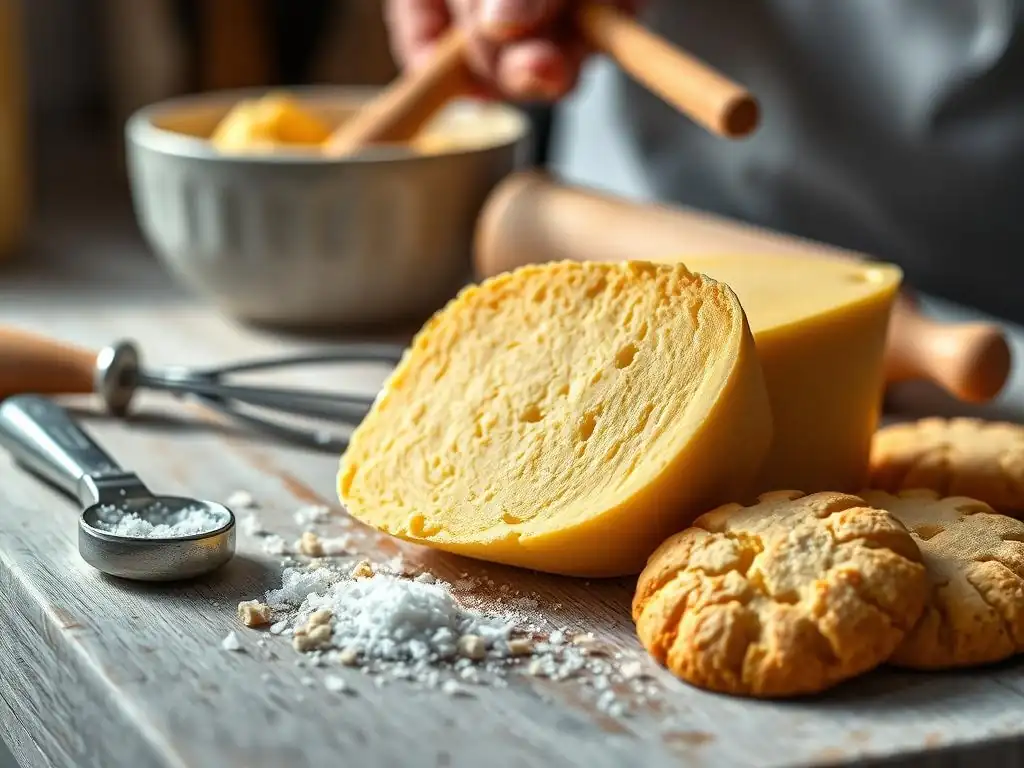
One of the most frequent mistakes beginner bakers make is using butter at the wrong temperature. Recipes often specify "softened butter," "cold butter," or "melted butter," and understanding the difference is crucial. Softened butter, typically used for creaming with sugar in cookies and cakes, should be pliable but still cool to the touch, around 65-68°F (18-20°C). When pressed gently with a finger, it should leave an indentation without your finger sinking straight through or the butter being greasy.
Using butter that is too cold means it won't cream properly with sugar, resulting in less air incorporation and potentially dense baked goods. Butter that is too warm or melted won't hold air structure when creamed and can lead to greasy, flat cookies or cakes. To soften butter correctly, take it out of the refrigerator about 30-60 minutes before you plan to bake, depending on your kitchen temperature. Avoid microwaving butter to soften it quickly, as this often melts it unevenly, making it unsuitable for creaming.
Creaming Butter and Sugar: A Beginner's Guide to Success
Creaming butter and sugar is a fundamental technique used in many cookie and cake recipes to create lift and tender texture. The process involves beating softened butter with granulated sugar until the mixture becomes pale in color and fluffy in texture. As the sugar crystals rub against the softened butter, they create tiny air pockets. This incorporated air expands during baking, contributing to the rise and creating a lighter crumb structure.
For beginners, mastering this technique is vital. Use softened butter (around 65-68°F). Start by beating the butter alone for a minute to make it smooth. Then, add the sugar and beat together on medium speed. Scrape down the sides and bottom of the bowl frequently with a spatula to ensure everything is evenly combined. Creaming usually takes about 3-5 minutes with an electric mixer; it's done when the mixture is noticeably lighter in color and airy. Over-creaming can sometimes incorporate too much air or melt the butter from friction, so pay attention to the visual cues.
Butter Substitutes: When to Use Alternatives (And Why)
While butter is often the preferred fat in baking for its flavor and functional properties, there are times when substitutes are necessary, whether due to dietary restrictions (like dairy allergies or veganism) or simply not having butter on hand. Common substitutes include shortening, margarine, coconut oil, or other vegetable oils. However, it's important for beginners to understand that these substitutes will often change the outcome of the bake compared to using butter.
- Shortening: Contains 100% fat (no water or milk solids) and has a high melting point. It's excellent for creating flaky pie crusts or tall, tender biscuits, and can lead to cookies that spread less. However, it lacks the rich flavor of butter.
- Margarine: Varies widely in fat content and composition. Baking margarines designed for this purpose can often substitute butter cup-for-cup, but spreadable margarines (high water content) are generally unsuitable for most baking. Flavor can also be a factor.
- Oils (Vegetable, Canola, Coconut): Provide moisture and tenderness but do not contribute to leavening through creaming. They are suitable for recipes where the fat is melted or liquid, like some muffins, quick breads, or oil-based cakes. Substituting oil for solid butter in recipes requiring creaming will fail.
For beginners, sticking to the fat specified in the recipe is generally the best approach to ensure success. If a substitute is necessary, look for recipes specifically developed for that substitute or use a tested 1:1 baking stick substitute if replacing butter directly in a recipe designed for it.
Final Verdict: The Best Baking Butter for Beginners Overall
BakeWithEase Recommendation: Our Top Choice and Why.
Considering availability, consistency, performance in a wide range of basic recipes, and ease of use for learning fundamental techniques, the best baking butter for beginners overall is a reliable, unsalted American-style butter. Our top recommendation at BakeWithEase is Land O'Lakes Unsalted Butter.
While premium butters like Kerrygold offer enhanced flavor and flakiness, and vegan options like Miyoko's are essential for dairy-free bakers, Land O'Lakes provides the most consistent and widely applicable starting point. Its predictable behavior when creaming or cutting into flour helps beginners understand the science behind baking without introducing unnecessary variables. Recipes are most often written with this type of butter in mind, making it easier to follow instructions and achieve successful results right from the start.
It's readily available in most stores and offers excellent value. Mastering techniques with a standard unsalted butter forms a solid foundation; you can always experiment with other types as your skills and confidence grow.
Frequently Asked Questions
What qualities make a butter "best" for beginners in baking?
The best baking butter for beginners prioritizes ease of use and consistent results. This often means a butter with a high fat content and readily available at most grocery stores.
Why is fat content important when choosing butter for baking?
Higher fat content in butter contributes to tenderness and richness in baked goods. It also impacts gluten development, leading to a more delicate crumb.
Does unsalted or salted butter matter for beginner bakers?
Unsalted butter is generally recommended for baking as it allows for precise control over salt levels. Salted butter can vary in salt content, leading to inconsistent results.
Are there any specific butter brands BakeWithEase recommends for beginners?
While we don't endorse specific brands, we advise beginners to look for European-style butters known for their high fat content or clarified butter (ghee), which is great for high-heat baking.
How can I tell if my butter is the right temperature for baking?
The recipe will often specify, but generally, softened butter should be cool to the touch and easily indentable, while cold butter should be firm and retain its shape.
Final Reflection: The Sweetness of Success, One Bake at a Time
Choosing the right baking butter is more than just a matter of taste; it's the foundation upon which countless culinary triumphs (and occasional mishaps!) are built. The journey through the world of baking butters, as explored in this review, highlights the crucial role this seemingly simple ingredient plays in achieving consistently delicious results, especially for those just starting their baking adventures. Finding the perfect butter can be the difference between a perfectly risen cake and a dense, disappointing flop.
This exploration into the best baking butters for beginners has underscored for me the importance of quality ingredients in achieving culinary success. It's a lesson that extends far beyond the realm of baking; the attention to detail and commitment to using the right tools—in this case, the right butter—translates to a deeper appreciation for the entire process. As Julia Child wisely said, Find something you're passionate about and keep tremendously interested in it.
This passion for baking, fueled by the right ingredients, is what truly elevates the experience from a task to a joyful creation.
So, as you embark on your own baking journey, remember the lessons learned here. Don't be afraid to experiment, to try different butters, and to discover which one best suits your palate and baking style. Embrace the occasional burnt cookie or slightly deflated cake—they are all part of the learning process. Most importantly, find joy in the process, savor the aroma of freshly baked goods, and remember that the sweetest victories are often the ones earned through a little trial and error. Happy baking!
Unlock Your Baking Potential: Take the Next Step!
Thanks for taking the time to explore our honest review of top baking butters! We hope you gained valuable insights to elevate your baking game. Now it's time to put that knowledge to work!
- Whip up your next masterpiece: Choose your favorite butter from our review and bake something delicious! This is the best way to experience the difference firsthand.
- Share your baking journey: Show us your creations using #BakeWithEaseButter on social media! Let's inspire each other.
- Dive deeper into our baking resources: Explore our website for more helpful guides and recipes to perfect your baking skills.
Ready to discover which butter unlocks your baking superpowers? What's your next baking adventure?