
The Secret to Moist Sourdough Discard Banana Bread

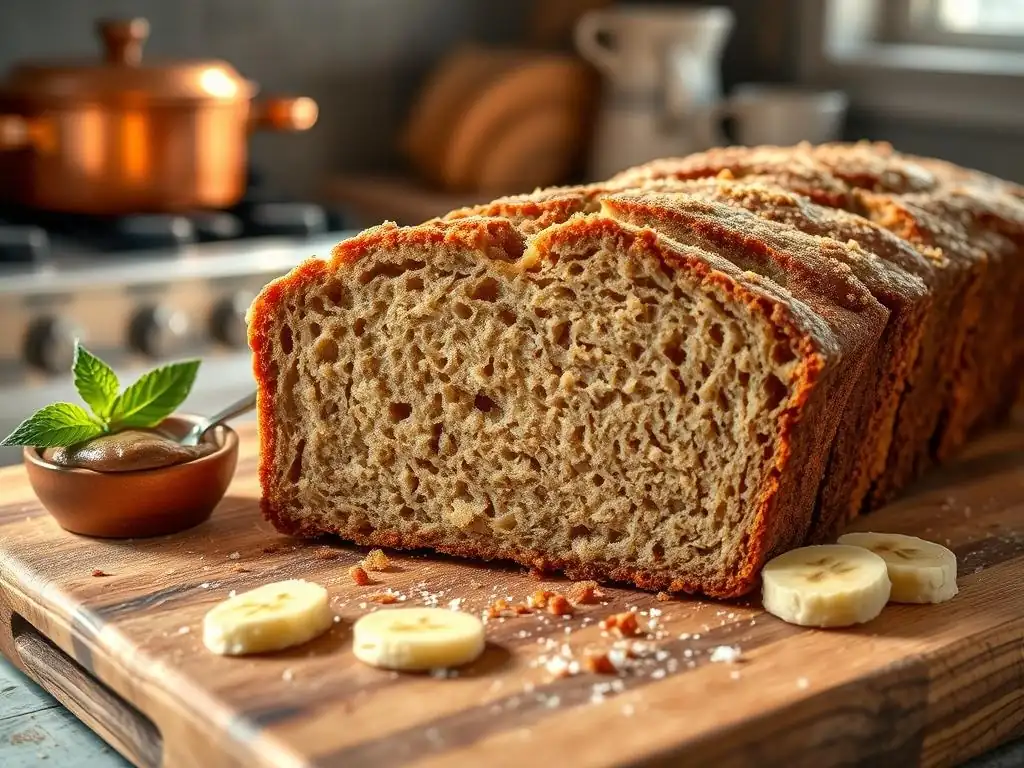
Welcome to BakeWithEase, your haven for all things baking! Ever wondered how to transform your sourdough discard into something truly extraordinary? Get ready to unlock the secrets to crafting the most incredibly moist sourdough discard banana bread you've ever tasted. Intrigued? Let's dive in and discover the surprisingly simple steps to this delightful treat, perfect for even intermediate bakers looking to elevate their banana bread game.
- Mastering Moist Sourdough Discard Banana Bread
- Introduction to Sourdough Discard Banana Bread
- Understanding Sourdough Discard
- The Recipe for Moist Sourdough Discard Banana Bread
- Tips for Achieving Maximum Moisture
- Variations and Customizations
- Troubleshooting Common Issues
- Reducing Waste with Sourdough Discard
- Conclusion: Enjoy Your Homemade Banana Bread
-
Frequently Asked Questions
- How does sourdough discard contribute to the moistness of this banana bread?
- Can I use frozen bananas for this Moist Sourdough Discard Banana Bread recipe?
- What if I don't have sourdough discard? Can I still make this banana bread?
- How long does this Moist Sourdough Discard Banana Bread typically last?
- What are some variations I can make to this Moist Sourdough Discard Banana Bread recipe?
- Final Reflection: The Enduring Magic of Sourdough Discard
- Unlock the Flavor: Transform Your Sourdough Discard Today!
Mastering Moist Sourdough Discard Banana Bread
Introduction to Sourdough Discard Banana Bread
Welcome to the delightful world of baking, where simple ingredients transform into comforting treats. Banana bread is a beloved classic, a perfect way to use up those overripe bananas sitting on your counter. But what if you could elevate this humble loaf to new heights of flavor and, more importantly, moisture? This is where the magic of sourdough discard comes in. Integrating sourdough discard into your banana bread recipe isn't just about reducing waste; it's a secret weapon for achieving a texture that is incredibly soft, tender, and undeniably moist.
Using sourdough discard in your baking offers a unique tang and complexity that store-bought leaveners simply can't replicate. It adds a subtle depth of flavor that complements the sweetness of the bananas beautifully. Beyond flavor, the acidic nature of the discard plays a crucial role in the bread's structure and moisture retention. This article will guide you through understanding why sourdough discard is a game-changer for banana bread and provide you with a comprehensive recipe and tips to ensure your loaf is the most moist sourdough discard banana bread you've ever baked.
Why Sourdough Discard Elevates Banana Bread
Sourdough discard, the unfed portion of your sourdough starter, is often seen as a byproduct, but it's a treasure trove of flavor and functional benefits for baking. When added to banana bread, its inherent acidity interacts with other ingredients in fascinating ways.
This acidity helps to tenderize the crumb by slightly breaking down gluten strands, resulting in a softer texture. Unlike active starter which is used primarily for leavening, discard contributes flavor and structure without necessarily providing significant rise on its own, making it perfect for quick breads like banana bread where chemical leaveners (baking soda and powder) do the heavy lifting.
Furthermore, the moisture content of the discard itself contributes directly to the overall hydration of the batter. A typical discard, maintained at a 1:1:1 ratio of flour, water, and starter, is 100% hydration relative to the flour it contains. Incorporating, say, 100-150 grams of this discard adds a substantial amount of liquid to the mix, which is key for a moist outcome.
This extra moisture, combined with the tenderizing effect, ensures that your finished loaf stays moist and delicious for days longer than traditional recipes might. It's the fundamental secret to achieving that coveted moist sourdough discard banana bread texture.
Perfecting Your Banana Bread: A Comprehensive Guide
Achieving the perfect loaf of banana bread involves more than just following a recipe; it requires understanding the role of each ingredient and mastering key techniques. From selecting the right bananas to mixing the batter correctly and baking at the optimal temperature, every step influences the final result. The goal is a loaf that is evenly baked, beautifully domed, and, most importantly, consistently moist throughout. Using sourdough discard adds another layer to this process, requiring slight adjustments to hydration and sometimes leavening.
This guide will walk you through the nuances of using sourdough discard, explaining how it interacts with the classic banana bread components. We'll cover ingredient ratios, the importance of ripeness, mixing methods that prevent toughness, and baking tips to ensure your loaf bakes through without drying out. By paying attention to these details, you'll unlock the full potential of your ingredients and consistently produce moist sourdough discard banana bread that will impress everyone who tries it. It's a journey of refinement that turns a simple recipe into a baking triumph.
Understanding Sourdough Discard
Sourdough baking is a rewarding process, but it often generates "discard" – the portion of your starter that you remove before feeding to maintain a manageable volume. This discard isn't waste; it's a versatile ingredient packed with fermented flavor and beneficial properties for a wide range of recipes, especially quick breads. Understanding what discard is and how it differs from an active starter is the first step in leveraging its power to create delicious bakes like moist sourdough discard banana bread.
Discard typically refers to sourdough starter that has passed its peak activity and hasn't been fed recently. It might still have some residual leavening power, but not enough to reliably raise a loaf of bread on its own. Its primary contributions are flavor, acidity, and hydration. The older the discard, the more pronounced its tangy flavor might be. Storing discard in the refrigerator slows down fermentation, allowing you to accumulate it over time for use in various recipes, thus reducing food waste and adding complexity to your baking.
Defining Sourdough Discard
Sourdough discard is essentially unfed sourdough starter. When you maintain a starter, you typically feed it regularly with flour and water. Before feeding, you remove a portion to keep the volume manageable and the starter healthy. This removed portion is the discard. It contains the same wild yeasts and lactic acid bacteria as your active starter, but because it hasn't been recently fed, the yeast activity is significantly lower. Think of it as a mature, flavorful batter rather than a powerful leavening agent.
The consistency of discard depends on the hydration level of your starter. A common starter is 100% hydration (equal parts flour and water by weight), resulting in a thick, pourable batter-like discard. The age of the discard can also affect its properties; very old discard (weeks or months in the fridge) might develop stronger acidic flavors compared to discard used within a few days of refrigeration. Understanding the nature of your discard is key to predicting its impact on recipes like moist sourdough discard banana bread.
Advantages of Using Discard in Banana Bread
Incorporating sourdough discard into banana bread offers several distinct advantages that contribute to a superior final product. Firstly, it introduces a subtle tang and depth of flavor that complements the sweetness of the bananas and other ingredients. This complexity elevates the simple banana bread from good to exceptional. Secondly, the acidity of the discard helps to tenderize the crumb structure, resulting in a softer and more delicate texture.
Perhaps most significantly for our goal of achieving a moist loaf, the discard adds inherent moisture to the batter. Since discard is typically 100% hydration or close to it, adding 100-200 grams of discard significantly increases the liquid content of the recipe compared to a standard banana bread. This extra moisture, combined with the tenderizing effect, is the primary reason why sourdough discard banana bread is often notably more moist and stays fresh longer than versions made without it. It's a simple addition that yields remarkable results in terms of texture and keeping quality.
Discard vs. Active Starter in Baking
While both discard and active starter originate from the same culture, their roles in baking are fundamentally different. An active starter is vibrant and bubbly, full of actively fermenting yeast that produces carbon dioxide gas, which is essential for leavening bread dough and making it rise. Using an active starter in a recipe like banana bread would primarily serve as a leavener, potentially allowing you to reduce or eliminate chemical leaveners, but it requires a longer fermentation time and might result in a different texture.
Discard, on the other hand, is primarily used for its flavor, acidity, and hydration rather than its leavening power. When using discard in quick breads like banana bread, you still rely on baking soda and baking powder for the primary rise. The discard's contribution is more about enhancing flavor, tenderizing the crumb, and adding moisture. This distinction is crucial for recipe development; a recipe calling for active starter cannot simply substitute discard 1:1, and vice versa, without significant adjustments, especially if the goal is a moist sourdough discard banana bread using chemical leaveners.
The Recipe for Moist Sourdough Discard Banana Bread
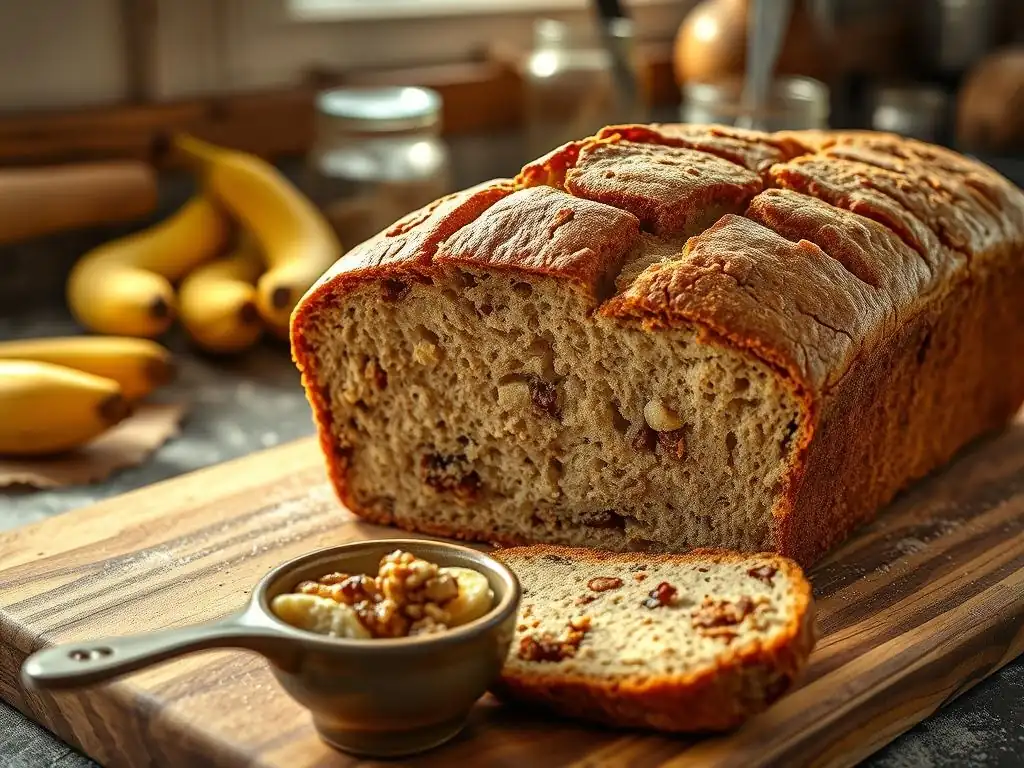
Ready to bake? This recipe is designed to maximize moisture and flavor, leveraging the unique properties of sourdough discard. It's a straightforward process, perfect for using up those ripe bananas and your discard.
**Yield:** 1 loaf
**Prep time:** 15 minutes
**Bake time:** 55-70 minutes
Key Ingredients for Optimal Results
Using the right ingredients in the correct proportions is vital for achieving a moist and flavorful loaf. Start with very ripe bananas; they should have plenty of brown spots and be soft to the touch. About 3-4 medium bananas, mashed, yielding roughly 1.5 to 1.75 cups, is ideal. These contribute natural sweetness and significant moisture.
You'll need about 150 grams of unfed sourdough discard, preferably stored in the refrigerator. This amount provides ample flavor, acidity, and moisture without making the batter too wet. The fat source is also important; using a combination of melted butter and a neutral oil (like vegetable or canola) provides both flavor from the butter and moisture from the oil, which stays liquid at room temperature. Aim for about 1/2 cup (113g) total fat.
Sugar, typically 1/2 to 3/4 cup (100-150g), sweetens the bread and also helps retain moisture. Eggs (2 large) provide structure and richness. Finally, the dry ingredients – all-purpose flour (about 1.5 cups or 180g), baking soda (1 teaspoon), baking powder (1/2 teaspoon), and salt (1/2 teaspoon) – provide structure and leavening. Using both baking soda and powder ensures a good rise and reacts with the acidic discard.
Step-by-Step Baking Instructions
Follow these steps carefully to create your moist sourdough discard banana bread:
Preparing the Batter
- Preheat your oven to 350°F (175°C). Grease and flour a 9x5 inch loaf pan, or line it with parchment paper for easy removal.
- In a large bowl, thoroughly mash the ripe bananas using a fork or potato masher until mostly smooth with a few small lumps remaining.
- Add the melted butter and oil to the mashed bananas and whisk to combine.
- Stir in the sugar, eggs, and sourdough discard. Mix until well combined and the mixture is smooth.
- In a separate medium bowl, whisk together the flour, baking soda, baking powder, and salt.
- Add the dry ingredients to the wet ingredients. Using a spatula or wooden spoon, mix just until the dry ingredients are incorporated. Do not overmix! A few streaks of flour are acceptable. Overmixing develops gluten, which can lead to a tough, dry loaf.
Baking Time and Temperature Guide
Pour the batter into the prepared loaf pan and spread it evenly. If desired, you can sprinkle the top with a little extra sugar or a handful of chocolate chips or nuts.
Bake in the preheated oven for 55 to 70 minutes. The exact time will vary depending on your oven and the moisture content of your bananas and discard. To test for doneness, insert a wooden skewer or toothpick into the center of the loaf. It should come out clean or with a few moist crumbs attached, but no wet batter. If the top starts to brown too quickly before the center is done, you can loosely tent the pan with aluminum foil.
Cooling and Storage Recommendations
Once baked, remove the loaf from the oven and let it cool in the pan on a wire rack for about 10-15 minutes. This allows the loaf to set up properly and prevents it from breaking when you remove it.
After the initial cooling period, carefully lift the loaf out of the pan (using the parchment paper overhang if you used it) and place it directly on the wire rack to cool completely. Allowing the bread to cool fully before slicing is crucial for the best texture. Slicing too early can result in a gummy interior.
Once completely cool, store the banana bread wrapped tightly in plastic wrap or in an airtight container at room temperature for up to 3-4 days, or in the refrigerator for up to a week. For longer storage, slice the cooled loaf and freeze individual slices or the whole loaf wrapped well; it keeps in the freezer for 2-3 months. Proper cooling and storage help maintain that desirable moist sourdough discard banana bread texture.
Tips for Achieving Maximum Moisture
While the recipe provides a solid foundation, incorporating a few extra tips can guarantee your moist sourdough discard banana bread is the best it can be. These small adjustments can make a significant difference in the final texture and keeping quality of your loaf.
Selecting Ripe Bananas
The ripeness of your bananas is arguably the most critical factor for moist and flavorful banana bread. Bananas should be well past their prime for eating raw; look for bananas that are heavily spotted with brown or even mostly brown. As bananas ripen, their starches convert to sugars, making them sweeter, and their moisture content increases.
Using underripe bananas will result in a less sweet bread and, crucially, a drier crumb. For maximum moisture, aim for bananas that are soft enough to mash easily with a fork.
If your bananas aren't quite ripe enough but you need to bake, you can try ripening them faster by placing them in a paper bag with an apple, or for a quicker fix, bake them in their peels on a baking sheet at 300°F (150°C) for 15-20 minutes until the peels turn black (let them cool before handling). Prioritizing very ripe bananas is a non-negotiable step for moist sourdough discard banana bread.
Utilizing Moisture-Enhancing Ingredients
Beyond the bananas and sourdough discard, certain ingredients naturally contribute to a moist crumb. Fats like butter and oil are essential, but the type of fat matters. Using a liquid oil, like vegetable or canola oil, in addition to melted butter helps keep the crumb tender and moist because oil remains liquid at room temperature, coating flour particles and preventing dryness.
Another ingredient that aids moisture retention is brown sugar. Brown sugar contains molasses, which not only adds flavor but also attracts and holds onto moisture better than white sugar. Substituting some or all of the white sugar with brown sugar can contribute to a more moist sourdough discard banana bread. Additionally, ingredients like sour cream, yogurt, or even applesauce (used in moderation) can further boost moisture without significantly altering the flavor profile, though this recipe focuses on the core components that deliver moisture effectively with discard.
Avoiding Over-Mixing
One of the most common mistakes in quick bread baking is over-mixing the batter. Once the wet and dry ingredients are combined, the goal is simply to hydrate the flour. Vigorous or prolonged mixing develops gluten, the protein network that gives bread its structure. While essential for yeasted breads, excessive gluten development in quick breads like banana bread results in a tough, dense, and ultimately drier texture.
To avoid over-mixing, mix the wet and dry ingredients together just until no dry streaks of flour remain. This typically takes only 30-45 seconds of gentle stirring. The batter might look a little lumpy due to the mashed bananas, and that's perfectly fine. Resist the urge to keep mixing until it's smooth. Gentle mixing is key to a tender crumb, which is fundamental to achieving that delightful moist sourdough discard banana bread.
Ensuring Correct Baking Time
Baking for the correct amount of time at the right temperature is crucial for a moist result. Over-baking is a primary cause of dry banana bread. The edges and bottom might look done, but the center needs sufficient time to cook through without becoming dry.
Baking at 350°F (175°C) is standard for banana bread. Start checking for doneness around the 55-minute mark using the skewer test. If the skewer comes out wet with batter, continue baking and check every 5 minutes. If the top is browning too quickly, tent it with foil. Relying solely on visual cues like the top color can be misleading; the internal temperature and the skewer test are more reliable indicators. An internal temperature of around 200-205°F (93-96°C) indicates doneness. Pulling the loaf out just when it's done ensures the inside remains moist while the outside is perfectly baked.
Variations and Customizations
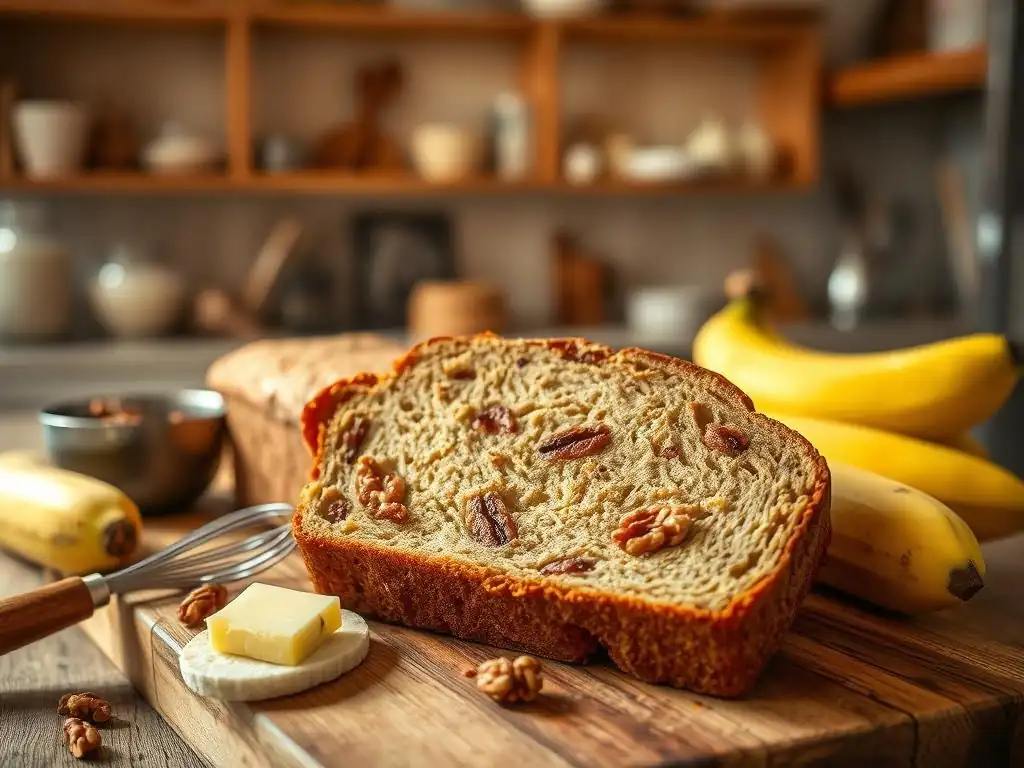
Once you've mastered the basic moist sourdough discard banana bread, feel free to get creative! The base recipe is incredibly versatile and lends itself well to various additions and modifications that can add new dimensions of flavor and texture.
Adding Chocolate, Nuts, or Dried Fruit
Elevate your banana bread by stirring in your favorite mix-ins. Chocolate chips (dark, milk, or white) are a classic addition, adding pockets of melty sweetness. About 1/2 cup to 1 cup (85-170g) is a good starting point. Nuts like walnuts or pecans (about 1/2 cup or 50g, chopped) provide a lovely crunch and nutty flavor that pairs beautifully with banana. Toasting the nuts lightly before adding them can enhance their flavor even further.
Dried fruits such as raisins, cranberries, or chopped dates (about 1/2 cup or 75g) add chewy texture and bursts of concentrated sweetness. To prevent dried fruit from sinking to the bottom, you can toss them with a tablespoon of the dry flour mixture before adding them to the batter. These additions not only enhance flavor but can also contribute slightly to moisture and texture variations in your moist sourdough discard banana bread.
Creating a Crumb Topping
For an extra layer of texture and sweetness, add a simple crumb topping before baking. A typical crumb topping consists of flour, sugar (often brown sugar for moisture and flavor), and cold butter cut into small pieces or rubbed in until crumbly.
A basic crumb topping recipe might include 1/2 cup flour, 1/4 cup brown sugar, 1/4 cup granulated sugar, and 1/4 cup cold butter cut into cubes. Combine the dry ingredients, then cut in the butter using a pastry blender, fork, or your fingers until coarse crumbs form. Sprinkle this mixture evenly over the top of the batter before placing the pan in the oven. The crumb topping bakes into a delightful, slightly crisp, sweet layer that contrasts wonderfully with the soft, moist interior of the sourdough discard banana bread.
Exploring Spice Combinations
While cinnamon is a traditional spice in banana bread, don't limit yourself! A pinch of nutmeg, a dash of ground ginger, or a sprinkle of allspice can add warmth and complexity. About 1/2 teaspoon of nutmeg or ginger added along with the cinnamon (typically 1 teaspoon) works well.
For a more adventurous flavor profile, consider adding cardamom or even a touch of cloves. These spices, used sparingly, can enhance the natural sweetness and depth of the banana and sourdough discard flavors. Experiment with different combinations (perhaps starting with 1/4 teaspoon of a new spice) to find your favorite blend that complements your moist sourdough discard banana bread.
Gluten-Free Adaptation
Adapting this recipe for a gluten-free diet is possible, though it requires replacing the flour with a suitable gluten-free blend. Look for a high-quality, all-purpose gluten-free flour blend that contains a mix of grains and starches, often including xanthan gum for structure.
You will typically substitute the regular flour 1:1 by weight or volume according to the package instructions of your chosen blend. The sourdough discard itself contains gluten (unless made with a gluten-free flour), so for a truly gluten-free loaf, you would need to use sourdough discard made from a gluten-free starter. The baking time might need slight adjustment, and the texture might differ slightly from the conventional version, but you can still achieve a delicious and moist sourdough discard banana bread using gluten-free ingredients.
Troubleshooting Common Issues
Even experienced bakers encounter challenges. Understanding common issues and how to address them will help you consistently bake perfect moist sourdough discard banana bread.
Preventing Dryness
Dry banana bread is often a result of too little moisture, too much dry ingredient, or over-baking. Ensure you are using very ripe bananas, as they contribute significant moisture. Accurate measurement of flour is also key; scooping flour directly with your measuring cup can result in using too much, as it compacts the flour. Weighing your flour (1.5 cups is typically around 180 grams) is the most accurate method.
As mentioned earlier, avoiding over-mixing and not over-baking are crucial. Check the bread for doneness using a skewer or internal thermometer, not just by sight. If you suspect your discard is on the thicker side, you might need to add a tablespoon or two of milk or water to the batter to compensate for hydration. Adding moisture-enhancing ingredients like brown sugar or a touch of oil can also help prevent dryness and ensure a moist sourdough discard banana bread.
Avoiding Gummy Texture
A gummy texture is often caused by under-baking or over-mixing. If the center of your loaf is dense and gummy, it likely needed more time in the oven. Ensure the skewer test comes out clean from the very center of the loaf.
Over-mixing develops too much gluten, which can lead to a tough, chewy, and sometimes gummy texture, especially in quick breads. Remember to mix the wet and dry ingredients only until just combined. Allowing the loaf to cool completely on a wire rack before slicing is also essential. Slicing a warm quick bread traps steam and can result in a gummy interior. Patience during the cooling process is key to a perfect texture.
Ensuring Even Baking
Uneven baking can result in edges that are dry before the center is cooked through. This can be caused by a hot spot in your oven or the pan being too close to a heating element.
Try rotating the loaf pan halfway through the baking time (e.g., at the 30-minute mark) to promote even browning and baking. If you know your oven has hot spots, you might need to experiment with different rack positions. Using a light-colored metal pan can also help prevent the edges and bottom from browning too quickly compared to a dark metal pan. Ensuring the batter is spread evenly in the pan before baking also helps with consistent heat distribution.
Reducing Waste with Sourdough Discard
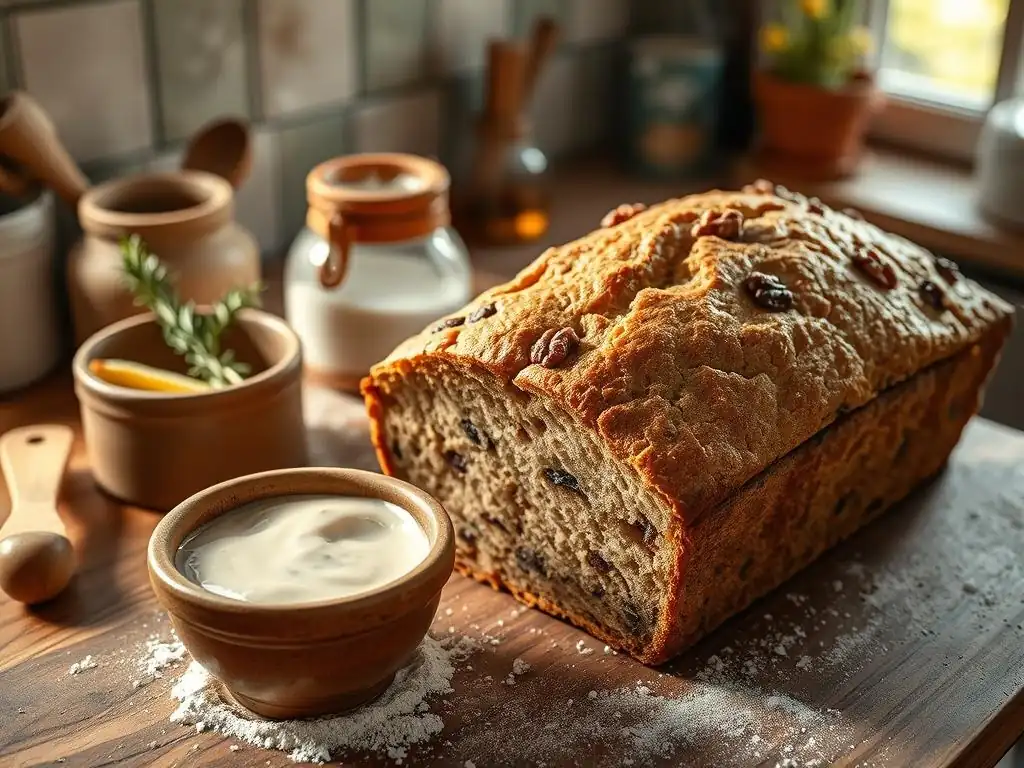
One of the most satisfying aspects of using sourdough discard in recipes like banana bread is that it helps reduce food waste. Instead of discarding that portion of your starter, you're transforming it into something delicious. This aligns with a more sustainable approach to baking and kitchen management.
Keeping a jar of discard in the refrigerator allows you to accumulate enough for various recipes throughout the week or month. It's a simple habit that minimizes waste from your sourdough starter maintenance routine. Each time you bake moist sourdough discard banana bread or another discard recipe, you're actively participating in reducing food waste.
Responsible Discard Usage
Using discard responsibly means incorporating it into recipes where its flavor and texture contributions are beneficial. Banana bread is an excellent candidate because the sweetness of the bananas balances the tang of the discard, and the discard's moisture enhances the bread's texture.
Store your discard in a clean, airtight container in the refrigerator. While discard can last for several weeks or even months in the fridge, using it within a week or two of its last feeding is often recommended for the best flavor, as very old discard can become quite sour. You can also freeze discard if you won't use it quickly, though freezing can slightly alter its structure. Using discard in recipes like moist sourdough discard banana bread is a prime example of responsible and delicious usage.
Exploring Other Discard Recipes
Beyond banana bread, there's a whole world of sourdough discard recipes to explore! Discard is excellent in quick breads like muffins, scones, pancakes, waffles, and biscuits. Its acidity reacts wonderfully with baking soda to create a light texture.
It can also be used in savory applications like crackers, pizza dough (for flavor, not primary rise), flatbreads, or even as a binder in meatballs or burgers. Some bakers even use it to thicken sauces or soups. Experimenting with different discard recipes is a fun way to utilize your discard fully and discover new favorites, always keeping that goal of reducing waste while creating delicious food.
Conclusion: Enjoy Your Homemade Banana Bread
Baking a loaf of moist sourdough discard banana bread is a truly rewarding experience. From the simple act of mashing ripe bananas to the final aroma filling your kitchen as it bakes, it's a process that culminates in a comforting and delicious treat. By incorporating sourdough discard, you've not only created an exceptionally moist loaf but also added a layer of complex flavor that sets it apart.
Whether you enjoy a warm slice with butter or save it for later, this banana bread is a testament to the simple magic of baking and the versatility of sourdough discard. Share it with family and friends, or savor it yourself – you've earned it after mastering the secrets to its incredible moisture and flavor.
There's joy in sharing what you bake. Snap a photo of your beautiful, moist sourdough discard banana bread and share it with others! Discuss the process, highlight the use of sourdough discard, and inspire fellow bakers to try this method.
Sharing your successes (and even your learning moments!) builds community and encourages others on their baking journey. Don't hesitate to offer slices or even share the recipe – the secret to moist sourdough discard banana bread is too good to keep to yourself!
Further Baking Resources
If you're eager to continue your baking adventures, there are countless resources available. Explore more recipes using sourdough discard, delve deeper into the science of baking, or learn new techniques. Websites like BakeWithEase.com offer a wealth of information for bakers of all levels.
Consider experimenting with other quick bread recipes using discard, or perhaps take the next step and try baking a loaf of traditional sourdough bread. The skills you've honed in making moist sourdough discard banana bread will serve you well as you expand your baking repertoire. Happy baking!
Frequently Asked Questions
How does sourdough discard contribute to the moistness of this banana bread?
Sourdough discard adds acidity and moisture to the batter. This acidity helps to break down gluten, resulting in a tender and moist crumb.
Can I use frozen bananas for this Moist Sourdough Discard Banana Bread recipe?
Yes, frozen bananas are often preferred! They release more moisture as they thaw, contributing to an even moister bread. Just be sure to drain any excess liquid.
What if I don't have sourdough discard? Can I still make this banana bread?
While this recipe is optimized for sourdough discard, you can often substitute with a similar amount of plain yogurt or buttermilk. However, the texture and flavor will be different.
How long does this Moist Sourdough Discard Banana Bread typically last?
Stored properly in an airtight container at room temperature, this banana bread typically lasts for 3-4 days. You can also freeze slices for longer storage.
What are some variations I can make to this Moist Sourdough Discard Banana Bread recipe?
You can add chocolate chips, nuts, or even a streusel topping. Experiment with different spices like cinnamon, nutmeg, or cardamom for a unique flavor profile.
Final Reflection: The Enduring Magic of Sourdough Discard
The secret to perfectly moist sourdough discard banana bread isn't just a recipe; it's a testament to resourceful baking and the delicious potential found in unexpected places. This seemingly simple bread transcends its ingredients, representing a mindful approach to baking that minimizes waste and maximizes flavor. In a world increasingly focused on sustainability, this recipe offers a powerful example of how resourcefulness can lead to extraordinary results.
The journey of transforming discarded sourdough starter into a delectable loaf has profoundly impacted my own baking philosophy. It's a reminder that imperfection can be beautiful, and that what we often discard holds hidden value. This resonates deeply with the current cultural shift towards reducing food waste and embracing sustainable practices. Waste not, want not,
an old adage, rings truer than ever in our modern context, and this recipe embodies that spirit perfectly. It's a small act, baking this bread, but it speaks volumes about our relationship with food and our responsibility to the environment.
Now, I invite you to consider your own baking practices. What ingredients do you often discard? Could they be transformed into something delicious and meaningful? This recipe is more than just instructions; it's a springboard for creativity and a challenge to rethink our relationship with food waste. Embrace the unexpected, experiment with your sourdough discard, and discover the surprising joys that await you in the kitchen. The journey to perfectly moist banana bread is just the beginning of a more sustainable and flavorful baking adventure.
Unlock the Flavor: Transform Your Sourdough Discard Today!
Thanks for joining us on this delicious journey into the world of sourdough discard banana bread! We hope you've gained some valuable tips and tricks to elevate your baking game. Ready to put your newfound knowledge to the test?
- Bake your own masterpiece! Try our recipe today – the results are truly rewarding. Imagine the aroma filling your kitchen!
- Share your success! Post a picture of your creation on social media and tag us – we'd love to see your baking journey.
- Explore more sourdough wonders: Dive into our other recipes featuring this versatile ingredient. We have plenty of ideas waiting to be discovered.
What unique twist will you add to your sourdough discard banana bread? Let us know in the comments!