
Baking Vegan Bread Without Eggs: What You Need to Know

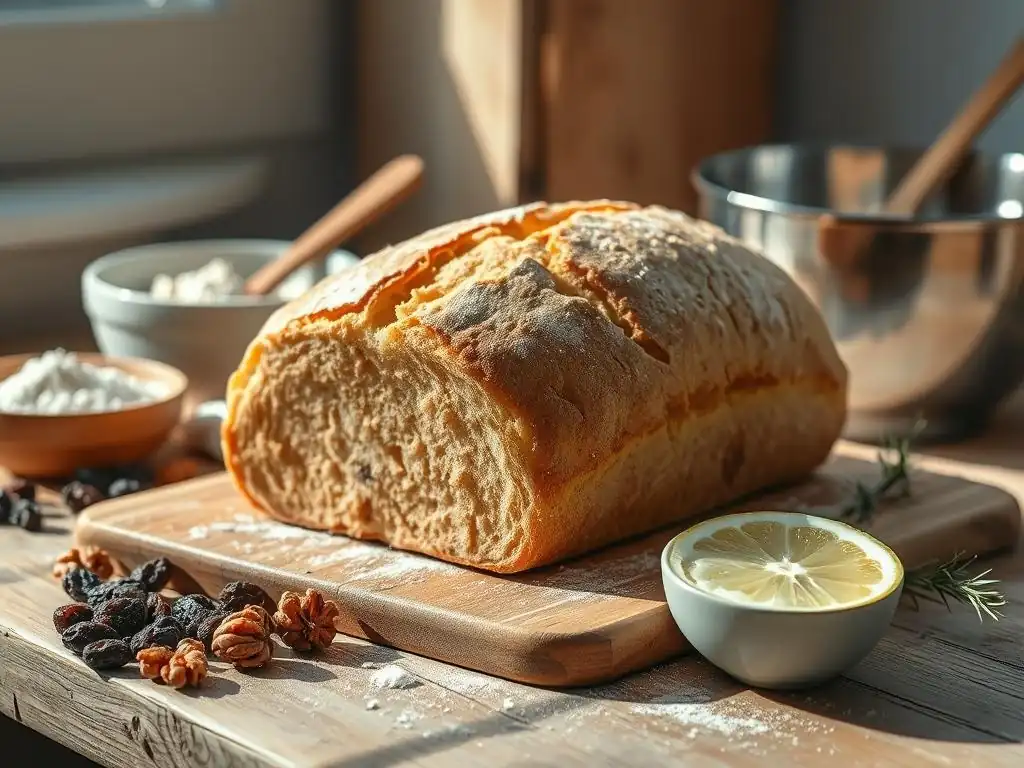
Welcome to BakeWithEase, your kitchen companion for baking bliss! Ever wondered if you could achieve perfectly soft and airy bread without using eggs? You're in the right place. Dive into our guide on crafting a delicious vegan bread without egg recipe and unlock a world of plant-based baking possibilities. Discover the secrets to texture, flavor, and how to achieve that perfect rise! Intrigued? Let's get baking!
- Introduction to Egg-Free Vegan Bread Baking
- The Science Behind Eggs in Bread Baking
- Essential Ingredients for Vegan Bread Without Eggs
- Vegan Bread Without Egg Recipe: A Step-by-Step Guide
- Tips and Tricks for Perfect Vegan Bread Every Time
- Exploring Different Types of Vegan Bread Recipes
- Storing Your Vegan Bread to Maintain Freshness
- Conclusion: Mastering Vegan Bread Baking Without Eggs
-
Frequently Asked Questions
- What are the best egg replacers to use in a vegan bread recipe?
- Can I use the same ingredients in a regular bread recipe when baking vegan bread?
- What is the role of eggs in traditional bread recipes, and how do vegan alternatives replicate this?
- How does baking vegan bread without eggs affect the bread's texture and rise?
- Where can I find a simple and reliable vegan bread without egg recipe?
- Final Reflection: The Humble Loaf, Reimagined
- Unlock the Secrets of Fluffy Vegan Bread!
Introduction to Egg-Free Vegan Bread Baking
Why Bake Vegan Bread? Exploring the Benefits
Baking vegan bread offers a multitude of benefits, appealing to a growing number of people. For those following a vegan lifestyle, it's a necessity, ensuring their dietary principles are met. Beyond that, many individuals choose vegan baking for health reasons, as it typically involves less saturated fat and cholesterol compared to recipes using animal products like eggs and butter. For example, swapping out eggs can significantly reduce cholesterol content, which is beneficial for heart health.
Furthermore, baking vegan bread without egg recipe often encourages creativity in the kitchen, exploring alternative ingredients like plant-based milks, vegetable oils, and unique binding agents. This can lead to discovering new flavors and textures. Environmentally conscious bakers also appreciate that plant-based ingredients generally have a lower carbon footprint than animal products. A study published in Science in 2018 highlighted that meat and dairy production are responsible for a significant portion of food-related greenhouse gas emissions, making plant-based alternatives a more sustainable choice.
Understanding the Challenges of Baking Bread Without Eggs
Removing eggs from a bread recipe presents specific challenges because eggs perform multiple crucial functions. Eggs contribute to structure, act as a binding agent, add moisture, and enrich the flavor and color of traditional bread. Without them, a simple substitution might result in a loaf that is dense, crumbly, dry, or lacks the desired rise and golden crust.
Successfully creating a delicious vegan bread without egg recipe requires understanding these functions and finding effective plant-based alternatives that can replicate them. For instance, achieving a light, airy texture without the leavening power of eggs can be tricky. Similarly, ensuring the ingredients bind together properly to form a cohesive dough that holds its shape during baking is a key hurdle that needs to be addressed with alternative binders.
The Science Behind Eggs in Bread Baking
What Eggs Do: Binding, Moisture, and Structure
Eggs are powerhouse ingredients in traditional baking, serving several critical roles simultaneously. The proteins in eggs, particularly albumin and globulin, coagulate when heated, forming a network that provides structural support and stability to the bread. This protein structure helps the loaf hold its shape during baking and contributes to the final crumb texture. Imagine a scaffolding within the bread; eggs help build that structure.
Additionally, the fat in egg yolks contributes richness, tenderness, and moisture, preventing the bread from becoming dry. Eggs also contain lecithin, an emulsifier that helps blend fats and liquids smoothly, resulting in a more consistent batter or dough. Their moisture content adds to the overall hydration of the dough, which is essential for gluten development and yeast activity. Finally, eggs contribute to the browning of the crust due to the Maillard reaction between egg proteins and sugars under heat.
How to Replicate Egg Functions in Vegan Bread Recipes
To create a successful vegan bread without egg recipe, bakers must find plant-based ingredients that can effectively mimic the roles of eggs. Binding and structure can often be replicated using ingredients like flaxseed meal, chia seeds, or commercial vegan egg replacers, which form a gel-like consistency when mixed with liquid. Starch-based thickeners or ingredients high in mucilage can also help bind ingredients together and provide some structural support.
Moisture and richness can be added through plant-based milks (like almond, soy, or oat milk), vegetable oils, or fruit purées such as applesauce or mashed banana. Leavening, while partially covered by yeast in most bread recipes, can sometimes be enhanced with a touch of baking soda and acid (like vinegar or lemon juice) if the recipe requires extra lift, though this is less common in yeasted breads. Achieving a golden crust might involve brushing the loaf with plant milk or a simple sugar wash before baking.
Essential Ingredients for Vegan Bread Without Eggs
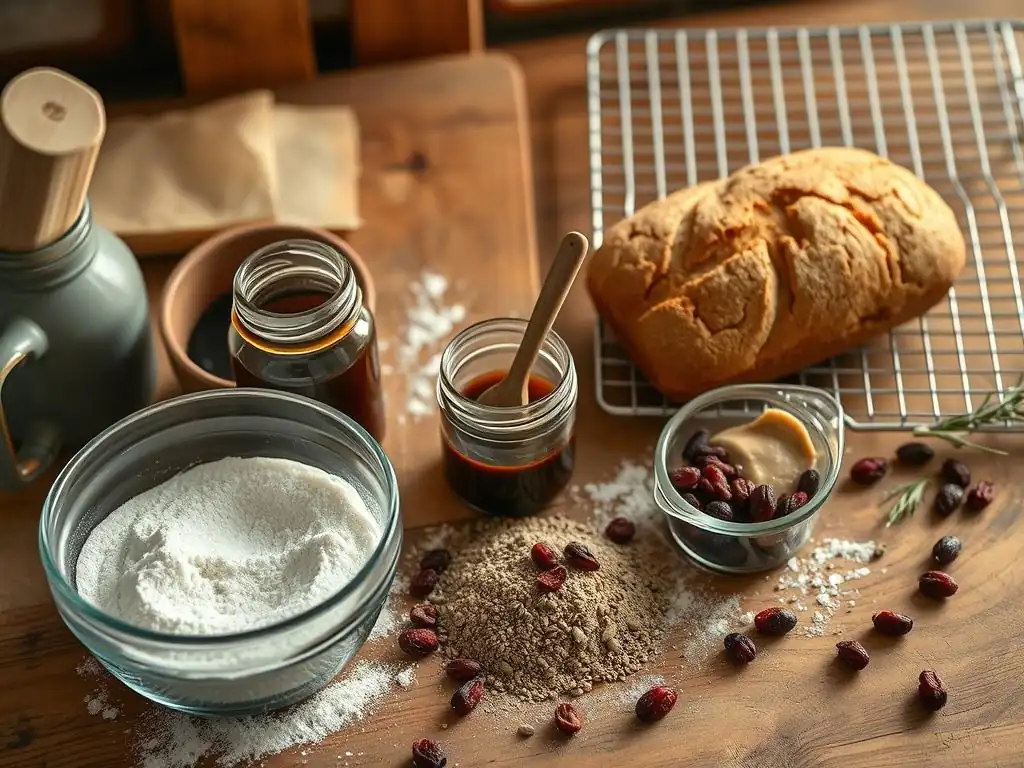
Flour Power: Choosing the Right Flour for Vegan Bread
The type of flour you choose is fundamental to any bread recipe, including a vegan bread without egg recipe. All-purpose flour is a common choice, offering a good balance of protein (around 10-12%) for gluten development, which is crucial for the structure and chewiness of bread. For a chewier crumb, bread flour, with its higher protein content (12-14%), is often preferred.
Whole wheat flour provides more fiber and nutrients but results in a denser loaf due to the bran interfering with gluten development. When using whole wheat flour in vegan bread, you might need to adjust the liquid content slightly or combine it with all-purpose flour to ensure a lighter texture. Experimentation with different flour types or blends is key to finding the perfect texture for your specific vegan bread goals.
Yeast and Leavening Agents in Vegan Bread
Yeast is the primary leavening agent in most traditional and vegan bread without egg recipes. It's a living organism that consumes sugars in the dough and produces carbon dioxide gas, causing the bread to rise. Active dry yeast and instant yeast are the most common types used by home bakers. Instant yeast can usually be mixed directly into the dry ingredients, while active dry yeast typically needs to be proofed first in warm liquid with a pinch of sugar to ensure it's alive and active.
While yeast does the heavy lifting for leavening in yeasted bread, some vegan quick breads might rely solely on chemical leaveners like baking powder or a combination of baking soda and an acid (like apple cider vinegar or lemon juice) to achieve rise. These leaveners react chemically to produce carbon dioxide bubbles, providing lift quickly without the need for fermentation time. Understanding the specific requirements of your chosen recipe's leavening agent is vital for success.
Liquid Gold: The Role of Liquids in Egg-Free Bread
Liquids are indispensable in any bread recipe, especially when baking a vegan bread without egg recipe. They hydrate the flour, allowing gluten proteins to form a network when kneaded. Liquids also dissolve the sugar and salt, distribute the yeast evenly, and provide the necessary environment for yeast activity. The type of liquid used can also influence the final outcome.
Water is the simplest and most common liquid, producing a lean, chewy crust. Plant-based milks (such as soy, almond, oat, or cashew milk) add richness, a slightly softer crumb, and can contribute to browning due to their sugar content. Using plant milk can help compensate for some of the richness lost by omitting eggs. The temperature of the liquid is also crucial, particularly when working with yeast; it should be warm, but not hot (typically between 105-115°F or 40-46°C for active dry yeast, slightly cooler for instant yeast mixed directly), to activate the yeast effectively.
Vegan Egg Replacers: Your Guide to Egg Alternatives
Replacing eggs in a vegan bread without egg recipe is often the most critical step. Several ingredients can mimic the binding and moisturizing properties of eggs, each with its own characteristics. Choosing the right replacer depends on the specific role the egg plays in the original recipe and the desired outcome.
Common plant-based egg alternatives include ground flaxseed mixed with water (often called "flax egg"), ground chia seeds mixed with water ("chia egg"), mashed banana, unsweetened applesauce, pumpkin purée, silken tofu, and commercial vegan egg replacer powders. For bread, where binding and some structure are key, flax or chia eggs and aquafaba are particularly effective. Fruit purées work well for adding moisture and a touch of sweetness, often used in sweeter bread variations.
Flaxseed Meal: A Versatile Egg Replacement for Bread
Flaxseed meal, or ground flaxseeds, is one of the most popular and effective egg replacements for baking, especially in a vegan bread without egg recipe. When mixed with water, the soluble fiber in flaxseed forms a gel-like consistency that effectively binds ingredients together. A common ratio is 1 tablespoon of flaxseed meal mixed with 3 tablespoons of water, left to sit for 5-10 minutes to thicken. This mixture replaces one large egg.
Using flaxseed meal adds a slightly nutty flavor and increases the fiber and omega-3 fatty acid content of the bread, offering nutritional benefits. It works particularly well in whole wheat or rustic bread recipes where its texture and flavor complement the other ingredients. While excellent for binding, flax eggs don't provide significant leavening, so you still rely on yeast for the rise in most bread recipes.
Chia Seeds: Another Great Option for Vegan Bread
Similar to flaxseed, chia seeds form a gel when mixed with liquid, making them an excellent binder in a vegan bread without egg recipe. The process is the same: mix 1 tablespoon of chia seeds (whole or ground, though ground gels faster) with 3 tablespoons of water and let it sit for about 5-10 minutes until a thick gel forms. This replaces one large egg.
Chia seeds are also highly nutritious, packed with fiber, omega-3s, and antioxidants. They have a milder flavor than flaxseeds, which might be preferable in some recipes. Like flax eggs, chia eggs provide binding and some moisture but do not contribute to leavening. They are a reliable substitute for ensuring your vegan bread holds together well.
Aquafaba: Using Chickpea Brine as an Egg Substitute
Aquafaba, the liquid drained from a can of chickpeas or other legumes, is a surprising yet incredibly effective vegan egg replacer, particularly for mimicking egg whites. It contains a mix of starches and proteins that give it emulsifying, binding, and even foaming properties. For use as a binder in a vegan bread without egg recipe, approximately 3 tablespoons of aquafaba can replace one large egg.
Aquafaba is particularly useful in recipes where you need some lift or aeration, although its leavening power is less significant in dense bread doughs compared to its use in meringues or lighter cakes. It's virtually flavorless once baked, making it a versatile option that won't alter the taste of your bread. Using aquafaba is also a great way to reduce food waste!
Commercial Vegan Egg Replacers: Are They Worth It?
Various commercial vegan egg replacer products are available on the market, typically made from starches (like potato or tapioca starch), leavening agents (like baking soda), and sometimes binders (like cellulose gum). These products are formulated to mimic the functions of eggs in baking and can be quite convenient for a vegan bread without egg recipe.
While convenient, their effectiveness can vary depending on the brand and the specific recipe. Some work well for binding in cakes and cookies but might not provide the necessary structure for a sturdy loaf of bread. Always check the package instructions, as the amount needed to replace one egg can differ. They can be a reliable option if you're looking for a consistent result and don't want to prepare your own flax or chia eggs, although they often don't add the same nutritional value as whole-food alternatives.
Vegan Bread Without Egg Recipe: A Step-by-Step Guide
Recipe: Simple Vegan White Bread (Egg-Free)
This simple vegan bread without egg recipe is perfect for beginners and results in a soft, delicious loaf ideal for sandwiches or toast. It relies on basic ingredients and techniques.
- Yields: 1 loaf
- Prep time: 20 minutes
- Rise time: 1.5-2 hours
- Bake time: 30-35 minutes
Ingredients List for Vegan White Bread
- 1 ½ cups warm water (105-115°F or 40-46°C)
- 2 teaspoons instant yeast
- 1 tablespoon sugar (or maple syrup)
- 1 teaspoon salt
- 3 tablespoons neutral vegetable oil (like canola or sunflower)
- 3 ½ to 4 cups all-purpose flour (or bread flour for a chewier loaf)
- Optional: 1 tablespoon flaxseed meal + 3 tablespoons water (as an extra binder, especially if new to vegan baking)
- Optional: Plant milk or melted vegan butter for brushing crust
Step 1: Preparing the Dough
In a large mixing bowl, combine the warm water, sugar, and instant yeast. Stir gently and let it sit for about 5 minutes until it looks foamy, indicating the yeast is active. If using active dry yeast, proof it in the warm water and sugar mixture for 10 minutes before proceeding. If using the optional flax egg, mix the flaxseed meal and water in a separate small bowl and let it sit while the yeast proofs.
Once the yeast is foamy, stir in the salt and vegetable oil. If using the flax egg, add it now. Gradually add the flour, about a cup at a time, mixing with a wooden spoon or a stand mixer with a dough hook until a shaggy dough forms. You might not need all 4 cups of flour; stop adding when the dough starts to pull away from the sides of the bowl.
Step 2: Kneading and First Rise
Turn the shaggy dough out onto a lightly floured surface. Knead the dough for 8-10 minutes by hand, or 6-8 minutes using a stand mixer with a dough hook, until it is smooth, elastic, and no longer sticky. The dough should spring back slowly when gently poked. Proper kneading is crucial for developing gluten, which gives the vegan bread without egg recipe its structure.
Lightly grease a clean large bowl with a little vegetable oil. Place the dough in the bowl, turning it to coat all sides. Cover the bowl tightly with plastic wrap or a damp kitchen towel. Let the dough rise in a warm place (like a slightly warm oven that's been turned off) for 60-90 minutes, or until it has doubled in size. The rising time can vary depending on the temperature of your kitchen.
Step 3: Shaping the Loaf
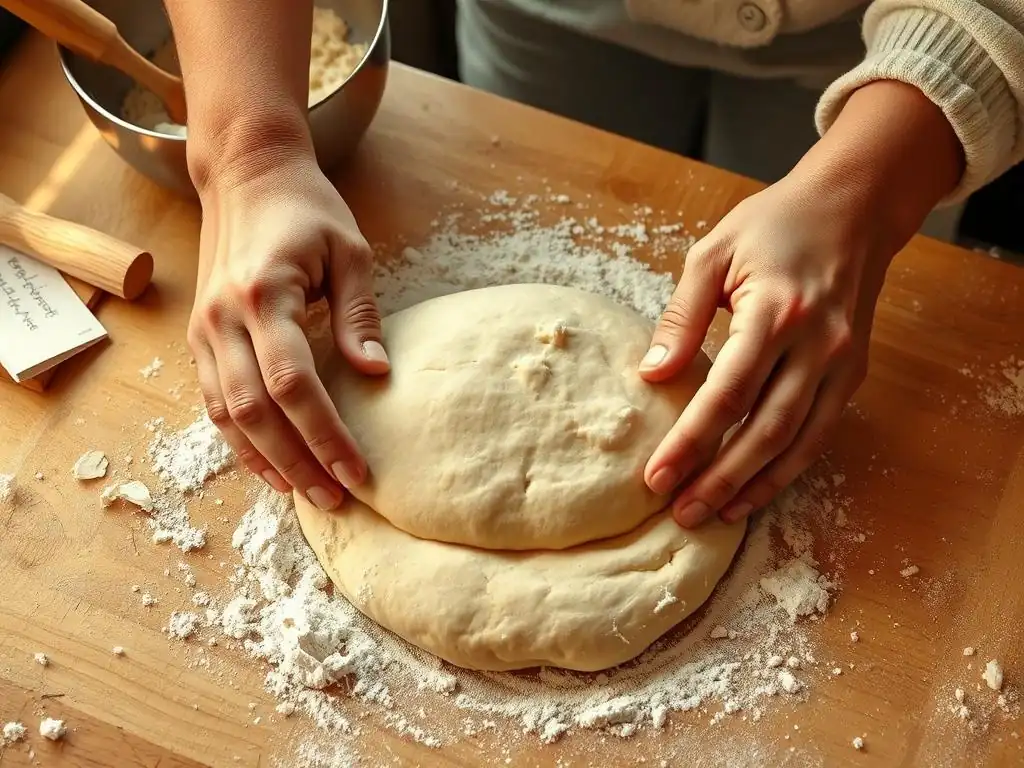
Once the dough has doubled, gently punch it down to release the air. Turn the dough out onto a lightly floured surface. Shape the dough into a loaf. A simple way is to flatten the dough into a rectangle, about 8x10 inches. Fold the top edge down to the center, then fold the bottom edge up to meet the top. Pinch the seam closed. Then, fold the loaf in half lengthwise and pinch the seam closed firmly. Roll the loaf gently against the counter to create surface tension and a smooth top.
Place the shaped loaf seam-side down in a lightly greased 9x5 inch loaf pan. If you prefer a round loaf, shape it into a ball and place it on a baking sheet lined with parchment paper.
Step 4: Second Rise and Baking
Cover the loaf pan or baking sheet loosely with plastic wrap or a damp towel. Let the dough rise in a warm place for another 30-45 minutes, or until it has nearly doubled in size again and the dough peaks slightly over the rim of the loaf pan. Towards the end of the second rise, preheat your oven to 375°F (190°C).
Just before baking, you can score the top of the loaf with a sharp knife or razor blade to control how it expands in the oven. Optionally, brush the top with plant milk for a softer crust or melted vegan butter for a slightly richer flavor and color. Bake the bread in the preheated oven for 30-35 minutes, or until the crust is golden brown and the internal temperature reaches 200-210°F (93-99°C) when measured with an instant-read thermometer.
Step 5: Cooling and Slicing Your Vegan Bread
Once baked, immediately remove the vegan bread without egg recipe from the loaf pan and place it on a wire cooling rack. This allows air to circulate around the loaf, preventing the bottom crust from becoming soggy. Resist the urge to slice the bread while it's hot!
Allow the bread to cool completely on the wire rack before slicing, which usually takes at least 1-2 hours. Slicing hot bread can result in a gummy texture inside. Once fully cooled, slice with a serrated knife and enjoy your homemade, egg-free vegan bread!
Tips and Tricks for Perfect Vegan Bread Every Time
Achieving the Right Texture in Eggless Bread
Achieving a light, airy, and tender crumb in a vegan bread without egg recipe requires attention to detail. Proper hydration is key; too little liquid results in a dry, dense loaf, while too much makes the dough sticky and hard to handle, potentially leading to a gummy texture. Pay attention to the dough's feel during kneading – it should be slightly tacky but not stick excessively to your hands or the counter.
Adequate kneading is also vital for developing a strong gluten network, which provides the structure needed for the bread to rise and hold its shape without the support of egg proteins. Ensure your yeast is active and that the dough undergoes sufficient rising time in a warm environment. Over-proofing can cause the dough to collapse, while under-proofing results in a dense loaf.
Troubleshooting Common Problems in Vegan Bread Baking
Baking, especially a new vegan bread without egg recipe, can sometimes present challenges. Don't be discouraged by imperfections; they are part of the learning process! Common issues include bread that is too dense, doesn't rise properly, or has an undesirable texture.
- [ ] Check yeast activity
- [ ] Ensure proper dough hydration
- [ ] Knead adequately
- [ ] Allow sufficient rising time in a warm place
- [ ] Bake at the correct temperature for the right duration
Addressing these factors systematically can help diagnose and fix most problems encountered when baking vegan bread.
Dense or Gummy Bread: Identifying the Cause
Dense or gummy texture in your vegan bread without egg recipe can stem from several issues. One common cause is insufficient kneading; without a properly developed gluten structure, the bread won't rise as much and will feel heavy. Another reason is too much moisture in the dough or not enough flour, leading to a wet dough that doesn't bake through properly.
Under-baking is also a frequent culprit; if the internal temperature doesn't reach at least 200°F (93°C), the starches inside may not have gelatinized correctly, resulting in a gummy interior. Finally, slicing the bread before it has cooled completely can trap steam inside and create a dense, moist, and gummy texture. Ensure the bread is fully cooled before cutting.
Bread Not Rising: Solutions for a Fluffy Loaf
If your vegan bread without egg recipe fails to rise, the most likely cause is inactive yeast. Yeast is a living organism and can die if the water is too hot (above 130°F or 54°C) or if it's old and expired. Always check the expiration date on your yeast and proof it in warm, slightly sweetened water to ensure it's active before adding it to the rest of your ingredients.
Other factors include a kitchen that is too cold, inhibiting yeast activity. Ensure your dough is rising in a warm spot (ideally 75-85°F or 24-29°C). Using too much salt can also inhibit yeast, as salt controls yeast activity; ensure you measure salt accurately. Finally, using alternative flours without adjusting the liquid or adding a binder might result in a dough that doesn't support the rise adequately.
Flavor Enhancements: Adding Depth to Your Vegan Bread
While a basic vegan bread without egg recipe is delicious on its own, you can enhance its flavor profile with simple additions. A touch of sugar or maple syrup in the dough doesn't just feed the yeast; it also adds subtle sweetness and helps with browning. Using plant milk instead of water adds richness.
Consider adding herbs like rosemary or thyme, spices like garlic powder or onion powder for savory bread, or cinnamon and nutmeg for sweeter loaves. Incorporating seeds like sesame, poppy, or sunflower seeds into the dough or sprinkled on top adds texture and flavor. A small amount of nutritional yeast can sometimes add a subtle savory depth without a cheesy flavor. Experiment with small quantities initially to see how they impact the final taste.
Exploring Different Types of Vegan Bread Recipes
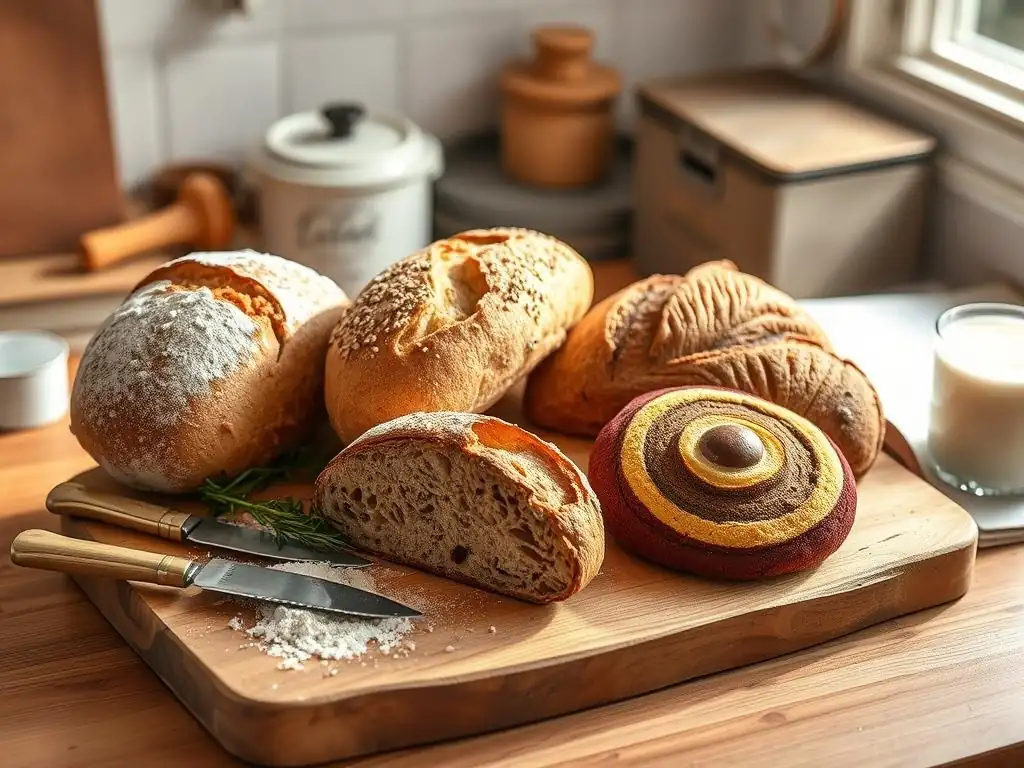
Vegan Sourdough Bread: A Flavorful Adventure
Baking vegan bread without egg recipe extends beautifully to the world of sourdough. Sourdough bread uses a wild yeast culture (a "starter") for leavening instead of commercial yeast. A sourdough starter is naturally vegan, requiring just flour and water. The long fermentation process in sourdough develops complex flavors and creates a chewy texture with a characteristic tangy taste.
Making vegan sourdough involves feeding and maintaining your starter, mixing the dough (typically flour, water, starter, and salt), allowing for bulk fermentation (often several hours, sometimes overnight), shaping, and then proofing before baking. While challenging, the result is a deeply flavorful loaf with a wonderfully airy crumb and crispy crust, naturally egg-free.
Vegan Whole Wheat Bread: Healthy and Delicious
A vegan bread without egg recipe made with whole wheat flour offers increased fiber, vitamins, and minerals compared to white bread. Whole wheat flour includes the bran and germ of the wheat kernel, which adds a nutty flavor and denser texture. To make a successful vegan whole wheat loaf, you might use 100% whole wheat flour or a blend of whole wheat and all-purpose flour for a lighter crumb.
Using binders like flaxseed or chia seeds is particularly helpful in whole wheat vegan bread to provide structure alongside the gluten development. Adequate hydration is also crucial, as whole wheat flour absorbs more liquid than white flour. The result is a hearty, nutritious bread perfect for sandwiches or toast.
Vegan Sweet Bread: Satisfying Your Sweet Tooth
Vegan sweet bread variations, like cinnamon swirls, challah-style loaves, or fruit-filled breads, are definitely possible without eggs. These often require alternative methods to achieve the richness and tenderness that eggs typically provide in sweet baked goods. Using plant milks, vegetable oils, or melted vegan butter adds richness and moisture.
Sweeteners like sugar, maple syrup, or agave nectar not only add sweetness but also help with browning. Binders like applesauce, mashed banana, or commercial vegan egg replacers can help hold the dough together and contribute moisture, preventing the bread from being dry. For a challah-like loaf, braiding techniques add visual appeal, and brushing with a sugar glaze after baking provides shine.
Gluten-Free Vegan Bread: Options for Dietary Restrictions
For individuals with gluten intolerance or celiac disease, baking a gluten-free vegan bread without egg recipe adds another layer of complexity but is entirely achievable. Gluten-free bread relies on a blend of gluten-free flours (like rice flour, oat flour, sorghum flour, or buckwheat flour) combined with starches (tapioca starch, potato starch, cornstarch) and often a gum like xanthan gum or psyllium husk to provide structure and binding that gluten would normally offer.
In a gluten-free vegan bread, the egg replacement also needs to provide significant binding and moisture. Flax eggs, chia eggs, aquafaba, or commercial gluten-free vegan egg replacers are all viable options. These recipes often require more precise measurements and techniques than traditional wheat-based bread, but they allow those with dietary restrictions to enjoy delicious, homemade bread.
Storing Your Vegan Bread to Maintain Freshness
Best Practices for Storing Vegan Bread
Proper storage is essential to keep your vegan bread without egg recipe fresh and delicious for as long as possible. Once completely cooled, store the bread at room temperature. Avoid refrigerating yeasted bread, as it tends to dry out quickly and become stale faster in the refrigerator environment due to starch retrogradation.
Wrap the loaf tightly in plastic wrap, beeswax wrap, or place it in a bread box or a sealed plastic bag. A paper bag is suitable for storing bread if you prefer a crispier crust, but it will cause the interior to dry out faster than a sealed bag. Stored properly at room temperature, homemade vegan bread typically stays fresh for 3-4 days.
Freezing and Reheating Vegan Bread
If you won't finish your vegan bread without egg recipe within a few days, freezing is an excellent way to preserve its freshness. Ensure the bread is completely cooled before freezing. You can freeze the entire loaf, half a loaf, or slice it before freezing. Slicing allows you to take out just the amount you need.
Wrap the bread tightly in plastic wrap, then again in aluminum foil or place it in a freezer-safe bag to prevent freezer burn. Frozen vegan bread can last for up to 3 months. To thaw, remove from the freezer and let it sit at room temperature for several hours. For individual slices, you can often pop them directly into a toaster or toaster oven. To reheat a whole or partial loaf, you can warm it in a preheated oven (300-350°F or 150-175°C) for 10-15 minutes, which can also help refresh the crust.
Conclusion: Mastering Vegan Bread Baking Without Eggs
Embrace the Possibilities of Egg-Free Baking
Baking a delicious vegan bread without egg recipe is not only possible but opens up a world of creative culinary exploration. By understanding the functions of eggs in traditional baking and learning how to replicate them using plant-based ingredients, you can confidently create loaves that are just as flavorful, well-structured, and satisfying as their conventional counterparts.
From simple white loaves to rustic sourdoughs and sweet variations, the principles of yeast activity, gluten development, proper hydration, and effective binding remain key. Embracing the challenges and experimenting with different egg replacers and flours will lead you to master the art of egg-free vegan bread baking.
Resources for Further Exploration in Vegan Bread Baking
To continue your journey in baking vegan bread without egg recipe, explore different recipes from reliable sources, including websites dedicated to vegan baking and cookbooks focusing on plant-based bread. Many online communities and forums offer valuable tips, troubleshooting advice, and inspiration from fellow vegan bakers. Consider experimenting with different flours, grains, seeds, and flavorings to personalize your bread.
Don't be afraid to try new techniques, such as incorporating a tangzhong or autolyse method (both naturally vegan) to improve the texture and shelf life of your loaves. With practice and patience, you'll develop your skills and consistently bake wonderful, egg-free vegan bread that you and your loved ones will enjoy.
Frequently Asked Questions
What are the best egg replacers to use in a vegan bread recipe?
Common egg replacers include applesauce, flaxseed meal mixed with water, and commercial egg replacers. The best choice often depends on the type of bread and desired texture.
Can I use the same ingredients in a regular bread recipe when baking vegan bread?
Not always. You'll need to substitute eggs and possibly dairy products with vegan alternatives. It's crucial to check the recipe carefully and adjust accordingly.
What is the role of eggs in traditional bread recipes, and how do vegan alternatives replicate this?
Eggs contribute to binding, moisture, and structure. Vegan alternatives mimic these functions through ingredients like flaxseed or fruit purees.
How does baking vegan bread without eggs affect the bread's texture and rise?
The texture might be slightly different, potentially denser or less airy, depending on the egg replacer used. The rise can also be affected, so using baking powder or baking soda is important.
Where can I find a simple and reliable vegan bread without egg recipe?
Visit BakeWithEase.com for step-by-step guides and easy-to-find ingredients for various vegan bread recipes. The site caters to all baking levels.
Final Reflection: The Humble Loaf, Reimagined
The rise of vegan baking isn't just a trend; it's a revolution in the kitchen, proving that delicious, satisfying bread can thrive without relying on animal products. This article explored the surprisingly simple process of creating egg-free vegan bread, highlighting the versatility of plant-based alternatives and debunking the myth that vegan baking is inherently difficult. The accessibility of these recipes empowers home bakers to create delicious, ethical loaves, contributing to a more sustainable and compassionate food system.
The journey of perfecting vegan bread recipes has been a fascinating exploration of texture, flavor, and the power of simple ingredients. It's a testament to the ingenuity of culinary innovation, constantly pushing boundaries and finding new ways to create satisfying experiences. The shift towards plant-based diets is more than just a dietary choice; it's a reflection of growing awareness about environmental and ethical concerns. Food is symbolic of love when words are inadequate.
- Alan D. Wolfelt. This sentiment resonates deeply with the act of baking itself, and especially with the creation of vegan bread – a love letter to both the planet and the palate.
Now, consider your own kitchen. What new possibilities does this knowledge unlock for you? Will you experiment with different flours, seeds, or herbs to personalize your vegan loaf? Perhaps you'll even bake a loaf for a friend, sharing the joy and satisfaction of creating something delicious and meaningful. Embrace the challenge, explore the possibilities, and discover the rewarding experience of baking vegan bread – a testament to the power of creativity and compassion in the culinary arts.
Unlock the Secrets of Fluffy Vegan Bread!
Thanks for joining us on this delicious journey into egg-free vegan baking! You've learned how easy it is to create light and airy bread without compromising on flavor. Ready to take your baking skills to the next level?
- Bake your first egg-free loaf today! Use the recipe we shared (or your own adapted version!) and experience the joy of creating something truly special.
- Share your baking triumph! Post a picture of your creation on social media and tag us – we’d love to see it! #BakeWithEase #VeganBaking
- Explore more vegan recipes on our site for even more inspiration. Find your next culinary adventure!
What unique ingredient will you experiment with in your next vegan bread creation?