
The Best Rye Bread for Toasting

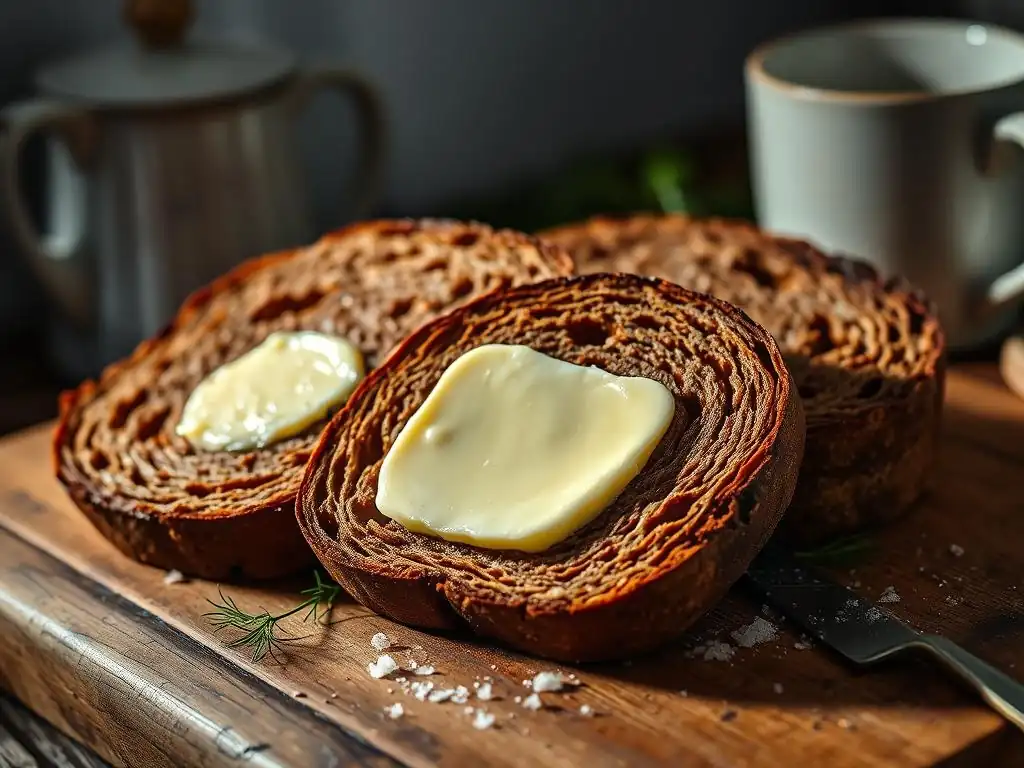
Welcome to BakeWithEase, your guide to unlocking the world of delicious homemade baking! Ever wonder why some rye bread makes a perfect slice of toast, while others fall flat? Dive into our latest article to discover the secrets behind crafting the best rye bread for toasting, and learn how to achieve that ideal crispy crust and satisfying chew. Are you ready to elevate your breakfast game? Let's get baking!
- The Best Rye Bread for Toasting: Achieve Toast Perfection
- Introduction: Why Rye Bread Makes Exceptional Toast
- Understanding Different Types of Rye Bread for Toast
- Key Characteristics to Look for in Rye Bread for Toasting
- Top Rye Bread Brands & Bakeries for Toasting Perfection
- DIY: Baking Your Own Rye Bread for Toasting
- Toasting Techniques for Rye Bread: Unlock the Flavor
- Serving Suggestions: Elevate Your Toasted Rye Bread Experience
- Storing Rye Bread to Maintain Toasting Quality
- Conclusion: The Ultimate Guide to Enjoying Rye Bread for Toasting
- Frequently Asked Questions
- Final Reflection: The Enduring Crunch of a Perfect Toast
- Unleash Your Inner Toastmaster!
The Best Rye Bread for Toasting: Achieve Toast Perfection
Introduction: Why Rye Bread Makes Exceptional Toast
Discover the Unique Flavor and Texture of Toasted Rye
Rye bread holds a special place in the world of baking, offering a distinct flavor profile that sets it apart from wheat-based loaves. When subjected to the heat of a toaster or oven, this unique character is amplified. The toasting process caramelizes the natural sugars in the rye flour, intensifying its earthy, slightly tangy, and sometimes subtly sweet notes. This creates a more complex and satisfying taste experience compared to simply eating the bread untoasted.
Beyond flavor, the texture of toasted rye bread is another key factor in its appeal. Many rye loaves have a denser crumb structure than typical white or whole wheat breads. This density is beneficial for toasting because it provides a sturdy foundation that crisps up beautifully without collapsing or becoming overly dry and brittle. The crust, often heartier on a rye loaf, becomes wonderfully crunchy, offering a delightful contrast to the slightly chewy interior. This combination of deep flavor and varied texture makes rye bread for toasting a truly exceptional choice.
A Guide to Selecting the Perfect Rye Loaf for Toasting
Choosing the right rye bread is crucial for achieving toast perfection. Not all rye breads are created equal, and factors like the percentage of rye flour, the addition of ingredients like caraway seeds or molasses, and the baking method all influence the final product's suitability for toasting. A good rye bread for toasting should possess a robust flavor that stands up to heat and a structure that can handle the toasting process without becoming either too soft or too hard.
When selecting a loaf, consider its weight and density. A loaf that feels substantial for its size often indicates a good crumb structure that will toast evenly. Look for a bread with a well-developed crust, as this contributes significantly to the final toasted texture.
Examining the ingredients list can also be helpful; a higher proportion of rye flour typically results in a denser bread, while additions like sourdough starter contribute to the characteristic tang that is often enhanced by toasting. Ultimately, finding the best rye bread for toasting might involve some experimentation to discover which type and style best suits your personal taste and toasting preferences.
Understanding Different Types of Rye Bread for Toast
Light Rye Bread: A Mild and Versatile Choice for Toast
Light rye bread is typically made with a higher proportion of refined rye flour, often combined with wheat flour. This results in a lighter color and a milder flavor compared to darker varieties. The crumb structure tends to be less dense than 100% rye loaves, making it approach the texture of a hearty wheat bread. Its subtle tang and less intense rye flavor make it a very versatile option that appeals to a broad range of palates, especially those new to rye.
When toasted, light rye bread develops a pleasant, gentle crispness. The milder flavor means it doesn't overpower toppings, making it an excellent base for everything from simple butter and jam to more complex spreads like avocado or cream cheese with chives. Its ease of slicing and relatively uniform texture ensure even toasting. If you're looking for a rye bread for toasting that offers a hint of that characteristic rye taste without being too bold, light rye is an ideal starting point.
Dark Rye Bread: Rich and Robust Flavor for Bold Toast
Dark rye bread is characterized by its deep color and intense flavor, often achieved through the use of whole rye flour, longer fermentation periods, or the addition of colorings like molasses or cocoa powder. These loaves are typically denser and have a more pronounced tangy, earthy, and sometimes slightly sweet taste. The higher percentage of rye flour contributes to a tighter crumb structure and a heartier texture.
Toasting dark rye bread amplifies its rich flavor profile. The heat brings out the depth of the rye and any added sweeteners, creating a truly robust piece of toast. This type of rye bread for toasting is perfect for strong-flavored toppings such as smoked fish, sharp cheeses, or hearty spreads. While it takes slightly longer to toast evenly due to its density, the resulting deep crunch and intense flavor are well worth the effort for those who enjoy a bolder taste experience.
Pumpernickel Rye: Deep, Earthy Notes Ideal for Hearty Toasts
Pumpernickel is a specific type of dark rye bread originating from Germany. Traditionally, it is made from coarsely ground whole rye grain, often boiled or soaked, and baked for a very long time at low temperatures. This unique process results in an incredibly dense, moist, and dark loaf with a distinctive earthy, slightly sweet, and malty flavor. Some modern versions might use different flours or shorter baking times but still aim for a similar profile.
Pumpernickel rye makes an exceptionally hearty and flavorful toast. Its inherent moisture helps prevent it from becoming overly dry, while the long bake gives it a depth of flavor that intensifies beautifully with heat. The dense structure provides a solid base for substantial toppings. Pumpernickel rye bread for toasting is particularly well-suited for open-faced sandwiches, strong cheeses, or rich pâtés, where its deep flavor can complement rather than compete with the toppings.
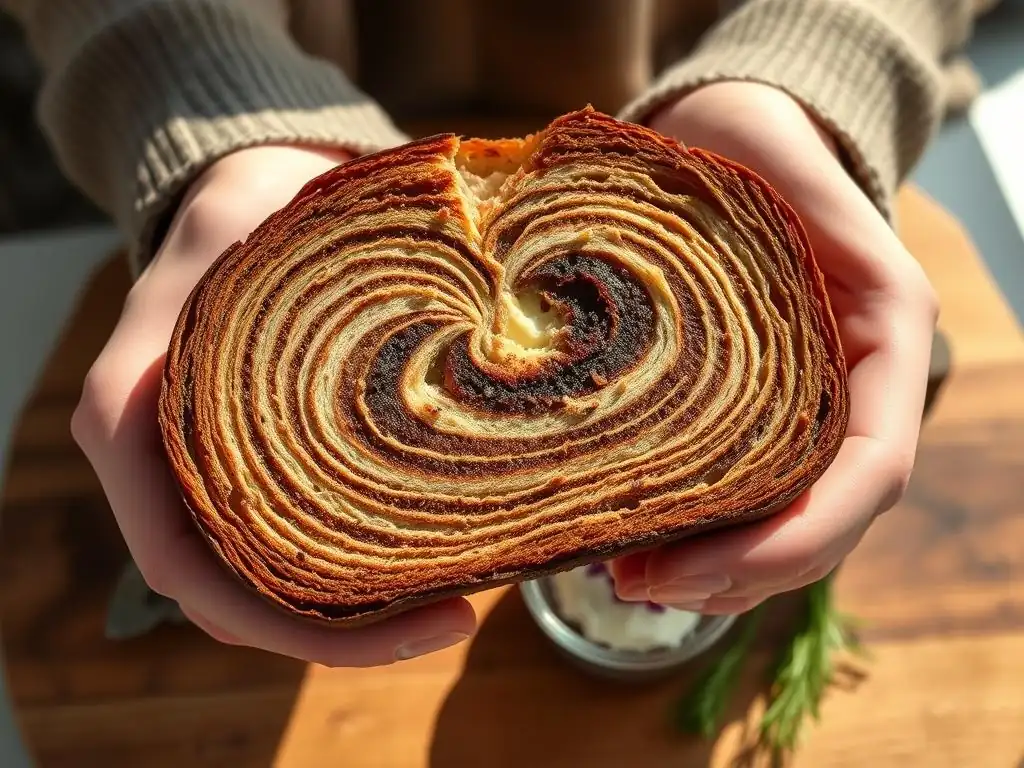
Marble Rye Bread: A Swirled Combination for Balanced Toast
Marble rye bread offers a visually appealing and flavorful combination of light rye and dark rye doughs swirled together before baking. This creates a loaf with varying shades and textures within each slice. The blending of the two doughs results in a balanced flavor profile, offering the milder notes of light rye alongside the deeper, tangier notes of dark rye or pumpernickel.
When toasted, marble rye provides a delightful experience as different sections of the slice toast slightly differently, reflecting the characteristics of the two doughs. The combined flavor profile makes it incredibly versatile as a rye bread for toasting. It's delicious with classic deli pairings like pastrami or corned beef, but also works well with simpler toppings like butter or cream cheese. The visual appeal of marble rye toast also adds a touch of elegance to any meal.
Key Characteristics to Look for in Rye Bread for Toasting
Dense Crumb Structure: Prevents Soggy Toast
A dense crumb structure is paramount when selecting rye bread for toasting. Unlike airy white bread that can quickly become dry or brittle when heated, a denser loaf provides a solid matrix that crisps up on the exterior while potentially retaining a slight chewiness in the interior. This density helps the bread withstand the heat without becoming flimsy or soggy, particularly important if you plan to add toppings.
For example, a traditional Jewish deli-style rye, often made with a significant percentage of rye flour and potentially sourdough, exemplifies this desirable density. When toasted, its tight crumb resists collapsing and develops a satisfying crunch. Conversely, a rye bread that is too open or light might toast too quickly, leading to a dry, cracker-like texture that lacks the pleasant chew associated with good rye toast. Aim for a loaf that feels substantial in your hand.
Quality Ingredients: Impacting Flavor and Texture
The quality of ingredients used in rye bread significantly impacts its flavor, texture, and ultimately, how well it toasts. The type and proportion of rye flour (light, dark, whole grain, pumpernickel meal), the presence of a sourdough starter, the addition of malts, molasses, or caraway seeds, and even the salt content all play a role. High-quality rye flour, especially whole grain, imparts deeper flavor and contributes to the characteristic dense yet moist crumb.
Consider a loaf made with a natural sourdough starter and stone-ground whole rye flour compared to one made with refined rye flour, commercial yeast, and artificial colorings. The sourdough bread will likely have a more complex, tangy flavor that is enhanced by toasting, and its structure will be more robust. Additions like caraway seeds release their aromatic oils when heated, further enhancing the toasted experience. Opting for breads with minimal additives and a focus on traditional ingredients generally yields a superior rye bread for toasting.
Slicing Thickness: Achieving the Perfect Toast Level
The thickness of the slice is a surprisingly critical factor in achieving the best rye bread for toasting. Too thin, and the slice can quickly become overly hard, dry, or even burn before the interior has a chance to warm through. Too thick, and the exterior might burn while the interior remains soft and untoasted, or the entire slice might just become warm and pliable rather than properly crisp.
An ideal slice thickness for most rye breads falls somewhere between 1/2 inch and 3/4 inch (approximately 1.2 to 1.9 cm). This allows the heat to penetrate effectively, crisping the surface while developing a warm, slightly softer interior. For very dense loaves like traditional pumpernickel, a slightly thinner slice might be preferred to ensure adequate crisping, while a lighter rye might handle a slightly thicker cut. Experimenting with slicing is key to finding your perfect toasted rye texture.
Top Rye Bread Brands & Bakeries for Toasting Perfection
Zingerman's Bakehouse: Rye Bread Review and Toasting Performance
Zingerman's Bakehouse, based in Ann Arbor, Michigan, is renowned for its artisan breads, including several notable rye varieties. Their Jewish Rye, for instance, is a popular choice, known for its significant proportion of rye flour (often around 40%), caraway seeds, and a touch of molasses, leavened with a sour rye starter. This combination yields a loaf with a characteristically tangy flavor and a moist, dense crumb.
When toasted, Zingerman's Jewish Rye performs exceptionally well. The dense structure ensures it doesn't become flimsy, while the caraway seeds become more aromatic with heat. The crust crisps up beautifully, providing a satisfying crunch that contrasts with the warm, slightly chewy interior. The robust flavor stands up perfectly to classic pairings like pastrami or smoked fish, making it a prime example of excellent rye bread for toasting.
Orwasher's Bakery: Rye Bread Review and Toasting Performance
Orwasher's Bakery, a historic New York City institution dating back over a century, is celebrated for its traditional European-style breads, including several rye options. Their "Authentic New York Rye" is a staple, typically featuring a blend of rye and wheat flours, sourdough starter, and caraway seeds. It's known for its firm crust and slightly open, yet still substantial, crumb.
Toasting Orwasher's rye bread highlights its classic New York deli character. The crust achieves a delightful crispness, while the interior develops a pleasant warmth and chew. The caraway seeds release their fragrance, enhancing the overall aroma and flavor. This rye bread for toasting serves as a robust base for both savory spreads and simple butter, showcasing a well-balanced texture and flavor profile that holds up wonderfully under heat.
Essential Baking: Rye Bread Review and Toasting Performance
Essential Baking Company, with operations on the West Coast, offers a range of organic artisan breads, including several rye varieties. Their Organic Sourdough Rye, for example, often uses a significant amount of organic rye flour and a long fermentation process, resulting in a loaf with a pronounced sourdough tang and a relatively dense, moist crumb, sometimes with caraway.
When toasted, Essential Baking's Sourdough Rye develops a deep, satisfying crunch on the exterior. The sourdough tang is often slightly mellowed and integrated by the heat, while the interior remains pleasantly moist and warm. This loaf's substantial nature prevents it from becoming too dry. It makes a fantastic rye bread for toasting, particularly for open-faced sandwiches or simply enjoyed with butter, allowing the complex sourdough and rye flavors to shine.
DIY: Baking Your Own Rye Bread for Toasting
Step-by-Step Guide to Homemade Rye Toasting Bread
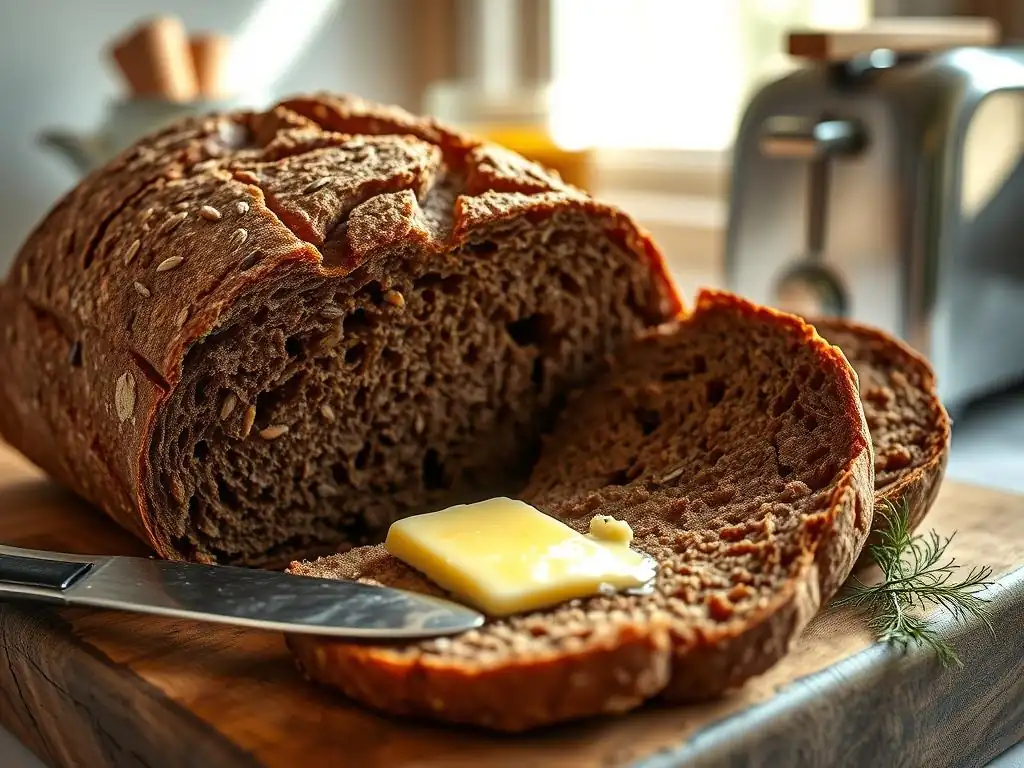
Baking your own rye bread specifically tailored for toasting allows you to control the density, flavor, and ingredients. A good starting point is a recipe using 40-60% rye flour combined with strong bread flour for structure, incorporating a sourdough starter or a combination of yeast and a pre-ferment (like a poolish or sponge) for flavor development. Begin by activating your starter or preparing your pre-ferment.
Next, mix the rye flour, wheat flour, salt, and any optional ingredients like caraway seeds. Combine the wet ingredients (starter/yeast mixture, water, maybe a touch of molasses) with the dry, mixing until a shaggy dough forms. Knead the dough until it's smooth and elastic, which may take longer than a pure wheat dough due to rye's lower gluten content.
Allow the dough to bulk ferment, typically for 2-4 hours depending on temperature and starter activity, with a few folds during this time to build strength. Shape the loaf, perform a final proof (often 1-2 hours), and bake in a preheated oven, ideally with steam, at around 425-450°F (220-230°C) for 30-45 minutes until the crust is deep brown and the internal temperature reaches about 200°F (93°C). Let it cool completely before slicing for optimal toasting.
Essential Ingredients for the Ultimate Homemade Rye Toast
Crafting the perfect homemade rye bread for toasting relies on a few key ingredients. High-quality rye flour is essential – whether you choose light, dark, or whole grain will significantly impact the final flavor and density. Combining it with a strong wheat bread flour provides the necessary gluten structure to give the loaf lift and a crumb that isn't overly dense or gummy. A good quality salt, like sea salt or kosher salt, is crucial for enhancing flavor.
Beyond the flours and salt, the leavening agent is vital. A mature, active rye or wheat sourdough starter imparts the characteristic tang that is so desirable in rye bread, especially when toasted. If using commercial yeast, incorporating a pre-ferment can help develop similar depth of flavor. Optional additions like caraway seeds add classic aroma and taste, while a touch of molasses, honey, or barley malt syrup contributes sweetness, color, and moisture, all of which are beneficial for a great rye bread for toasting. Ensure all ingredients are fresh for the best results.
Tips and Tricks for Achieving the Perfect Rye Bread Texture for Toasting
Achieving the ideal texture for rye bread destined for toasting involves paying attention to a few specific techniques during baking. Hydration is key; rye flour absorbs more water than wheat, but too much hydration can result in a gummy interior. Aim for a dough that is moist but manageable, typically in the 65-75% hydration range depending on the flour types used. Proper kneading or mixing is important to develop what little gluten structure the wheat flour provides, giving the loaf some strength.
Proofing time also impacts texture. Over-proofing can lead to a crumb that is too open or collapsed, while under-proofing results in a very dense loaf. Watch the dough, not just the clock. Baking with steam in a hot oven helps the crust develop properly before the interior sets, leading to a better rise and a thinner, crispier crust ideal for toasting. Finally, allowing the bread to cool completely, preferably for several hours or even overnight for very dense loaves, is critical. Slicing warm rye bread can compress the crumb, resulting in a less than ideal texture for toasting.
Toasting Techniques for Rye Bread: Unlock the Flavor
Choosing the Right Toaster or Oven Setting
The method you use to toast your rye bread can significantly impact the outcome. A standard pop-up toaster is convenient for quick, even toasting, especially for thinner slices. Different toasters have varying heat levels and element configurations, so it's worth experimenting with settings. Start on a medium setting and adjust based on your preference and the bread's thickness.
Alternatively, toasting in an oven or under a broiler offers more control, particularly for thicker slices or when making multiple pieces. Preheat your oven to around 350-400°F (175-200°C). Place slices directly on the oven rack or on a baking sheet. Toast for 5-10 minutes, flipping halfway through, until the desired level of crispness is achieved. The broiler provides faster, more intense heat; watch it constantly to prevent burning, usually 1-3 minutes per side. Both oven methods allow for more uniform browning across the entire slice compared to some pop-up toasters.
Achieving Even Toasting: Avoiding Burnt Edges
Uneven toasting can be frustrating, resulting in parts of your rye bread being perfectly golden while others are still soft or, worse, burnt. One common cause is inconsistent slice thickness; ensure your slices are uniform. In a pop-up toaster, crumbs in the bottom can cause hotspots; cleaning your toaster regularly helps. If your toaster consistently browns one side more than the other, try flipping the slice halfway through.
When using an oven or broiler, ensure the slices are arranged in a single layer without overlapping. If using a baking sheet, a darker sheet will transfer heat more quickly than a lighter one, potentially leading to faster browning on the bottom. Placing the rack in the center of the oven usually provides the most even heat distribution. Keep a close eye on the bread, especially under the broiler, as burning can happen very quickly.
Experimenting with Toasting Levels: From Lightly Golden to Dark and Crispy
The ideal toasting level for rye bread is a matter of personal preference and can also depend on the type of rye and its intended topping. Lightly golden toast offers a gentle warmth and slight crispness while preserving much of the bread's original texture and subtle flavors. This is often preferred for lighter rye breads or when the toppings are delicate.
Medium toast, a popular choice, results in a more pronounced crispness and brings out more of the caramelized flavors in the crust and crumb. The rye's tang and earthy notes are enhanced. Dark and crispy toast, while requiring careful monitoring to avoid burning, yields the most intense flavor and crunch. The deep browning develops complex, sometimes slightly bitter, notes that pair well with strong, savory toppings. Don't be afraid to experiment with different settings and times to discover your perfect level of toasted rye bread for toasting.
Serving Suggestions: Elevate Your Toasted Rye Bread Experience
Delicious Topping Ideas for Toasted Rye Bread
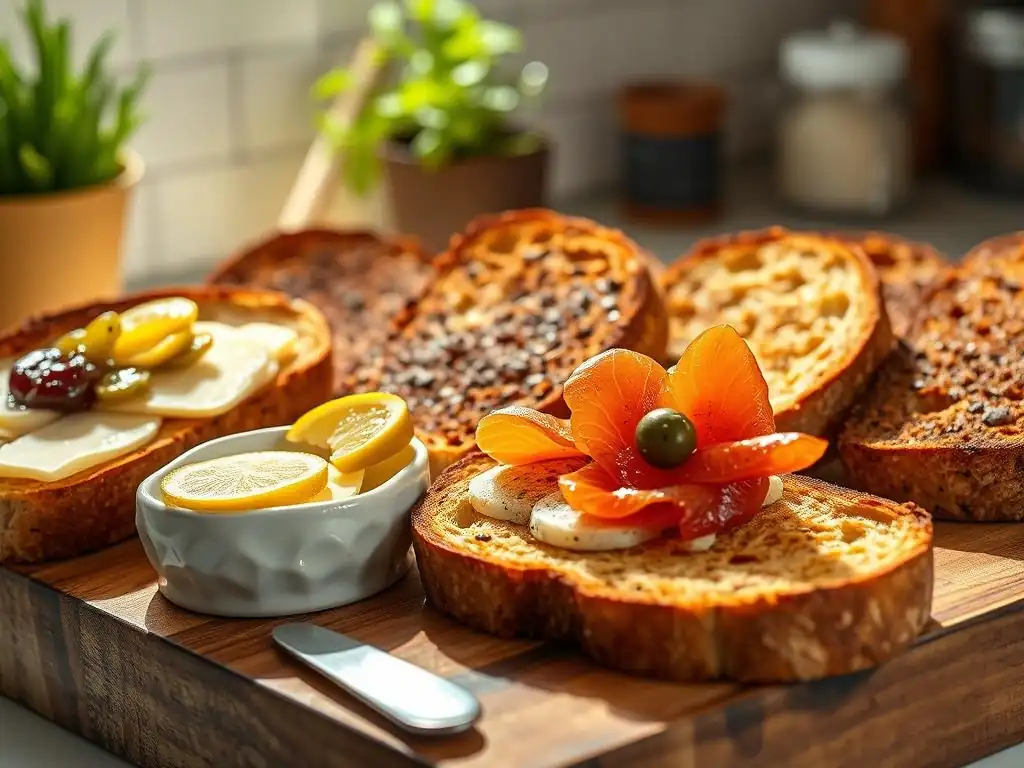
Toasted rye bread serves as a fantastic canvas for a wide array of toppings, both simple and elaborate. For a classic approach, a generous smear of good quality butter is hard to beat; the melting butter seeps into the warm, crispy toast, creating pure comfort. Cream cheese is another excellent choice, especially on tangier rye varieties, often enhanced with fresh dill, chives, or smoked paprika.
Beyond dairy, consider spreads like avocado, mashed or sliced, seasoned with salt, pepper, and maybe a squeeze of lemon. Hummus is a great savory option, possibly topped with roasted red peppers or olives. For something sweeter, try fruit preserves or a simple drizzle of honey, which pairs surprisingly well with the earthy notes of rye. Don't forget the classic deli toppings like thinly sliced pastrami, corned beef, or smoked salmon, often served with a dollop of mustard or cream cheese spread.
Rye Toast as a Base for Savory and Sweet Creations
The sturdy nature of toasted rye bread makes it an ideal base for open-faced sandwiches and other culinary creations. Its ability to hold up under various ingredients prevents sogginess, allowing the textures and flavors of the toppings to take center stage. For a savory option, consider a tartine-style creation with goat cheese, roasted vegetables, and a balsamic glaze. Another idea is a simple but satisfying spread of liver pâté or a rustic egg salad.
On the sweeter side, toasted rye can be paired with ricotta cheese and fresh berries, or even a thin layer of almond butter topped with sliced banana and a sprinkle of cinnamon. Its inherent depth of flavor means it can handle pairings that might overwhelm a lighter bread. Experiment with different flavor combinations – the slightly tangy profile of rye toast often complements both rich savory ingredients and bright, sweet ones.
Complementary Flavors That Pair Perfectly with Toasted Rye
Certain flavors seem almost tailor-made to be paired with toasted rye bread. The earthy, slightly sour notes of rye are wonderfully complemented by salty, cured, or smoked foods. Think smoked salmon, pickled herring, pastrami, or cured ham. The richness of these items is cut by the bread's tang.
Creamy textures and tangy flavors also work exceptionally well. Cream cheese, sour cream, yogurt-based spreads, and soft cheeses like goat cheese or brie provide a smooth counterpoint to the bread's crispness and flavor. Ingredients with a bit of acidity or sweetness, such as pickles, sauerkraut, caramelized onions, apples, or berries, can brighten and balance the rye's deeper notes. Don't forget the aromatic power of herbs like dill, chives, and parsley, or spices like caraway and coriander, which often echo flavors already present in the bread itself.
Storing Rye Bread to Maintain Toasting Quality
Proper Storage Techniques for Freshness
Storing rye bread correctly is essential to maintain its texture and flavor, ensuring it toasts well over time. Unlike many commercial loaves that contain preservatives, artisan rye breads are best kept at room temperature for the first day or two in a bread box or a paper bag. This allows the crust to remain crisp. For longer storage at room temperature (up to 3-4 days), transfer the loaf to a sealed plastic bag or an airtight container once it has completely cooled. This helps retain moisture and keeps the bread from drying out too quickly.
Avoid refrigerating rye bread if possible, as the cold temperature can accelerate staling, making the crumb dense and less pleasant for toasting. If you won't finish the loaf within a few days, freezing is the best option.
Preventing Staling: Tips for Keeping Rye Bread Toast-Ready
Staling is the process where the starch molecules in bread recrystallize, causing the bread to become hard and dry. Rye bread, particularly those with higher rye content, tends to stale more slowly than pure wheat breads due to differences in starch composition, but it still happens. Freezing is the most effective way to pause the staling process and keep your rye bread ready for toasting.
To freeze, slice the cooled loaf first (this makes it easy to grab just a few slices for toasting). Wrap the slices tightly in plastic wrap, then place the wrapped slices in a freezer-safe bag or container. Squeeze out as much air as possible to prevent freezer burn. Frozen rye bread slices can be toasted directly from the freezer, often requiring a slightly longer toasting time or a specific defrost/toast setting on your toaster. Stored properly in the freezer, rye bread can maintain its quality for toasting for up to 2-3 months.
Conclusion: The Ultimate Guide to Enjoying Rye Bread for Toasting
Re-emphasizing the Best Rye Bread Characteristics for Toast
Throughout this guide, we've explored why rye bread is a superior choice for toasting and what makes a loaf truly exceptional in this regard. The key characteristics to remember are a dense, substantial crumb structure that crisps without becoming brittle, high-quality ingredients that impart rich, complex flavors, and a well-developed crust that adds essential crunch. Whether it's a light rye with a gentle tang, a dark rye with deep earthy notes, dense pumpernickel, or visually appealing marble rye, the best rye bread for toasting stands up to heat and develops enhanced flavors and textures.
Finding your perfect rye bread for toasting might involve trying different types, exploring loaves from local bakeries known for their traditional methods, or even venturing into baking your own. Pay attention to the feel of the loaf, the ingredients list, and don't hesitate to ask bakers about their rye offerings.
Final Thoughts on Rye Toast Perfection
Toasting rye bread is more than just heating slices; it's an act that unlocks deeper flavors and creates a delightful textural contrast. By understanding the different types of rye, knowing what characteristics to look for, employing the right toasting techniques, and pairing your toast with complementary toppings, you can elevate a simple piece of bread into a truly satisfying culinary experience. Properly storing your rye bread ensures that every slice, from the first to the last, is ready to achieve toast perfection. So go forth, find your favorite rye loaf, and enjoy the wonderful world of toasted rye bread!
Frequently Asked Questions
What makes rye bread ideal for toasting?
Rye bread is often denser and has a robust flavor, which enhances the toasting experience. Its natural moisture content allows for a perfect crisp without becoming overly dry.
Can I use any type of rye bread for toasting?
Not all rye breads are created equal. For the best results, choose light or medium rye breads, as they tend to toast more evenly and have a pleasant texture.
How should I store rye bread for optimal freshness before toasting?
To maintain its freshness, store rye bread in a cool, dry place and consider wrapping it in paper rather than plastic. This helps prevent moisture buildup, which can affect the toasting quality.
What toppings work best with toasted rye bread?
Toasted rye bread pairs well with a variety of toppings. Popular choices include butter, cream cheese, and avocado, which complement its rich flavor profile beautifully.
Can I make my own rye bread for toasting?
Absolutely! Making your own rye bread allows you to customize the ingredients and flavors. Follow a simple recipe from BakeWithEase to create your perfect toasting bread.
Final Reflection: The Enduring Crunch of a Perfect Toast
The quest for the perfect rye toast is more than just a culinary pursuit; it's a reflection of our desire for simple pleasures and the comforting ritual of a well-made breakfast. The journey through various rye breads, from dense pumpernickel to lighter, more subtly flavored varieties, highlighted the surprising diversity within this seemingly simple category. Ultimately, the best rye for toasting depends on individual preference, but the process of discovery itself is rewarding.
The impact of a good piece of toast, especially when made with a superior rye, transcends the simple act of eating. It's a connection to tradition, a moment of quiet contemplation, and a reminder of the small joys that enrich our lives. Bread is the staff of life,
a common saying reminds us, and the perfect slice of toasted rye elevates this staff to something truly special. This exploration has shown me the importance of appreciating the nuances of seemingly ordinary things, and the satisfaction found in the careful selection of ingredients.
Now, I invite you to embark on your own rye toast journey. Don't be afraid to experiment, to try different varieties, and to discover your own perfect slice. Consider the texture, the flavor, the way the crust gives way to a soft interior. The next time you reach for a piece of rye bread, remember the journey we've taken together, and savor the simple pleasure of a perfectly toasted slice. Let the crunch be a reminder of the small, delicious moments that make life worth living.
Unleash Your Inner Toastmaster!
Thanks for joining us on this delicious journey through the world of rye bread! We hope you now feel confident in choosing the perfect loaf for your next toasty treat. Ready to elevate your breakfast game?
- Find your perfect rye: Use our tips to experiment with different types of rye bread and discover your new favorite.
- Share your toasty triumphs: Show us your perfectly toasted rye creations on social media using #BakeWithEaseRye!
- Discover more baking adventures: Explore our other articles for more delicious bread recipes and baking tips!
What's your go-to topping for perfectly toasted rye bread? Let us know in the comments below!