
Using Different Thickeners in Cream Pies: Cornstarch vs. Flour

Welcome to BakeWithEase, your trusted companion on your baking journey! Ever wondered about the secret to achieving that perfectly set cream pie? Dive into our latest exploration of Cornstarch vs. Flour as thickeners and uncover the nuances that separate a wobbly mess from a slice of creamy perfection. Discover the subtle differences and master the art of achieving the ideal texture in all your pastry creations. Ready to unlock the secrets? Let's get baking!
- Cornstarch vs. Flour in Cream Pies: Which Thickener is Best?
- Introduction: Achieving the Perfect Cream Pie Consistency
- Understanding Cream Pie Thickeners: The Basics
- Cornstarch in Cream Pies: A Deep Dive
- Flour in Cream Pies: A Classic Choice
- Cornstarch vs. Flour: A Direct Comparison for Cream Pie Filling
- Troubleshooting Cream Pie Filling: Common Problems and Solutions
- Recipes Using Cornstarch and Flour in Cream Pies
- Tips for Baking the Perfect Cream Pie Every Time
- Conclusion: Choosing the Right Thickener for Your Cream Pie
-
Frequently Asked Questions
- What is the main difference between using cornstarch and flour to thicken cream pies?
- When should I use cornstarch over flour for a cream pie filling?
- Can I substitute cornstarch for flour in a cream pie recipe, and if so, what's the conversion?
- Why does flour sometimes leave a "floury" taste in cream pie fillings?
- Are there any disadvantages to using cornstarch as a thickener in cream pies?
- Final Reflection: The Creamy Verdict: Choosing the Perfect Thickener
- Unlock Your Cream Pie Potential!
Cornstarch vs. Flour in Cream Pies: Which Thickener is Best?
Introduction: Achieving the Perfect Cream Pie Consistency
Creating a truly memorable cream pie hinges on many factors, but one stands out as absolutely crucial: the filling's texture. A perfectly smooth, luscious, and well-set filling is the hallmark of a great cream pie, whether it's a classic vanilla, rich chocolate, or vibrant fruit cream. Get the consistency wrong, and you might end up with a runny mess or a thick, gummy paste, neither of which is particularly appealing.
Achieving this ideal texture requires understanding the role of thickeners. For generations, home bakers and professional pastry chefs alike have relied primarily on two common pantry staples for thickening their cream pie fillings: cornstarch and flour. Both are effective starch-based thickeners, but they behave differently when heated with liquids, leading to distinct results in the final pie. Deciding which one to use, or even if a combination is best, is a key decision that impacts the texture, appearance, and even the flavor of your finished cream pie.
Understanding Cream Pie Thickeners: The Basics
What Makes a Great Cream Pie Filling? Texture and Stability
A stellar cream pie filling should be smooth, creamy, and hold its shape when sliced, but still yield easily to a fork. It shouldn't weep or separate after cooling, and it certainly shouldn't feel gluey or pasty in your mouth. Think of a classic French silk pie or a perfect lemon meringue pie filling – they have a delightful mouthfeel and structural integrity.
The desired texture is often described as "velvety" or "silky," indicating a lack of graininess and a pleasant richness. Stability is also key; the filling needs to set firmly enough to support toppings and allow for clean slices without collapsing.
Beyond texture, the filling must also complement the crust and any other components, like meringue or whipped cream. An overly stiff filling can overpower a delicate crust, while a runny one can make the entire pie soggy. The goal is a harmonious balance where the filling is the star, providing a rich, flavorful core that holds its form elegantly. The choice between cornstarch vs flour cream pie thickeners significantly influences whether you achieve this desired outcome.
The Role of Thickeners: Cornstarch and Flour Explained
Thickeners like cornstarch and flour work by absorbing liquid and swelling when heated, creating a network that traps water molecules and increases viscosity. Both are starches derived from plants, but their molecular structures differ, leading to variations in how they gelatinize and perform in a recipe. When starch granules are heated in a liquid, they begin to swell and soften. As the temperature increases, typically above 140°F (60°C) for cornstarch and slightly higher for flour, the granules burst, releasing starch molecules that form a matrix, thus thickening the liquid.
The primary function of these thickeners in cream pies is to transform a liquid mixture (often milk, cream, eggs, sugar, and flavorings) into a solid or semi-solid filling that can be portioned. Without a thickener, the filling would remain a sauce-like consistency, unsuitable for a pie. The specific amount and type of thickener used are critical variables that dictate the final firmness and mouthfeel of the filling, directly impacting the success of your cream pie.
Cornstarch in Cream Pies: A Deep Dive
How Cornstarch Works as a Thickener
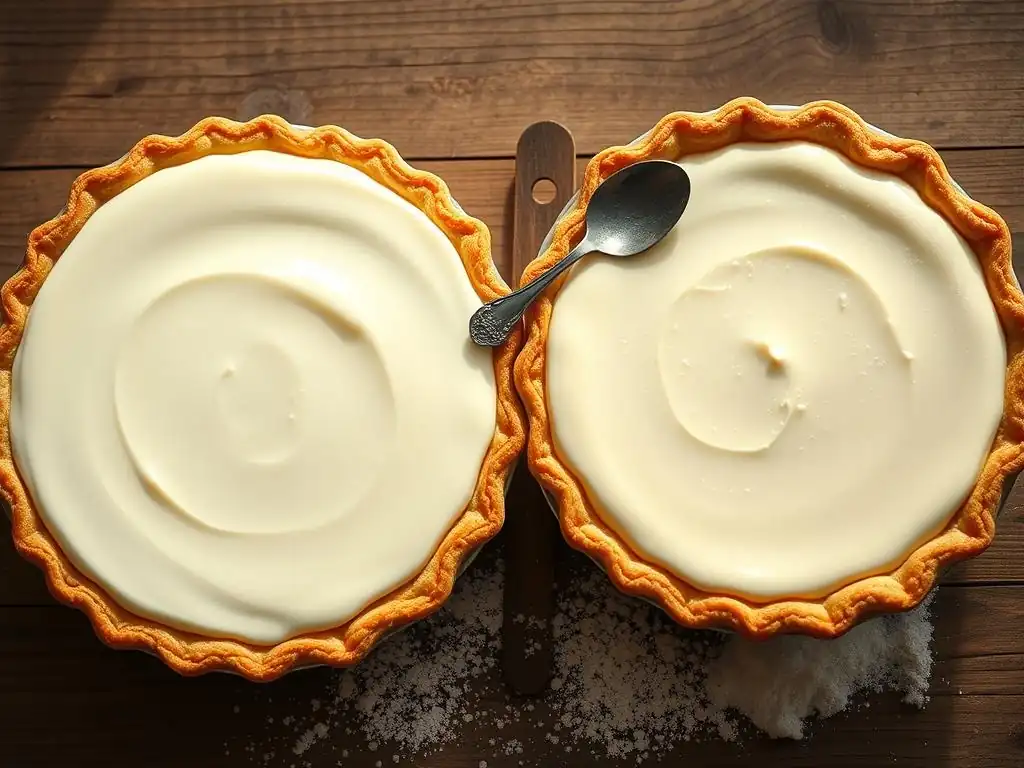
Cornstarch is a pure starch extracted from the endosperm of corn kernels. When heated in a liquid, its starch granules swell and burst, releasing amylose and amylopectin molecules. These molecules form strong bonds, creating a very viscous, almost gel-like structure. Cornstarch begins to thicken at a relatively low temperature, around 140°F (60°C), and reaches its maximum thickening power near boiling point. It's essential to bring a cornstarch-thickened mixture to a full boil and simmer it briefly (usually 30-60 seconds) to ensure the starch is fully gelatinized and activated.
Unlike flour, cornstarch provides thickening without adding gluten, which is beneficial for those with gluten sensitivities, though it doesn't impact the texture of the filling itself in the same way gluten affects dough. Its thickening power is roughly twice that of flour, meaning you need about half the amount of cornstarch to achieve the same level of thickness as flour. This potency contributes to its popularity for fillings where a very firm set is desired.
Advantages of Using Cornstarch for Cream Pie Filling
Clear and Glossy Texture
One of the most appealing characteristics of cornstarch as a thickener is the beautiful clarity and gloss it imparts to fillings. Think of a bright lemon filling or a vibrant fruit pie; cornstarch allows the natural color of the ingredients to shine through, resulting in a visually appealing, almost translucent appearance. This glossy sheen is often preferred for fruit fillings and certain cream pies like coconut cream pie, giving them a professional, polished look.
This clear finish is particularly desirable when the aesthetic of the filling is important. For instance, a pastry cream made with cornstarch often has a lovely, almost shimmering quality that enhances its richness. When comparing cornstarch vs flour cream fillings, the visual difference in clarity is usually the most striking initial observation.
Stronger Thickening Power
As mentioned earlier, cornstarch is a significantly more potent thickener than flour, requiring less volume to achieve a desired consistency. A common ratio might be using just 2-3 tablespoons of cornstarch to thicken 3-4 cups of liquid for a pie filling, whereas flour might require 4-6 tablespoons for a similar result. This higher thickening power means you can achieve a firm set without incorporating a large amount of starch, which can sometimes dilute flavor.
This efficiency makes cornstarch an excellent choice for fillings that need to be quite firm, such as those that support a heavy meringue topping or require clean slicing. The ability to create a robust structure with less product is a key advantage, allowing the primary flavors of the cream pie to remain prominent.
Enhances Fruit Flavors
Because cornstarch is a relatively pure starch and doesn't contain proteins or fats like flour does, it tends to have a more neutral flavor profile. This neutrality makes it particularly effective in fruit fillings or cream pies where delicate flavors are paramount. It thickens the liquid without imparting any discernible starchy or "floury" taste, allowing the natural sweetness and tang of fruits or the subtle notes of vanilla or coconut to come through clearly.
This characteristic is why cornstarch is often the preferred thickener for fillings like lemon, berry, or even a light vanilla cream pie. It ensures that the vibrant, fresh taste of the main ingredients is the dominant flavor experience, making it a superior choice for fillings where flavor purity is key.
Disadvantages of Using Cornstarch
Can Become Slimy if Overcooked
While powerful, cornstarch is also sensitive to prolonged heating. If a cornstarch-thickened mixture is boiled vigorously or for too long after it has thickened, the starch molecules can break down. This breakdown leads to a loss of thickening power and can result in a filling with an unpleasantly slimy or stringy texture. This is particularly true if the mixture contains acidic ingredients, which can accelerate the breakdown of the starch.
It's crucial to cook cornstarch fillings just until they reach a boil and thicken, then simmer briefly (30-60 seconds is often sufficient) before removing from the heat. Overcooking is a common pitfall when using cornstarch, leading to a texture that is far from the desired smooth creaminess.
Requires Proper Hydration to Prevent Lumps
Cornstarch granules have a tendency to clump together when added directly to hot liquid, forming pockets of dry starch that are difficult to break down. To prevent a lumpy filling, cornstarch must first be dispersed in a cold liquid – typically water, milk, or part of the recipe's liquid – to form a smooth slurry before being whisked into the hot mixture. A common ratio for a slurry is equal parts cornstarch and cold liquid.
Failing to create a proper slurry, or adding the slurry too quickly to a boiling liquid, can result in unincorporated starch lumps, leading to an uneven and unpleasant texture in the finished pie filling. This extra step is necessary for success when working with cornstarch compared to flour cream fillings, which are slightly more forgiving in this regard.
Flour in Cream Pies: A Classic Choice
How Flour Works as a Thickener
Flour, typically all-purpose wheat flour in baking, contains not only starch but also proteins (gluten) and some fat. Like cornstarch, the starch granules in flour absorb liquid and swell when heated. However, the presence of gluten and other components affects its thickening properties. Flour requires a slightly higher temperature than cornstarch to reach its full thickening potential, usually needing to simmer for at least 1-2 minutes at a gentle boil to cook out the raw starch taste and allow the gluten structure to relax.
The thickening power of flour is less potent than cornstarch, generally requiring about twice the amount by volume. The gluten in flour can contribute a certain structure, but in a liquid filling, its primary role is not to build a strong network like in bread dough. Instead, the starch is the main thickener. Understanding how flour behaves is key to using it effectively when considering cornstarch vs flour cream fillings.
Advantages of Using Flour for Cream Pie Filling
Provides a Creamy, Less Glossy Texture
Fillings thickened with flour tend to have a softer, more opaque appearance and a distinctly creamy mouthfeel compared to the clear, glossy finish of cornstarch-thickened fillings. The presence of proteins and other components in flour contributes to this cloudy look and velvety texture. This can be desirable for certain types of cream pies, such as a classic vanilla or chocolate cream, where a rich, opaque appearance is traditional.
The slightly less firm set provided by flour also often results in a filling that feels less "gelatinous" and more smoothly integrated, which some bakers prefer for its classic, comforting quality. This textural difference is a major point of comparison when evaluating cornstarch vs flour cream options.
More Forgiving During Cooking
One of the key benefits of using flour is its tolerance for longer cooking times. Unlike cornstarch, which can break down and become slimy if overcooked, flour-thickened mixtures can simmer for a few minutes longer without significant loss of thickening power or textural degradation. This makes it a bit more forgiving for novice bakers or recipes that require a longer cooking time to develop flavor or ensure ingredients like eggs are fully cooked.
While you still need to cook flour-thickened fillings long enough to eliminate the raw starch taste (typically 1-2 minutes of simmering), the risk of ruining the texture through slight overcooking is lower than with cornstarch. This makes flour a reliable choice for many standard cream pie recipes.
Adds a Nutty Flavor
Flour, especially all-purpose flour, has a subtle, slightly nutty or wheaty flavor profile due to its composition. When cooked into a filling, this flavor can add a layer of depth and complexity that complements certain ingredients, particularly butterscotch, chocolate, or even a classic vanilla bean. While subtle, this inherent flavor is a distinction when comparing cornstarch vs flour cream recipes.
Some bakers find this slight "floury" note desirable, contributing to the traditional taste of classic cream pies. It's less neutral than cornstarch, which means it might not be ideal for delicate fruit flavors but can enhance richer, more robust fillings.
Disadvantages of Using Flour
Can Result in a Cloudy or Dull Appearance
As mentioned earlier, flour-thickened fillings are typically opaque and can sometimes appear a bit dull or cloudy compared to the sparkling clarity of cornstarch. This isn't necessarily a disadvantage for all pies – it's traditional for many – but if you're aiming for a vibrant, transparent filling (like a lemon curd or fruit glaze), flour is not the best choice. The proteins and other non-starch components in the flour contribute to this cloudiness.
This visual difference means that while flour works well for hiding imperfections or creating a traditional look in fillings like chocolate or vanilla cream, it won't showcase bright colors as effectively as cornstarch.
Weaker Thickening Power Compared to Cornstarch
To achieve a similar level of firmness as cornstarch, you typically need to use about twice the amount of flour. This means incorporating more bulk into the filling, which can sometimes slightly dilute the primary flavors or result in a filling that feels heavier. For instance, a recipe calling for 3 tablespoons of cornstarch might require 6 tablespoons of flour for a comparable set.
This weaker thickening power means that achieving a very firm, sliceable filling might be more challenging with flour alone, potentially requiring longer cooking or a higher ratio of thickener, which could impact texture and flavor.
Requires Longer Cooking Time to Eliminate Starch Taste
A significant drawback of using flour is the necessity of cooking it thoroughly to eliminate the raw starch taste. If a flour-thickened filling is not simmered for at least 1-2 minutes after thickening, it can leave an unpleasant, pasty, or raw flour flavor. This contrasts with cornstarch, which develops minimal off-flavor when properly cooked.
Ensuring the flour is fully cooked requires bringing the mixture to a boil and maintaining a gentle simmer for the specified time, often whisking constantly. This adds a few extra minutes to the cooking process and requires careful attention to avoid scorching the bottom of the pan.
Cornstarch vs. Flour: A Direct Comparison for Cream Pie Filling
Thickening Power: A Side-by-Side Analysis
When comparing cornstarch vs flour cream thickeners purely on potency, cornstarch is the clear winner. As a general rule of thumb, 1 tablespoon of cornstarch provides roughly the same thickening power as 2 tablespoons of all-purpose flour. This means that for a given volume of liquid, you need significantly less cornstarch to achieve the desired thickness.
For example, to thicken 4 cups of milk for a standard cream pie filling, you might use 3-4 tablespoons of cornstarch for a firm set, while you would likely need 6-8 tablespoons of flour to get a similar result. This difference in required quantity impacts not only cost but also the potential for the thickener itself to affect the overall flavor and texture profile of the finished pie.
Texture and Appearance: Achieving the Desired Look
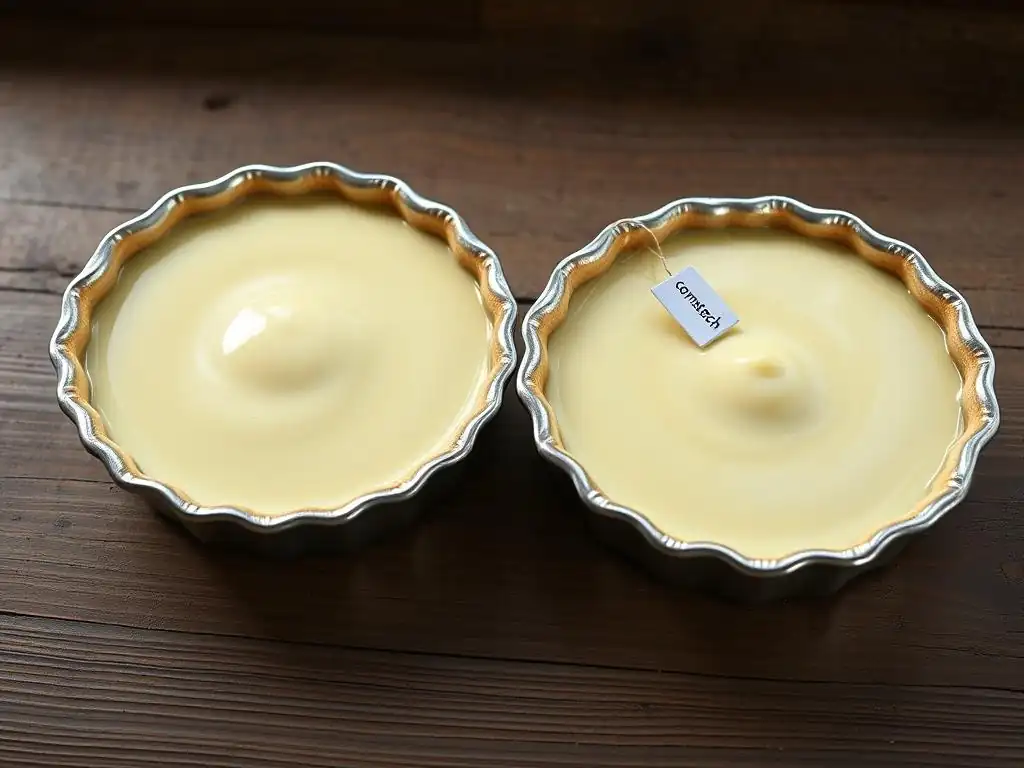
The textural and visual outcomes are perhaps the most noticeable differences when using cornstarch vs flour cream fillings. Cornstarch yields a clear, almost translucent, and glossy filling with a texture that can range from softly set to quite firm and gel-like. It's excellent for showcasing vibrant colors.
Flour, on the other hand, produces an opaque, creamy, and often duller-looking filling. Its texture is typically softer and less gel-like, often described as velvety or pudding-like. The choice here depends entirely on the desired aesthetic and mouthfeel for your specific cream pie. A lemon meringue pie usually benefits from cornstarch's clarity, while a traditional chocolate cream pie might be better suited to flour's opaque creaminess.
Flavor Impact: How Each Thickener Affects the Taste
The impact on flavor is another critical distinction between cornstarch vs flour cream thickeners. Cornstarch is relatively flavor-neutral, allowing the primary ingredients (fruit, chocolate, vanilla) to dominate. This makes it ideal for delicate or brightly flavored fillings.
Flour has a subtle, inherent starchy or wheaty flavor that, while usually mild, can be noticeable if not cooked out properly. This flavor can complement richer fillings like butterscotch or chocolate, but might detract from lighter flavors like lemon or coconut. The required longer cooking time for flour is partly to mitigate this starchy taste.
Cooking Technique: Important Considerations for Success
The cooking process differs slightly depending on the thickener used. Both require whisking into a liquid and heating, but the crucial stages vary.
- Cornstarch: Must be mixed into a cold liquid first to form a slurry. The mixture should be brought to a boil and simmered for only about 30-60 seconds after thickening occurs to ensure full gelatinization without breaking down the starch. It thickens quickly once hot.
- Flour: Can sometimes be whisked directly into a warm liquid (like melted butter and sugar to make a roux before adding milk), or mixed with a cold liquid. It requires bringing the mixture to a full boil and simmering for at least 1-2 minutes to cook out the raw starch flavor and achieve full thickening. It thickens more gradually than cornstarch.
Understanding these nuances is vital for preventing common issues like lumps, raw starch taste, or a broken, slimy texture, ensuring a successful outcome whether you choose cornstarch vs flour cream pies.
Troubleshooting Cream Pie Filling: Common Problems and Solutions
Lumpy Filling: How to Avoid and Fix It
Lumpy filling is a common frustration, often resulting from starch granules clumping together instead of dispersing evenly. This is particularly prevalent with cornstarch if not properly hydrated first.
- Avoidance: Always create a smooth slurry with cold liquid before adding cornstarch to a hot mixture. For flour, whisking it thoroughly with sugar or fat before adding liquid, or creating a thin slurry, helps. Ensure you whisk continuously as you add the thickener to the hot liquid.
- Fixing: If you end up with a lumpy filling, don't despair! You can often save it by straining the cooked filling through a fine-mesh sieve while it's still hot. This will capture the lumps and leave you with a smooth mixture. For very stubborn lumps, a brief whizz with an immersion blender might work, but straining is generally safer for texture.
Here's a simple task list for preventing lumps:
- [ ] Combine thickener (cornstarch or flour) with sugar before adding any liquid, if the recipe allows.
- [ ] If using cornstarch, always mix it with an equal amount of cold liquid to form a smooth slurry.
- [ ] Gradually whisk the thickener mixture into the hot liquid, whisking constantly.
- [ ] Continue whisking throughout the cooking process, paying attention to the bottom edges of the pan.
Runny Filling: Achieving the Right Consistency
A runny filling means the thickener didn't activate properly or wasn't used in sufficient quantity. This can happen if the mixture didn't reach a high enough temperature or wasn't cooked for long enough.
- Cause: Not reaching boiling point (especially crucial for cornstarch), not simmering long enough (critical for flour to cook out starch and thicken), or using too little thickener for the volume of liquid. Acidic ingredients can also weaken cornstarch if cooked too long.
- Fixing: It's tricky to thicken a filling once it's cooled in the pie shell. The best approach is to catch it while it's still hot in the saucepan. If it seems too thin after reaching the required temperature and cooking time, you can make a small slurry of additional thickener (e.g., 1-2 tsp cornstarch or 2-4 tsp flour mixed with cold liquid) and whisk it into the simmering filling. Cook for another minute or two until it thickens further. Be cautious not to add too much extra thickener at once.
Remember that fillings thicken significantly as they cool. What seems slightly thin when hot might be perfect once chilled. However, if it's still watery when hot, it won't set properly.
Starch Taste: Eliminating Unwanted Flavors
A raw, unpleasant starch taste is almost always a sign that the thickener, particularly flour, was not cooked for long enough.
- Cause: Insufficient cooking time, especially simmering time, after the filling has thickened. This is more common with flour, which requires at least 1-2 minutes of gentle boiling/simmering to cook out the starches.
- Fixing: If you realize your filling has a starch taste while it's still hot in the pan, return it to the heat and simmer, whisking constantly, for an additional minute or two. If the filling is already in the pie shell and cooled, there is unfortunately no way to remove the raw starch taste. This highlights the importance of cooking the filling correctly the first time.
Always bring your filling to a full boil (or at least a very strong simmer, depending on the recipe) and cook for the recommended time after it thickens to ensure optimal texture and flavor development.
Recipes Using Cornstarch and Flour in Cream Pies
Coconut Cream Pie Recipe Using Cornstarch
This recipe yields a classic, smooth, and glossy coconut cream filling.
Ingredients
1 1/2 cups granulated sugar
1/2 cup cornstarch
1/2 teaspoon salt
4 cups whole milk
4 large egg yolks, lightly beaten
1/4 cup unsalted butter, cut into pieces
1 teaspoon vanilla extract
1 1/2 cups sweetened shredded coconut
1 baked 9-inch pie crust
Whipped cream, for topping
Toasted coconut flakes, for garnish (optional)
Instructions
- In a medium saucepan, whisk together the sugar, cornstarch, and salt.
- In a separate bowl, whisk together the milk and egg yolks.
- Gradually whisk the milk mixture into the dry ingredients in the saucepan until smooth.
- Cook the mixture over medium heat, whisking constantly, until it thickens significantly and comes to a boil.
- Once boiling, continue to whisk and simmer gently for 1 minute to ensure the cornstarch is fully cooked and activated.
- Remove from heat. Whisk in the butter and vanilla extract until the butter is melted and fully incorporated.
- Stir in the shredded coconut.
- Pour the hot filling into the baked pie crust.
- Press plastic wrap directly onto the surface of the filling to prevent a skin from forming.
- Refrigerate for at least 4 hours, or preferably until fully set.
- Top with whipped cream and toasted coconut before serving.
Butterscotch Cream Pie Recipe Using Flour
This recipe provides a rich, opaque, and creamy butterscotch filling, classic for flour-thickened pies.
Ingredients
1 cup packed light brown sugar
1/2 cup all-purpose flour
1/4 teaspoon salt
3 cups whole milk
2 large egg yolks, lightly beaten
1/4 cup unsalted butter, cut into pieces
1 teaspoon vanilla extract
1 baked 9-inch pie crust
Whipped cream, for topping
Caramel sauce, for garnish (optional)
Instructions
- In a medium saucepan, whisk together the brown sugar, flour, and salt.
- Gradually whisk in the milk until smooth.
- Cook the mixture over medium heat, whisking constantly, until it thickens significantly and comes to a boil.
- Once boiling, continue to whisk and simmer gently for 2 minutes to cook out the flour taste.
- Remove from heat. Whisk a small amount of the hot filling into the beaten egg yolks to temper them, then whisk the tempered yolks back into the saucepan.
- Return the saucepan to low heat and cook, whisking constantly, for 1 minute more, ensuring the eggs are cooked without scrambling. Do not boil after adding the egg yolks.
- Remove from heat. Whisk in the butter and vanilla extract until the butter is melted and fully incorporated.
- Pour the hot filling into the baked pie crust.
- Press plastic wrap directly onto the surface of the filling.
- Refrigerate for at least 4 hours, or preferably until fully set.
- Top with whipped cream and caramel sauce before serving.
Tips for Baking the Perfect Cream Pie Every Time
Pre-Baking the Crust: Preventing a Soggy Bottom
A common enemy of cream pies is a soggy bottom crust, which happens when the wet filling is poured into an uncooked or undercooked pastry shell. Pre-baking, or "blind baking," the crust creates a barrier and ensures a crisp foundation for your filling. This involves partially or fully baking the empty pie shell before adding the filling.
To blind bake, line the raw pie shell with parchment paper or foil, fill it with pie weights, dried beans, or rice, and bake at around 375-400°F (190-200°C) until the edges are set (partial bake) or golden brown (full bake). Remove the weights and lining for the last few minutes of baking to allow the bottom to crisp up. A fully baked crust is often preferred for fillings that aren't baked in the crust, like most cream pies.
Cooling the Filling: Allowing it to Set Properly
Patience is key when it comes to cream pie fillings. While they thicken on the stovetop, they achieve their final set as they cool, particularly during refrigeration. Rushing this step can result in a runny or unstable pie.
Allow the hot filling to cool slightly at room temperature for 15-20 minutes before pouring it into the baked crust. Once in the crust, cover the surface directly with plastic wrap (this prevents a skin) and refrigerate for the minimum time specified in the recipe, typically at least 4 hours, but overnight is often best for a truly firm set. The chilling process allows the starch molecules to fully gel and firm up the filling.
Whipped Cream Topping: The Finishing Touch
A generous layer of freshly whipped cream is the classic crowning glory for most cream pies, adding lightness, richness, and visual appeal. Use cold heavy cream and whip it with a bit of sugar (confectioners' sugar dissolves easily) and vanilla extract until medium or stiff peaks form, depending on your preference.
Add the whipped cream just before serving to prevent it from deflating or weeping. You can spread it smoothly, swirl it decoratively with a spoon, or pipe it using a pastry bag. For extra flair, garnish with chocolate shavings, toasted nuts, or fruit that complements the filling. This final touch elevates the simple cream pie into a truly decadent dessert.
Conclusion: Choosing the Right Thickener for Your Cream Pie
Recommendation: Consider the Pie and Your Preference
Ultimately, the choice between cornstarch vs flour cream pie thickeners depends on the specific type of pie you're making and your desired outcome. Both are effective, but they offer different characteristics.
- Choose cornstarch for fillings where you want a clear, glossy appearance, a very firm set, and a neutral flavor that lets other ingredients shine (e.g., lemon, fruit, very light vanilla or coconut cream). Be mindful of overcooking and lump prevention.
- Choose flour for fillings where an opaque, creamy texture is desired, a slightly softer set is acceptable, and a subtle underlying flavor is complementary (e.g., traditional vanilla, chocolate, butterscotch). Ensure adequate simmering time to cook out the raw starch taste.
Many recipes even combine cornstarch and flour to leverage the benefits of both – the thickening power of cornstarch with the smooth texture and forgiveness of flour. Experimentation is part of the fun in baking! Understanding the nuances of cornstarch vs flour cream fillings empowers you to select the best thickener, or combination, for your perfect cream pie masterpiece.
Frequently Asked Questions
What is the main difference between using cornstarch and flour to thicken cream pies?
The main difference lies in their thickening power and clarity of the filling. Cornstarch produces a clearer, glossier filling, while flour can result in a slightly cloudy appearance.
When should I use cornstarch over flour for a cream pie filling?
Cornstarch is generally preferred when you want a shiny, translucent filling and are using ingredients with delicate flavors that you don't want masked by the taste of flour.
Can I substitute cornstarch for flour in a cream pie recipe, and if so, what's the conversion?
Yes, you can substitute, but use less cornstarch. A good rule of thumb is to use half the amount of cornstarch as you would flour to achieve similar thickening.
Why does flour sometimes leave a "floury" taste in cream pie fillings?
Flour needs to be cooked thoroughly to eliminate its raw taste. Insufficient cooking time can leave a lingering "floury" aftertaste in the finished cream pie.
Are there any disadvantages to using cornstarch as a thickener in cream pies?
While cornstarch provides a lovely texture, it can become thin if overcooked or exposed to acidic ingredients. It also doesn't hold up as well as flour to prolonged heat.
Final Reflection: The Creamy Verdict: Choosing the Perfect Thickener
The quest for the perfect creamy pie filling is a timeless pursuit, and the choice between cornstarch and flour plays a pivotal role in achieving that velvety, luscious texture. Understanding the nuances of each thickener, as explored in this article, isn't just about baking a better pie; it's about mastering a fundamental culinary skill applicable to countless recipes.
This exploration into the world of pie-thickening has not only improved my own baking but has also highlighted the rich history and cultural significance embedded in seemingly simple culinary choices. The subtle differences in texture and taste, often overlooked, speak volumes about the dedication and artistry involved in creating truly exceptional food. The proof of the pudding is in the eating,
as the old saying goes, and the same holds true for the creamy heart of a perfect pie. The subtle differences between cornstarch and flour, once understood, elevate the entire baking experience.
Now, it's your turn. Consider the next time you reach for a recipe calling for a thickened cream filling – will you blindly follow the instructions, or will you consciously choose the thickener that best suits your desired texture and flavor profile? Embrace the knowledge gained, experiment with both cornstarch and flour, and discover the joy of creating a pie that is not only delicious but also a testament to your culinary exploration. The perfect pie awaits – your perfect pie.
Unlock Your Cream Pie Potential!
Thanks for diving into the world of creamy pie perfection with us! You've just learned the secrets to achieving the ideal texture using cornstarch and flour – now it's time to put your knowledge into action.
- Bake your dream pie! Choose your favorite recipe and experiment with either cornstarch or flour – noticing the subtle differences in texture and taste. Don't be afraid to get creative!
- Share your creation! Post a picture of your masterpiece on social media and tag us @BakeWithEase – we’d love to see your results!
- Challenge yourself: Try a recipe that normally uses one thickener and substitute the other. Note down your observations and share them in the comments below.
What surprising texture differences did you discover between cornstarch and flour in your cream pie experiments?