
The Secret to Fluffy Chinese Steamed Buns (Sweet Version)

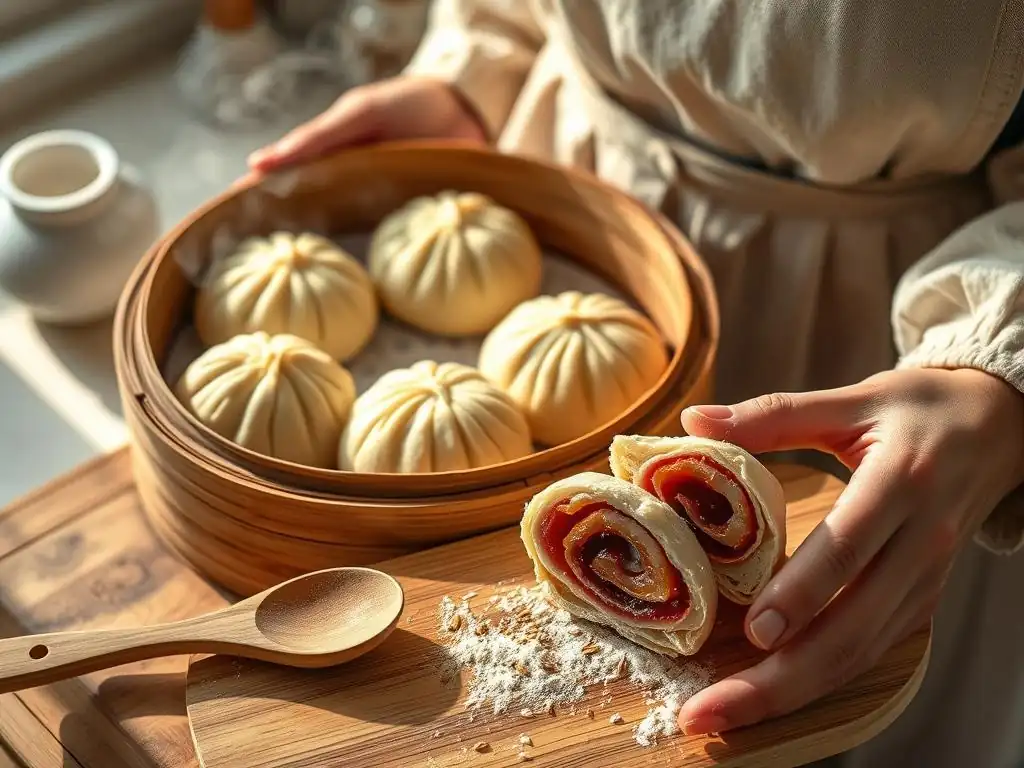
Welcome to BakeWithEase, your trusted companion in the delightful world of baking! Curious about achieving that perfect, cloud-like texture in your Fluffy Chinese Steamed Buns? Unlock the secrets to this beloved Asian treat, adapted for the home baker, and discover a sweet variation that will tantalize your taste buds. Prepare to embark on a culinary adventure where simplicity meets deliciousness – are you ready to create your own pillowy-soft steamed buns?
- Introduction: Discovering the Joy of Fluffy Steamed Buns
- Essential Ingredients for Sweet Steamed Buns
- Crafting the Dough: Achieving Ultimate Fluffiness
- Filling Your Sweet Steamed Buns
- Shaping and Proofing: The Art of the Bun
- Steaming Your Way to Perfection
- Tips and Tricks for Fluffy Success
- Sweet Fluffy Chinese Steamed Buns Recipe: Step-by-Step
- Conclusion: Enjoy Your Homemade Fluffy Chinese Steamed Buns!
-
Frequently Asked Questions
- How do I ensure my Chinese steamed buns are truly fluffy?
- What is the best type of flour to use for a fluffy Chinese steamed buns recipe?
- What is the secret to preventing my buns from collapsing after steaming?
- Can I use different fillings besides a sweet version?
- How important is kneading in achieving the right texture for steamed buns?
- Final Reflection: The Enduring Allure of the Perfect Bao
- Unlock the Fluffiest Buns: Your Steaming Journey Starts Now!
Introduction: Discovering the Joy of Fluffy Steamed Buns
What Makes Chinese Steamed Buns So Beloved?
Chinese steamed buns, known as baozi (包子) in Mandarin, are a staple across China and much of Asia, cherished for their soft, pillowy texture and versatility. While savory fillings like pork or vegetables are common, the sweet versions hold a special place, often enjoyed as a snack, breakfast item, or dessert. Their appeal lies in the delightful contrast between the slightly sweet, tender dough and the often rich, flavorful filling. The process of steaming, rather than baking, gives them their unique, cloud-like softness, a texture highly prized in Asian baking.
The history of steamed buns dates back centuries, with legends attributing their invention to the strategist Zhuge Liang during the Three Kingdoms period (220-280 AD). Over time, countless regional variations developed, adapting to local ingredients and tastes. The sweet versions often feature fillings like red bean paste, lotus seed paste, or even sweet custard, each offering a distinct flavor profile that pairs wonderfully with the fluffy, slightly chewy dough. Mastering the technique for these fluffy Chinese steamed buns is a rewarding endeavor for any home baker.
Why Master the Fluffy Chinese Steamed Buns Recipe at Home?
Creating fluffy Chinese steamed buns at home offers immense satisfaction and control over ingredients and quality. Store-bought versions, while convenient, can sometimes lack the desired freshness, texture, or sweetness level. By following a reliable fluffy Chinese steamed buns recipe, you can ensure your buns are incredibly soft, perfectly proofed, and filled exactly to your liking. It’s also a fantastic way to explore a different facet of baking that doesn't rely on ovens, utilizing steam for a uniquely tender result.
Furthermore, making these sweet steamed buns at home allows for experimentation with different fillings. You can adjust the sweetness, add flavors like pandan or matcha to the dough, or even incorporate small pieces of fruit. It's a skill that, once learned, opens up a world of delicious possibilities, bringing a taste of authentic Asian bakeries right into your kitchen. The process itself, from mixing the dough to watching the buns expand in the steamer, is quite therapeutic and enjoyable.
Essential Ingredients for Sweet Steamed Buns
The Role of Flour and Leavening Agents
The foundation of a fluffy Chinese steamed bun is the dough, and the choice of flour is paramount. Typically, a low-protein flour, such as bleached all-purpose flour or a specific "baozi flour" (if available), is preferred. Low-protein flour results in a softer, whiter bun with less chew compared to high-protein bread flour. Bleached flour often yields a whiter bun, which is aesthetically desirable for many traditional baozi. Using approximately 250-300 grams of this type of flour is a good starting point for a batch of about 10-12 medium-sized buns.
Leavening is key to achieving that coveted fluffiness. Instant dry yeast is commonly used for its reliability and ease, requiring no proofing beforehand. A typical amount might be around 5-7 grams (or about 2 teaspoons) per 250-300 grams of flour. Baking powder is also frequently included alongside yeast in many fluffy Chinese steamed buns recipes. Its role is to provide an extra lift during the steaming process, ensuring a truly light and airy texture. Adding about 3-5 grams (or 1 teaspoon) of baking powder to the dry ingredients gives that extra boost.
Sweeteners and Flavorings for the Perfect Taste
While the filling provides the primary sweetness, the dough itself often contains a small amount of sugar, which not only adds a subtle sweetness but also aids the yeast activity and contributes to a softer crumb. Granulated sugar is standard, typically used in amounts ranging from 20 to 40 grams per 250-300 grams of flour, depending on how sweet you want the dough itself to be. Some recipes might also use a touch of oil (like vegetable or corn oil), around 10-15 ml, to further tenderize the dough.
For sweet steamed buns, the filling is where the main flavor comes in. Classic options include red bean paste (anko), a sweet paste made from adzuki beans, which is incredibly popular. Lotus seed paste, made from dried lotus seeds, is another traditional and slightly more delicate option.
Other delightful sweet fillings can include sweetened taro paste, custard (often a simple mix of eggs, sugar, milk, and cornstarch), or even a mixture of grated coconut and sugar. Preparing about 200-300 grams of your chosen filling will be sufficient for a batch of buns, portioning it out before shaping simplifies the assembly process.
Crafting the Dough: Achieving Ultimate Fluffiness
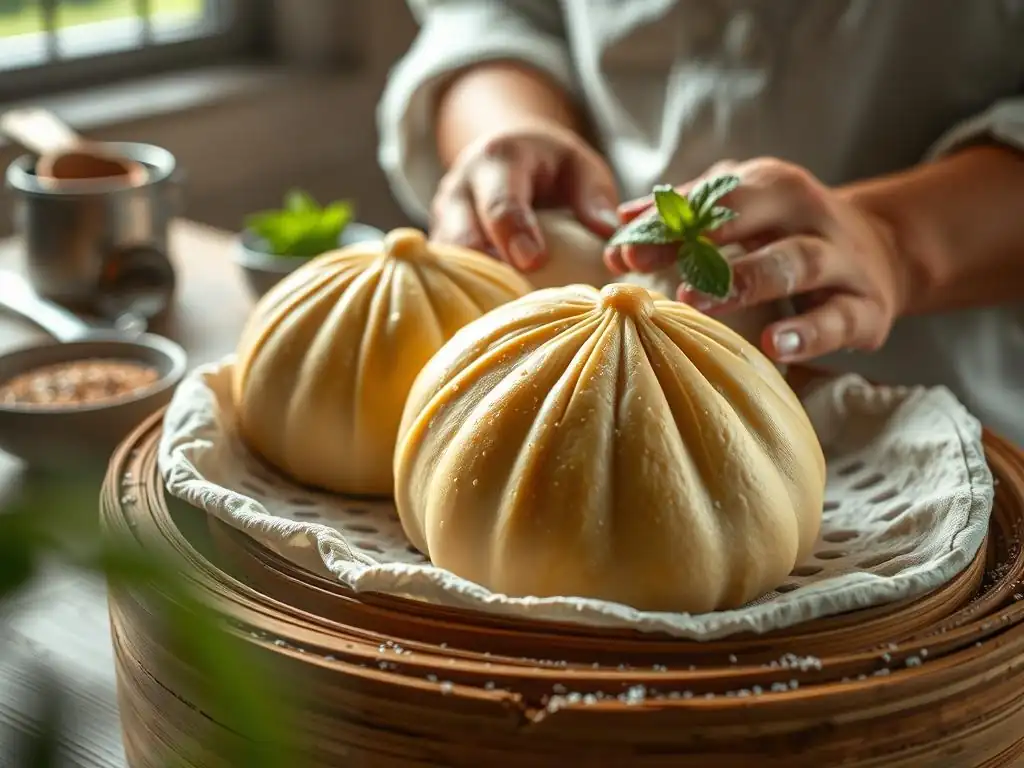
Mixing and Kneading: Building Structure
The journey to fluffy Chinese steamed buns begins with proper dough preparation. In a large mixing bowl, combine the flour, sugar, yeast, and baking powder. Whisk these dry ingredients together to ensure even distribution of the leavening agents. Next, gradually add warm water (ideally between 105-115°F or 40-46°C) while mixing. The amount of water can vary slightly depending on the flour and humidity, but typically ranges from 120-150 ml per 250-300 grams of flour. The dough should come together into a shaggy mass.
Turn the dough out onto a lightly floured surface and begin kneading. Kneading develops the gluten structure, which provides the necessary elasticity, but for baozi, you don't need to over-knead as you would for crusty bread. Knead for about 8-10 minutes, or until the dough is smooth, elastic, and no longer sticky. If using oil, knead it in during the last couple of minutes. The goal is a supple dough that springs back slowly when gently poked. This stage is crucial for the texture of your fluffy Chinese steamed buns.
The Crucial First Rise: Patience is Key
After kneading, the dough needs time to ferment and double in size – this is the first rise, often called bulk fermentation. Lightly grease a clean bowl with a little oil, place the dough inside, and turn to coat. Cover the bowl tightly with plastic wrap or a damp cloth to prevent drying. Place the bowl in a warm, draft-free place. An oven with just the light on works well, creating a temperature of around 80-90°F (27-32°C).
The duration of the first rise depends on the temperature, but it typically takes between 60 to 90 minutes. The dough should visibly double in volume. This slow fermentation allows the yeast to produce carbon dioxide, which creates air pockets, and also develops flavor. Do not rush this step; adequate rising is essential for achieving that wonderfully fluffy texture in your finished steamed buns. Once doubled, gently punch down the dough to release the gases before proceeding to shaping.
Filling Your Sweet Steamed Buns
Popular Sweet Fillings: A World of Flavor
The beauty of sweet steamed buns lies in the variety of fillings you can choose. Red bean paste (dòushā, 豆沙) is arguably the most classic. It's made from boiled, mashed adzuki beans, sweetened with sugar and sometimes enriched with a little oil or butter. A good quality red bean paste should be smooth or slightly chunky, but not overly sweet. Lotus seed paste (liánróng, 莲蓉) is another traditional favorite, made from dried lotus seeds boiled, mashed, and sweetened; it has a unique, delicate flavor and smooth texture.
Beyond these staples, creative options abound. Custard filling (nǎihuáng xiàn, 奶黄馅), similar to a thick pastry cream often flavored with condensed milk or coconut milk, is incredibly popular. Sweet taro paste (yùní, 芋泥), vibrant purple and naturally slightly sweet, offers an earthy richness. Some recipes even feature black sesame paste, peanut paste, or a simple mixture of brown sugar and flour that melts into a gooey center when steamed. Preparing your filling ahead of time and letting it cool makes it much easier to handle and portion for filling the buns.
Preparing Your Chosen Filling
Regardless of the filling chosen, preparation is key to a smooth assembly process. If using store-bought paste like red bean or lotus seed, ensure it's at a workable consistency – not too dry or too wet. You can slightly warm stiff paste or add a tiny bit of water or oil if needed. For homemade fillings like custard or taro paste, cook them until they are thick enough to hold their shape when cooled. Allowing the filling to cool completely, ideally chilling it for at least 30 minutes, makes it significantly easier to portion and enclose within the dough.
A helpful trick is to portion the filling before you start shaping the dough. Roll the filling into small balls, roughly 20-30 grams each, depending on how much filling you want relative to the dough. Place these filling balls on a plate lined with parchment paper. This way, as you prepare each piece of dough, the filling is ready to go, streamlining the shaping process and ensuring consistent buns. Having the filling pre-portioned also helps you gauge if you have enough for all your dough pieces.
Shaping and Proofing: The Art of the Bun
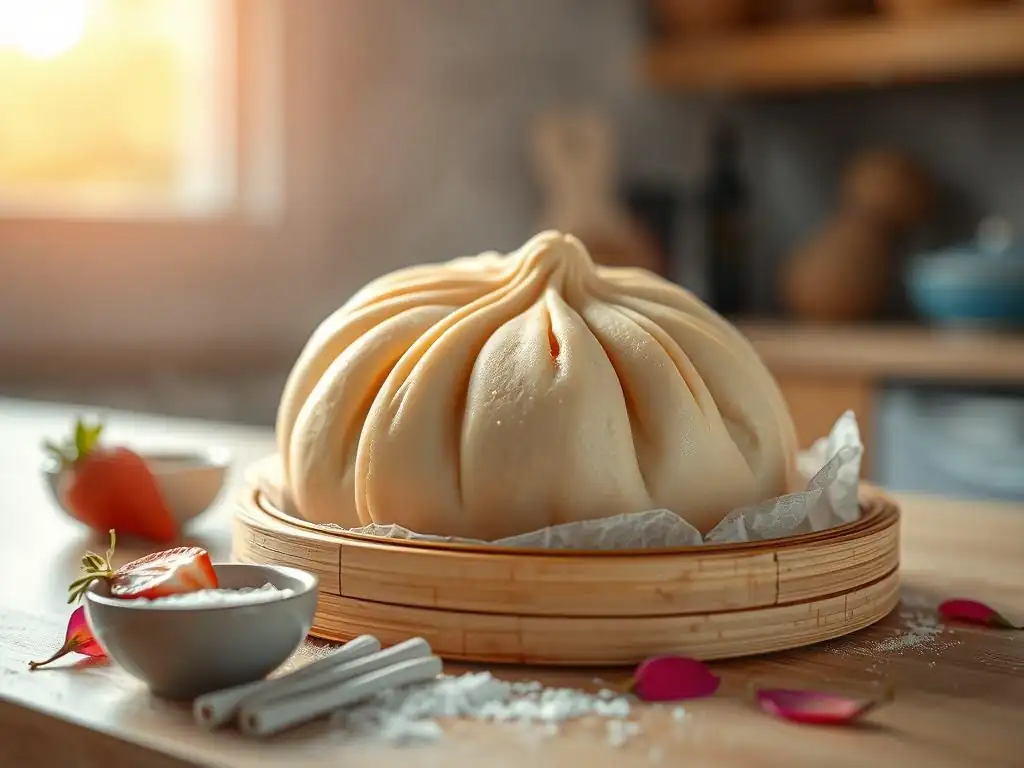
Simple Shaping Techniques
Shaping the dough is where your fluffy Chinese steamed buns start taking their final form. After the first rise, gently punch down the dough and turn it out onto a clean surface. Roll the dough into a log and divide it into equal pieces. For medium-sized buns, each piece might weigh around 40-50 grams. Keep the pieces you're not working with covered to prevent them from drying out.
Take one piece of dough and flatten it into a disc, either by hand or using a small rolling pin. The edges should be slightly thinner than the center. Place a portion of your prepared sweet filling in the center of the disc. Gather the edges of the dough up and around the filling, pinching and pleating them together at the top to seal the bun completely.
Twist the pinched top slightly to secure it, or simply pinch it closed firmly. Place the shaped bun seam-side down on a small square of parchment paper. This paper prevents the bun from sticking to the steamer basket later. Repeat with the remaining dough and filling.
The Second Rise: Ensuring Lightness
Once all the buns are shaped and placed on their parchment squares, they need a second rise (proofing). This step is critical for achieving the ultimate fluffy texture. Arrange the shaped buns in your steamer basket, leaving ample space between them (at least 1-2 inches) as they will expand significantly during this rise and the steaming process. Do not overcrowd the steamer.
Cover the steamer basket with a lid or a damp cloth. Place the steamer in a warm, draft-free spot. Again, a turned-off oven with the light on is ideal. Let the buns proof for about 20-40 minutes, depending on the room temperature. They should look visibly puffier and feel lighter when gently lifted. The buns are ready for steaming when they have increased in size by about 50-75%. Do not over-proof, as this can lead to collapsed or wrinkled buns after steaming. Proper proofing is essential for a successful fluffy Chinese steamed buns recipe.
Steaming Your Way to Perfection
Setting Up Your Steamer
Steaming is the unique cooking method for these fluffy buns, and setting up your steamer correctly is crucial. You can use a traditional bamboo steamer placed over a pot of simmering water, or a metal steamer insert in a pot with a tight-fitting lid. Fill a pot with about 1-2 inches of water; ensure the water level is below the bottom of your steamer basket. Bring the water to a boil over high heat.
Once the water is boiling, reduce the heat to medium-high to maintain a steady simmer. Carefully place the steamer basket containing the proofed buns (on their parchment squares) over the simmering water. Ensure the lid fits snugly to trap the steam. If using a bamboo steamer, moisture condensation is less of an issue, but for metal lids, you might wrap the lid in a cloth towel before placing it on the pot to absorb condensation and prevent water droplets from falling onto the buns, which can cause surface blemishes.
Steaming Time and Temperature: Getting It Right
The steaming time depends on the size of your buns. For medium-sized sweet steamed buns (around 40-50g dough each), steaming typically takes between 10 to 15 minutes. It's important to maintain a consistent, moderate steam throughout the process. Avoid lifting the lid during steaming, as the sudden drop in temperature can cause the buns to collapse. Use a timer to keep track of the steaming time accurately.
Once the steaming time is up, turn off the heat but do not immediately remove the lid. This is a critical step often overlooked in achieving truly fluffy Chinese steamed buns. Let the buns rest in the steamer with the lid on for an additional 5 minutes. This allows the internal and external temperatures to equalize gradually, preventing the buns from shrinking or wrinkling when exposed to cooler air. After the resting period, carefully remove the lid and take out the perfectly steamed, fluffy buns.
Tips and Tricks for Fluffy Success
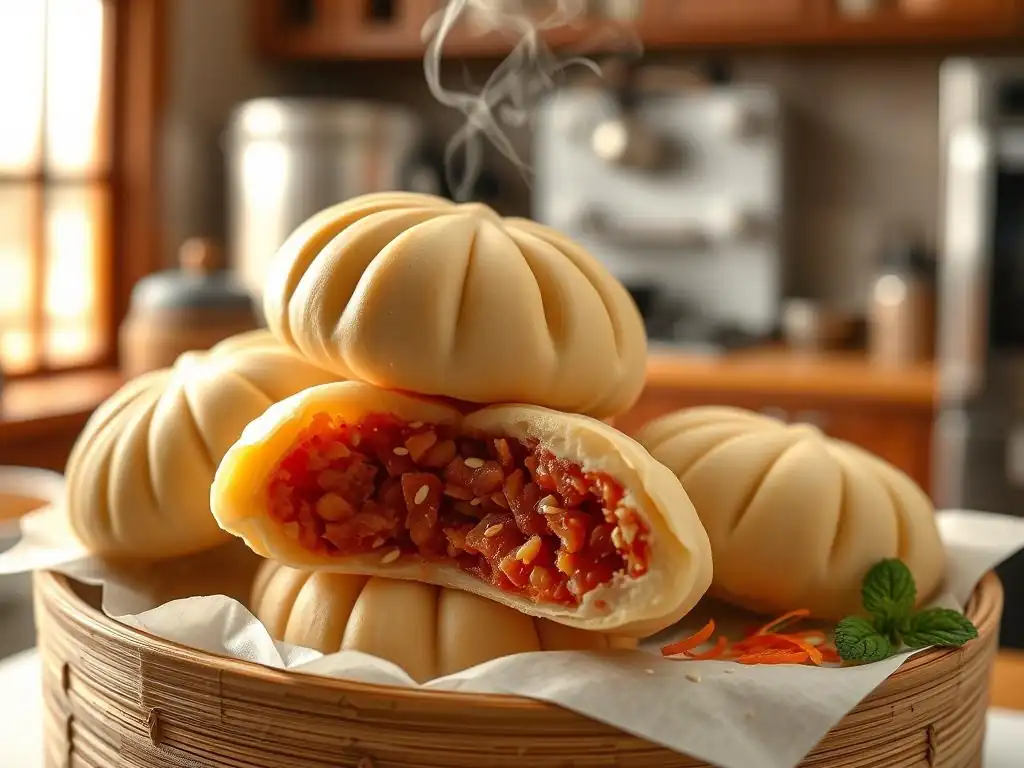
Troubleshooting Common Steaming Issues
Even with a great fluffy Chinese steamed buns recipe, issues can sometimes arise. If your buns turn out dense or hard, it's likely an issue with leavening or proofing. Ensure your yeast is active and that you're using both yeast and baking powder as specified. Make sure the water temperature for mixing is correct, and that the dough has proofed sufficiently in a warm environment. If your buns look wrinkled after steaming, it's often due to removing the lid too quickly after steaming finishes; remember that crucial 5-minute rest period.
Buns sticking to the steamer is usually prevented by using parchment paper squares. If they still stick, ensure the steamer surface is clean and dry before placing the paper down. Yellowish buns can sometimes result from using unbleached flour or not enough sugar in the dough. Greyish spots might indicate uneven mixing of ingredients. By paying close attention to ingredient measurements, proper kneading, adequate proofing times, and the steaming process, you can consistently achieve beautiful, fluffy results.
Storing and Reheating Your Homemade Sweet Buns
Homemade fluffy Chinese steamed buns are best enjoyed fresh, when they are at their peak softness. However, they can be stored for later enjoyment. Once cooled completely, store them in an airtight container at room temperature for 1-2 days, or in the refrigerator for up to 4-5 days. For longer storage, buns freeze exceptionally well. Place cooled buns in a single layer on a baking sheet to freeze, then transfer to a freezer-safe bag or container, where they will keep for up to 2-3 months.
To reheat chilled or frozen buns, steaming is the best method to restore their fluffy texture. Place refrigerated buns in a steamer over simmering water for 5-8 minutes, or until heated through. For frozen buns, steam for 10-15 minutes, or until soft and hot in the center. Microwaving is possible but can sometimes result in a slightly tougher texture; if microwaving, wrap the bun in a damp paper towel and heat for 30-60 seconds. Reheating properly is key to enjoying your delicious fluffy Chinese steamed buns recipe results days later.
Variations: Exploring Different Topping Combinations
While "toppings" aren't typically added on top of steamed buns like pizza, you can certainly explore variations within the "sweet steamed buns" category. The most common variation is the filling itself, as discussed earlier (red bean, lotus seed, custard, taro, etc.). You can also lightly adapt the dough. For instance, adding a small amount of pandan extract can give the dough a lovely green hue and fragrant flavor, or incorporating matcha powder for a subtle green tea note.
Another simple variation involves the shape. Instead of classic round buns, you can shape them into simple pleats, folds, or even animal shapes for fun. While not a topping, serving freshly steamed buns with a cup of tea is a classic pairing that enhances the overall experience. Some modern takes might involve drizzling a light glaze or dusting with powdered sugar after steaming, though this isn't traditional for most baozi styles. The core of the fluffy Chinese steamed buns recipe remains the soft dough and sweet filling.
Sweet Fluffy Chinese Steamed Buns Recipe: Step-by-Step
Here is a straightforward fluffy Chinese steamed buns recipe for you to try at home. This recipe yields approximately 10-12 medium buns.
Yields: 10-12 buns Prep time: 2 hours 30 minutes (including rising time) Cook time: 10-15 minutes
Ingredients:
- 250g low-protein flour (like bleached all-purpose flour)
- 20g granulated sugar
- 5g instant dry yeast (about 2 tsp)
- 3g baking powder (about 1 tsp)
- 130-140 ml warm water (105-115°F / 40-46°C)
- 5 ml vegetable oil (optional, about 1 tsp)
- 250g sweet filling of your choice (e.g., red bean paste, lotus seed paste, cooled custard)
- Parchment paper, cut into 3-inch squares
Instructions:
- Mix Dry Ingredients: In a large bowl, whisk together the flour, sugar, instant dry yeast, and baking powder.
- Add Wet Ingredients: Gradually add the warm water to the dry ingredients, mixing with chopsticks or a spatula until a shaggy dough forms. If using oil, add it now.
- Knead the Dough: Turn the dough out onto a lightly floured surface. Knead for 8-10 minutes until the dough is smooth, elastic, and no longer sticky.
- First Rise: Lightly grease a clean bowl. Place the dough in the bowl, turn to coat, and cover with plastic wrap or a damp cloth. Let rise in a warm place until doubled in size, about 60-90 minutes.
- Prepare Filling: While the dough rises, portion your cooled sweet filling into 20-25g balls. Set aside.
- Shape Buns: Gently punch down the risen dough. Turn it out and roll into a log. Divide the log into 10-12 equal pieces (approx. 40-50g each). Keep pieces covered.
- Fill and Seal: Take one piece of dough, flatten it into a disc with slightly thinner edges. Place one filling ball in the center. Gather the edges up and pinch/pleat to seal completely. Place seam-side down on a parchment paper square. Repeat with remaining dough and filling.
- Second Rise (Proofing): Arrange shaped buns on parchment squares in your steamer basket, leaving space between them. Cover the steamer and let the buns proof in a warm place for 20-40 minutes, or until visibly puffier (increased by 50-75%).
- Steam the Buns: Bring water to a boil in your pot, then reduce to a simmer. Place the steamer basket over the simmering water. Steam for 10-15 minutes for medium buns.
- Rest: Turn off the heat but leave the lid on the steamer for 5 minutes before opening.
- Serve: Carefully remove the buns from the steamer and serve warm.
Notes:
- Use filtered water if your tap water is heavily chlorinated, as chlorine can inhibit yeast activity.
- Ensure your steamer lid is tightly fitted to prevent steam from escaping.
- Adjust steaming time slightly for larger or smaller buns.
- Buns can be made ahead, stored, and reheated by steaming.
Conclusion: Enjoy Your Homemade Fluffy Chinese Steamed Buns!
You've done it! You've successfully made your very own batch of fluffy Chinese steamed buns (sweet version). The process, while requiring patience with rising times, is incredibly rewarding.
The aroma of the steaming buns and the anticipation of that first bite into a soft, tender exterior yielding to a sweet, comforting filling is unmatched. This fluffy Chinese steamed buns recipe is a gateway to exploring traditional Asian baking techniques and flavors, proving that delicious, authentic treats are well within reach in your home kitchen. Enjoy the fruits of your labor, whether as a delightful breakfast, a comforting snack, or a unique dessert.
We'd love to see your creations! Making fluffy Chinese steamed buns is a skill that improves with practice, and every batch is a step towards perfection. What filling did you choose? Did you try a fun shaping technique? Sharing your experiences helps build our community of home bakers. Don't hesitate to make this fluffy Chinese steamed buns recipe your own by experimenting with different sweet fillings or slight variations in the dough. Happy steaming!
Frequently Asked Questions
How do I ensure my Chinese steamed buns are truly fluffy?
Achieving fluffy buns relies on two key elements: the right flour (low-protein) and proper proofing. Make sure the dough doubles in size during both the first and second proofing stages.
What is the best type of flour to use for a fluffy Chinese steamed buns recipe?
For the lightest, fluffiest texture, use low-protein flour like cake flour or a combination of all-purpose and cornstarch. This prevents a dense, chewy bun.
What is the secret to preventing my buns from collapsing after steaming?
Avoid over-proofing the buns before steaming. Also, cool them gradually by slightly opening the steamer lid after cooking, preventing a sudden temperature change.
Can I use different fillings besides a sweet version?
Absolutely! While this recipe focuses on a sweet filling, you can easily adapt it for savory fillings like BBQ pork (char siu) or vegetables and tofu.
How important is kneading in achieving the right texture for steamed buns?
Proper kneading is crucial for developing gluten, which gives the buns their structure. Aim for a smooth, elastic dough that passes the windowpane test for optimal results.
Final Reflection: The Enduring Allure of the Perfect Bao
The pursuit of the perfect fluffy Chinese steamed bun transcends mere culinary skill; it's a journey into tradition, comfort, and the enduring power of simple pleasures. These seemingly humble buns, light as clouds and sweet as sunshine, represent more than just a recipe; they are a testament to generations of culinary wisdom and a comforting connection to heritage. The techniques detailed in this article, from the precise kneading to the delicate steaming process, are not just steps, but a pathway to understanding the heart of this beloved treat.
The impact of baozi on cultural landscapes is profound. They are a staple across countless celebrations and family gatherings, a symbol of togetherness and shared joy. Food is symbolic of love when words are inadequate.
– Alan D. Wolfelt. This quote perfectly encapsulates the emotional resonance of these sweet buns, far exceeding their simple ingredients. Their fluffy texture and gentle sweetness evoke feelings of warmth, nostalgia, and a deep connection to something larger than ourselves. The act of making them, sharing them, and savoring them becomes a ritual, a small act of love in a busy world.
Now, I invite you to embark on your own bao-making adventure. Don't be intimidated by the seemingly intricate process; embrace the journey. Each fold of the dough, each careful steam, is an opportunity to connect with a rich culinary history and to create something beautiful and delicious. The reward? Not just fluffy, sweet buns, but a deeper appreciation for the artistry and heart that goes into every bite. So, gather your ingredients, and let the magic begin. The perfect bao awaits.
Unlock the Fluffiest Buns: Your Steaming Journey Starts Now!
Thanks for joining us on this delicious adventure into the world of fluffy, sweet Chinese steamed buns! We hope you’ve picked up some valuable tips and tricks to elevate your baking game. Ready to put your new skills to the test?
- Master the perfect bao: Try making your own batch of these delightful buns today. Use the recipe from the article as your guide, and don't be afraid to experiment with fillings!
- Share your bao-tiful creations: Snap a picture of your fluffy masterpiece and share it on social media – we’d love to see your results! Use #BakeWithEaseBao for a chance to be featured.
- Go beyond the sweet: Explore the savory side of bao! Think char siu, pork belly, or even kimchi fillings. What unique flavor combinations will you try?
What unexpected ingredient will you add to your next batch of steamed buns to create your signature flavor?