
Using Chia Seeds and Flax Seeds as Binders in GF Recipes

Welcome to BakeWithEase, your kitchen companion for unlocking baking brilliance!
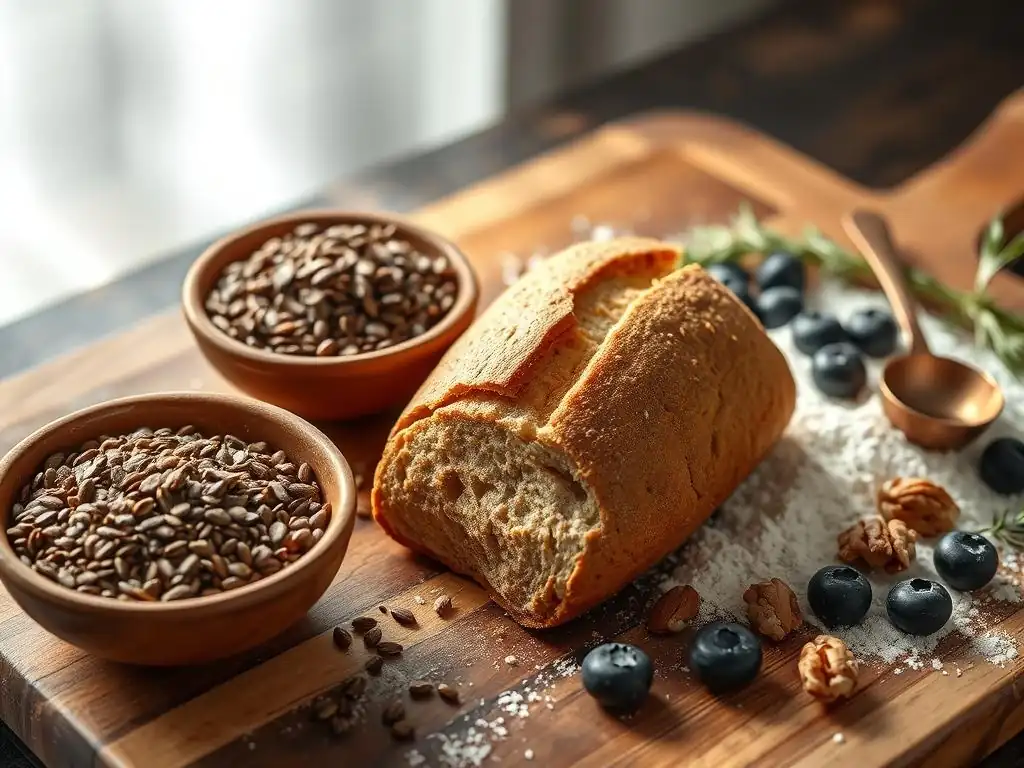
Ever wondered how to achieve the perfect texture and structure in your gluten-free creations? We're diving deep into a baker's secret weapon: chia and flax seeds as natural binders. Discover how these tiny powerhouses can transform your gluten-free recipes, adding both nutrition and exceptional results. Curious to learn more about using chia flax seed binders gluten free? Let's get baking!
- Using Chia Seeds and Flax Seeds as Binders in Gluten-Free Recipes
- Introduction: Gluten-Free Baking and Natural Binders
- Understanding Chia and Flax Seeds as Binders
-
Chia Seed Binding in Gluten-Free Baking
- Preparing Chia Seeds for Baking: Chia Seed Gel Recipe
- Chia Seed Ratio for Gluten-Free Recipes
- Using Chia Seeds in Gluten-Free Breads
- Using Chia Seeds in Gluten-Free Cakes and Muffins
- Chia Seed Baking: Addressing Common Issues
- Preparing Flax Seeds for Baking: Flax Seed Meal and Water
- Flax Seed Ratio for Gluten-Free Recipes
- Using Flax Seeds in Gluten-Free Cookies
- Using Flax Seeds in Gluten-Free Brownies and Bars
- Flax Seed Baking: Troubleshooting Potential Problems
- Chia Seeds vs. Flax Seeds: A Comparison for Gluten-Free Binding
- Gluten-Free Recipes Using Chia and Flax Seeds as Binders
- Tips for Successful Gluten-Free Baking with Chia and Flax
- Conclusion: Mastering Gluten-Free Baking with Natural Seed Binders
-
Frequently Asked Questions
- What are the benefits of using chia and flax seeds as binders in gluten-free baking?
- How do chia seeds and flax seeds differ as binders, and when should I use one over the other?
- How much chia seed or flax seed "egg" should I use to replace one chicken egg in a recipe?
- Can I use whole chia or flax seeds, or do they need to be ground for optimal binding?
- Do chia and flax seed binders alter the taste or texture of gluten-free baked goods?
- Final Reflection: The Power of Tiny Seeds in Gluten-Free Baking
- Unlock the Secret to Perfectly Bound Gluten-Free Baking!
Using Chia Seeds and Flax Seeds as Binders in Gluten-Free Recipes
Introduction: Gluten-Free Baking and Natural Binders
The Challenge of Gluten-Free Baking: Replacing Gluten's Binding Properties
Baking without gluten presents a unique set of challenges, primarily centered around replacing the crucial structural and binding properties that gluten provides in traditional flour. Gluten, a protein composite found in wheat and related grains, forms a network when hydrated and mixed, giving dough elasticity, strength, and the ability to trap gas bubbles, resulting in light, airy textures. Without this network, gluten-free baked goods can often be crumbly, dense, or fall apart easily. Achieving that desirable chewiness in bread or tenderness in cakes requires clever substitutions that can mimic gluten's function.
Many commercial gluten-free flour blends rely on starches and gums like xanthan gum or guar gum to provide binding. While effective, some bakers prefer to avoid these additives, seeking more whole-food, natural alternatives. This desire for clean-label ingredients and different textural outcomes has led to increased interest in plant-based binders that can create structure and cohesion in gluten-free recipes, moving beyond synthetic options to harness the power of nature's own sticky solutions.
Discovering Chia Seeds and Flax Seeds: Natural Solutions for Gluten-Free Baking
Fortunately, nature offers several excellent alternatives that can serve as effective chia flax seed binders gluten free recipes. Among the most popular and versatile are chia seeds and flax seeds. These tiny powerhouses, when combined with liquid, develop a gel-like consistency that can successfully mimic some of the binding capabilities of gluten. They add structure, moisture, and flexibility to doughs and batters, helping to prevent that common gluten-free crumble.
Incorporating chia seeds and flax seeds into your gluten-free baking not only improves texture and structure but also boosts the nutritional profile of your baked goods. Both seeds are rich in fiber, omega-3 fatty acids, and various micronutrients. Learning how to properly prepare and use these natural binders for gluten-free creations can transform your baking results, leading to more cohesive, moist, and satisfying treats without relying on gluten or artificial gums.
Understanding Chia and Flax Seeds as Binders
What Makes Chia Seeds and Flax Seeds Effective Binders?
The secret behind the binding power of chia seeds and flax seeds lies in their high soluble fiber content. When these seeds are exposed to liquid, this soluble fiber absorbs the water and forms a viscous, gelatinous layer around the seed. This gel acts as a natural adhesive, helping to hold ingredients together in a batter or dough. It provides a network similar in function, though different in structure, to the gluten network, preventing ingredients from separating and contributing to the overall cohesion of the baked item.
This gel-forming property is particularly valuable in gluten-free baking where traditional binders are absent. The mucilage created by the hydrated seeds helps to trap moisture, preventing baked goods from drying out quickly, a common issue with gluten-free flours. Furthermore, the presence of these seeds adds bulk and improves the crumb structure, leading to a more pleasant eating experience compared to baked goods that lack adequate binding.
Chia Seeds: Hydration and Gel Formation for Binding
Chia seeds, whether whole or ground, are remarkable for their ability to absorb a significant amount of liquid – often up to 9-12 times their weight. When mixed with water or another liquid, they quickly develop a thick, tapioca-like gel. This process is quite rapid; within about 5-10 minutes, you can see the gel starting to form, and it reaches a good binding consistency after about 15-20 minutes of soaking.
The resulting chia gel is smooth and relatively neutral in flavor, making it a versatile binder. It works particularly well in recipes that require a soft, moist crumb, such as muffins, cakes, and certain breads. The gel helps to distribute moisture evenly throughout the batter and provides the necessary stickiness to prevent crumbling, acting as an excellent chia seed binder gluten free alternative to eggs or gums.
Flax Seeds: Creating a Slurry for Gluten-Free Structure
Flax seeds also form a gel when hydrated, but their outer shell is tougher, meaning they need to be ground into flaxseed meal (sometimes called flax meal or ground flaxseed) to readily release their soluble fiber and form a gel. When flaxseed meal is mixed with water, it creates a viscous mixture often referred to as a "flax egg." This slurry becomes gelatinous after soaking for about 5-10 minutes.
The flax "egg" is a popular substitute for chicken eggs in vegan and gluten-free baking, providing both binding and some leavening support (though typically less leavening than a real egg). It imparts a slightly nutty flavor and can add a bit more density compared to chia gel. Flaxseed meal is particularly effective as a flax seed binder gluten free in recipes where a denser, chewier texture is desired, such as cookies, brownies, and some quick breads.
Chia Seed Binding in Gluten-Free Baking
Preparing Chia Seeds for Baking: Chia Seed Gel Recipe
To use chia seeds as a binder, the most common method is to create a "chia gel" or "chia egg" by mixing them with liquid and allowing them to hydrate. A standard ratio is 1 tablespoon of whole or ground chia seeds mixed with 3 tablespoons of water. Simply combine the seeds and water in a small bowl, whisk briefly to prevent clumping, and let it sit for about 15-20 minutes, or until a thick, gelatinous consistency is achieved. Stirring it once or twice during this period can help ensure even hydration.
While whole seeds work, some bakers prefer using ground chia seeds (chia meal) as they hydrate faster and disperse more evenly in the batter, potentially leading to a smoother texture without visible seed specks. However, both forms are effective as chia seed binders gluten free recipes. Once the gel is ready, it can be used immediately in place of eggs or other binders specified in your recipe. This simple preparation makes chia gel a convenient go-to for adding structure and moisture.
Chia Seed Ratio for Gluten-Free Recipes
The typical starting point for using chia seeds as a binder is to substitute each chicken egg called for in a recipe with the gel made from 1 tablespoon of chia seeds and 3 tablespoons of water. This ratio generally provides sufficient binding for many applications. However, depending on the specific gluten-free flours used and the desired texture, you might need to slightly adjust this ratio. For instance, very dry or crumbly flour blends might benefit from a touch more liquid or a slightly higher seed-to-water ratio to enhance binding.
It's often best to start with the 1:3 ratio and observe how the dough or batter behaves. In recipes requiring multiple eggs, you can typically substitute up to 2 or 3 eggs using this chia seed method. For recipes heavily reliant on eggs for structure and leavening, like a delicate sponge cake, chia seeds might need to be combined with other binders or leavening agents for optimal results. Experimentation is key to finding the perfect balance for your specific chia seed binders gluten free needs.
Using Chia Seeds in Gluten-Free Breads
Chia seeds are a fantastic addition to gluten-free bread recipes, contributing both binding and nutritional value. When added to bread dough, either as a pre-made gel or mixed directly into the dry ingredients with added liquid, they help create a more cohesive dough that is easier to handle. The gel provides elasticity and prevents the dough from becoming too crumbly, allowing for better shaping and oven spring.
Incorporating chia seeds into gluten-free bread dough, often at a rate of 1-2 tablespoons per loaf, can significantly improve the crumb structure, making it less dense and more uniform. For example, adding 1.5 tablespoons of chia gel to a standard gluten-free sandwich bread recipe designed for a 9x5 inch pan helps the loaf hold its shape better during baking and results in a less fragile slice. They function effectively as chia seed binders gluten free bread, leading to a loaf that doesn't crumble apart when sliced.
Using Chia Seeds in Gluten-Free Cakes and Muffins
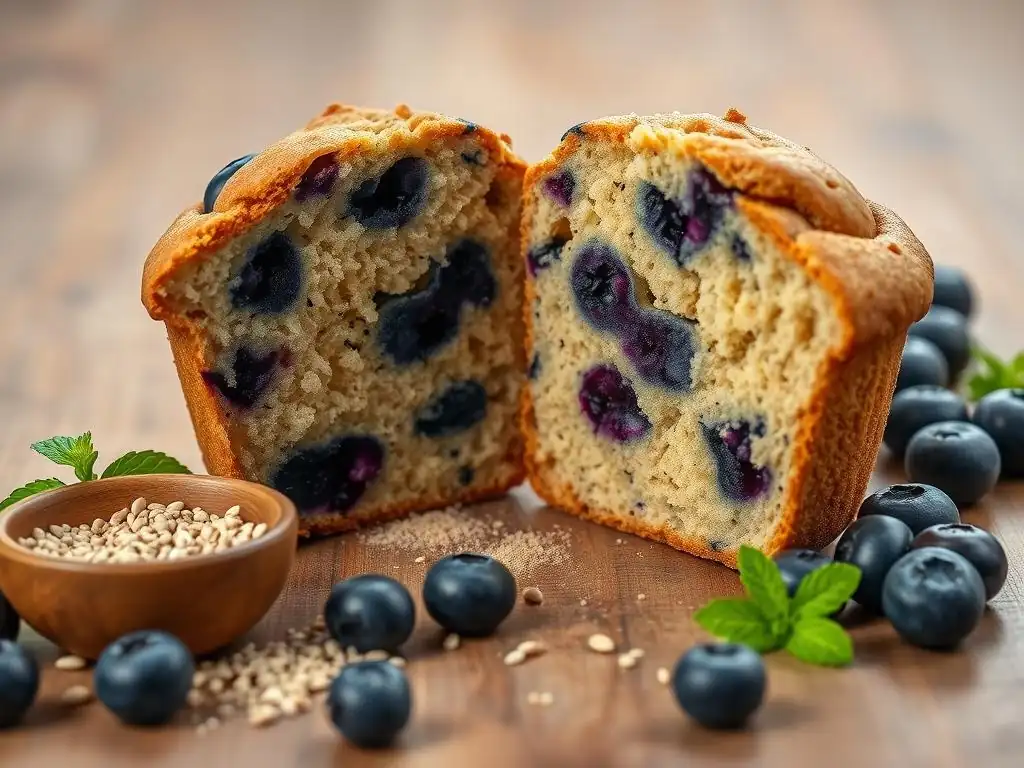
In gluten-free cakes and muffins, chia seeds excel at providing moisture and binding, leading to a tender and less crumbly texture. Using chia gel to replace eggs helps create a moist crumb and prevents the muffins from drying out too quickly. The gel's ability to hold onto water is particularly beneficial with gluten-free flours, which can sometimes absorb moisture differently than wheat flour.
For a batch of 12 standard-sized muffins, replacing 1 or 2 eggs with the equivalent amount of chia gel (1 tbsp chia + 3 tbsp water per egg) works wonderfully. The gel integrates smoothly into the batter, ensuring that ingredients stay suspended evenly. This results in muffins that are less likely to fall apart and have a pleasant, moist mouthfeel, showcasing the effectiveness of chia seed binders gluten free sweet treats.
Chia Seed Baking: Addressing Common Issues
While chia seeds are excellent chia seed binders gluten free, they can sometimes present challenges. One common issue is the presence of visible seed specks, which some people find undesirable. Using ground chia seeds instead of whole seeds can help mitigate this, resulting in a smoother texture. Another potential issue is a slightly gummy texture if too much chia gel is used or if the hydration ratio is off.
To avoid gumminess, stick to the recommended ratios and ensure the gel has fully formed before adding it to your batter. If you notice your baked goods are too dense or gummy, try slightly reducing the amount of chia gel in your next attempt or combining it with another binder like psyllium husk or flaxseed meal for a different textural outcome. Proper hydration and measurement are key to successful chia seed binders gluten free baking.
Preparing Flax Seeds for Baking: Flax Seed Meal and Water
To utilize flax seeds as a binder, you must first grind them into a meal. Whole flax seeds have a hard outer shell that prevents them from forming a gel as readily as chia seeds. You can buy pre-ground flaxseed meal or grind whole flax seeds yourself using a coffee grinder or a high-powered blender. For optimal freshness, grinding them just before use is recommended, as flaxseed meal can become rancid over time due to its oil content.
Once you have flaxseed meal, prepare the "flax egg" by combining 1 tablespoon of flaxseed meal with 3 tablespoons of water. Whisk the mixture together and let it sit for about 5-10 minutes. It will thicken into a gelatinous, slightly sticky consistency, similar to a beaten egg white. This prepared flax egg is now ready to be used as a flax seed binder gluten free recipes.
Flax Seed Ratio for Gluten-Free Recipes
Similar to chia seeds, the standard substitution ratio for flaxseed meal as a binder is to replace each chicken egg with the mixture of 1 tablespoon of flaxseed meal and 3 tablespoons of water. This ratio is effective for providing cohesion in many types of gluten-free baked goods. It's particularly well-suited for recipes that are already somewhat dense or chewy, such as cookies, brownies, and dense quick breads.
While the 1:3 ratio is the starting point, you may find slight adjustments are necessary based on the specific recipe and gluten-free flour blend. Some bakers use a slightly thicker mix (e.g., 1 tbsp meal to 2.5 tbsp water) for certain applications, but the 1:3 ratio is reliable for general use. You can typically substitute up to 2 or 3 eggs using flax eggs in a recipe without significantly altering the outcome, making them versatile flax seed binders gluten free options.
Flax seeds are arguably one of the most popular flax seed binders gluten free cookies. The flax egg provides enough structure to hold cookie dough together, preventing the cookies from spreading too much or crumbling excessively once baked. The slightly nutty flavor of flax also complements many cookie flavors, especially those with chocolate, nuts, or spices.
Replacing one or two eggs in a standard gluten-free chocolate chip cookie recipe with flax eggs (1 tbsp flax meal + 3 tbsp water per egg) results in cookies with a pleasant chewiness and good structure. For example, a recipe calling for 2 eggs can effectively use 2 flax eggs. The binder helps create a cohesive dough that is easy to scoop or shape and bakes into a cookie that holds its form without being overly hard.
Using Flax Seeds in Gluten-Free Brownies and Bars
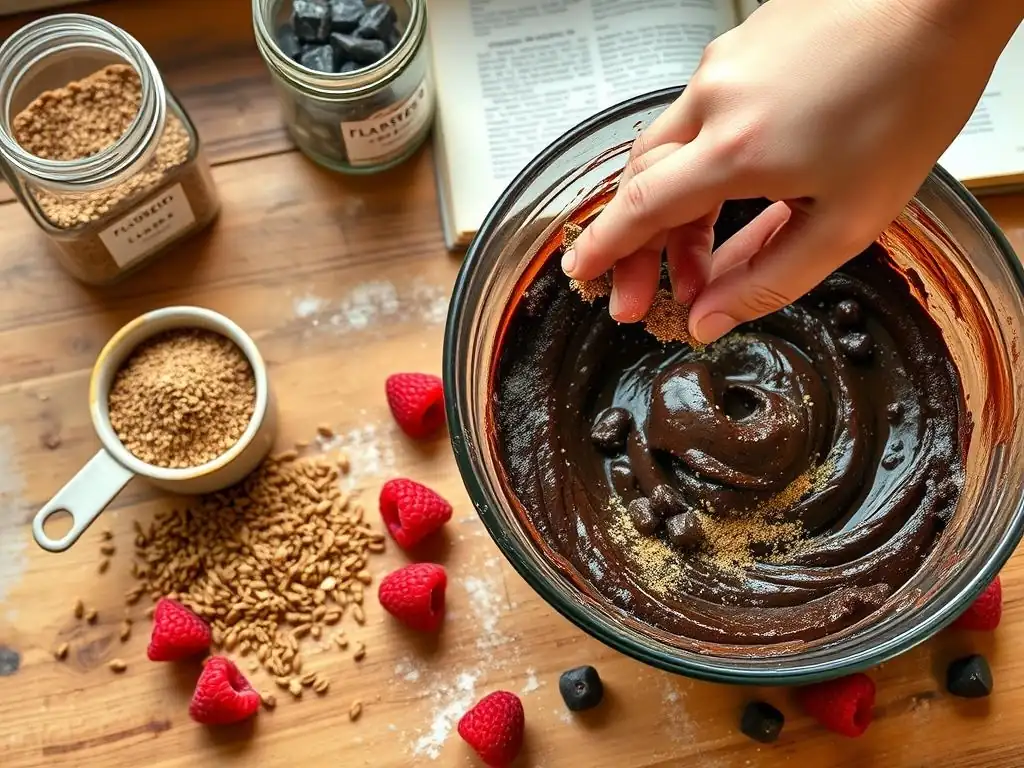
Flax seeds also work exceptionally well as flax seed binders gluten free brownies and bars. These types of baked goods often benefit from a slightly denser, fudgier texture, which flaxseed meal can help achieve. The binding power prevents the brownies or bars from being too fragile or falling apart when cut.
Substituting eggs with flax eggs (again, using the 1 tbsp flax meal + 3 tbsp water ratio per egg) in a gluten-free brownie recipe helps create that desirable chewy, fudgy texture. For a typical 8x8 inch pan of brownies calling for 2 eggs, using 2 flax eggs provides excellent binding. The flax blends seamlessly into the batter, ensuring a uniform texture throughout the finished product.
Flax Seed Baking: Troubleshooting Potential Problems
Using flax seeds as flax seed binders gluten free can sometimes lead to dense or heavy results, particularly if too many eggs are substituted or if the recipe isn't balanced correctly. Flax seeds provide binding but offer very little leavening compared to eggs, which contribute air when beaten. If a recipe relies heavily on eggs for lift, using only flax eggs might result in a flatter, heavier bake.
To counteract potential density, consider combining flax eggs with a small amount of baking powder or baking soda (if the recipe contains an acid like vinegar or buttermilk) to help provide some lift. Ensure your flaxseed meal is fresh, as rancid meal can impart an unpleasant flavor. If your baked goods are drying out, check your baking time and temperature, as flax can sometimes cause items to bake faster or become dry if overbaked.
Chia Seeds vs. Flax Seeds: A Comparison for Gluten-Free Binding
Binding Strength: Which Seed Provides Better Structure?
Both chia seeds and flax seeds are effective chia flax seed binders gluten free, but they offer slightly different binding qualities. Chia seeds tend to produce a softer, more delicate gel, which contributes to a moist and tender crumb. This makes them excellent for cakes, muffins, and quick breads where a lighter texture is desired. Their gel forms quickly and is quite potent in holding moisture.
Flax seeds, when ground into meal and hydrated, create a thicker, somewhat stickier slurry. This provides a more robust binding effect that is particularly good for holding together denser doughs, like those used in cookies, bars, and certain rustic breads. While both are strong binders, flax often lends itself better to applications where a chewier or more structured result is needed.
Nutritional Value: Chia Seeds vs. Flax Seeds in Gluten-Free Diets
From a nutritional standpoint, both chia and flax seeds are powerhouses, adding significant value to gluten-free diets. Both are excellent sources of dietary fiber; chia seeds typically contain around 5 grams of fiber per tablespoon, while flax seeds contain about 2.8 grams per tablespoon. Both are also rich in omega-3 fatty acids, although flax seeds generally contain higher amounts of ALA (alpha-linolenic acid) per serving.
Chia seeds provide a broader range of minerals, including calcium, magnesium, and phosphorus. Flax seeds contain lignans, compounds with antioxidant properties, in higher amounts than chia. Choosing between them based purely on nutrition might depend on your specific dietary goals, but incorporating either or both as chia flax seed binders gluten free recipes is a great way to boost nutrient intake.
Taste and Texture: How Do They Affect the Final Product?
The taste and texture contributions of chia and flax seeds differ slightly. Chia seeds are relatively neutral in flavor, especially when used as a gel from whole seeds. Ground chia can sometimes add a very mild, almost imperceptible nutty note. The gel itself contributes to a moist, slightly soft texture in the final product. Visible whole chia seeds can add a slight pop or chewiness if not ground.
Flaxseed meal has a distinct nutty flavor that is more pronounced than chia. This flavor can be a welcome addition in recipes like oatmeal cookies or whole-grain-style breads but might be noticeable in very delicately flavored items. The texture imparted by flax is often denser and slightly chewier than that from chia, making it ideal for cookies and brownies where chewiness is desired.
Cost and Availability: Choosing the Right Binder
Both chia seeds and flax seeds are widely available in most grocery stores, health food stores, and online retailers. They are generally affordable, especially when purchased in bulk. Prices can vary based on location, whether they are organic, and whether they are whole or pre-ground.
Historically, flax seeds have often been slightly less expensive than chia seeds, though prices fluctuate. Considering cost, both offer a budget-friendly way to add effective chia flax seed binders gluten free baking compared to some commercial gum blends. The choice often comes down to the desired texture, flavor profile, and specific binding needs of the recipe.
Gluten-Free Recipes Using Chia and Flax Seeds as Binders
Gluten-Free Chia Seed Bread Recipe
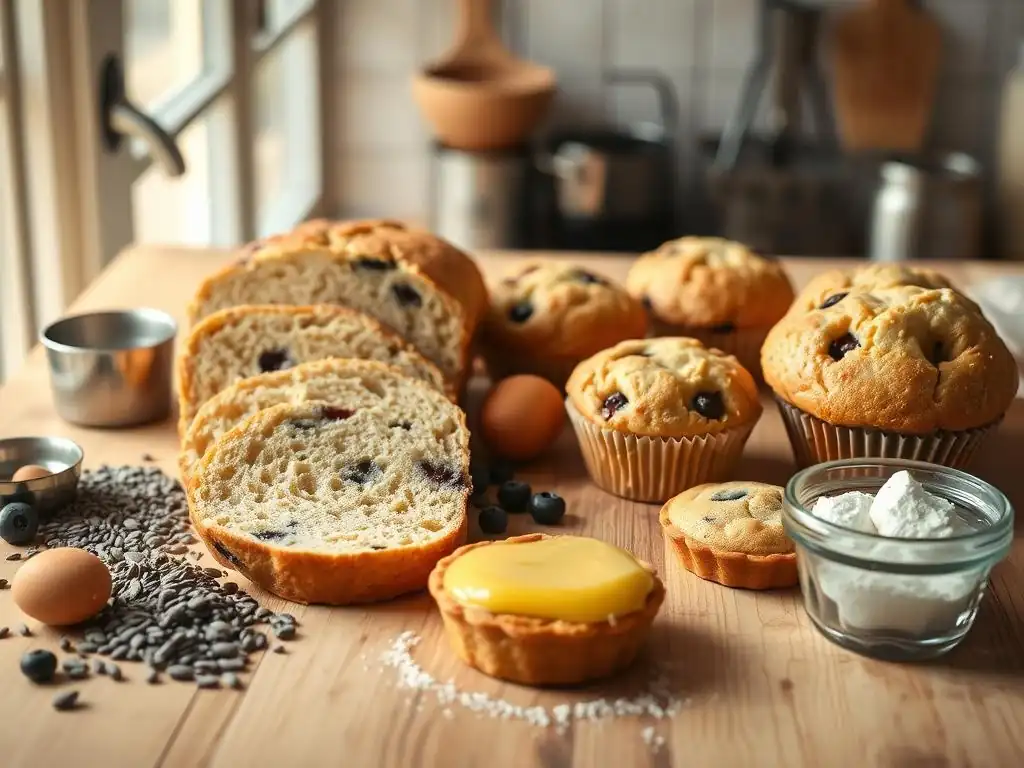
A typical gluten-free chia seed bread recipe relies on the chia gel to provide the necessary elasticity and structure. The recipe would likely involve mixing a gluten-free flour blend with leavening agents (like yeast or baking powder), salt, sweetener, fat, liquid, and the pre-made chia gel (often 1-2 tablespoons of chia seeds hydrated with 3-6 tablespoons of water per loaf). The chia gel helps the dough come together, making it less prone to crumbling during kneading (or mixing) and shaping.
During baking, it aids in creating a moist crumb and preventing the loaf from collapsing. This demonstrates the effectiveness of chia seed binders gluten free bread applications.
In a gluten-free flax seed chocolate chip cookie recipe, the flax egg (typically 1 tablespoon of flaxseed meal mixed with 3 tablespoons of water per egg substituted) acts as the primary binder. The recipe would combine gluten-free flour, sugar, butter or oil, leavening, flavorings, chocolate chips, and the prepared flax egg(s). The flax egg helps the dough hold its shape, prevents excessive spreading during baking, and contributes to a pleasantly chewy texture. It ensures the cookies don't fall apart when handled after baking, showcasing the strength of flax seed binders gluten free cookies.
Gluten-Free Chia and Flax Seed Muffins Recipe
Combining both chia and flax seeds can offer synergistic binding benefits in gluten-free muffins. A recipe for gluten-free chia and flax seed muffins might use a combination of binders, perhaps replacing one egg with a chia gel and another with a flax egg. The chia gel would contribute moisture and tenderness, while the flax egg would add a bit more structure and richness.
The recipe would mix gluten-free flour, leavening, sweetener, fat, liquid, and both pre-made chia flax seed binders gluten free. This blend helps create muffins that are moist, well-structured, and less likely to crumble, offering a balanced approach to natural binding.
Tips for Successful Gluten-Free Baking with Chia and Flax
Measuring Accurately
Precision in measurement is crucial when using chia flax seed binders gluten free recipes. The ratio of seeds to liquid is key to creating the proper gel or slurry consistency. Using too little liquid will result in an ineffective binder, while too much can make your baked goods gummy or dense. Always measure both the seeds (by tablespoons) and the water (by tablespoons) accurately as specified in the preparation instructions (e.g., 1:3 ratio).
Furthermore, ensure you are using the correct form of flax – it must be ground into meal for the gel to form properly. Whole flax seeds will not hydrate effectively in the short time needed for baking prep. Using consistent measurements helps ensure reliable results every time you bake with these natural binders.
Combining Chia and Flax: Synergistic Binding
Don't feel limited to using just one type of seed! Chia seeds and flax seeds can be used together in gluten-free baking to leverage their unique properties. Combining them as chia flax seed binders gluten free can result in a more balanced texture. For instance, in a recipe where you want both moisture and structure, you might replace one egg with a chia gel and another with a flax egg.
This synergistic approach allows you to fine-tune the final texture. The chia contributes softness and moisture retention, while the flax adds chewiness and a bit more robustness to the structure. Experimenting with different combinations can help you achieve the perfect crumb and consistency for various types of gluten-free baked goods.
Storing Gluten-Free Baked Goods Made with Chia and Flax
Gluten-free baked goods, especially those made with natural binders like chia and flax seeds, can sometimes dry out faster than their gluten-containing counterparts. The fiber in the seeds does help retain moisture, but proper storage is still important. Allow baked goods to cool completely before storing them in an airtight container at room temperature for a few days.
For longer storage, wrapping items tightly in plastic wrap or foil and then placing them in a freezer-safe bag or container is recommended. Most baked goods freeze well for up to 2-3 months. Thaw them at room temperature or gently reheat if desired. Proper storage helps maintain the texture and moisture provided by the chia flax seed binders gluten free.
Adjusting Baking Time and Temperature
When substituting traditional binders like eggs with chia flax seed binders gluten free, you might find that slight adjustments to baking time or temperature are necessary. Seed binders can sometimes cause baked goods to brown a bit faster due to their oil content. Keep a close eye on your oven and the progress of your baking.
You might need to reduce the oven temperature by 10-15 degrees Fahrenheit or shorten the baking time slightly. Conversely, some recipes might require a few extra minutes to ensure the center is fully cooked and set, as seed binders can sometimes result in a slightly denser interior that takes longer to heat through. Use visual cues and the toothpick test (inserting a toothpick into the center – it should come out clean or with moist crumbs, not wet batter) to determine doneness.
Conclusion: Mastering Gluten-Free Baking with Natural Seed Binders
Embrace the Versatility of Chia and Flax Seeds in Gluten-Free Baking
Mastering gluten-free baking becomes significantly easier and more rewarding when you understand how to effectively use natural binders like chia seeds and flax seeds. These humble seeds offer a powerful, nutritious, and versatile way to add structure, moisture, and cohesion to a wide range of gluten-free recipes, from tender muffins and cakes to chewy cookies and substantial breads. By learning how to prepare and apply chia gel and flax eggs, you gain the ability to create delicious baked goods that hold together beautifully without relying on gluten or commercial gums.
Incorporating chia flax seed binders gluten free empowers you to bake with more whole-food ingredients while achieving desirable textures. Their ability to form a gel when hydrated is a simple yet revolutionary concept for the gluten-free baker, providing the 'glue' that is often missing. Experimentation with ratios and combinations of these seeds will open up a world of possibilities in your gluten-free kitchen, leading to consistently successful and satisfying results.
Further Exploration of Gluten-Free Baking Substitutions
While chia seeds and flax seeds are fantastic chia flax seed binders gluten free, they are just two options in the diverse world of natural gluten-free baking substitutions. Psyllium husk, for example, is another highly effective binder known for creating structure, particularly in yeast-leavened breads. Applesauce, mashed bananas, and other fruit purées can also provide moisture and some binding, especially in quick breads and muffins, while reducing the need for fats or sugars.
Exploring these different binders and understanding how they interact with various gluten-free flours will further enhance your baking skills. Each substitution offers unique benefits in terms of texture, flavor, and nutritional content. By continuing to experiment with ingredients like chia, flax, psyllium, and fruit purées, you can refine your gluten-free recipes and discover your favorite combinations for achieving perfect baked goods every time.
Frequently Asked Questions
What are the benefits of using chia and flax seeds as binders in gluten-free baking?
Chia and flax seeds are excellent natural binders in gluten-free recipes because they create a gel-like substance when mixed with liquid, mimicking the role of gluten. They also add nutritional value like fiber and omega-3 fatty acids. This helps provide structure to baked goods.
How do chia seeds and flax seeds differ as binders, and when should I use one over the other?
Both work similarly, but flax seeds provide a slightly nuttier flavor. Ground flax seeds are generally preferred for binding. Use chia seeds when you want a more visible texture in your bake.
How much chia seed or flax seed "egg" should I use to replace one chicken egg in a recipe?
Generally, one tablespoon of ground chia or flax seeds mixed with three tablespoons of water and left to sit for 5-10 minutes replaces one chicken egg. This creates a gelatinous mixture similar in consistency.
Can I use whole chia or flax seeds, or do they need to be ground for optimal binding?
For best results, use ground flax seeds and either ground or whole chia seeds are acceptable. Grinding flax seeds releases the oils, enhancing their binding properties. Whole chia seeds add texture.
Do chia and flax seed binders alter the taste or texture of gluten-free baked goods?
Yes, they can subtly alter the taste and texture. Flax seeds impart a slightly nutty flavor. Both seeds can create a moister texture compared to recipes using gluten, so adjustments to liquid may be needed.
Final Reflection: The Power of Tiny Seeds in Gluten-Free Baking
The humble chia and flax seeds, often overlooked, are quietly revolutionizing gluten-free baking. Their ability to bind ingredients effectively, creating textures remarkably similar to traditional gluten-based recipes, is a game-changer for those following a gluten-free diet. This isn't just about avoiding gluten; it's about reclaiming the joy and satisfaction of creating delicious, satisfying baked goods.
The impact of these tiny seeds extends beyond the individual kitchen. They represent a significant step forward in making gluten-free baking accessible and enjoyable for a wider audience. The search for suitable gluten-free alternatives has been a long and often frustrating journey for many, and the discovery of the binding power of chia and flax seeds offers a significant improvement in both taste and texture. The best things in life are often the simplest,
and in the case of gluten-free baking, this rings particularly true. The simplicity of using these readily available seeds to achieve complex results is truly remarkable.
Now, consider your own baking adventures. Will you experiment with chia and flax seeds in your next gluten-free recipe? Perhaps you'll discover a new favorite cookie, cake, or bread, all thanks to the power of these tiny, nutrient-packed seeds. Embrace the challenge, explore the possibilities, and rediscover the joy of baking, knowing that even without gluten, deliciousness is within reach. Let the seeds inspire you!
Unlock the Secret to Perfectly Bound Gluten-Free Baking!
Thanks for exploring the wonderful world of gluten-free baking with us! We hope you've discovered some new ways to achieve that perfect texture and deliciousness you crave. Ready to put your newfound knowledge into action?
- Bake your best gluten-free creation yet! Use the tips and tricks from this article to experiment with chia and flax seeds in your next recipe. Try substituting them in a familiar recipe for a delicious surprise.
- Share your baking triumphs (or challenges!) with our community. Let's learn from each other and build a supportive network of gluten-free bakers.
- Explore even more gluten-free baking secrets by browsing our other articles on BakeWithEase.com (Note: This is placeholder text. No actual link should be present in the final CTA)
What delicious gluten-free recipe will you conquer first?