
Dough Scraper 101: Plastic vs Metal and Expert Handling Tips

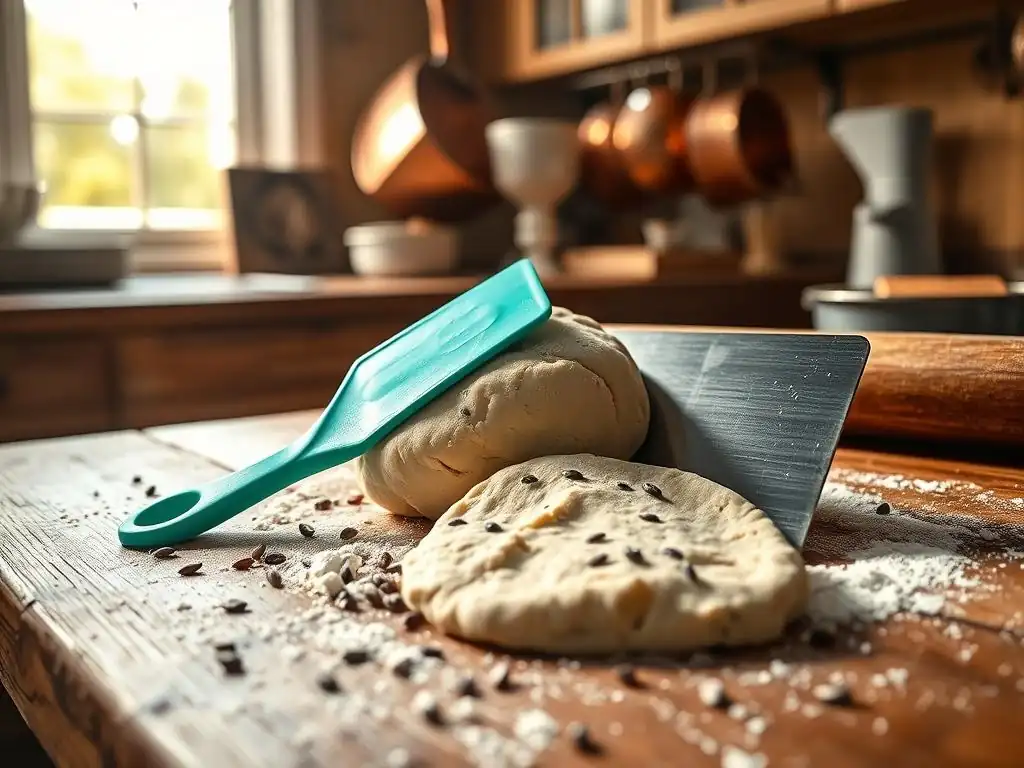
Welcome to BakeWithEase, where we demystify the world of baking! Are you ready to unlock the secrets to perfectly smooth dough? This article dives deep into the essential tool every baker needs: the dough scraper. But which is superior – plastic or metal? Join us as we explore the pros and cons of each, arming you with expert handling tips that will transform your baking game. Prepare to master the art of the plastic metal dough scraper and achieve baking brilliance!
- Dough Scraper 101: Plastic vs Metal and Expert Handling Tips for Perfect Baking
- Introduction to Dough Scrapers: Your Baking Essential
- Plastic Dough Scrapers: Advantages, Disadvantages, and Best Uses
- Plastic vs. Metal Dough Scraper: A Detailed Comparison Chart
- Expert Handling Tips for Your Dough Scraper (Plastic or Metal)
- Choosing the Right Dough Scraper for Your Baking Needs: A Personalized Guide
- Advanced Dough Scraper Techniques: Beyond the Basics
- Maintaining Your Dough Scraper: Ensuring Cleanliness and Longevity
- Conclusion: Embrace the Versatility of Dough Scrapers for Effortless Baking
-
Frequently Asked Questions
- What are the primary differences between plastic and metal dough scrapers?
- When is it best to use a plastic dough scraper?
- What are the advantages of using a metal dough scraper?
- How should I properly clean and maintain my dough scraper (plastic or metal)?
- What are some expert tips for handling a dough scraper effectively?
- Final Reflection: The Humble Dough Scraper: A Tool for Creativity and Precision
- Unlock Your Baking Potential: Master the Dough Scraper!
Dough Scraper 101: Plastic vs Metal and Expert Handling Tips for Perfect Baking
Introduction to Dough Scrapers: Your Baking Essential
Why Every Baker Needs a Dough Scraper (Bench Scraper)
A dough scraper, often called a bench scraper, is one of those deceptively simple tools that can revolutionize your baking. Far more versatile than its name suggests, this flat, straight-edged tool is indispensable for anyone working with dough, batter, or even chocolate. It helps keep your workspace tidy, assists in handling sticky doughs, and is crucial for portioning ingredients accurately.
Think about the last time you worked with a high-hydration sourdough or a sticky enriched dough like brioche. Trying to lift, fold, or divide it with just your hands can be a messy and frustrating experience. A bench scraper provides a clean edge to separate dough, scrape stuck bits off your counter, and even transfer chopped ingredients. It's a humble tool, but its impact on efficiency and cleanliness in the kitchen is significant, making tasks like kneading and shaping much more manageable.
Understanding the Different Types of Dough Scrapers
When you start looking for a dough scraper, you'll quickly notice the primary distinction: material. The two most common types are plastic and metal. While they share the same basic function – providing a straight edge for scraping and cutting – their characteristics differ significantly, impacting their best uses and handling.
Plastic dough scrapers are typically made from rigid, food-grade plastic or silicone. They are often flexible and come in various shapes and sizes, sometimes curved to fit mixing bowls. Metal dough scrapers, on the other hand, are usually made from stainless steel and feature a straight, rigid blade with a handle, often wooden, plastic, or metal. Understanding the properties of each material is key to choosing the right tool for specific baking tasks, from dividing firm pastry dough to gently gathering soft cookie dough.
Plastic Dough Scrapers: Advantages, Disadvantages, and Best Uses
The Pros of Using Plastic Dough Scrapers
Affordability and Accessibility of Plastic Scrapers
One of the most appealing aspects of plastic dough scrapers is their cost-effectiveness. Compared to their metal counterparts, plastic scrapers are significantly more affordable, often available for just a few dollars at most kitchen supply stores or supermarkets. This low entry price makes them an excellent choice for beginners or those looking to equip their kitchen without a large investment.
Their widespread availability also means they are easy to find. You don't need to visit a specialized baking store; you can likely pick one up during your regular grocery run. This accessibility, combined with the low cost, makes a plastic dough scraper a practical first tool for anyone starting their baking journey and exploring basic techniques.
Flexibility and Gentle Handling with Plastic
Many plastic dough scrapers offer a degree of flexibility that metal scrapers lack. This flexibility is particularly useful for scraping the sides of curved mixing bowls, ensuring you get every last bit of dough or batter. A flexible plastic scraper can conform to the shape of the bowl, effectively cleaning it out without scratching the surface.
Furthermore, the softer material of plastic is gentler on delicate work surfaces. If you have a countertop made of a material that could potentially be scratched by metal, a plastic scraper provides a safer alternative for scraping and cleaning. This gentle handling also extends to soft doughs, allowing you to manipulate them without the sharp edge or rigidity that a metal scraper might impose.
Easy Cleaning and Maintenance of Plastic Scrapers
Plastic dough scrapers are generally very easy to clean. Most can be simply rinsed under warm water, and any residue can be easily wiped away. Their non-porous surface prevents dough or other ingredients from sticking excessively, simplifying the cleanup process after a busy baking session.
Many plastic scrapers are also dishwasher safe, adding another layer of convenience for busy bakers. Unlike some metal scrapers with wooden handles that require hand washing to prevent damage, plastic scrapers can often be tossed into the dishwasher, saving time and effort. This ease of maintenance contributes to their practicality for frequent use.
Durability Concerns with Plastic Materials
While affordable, plastic dough scrapers are generally less durable than metal ones. Over time, the edge can become worn or nicked, especially with frequent use on rough surfaces or when cutting through tougher doughs. The material itself can become brittle or warped if exposed to high heat or harsh detergents repeatedly.
Unlike a sturdy stainless steel scraper that can last for decades with proper care, a plastic scraper may need to be replaced every few years, depending on how often it's used and for what tasks. While the initial cost is low, the long-term expense might add up if you are a very frequent baker who puts their tools through rigorous use.
Plastic Scrapers and Sticky Dough: Potential Issues
When working with very wet or sticky doughs, such as those with hydration levels above 80%, plastic scrapers can sometimes struggle. The inherent flexibility, while useful for bowls, can make it harder to get a clean cut or lift sticky dough off a flat surface. The dough may cling more readily to the plastic surface compared to a smooth, polished metal blade.
While a plastic scraper can certainly be used with sticky doughs, it often requires more effort and potentially more flour or bench scraping techniques to prevent sticking. A rigid metal scraper often provides a cleaner break when dividing wet dough and is easier to push under a sticky mass.
Heat Resistance Limitations of Plastic
Plastic has lower heat resistance compared to metal. While you typically aren't using a dough scraper in direct heat, working with warm doughs or scraping warm surfaces (like a cooling baking sheet with stuck-on residue) can potentially damage or warp a plastic scraper. Melting or deforming plastic can also pose a food safety risk.
This limitation means plastic scrapers are best kept away from hot pots, pans, and surfaces. If you often work with warm ingredients or need a tool that can handle a range of temperatures, a metal scraper offers greater versatility and peace of mind regarding heat exposure.
Best Uses for Plastic Dough Scrapers in Baking
Dividing Dough for Rolls and Buns
Plastic dough scrapers are excellent for portioning softer doughs, like those used for dinner rolls, cinnamon buns, or pizza dough. Their slightly less sharp edge is sufficient for cutting through these doughs without being overly aggressive. The flexibility can also help in gently shaping portions before proofing.
For doughs with moderate hydration (say, 60-70%), a plastic scraper provides enough rigidity to make clean cuts on a floured surface. It's a safe and easy tool for bakers of all skill levels to use for this common task.
Scraping Bowls and Work Surfaces Clean
This is where a flexible plastic scraper truly shines. Its ability to bend and conform to the curves of mixing bowls, whether stainless steel, glass, or plastic, makes it the ideal tool for scraping every last bit of batter or dough from the sides. No more wasted ingredients stuck to the bowl!
Similarly, for clearing a floured countertop after kneading or shaping, a plastic scraper is highly effective. It quickly gathers scraps and flour into a pile for easy disposal, leaving your surface much cleaner than simply wiping it down.
Smoothing Frosting and Fondant
Beyond dough, a plastic bench scraper is a fantastic tool for cake decorating. Its straight, often slightly flexible edge is perfect for smoothing frosting on the sides of cakes, giving them a professional finish. Larger plastic scrapers are particularly good for this task.
For working with fondant, a plastic scraper can be used to lift and move large pieces, smooth surfaces, and trim edges. The non-stick nature of many plastics works well with fondant, preventing it from adhering excessively to the tool.
The Pros of Using Metal Dough Scrapers
Durability and Longevity of Metal Scrapers
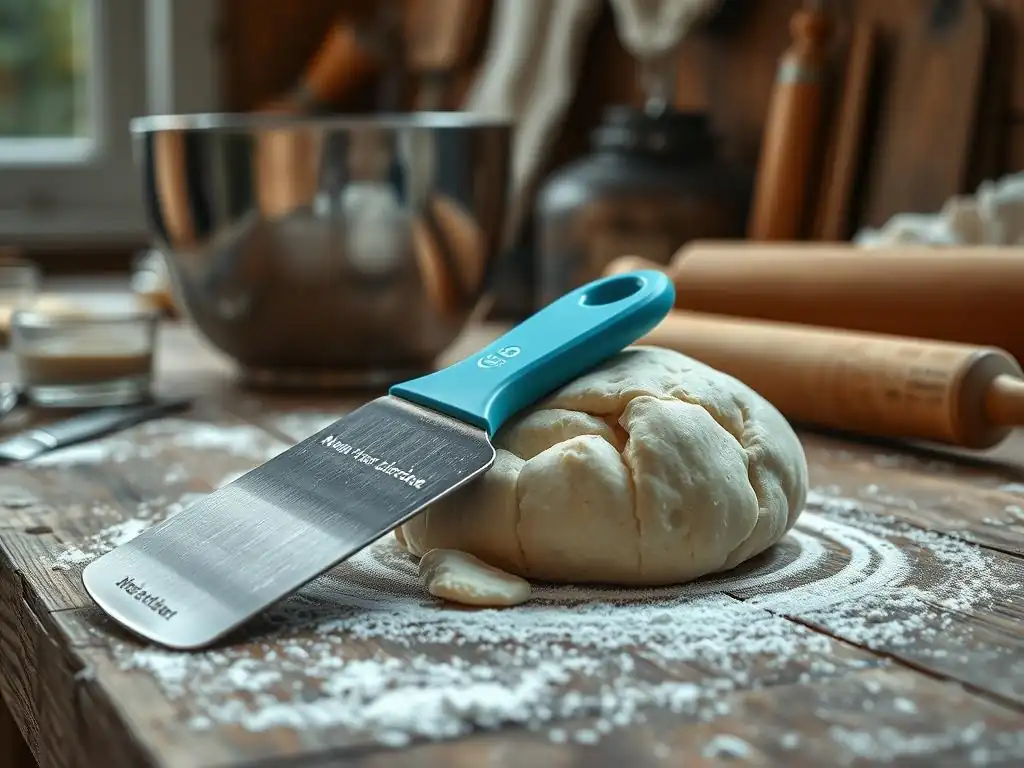
Metal dough scrapers, particularly those made from high-quality stainless steel, are built to last. They are incredibly durable and resistant to wear and tear, maintaining a sharp edge and structural integrity even with heavy daily use. A well-made metal scraper can easily be a tool you pass down through generations.
Unlike plastic which can degrade or become brittle, metal retains its strength and shape over time. This longevity means that while the initial investment might be higher, a metal scraper is a more sustainable and cost-effective choice in the long run for dedicated bakers.
Metal Scrapers and Cutting Power: Dividing Dough with Ease
The rigid, sharp edge of a metal dough scraper provides superior cutting power, making it ideal for dividing stiff or dense doughs, such as bagel dough, pizza dough with low hydration, or firm cookie dough. It slices through the dough cleanly and efficiently with minimal effort.
When working with higher hydration doughs (like ciabatta or high-hydration sourdough, often 75-85% water), the weight and rigidity of a metal scraper allow you to get underneath the sticky mass and divide it cleanly from the work surface. This clean cut is crucial for maintaining the structure of wet doughs.
Heat Resistance and Versatility of Metal
Metal scrapers are highly heat resistant, making them suitable for use with warm ingredients or on warm surfaces. You can confidently use a metal scraper to scrape warm chocolate off a marble slab or to clean up residue from a baking sheet straight out of the oven (with caution, of course).
This heat resistance adds to their versatility. They can be used for a wider range of tasks in the kitchen, including working with confectionery like tempering chocolate or scraping down a hot sugar caramel from a pan edge (again, with appropriate safety measures).
Cost Considerations with Metal Scrapers
Generally, metal dough scrapers are more expensive than their plastic counterparts. A basic stainless steel scraper might start around $10-$15, while high-end professional models with specific handle materials or blade finishes can cost $30 or more. This higher initial cost might be a barrier for some beginner bakers.
While the durability justifies the price for frequent bakers, it represents a larger upfront investment compared to the inexpensive plastic option. Budget-conscious bakers might prefer to start with plastic and upgrade later if they find themselves needing the specific capabilities of metal.
Potential for Scratching Surfaces with Metal
The hard, sharp edge of a metal scraper, while great for cutting dough, poses a risk to certain delicate work surfaces. Using a metal scraper directly on laminate countertops, wooden tables, or soft cutting boards can result in scratches or damage over time.
It's essential to be mindful of your work surface when using a metal scraper. Using it on a designated pastry mat, a stone surface like granite or marble, or a sturdy, scratch-resistant cutting board is recommended to protect your kitchen surfaces.
Learning Curve for Handling Metal Scrapers
While not steep, there can be a slight learning curve to using a metal scraper effectively, especially with wet or sticky doughs. The rigid blade requires a confident, deliberate motion to get under the dough cleanly. Beginners might initially find it sticks or is harder to control than a flexible plastic scraper.
The sharp edge also requires careful handling to avoid nicks or cuts. Proper grip and technique are important to safely utilize the cutting power of the metal blade. However, with a little practice, most bakers quickly become comfortable using a metal bench scraper.
Best Uses for Metal Dough Scrapers in Baking
Precisely Dividing and Shaping Dough
Metal scrapers excel at portioning dough with accuracy. Their rigid edge allows for straight, clean cuts, which is important for recipes requiring consistent piece sizes, like rolls, pretzels, or bread loaves. You can also use the straight edge to help shape dough rectangles or squares for laminated pastries.
For tasks like dividing a large batch of pizza dough into equal portions or cutting biscuit dough shapes, the metal scraper provides the necessary control and sharpness for efficient work.
Working with Stiff or Cold Doughs
When you're dealing with doughs that are firm, cold, or have a lower hydration, a metal scraper is the tool of choice. Think about cutting through chilled cookie dough logs, dividing a stiff bagel dough, or portioning chilled pastry dough for tarts. The metal blade cuts through these with ease where a plastic scraper might struggle or bend.
The rigidity is also helpful when incorporating additions into a stiff dough, allowing you to scrape and fold effectively.
Scraping and Cleaning Tough Residue
Beyond dough, a metal bench scraper is invaluable for cleaning up tough, stuck-on messes. Spilled and dried batter, caramelized sugar, melted chocolate, or even dried-on paint (though maybe not in the kitchen!) can often be effectively scraped off hard surfaces using a metal scraper.
It's also useful for clearing a work surface quickly – gathering flour, dough scraps, and other debris into a neat pile before wiping down. Its durability allows it to handle tasks that might damage a plastic scraper.
Plastic vs. Metal Dough Scraper: A Detailed Comparison Chart
Comparison Chart: Key Features and Uses
| Feature | Plastic Dough Scraper | Metal Dough Scraper |
|---|---|---|
| Cost | Lower (typically $3-$10) | Higher (typically $10-$30+) |
| Durability | Moderate (can wear/warp) | High (very long-lasting) |
| Flexibility | Often flexible | Rigid |
| Cutting Power | Moderate (best for softer doughs) | High (cuts through stiff/wet doughs) |
| Surface Safety | Gentle (less likely to scratch) | Can scratch delicate surfaces |
| Bowl Scraping | Excellent (conforms to curves) | Less effective for curved bowls |
| Heat Resistance | Low (can melt/warp) | High (handles warm ingredients/surfaces) |
| Cleaning | Very easy, often dishwasher safe | Easy, may require hand wash (handle) |
| Best For | Beginners, bowl scraping, smoothing frosting, soft doughs, delicate surfaces | Dividing dough, stiff/wet doughs, scraping tough residue, durability |
Expert Handling Tips for Your Dough Scraper (Plastic or Metal)
Mastering the Grip and Angle for Effective Scraping
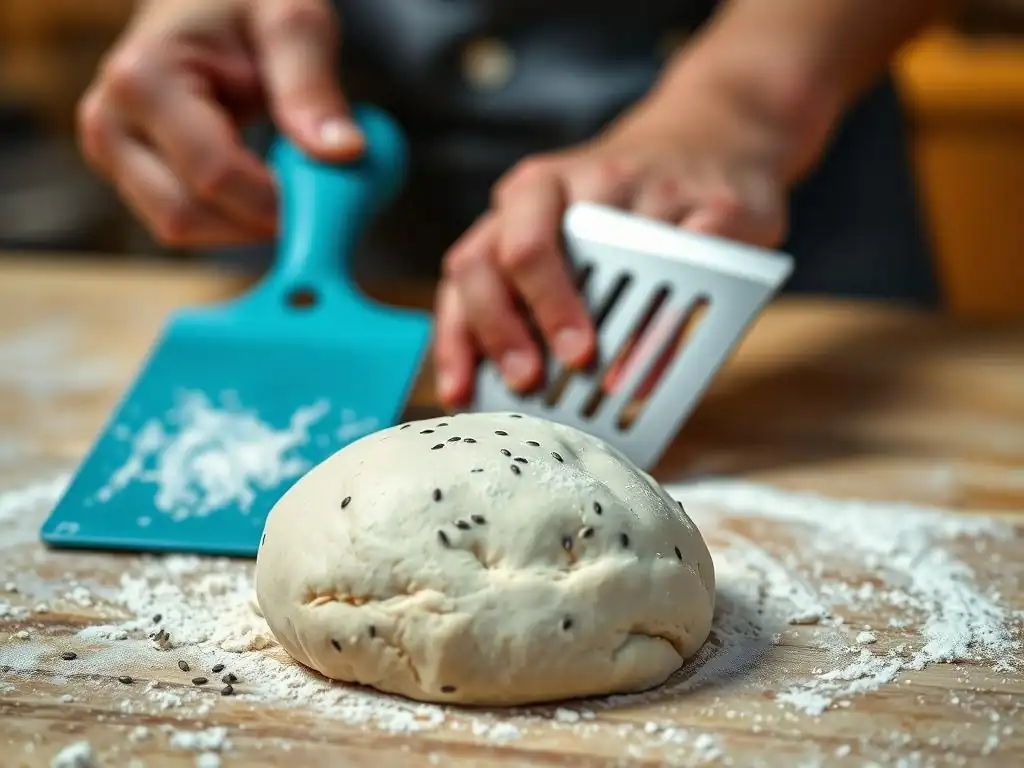
Holding your dough scraper correctly is key to using it efficiently and safely. For general scraping and cleaning, hold the scraper with the blade perpendicular to the work surface, using a firm grip on the handle. Use a push-and-scrape motion to gather flour, scraps, or residue.
When dividing dough, hold the scraper firmly with the blade edge down. You can press straight down or use a slight rocking motion, depending on the dough's consistency. For lifting sticky dough, angle the blade slightly (around 30-45 degrees) and slide it under the dough with a decisive motion. Practice different angles to see what works best for different dough types and tasks.
Techniques for Dividing Dough Evenly
Achieving consistent portion sizes is important for even baking, especially for rolls, buns, or individual bread loaves. To divide dough evenly, first shape the dough into a log or rectangle. Then, using your dough scraper (metal is often preferred here for clean cuts), make marks along the log at roughly equal intervals.
Once marked, use a firm downward press with the scraper to cut through the dough at each mark. For sticky dough, dipping the scraper blade in flour or water before each cut can help prevent sticking. Weighing the portions is the most accurate method for perfect consistency, but visual division with a practiced hand and scraper is often sufficient.
Cleaning and Storing Your Dough Scraper for Longevity
Proper cleaning after each use is crucial. For most tasks, washing with warm, soapy water is sufficient. Use a brush if necessary to remove stubborn bits of dough. Rinse thoroughly.
- For plastic scrapers: Most are dishwasher safe. If hand washing, ensure all dough is removed from edges and handle.
- For metal scrapers: If it has a wooden handle, wash the blade carefully, avoiding soaking the wood, and dry immediately to prevent cracking or warping. Stainless steel blades without wood can often go in the dishwasher, but hand drying immediately after washing (dishwasher or hand) is best to prevent water spots and maintain the blade's finish.
Store your dough scraper safely to protect the blade and prevent accidents. Many metal scrapers come with a protective sleeve for the blade. Store them in a drawer where the blade is not exposed, or hang them on a hook if they have a hole in the handle. Avoid tossing them into a crowded drawer with other sharp utensils.
Choosing the Right Dough Scraper for Your Baking Needs: A Personalized Guide
Consider Your Baking Style and Frequency
Think about the types of baking you do most often. Do you primarily make soft cookies and quick breads? A plastic scraper might be perfectly adequate and gentle on your surfaces. Are you an avid bread baker tackling high-hydration sourdough or dense rye loaves weekly? A durable metal scraper with excellent cutting power will be a better investment.
Consider how often you bake. If you bake daily or multiple times a week, the durability of a metal scraper becomes a significant advantage. If you bake occasionally, a less expensive plastic scraper might serve your needs just fine for years.
Assess Your Budget and Storage Space
Your budget is naturally a factor. If you're just starting out, a $5 plastic scraper is a low-risk way to see how useful you find the tool before committing to a more expensive metal version. Remember to factor in potential replacement costs over time if opting for plastic.
Storage space is also relevant. Most bench scrapers are relatively flat, but some have bulkier handles. Consider where you will store it – a drawer, a hook, or a utensil crock – and ensure the chosen scraper fits comfortably and safely.
Experiment and Find What Works Best for You
Ultimately, the best way to decide between a plastic or metal dough scraper, or even to own both, is to try them out. Many bakers find value in having both types on hand – a flexible plastic scraper for cleaning bowls and smoothing, and a rigid metal one for cutting and heavy-duty scraping.
Don't be afraid to experiment. Borrow a friend's scraper, or buy an inexpensive version of each type to see which feels most comfortable and effective for your specific baking tasks and preferred dough types. Your personal preference in handling and the feel of the tool in your hand are important factors.
Advanced Dough Scraper Techniques: Beyond the Basics
Using a Dough Scraper for Laminating Dough
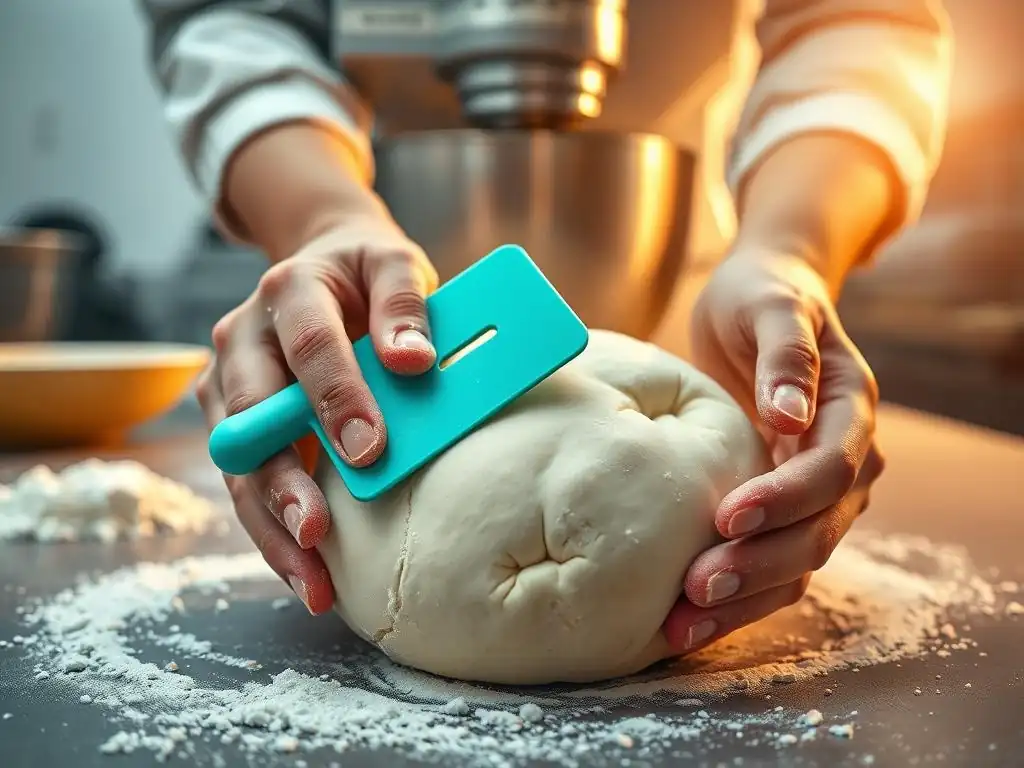
For creating flaky pastries like croissants, puff pastry, or danishes, a metal bench scraper is an essential tool during the lamination process. As you roll out the dough and layers of butter, the straight edge of the scraper can be used to help maintain the rectangular shape of the dough.
You can gently push the edges square as you roll, preventing the dough from spreading unevenly. The rigidity of the metal also helps in carefully lifting and folding the dough without tearing the delicate layers, which is crucial for achieving the desired flaky texture.
Creating Decorative Effects with Your Scraper
Beyond its primary functions, a dough scraper can be used creatively for decorative purposes. For instance, when working with soft doughs or batters, the straight edge can be used to create textured patterns on the surface before baking.
You can drag the edge lightly through thick batter for swirls or use the corner to create gentle ridges on proofed dough before baking. For fondant or modeling chocolate, the scraper's edge can create sharp lines or smooth surfaces on cakes and decorations.
Achieving Precise Cuts for Croissants
When cutting croissant dough, precision is key for achieving the classic shape. After rolling and shaping the laminated dough into a large rectangle, a metal bench scraper is used to cut the dough into long, even triangles.
The sharp, straight edge allows for clean, decisive cuts that create the base shape for rolling. Using the scraper ensures consistent triangle sizes, which leads to uniformly sized croissants that bake evenly. Measuring guides on some metal scrapers can assist with this precision.
Scoring Bread Loaves for Optimal Expansion
While a dedicated lame (scoring tool) is ideal for bread scoring, in a pinch, a very sharp metal bench scraper can be used. The corner of a well-sharpened scraper blade can make shallow cuts on the surface of proofed bread dough just before baking.
These scores control where the bread expands in the oven, preventing blowouts and contributing to a beautiful crust and crumb structure. It requires a steady hand and a very sharp edge, but it's a technique some bakers utilize, particularly for rustic loaves.
Maintaining Your Dough Scraper: Ensuring Cleanliness and Longevity
Proper Washing and Drying Techniques
Immediately after use, scrape off any excess dough or residue into the trash. Then, wash the scraper using warm water and dish soap. For plastic scrapers, a sponge is usually sufficient. For metal scrapers, particularly if dough is stuck, a stiff brush can be helpful to clean the edge and surface.
Rinse thoroughly under running water to remove all soap residue. Drying is a critical step, especially for metal scrapers with wooden handles, to prevent water damage and rust. Use a clean towel to dry the scraper completely before storing it.
Sanitizing Your Dough Scraper to Prevent Contamination
Regular cleaning is usually sufficient for home baking, but occasional sanitizing can add an extra layer of food safety. After washing and rinsing, you can sanitize a plastic scraper by immersing it in a mild bleach solution (about 1 teaspoon of bleach per quart of water) for a minute or two, then rinsing thoroughly.
Metal scrapers can often be sanitized by pouring boiling water over the blade (avoiding wooden handles) or using a food-safe sanitizing spray. Always ensure the scraper is completely dry after sanitizing before storing.
Storing Your Dough Scraper to Protect the Blade
How you store your dough scraper impacts its longevity and safety. For metal scrapers, especially those with sharp edges, consider using a blade guard or storing them in a way that protects the edge from banging against other utensils. A magnetic knife strip can be a good option if space allows.
Plastic scrapers can be stored in a drawer, but avoid placing heavy or sharp objects on top of them that could warp or damage the plastic. Hanging them on hooks is an excellent way to keep them accessible and protected. Proper storage ensures your scraper is ready for your next baking adventure.
Conclusion: Embrace the Versatility of Dough Scrapers for Effortless Baking
Whether you opt for a plastic or metal dough scraper, or decide to keep one of each on hand, incorporating this simple tool into your baking routine will significantly enhance your efficiency and results. From keeping your workspace clean and tidy to expertly dividing delicate doughs and even adding decorative touches, the humble bench scraper proves its worth time and again.
Understanding the unique properties of plastic vs metal dough scraper helps you make the best choice for specific tasks, ensuring you have the right tool for every step of your baking process. Embrace the versatility of this essential piece of equipment and experience the ease it brings to creating perfect pastries, breads, and more.
Frequently Asked Questions
What are the primary differences between plastic and metal dough scrapers?
Plastic scrapers are generally more flexible and gentler on non-stick surfaces, while metal scrapers offer greater durability and sharper edges for cutting dough. The choice often depends on the specific baking task.
When is it best to use a plastic dough scraper?
Use a plastic scraper when working with delicate doughs or when scraping down bowls with non-stick coatings. Its flexibility helps avoid scratches.
What are the advantages of using a metal dough scraper?
Metal scrapers are excellent for cutting and dividing dough due to their sharp edge and are more durable for heavy-duty tasks like scraping a workbench.
How should I properly clean and maintain my dough scraper (plastic or metal)?
Both types should be washed with warm, soapy water. Metal scrapers should be dried thoroughly to prevent rusting, and plastic scrapers can be prone to absorbing certain smells.
What are some expert tips for handling a dough scraper effectively?
Hold the scraper at a slight angle for optimal scraping. Use a firm, even pressure and practice to develop a feel for the dough's consistency.
Final Reflection: The Humble Dough Scraper: A Tool for Creativity and Precision
The seemingly simple act of scraping a bowl holds a surprising amount of significance in the culinary world. From professional kitchens to home bakeries, the choice between a plastic or metal dough scraper directly impacts efficiency, cleanliness, and the overall baking experience. This seemingly small decision speaks volumes about the attention to detail that elevates good baking to great baking.
The impact of this seemingly insignificant tool extends far beyond the simple act of scraping. It's a symbol of the care and precision that goes into creating something delicious. The right tool, wielded with skill, can transform a messy process into a streamlined and satisfying one. As Julia Child once said, Find something you're passionate about and keep tremendously interested in it.
This applies not only to cooking itself, but also to the tools that facilitate our creativity in the kitchen. The choice between plastic and metal, the understanding of proper handling – these details, though small, reflect a larger commitment to the craft.
Now, consider your own kitchen. What tools do you hold dear? What seemingly insignificant details elevate your own culinary experience? I encourage you to examine your approach to baking, to consider the tools you use, and to appreciate the subtle artistry involved in even the simplest tasks. Perhaps it's time to upgrade your dough scraper, to find the perfect tool that fits your hand and your style. The journey towards culinary mastery begins with a single, well-chosen tool, and the knowledge of how to use it effectively.
Unlock Your Baking Potential: Master the Dough Scraper!
Thanks for diving into the world of dough scrapers with us! We hope you now feel confident in choosing the right tool and using it like a pro. Ready to take your baking to the next level?
- Elevate your next bake: Try using your new knowledge to tackle a challenging recipe – think croissants or intricate pie crusts! See how much easier the process becomes.
- Share your scraper success: Show us your perfectly scraped bowls and amazing creations on social media using #BakeWithEaseScraper! We’d love to see your results.
- Explore new techniques: Look up videos on advanced dough handling techniques and experiment with different scraper styles.
So, what delicious creation will you conquer with your newfound dough-scraping expertise?