
Creating Structure Without Gluten: A Baker's Guide to Swaps

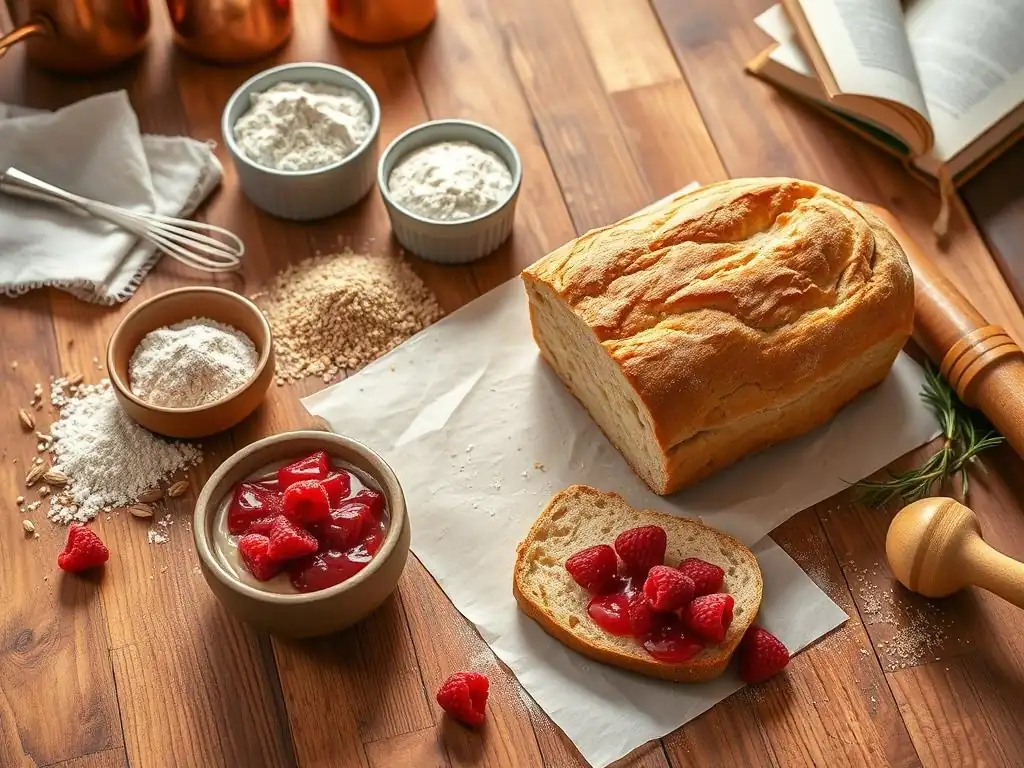
Welcome to BakeWithEase, your haven for baking brilliance! Ever wondered how to achieve perfect textures and flavors in your gluten-free creations? This week, we're diving deep into the world of Glutenfree baking substitutions tips, unlocking the secrets to maintaining structure and taste without traditional gluten. Ready to revolutionize your baking and discover the best swaps for success? Let's get started!
- Introduction to Gluten-Free Baking: The Art of Substitution
- Essential Gluten-Free Flours: Building Blocks for Success
- Binders: Mimicking Gluten's Functionality
- Texture Improvement: Beyond Basic Substitutions
- Recipes and Applications: Practical Examples
- Tips for Success: Best Practices for Gluten-Free Baking
- Troubleshooting: Addressing Common Issues
- Conclusion: Embracing Gluten-Free Baking
-
Frequently Asked Questions
- What is the biggest challenge when baking gluten-free?
- What are some common gluten-free flour substitutions?
- How can I add more structure to my gluten-free baked goods?
- Can I substitute gluten-free flour one-to-one for wheat flour in any recipe?
- What are some tips for avoiding a gritty texture in gluten-free baked goods?
- Final Reflection: The Enduring Allure of Gluten-Free Baking
- Unleash Your Gluten-Free Baking Potential!
Introduction to Gluten-Free Baking: The Art of Substitution
Understanding Gluten's Role: Elasticity, Strength, and Structure
Gluten, a protein composite found in wheat, barley, and rye, plays a crucial role in traditional baking. When wheat flour is mixed with liquid and kneaded, the gluten proteins (gliadin and glutenin) form a network. This network acts like a scaffolding, providing elasticity and strength to the dough or batter. It allows bread dough to be stretched and shaped without tearing and traps gases produced by leavening agents like yeast or baking powder, enabling baked goods to rise and develop a light, airy texture.
Beyond providing structure and rise, gluten also contributes to the chewiness and texture of many baked goods, particularly breads and pasta. This elastic matrix holds everything together, preventing crumbling. Understanding this foundational role is the first step in mastering glutenfree baking substitutions tips, as the goal is to replicate these functions using alternative ingredients. Without a substitute performing these tasks, gluten-free bakes can become dense, crumbly, or gummy.
The Gluten-Free Challenge: Mimicking Gluten's Properties
The primary challenge in gluten-free baking is creating a structure that can withstand leavening, hold its shape, and provide a pleasant texture without the inherent properties of gluten. Simply replacing wheat flour with a single gluten-free flour rarely works because no single alternative flour possesses the same combination of elasticity, strength, and binding capabilities. This is where strategic gluten-free baking substitutions come into play.
Successfully mimicking gluten requires a thoughtful combination of different flours and binding agents. It's often about building structure from multiple components – starches for lightness, protein/fiber for strength and binding, and gums or seeds for cohesion. Effective glutenfree baking substitutions tips emphasize understanding the properties of alternative ingredients and how they interact to recreate the desired outcome, whether it's a fluffy cake or a chewy loaf of bread.
Essential Gluten-Free Flours: Building Blocks for Success
Understanding Flour Properties: Starch, Protein, and Fiber Content
Gluten-free flours vary significantly in their composition, particularly their starch, protein, and fiber content. Starchy flours, like tapioca or potato starch, contribute lightness and help with binding when heated, but offer little structural strength on their own. They are often used to tenderize gluten-free baked goods and provide a delicate crumb.
Flours higher in protein or fiber, such as almond flour, sorghum flour, or brown rice flour, contribute more structure and nutrients. However, they can sometimes result in denser bakes or absorb more liquid. A balanced gluten-free flour blend typically combines several types of flours and starches to achieve a profile closer to wheat flour, providing both structure and tenderness. Mastering these glutenfree baking substitutions tips involves knowing which flours to use for specific textures.
Tapioca Starch: For Lightness and Chew
Tapioca starch, extracted from the cassava root, is a fine, white powder that is almost pure starch. It's excellent for adding chewiness and lightness to gluten-free baked goods, making it a popular addition to many gluten-free flour blends. When heated, tapioca starch becomes gelatinous, helping to bind ingredients together and improve the overall texture.
Using tapioca starch can help prevent the crumbly texture often associated with gluten-free recipes. It contributes to a slightly crispy crust on breads and cookies and can make cakes and muffins more tender. However, using too much can result in a gummy or overly chewy texture, so it's typically used in combination with other flours, often making up around 10-25% of a gluten-free flour blend.
Rice Flour (White and Brown): Versatile Base Flours
White rice flour, milled from polished white rice, is a staple in many gluten-free baking substitutions tips. It has a neutral flavor and fine texture, making it a versatile base. However, it contains less protein and fiber than brown rice flour and can sometimes result in a slightly gritty texture if not finely milled or properly hydrated. It contributes to a tender crumb in cakes and cookies.
Brown rice flour, milled from whole grain rice, offers more fiber, protein, and nutrients than white rice flour, along with a slightly nutty flavor. It absorbs more liquid and can contribute to a denser product if used exclusively. Brown rice flour provides more structure than white rice flour or tapioca starch and is often used as a significant component (e.g., 30-50%) in balanced gluten-free flour blends, offering a good balance of structure and tenderness.
Potato Starch: Enhancing Softness and Moisture
Potato starch, extracted from potatoes, is another common starchy component in gluten-free flour blends. Similar to tapioca starch, it's a very fine, white powder that helps create a light, soft texture and improves moisture retention in baked goods. It has a neutral flavor and works well in combination with other flours.
Potato starch contributes to the overall tenderness and moistness of gluten-free cakes, muffins, and pastries. It helps prevent dryness and can improve the browning of crusts. Like tapioca starch, it's best used in moderation within a blend, typically comprising around 15-25% of the total flour mix, to avoid a gummy texture.
Almond Flour: Adding Flavor and Texture
Almond flour, made from ground blanched almonds, is higher in protein, fiber, and fat than most grain-based flours. This composition gives it a rich flavor and moist texture. It doesn't behave like wheat flour in terms of structure, as it lacks starches that gelatinize and proteins that form an elastic network.
While almond flour doesn't provide the same kind of structure as wheat, it's excellent for adding richness, tenderness, and a pleasant nutty flavor to cookies, cakes, muffins, and quick breads. Its higher fat content contributes to moisture and can help prevent the dryness sometimes found in gluten-free bakes. It's often used in combination with other flours and binders in gluten-free baking substitutions tips for recipes where a denser, richer crumb is desired.
Sorghum Flour: Providing a Wheat-Like Flavor and Texture
Sorghum flour, milled from the ancient grain sorghum, is gaining popularity in gluten-free baking. It has a mild, slightly sweet flavor and a relatively soft texture that is often compared to wheat flour. It contains a good amount of protein and fiber, contributing to structure and nutritional value.
Using sorghum flour can help create gluten-free baked goods that are less dense and crumbly than those made with some other alternatives. It works well in breads, muffins, and cookies, offering a texture that is closer to traditional wheat-based items. It's typically used as a significant component in gluten-free flour blends, often making up 20-40% of the mix, providing a good base with a familiar flavor profile.
Binders: Mimicking Gluten's Functionality
Understanding Binders: Creating Structure and Preventing Crumbling
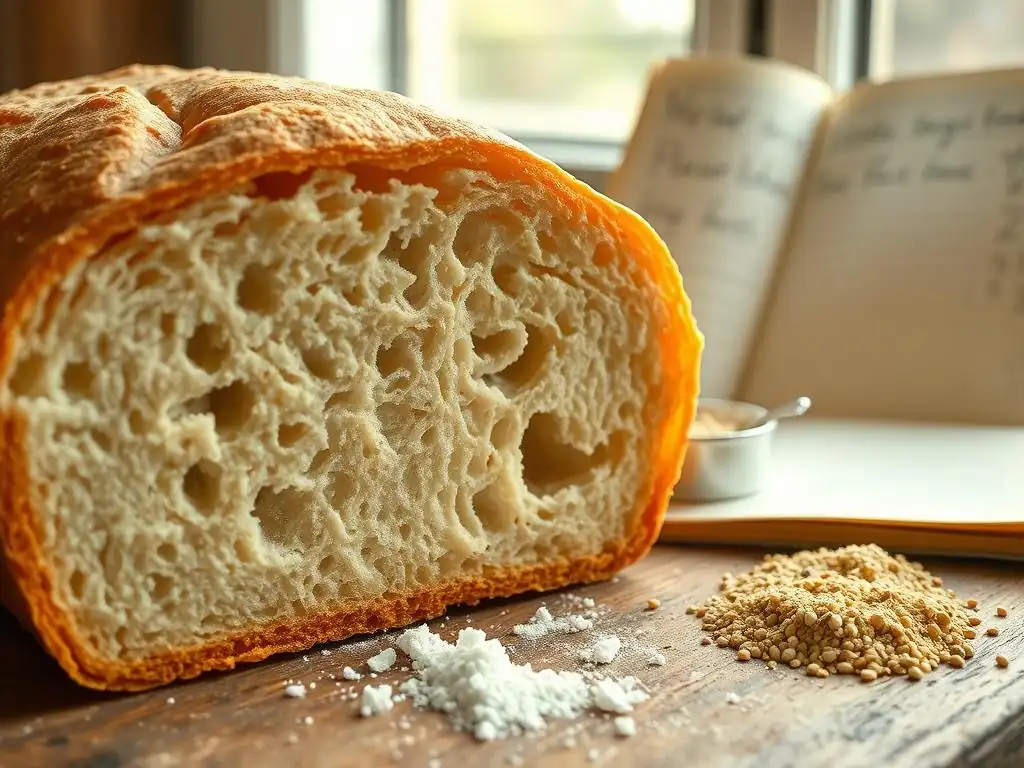
In gluten-free baking, binders are essential ingredients used to hold the mixture together, preventing it from crumbling apart. Since gluten's network isn't present, these substitutes must create a similar cohesive structure. They work by absorbing liquid and becoming viscous or gel-like, effectively gluing the flour particles and other ingredients together.
Binders are critical for providing elasticity and flexibility to gluten-free doughs and batters, allowing them to rise without collapsing. Without sufficient binder, gluten-free baked goods often have a dry, sandy, or crumbly texture. Strategic use of binders is one of the most important glutenfree baking substitutions tips for achieving successful results.
Xanthan Gum: The Versatile Gluten Replacer
Xanthan gum is a popular and highly effective binder in gluten-free baking. It's a polysaccharide produced by the fermentation of sugar by the bacterium Xanthomonas campestris. A very small amount of xanthan gum can significantly increase the viscosity of a liquid, creating a gel-like substance that mimics the stickiness and elasticity of gluten.
Xanthan gum is particularly effective in providing structure and elasticity to gluten-free doughs and batters, helping them hold shape and preventing crumbling. It's widely used in everything from breads to cakes and cookies. While very effective, it can sometimes leave a slightly gummy texture or a strange aftertaste if used in excess. Finding the right balance is key.
Xanthan Gum: How it Binds and Stabilizes
Xanthan gum works by absorbing water and forming a hydrocolloid gel. This gel network traps air bubbles produced by leavening agents, allowing the dough or batter to rise and maintain its structure during baking. It also helps stabilize emulsions, keeping fats and liquids evenly dispersed throughout the mix.
Its ability to create viscosity and elasticity makes it a powerful tool in gluten-free baking substitutions tips. It provides the necessary 'stretch' that is missing in gluten-free flours, allowing breads to develop a crumb structure and preventing cookies from spreading too much. The amount needed is typically quite small, measured in teaspoons.
Proper Usage: Dosage and Dispersion
Accurate measurement is crucial when using xanthan gum. Too little won't provide enough binding; too much can result in a gummy texture or a heavy, dense bake. General guidelines for usage vary depending on the type of baked good:
- Cookies: 1/4 teaspoon per cup of gluten-free flour blend.
- Cakes, Muffins, Quick Breads: 1/2 teaspoon per cup of gluten-free flour blend.
- Yeasted Breads: 3/4 to 1 teaspoon per cup of gluten-free flour blend.
It's best to whisk xanthan gum into the dry ingredients thoroughly before adding any liquid to ensure even dispersion and prevent clumping. Some bakers prefer to dissolve it in a small amount of oil or liquid before adding it to the mix, which can also help prevent lumps.
Guar Gum: A Potential Alternative
Guar gum is another common binder derived from the guar bean. Like xanthan gum, it is a polysaccharide that forms a viscous gel when mixed with liquid, providing structure and preventing crumbling in gluten-free baked goods. It is often used as an alternative or in combination with xanthan gum.
Guar gum tends to work better in cold applications or dairy-based recipes, while xanthan gum is often preferred for baked goods, especially yeasted items. However, both can be used effectively in many recipes as part of your glutenfree baking substitutions tips arsenal. Some people find guar gum easier on their digestive system than xanthan gum.
Guar Gum vs. Xanthan Gum: Choosing the Right Binder
While both xanthan gum and guar gum serve as binders, they have slight differences in behavior. Xanthan gum generally provides more elasticity and works particularly well in yeasted breads, giving the dough a more traditional feel. Guar gum tends to create a softer, more tender crumb, which can be desirable in cakes, muffins, and pastries.
Some recipes specify which gum to use, while others allow for either. As a general rule of thumb for glutenfree baking substitutions tips: use xanthan gum for yeasted recipes and guar gum for non-yeasted or dairy-heavy recipes. If substituting one for the other, they are typically used in the same amounts. Experimentation may be needed to find which works best for a specific recipe or desired texture.
Psyllium Husk: Adding Fiber and Structure
Psyllium husk, derived from the seeds of the Plantago ovata plant, is a powerful binder, particularly effective in gluten-free bread baking. It is high in soluble fiber, which absorbs significant amounts of water to form a thick, gelatinous mass. This gel provides structure, elasticity, and moisture retention to gluten-free doughs.
Using psyllium husk can dramatically improve the texture of gluten-free breads, giving them a more open crumb structure and preventing them from becoming dense or gummy. It also adds beneficial fiber to the bake. It's often used in recipes aiming for a chewy, sturdy bread that holds its shape well, offering excellent glutenfree baking substitutions tips for bakers specifically tackling loaves.
Psyllium Husk in Bread and Hearty Bakes
Psyllium husk is a game-changer for gluten-free bread. Unlike gums which primarily provide elasticity, psyllium husk creates a strong, stable gel that mimics the network formed by gluten. This allows the dough to rise significantly and creates a more traditional bread texture with a good crust and interior structure.
It's typically used at a ratio of about 1-2 tablespoons of whole psyllium husks (or 1-1.5 tablespoons of psyllium husk powder) per cup of gluten-free flour blend in bread recipes. It needs to be hydrated before or during mixing; often, it's whisked into the liquid ingredients and allowed to sit for a few minutes to gel before being combined with the dry ingredients. This hydration step is key to its effectiveness.
Chia Seeds & Flaxseed Meal: Natural Binding Agents
Ground chia seeds and flaxseed meal (ground flaxseeds) are natural, whole-food binders that can be used in gluten-free baking. Like psyllium husk, they are rich in soluble fiber and omega-3 fatty acids. When mixed with liquid, they form a gel that helps bind ingredients together.
To use them as a binder, mix 1 tablespoon of chia seeds or flaxseed meal with 3 tablespoons of water and let it sit for 5-10 minutes until a gel forms. This "chia egg" or "flax egg" can then be used to replace one egg in a recipe, or as a binder in vegan or egg-free gluten-free baking substitutions tips. While they add nutrients and binding, they don't provide the same level of elasticity or structure as gums or psyllium husk, and can impart a slightly nutty flavor and speckled appearance.
Texture Improvement: Beyond Basic Substitutions
Addressing Texture Issues: Crumbliness, Gumminess, and Dryness
Common texture problems in gluten-free baking include excessive crumbliness, gumminess, and dryness. Crumbliness often results from a lack of sufficient binder or an imbalance of flours, where there isn't enough to hold the structure together. This is a frequent issue when simply swapping wheat flour 1:1 without adding a binder or adjusting the flour blend.
Gumminess, conversely, can occur from using too much starch, too much binder (especially xanthan gum or tapioca starch), or insufficient baking time/temperature. Dryness is typically caused by insufficient hydration, too much high-protein or high-fiber flour, or over-baking. Mastering glutenfree baking substitutions tips involves not just swapping ingredients, but understanding how to balance them to prevent these issues.
Achieving Desired Textures: Hydration, Fat, and Baking Time
Beyond selecting the right flours and binders, adjusting hydration levels, fat content, and baking techniques are crucial for achieving optimal texture in gluten-free bakes. Gluten-free flours absorb liquids differently than wheat flour, and often require more hydration and resting time to allow the flours to fully absorb the moisture.
Fat and sugar play significant roles in tenderness and moisture. Adequate fat (butter, oil, etc.) coats flour particles, preventing them from binding excessively and resulting in a more tender crumb. Sugar also helps retain moisture and contributes to softness and browning. Baking time and temperature must be carefully controlled to ensure the bake is cooked through without becoming dry or tough. These are vital glutenfree baking substitutions tips for refining your results.
Hydration: The Key to Moist Gluten-Free Bakes
Gluten-free flours, particularly those higher in fiber like brown rice flour or sorghum flour, tend to absorb more liquid than wheat flour. Additionally, without the gluten network to trap moisture, gluten-free bakes can dry out more easily. Therefore, many gluten-free recipes require more liquid than their wheat-based counterparts.
Adding extra liquid, whether it's milk, water, or another liquid ingredient, helps hydrate the flours and starches fully, leading to a softer, more moist texture. It also helps the binders activate properly. Allowing gluten-free batters or doughs to rest for 15-30 minutes before baking can improve texture by giving the flours time to absorb the liquid, reducing grittiness and improving structure. This hydration strategy is a top glutenfree baking substitutions tip.
Sugar and Fat: Impacting Texture and Browning
Sugar and fat are not just for flavor; they significantly impact the texture of gluten-free baked goods. Sugar is hygroscopic, meaning it attracts and retains moisture, contributing to a softer, more tender crumb and preventing dryness. It also aids in browning, giving crusts a desirable golden color.
Fats, like butter or oil, shorten the gluten-free structure (in the absence of gluten, they coat the flour/starch particles), resulting in a more tender and less tough texture. They also contribute to richness and moisture. In gluten-free baking, slightly increasing the amount of fat or sugar compared to a wheat recipe can sometimes help compensate for the lack of gluten structure and improve the overall eating experience. These adjustments are common glutenfree baking substitutions tips.
Baking Time and Temperature: Avoiding Over-Baking
Gluten-free baked goods can sometimes appear done on the outside (due to browning) before they are fully cooked through on the inside. Over-baking is a primary cause of dry, crumbly, or hard textures. Because gluten-free items lack the elastic network of gluten, they can become very brittle when too much moisture is evaporated.
It's crucial to bake gluten-free items until a skewer or toothpick inserted into the center comes out clean, but no longer. Using an oven thermometer to ensure accurate temperature is also helpful, as ovens can vary. Lowering the baking temperature slightly and increasing the time can sometimes help achieve a more even bake, preventing the outside from drying out before the inside is cooked. Monitoring closely is a key glutenfree baking substitutions tip.
Recipes and Applications: Practical Examples
Sample Recipes: Demonstrating Effective Substitutions
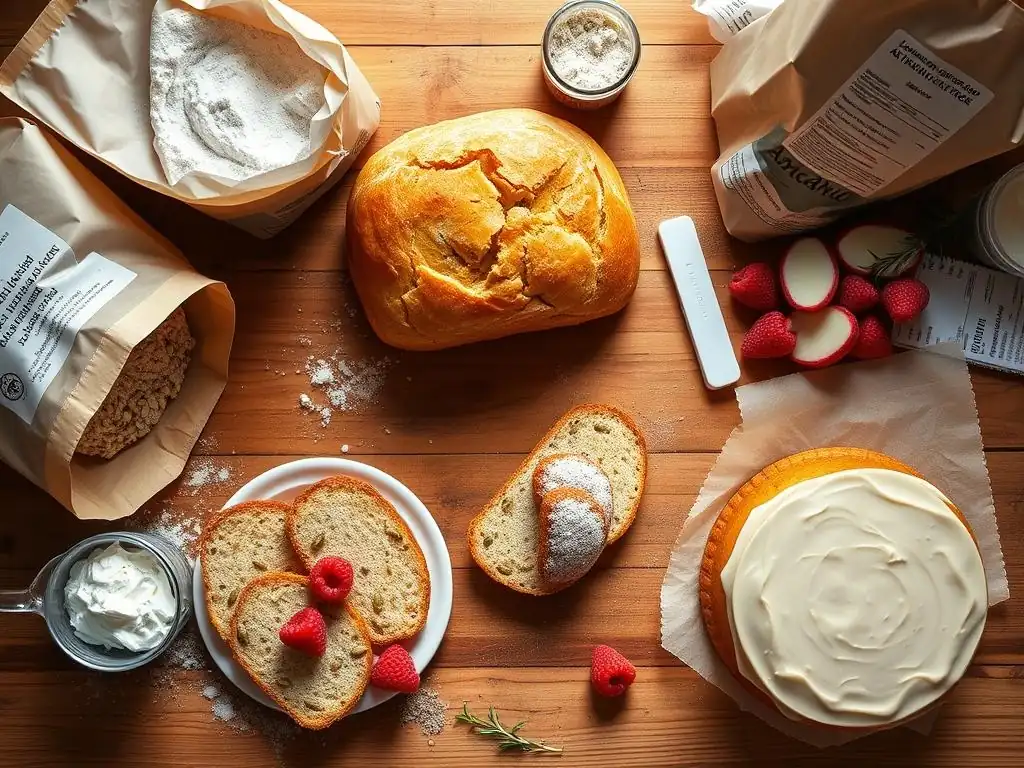
Let's look at how glutenfree baking substitutions tips are applied in common recipes. These examples showcase how different flours and binders work together to replicate the structure and texture of traditional bakes. While full recipes aren't provided here, understanding the role of key swaps illustrates the principles.
Consider a gluten-free pie crust. A successful crust needs to be flaky and tender, not tough or crumbly. This is often achieved by using a blend of starchy flours (like tapioca or potato starch) with a base flour (like white rice flour) and incorporating a binder like xanthan gum. The fat (usually butter or shortening) is cut into the flour blend to create pockets that result in flakiness, just as in a wheat crust, but the binder is essential to hold the delicate structure together without gluten.
Gluten-Free Sandwich Bread: Achieving a Soft and Stable Loaf
Creating a soft, stable gluten-free sandwich bread that doesn't crumble or sink is a significant achievement. This typically involves a blend of gluten-free flours, including a significant portion of a base flour like brown rice flour or sorghum flour, combined with starches like tapioca or potato starch for tenderness.
The key glutenfree baking substitutions tips for bread lie in the binder. Psyllium husk is often the preferred choice for sandwich bread as it provides the necessary structure and elasticity for a good rise and an open, non-gummy crumb. Xanthan gum is also frequently used, sometimes in combination with psyllium. Adequate hydration and proper kneading (or mixing, as gluten-free dough doesn't develop gluten) are also critical for success.
Gluten-Free Chocolate Cake: Creating a Light and Moist Crumb
For a gluten-free chocolate cake with a light, moist crumb, the focus shifts slightly. A blend of fine-textured gluten-free flours, such as white rice flour, sorghum flour, and potato or tapioca starch, is commonly used. Cocoa powder also adds some structure.
The binder here is typically xanthan gum, used in a smaller quantity than for bread, perhaps around 1/2 teaspoon per cup of flour blend. Sufficient fat (butter or oil) and sugar are crucial for moisture and tenderness. Using ingredients like buttermilk or sour cream can also enhance moisture and activate leavening, contributing to a lighter texture. These glutenfree baking substitutions tips ensure the cake is tender, not dense.
Gluten-Free Chocolate Chip Cookies: Maintaining Shape and Texture
Gluten-free chocolate chip cookies require a balance between spreading and holding their shape, along with a pleasant chewiness or crispness depending on preference. A blend of gluten-free flours, often including a mix of base flours (like rice flour) and perhaps almond flour for richness, is used.
Xanthan gum is a common binder for cookies, used sparingly (e.g., 1/4 teaspoon per cup of flour blend) to prevent excessive spread and provide a slight chew without making them gummy. Proper creaming of butter and sugar incorporates air for lift, and chilling the dough before baking helps maintain shape. These glutenfree baking substitutions tips help achieve that classic cookie texture.
Tips for Success: Best Practices for Gluten-Free Baking
Accurate Measurement: Using a Scale for Consistency
One of the most critical glutenfree baking substitutions tips for consistent results is using a digital kitchen scale to measure ingredients, especially flours and starches. Volume measurements (cups) can vary significantly depending on how the flour is scooped or packed, leading to inconsistent hydration and texture.
Flour weights can differ considerably between types (e.g., 1 cup of almond flour weighs less than 1 cup of brown rice flour). Following recipes that provide weight measurements in grams is the most reliable way to ensure you are using the correct ratios of ingredients, which is essential for the delicate balance required in gluten-free formulations.
Flour Blends: Creating Balanced Texture and Flavor
Rarely does a single gluten-free flour work well as a 1:1 substitute for wheat flour across all recipes. Creating or using a well-balanced gluten-free flour blend is fundamental. A good blend typically combines a starchy flour (like tapioca or potato starch) with one or more base flours (like brown rice, white rice, or sorghum flour) and sometimes a higher-protein flour (like almond or oat flour).
Commercial gluten-free flour blends are available, but their composition varies, which is why results can differ between brands when using the same recipe. Many experienced gluten-free bakers create their own blends tailored to specific types of baking (e.g., a blend for cakes vs. a blend for bread). Understanding the properties of individual flours, as discussed earlier, is key to formulating or choosing the right blend for your glutenfree baking substitutions tips.
Storage: Maintaining Freshness and Preventing Staling
Gluten-free baked goods can sometimes stale faster than wheat-based items, as the lack of a gluten network affects moisture retention over time. Proper storage is essential to maintain freshness and texture.
Allow baked goods to cool completely before storing. Store cakes, muffins, and quick breads in an airtight container at room temperature for a day or two, or refrigerate for longer storage (they may firm up slightly when cold). Breads can be stored in a bread box or wrapped tightly. For longer-term storage, freezing is an excellent option for most gluten-free baked goods; slice bread before freezing for easy portioning. These storage tips help preserve the results of your careful glutenfree baking substitutions.
Troubleshooting: Addressing Common Issues
Identifying and Correcting Texture Problems: Density, Crumbliness, Gumminess
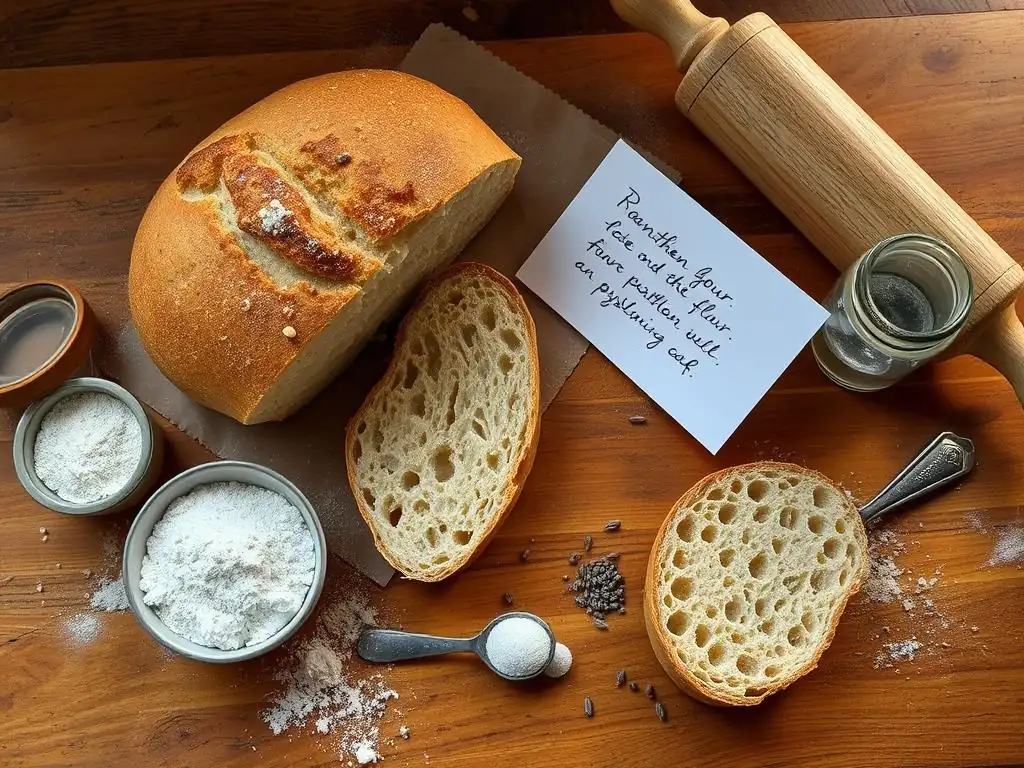
When a gluten-free bake doesn't turn out as expected, identifying the texture issue is the first step to correcting it in future attempts.
- Density: Often caused by insufficient leavening, too much heavy flour, not enough binder, or under-baking. Ensure leavening agents are fresh, check binder ratios, and verify baking time/temperature.
- Crumbliness: Typically indicates a lack of sufficient binder or moisture. Try increasing the binder slightly (e.g., add 1/4 tsp more xanthan gum per cup of flour) or slightly increasing the liquid in the recipe.
- Gumminess: Can result from too much starch (especially tapioca or potato), too much binder (particularly xanthan gum), or under-baking. Reduce starch component in your blend, slightly decrease binder, or ensure adequate baking time.
Analyzing the texture helps refine your glutenfree baking substitutions tips and techniques.
Adjusting for Environment: Altitude and Humidity
Environmental factors like altitude and humidity can significantly impact baking, especially in gluten-free recipes where the balance is already delicate.
- High Altitude: Air pressure is lower, causing baked goods to rise faster and liquids to evaporate more quickly. This can lead to collapsing, dryness, or a crumbly texture. Adjustments often include slightly reducing leavening agents, slightly increasing liquid, adding an extra binder (like 1/2 tsp extra flour or starch per cup), and potentially increasing oven temperature slightly.
- High Humidity: Ingredients can absorb more moisture from the air. This might require slightly reducing liquid in the recipe or slightly increasing flour/starch.
- Low Humidity: Ingredients are drier. This might require slightly increasing liquid in the recipe to prevent dryness.
These environmental glutenfree baking substitutions tips require experimentation, but being aware of their impact is crucial for consistent results.
Conclusion: Embracing Gluten-Free Baking
The Future of Gluten-Free: New Ingredients and Techniques
Gluten-free baking has evolved dramatically over the past couple of decades, moving from dense, dry results to delicious, well-textured treats. The continuous development of new gluten-free flours, starches, and natural binders, coupled with a deeper understanding of how these ingredients interact, promises an even brighter future. Research into novel ingredients like specific types of pulses, ancient grains, and hydrocolloids continues to expand the possibilities for gluten-free baking substitutions.
As bakers continue to experiment and share their glutenfree baking substitutions tips, techniques are also being refined. Innovations in mixing methods, fermentation processes (for yeasted goods), and specialized equipment designed for gluten-free doughs are making it easier than ever to achieve results comparable to traditional baking. Embracing gluten-free baking is an exciting journey of discovery, offering creative ways to enjoy beloved baked goods without gluten.
Frequently Asked Questions
What is the biggest challenge when baking gluten-free?
The biggest challenge is often replicating the structure that gluten provides. Gluten gives baked goods their chewiness, elasticity, and ability to rise. Without it, items can be crumbly or dense.
What are some common gluten-free flour substitutions?
Common substitutions include almond flour, rice flour, tapioca starch, and gluten-free flour blends. Each has unique properties, so they're often used in combination for optimal results.
How can I add more structure to my gluten-free baked goods?
Adding xanthan gum or guar gum helps bind ingredients and provides structure similar to gluten. Using eggs and dairy (if not dairy-free) can also aid in binding.
Can I substitute gluten-free flour one-to-one for wheat flour in any recipe?
Generally, no. Gluten-free flours often require adjustments to liquid ratios and may need a binding agent. Always follow a recipe specifically designed for gluten-free baking.
What are some tips for avoiding a gritty texture in gluten-free baked goods?
Using finely ground gluten-free flours and allowing the batter to rest before baking can reduce grittiness. Also, consider using a combination of flours and starches.
Final Reflection: The Enduring Allure of Gluten-Free Baking
The quest for delicious, structurally sound gluten-free baked goods is far from over, and the demand for reliable substitutions continues to rise. This reflects a growing awareness of dietary needs and a desire for inclusivity within the culinary world, proving that deliciousness doesn't have to come at the cost of health or preference.
The journey of mastering gluten-free baking is a testament to human ingenuity and adaptability. It's a constant exploration, a dance between science and artistry, where understanding the role of gluten allows for creative solutions. The most beautiful discovery true genius makes is to find out that the simplest things are also the most extraordinary.
This quote, while not directly about baking, perfectly encapsulates the revelation of finding the perfect gluten-free swap – often, it's the simplest solution that yields the most extraordinary results.
Now, it's your turn. Don't be intimidated by the seemingly complex world of gluten-free baking. Experiment with the substitutions outlined in this guide, embrace the learning process, and most importantly, enjoy the journey of creating delicious and satisfying treats that cater to your needs and preferences. The possibilities are endless, and your culinary creativity awaits!
Unleash Your Gluten-Free Baking Potential!
Thanks for taking the time to explore the world of gluten-free baking with us! We hope you gained valuable insights and newfound confidence in creating delicious, structured treats. Now it's time to put your knowledge into practice!
- Bake your first gluten-free masterpiece: Choose one recipe from the article (or a favorite you already have!) and give it a try. Document your experience – even if it's just a quick note to yourself – to track your progress.
- Share your baking journey: Tell us (and others!) about your experience on social media using #BakeWithEaseGlutenFree. We'd love to see your creations!
- Explore new gluten-free flours: Try experimenting with a different flour blend than what you’re used to; you might discover a new favorite.
What exciting gluten-free creation will you bake first?