
The Role of Starches in GlutenFree Texture: A Deep Dive

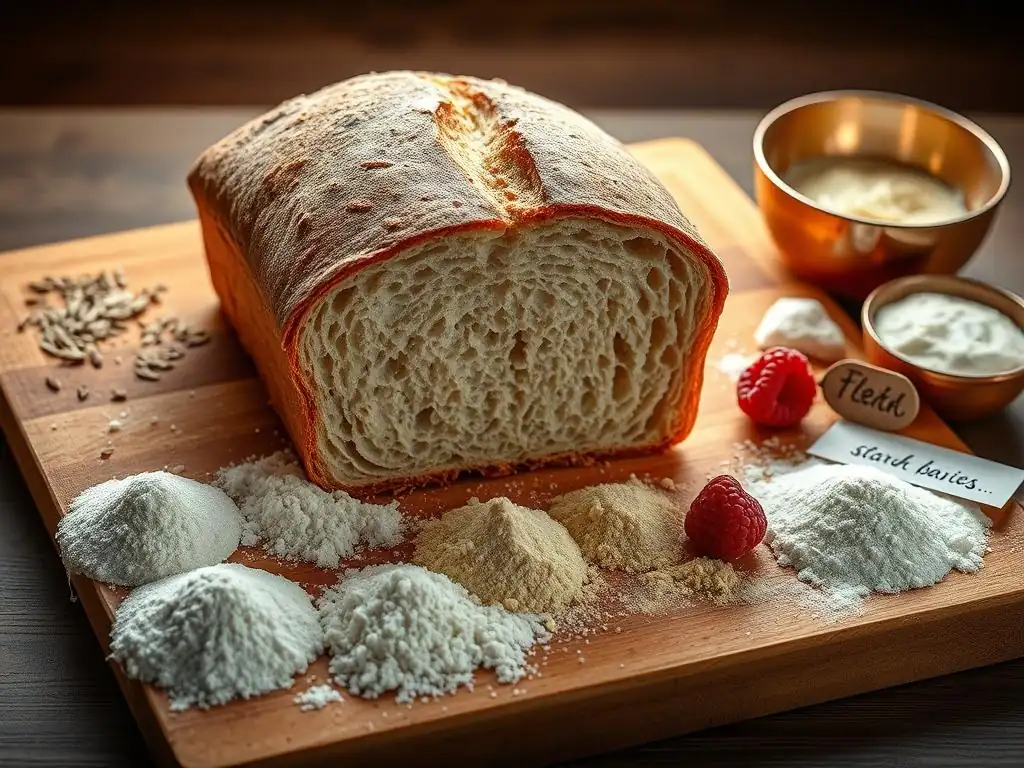
Welcome to BakeWithEase, your passport to a world of delightful baking! Ever wondered how to achieve that perfect gluten-free texture? This article dives deep into the fascinating world of glutenfree starch baking tips, unlocking the secrets to consistently delicious results. Discover how different starches interact and influence your bakes, and prepare to elevate your gluten-free creations from good to extraordinary. Ready to transform your baking? Let's get started!
- The Role of Starches in Gluten-Free Texture
- Understanding Starches in Gluten-Free Baking
- Gluten-Free Baking with Starches: Achieving Optimal Texture
- Exploring Starches for Gluten-Free Baking
- The Science Behind Starch Functionality
- Practical Baking Techniques
- Troubleshooting Baking with Starches
- Advanced Baking Strategies
- Conclusion: Mastering Baking Through Starch Knowledge
-
Frequently Asked Questions
- What are the main types of starches used in gluten-free baking, and why are they important?
- How does the amount of starch affect the final product in gluten-free baking?
- What are some common mistakes people make when using starches in gluten-free recipes?
- Can different starches be substituted for each other in gluten-free baking, and what considerations should be made?
- Where can I find reliable gluten-free starch baking tips and recipes specifically designed to optimize texture?
- Final Reflection: Unlocking the Secrets of Gluten-Free Baking
- Unlock the Secrets of Gluten-Free Baking!
The Role of Starches in Gluten-Free Texture
Understanding Starches in Gluten-Free Baking
Why Starches Matter for Gluten-Free Texture
Starches play a crucial role in achieving desirable texture in gluten-free baked goods, often acting as a substitute for the structural network that gluten provides. Without gluten, doughs and batters can be dense, crumbly, or gummy. Starches, when heated in the presence of moisture, undergo gelatinization, absorbing liquid and swelling to form a viscous gel.
This process helps bind ingredients together, contributes to the structure, and prevents crumbling. They also influence the overall mouthfeel, providing a smooth, tender crumb that is often lacking in gluten-free items made solely with alternative flours. Effective glutenfree starch baking tips often revolve around harnessing these properties.
Beyond binding and structure, starches impact the moisture retention and shelf life of gluten-free products. As baked goods cool, starches undergo retrogradation, a process where the starch molecules re-crystallize, which can lead to staling and dryness. However, different starches retrograde at different rates. By carefully selecting and combining starches, bakers can manipulate this process to keep their baked goods moist and tender for longer. For instance, some modified starches or certain native starches like tapioca can help slow down retrogradation, resulting in a more pleasant texture days after baking.
Common Starches Used in Gluten-Free Recipes
A variety of starches are commonly employed in gluten-free baking, each bringing unique properties to the mix. Some of the most prevalent include tapioca starch (derived from cassava root), potato starch, cornstarch, and rice starch. These starches are often combined with gluten-free flours like rice flour, almond flour, or sorghum flour to create balanced blends. For example, a typical gluten-free flour blend might contain around 20-30% starch content to provide adequate structure and tenderness.
Other starches gaining popularity include arrowroot starch, which is similar to tapioca but can sometimes create a slightly crispier texture, and sorghum starch, which is often part of whole-grain gluten-free flour blends. Modified starches, which have been physically, chemically, or enzymatically altered, are also sometimes used, particularly in commercial gluten-free products, to enhance specific attributes like freeze-thaw stability or improved texture over time. Understanding the characteristics of each starch is key to successful glutenfree starch baking tips.
Gluten-Free Baking with Starches: Achieving Optimal Texture
Combining Starches for Gluten-Free Baking
Effective gluten-free baking rarely relies on a single starch; instead, blending different starches is a common strategy to mimic the complex properties of gluten. A common approach is to combine a "soft" starch like tapioca or arrowroot, which contributes chewiness and binding, with a "harder" starch like potato or cornstarch, which adds structure and a lighter crumb. For example, a blend for a gluten-free cake might use a ratio of 2 parts rice flour, 1 part potato starch, and 1 part tapioca starch to achieve both structure and tenderness.
The specific ratio and combination of starches will vary depending on the desired outcome and the type of baked good. Breads often benefit from a higher proportion of starches that contribute to structure and rise, while cookies might use starches that promote spread and crispness. Experimentation is often necessary to find the perfect blend for a specific recipe. Many gluten-free baking tips emphasize starting with well-tested blends and then adjusting based on results.
Common Issues and Solutions
One of the most frequent issues in gluten-free baking with starches is achieving the right balance between structure and tenderness, often leading to dense or crumbly results. Using too much starch can make baked goods dry and brittle, while insufficient starch might result in a lack of structure and a heavy, dense texture. A typical sign of too much starch is a chalky mouthfeel or a very hard crust.
Another common problem is a gummy or sticky texture, especially in bread or cakes. This can happen if there's too much starch that gelatinizes heavily, or if the hydration is off. Ensuring proper mixing – not overmixing, which can develop gumminess, but enough to hydrate the starches – and using the correct amount of liquid are crucial. Sometimes, incorporating a small amount of a hydrocolloid like xanthan gum or psyllium husk alongside the starches can improve structure and prevent gumminess by providing additional binding and moisture control. These are important glutenfree starch baking tips to master.
Exploring Starches for Gluten-Free Baking
Tapioca Starch: Properties and Uses
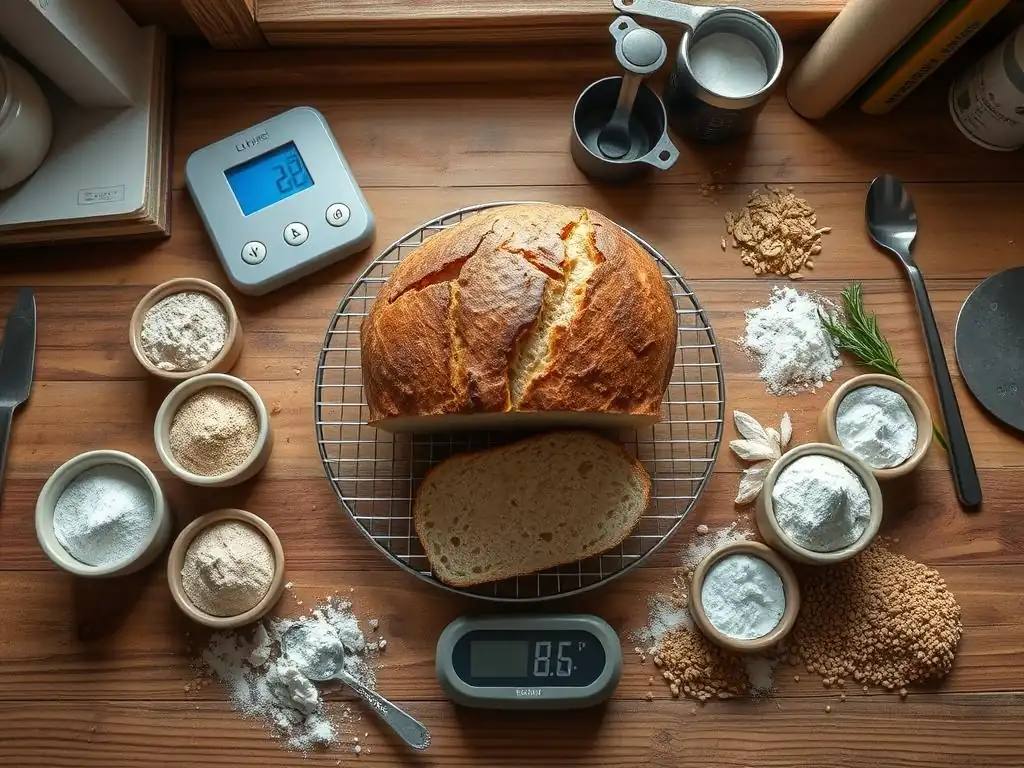
Tapioca starch, extracted from the cassava root, is a popular choice in gluten-free baking known for its smooth texture and excellent binding properties. It gelatinizes at a relatively low temperature compared to some other starches, creating a translucent, gel-like consistency when hydrated and heated. This property makes it particularly good for providing chewiness in baked goods like cookies and breads, and for thickening sauces or pie fillings.
In gluten-free flour blends, tapioca starch contributes to a crisp crust and a chewy interior. It's often used in combination with other flours and starches to improve the overall texture, preventing crumbling. For instance, adding tapioca starch to a gluten-free pizza crust recipe can help achieve that desirable slightly chewy texture. However, using too much tapioca starch on its own can sometimes result in a slightly gummy texture, so it's best used as part of a blend. Many glutenfree starch baking tips highlight tapioca's versatility.
Potato Starch: Characteristics and Application
Potato starch, derived from potatoes, is another widely used gluten-free starch. It has a relatively neutral flavor and color and is known for its ability to create a light and airy texture. Potato starch gelatinizes at a higher temperature than tapioca starch and forms a stronger gel structure upon cooling. This makes it excellent for providing structure and tenderness in gluten-free cakes, muffins, and quick breads.
It is particularly effective at absorbing moisture, which helps create a drier, more open crumb structure similar to traditional wheat flour baked goods. In gluten-free flour blends, potato starch is often included to provide lift and prevent density. For example, using potato starch in a gluten-free sponge cake recipe can contribute significantly to its light and fluffy texture. Like tapioca, it's typically used in combination with other flours and starches for optimal results.
Cornstarch: Advantages and Disadvantages
Cornstarch, extracted from corn kernels, is perhaps one of the most common starches found in kitchens globally, including for gluten-free purposes. It's a powerful thickening agent, gelatinizing at a relatively high temperature. In baking, it contributes to a tender crumb and can help prevent gluten-free cookies and shortbreads from spreading too much, resulting in a crisp, delicate texture.
While effective for thickening and contributing to tenderness, cornstarch can sometimes lead to a slightly dry or crumbly texture if used in large quantities in baked goods. It also doesn't offer the same level of chewiness or elasticity as tapioca starch. Additionally, some individuals with corn sensitivities avoid it. Despite these potential drawbacks, it remains a staple in many gluten-free starch baking tips for its accessibility and thickening power, often used in small amounts in flour blends or as a coating for frying.
Rice Starch: Understanding its Use
Rice starch is derived from rice and is available in different forms, including white rice starch and brown rice starch. It creates a smooth, creamy texture when gelatinized and is often used in gluten-free baking to provide tenderness and a fine crumb structure. It has a relatively neutral flavor, making it a versatile addition to flour blends.
White rice starch is finer and lighter than brown rice starch and is commonly used in cakes, cookies, and pastries to contribute to a delicate texture. Brown rice starch retains more of the grain's original nutrients and can add a slightly nuttier flavor, often used in whole-grain gluten-free blends. While not as strong a binder as tapioca or potato starch, rice starch contributes significantly to the overall mouthfeel and tenderness of gluten-free baked goods. Integrating it properly is part of mastering glutenfree starch baking tips.
Modified Starches: A Look at Their Role
Modified starches are starches that have undergone processing to alter their properties, such as improving their stability, texture, or resistance to temperature changes. These modifications can be physical, chemical, or enzymatic. While sometimes viewed with skepticism by home bakers preferring whole ingredients, they are common in commercial gluten-free products and can offer significant benefits.
For example, some modified starches are designed to withstand freezing and thawing without breaking down or becoming watery, making them useful in prepared gluten-free meals or baked goods intended for freezing. Others are modified to provide enhanced viscosity, improved binding in low-moisture systems, or increased resistance to retrogradation, thus extending shelf life. Using modified starches can be a shortcut to achieving consistent results, though they are less common in home-based glutenfree starch baking tips compared to native starches.
The Science Behind Starch Functionality
Starch Gelatinization and Retrogradation
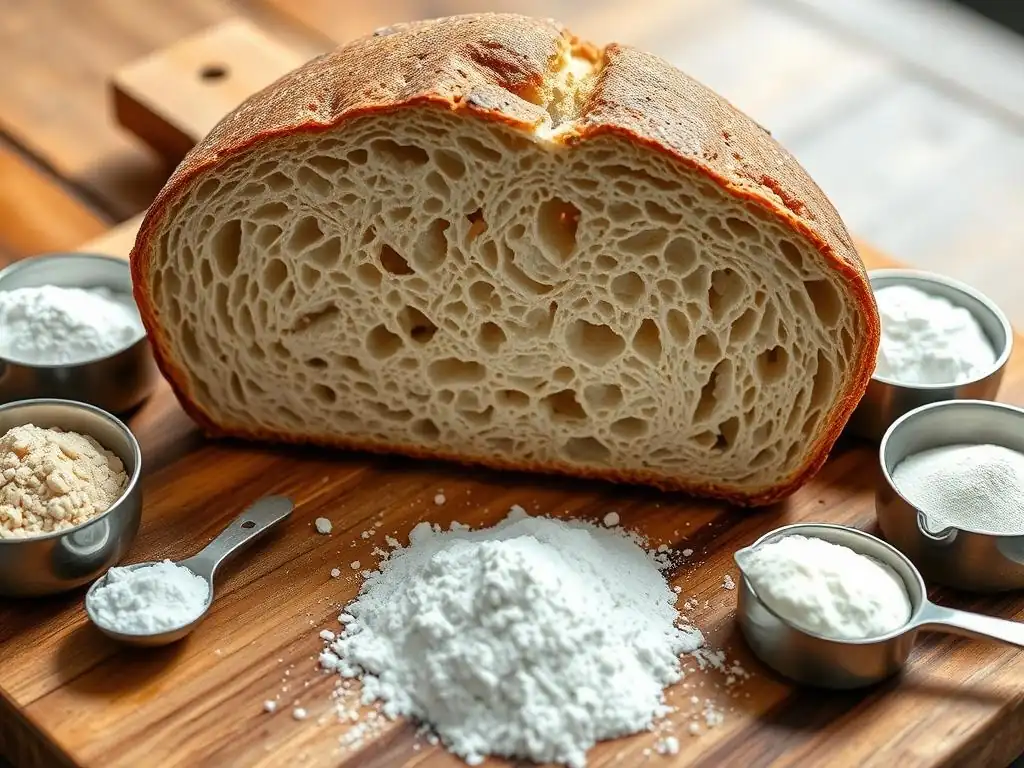
Starch functionality in baking is primarily governed by two key scientific processes: gelatinization and retrogradation. Gelatinization occurs when starch granules are heated in the presence of sufficient water. The heat causes the starch molecules to absorb water, swell, and eventually rupture, releasing starch chains that form a viscous network. This process is crucial during baking as it helps to set the structure of the baked good, binding the ingredients together and preventing collapse. Different starches gelatinize at different temperatures, ranging from around 50°C (122°F) for some modified starches to over 80°C (176°F) for some native starches.
Retrogradation is the reverse process that happens as baked goods cool and stale. As the temperature drops, the gelatinized starch chains begin to re-associate and crystallize, squeezing out water. This re-crystallization leads to increased firmness and dryness, the hallmarks of staling. The rate and extent of retrogradation vary among starches. For instance, amylose-rich starches tend to retrograde more quickly than amylopectin-rich starches. Understanding these processes is fundamental to applying effective glutenfree starch baking tips for texture control.
Impact on Crumb Structure
Starches significantly influence the internal structure, or crumb, of gluten-free baked goods. During baking, the gelatinized starch contributes to the setting of the cell walls formed by leavening agents. A proper starch network provides the rigidity needed to maintain the airy structure created by yeast or baking powder. Without sufficient or properly gelatinized starch, the crumb can be dense and heavy, as there isn't enough support to hold the expanded air pockets.
Different starches impact crumb structure in distinct ways. Potato starch, for example, tends to create a lighter, more open crumb, while tapioca starch can contribute to a slightly denser, chewier crumb. The interaction between the starch network and other ingredients, such as proteins (from eggs or alternative flours) and fats, also plays a role in determining the final crumb texture. Achieving a desirable crumb requires balancing the types and amounts of starches used, a core aspect of successful glutenfree starch baking tips.
Affecting Moisture Retention
Moisture retention is a major challenge in gluten-free baking, as the absence of gluten's protein network can lead to rapid drying. Starches play a critical role in retaining moisture. During gelatinization, starches absorb and hold water. As the product cools, some of this water is released during retrogradation, but a significant portion remains bound within the starch network.
The ability of starches to retain moisture helps keep gluten-free baked goods tender and extends their shelf life. Certain starches, like tapioca and some modified starches, are particularly effective at binding water and slowing the rate of retrogradation, thus helping the product stay moist longer. Conversely, excessive retrogradation, where starches rapidly re-crystallize and expel water, is a primary cause of staling. Strategic use of starches is therefore essential for moist and tender gluten-free results, a key element in advanced glutenfree starch baking tips.
Practical Baking Techniques
Measuring and Mixing Starches
Accurate measurement is paramount when working with starches in gluten-free baking, as even slight variations can impact the final texture. While volume measurements (cups) are common, weighing starches using a digital kitchen scale provides the most consistent results. Starches can pack down easily, leading to over-measurement by volume. For instance, a cup of potato starch scooped and leveled might weigh differently than one gently spooned into the cup. Always consult the recipe for specific weight recommendations if available, or use the spoon-and-level method for volume if weighing isn't possible.
When mixing starches into dry ingredients, ensure they are well distributed. Starches can sometimes clump, especially if exposed to moisture too early. Sifting or whisking the starch together with other dry ingredients (like gluten-free flours, salt, and leavening agents) before adding wet ingredients helps ensure even dispersion. Over-mixing after wet ingredients are added should be avoided, as this can sometimes lead to a gummy texture, particularly with high-amylose starches. Gentle mixing until just combined is often sufficient for developing the necessary structure from the starches. These precise steps are vital glutenfree starch baking tips.
Improving Rise in Bread
Achieving a good rise in gluten-free bread can be challenging without the elastic network of gluten. Starches contribute to rise by providing structural support for the gas bubbles produced by yeast or baking powder. As the dough or batter heats, the starches gelatinize and set around these air pockets, helping the bread maintain its volume as it bakes.
Certain starches, like potato starch, are particularly good at contributing to a light structure and rise. Often, a combination of starches is used alongside a binder like xanthan gum or psyllium husk, which provides elasticity and helps trap gas. For example, a gluten-free bread recipe might use a blend of rice flour, potato starch, and tapioca starch, with added psyllium husk, to create a dough that can trap gas and rise effectively.
Proper hydration is also key; the right amount of liquid allows starches to gelatinize properly and contribute to the rise. Mastering these interactions is fundamental to effective glutenfree starch baking tips for bread.
Creating Custom Flour Mixes
Creating custom gluten-free flour mixes allows bakers to tailor the starch content and type to specific recipes, leading to improved results compared to generic store-bought blends. A basic custom blend often starts with a base of gluten-free flours (like brown rice, white rice, or sorghum) and then incorporates starches to provide necessary structure and texture. A common ratio might be around 60-70% flour base and 30-40% starches and binders.
For instance, a blend for general baking (muffins, cookies) might use 40% brown rice flour, 20% white rice flour, 20% tapioca starch, 10% potato starch, and 10% binder (like xanthan gum or psyllium husk). For a lighter cake mix, one might increase the proportion of potato starch. By understanding the properties of each starch and flour, bakers can experiment to create blends optimized for cakes, breads, pastries, or cookies. Documenting ratios and results is a key glutenfree starch baking tip for developing successful custom mixes.
Troubleshooting Baking with Starches
Overcoming Gummy Textures
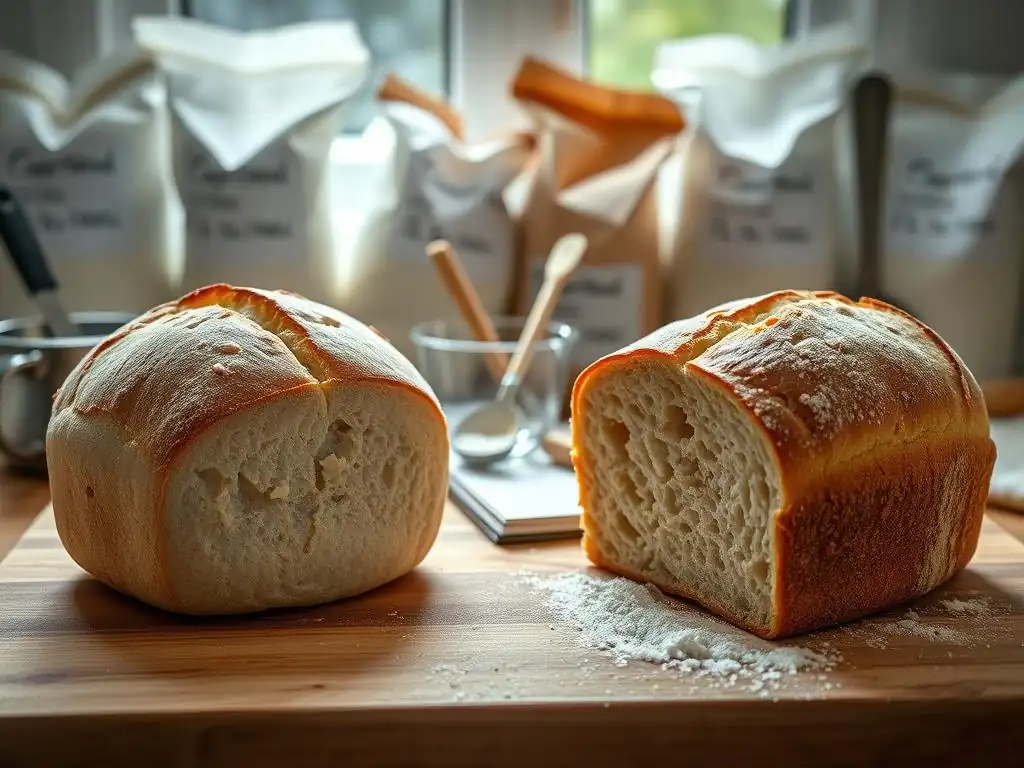
A gummy texture is a common pitfall in gluten-free baking, often linked to starch usage. It can result from using too much of a starch that forms a very strong, cohesive gel (like certain high-amylose starches or excessive tapioca), or from insufficient baking time or temperature, which prevents proper starch gelatinization and setting. Over-hydration or over-mixing can also contribute to gumminess.
Solutions include adjusting the starch blend – reducing the proportion of starches known for strong gel formation and increasing those that contribute to a lighter crumb. Ensuring the oven is accurately preheated and baking for the full recommended time allows starches to set properly. If using a binder like xanthan gum, reducing the amount might help, as excessive binder can also contribute to a gummy texture. Reviewing glutenfree starch baking tips focused on hydration and mixing techniques can also help prevent this issue.
Preventing Dryness
Gluten-free baked goods can easily become dry and crumbly, largely due to the rapid retrogradation of starches and lack of gluten's moisture-retaining ability. Using starches that are less prone to rapid retrogradation, such as tapioca or certain modified starches, can help. Including ingredients that add moisture, like eggs, yogurt, applesauce, or fats, is also crucial.
Another strategy is to ensure adequate hydration in the initial recipe. Sometimes, gluten-free doughs and batters require more liquid than their wheat counterparts. Baking at a slightly lower temperature for a bit longer can help prevent the outside from drying out before the inside is fully baked. Storing baked goods properly – in airtight containers – also significantly helps in retaining moisture and preventing staling caused by starch retrogradation. These are essential glutenfree starch baking tips for extending freshness.
Achieving Crispy Crusts
While starches are key for interior texture, they also influence crust development. Starches on the surface of the dough or batter undergo gelatinization and then dehydration during baking, contributing to the formation of a firm crust. Some starches, like tapioca and cornstarch, are particularly effective at creating crispness.
For items like cookies or crackers, using a blend with a higher proportion of starches known for crisping can enhance the desired texture. Baking at a sufficiently high temperature allows the surface starches to dehydrate and crisp up effectively.
For breads, techniques like using a baking stone, steam in the oven, or brushing the crust with water or a wash (like egg wash or milk) can influence how the starches on the surface behave, leading to a crispier or chewier crust depending on the wash used. Experimenting with starch blends and baking temperatures is key to achieving the perfect crust, an advanced glutenfree starch baking tip.
Advanced Baking Strategies
Using Starches for Pastry and Pie Crusts
Creating flaky and tender gluten-free pastry and pie crusts is notoriously difficult. Starches play a vital role in achieving the desired delicate, non-gummy texture. The goal is often to prevent the starches from fully gelatinizing into a cohesive gel, which would result in a tough crust. This is typically achieved by keeping the dough ingredients, especially the fat and liquid, very cold.
Using a blend of gluten-free flours and starches like rice starch, potato starch, and a small amount of tapioca starch can help. The starches contribute tenderness, while the cold fat (like butter or shortening) cut into the flour/starch mixture creates layers that separate during baking, resulting in flakiness. Handling the dough minimally and chilling it thoroughly before rolling and baking are critical steps. The starches provide a delicate structure that, when combined with proper technique, can yield surprisingly good gluten-free pastry. Mastering this requires specific glutenfree starch baking tips for temperature and handling.
Starches in Cake Baking: Achieving a Light Texture
For gluten-free cakes, the primary goal is often a light, tender, and moist crumb. Starches are essential for providing structure without the toughness that gluten can impart. Potato starch and rice starch are frequently favored for cakes due to their ability to create a fine, soft crumb.
A typical gluten-free cake flour blend might use a higher proportion of these starches compared to a bread blend. For instance, a blend could be 50% gluten-free flour (like white rice or sorghum), 25% potato starch, and 25% tapioca starch. The starches help support the leavening and contribute to the cake's rise and final volume. Proper mixing techniques, such as the reverse creaming method (mixing dry ingredients with fat first before adding wet), can also coat the starch granules and further tenderize the cake, preventing toughness. These are valuable glutenfree starch baking tips for creating airy cakes.
Experimenting with Unique Starches
Beyond the common starches, exploring less conventional options can open up new possibilities in gluten-free baking. For example, arrowroot starch behaves similarly to tapioca but can result in a slightly crispier finish and is often used in no-bake desserts as it thickens without heat. Sweet potato starch offers a slightly different texture and nutritional profile.
Another interesting starch is resistant starch, a type of starch that is not fully digested in the small intestine. Some starches, like high-amylose cornstarch or starches derived from green bananas or plantains, contain higher amounts of resistant starch. While their functional properties in baking might differ slightly, incorporating them can add dietary fiber. Experimenting with these unique starches requires careful observation and adjustment of liquid amounts and baking times, but can lead to exciting new textures and flavors in gluten-free creations. Adding these to your repertoire expands your glutenfree starch baking tips.
Conclusion: Mastering Baking Through Starch Knowledge
Frequently Asked Questions
What are the main types of starches used in gluten-free baking, and why are they important?
Gluten-free baking often relies on a blend of starches like tapioca, potato, and cornstarch. These starches are crucial for providing structure, binding, and texture to gluten-free baked goods, mimicking the role of gluten.
How does the amount of starch affect the final product in gluten-free baking?
The amount of starch significantly impacts the texture. Too much starch can result in a gummy or dense texture, while too little may lead to a crumbly and dry product. Finding the right balance is key.
What are some common mistakes people make when using starches in gluten-free recipes?
A frequent error is using a single type of starch instead of a blend. Another mistake is incorrect measurement or over-mixing the batter, which can affect starch gelatinization.
Can different starches be substituted for each other in gluten-free baking, and what considerations should be made?
While some substitutions are possible, it's important to consider the starch's properties. For example, tapioca starch provides a chewy texture, while potato starch offers a softer crumb. Adjustments may be needed.
Where can I find reliable gluten-free starch baking tips and recipes specifically designed to optimize texture?
BakeWithEase.com is a great resource! Look for recipes specifically formulated for gluten-free baking and pay close attention to detailed instructions and recommended starch blends for optimal results.
Final Reflection: Unlocking the Secrets of Gluten-Free Baking
The quest for light, fluffy gluten-free baked goods remains a challenge, but understanding the diverse roles of starches is key to unlocking its secrets. Mastering starch selection and application isn't just about avoiding a gummy texture; it's about crafting truly delicious and satisfying gluten-free experiences. This knowledge empowers home bakers and professionals alike to create exceptional products.
The impact of starch selection on the final product is profound, influencing everything from crumb structure to moisture retention. It's a subtle science, often overlooked, yet crucial to achieving the desired outcome. As I delved deeper into the research, I was struck by the sheer variety of starches available and their unique properties. The right starch can transform a dense, heavy loaf into a light and airy masterpiece,
a sentiment echoed by many experienced gluten-free bakers. This understanding isn't just about technical proficiency; it's about creating joy and inclusivity in the kitchen.
Now, it's your turn. Consider the starches you currently use in your gluten-free baking. Experiment! Try substituting different starches, even in small amounts, to observe their impact on your recipes. Don't be afraid to fail; each experiment brings you closer to mastering the art of gluten-free baking and creating truly exceptional treats. The journey of discovery is just as rewarding as the final product. Embrace the challenge, and unlock your potential to create delicious gluten-free masterpieces.
Unlock the Secrets of Gluten-Free Baking!
Thanks for exploring the fascinating world of starches and their impact on gluten-free texture! You've gained valuable insights into creating lighter, fluffier, and more delicious gluten-free goods. Now it's time to put that knowledge to work!
- Experiment with different starches: Try substituting tapioca starch for potato starch in your favorite recipe and see the difference! This is your chance to become a true gluten-free baking wizard.
- Share your baking triumphs (and challenges!): Join our BakeWithEase community and share your experiences – both successes and learning curves – with fellow bakers. Let's inspire each other!
- Dive deeper into starch science: Explore our blog archives for more detailed articles on specific starches and their unique properties.
Ready to elevate your gluten-free baking? What unique starch combination will you experiment with next?