
Why You Need More Than One GF Flour: The Power of Blends

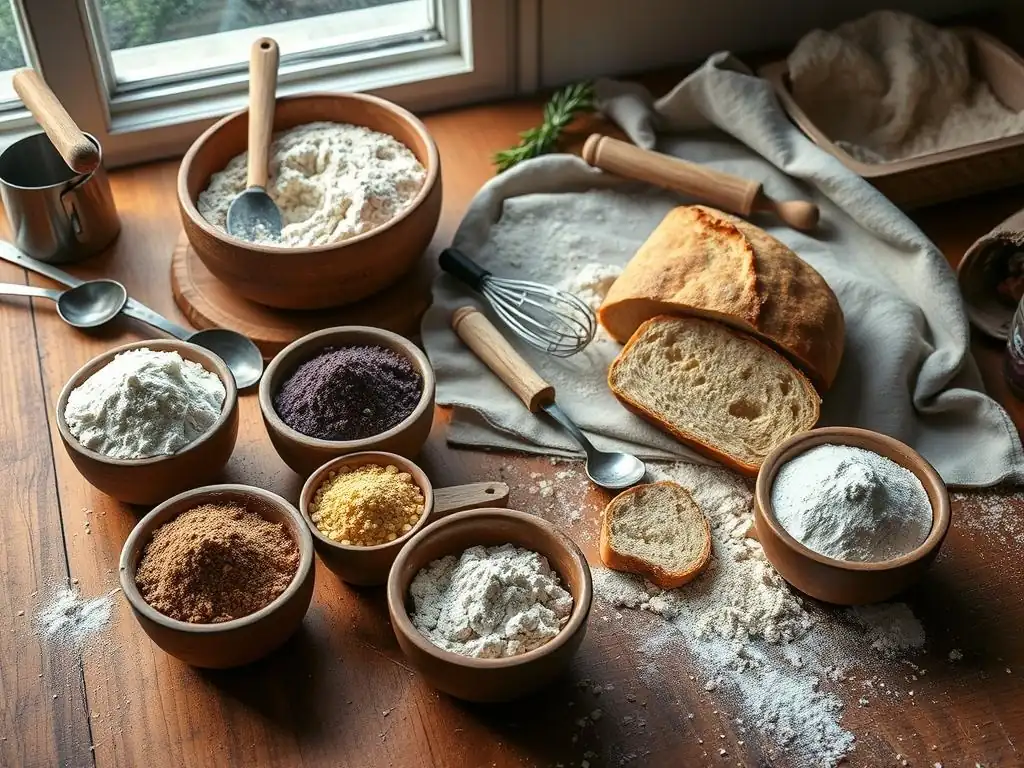
Welcome to BakeWithEase, your haven for baking brilliance! Ever wondered why your gluten-free creations aren't quite perfect? This article unlocks the secret weapon of gluten-free baking: crafting the ideal gluten-free flour blends recipe. Discover how combining different flours can transform your results, and say goodbye to dense, crumbly disappointments. Let's dive in and bake with confidence!
- The Art of Gluten-Free Baking: Mastering Flour Blends
- Understanding Gluten-Free Flour for Optimal Results
- The Benefits of Gluten-Free Flour Blends
-
Essential Gluten-Free Flours and Their Roles
- Brown Rice Flour: A Mild and Versatile Base
- Tapioca Starch/Flour: Binding and Chewy Texture
- Potato Starch: Lightness and Moisture
- Cornstarch: Softening and Blending Agent
- Almond Flour: Nutty Flavor and Protein
- Sorghum Flour: Earthy Flavor and Whole Grain Goodness
- Oat Flour: Adds Softness and a Slightly Sweet Flavor
- Crafting Your Own Gluten-Free Flour Blends
- Pre-Made vs. Homemade Gluten-Free Flour Blends
- Troubleshooting Gluten-Free Baking Issues with Flour Blends
- Perfecting Gluten-Free Baking with Flour Blends
-
Frequently Asked Questions
- What is the main benefit of using a gluten-free flour blend instead of a single gluten-free flour?
- What are some common ingredients found in gluten-free flour blends?
- How do I choose the right gluten-free flour blend for a specific recipe?
- Can I create my own gluten-free flour blend at home?
- Does using a gluten-free flour blend guarantee the same results as using wheat flour?
- Final Reflection: The Bountiful Bakehouse: Beyond Single-Source Gluten-Free Flour
- Unlock the Secrets of Gluten-Free Baking!
The Art of Gluten-Free Baking: Mastering Flour Blends
Baking without gluten presents unique challenges and opportunities. While traditional baking relies on the elastic protein network of gluten to provide structure and texture, gluten-free baking requires a different approach, often involving a strategic mix of alternative flours and starches. Understanding the properties of various gluten-free ingredients is key to creating delicious baked goods that rival their gluten-containing counterparts. This journey into the world of gluten-free flour blends recipe variations opens up a realm of possibilities for bakers.
Achieving the perfect crumb, the ideal chewiness, or a light, airy texture in gluten-free baking often hinges on the quality and composition of your flour base. Simply swapping wheat flour for a single gluten-free alternative rarely yields satisfactory results. Instead, mastering the art of creating or selecting the right gluten-free flour blend is paramount for consistent success in your kitchen adventures.
Understanding Gluten-Free Flour for Optimal Results
Embarking on gluten-free baking means rethinking the role of flour. It's no longer just about providing bulk; it's about assembling a team of ingredients, each bringing a specific characteristic to the dough or batter. This foundational understanding is crucial before diving into crafting your own gluten-free flour blends recipe or choosing a commercial option. The goal is to mimic the structure, elasticity, and binding properties that gluten naturally provides, which no single gluten-free flour can achieve on its own.
The nuances of gluten-free flours mean that a blend designed for light cakes will differ significantly from a blend intended for sturdy bread. Recognizing these differences and the function of each component is the first step towards mastering truly exceptional gluten-free baked goods. It's a process of balancing different textures, flavors, and structural contributions.
The Limitations of Single Gluten-Free Flours
Relying on a single gluten-free flour, such as rice flour or almond flour, often leads to unsatisfactory results in baking. For instance, using 100% brown rice flour can result in baked goods that are excessively gritty in texture and prone to crumbling because rice flour lacks the binding power needed to hold structures together firmly once baked. It also tends to absorb moisture slowly, leading to dry products.
Similarly, while almond flour provides a wonderful nutty flavor and richness, using it exclusively often results in dense, heavy baked goods that don't rise well. This is because almond flour is high in fat and protein but low in carbohydrates that gelatinize and provide structure during baking. A muffin made with only almond flour might spread excessively and have a greasy texture, lacking the light crumb desired. These examples highlight why a thoughtful combination, forming a gluten-free flour blends recipe, is essential.
Why Gluten-Free Baking Demands Strategic Blending
Gluten provides elasticity, structure, and the ability to trap gases produced by leavening agents, resulting in a desirable rise and texture. Without gluten, these functions must be replicated by combining different flours and starches, each contributing a piece of the puzzle. For example, starchy flours like tapioca or potato starch help with binding and provide a tender crumb, while grain flours like brown rice or sorghum offer structure and flavor.
A carefully formulated gluten-free flour blends recipe ensures a balance of protein, starch, and fiber, leading to baked goods that hold together, have a pleasant texture, and brown nicely. This strategic blending allows bakers to compensate for the lack of gluten by leveraging the unique properties of multiple ingredients, resulting in products that are not dry, crumbly, or gummy but instead possess the desired characteristics of traditional baked goods.
The Benefits of Gluten-Free Flour Blends
Moving beyond single flours to create or use a gluten-free flour blend unlocks a world of improved baking outcomes. It's not just about making something edible; it's about making something truly delicious with appealing texture and structure. The synergy between different gluten-free ingredients in a blend elevates the quality of the final product significantly.
Using a well-balanced gluten-free flour blends recipe means you can tackle a wider variety of baked goods successfully, from delicate pastries to robust loaves of bread. This versatility is one of the primary advantages, allowing bakers to explore their creativity without being limited by the constraints of single-ingredient alternatives.
Achieving Desired Textures Through Flour Combinations
Different flours and starches contribute distinct textural elements when combined in a gluten-free flour blends recipe. For example, incorporating tapioca starch provides chewiness and helps create a slightly crisp crust, which is desirable in items like cookies or pizza crusts. Potato starch, on the other hand, contributes to a light, fluffy texture and helps retain moisture, making it excellent for cakes and muffins.
A blend might combine the structure of brown rice flour, the binding power of tapioca starch, and the tenderness from potato starch to create an all-purpose base. For a softer crumb in cakes, you might increase the proportion of a tenderizing starch like cornstarch relative to the grain flour. This careful calibration of ingredients allows bakers to manipulate the final texture precisely, moving away from the common pitfalls of dry or dense gluten-free products.
Enhancing Flavor in Gluten-Free Recipes
The flavor profile of baked goods is also significantly impacted by the choice of gluten-free flours. Single flours can sometimes impart dominant or undesirable tastes; for instance, some find a slight bitterness in brown rice flour when used alone in large quantities, or the distinct nuttiness of almond flour might not be suitable for every recipe.
By creating a gluten-free flour blends recipe using a variety of flours, you can layer and balance flavors. Combining milder flours like white rice or sorghum with more flavorful options like almond or oat flour can create a more complex and appealing taste. This blending allows you to moderate strong flavors and introduce subtle notes that enhance the overall sensory experience of the baked good.
Replicating Gluten's Functionality with Blending
Gluten's primary functions are providing elasticity, structure, and the ability to trap gases, which is essential for leavening. While no single gluten-free ingredient can perfectly replicate this, a blend can approximate these properties. Starchy components like tapioca, potato, or cornstarch gelatinize when heated in the presence of moisture, forming a matrix that helps bind ingredients together, mimicking some of gluten's structural role.
Incorporating ingredients like psyllium husk or xanthan gum alongside a balanced gluten-free flour blends recipe further enhances this functionality. These gums act as binders, providing elasticity and helping the dough or batter hold onto air bubbles, leading to better rise and a less crumbly texture. A typical gluten-free flour blend often includes a significant proportion (around 20-40%) of starches to aid in binding and texture development.
Essential Gluten-Free Flours and Their Roles
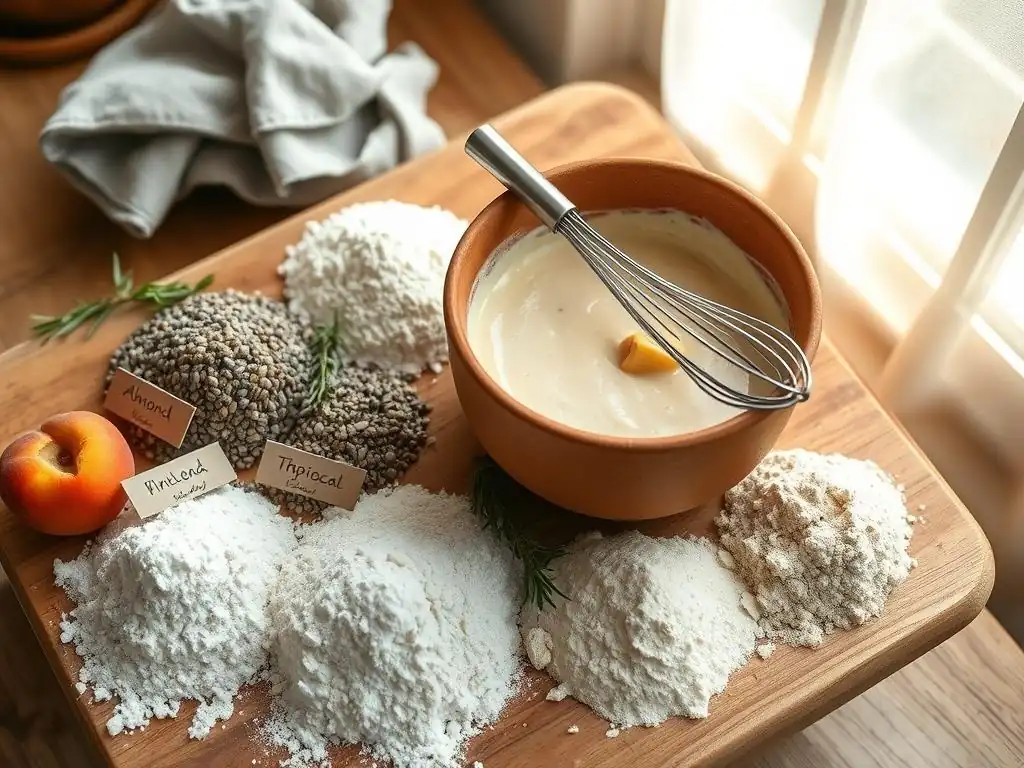
To successfully create or understand a gluten-free flour blends recipe, it's helpful to know the properties of common gluten-free flours and starches. Each plays a specific role and brings unique characteristics to a blend. Think of them as building blocks, each necessary for constructing a sturdy and delicious final product.
Understanding the function of each ingredient allows you to make informed decisions when modifying existing gluten-free flour blends recipes or developing your own. Knowing which flour provides structure, which adds tenderness, and which aids in binding is fundamental to troubleshooting and perfecting your gluten-free baking.
Brown Rice Flour: A Mild and Versatile Base
Brown rice flour is a whole-grain gluten-free flour often used as a base in many all-purpose gluten-free flour blends recipe formulations. It has a relatively mild, slightly nutty flavor and provides structure to baked goods. However, its texture can be a bit gritty due to the bran content, and it doesn't absorb liquid as readily as wheat flour, which is why it's rarely used alone.
It contributes fiber and nutrients as a whole grain option. When used in a blend, typically making up a significant portion (sometimes 30-50% or more), it provides bulk and a solid foundation. Its neutral flavor makes it a good canvas for combining with other flours and starches.
Tapioca Starch/Flour: Binding and Chewy Texture
Tapioca starch, also known as tapioca flour, is a fine, white starch derived from the cassava root. It is excellent for providing chewiness and crispness to baked goods, particularly noticeable in cookies, pie crusts, and pizza dough. It also acts as a binder, helping to hold ingredients together and preventing crumbling.
Because of its binding properties, tapioca starch is a crucial component in many gluten-free flour blends recipe variations. However, using too much can result in a gummy texture, so it's typically used in moderation, often comprising around 10-20% of a total blend. Its neutral flavor doesn't interfere with other ingredients.
Potato Starch: Lightness and Moisture
Potato starch is another highly refined starch that contributes significantly to the texture of gluten-free baked goods. It helps create a light, fluffy, and tender crumb, making it ideal for cakes, muffins, and quick breads. It also aids in moisture retention, helping to prevent dryness.
Like tapioca starch, potato starch is a powerful binder and should be used judiciously to avoid gumminess. It's a common component in many all-purpose gluten-free flour blends recipe compositions, often used alongside tapioca starch, with starches together making up a substantial portion of the blend (e.g., 20-40% combined).
Cornstarch: Softening and Blending Agent
Cornstarch is a very common starch used in gluten-free baking primarily for its ability to soften texture and act as a thickener. It helps create a tender crumb, particularly in cakes and cookies, and can contribute to a lighter texture when used in conjunction with other flours.
While it provides tenderness, cornstarch doesn't offer the same level of chewiness or binding as tapioca or potato starch. It's often included in gluten-free flour blends recipe formulations in smaller percentages (perhaps 5-15%) to fine-tune the texture and improve the overall blend's performance. It's also useful for dusting surfaces to prevent sticking.
Almond Flour: Nutty Flavor and Protein
Almond flour, made from ground almonds, adds a rich, slightly sweet, nutty flavor and a moist, tender crumb to baked goods. It's higher in protein and fat than most grain-based flours or starches, which contributes to its unique texture and density. It's a popular ingredient in specific gluten-free recipes, like financiers or certain cookies.
While delicious, almond flour is not typically used as the sole base of an all-purpose gluten-free flour blends recipe due to its density and lack of structural starch. It works best when combined with lighter flours and starches to achieve balance. It's often included in specialized blends or used in recipes where its distinct flavor and texture are desired, usually comprising a smaller percentage of a mixed blend.
Sorghum Flour: Earthy Flavor and Whole Grain Goodness
Sorghum flour is a nutrient-rich, whole-grain flour with a mild, slightly sweet, earthy flavor. It provides structure and fiber to gluten-free baked goods and is less prone to grittiness than brown rice flour. It's becoming increasingly popular as a base flour in gluten-free flour blends recipe formulations.
It works well in a variety of applications, from breads to muffins. When using sorghum flour, it's often combined with other flours and starches to ensure proper binding and texture, as it doesn't have strong binding properties on its own. It can constitute a significant portion of a blend, sometimes replacing or complementing rice flour.
Oat Flour: Adds Softness and a Slightly Sweet Flavor
Oat flour, made from ground oats, adds a lovely softness, a slightly sweet flavor, and a tender crumb to baked goods. It's a whole grain that provides fiber and nutrients. Ensure you use certified gluten-free oat flour if baking for individuals with Celiac disease or severe gluten sensitivity, as oats are often cross-contaminated during processing.
Oat flour absorbs liquid well and contributes to moisture retention. It's an excellent addition to gluten-free flour blends recipe variations designed for muffins, cookies, and quick breads. It can be used as a primary flour alongside starches and other grain flours, contributing both texture and flavor.
Crafting Your Own Gluten-Free Flour Blends
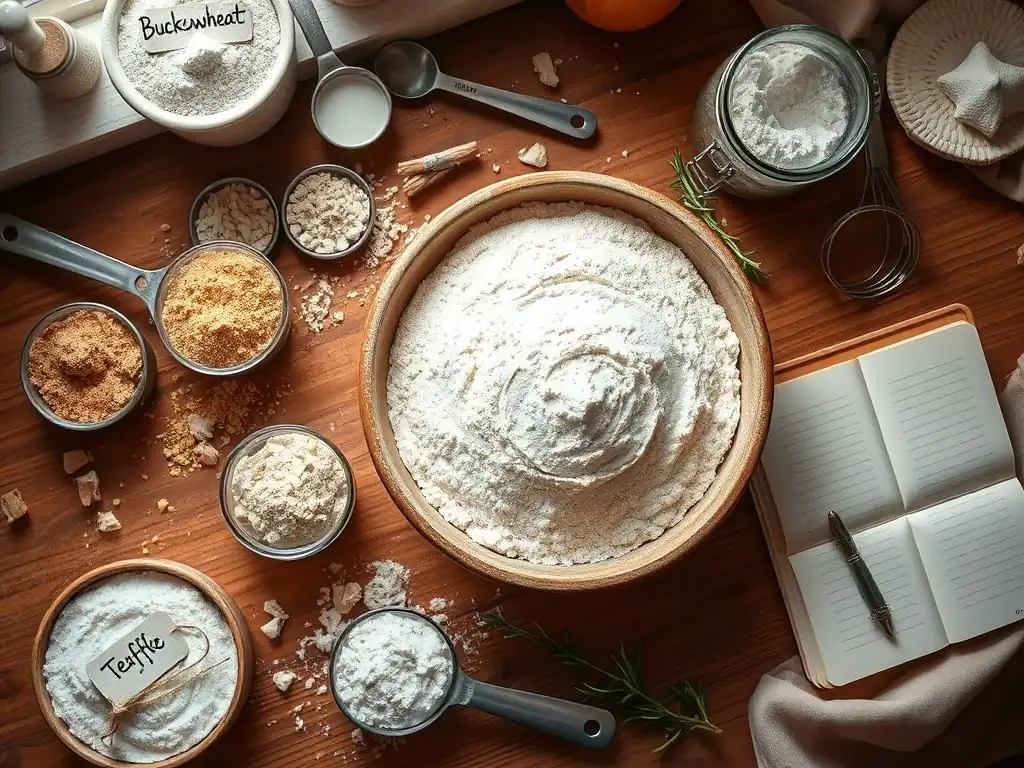
Creating your own gluten-free flour blend recipe allows for ultimate customization. You can tailor the blend specifically to the type of baked good you're making, or create a general-purpose blend that suits your preferences. This approach also gives you control over the ingredients, which can be beneficial for managing costs or avoiding specific allergens.
Developing a successful gluten-free flour blends recipe involves understanding the ratios and the role each component plays. It might take some experimentation, but the ability to fine-tune your flour mix is incredibly rewarding, leading to more consistent and delicious gluten-free baking results.
Understanding Baker's Percentages for Consistency
Baker's percentages are a system used in baking where each ingredient is expressed as a percentage of the total flour weight. In gluten-free baking, this principle can be applied to the total weight of the flour blend components. While not always strictly adhered to by home bakers, understanding the ratios of different flours and starches within your gluten-free flour blends recipe is key to consistency.
For instance, a common ratio for an all-purpose blend might be around 60-70% whole grain/white rice flour, and 30-40% starches (like tapioca, potato, cornstarch). A blend for bread might have slightly less starch and potentially include a protein flour like sorghum or millet. Keeping track of these approximate proportions, even if not using precise percentages, helps you replicate successful blends.
All-Purpose Gluten-Free Flour Blend Recipe
A popular and versatile gluten-free flour blends recipe aims to mimic the properties of wheat flour for a wide range of uses. Here is a common starting point:
Ingredients:
- 2 cups (approx. 280g) Brown Rice Flour or White Rice Flour
- 2/3 cup (approx. 95g) Tapioca Starch
- 1/3 cup (approx. 45g) Potato Starch (not potato flour)
Combine these ingredients thoroughly by whisking them together in a large bowl or pulsing them in a food processor. For best results, pass the mixture through a fine-mesh sieve once or twice to ensure even distribution of ingredients and remove any clumps. Store in an airtight container. This blend is suitable for many cookie, muffin, and quick bread recipes.
Gluten-Free Blend Recipe for Cakes and Muffins
For lighter, more tender baked goods like cakes and muffins, a gluten-free flour blends recipe might include a higher proportion of tenderizing starches.
Ingredients:
- 1 cup (approx. 140g) White Rice Flour
- 1 cup (approx. 120g) Sorghum Flour or Oat Flour (certified GF)
- 1/2 cup (approx. 60g) Tapioca Starch
- 1/4 cup (approx. 30g) Cornstarch
- 1/4 cup (approx. 35g) Potato Starch
Whisk or process the ingredients together until very well combined. Sieving is highly recommended to ensure a smooth, even texture. This blend focuses on creating a light crumb and moisture retention, ideal for delicate cake batters and soft muffins.
Gluten-Free Blend Recipe for Bread and Pizza
Baking gluten-free bread and pizza crusts often requires a blend with more structure and less starch to prevent gumminess. Including protein-rich flours can also be beneficial.
Ingredients:
- 1 1/2 cups (approx. 210g) Brown Rice Flour
- 1 cup (approx. 120g) Sorghum Flour
- 1/2 cup (approx. 60g) Tapioca Starch
- 1/4 cup (approx. 35g) Potato Starch
- 2 tablespoons (approx. 15g) Psyllium Husk Powder (optional, but recommended for elasticity)
Combine all dry ingredients thoroughly. If using psyllium husk, it is crucial to mix it very evenly. This gluten-free flour blends recipe is designed to provide sufficient structure for yeast-leavened doughs, with the psyllium husk acting as a binder to mimic gluten's elasticity, resulting in a better rise and chew.
Pre-Made vs. Homemade Gluten-Free Flour Blends
When exploring the world of gluten-free baking, you have two main options for your flour base: purchasing a commercial pre-made blend or creating your own gluten-free flour blends recipe at home. Both approaches have their merits and drawbacks, and the best choice often depends on your priorities as a baker.
Understanding the differences between these options can help you decide which path is right for your baking needs and goals. Many bakers use a combination of both, relying on commercial blends for convenience and crafting their own for specific recipes or experimentation.
Convenience and Standardization of Commercial Blends
Commercial gluten-free flour blends offer unparalleled convenience. They are readily available in most grocery stores and eliminate the need to purchase multiple individual flours and starches. For busy bakers or those just starting out, this ease of access is a significant advantage.
Furthermore, reputable brands invest in significant testing to create standardized gluten-free flour blends recipe formulations that aim for consistent results across different batches and recipes. This standardization means you can often rely on a commercial blend to perform predictably in recipes designed for that specific blend or for general gluten-free use, reducing some of the guesswork involved in baking.
Customization and Cost-Effectiveness of Homemade Blends
Crafting your own gluten-free flour blends recipe provides the ultimate control over ingredients. You can customize the proportions to suit specific dietary needs (e.g., nut-free, corn-free) or to optimize the blend for a particular type of baked good (e.g., a blend specifically for flaky pastry). This level of customization is impossible with pre-made options.
While the initial cost of buying several individual flours and starches might seem higher, creating your own blend can be more cost-effective in the long run, especially if you bake frequently. Buying in bulk often reduces the per-unit cost, and you avoid the premium price often associated with convenience products. Plus, having individual flours on hand allows for greater flexibility in your baking repertoire.
Troubleshooting Gluten-Free Baking Issues with Flour Blends
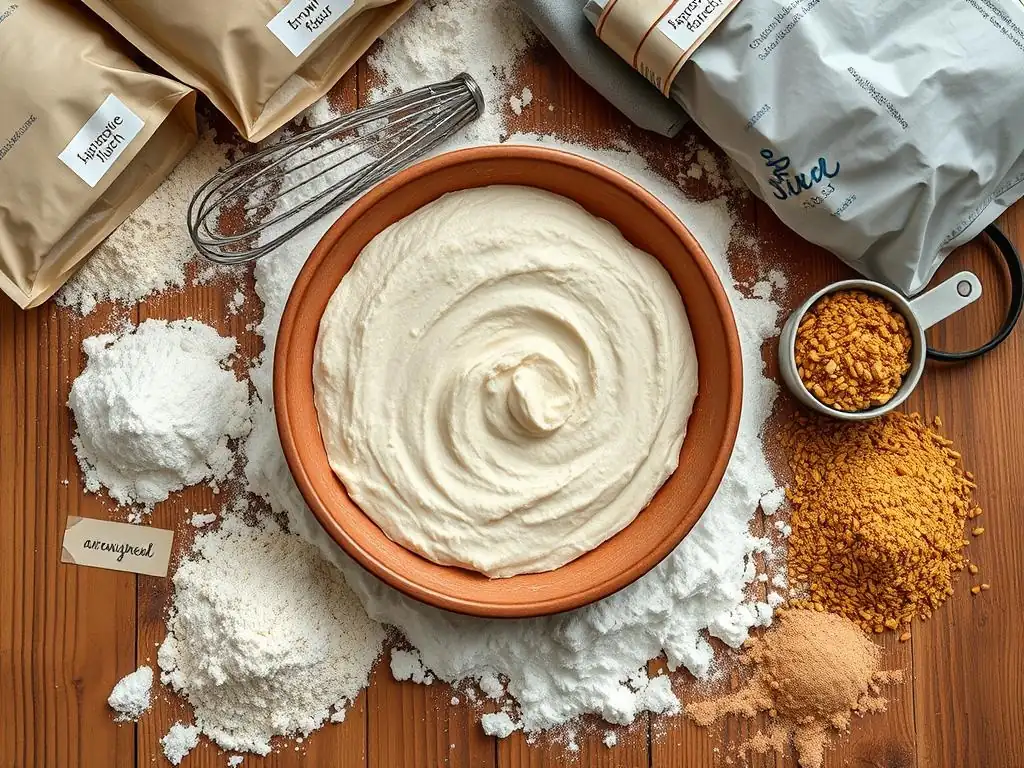
Even with a great gluten-free flour blends recipe, you might occasionally encounter issues. Gluten-free baking can be sensitive to ingredient ratios, mixing techniques, and oven temperatures. Understanding common problems and how to address them, often by adjusting your flour blend composition or technique, is part of the learning process.
Many troubleshooting steps involve tweaking the balance of flours and starches in your blend or modifying other ingredients like binders or liquids. These adjustments are much easier to make when you understand the function of each component in your gluten-free flour blends recipe.
Dry and Crumbly Baked Goods: Adjusting Starch Ratios
One of the most common issues in gluten-free baking is dryness and excessive crumbling. This often happens when the blend lacks sufficient binding agents or moisture-retaining components. If your baked goods are too dry, your gluten-free flour blends recipe might be too high in grain flours (like rice flour) relative to starches.
To address this, try increasing the proportion of starches like tapioca or potato starch in your blend by 5-10%. These starches gelatinize and absorb moisture during baking, helping to create a more cohesive and tender crumb. You might also consider adding a small amount of a binder like xanthan gum (around 1/4 teaspoon per cup of blend) or psyllium husk powder to your recipe.
Gummy or Dense Baked Goods: Reducing Starch and Adding Protein
Conversely, if your baked goods turn out gummy or excessively dense, it often indicates an over-reliance on starches in your gluten-free flour blends recipe or insufficient protein/fiber for structure. Gummy textures can result from too much tapioca or potato starch, especially when combined with inadequate baking time or temperature.
To fix a gummy texture, reduce the proportion of starches in your blend by 5-10% and increase the amount of a whole-grain flour like sorghum, brown rice, or millet flour. These flours contribute more protein and fiber, which can help build structure and prevent the starchy gel from becoming too dominant. Ensure your oven is calibrated correctly and bake for the full recommended time.
Poor Rise in Baking: Incorporating Binding Agents and Proper Mixing
Achieving a good rise is challenging in gluten-free baking due to the absence of gluten's elastic network. If your baked goods are flat or heavy, your gluten-free flour blends recipe might lack sufficient binding power or the leavening agents aren't working effectively.
Ensure your blend includes sufficient starches and consider adding a binder like xanthan gum or psyllium husk powder to your recipe (typically 1/2 to 1 teaspoon per cup of blend for yeast breads, less for cakes). Additionally, proper mixing is crucial; ensure ingredients are well combined but avoid overmixing, which can develop toughness. Make sure your leavening agents (baking powder, baking soda, yeast) are fresh and correctly measured.
Perfecting Gluten-Free Baking with Flour Blends
Mastering gluten-free baking using custom or commercial gluten-free flour blends recipe variations is an ongoing process of learning and refinement. It involves not just the ingredients themselves but also how you handle and store them, and your willingness to experiment and learn from each baking experience.
Consistent results come from attention to detail and a willingness to adapt. With practice, you'll develop an intuition for how different blends behave and how to adjust recipes to achieve the desired outcome, making gluten-free baking a truly enjoyable and rewarding endeavor.
Proper Storage for Gluten-Free Flour Blends
Gluten-free flours and starches can be more prone to spoilage than wheat flour, especially whole-grain varieties which retain their natural oils. Proper storage is essential to maintain the freshness and quality of your gluten-free flour blends recipe ingredients.
Store your individual flours and your combined gluten-free flour blend in airtight containers in a cool, dark place. For extended freshness, especially with whole-grain flours or if you live in a warm or humid climate, consider storing your flours in the refrigerator or freezer. This prevents oxidation and keeps pests away, ensuring your blend performs optimally every time you bake.
Experimenting with Flour Combinations and Documenting Results
The best way to truly understand the power of gluten-free flour blends recipe variations is through experimentation. Don't be afraid to try slightly altering the ratios in your blend for different recipes or creating entirely new combinations.
Keep a baking journal to document your experiments. Note the specific gluten-free flour blends recipe used (including ratios), the recipe it was used in, baking time and temperature, and the results (texture, flavor, rise). This record-keeping is invaluable for identifying what works and troubleshooting issues, allowing you to refine your blends and techniques over time.
The Evolution of Gluten-Free Baking
Gluten-free baking has evolved significantly over the years, moving from dense, dry alternatives to truly delicious and satisfying baked goods. This evolution is largely due to a deeper understanding of how different gluten-free flours and starches function and the development of sophisticated gluten-free flour blends recipe formulations.
As research continues and more alternative ingredients become available, the possibilities for gluten-free baking will only expand. By understanding the principles of blending and continuing to experiment, you are participating in this exciting evolution, creating wonderful baked goods that everyone can enjoy, regardless of dietary needs.
Frequently Asked Questions
What is the main benefit of using a gluten-free flour blend instead of a single gluten-free flour?
Using a blend provides a better final texture and flavor in your baked goods. Single gluten-free flours often lack the necessary characteristics of gluten, leading to undesirable results. Blends help mimic gluten's structural role.
What are some common ingredients found in gluten-free flour blends?
Common ingredients include rice flour, tapioca starch, potato starch, and almond flour. These ingredients contribute different properties like structure, binding, and moisture retention. Some blends may also contain xanthan gum for added elasticity.
How do I choose the right gluten-free flour blend for a specific recipe?
Consider the recipe's intended outcome. For cakes, a blend with finer flours like rice flour is suitable. For breads, a blend with higher starch content might be better. Always read reviews and check the ingredient list.
Can I create my own gluten-free flour blend at home?
Yes, you can! Experimenting with different ratios of flours like brown rice flour, tapioca starch, and potato starch allows for customization. Start with a basic blend recipe and adjust based on your baking needs.
Does using a gluten-free flour blend guarantee the same results as using wheat flour?
While gluten-free flour blends significantly improve texture and flavor, they won't perfectly replicate wheat flour. Expect some differences in crumb structure and overall density. Adjusting liquids and baking times may be necessary.
Final Reflection: The Bountiful Bakehouse: Beyond Single-Source Gluten-Free Flour
The quest for the perfect gluten-free loaf isn't about finding the flour, but mastering the blend. This article has explored the diverse world of gluten-free flours and highlighted why relying on a single source often falls short of delivering the texture and taste we crave. The limitations of individual flours, their varying protein content, and the impact on final product consistency are all crucial factors that demand a more nuanced approach.
The journey into gluten-free baking has been a personal revelation, shifting from frustration with inconsistent results to the joy of experimentation and discovery. The best things in life are worth fighting for, and the perfect gluten-free bread is no exception.
This isn't just about creating delicious baked goods; it's about understanding the science behind the process and embracing the creative potential of blending different flours to achieve specific textures and flavors. The ongoing evolution of gluten-free baking, driven by innovation and a growing community of passionate bakers, is truly inspiring.
Now, it's your turn. Don't be afraid to step outside the box of single-source flours. Experiment with different blends, tailor your recipes to your preferred results, and embrace the journey of creating your own signature gluten-free masterpieces. The possibilities are as limitless as your imagination, and the reward – a perfectly textured, delicious gluten-free loaf – is well worth the effort. Start experimenting today!
Unlock the Secrets of Gluten-Free Baking!
Thanks for exploring the world of gluten-free baking with us! We hope you gained valuable insights into the power of flour blends and how they can elevate your gluten-free creations. Now it's time to put your newfound knowledge into action!
- Experiment with your first blend: Try our recommended blend from the article and see the difference it makes in your favorite gluten-free recipe. Note the texture and taste – you might be surprised!
- Share your baking journey: Tag us on social media with your gluten-free triumphs (and even your flour-power fails!). We love to see what you create!
- Discover more blend combinations: Explore our website for more recipes and tips on creating your own custom gluten-free flour blends. Who knows what delicious discoveries await?
What’s your favorite gluten-free recipe you’re going to elevate with a custom flour blend? Let us know in the comments!