
Quick AsianInspired NoBake Desserts

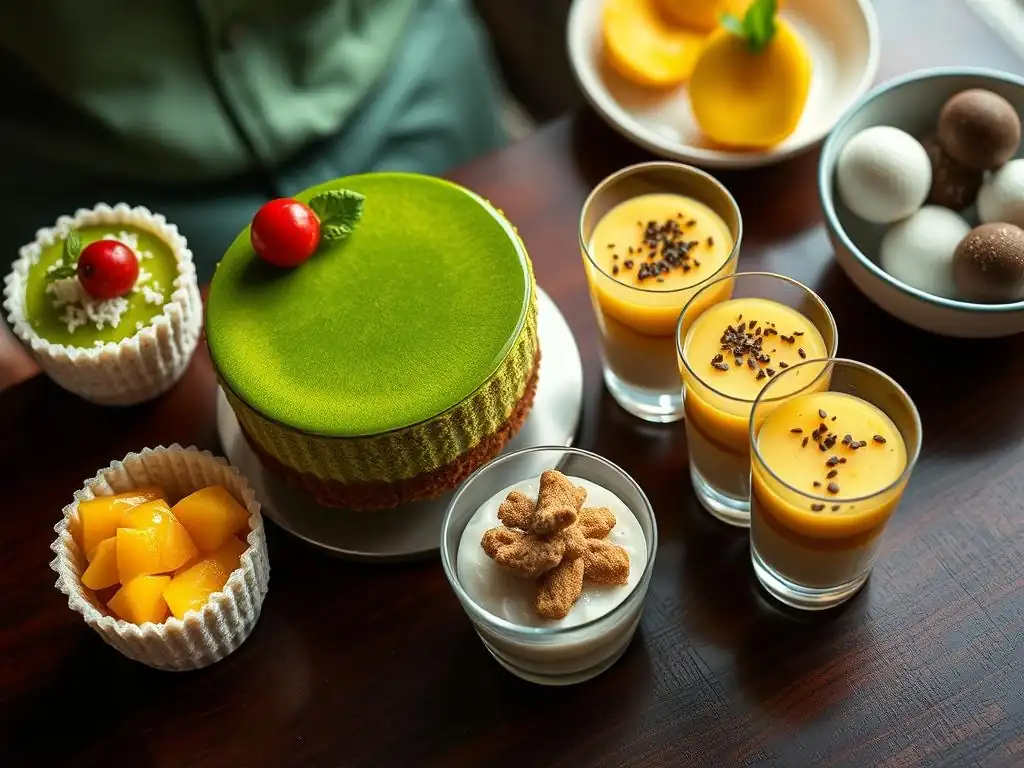
Welcome to BakeWithEase, your guide to unlocking the delicious world of baking! Are you ready to discover a world of flavor without even turning on the oven? This week, we're diving into the delightful realm of Easy Asian No-Bake Treats. Prepare to be amazed by the simplicity and incredible taste of these culturally rich desserts. But what makes these no-bake treats so unique and incredibly easy? Keep reading to find out!
- Quick & Easy Asian-Inspired No-Bake Desserts
- Introduction: Delightful & Effortless Asian No-Bake Treats
- Why Choose No-Bake Asian Desserts?
- Top 5 Easy Asian No-Bake Dessert Recipes
- Tips for Success with No-Bake Asian Desserts
- Serving and Storage Recommendations
- Conclusion: Embark on Your Easy Asian No-Bake Adventure!
- Frequently Asked Questions
- Final Reflection: The Sweet Simplicity of Shared Flavors
- Unleash Your Inner Pastry Chef: Quick & Easy Asian-Inspired Treats!
Quick & Easy Asian-Inspired No-Bake Desserts
Introduction: Delightful & Effortless Asian No-Bake Treats
Welcome to the wonderful world of Asian-inspired desserts! While many traditional Asian sweets involve intricate techniques or specific baking methods, there's a whole universe of delightful treats you can create without ever turning on your oven. These easy Asian no bake treats bring vibrant flavors and textures right to your kitchen, making them perfect for satisfying a sweet craving on a hot day or when you're short on time.
Whether you're new to Asian cuisine or looking for simple ways to enjoy familiar tastes like mango, matcha, or red bean, this guide is designed for you. We'll explore why no-bake methods are fantastic for these desserts and dive into some incredibly popular and simple recipes. Get ready to discover how effortlessly you can whip up impressive and delicious easy Asian no bake treats that are sure to become favorites.
Why Choose No-Bake Asian Desserts?
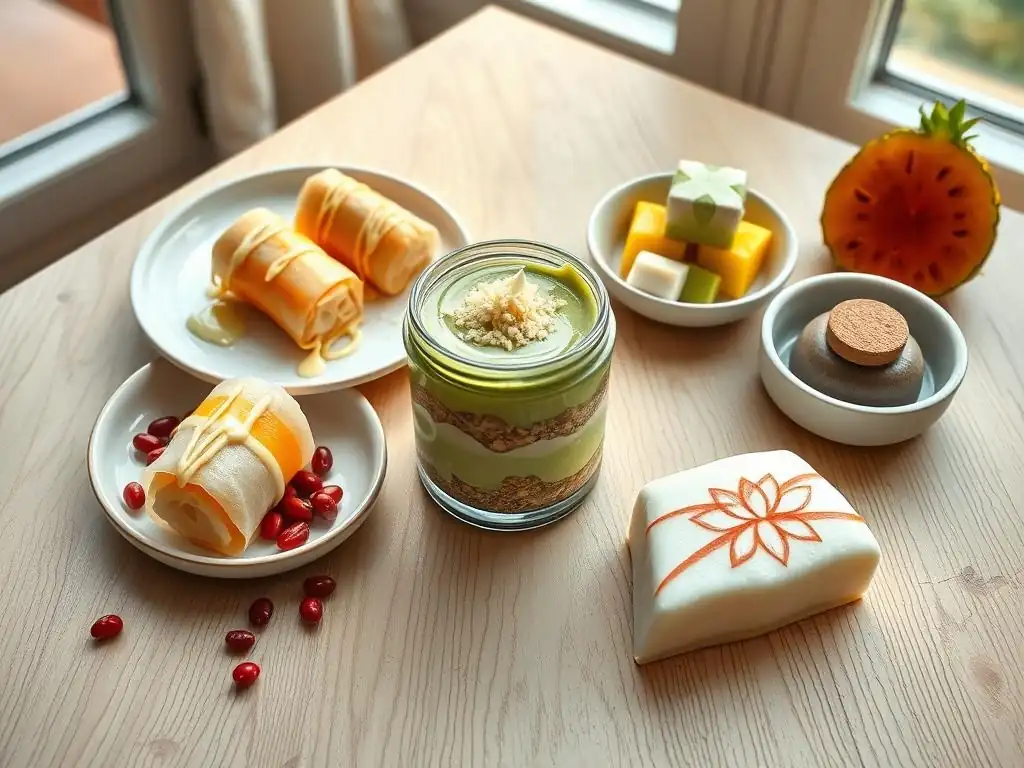
Opting for no-bake methods when exploring Asian desserts offers a unique blend of convenience and flavor. It allows home cooks and bakers of all skill levels to recreate beloved tastes and textures without the complexity often associated with traditional baking techniques. This approach simplifies the process significantly, making these treats accessible to everyone.
Beyond the ease, no-bake recipes often highlight the fresh, vibrant ingredients common in Asian sweets, such as ripe fruits, creamy coconut, or aromatic teas. These ingredients shine when not subjected to high heat, preserving their natural flavors and nutritional value. It's a fantastic way to enjoy authentic Asian-inspired flavors with minimal fuss.
Convenience and Speed: Perfect for Busy Schedules
In today's fast-paced world, finding time for elaborate baking projects can be challenging. Easy Asian no bake treats are the ideal solution, offering quick preparation times that fit seamlessly into busy schedules. Many of these recipes can be assembled in under 30 minutes, requiring only refrigeration time to set.
Consider a busy weeknight or a last-minute gathering; these no-bake options mean you can create a delicious dessert without hours spent in the kitchen. The minimal hands-on time frees you up for other tasks, yet still allows you to present a homemade treat. This efficiency makes them a go-to option for anyone seeking speed without sacrificing flavor or quality.
Authentic Asian Flavors, No Oven Required
One might assume that traditional ovens are essential for authentic dessert flavors, but many classic Asian sweets rely on steaming, chilling, or simple assembly. No-bake methods perfectly capture the essence of these techniques, allowing you to experience genuine flavor profiles. Think of the delicate sweetness of coconut milk, the earthy bitterness of matcha, or the bright acidity of tropical fruits – these elements are beautifully preserved and showcased in no-bake forms.
By focusing on ingredient quality and simple preparation, these easy Asian no bake treats deliver the authentic tastes you crave. You can recreate the creamy richness of a Thai dessert, the refreshing lightness of a Japanese sweet, or the bold notes of a Vietnamese treat using just your stovetop, microwave, and refrigerator. It's a testament to how versatile and flavorful Asian ingredients are, even without baking.
Simple Ingredients, Impressive Results
A common misconception is that authentic Asian recipes require obscure or hard-to-find ingredients. While some specific items can enhance authenticity, many easy Asian no bake treats utilize staples or ingredients readily available in most supermarkets or local Asian grocery stores. Ingredients like coconut milk, condensed milk, rice flour, fresh fruits, and common thickeners form the base of many recipes.
Despite their simplicity, these desserts yield remarkably impressive results in terms of both taste and presentation. Layered parfaits, smooth mousses, or perfectly set jellies look sophisticated and inviting. This makes them perfect for entertaining or simply treating yourself to something special without needing advanced culinary skills or specialized equipment. The beauty lies in the straightforward combination of simple components to create something truly delightful.
Top 5 Easy Asian No-Bake Dessert Recipes
Ready to dive in? Here are five fantastic easy Asian no bake treats that are simple to make and bursting with flavor. Each one offers a unique taste of Asia, perfect for expanding your dessert repertoire.
1. Mango Sticky Rice Parfaits: A Tropical Delight
Mango sticky rice is a beloved Thai dessert, traditionally served warm. This no-bake parfait version transforms it into a cool, layered treat that's perfect for warmer weather, offering all the classic flavors in a refreshing new format.
This layered dessert captures the essence of the original by combining sweet sticky rice, ripe mango slices, and a rich coconut cream sauce. Served in individual glasses or jars, it's not only delicious but also visually appealing. The contrast between the soft rice, creamy sauce, and juicy mango creates a delightful texture and flavor combination that's hard to resist.
Key Ingredients: Ripe Mango, Sweetened Condensed Milk, Coconut Cream
The foundation of these easy Asian no bake treats lies in selecting quality components. You'll need beautifully ripe mangoes, ideally varieties known for sweetness like Ataulfo or Alphonso, though any sweet, non-fibrous mango works well. The sticky rice (glutinous rice) is crucial for the base texture.
For the creamy element, full-fat coconut cream provides richness. Sweetened condensed milk adds sweetness and helps create a luscious sauce when combined with the coconut cream, often heated gently on the stovetop (though not baked!) and sometimes thickened slightly with a cornstarch slurry. A pinch of salt balances the sweetness.
Step-by-Step Assembly: Layering Rice, Mango, and Coconut Cream
Assembly is straightforward, making this one of the simplest easy Asian no bake treats. Start by preparing the sticky rice (see next section). Once cooked and sweetened with the coconut-condensed milk mixture, let it cool slightly. Cut ripe mangoes into cubes or slices.
To build the parfait, layer the sweetened sticky rice at the bottom of your serving glass. Add a layer of fresh mango pieces on top of the rice. Drizzle generously with the prepared coconut cream sauce. Repeat the layers until the glass is full, typically two layers of each component. Garnish with a few extra mango pieces or a sprinkle of toasted sesame seeds.
Achieving Perfect Sticky Rice Texture: Overnight Soak Method
The key to excellent sticky rice for this or any easy Asian no bake treat is proper preparation. Rinsing the glutinous rice thoroughly under cold water until the water runs clear is essential to remove excess starch. This prevents it from becoming gummy.
After rinsing, soaking the rice is paramount. For the best texture, an overnight soak (at least 4-6 hours) in cold water is recommended. This allows the grains to absorb moisture evenly, resulting in a tender yet chewy texture when cooked, typically by steaming for about 20-30 minutes. After steaming, the hot rice is mixed with a warm solution of coconut milk, sugar, and salt, then covered to allow the rice to absorb the liquid fully, becoming sweet and glossy.
2. Matcha Mousse Cups: Creamy Green Tea Goodness
Matcha mousse is a velvety, light dessert that showcases the unique flavor of green tea. This no-bake version is wonderfully simple, relying on gelatin for structure and whipped cream for its airy texture, making it a perfect example of refreshing easy Asian no bake treats.
These mousse cups offer a sophisticated taste with minimal effort. The slight bitterness of matcha is beautifully balanced by the sweetness and creaminess of the mousse base. It's an elegant dessert that can be prepared ahead of time, ideal for dinner parties or a simple personal indulgence.
Creating a Smooth Matcha Mousse Base: Gelatin and Whipped Cream
The base of a great matcha mousse involves dissolving high-quality matcha powder into a warm liquid, often milk or cream, ensuring no lumps remain. This flavored liquid is then combined with dissolved gelatin, which provides the necessary set. A typical ratio might involve dissolving about 1 to 1.5 teaspoons of powdered gelatin (or equivalent sheets) in a few tablespoons of cold water before heating gently until clear, then stirring it into the warm matcha mixture.
Once the matcha-gelatin mixture has cooled slightly but is not yet set, it's gently folded into softly whipped cream. The whipped cream is crucial for achieving the light, airy texture characteristic of a mousse. Folding carefully ensures the air isn't knocked out. Some recipes also incorporate sweetened condensed milk or white chocolate for added sweetness and richness.
Matcha Mousse Variations: White Chocolate or Red Bean Swirls
To add complexity and visual appeal to your matcha mousse, consider incorporating swirls of other flavors. Melting white chocolate and swirling it through the partially set mousse adds a layer of sweetness that complements the matcha's earthiness. About 50-100 grams of melted white chocolate per batch is a good starting point.
Another popular variation involves swirling in sweetened red bean paste (anko). The sweet, earthy flavor of red bean is a classic pairing with matcha in many easy Asian no bake treats. Gently dollop spoonfuls of the paste over the mousse before it fully sets, then use a skewer or knife to create swirls. These variations not only enhance the flavor but also make each cup a unique work of art.
Serving Suggestions: Dusting with Matcha Powder or Adding Berries
Presentation elevates any dessert, and matcha mousse cups offer several simple yet effective serving ideas. Once chilled and set (typically after 3-4 hours in the refrigerator), a light dusting of ceremonial-grade matcha powder over the top adds a beautiful green finish and reinforces the flavor profile. Use a fine-mesh sieve for an even coating.
For a burst of color and freshness, add a few fresh berries on top, such as raspberries or blueberries, which pair surprisingly well with matcha. A small dollop of extra whipped cream or a delicate wafer cookie can also serve as a lovely garnish. These simple additions make the easy Asian no bake treats feel extra special.
3. Sesame Balls with Red Bean Paste (No-Fry!)
Traditionally, sesame balls (Jian Dui or Banh Cam) are deep-fried glutinous rice flour pastries filled with red bean paste and coated in sesame seeds. This no-fry method creates a chewy, delightful treat that captures the essence of the original without the mess or oil, fitting perfectly into the category of easy Asian no bake treats.
This adaptation focuses on achieving a similar chewy texture using different techniques. The result is a dense, slightly sticky ball with a sweet filling, covered in toasted sesame seeds. It's a healthier and simpler alternative for enjoying this popular snack or dessert.
The Secret to No-Bake Sesame Balls: Rice Flour and Peanut Butter
The magic behind these no-bake sesame balls lies in the combination of glutinous rice flour (also known as sweet rice flour) and a binder like peanut butter or another nut butter. Glutinous rice flour provides the essential chewy texture when mixed with a liquid and allowed to hydrate.
When mixed with a small amount of warm water or milk to form a dough, then combined with a binder like peanut butter (start with a ratio of roughly 1 cup glutinous rice flour to 1-2 tablespoons peanut butter, adjusting as needed), the dough becomes pliable and shapeable without needing to be cooked via frying or steaming. The peanut butter helps bind the dough and adds a subtle richness, making these easy Asian no bake treats surprisingly cohesive.
Preparing the Red Bean Paste Filling: Canned Paste or Homemade Recipe
The classic filling for sesame balls is sweetened red bean paste (anko). You can easily purchase canned or pre-packaged red bean paste from Asian grocery stores or online. This ready-to-use option saves significant time and effort.
Alternatively, you can make your own red bean paste by simmering dried adzuki beans until very soft, then mashing or pureeing them and cooking down with sugar to your desired sweetness and consistency. A homemade paste allows you to control the texture (smooth or slightly chunky) and sweetness level, offering a more customized filling for your easy Asian no bake treats. Ensure the paste is cool before using it as a filling.
Rolling and Coating: Even Sesame Seed Distribution
Once the dough is prepared and the red bean paste is ready, portion the dough into small balls, roughly the size of a large marble or small walnut. Flatten each dough portion into a disc in your palm. Place a small amount of red bean paste in the center – about 1-2 teaspoons, depending on the dough size.
Carefully wrap the dough around the filling, sealing the edges to form a smooth ball. Roll the ball gently between your palms to ensure it's round and sealed. Finally, roll the ball in toasted sesame seeds, pressing gently to help them adhere evenly across the surface. Toasted sesame seeds add a nutty flavor and pleasant crunch to these easy Asian no bake treats.
4. Vietnamese Coffee Panna Cotta: An Iced Coffee Twist
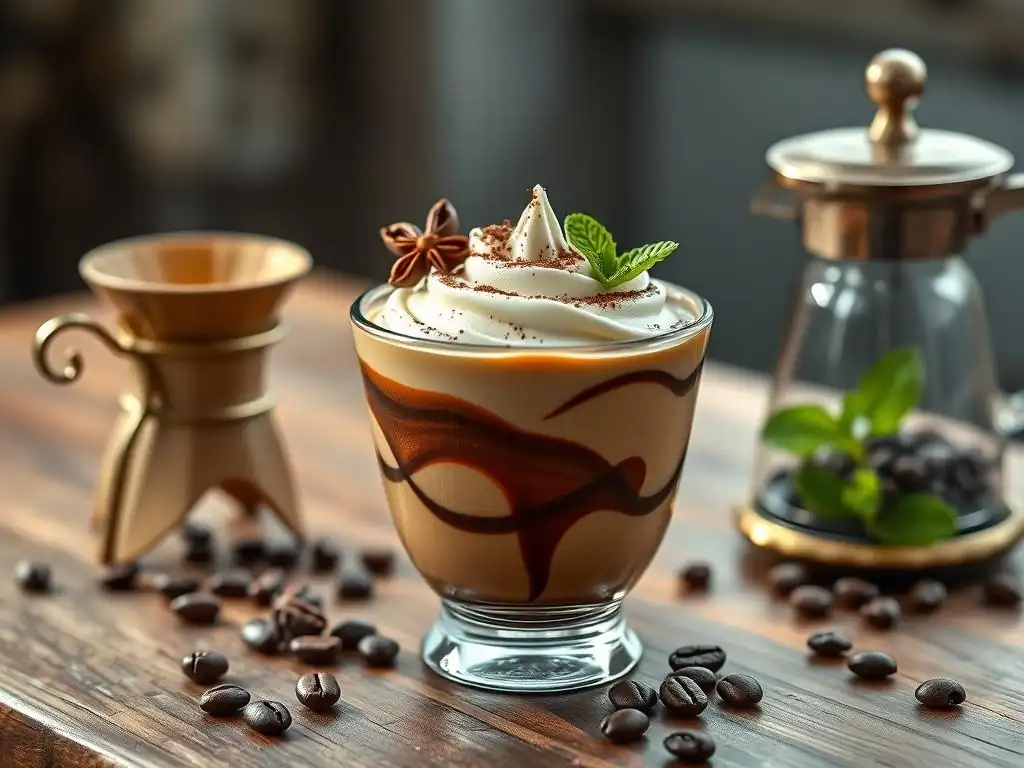
Vietnamese iced coffee is famous for its strong brew and the luxurious sweetness of condensed milk. This no-bake panna cotta captures those bold flavors in a silky, wobbly dessert form, making it a delightful addition to any collection of easy Asian no bake treats.
Panna cotta, an Italian dessert meaning "cooked cream," is easily adapted to incorporate diverse flavors. Using the distinct profile of Vietnamese coffee creates a sophisticated and aromatic treat. It's a wonderful way to enjoy the iconic coffee taste in a cool, creamy texture.
Infusing Panna Cotta: Strong Brewed Coffee and Chicory
The signature taste of Vietnamese coffee comes from using dark roast coffee, often blended with chicory, brewed typically through a small metal drip filter (phin). To infuse this into panna cotta, you'll need a strong brew. Use coarsely ground dark roast coffee, ideally with chicory, and brew it very strongly, perhaps using double the usual amount of coffee grounds per cup of water.
Combine this strong coffee with heavy cream, sweetened condensed milk (crucial for that authentic Vietnamese coffee sweetness), and sugar if needed. Gently heat this mixture, being careful not to boil vigorously, as this can affect the texture. The warm liquid is essential for dissolving the gelatin properly.
Achieving Perfect Panna Cotta Set: Gelatin to Cream Ratio
The key to a perfectly wobbly panna cotta is getting the gelatin-to-liquid ratio right. Too little gelatin results in a liquidy mess, while too much creates a rubbery texture. For a standard panna cotta using heavy cream and milk/coffee, a common ratio is about 1 to 1.5 teaspoons of powdered gelatin (or 2-3 gelatin sheets) per 1 to 1.5 cups of liquid (cream + coffee + condensed milk).
Dissolve the gelatin first in a small amount of cold liquid (water or coffee) according to package instructions before adding it to the warm coffee-cream mixture. Stir continuously until the gelatin is completely dissolved. Strain the mixture if needed to remove any undissolved bits. Pour into molds or serving glasses and chill for at least 4-6 hours, or until firmly set.
Topping Ideas: Coffee Grounds, Chocolate Shavings, or Star Anise
Enhance your Vietnamese Coffee Panna Cotta with simple yet effective toppings. A sprinkle of finely ground coffee beans or coffee grounds just before serving adds a textural contrast and boosts the coffee aroma. Be mindful that grounds can be gritty, so use sparingly or opt for a very fine grind.
Shaved dark chocolate or cocoa nibs also pair beautifully with the coffee flavor. For a touch of visual elegance and a hint of spice that sometimes accompanies coffee flavors in the region, place a single star anise pod on top of each panna cotta before chilling, removing it before serving. These simple garnishes elevate these easy Asian no bake treats.
5. Mochi Ice Cream Bites (No-Churn Option)
Mochi ice cream, a popular Japanese treat, consists of small scoops of ice cream wrapped in a soft, chewy mochi (glutinous rice dough) layer. While traditionally made with churned ice cream and steamed mochi, this adaptation uses a no-churn ice cream and a microwave mochi method for a simpler, no-bake approach to these easy Asian no bake treats.
This recipe breaks down the components into manageable steps, allowing you to create these delightful bites at home without specialized equipment. The combination of cold, creamy ice cream and the unique chewy texture of mochi is utterly addictive.
Making No-Churn Ice Cream: Condensed Milk and Whipped Cream Base
No-churn ice cream is incredibly simple and requires no ice cream maker. The base is typically made by folding sweetened condensed milk into stiffly whipped heavy cream. The condensed milk provides sweetness and prevents ice crystals from forming, while the whipped cream incorporates air for a light texture.
For about 1.5 to 2 quarts of ice cream base, you'll need roughly 1 can (14 ounces) of sweetened condensed milk folded into 2 cups of heavy cream that has been whipped to stiff peaks. You can add flavorings like vanilla extract, matcha powder, or fruit purees at this stage. Freeze this mixture until firm, then scoop into small balls (about 1-inch diameter) and freeze again on a parchment-lined tray until rock solid – this is crucial for easy assembly.
Preparing the Mochi Dough: Microwaveable Glutinous Rice Flour
Traditional mochi dough involves steaming glutinous rice flour, sugar, and water for a significant time. A faster, no-bake method uses the microwave. Combine glutinous rice flour and sugar in a microwave-safe bowl, then whisk in water until smooth.
Cover the bowl with plastic wrap, leaving a small vent. Microwave on high for 1-2 minutes, stir with a wet spatula, re-cover, and microwave again for another 1-2 minutes, or until the dough is thick, glossy, and translucent. Be cautious as it will be very hot and sticky. Kneading the hot dough briefly with a wet spatula or potato masher helps achieve a smoother texture.
Assembling Mochi Ice Cream: Shaping and Filling Techniques
Once the mochi dough is ready and cooled enough to handle (but still warm and pliable), dust your work surface generously with cornstarch or potato starch to prevent sticking. Roll or pat the dough out into a thin sheet, about 1/8 inch thick. Use a round cookie cutter or glass to cut out circles large enough to wrap around your frozen ice cream scoops (about 3-4 inches in diameter).
Take a frozen ice cream ball and place it in the center of a mochi circle. Quickly gather the edges of the mochi around the ice cream, pinching the seams shut at the top. Trim any excess dough if necessary. Place the finished mochi ice cream bite seam-side down on a parchment-lined tray. Repeat quickly before the ice cream melts or the mochi cools too much. Freeze the assembled mochi ice cream bites immediately until firm, typically at least 1-2 hours.
Tips for Success with No-Bake Asian Desserts
Mastering easy Asian no bake treats is achievable for anyone. Paying attention to a few key details can elevate your results from good to outstanding.
- Read the recipe thoroughly before starting to understand the steps and timing.
- Measure ingredients accurately, especially thickeners like gelatin.
- Ensure ingredients are at the correct temperature (e.g., melted chocolate cooled slightly before folding into mousse).
- Allow adequate refrigeration time for desserts to set properly.
Sourcing Authentic Asian Ingredients: Asian Grocery Stores
While many ingredients for easy Asian no bake treats are found in regular supermarkets (like coconut milk, condensed milk, fresh fruit), some key items are best sourced from an Asian grocery store. Glutinous rice flour, specific types of mangoes (during peak season), high-quality matcha powder, and pre-made red bean paste are often more readily available and of better quality there.
Visiting an Asian grocery store can also be an adventure! Don't hesitate to ask staff for help finding items or understanding different varieties. Look for brands known for quality in their region. This step significantly contributes to achieving authentic flavors in your homemade easy Asian no bake treats.
Mastering Texture: Proper Refrigeration and Ingredient Ratios
Texture is paramount in many Asian desserts, from the chewiness of mochi to the silkiness of panna cotta. Achieving the right texture in easy Asian no bake treats often hinges on two things: correct ingredient ratios (especially for thickeners like gelatin or starch) and sufficient refrigeration time.
For gelatin-based desserts like mousse or panna cotta, using the specified amount of gelatin for the volume of liquid is critical. Too little, and it won't set; too much, and it becomes rubbery. Ensure the gelatin is fully dissolved in a warm liquid before mixing into the main base. For all no-bake desserts, chilling for the recommended time (usually at least 3-4 hours, often better overnight) allows the ingredients to firm up and flavors to meld, resulting in the desired texture.
Flavor Pairing Suggestions: Coconut, Ginger, Citrus
Asian desserts frequently feature harmonious flavor combinations. When creating or adapting easy Asian no bake treats, consider classic pairings that enhance the overall taste. Coconut milk and cream are staples, pairing beautifully with tropical fruits like mango or pandan.
Ginger adds a warm, slightly spicy note that cuts through richness and complements flavors like sweet potato or taro. Citrus fruits, such as lime, yuzu, or calamansi, provide brightness and acidity, balancing sweetness in fruit jellies or creamy desserts. Experimenting with these classic combinations can inspire your own unique easy Asian no bake treats.
Serving and Storage Recommendations
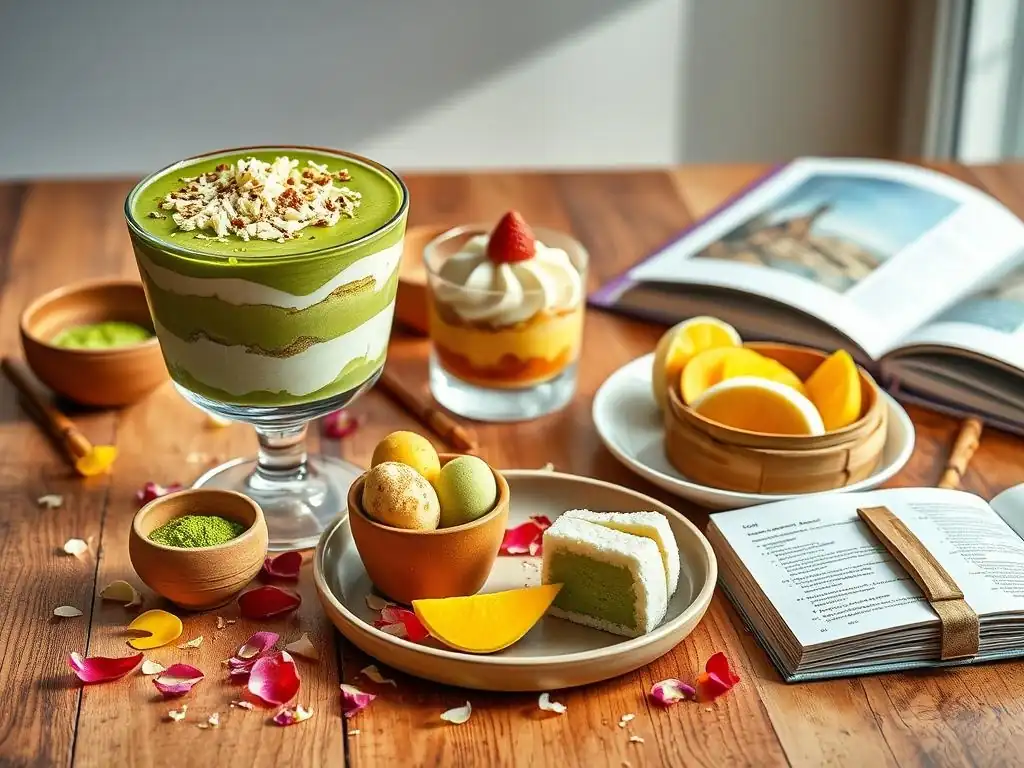
Proper serving and storage ensure your easy Asian no bake treats remain delicious and maintain their intended texture. Most no-bake desserts are best served chilled, directly from the refrigerator. Allow gelatin-based desserts to sit at room temperature for just a few minutes before serving to achieve optimal texture, but don't let them get warm.
Store leftovers in airtight containers in the refrigerator. Mousse, panna cotta, and parfaits will generally last for 2-3 days. Mochi ice cream is best stored in the freezer in an airtight container, layered with parchment paper to prevent sticking, and is typically best consumed within a week or two for optimal texture, although it can last longer. Sesame balls should be stored in an airtight container at room temperature for a day or two or refrigerated for longer storage, though refrigeration can slightly alter the chewy texture.
Conclusion: Embark on Your Easy Asian No-Bake Adventure!
As you can see, creating delightful Asian-inspired desserts doesn't require an oven or complex techniques. From the tropical layers of mango sticky rice parfaits to the sophisticated simplicity of matcha mousse or the chewy fun of no-fry sesame balls, these easy Asian no bake treats offer a fantastic way to explore vibrant flavors and textures with minimal effort.
Armed with simple ingredients, straightforward methods, and a little patience for chilling, you can bring the taste of Asia right into your home kitchen. These recipes are perfect for beginners and experienced cooks alike, proving that delicious, authentic-tasting desserts can be quick and easy. So why wait? Choose your favorite from our list and embark on your own easy Asian no bake treats adventure today!
Frequently Asked Questions
What makes these desserts "Asian-inspired"?
These no-bake treats incorporate flavors and ingredients commonly found in Asian desserts, such as matcha, mango, and coconut milk. The recipes aim to evoke the essence of Asian culinary traditions in a simplified format.
Are these recipes truly "no-bake"?
Yes, all recipes featured are entirely no-bake, meaning they don't require an oven. The preparation methods focus on techniques like chilling, setting, and assembling ingredients.
Are the ingredients for these desserts easy to find?
We prioritize using easy-to-find ingredients available in most supermarkets or Asian grocery stores. Substitutions are often suggested to accommodate varying ingredient availability.
Are these recipes suitable for beginner bakers?
Absolutely! The recipes are designed with simplicity and ease in mind, making them perfect for beginner bakers. Step-by-step instructions and clear explanations are provided.
Can these desserts be made ahead of time?
Most of these desserts are ideal for making ahead of time. Many benefit from chilling, which allows the flavors to meld together and the textures to set properly.
The enduring appeal of no-bake desserts lies not just in their ease of preparation, but in their ability to connect us to cherished memories and diverse culinary traditions. These quick Asian-inspired treats, explored throughout this article, offer a delightful gateway to experiencing the vibrant tapestry of Asian flavors without the complexities of lengthy baking processes. Their accessibility makes them perfect for sharing, fostering connection, and sparking culinary adventures.
The exploration of these recipes has been a personal journey, highlighting the power of simple ingredients to evoke powerful emotions and cultural connections. The ease with which these desserts can be made allows for spontaneous moments of joy and sharing, reminding us of the importance of slowing down and appreciating the simple pleasures in life. Food is symbolic of love when words are inadequate.
- Alan D. Wolfelt. This sentiment rings especially true when considering the ease with which these recipes can be shared and enjoyed amongst friends and family.
Now, I invite you to step into your kitchen and experiment! Choose a recipe that sparks your interest, gather your ingredients, and allow yourself to be transported by the aromas and flavors. Don't be afraid to adapt and personalize these recipes to your own tastes – that's part of the fun! Let the sweet simplicity of these no-bake treats inspire you to create your own moments of joy and connection, one delicious bite at a time.
Unleash Your Inner Pastry Chef: Quick & Easy Asian-Inspired Treats!
Thanks for taking the time to explore these delicious no-bake Asian-inspired desserts! We hope you discovered some new favorites to satisfy your sweet tooth. Ready to get baking (or rather, assembling)?
- Whip up your favorite recipe today! Grab your ingredients and let's create some amazing treats. This is your chance to impress yourself (and maybe others!) with how easy these desserts are to make.
- Share your creations: Show off your culinary skills on social media and tag us! Let's inspire each other with stunning dessert photos. #BakeWithEase #AsianDesserts #NoBakeRecipes
- Explore more no-bake wonders: Dive into our recipe archives for more quick and easy dessert ideas – you might just find your new signature dish!
So, what delicious Asian-inspired no-bake dessert will you conquer first?