
Baking with Chocolate Wafers vs. Chips: What's the Difference?

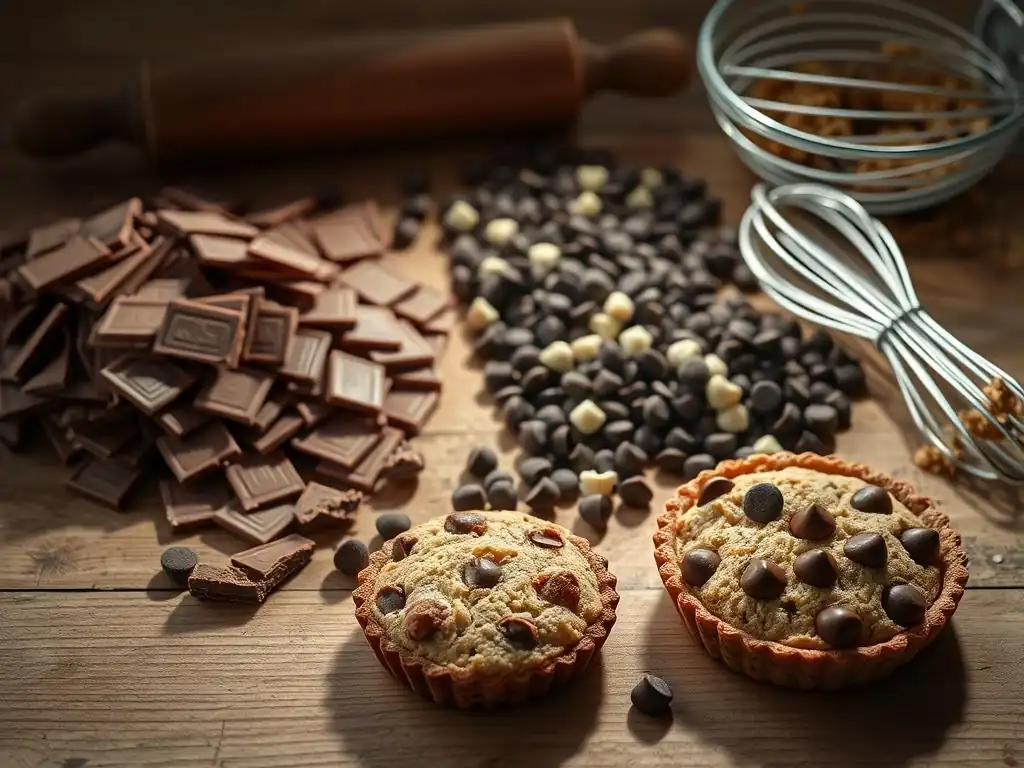
Welcome to BakeWithEase, your trusted guide to baking brilliance! Ever wondered about the secret weapon behind perfectly textured cookies and decadent desserts? Dive in and discover the surprising differences between chocolate wafers vs. chips – and how mastering this knowledge can elevate your baking game to a whole new level. Intrigued? Let's unlock the secrets of these essential ingredients and transform your next creation!
- Chocolate Chips: The Classic Baking Staple
-
Frequently Asked Questions
- What is the primary difference between chocolate wafers and chocolate chips in baking?
- When should I use chocolate wafers instead of chocolate chips?
- Will chocolate chips melt completely if I substitute them for wafers in a recipe?
- Are chocolate wafers and chocolate chips interchangeable in all recipes?
- Where can I typically find chocolate wafers for baking?
- Final Reflection: The Sweet Science of Chocolate Choice
- Unlock Your Inner Chocolatier: Elevate Your Baking!
Chocolate Chips: The Classic Baking Staple
What are Chocolate Chips? Definition and Common Types
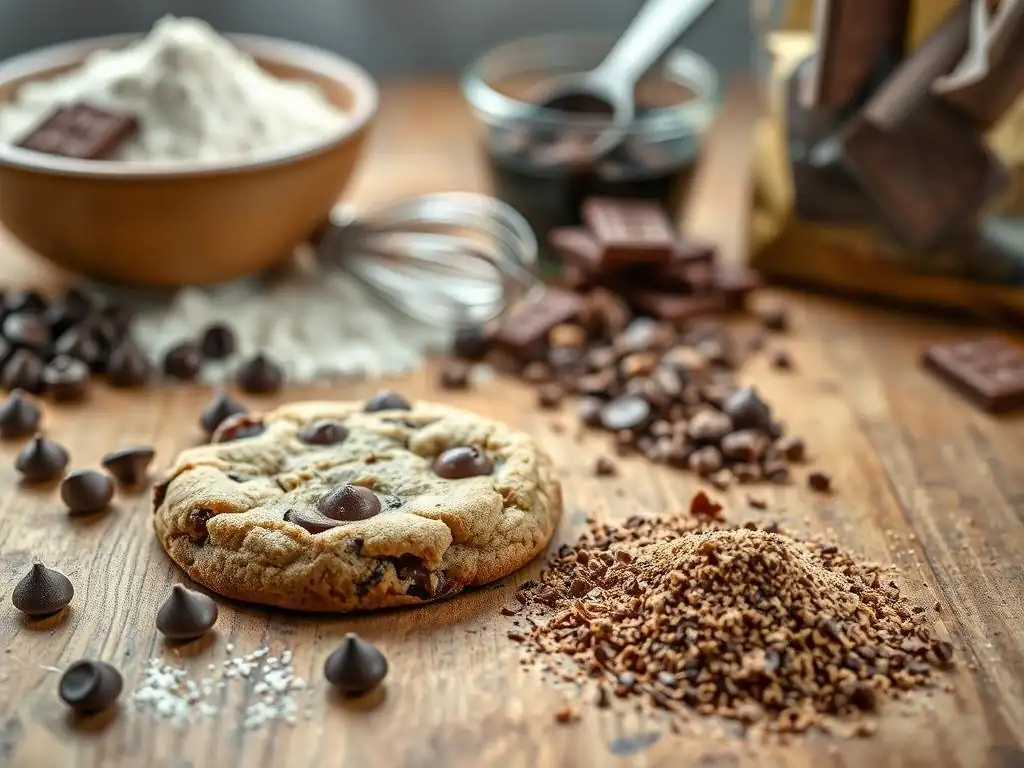
Chocolate chips are small pieces of chocolate, typically teardrop or flat-bottomed conical shapes, specifically designed to retain their form when heated during baking. They are a ubiquitous ingredient in home baking, famously associated with the classic chocolate chip cookie. Unlike chocolate intended for melting and molding (like couverture), chips are formulated to soften but not completely lose their structure in standard baking temperatures, creating distinct pockets of chocolate within the finished product.
The concept of chocolate chips is widely credited to Ruth Graves Wakefield, who invented the Toll House Cookie in the late 1930s. She added chopped chocolate from a Nestlé bar to her cookie dough, and the resulting semi-melted chunks were so popular that Nestlé began producing specially shaped chocolate pieces, the precursors to today's chocolate chips.
Composition and Ingredients of Chocolate Chips
The typical composition of chocolate chips includes cocoa solids (chocolate liquor), sugar, cocoa butter, lecithin (an emulsifier), and vanilla flavoring. However, a key difference when comparing chocolate chips vs couverture chocolate lies in the proportion of cocoa butter and the potential inclusion of other fats. Chocolate chips often have a lower percentage of cocoa butter than couverture and may contain added vegetable oils or stabilizers.
This specific blend of ingredients, particularly the fat content and any added stabilizers, is what allows chocolate chips to largely maintain their shape during baking. When exposed to heat, they soften and become gooey, but they don't typically melt into a smooth, flowing liquid like high-quality couverture chocolate would. This characteristic is essential for achieving the desired texture and appearance in baked goods like cookies, where distinct pockets of chocolate are preferred over a fully integrated chocolate matrix.
Advantages of Using Chocolate Chips in Baking
Convenience and Availability of Chocolate Chips
One of the primary reasons chocolate chips are a staple in home kitchens is their sheer convenience and widespread availability. You can find bags of chocolate chips in virtually every grocery store, making them an easy ingredient to grab for an impromptu baking session. They come pre-portioned and ready to use – simply measure them out and stir them into your batter or dough.
This convenience factor is significant, especially for busy home bakers. There's no need for chopping chocolate bars or dealing with the precise melting techniques often required for other types of chocolate, like tempering couverture chocolate. Chocolate chips offer a simple, reliable way to add chocolate flavor and texture to a wide variety of recipes with minimal fuss.
Variety of Flavors and Sizes: From Milk to Dark Chocolate Chips
Chocolate chips come in a delightful array of flavors and sizes, offering bakers plenty of options to customize their creations. Beyond the classic semi-sweet, you can easily find milk chocolate chips for a sweeter, creamier profile, or dark chocolate chips with varying cocoa percentages (often ranging from around 50% to 70% cocoa solids) for a more intense, less sweet chocolate experience. White chocolate chips are also popular, providing a rich, milky sweetness (though technically not chocolate as they contain no cocoa solids).
In addition to flavor, chips are available in different sizes, such as standard, mini, and sometimes large chunks. Mini chips are excellent for ensuring chocolate is distributed throughout smaller baked goods or for a more subtle inclusion, while chunks provide larger, more indulgent pockets of melted chocolate. This variety allows bakers to fine-tune the chocolate element of their recipes, whether they are debating chocolate wafer vs chips or simply choosing the right chip for the job.
Affordability: Budget-Friendly Baking with Chocolate Chips
For many home bakers, cost is a significant consideration, and this is where chocolate chips often shine compared to couverture chocolate. Generally speaking, chocolate chips are considerably more affordable per pound than high-quality couverture chocolate. This makes them an economical choice for everyday baking projects, especially when making large batches of cookies, muffins, or brownies.
While the composition might differ (sometimes including vegetable fats), for common applications where the chips are mixed into dough or batter, they deliver satisfactory chocolate flavor and texture at a lower price point. This accessibility ensures that adding chocolate to your baking doesn't have to be an expensive endeavor, solidifying their status as a budget-friendly baking staple.
Best Uses for Chocolate Chips in Baking
Cookies and Brownies: The Classic Chocolate Chip Applications
Without a doubt, the most iconic use of chocolate chips is in cookies, particularly the classic chocolate chip cookie. Their ability to soften and become delightfully gooey while still holding some shape creates those signature pockets of chocolate that contrast beautifully with the baked dough. A standard recipe often calls for around 1 to 2 cups of semi-sweet chocolate chips per batch, which is roughly 6 to 12 ounces (or 170 to 340 grams).
Similarly, chocolate chips are perfect for brownies. Whether stirred into the batter for gooey centers or sprinkled on top before baking for melty pools, they add bursts of rich chocolate flavor and a pleasant textural variation. Brownie recipes might use anywhere from a half cup to a full cup (approx. 85-170 grams) or more of chips, depending on how chocolate-dense you want them.
Muffins and Quick Breads: Adding Texture and Flavor
Chocolate chips are also fantastic for adding flavor and texture to muffins and quick breads like banana bread, zucchini bread, or pumpkin bread. Stirring them into the batter provides delightful pockets of chocolate throughout the loaf or muffins. Because they don't fully melt and integrate as easily as couverture, they maintain their form somewhat, offering distinct bites of chocolate.
For a standard loaf of banana bread, adding about 1/2 to 3/4 cup (approx. 85-115 grams) of chocolate chips can transform it into a special treat. In muffins, adding 1/2 to 1 cup (approx. 85-170 grams) to a batch of 12 provides a good distribution of chocolate. The chips add sweetness and a slight chewiness that complements the soft crumb of these baked goods.
Pancakes and Waffles: A Simple Chocolate Addition
For a fun and easy way to incorporate chocolate into breakfast or brunch, chocolate chips are a go-to addition for pancakes and waffles. Simply stir a handful into the batter just before cooking. The heat of the griddle or waffle iron melts the chips partially, creating gooey streaks and pockets of chocolate goodness within the fluffy pancakes or crispy waffles.
Adding about 1/4 cup (approx. 40 grams) of chips per cup of batter is a good starting point, but you can adjust to your preference. It's best to add them right before cooking to prevent them from sinking to the bottom of the batter. This simple technique offers a quick way to add a touch of indulgence, highlighting the versatility of chocolate chips in everyday cooking beyond just traditional baked goods, and showing that for many uses, the debate of chocolate wafer vs chips is settled by convenience and performance.
Frequently Asked Questions
What is the primary difference between chocolate wafers and chocolate chips in baking?
The main difference lies in their melting behavior. Chocolate wafers are designed to melt smoothly and evenly, while chocolate chips are formulated to hold their shape during baking.
When should I use chocolate wafers instead of chocolate chips?
Use chocolate wafers when you desire a smooth, glossy finish and even chocolate distribution, like in ganaches, glazes, or when coating candies. Chips are better for adding texture.
Will chocolate chips melt completely if I substitute them for wafers in a recipe?
While chocolate chips will soften, they are unlikely to melt completely and evenly like wafers. This can result in a different texture and appearance in your finished product.
Are chocolate wafers and chocolate chips interchangeable in all recipes?
No, they are not always interchangeable. Recipes that rely on the specific melting properties of wafers, such as for dipping or coating, will not work well with chips.
Where can I typically find chocolate wafers for baking?
Chocolate wafers are often found in the baking aisle of most grocery stores, or at specialty baking supply shops. You can also find them easily online.
Final Reflection: The Sweet Science of Chocolate Choice
The seemingly simple choice between chocolate wafers and chips significantly impacts the texture and overall experience of your baked goods. This seemingly minor detail holds surprising weight, influencing everything from the final crumb to the overall melt-in-your-mouth sensation. Understanding these differences empowers bakers of all levels to elevate their creations.
The ongoing fascination with chocolate, and the endless pursuit of the perfect baked good, highlights our deep-seated connection to comfort and indulgence. Chocolate is a perfect food, it is a comfort food, and it is a celebration food.
- This sentiment perfectly encapsulates the emotional resonance baked goods hold, and how the careful selection of ingredients, like chocolate wafers versus chips, can enhance that experience. The subtle nuances in texture and flavor profile, explored throughout this article, underscore the importance of mindful ingredient selection in achieving culinary excellence.
Now, consider your next baking project. Will you opt for the crisp snap of a wafer, lending a unique textural contrast? Or will you embrace the familiar melt of a chocolate chip, creating a classic, comforting treat? The choice, ultimately, is yours. But armed with the knowledge gained here, you can make a more informed decision, transforming your baking journey from a simple task into a mindful exploration of flavor and texture. Embrace the possibilities, experiment, and discover the perfect chocolate for your perfect bake.
Unlock Your Inner Chocolatier: Elevate Your Baking!
Thanks for diving into the delicious world of chocolate baking with us! We hope you now have a clearer understanding of the subtle (and sometimes not-so-subtle!) differences between using wafers and chips in your recipes. Ready to put your new knowledge to the test?
- Experiment with a new recipe: Try substituting wafers for chips (or vice versa!) in your favorite chocolate cookie recipe and see how the texture and taste change. Share your results in the comments below!
- Explore alternative uses: Don't limit yourself to just cookies! Think about using chocolate wafers in brownies, cakes, or even as a decadent crumble topping.
- Challenge yourself: Create your own unique chocolate wafer dessert – the possibilities are endless!
What unexpected ways are you planning to incorporate chocolate wafers or chips into your baking now?