
Baking French Financiers: Fun Flavor Twists


Welcome to BakeWithEase, your passport to a world of delightful baking adventures! Curious about adding a touch of French elegance to your next treat? Our latest article unlocks the secrets to crafting exquisite French financiers, but with a zesty twist. Prepare to be captivated by our French financiers lemon poppy seed recipe, a delightful fusion of classic technique and vibrant flavor. Intrigued? Dive in and discover how easy it is to create these little masterpieces!
- Baking French Financiers: Flavorful Variations
- Introduction to French Financiers
- Classic Financier Recipe: A Foundation
- Raspberry Financiers: A Fruity Delight
- Creative Financier Flavor Variations
- Troubleshooting Common Baking Issues
- Serving and Storing Financiers
- Advanced Techniques for Experienced Bakers
- The History of Financiers
- Conclusion: Versatility of French Financiers
-
Frequently Asked Questions
- How difficult are French financiers to bake, especially for beginners?
- Can I substitute ingredients in the French financiers recipe?
- What makes the French financiers from BakeWithEase different?
- How do I ensure my French financiers have a perfect golden-brown color?
- How should I store leftover French financiers to maintain their freshness?
- Final Reflection: The Enduring Allure of the Financiers
- Unlock Your Inner Pâtissier: Financier Flavor Adventures Await!
Baking French Financiers: Flavorful Variations
Introduction to French Financiers
French financiers are delightful small cakes, often rectangular or oval in shape, known for their moist texture, rich flavor, and slightly crisp exterior. Traditionally made with brown butter (beurre noisette), almond flour, egg whites, and sugar, they offer a sophisticated yet simple baking experience. Their name, meaning "financier" in French, is often linked to their shape resembling gold bars, or perhaps because they were popular treats in the financial district of Paris in the 19th century.
These elegant pastries are surprisingly easy to make at home, requiring just a few key ingredients and minimal fuss. They are perfect for enjoying with a cup of coffee or tea, serving at a brunch, or presenting as a thoughtful homemade gift. Exploring variations beyond the classic recipe opens up a world of creative possibilities, allowing you to tailor these little cakes to your personal taste or the season.
The Allure of French Financiers
The unique charm of French financiers lies in their delicate balance of textures and flavors. The use of brown butter imparts a deep, nutty aroma and richness that is distinct from cakes made with regular melted butter. This, combined with the fine crumb from almond flour and the tender chewiness from egg whites, creates a truly satisfying bite. Their small size makes them a perfect single serving treat.
Beyond their deliciousness, financiers are appealing because they showcase the elegance of French baking without requiring complex techniques or specialized equipment beyond standard muffin or financier molds. They demonstrate how simple, high-quality ingredients, when treated with care, can produce extraordinary results. Their versatility also allows for easy customization, making them a favorite for bakers wanting to experiment with different flavors.
Benefits of Home Baking
Baking French financiers at home offers numerous advantages, from the sheer joy of creating something delicious to having complete control over the ingredients used. You can select the finest almond flour, use high-quality butter, and avoid preservatives or artificial flavors often found in commercially baked goods. The aroma of brown butter filling your kitchen is an added bonus!
Furthermore, baking provides a relaxing and rewarding activity. Following a recipe, measuring ingredients, and watching the financiers transform in the oven can be incredibly therapeutic. Plus, having a batch of warm, freshly baked financiers on hand means you're always ready for an impromptu coffee break or unexpected guests. It's a cost-effective way to enjoy a taste of French patisserie anytime.
Classic Financier Recipe: A Foundation
Understanding the classic financier recipe is essential before venturing into flavor variations. This foundational recipe provides the perfect base for experimentation, ensuring you achieve the signature texture and richness that defines a financier. It's a simple formula, but precision in technique, particularly with the brown butter, makes all the difference.
A standard batch of financiers typically yields around 12 small cakes. The preparation involves melting butter, whisking dry ingredients with sugar, incorporating egg whites, and finally combining everything before baking. The process is relatively quick, often taking less than 30 minutes from start to finish, plus baking time.
Key Ingredients for Authentic Financiers
The core ingredients for authentic French financiers are simple yet specific:
- Unsalted Butter: Transforms into beurre noisette (brown butter), providing the signature nutty flavor. Using unsalted butter allows you to control the salt level in the final product.
- Almond Flour: Not almond meal. Finely ground blanched almonds give financiers their tender crumb and distinct flavor. A typical recipe might call for 90-100 grams of almond flour.
- Confectioners' Sugar (Powdered Sugar): Contributes to the tender texture and sweetness without creating a grainy mouthfeel. Around 150-180 grams is common.
- All-Purpose Flour: Just a small amount, perhaps 30-40 grams, helps bind the ingredients together and provides structure.
- Egg Whites: Provide lift and moisture, contributing to the chewy interior. Typically, egg whites from 3-4 large eggs are needed.
- Pinch of Salt: Enhances all the flavors.
These precise components work in harmony to create the unique financier experience. Substituting ingredients like using whole wheat flour or oil will significantly alter the texture and flavor profile away from the classic.
Step-by-Step Baking Instructions
Baking classic financiers involves a few key steps:
- Brown the Butter: Melt the unsalted butter in a saucepan over medium heat. Continue cooking, swirling occasionally, until it turns a rich golden-brown color and smells nutty. Be careful not to burn it. Strain the brown butter through a fine-mesh sieve to remove milk solids and let it cool slightly.
- Combine Dry Ingredients: In a bowl, whisk together the almond flour, confectioners' sugar, all-purpose flour, and salt.
- Add Wet Ingredients: Pour the slightly cooled brown butter (leaving behind any sediment) into the dry ingredients. Add the egg whites.
- Mix: Gently whisk or fold the mixture until just combined. Do not overmix. The batter should be smooth and fluid.
- Rest (Optional but Recommended): Cover the batter and refrigerate for at least 30 minutes, or up to 24 hours. Resting allows the flavors to meld and results in a better texture.
- Prepare Molds: Grease and flour financier molds or mini muffin tins.
- Fill Molds: Pour or spoon the batter into the prepared molds, filling them about two-thirds to three-quarters full.
- Bake: Bake in a preheated oven at approximately 180°C (350°F) for 12-18 minutes, depending on the size of the molds, until the edges are golden brown and the centers are set and slightly springy.
- Cool: Let the financiers cool in the molds for a few minutes before gently turning them out onto a wire rack to cool completely.
Following these steps ensures a successful bake, resulting in financiers with the perfect texture and aroma. Precision in browning the butter and not overmixing are critical details.
Achieving the Perfect Texture
The hallmark of a great financier is its unique texture: a slightly crisp exterior giving way to a moist, tender, and slightly chewy interior. This texture is primarily achieved through the specific combination of ingredients and the technique of using brown butter and egg whites. The high ratio of almond flour and sugar contributes to the moistness, while the egg whites provide structure and chewiness.
One crucial step for texture is browning the butter correctly. Heating the butter past the melting point evaporates water and toasts the milk solids, deepening the flavor and contributing to the subtle crispness of the edges. Another tip is to avoid whipping the egg whites; they should simply be incorporated into the batter. Resting the batter also helps hydrate the flours and allows the flavors to develop, leading to a more even and tender crumb when baked. Baking at the correct temperature ensures the exterior sets and browns while the interior cooks through without drying out.
Raspberry Financiers: A Fruity Delight
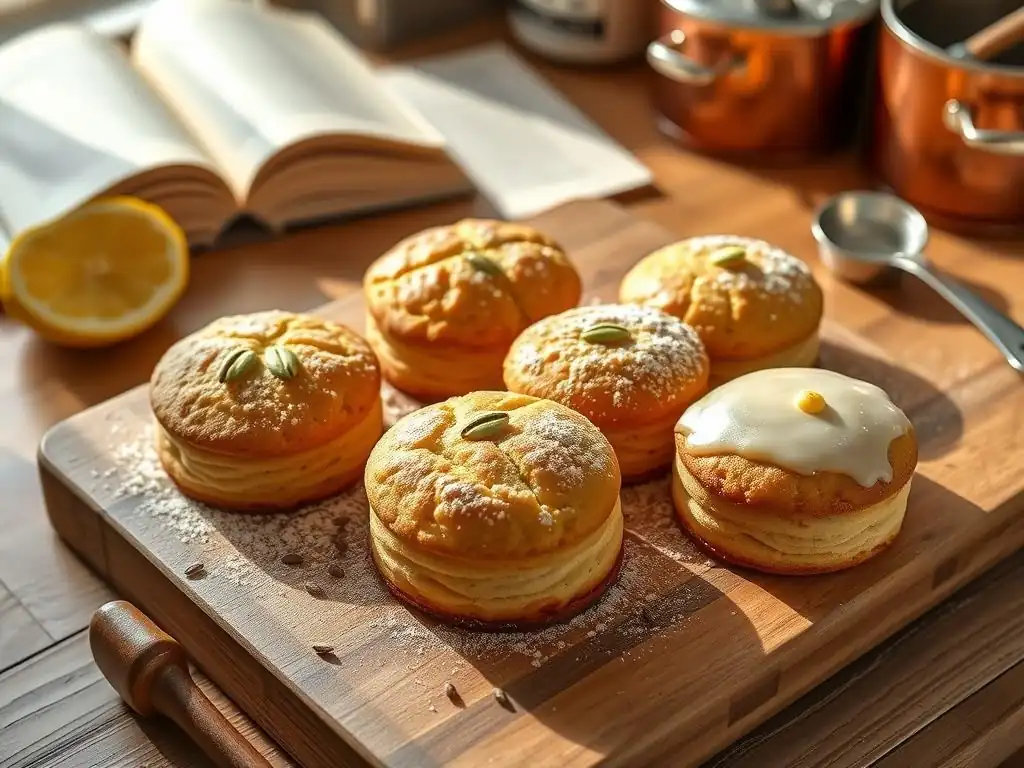
Adding fruit to financiers is a popular variation, and raspberries are a particularly delightful choice. Their tartness provides a wonderful contrast to the sweet, nutty richness of the financier base. Raspberry financiers are visually appealing, with bursts of color from the fruit, and offer a refreshing twist on the classic.
This variation is straightforward to implement. You simply need to decide whether to incorporate the raspberries into the batter or place them on top just before baking. Both methods yield delicious results, though incorporating them might distribute the flavor more evenly, while placing them on top creates beautiful pockets of jammy fruit.
Incorporating Fresh Raspberries
To incorporate fresh raspberries directly into the batter, gently fold them in after the batter is mixed, just before pouring into the molds. It's important to be very gentle to avoid crushing the delicate berries too much, which can turn the batter pink and introduce excess moisture unevenly. Using about 50-70 grams of fresh raspberries for a standard batch works well.
Alternatively, you can place a few fresh raspberries (2-3 per mold) directly into the filled molds before baking. This method keeps the berries more intact and creates visually appealing tops. As the financiers bake, the raspberries will soften and become slightly jammy, releasing their bright, tart flavor into the surrounding cake. This requires slightly more careful placement but results in beautiful individual pastries.
Enhancing Raspberry Flavor
To intensify the raspberry flavor in your financiers, consider a few techniques. One method is to use freeze-dried raspberry powder. A tablespoon or two added to the dry ingredients can provide a concentrated burst of raspberry taste without adding extra moisture that fresh berries might. This works particularly well if you want a uniform flavor throughout the financier.
Another way to enhance the flavor is to use a high-quality raspberry extract, though use sparingly as extracts can be potent. A more natural approach is to add a small amount of lemon zest, as citrus pairs beautifully with raspberries and brightens their flavor profile. A tiny pinch of citric acid (less than 1/4 teaspoon) added to the dry ingredients can also make the raspberry taste pop.
Sourcing High-Quality Raspberries
The quality of your raspberries significantly impacts the final taste of your financiers. Opt for fresh, plump, and firm berries when they are in season for the best flavor. Farmer's markets often offer the most flavorful seasonal produce. Look for berries that are evenly colored and free from mold or damage.
If fresh raspberries are not available or in season, frozen raspberries can be used, but they may release more moisture. Thaw them gently and pat them dry with paper towels before adding to the batter or placing on top. For freeze-dried powder, ensure it is pure raspberry with no added sugar or fillers. Sourcing high-quality ingredients is a cornerstone of excellent baking.
Creative Financier Flavor Variations
Once you've mastered the classic and perhaps a simple fruit variation like raspberry, the world of creative financier flavors opens up. The neutral, nutty base of the financier is incredibly adaptable, pairing well with a wide range of additions, from nuts and chocolate to citrus and floral notes. Experimenting with these variations allows you to create unique and memorable treats.
Think about flavor combinations that work well together. For instance, citrus and almond are a classic pairing, as are chocolate and nuts. Floral flavors like lavender can add an unexpected layer of sophistication. Don't be afraid to try less common combinations; the financier's structure is forgiving.
Pistachio Financiers: Nutty and Green
Pistachio financiers are a popular variation known for their vibrant green color and distinct nutty flavor. To make them, you typically replace a portion of the almond flour with finely ground pistachios (unsalted). The ratio can vary, but starting with a 50/50 mix of almond flour and pistachio flour (or finely ground pistachios) is a good starting point. For a standard batch, this might mean using 50g almond flour and 50g pistachio flour.
Using blanched pistachios that you grind yourself often yields the best color and flavor, as pre-ground pistachio flour can sometimes be dull. You can enhance the color with a tiny drop of green food coloring if desired, but good quality pistachios should provide a natural hue. Adding a few chopped pistachios on top before baking also adds texture and visual appeal. The brown butter base complements the pistachio flavor beautifully.
Chocolate Orange Financiers: A Citrus Infusion
Chocolate orange is a beloved flavor combination that works wonderfully in financiers. There are a couple of ways to achieve this. One is to add high-quality cocoa powder (10-15g) to the dry ingredients and incorporate finely grated orange zest (from one orange) into the wet ingredients or batter. The cocoa powder provides the chocolate base, while the orange zest adds a bright, aromatic lift.
Another method is to add finely chopped dark chocolate (20-30g) or mini chocolate chips to the batter along with the orange zest. The chocolate will melt slightly during baking, creating pockets of rich flavor. For an extra touch, you can dip the cooled financiers in melted dark chocolate and sprinkle with more orange zest. This variation is particularly rich and decadent, perfect for chocolate lovers.
Lavender Honey Financiers: Floral and Sweet
For a sophisticated and aromatic twist, try lavender honey financiers. This variation incorporates culinary lavender and replaces some or all of the confectioners' sugar with honey. Use culinary lavender, as other types can be too strong or even contain unwanted compounds. Infuse the brown butter with a teaspoon or two of dried culinary lavender flowers by adding them to the butter as it browns, then straining them out.
Alternatively, you can finely grind the lavender with the sugar in a food processor before mixing the dry ingredients. Replace about 50-70g of the confectioners' sugar with a good quality, pourable honey. Honey adds a distinct sweetness and moisture. The combination of nutty brown butter, floral lavender, and sweet honey creates a complex and elegant flavor profile. Start with a small amount of lavender and adjust to taste in future batches, as its intensity can vary.
Troubleshooting Common Baking Issues
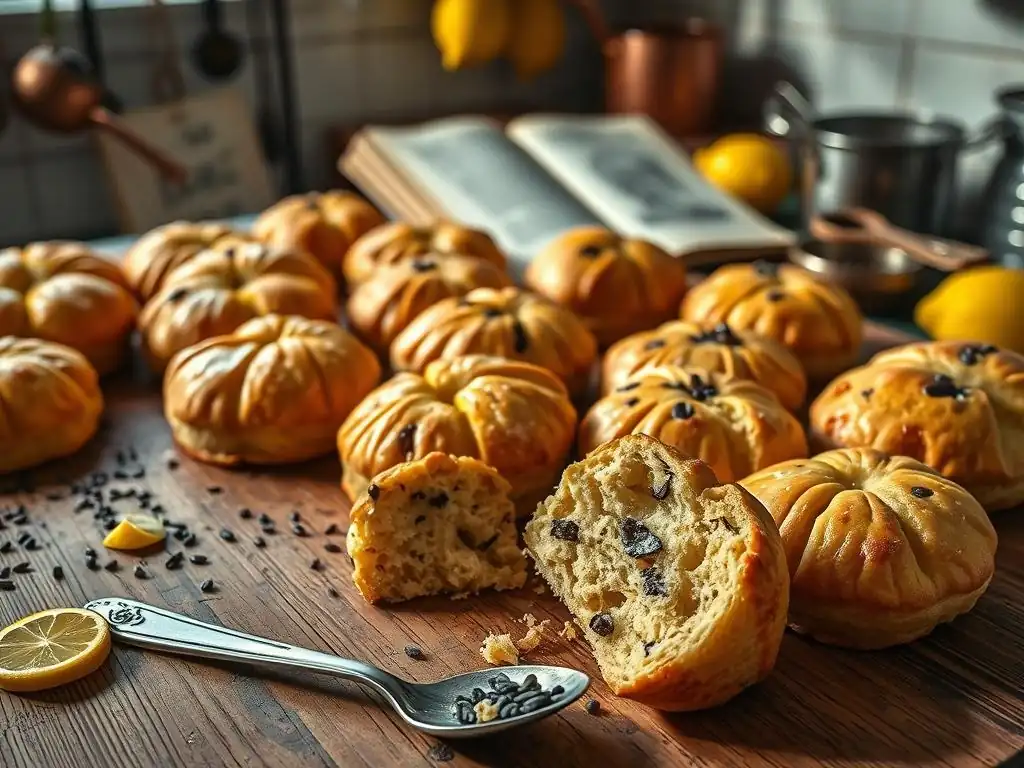
Even with a simple recipe like financiers, issues can arise. Understanding common problems and how to address them is key to consistent baking success. Whether it's financiers that are too dry, unevenly baked, or stuck in the molds, most issues can be prevented or fixed with a little knowledge.
Baking is a science, and slight variations in ingredient measurement, oven temperature, or mixing technique can impact the final outcome. Patience and attention to detail are your best tools for troubleshooting.
Preventing Dryness
Dry financiers often result from overbaking or an incorrect ratio of wet to dry ingredients. Overbaking is perhaps the most common culprit; financiers bake relatively quickly, and even a minute or two extra in the oven can turn them from moist to crumbly. Keep a close eye on them after the 10-minute mark. They should be golden brown around the edges and set in the center, but not hard.
Ensuring accurate measurements is also vital. Too much flour (all-purpose or almond) or too little butter or egg whites will lead to a dry texture. Using a kitchen scale for ingredients like flours and sugar is highly recommended for accuracy. Also, make sure your brown butter isn't burnt butter, which can make the financiers brittle and dry.
Ensuring Even Baking
Unevenly baked financiers can be frustrating – some are perfectly golden while others are still pale. This is often due to hot spots in your oven or uneven filling of the molds. To combat oven hot spots, rotate your baking pan halfway through the baking time (e.g., after 6-8 minutes).
Ensure you fill the molds evenly with batter. Using a scoop or spoon to portion the batter helps achieve consistency. If you are using multiple pans, avoid overcrowding the oven, as this can impede airflow and lead to uneven heat distribution. Baking one pan at a time, if necessary, can yield better results.
Avoiding Sticking
Financiers are delicate and can sometimes stick to the molds, especially if they aren't properly prepared. Even non-stick molds benefit from greasing and flouring. Use softened butter or a non-stick baking spray to thoroughly coat the inside of each mold cavity. Then, add a spoonful of all-purpose flour (or almond flour for gluten-free), tap out the excess, ensuring the sides and bottom are coated.
Allowing the financiers to cool slightly in the molds before attempting to unmold them also helps. The structure firms up a bit as they cool, making them less likely to break apart. Typically, 5-10 minutes in the mold after coming out of the oven is sufficient before gently inverting them onto a wire rack. If using silicone molds, they are generally easier to unmold, but a light greasing can still be beneficial.
Serving and Storing Financiers
Once your French financiers are baked to perfection, the next steps involve presentation and ensuring they stay fresh. Financiers are best enjoyed within a day or two of baking, but proper storage can help maintain their quality for a bit longer.
Whether you're serving them immediately, storing them for later, or planning to give them as a gift, a few simple practices will ensure they remain delicious.
Presentation Ideas
Financiers, with their elegant shape, are naturally appealing. For a simple presentation, a dusting of confectioners' sugar just before serving is classic and beautiful. Use a small sieve for an even coating.
For flavored variations, consider garnishes that hint at the flavor. For raspberry financiers, a fresh raspberry on top or a sprinkle of freeze-dried raspberry powder works well. Pistachio financiers look great with a sprinkle of chopped pistachios. For French financiers lemon poppy seed (a lovely citrus variation! ), a drizzle of lemon glaze and a sprinkle of poppy seeds would be perfect. Serving them in decorative paper cases also adds a touch of patisserie style.
Maintaining Freshness
Financiers are best stored at room temperature in an airtight container. Place parchment paper between layers if stacking them to prevent sticking. Stored this way, they will retain their best texture and flavor for 2-3 days. The brown butter helps keep them moist.
Avoid refrigerating financiers, as this can dry them out and affect their texture. If you need to store them for longer, they freeze exceptionally well. Wrap cooled financiers individually in plastic wrap, then place them in a freezer-safe bag or container. They can be frozen for up to 2-3 months. Thaw at room temperature before serving.
Gifting Options
Homemade financiers make wonderful gifts for friends, family, or colleagues. Their small size and sturdy nature (once cooled) make them easy to package. Arrange a selection of flavors in a decorative box or tin, perhaps lined with tissue paper or parchment.
Consider tying a ribbon around the box and adding a small tag listing the flavors included. A batch of 12-18 financiers fits nicely into many standard gift boxes. Gifting these elegant pastries shows thoughtfulness and allows others to enjoy a taste of your baking skills.
Advanced Techniques for Experienced Bakers

For those looking to take their financier baking to the next level, several advanced techniques and ingredient explorations can deepen flavors and refine texture. These methods build upon the classic recipe and offer ways to personalize your financiers even further.
Exploring different types of flours, mastering the nuance of brown butter, and experimenting with unique toppings can elevate your financiers from delicious to truly exceptional.
Exploring Different Flours
While almond flour is traditional, experimenting with other nut flours or alternative flours can create interesting variations. Hazelnut flour, for instance, pairs wonderfully with chocolate or coffee flavors. Using a portion of pistachio flour, as mentioned earlier for pistachio financiers, adds a distinct taste and color.
Coconut flour or even finely ground seeds like sunflower seeds can be experimented with, though they absorb liquid differently than almond flour, so the ratio of wet to dry ingredients may need adjustment. For French financiers lemon poppy seed, using a small amount of whole wheat pastry flour alongside the almond flour could add a subtle nuttiness that complements the bright lemon. Be prepared to adjust liquid slightly when substituting flours.
Using Brown Butter
Perfecting brown butter, or beurre noisette, is a key skill for superior financiers. The goal is to toast the milk solids to a nutty brown without burning them. Use a light-colored pan so you can easily see the color change. Start on medium heat, melting the butter, then continue cooking as it foams. Swirl occasionally. Listen for the crackling sound to subside – this means the water is evaporating.
Once the foaming slows, watch for the milk solids at the bottom to turn from white to golden, then to a hazelnut brown. Remove from the heat immediately and strain through a fine-mesh sieve lined with cheesecloth if you want an extra-clear brown butter, leaving the burnt bits behind. Cooling the brown butter slightly before adding to the batter allows it to thicken slightly and prevents it from cooking the egg whites prematurely.
Unique Topping Ideas
Beyond simple sugar dusting or fruit, creative toppings can add flavor, texture, and visual appeal. Before baking, you can press in ingredients like:
- Chopped nuts (pistachios, hazelnuts, pecans)
- Chocolate chips or chunks
- Berries (raspberries, blueberries)
- Thin apple slices (caramelize slightly first)
- A sprinkle of coarse sugar for crunch
After baking and cooling, consider:
- A simple glaze (lemon glaze for French financiers lemon poppy seed, or a chocolate glaze)
- A drizzle of caramel or ganache
- Candied citrus peel
- Edible flowers
- A sprinkle of spices like cardamom or cinnamon
These toppings allow for endless customization and can transform a simple financier into a miniature work of art.
The History of Financiers
Delving into the history of French financiers adds an extra layer of appreciation for these small cakes. Like many classic pastries, their origins are somewhat debated, but the prevailing story links them to the financial district of Paris in the 19th century.
Understanding their evolution from a simple almond cake to the elegant pastry we know today highlights the enduring appeal of classic flavors and shapes in French baking.
Origins and Evolution
One popular theory traces the financier back to the 19th century to a pastry chef named Lasne, whose shop was near the Paris Stock Exchange (the Bourse). The story goes that brokers wanted a small cake they could eat quickly without getting their hands messy, fitting neatly into a suit pocket. The original cakes might have been oval, resembling a fish ( financier is also a term for a fish in some contexts, though the gold bar shape is more commonly cited).
Alternatively, the shape is said to resemble a bar of gold, again linking it to the financial theme. The use of almond flour and egg whites (perhaps leftover from other pastry preparations) combined with butter made for a rich, moist cake that was perfectly suited for a quick, energizing treat.
Becoming a French Staple
Over time, the financier evolved from a simple cake into a beloved French pastry found in patisseries across the country. Its popularity grew due to its delicious taste, convenient size, and relatively simple production compared to more elaborate French desserts. The standardization of the recipe, particularly the inclusion of beurre noisette, solidified its place in the French baking repertoire.
While the exact historical details might be slightly fuzzy, the fact remains that the financier became synonymous with a certain kind of elegant, understated French pastry. It's a testament to the power of simple, high-quality ingredients and refined technique.
Changes in Flavors and Shapes
Historically, the financier was likely a plain almond cake. The rectangular mold became increasingly common, reinforcing the "gold bar" image. While the classic remains popular, the modern era has seen a proliferation of flavor variations. Patisseries now offer financiers with chocolate, various fruits, nuts, and even savory additions.
The basic structure of the financier has proven remarkably adaptable. While the core ingredients and the use of brown butter remain the foundation, bakers worldwide now experiment freely, creating flavors like French financiers lemon poppy seed, matcha financiers, or even savory versions with cheese and herbs. This evolution shows the pastry's resilience and ability to stay relevant in contemporary baking.
Conclusion: Versatility of French Financiers
French financiers are more than just small almond cakes; they are a perfect example of how simple ingredients and technique can create something truly special. From the classic brown butter and almond base to creative twists like raspberry, pistachio, chocolate orange, lavender honey, or even French financiers lemon poppy seed, their versatility is boundless.
Baking financiers at home allows you to explore this versatility firsthand, tailoring flavors to your preference and enjoying the rewarding process of creating elegant pastries. Whether you're a beginner or an experienced baker, the financier offers a delightful journey into the world of French baking classics.
Enjoy Baking
We hope this guide inspires you to try baking French financiers yourself! Start with the classic recipe to understand the fundamentals, then feel free to experiment with the flavor variations discussed. Don't be afraid to get creative and develop your own signature financier flavors.
Baking should be an enjoyable process. Embrace the learning curve, savor the aromas filling your kitchen, and take pride in the delicious treats you create.
Baking is often best when shared. Your homemade French financiers are perfect for bringing to gatherings, gifting to friends, or simply sharing with your household over a cup of coffee. Sharing your baked goods spreads joy and allows you to receive feedback that can help you improve your skills.
Consider taking photos of your financiers and sharing them with fellow baking enthusiasts. Discussing techniques and flavor combinations with others can open up new ideas and further enhance your baking journey. Happy baking!
Frequently Asked Questions
How difficult are French financiers to bake, especially for beginners?
Financiers are surprisingly easy to make, even for beginners. The recipe typically involves simple mixing and baking steps, making it a great starting point for exploring French pastries.
Can I substitute ingredients in the French financiers recipe?
While substitutions are possible, they can affect the texture and flavor. It's best to stick to the recipe initially, but you can experiment with different nuts or citrus zests after mastering the basic recipe.
What makes the French financiers from BakeWithEase different?
BakeWithEase focuses on simplicity and flavor enhancements. Our French financiers recipe includes fun flavor twists like lemon and poppy seed, making it a unique and delicious treat.
How do I ensure my French financiers have a perfect golden-brown color?
Achieving a perfect golden-brown color requires careful monitoring during baking. Ensure your oven is properly preheated and bake until the edges are golden brown and the center is lightly set.
How should I store leftover French financiers to maintain their freshness?
Store leftover financiers in an airtight container at room temperature for up to 3 days. For longer storage, you can freeze them, ensuring they are properly wrapped to prevent freezer burn.
Final Reflection: The Enduring Allure of the Financiers
The delicate artistry of the French financier, a seemingly simple almond cake, belies a world of flavor possibilities, proving that even the most classic recipes can be revitalized with creative twists. This exploration into lemon poppy seed financiers, and beyond, highlights not just a recipe, but a journey of culinary exploration and the joy of adapting tradition to personal taste. The seemingly small act of baking can become a powerful expression of creativity and connection.
The enduring appeal of the financier lies not only in its exquisite taste but also in its ability to evoke a sense of nostalgia and comfort. It's a recipe that transcends generations, adaptable to countless flavor profiles, and yet retains its inherent elegance. As I experimented with lemon and poppy seed, I was reminded of the power of simple ingredients to create something truly special. The best things in life are simple.
This sentiment rings true when considering the humble yet sophisticated financier.
Now, I invite you to embark on your own financier adventure. Don't be afraid to experiment with different flavor combinations, to personalize this classic treat and make it your own. Whether it's a simple lemon poppy seed variation or a more adventurous creation, the process of baking – the measuring, mixing, and the eventual aroma filling your kitchen – is a rewarding experience in itself. Let the joy of creation inspire you, and may your financiers be as delightful as the journey of making them.
Unlock Your Inner Pâtissier: Financier Flavor Adventures Await!
Thanks for joining us on this delicious journey into the world of French Financiers! We hope you've gained some inspiration and newfound confidence in tackling these elegant little cakes. Ready to take your baking to the next level?
- Craft your signature Financier: Experiment with the flavor combinations we discussed – think cardamom and pistachio, or maybe even lavender and honey! Share your creations with us – we'd love to see what you come up with!
- Dive deeper into the world of French pastries: Explore other classic recipes on BakeWithEase.com (this would be a link in a real implementation, of course). Let's expand your baking horizons!
- Challenge a friend to a Financier bake-off: It's the perfect way to share your newfound skills and enjoy some friendly competition. Who will create the most decadent financier?
What unexpected flavor combination are you going to try first? Let us know in the comments below!