
Journey Through Italy's Bread Basket: Regional Delights

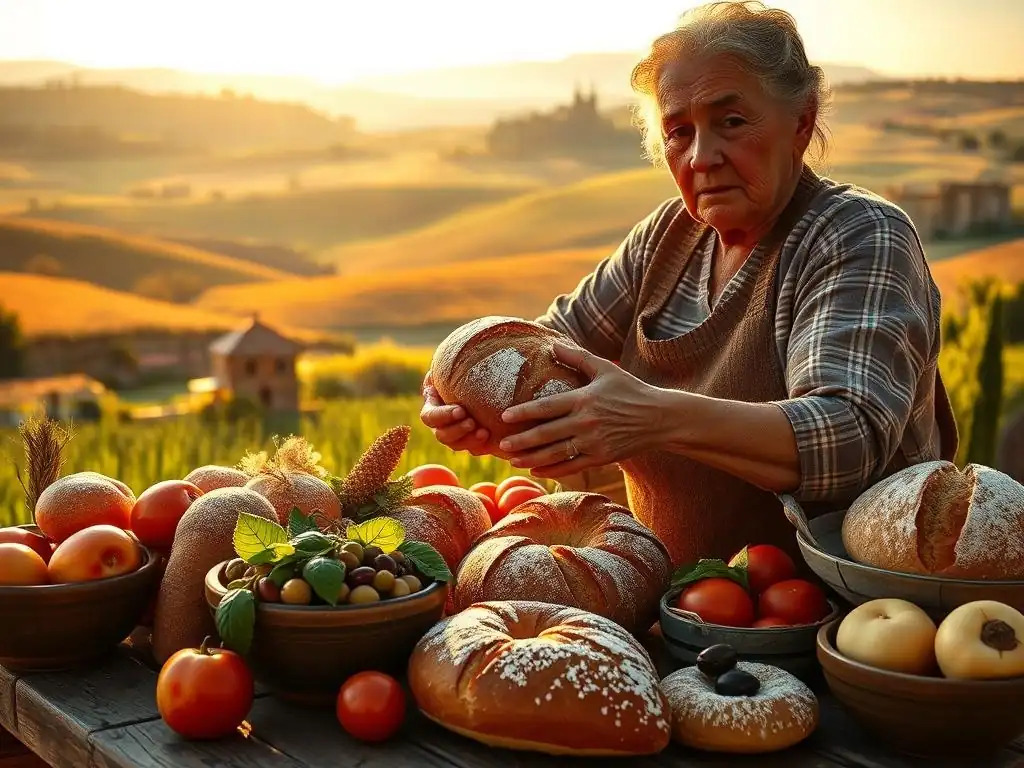
Welcome to BakeWithEase, your passport to the delicious world of baking! Are you ready to embark on a culinary adventure?
Ever wondered how the aroma of freshly baked bread fills the charming trattorias of Italy? This month, we're taking you on a flavorful journey through the diverse landscape of regional Italian bread recipes easy, uncovering the secrets and techniques behind some of the country's most beloved loaves. Prepare to be transported as we explore authentic recipes and discover the unique stories baked into each slice. What regional bread will become your new favorite? Let's find out!
- Discovering the Diverse World of Regional Italian Bread Recipes
- Easy Regional Italian Bread Recipes: A Beginner's Guide
- A Culinary Tour: Regional Italian Bread Specialties
- Tips for Baking Authentic Regional Italian Bread
- Storing and Serving Your Homemade Italian Bread
- Beyond the Basics: Advanced Regional Italian Bread Baking
- The Joy of Baking: Sharing Regional Italian Bread with Loved Ones
-
Frequently Asked Questions
- What makes Regional Italian Bread Recipes from BakeWithEase.com "easy"?
- Does BakeWithEase.com offer a variety of Regional Italian bread recipes?
- Are the Regional Italian bread recipes suitable for beginner bakers?
- Where can I find the complete list of ingredients for a specific Regional Italian bread recipe on BakeWithEase.com?
- What kind of support does BakeWithEase.com offer if I get stuck while making a Regional Italian bread recipe?
- Final Reflection: A Slice of Italy, A Taste of Home
- Unleash Your Inner Italian Baker!
Discovering the Diverse World of Regional Italian Bread Recipes
Exploring Italy's Bread Heritage: A Baker's Paradise
Italy, a land celebrated for its culinary prowess, boasts a bread heritage as rich and varied as its landscapes. From the snow-capped Alps to the sun-drenched southern coasts, each region, city, and even village has its own distinct pane (bread), deeply woven into local traditions and daily life. This incredible diversity stems from historical factors like geography, climate, and the availability of local grains and ingredients.
Baking has always been central to the Italian home, offering a comforting aroma and a staple for every meal. Mastering even a few easy regional Italian bread recipes can unlock a whole new level of baking satisfaction.
The sheer number of unique regional Italian bread recipes is astounding, with estimates suggesting hundreds of different types across the peninsula. These range from large, rustic loaves designed to last for days to delicate flatbreads perfect for enjoying fresh. While some traditional methods involve complex starters or specific wood-fired ovens, many iconic styles can be adapted into surprisingly easy Italian bread recipes suitable for home bakers. This journey through Italy's bread basket allows enthusiasts to explore diverse textures, flavors, and shapes using readily available ingredients, making authentic Italian bread baking accessible to everyone.
Easy Regional Italian Bread Recipes: A Beginner's Guide
Mastering Basic Techniques for Italian Breads
Embarking on the journey of baking regional Italian bread recipes easy for beginners starts with understanding fundamental bread-making techniques. Kneading is crucial for developing gluten, which provides structure. Whether you choose to knead by hand, a wonderfully tactile process that connects you to the dough, or use a stand mixer with a dough hook, the goal is a smooth, elastic dough that passes the windowpane test.
Proofing, the period where the dough rises thanks to yeast activity, is equally vital; typically, this involves letting the dough double in size in a warm, draft-free place, often taking 1-2 hours depending on the recipe and environment. Shaping the dough, whether into a simple round, a rustic loaf, or a specific regional form, requires gentle handling to avoid degassing too much.
Baking techniques also play a significant role in achieving that desirable crust and tender interior characteristic of authentic Italian bread. Preheating your oven thoroughly is essential, often to high temperatures ranging from 200°C to 250°C (400°F to 475°F). Many easy Italian bread recipes benefit from baking on a preheated baking stone or steel, which helps conduct heat quickly to the base, promoting a good oven spring.
Creating steam in the oven during the initial baking phase is another trick used to keep the crust pliable temporarily, allowing the bread to expand fully before hardening into a crisp shell. This can be achieved by placing a tray of hot water on the bottom rack of your oven.
Essential Ingredients for Authentic Italian Bread Baking
The foundation of any great bread lies in its ingredients, and this is especially true for easy regional Italian bread recipes. Flour is the primary component, with common types including Italian '00' flour (very finely milled, often used for softer breads or pasta) or strong bread flour (higher protein, good for structure in rustic loaves). Water quality and temperature matter; lukewarm water is often preferred for activating yeast.
Yeast, whether active dry or instant, is the leavening agent that makes the bread rise, converting sugars into carbon dioxide and alcohol. Salt is not just for flavor but also controls yeast activity and strengthens the gluten structure.
Beyond these staples, many regional Italian bread recipes incorporate ingredients that define their character. Good quality extra virgin olive oil is fundamental, particularly in breads from Southern Italy and Liguria like focaccia or schiacciata, adding richness, flavor, and helping with texture. Durum wheat semolina, especially the finely ground rimacinata version, is key to the golden hue and unique texture of breads from Puglia, such as Pane di Altamura. While more complex recipes might use a lievito madre (sourdough starter), many easy Italian bread recipes successfully use commercial yeast to achieve delicious results quickly.
A Culinary Tour: Regional Italian Bread Specialties
Pane di Altamura: The Pride of Puglia
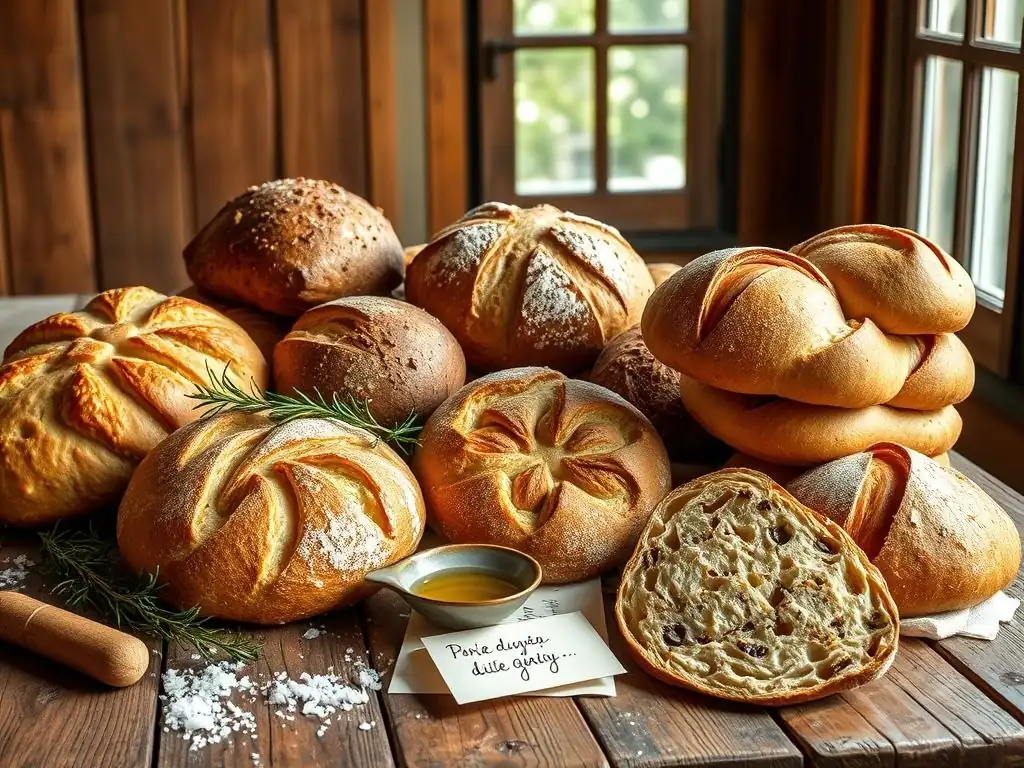
Hailing from the sun-baked region of Puglia in Southern Italy, Pane di Altamura is a bread of immense historical significance and pride, holding the prestigious DOP (Denominazione di Origine Protetta) status. This means its production is strictly regulated to ensure authenticity, using only durum wheat semolina grown in specific areas around Altamura.
Characterized by its large size (often weighing 1-2 kg), thick, crunchy crust, and a soft, airy, yellow interior, it's renowned for its exceptional keeping quality, remaining fresh for up to a week. The traditional shape is often a large, round loaf or a distinctive folded shape called 'u cappidd' (the hat).
The history of Pane di Altamura dates back centuries, with the Roman poet Horace praising the bread of this region as "the best bread in the world" in 37 BC. It was traditionally kneaded by families and taken to communal ovens to be baked, a practice that fostered community bonds.
The use of 100% durum wheat semolina flour gives it its unique texture and golden crumb, setting it apart from breads made with common wheat. While the DOP specifications are rigorous, home bakers can create delicious easy Italian bread recipes inspired by Pane di Altamura by focusing on the key ingredient and aiming for a similar texture and crust.
Baking Pane di Altamura at Home: An Easy Recipe
Creating an easy version of Pane di Altamura at home involves simplifying the traditional process while retaining its core characteristics. Start with a blend of durum wheat semolina (ideally rimacinata) and possibly some strong bread flour for easier handling, mixed with water, yeast, and salt. Aim for a relatively high hydration dough, which contributes to the open crumb. Knead the dough until smooth and elastic, which may take slightly longer than with all-purpose flour due to the nature of durum semolina. Allow a generous first proofing until doubled in size.
For shaping, form a large round loaf or attempt the traditional folded shape by flattening the dough, folding it over, and then folding again. A second proofing on a baking sheet or in a proofing basket dusted with semolina helps the loaf hold its shape.
Bake in a preheated oven at a high temperature, perhaps starting around 230°C (450°F) and potentially reducing it slightly after 15-20 minutes, for about 40-60 minutes depending on size, until the crust is deep golden brown and the bread sounds hollow when tapped on the bottom. While not strictly DOP, this method yields a rustic loaf with a characteristic crust and crumb, making it one of the rewarding regional Italian bread recipes easy to bake.
Coppia Ferrarese: Emilia-Romagna's Twisted Bread
From the city of Ferrara in Emilia-Romagna comes the visually striking Coppia Ferrarese, also protected by IGP (Indicazione Geografica Protetta) status. Its name, meaning "Ferrarese couple," refers to its unique shape: a central knot from which four horn-like 'legs' extend, resembling two pieces twisted together. This bread is made with soft wheat flour, water, lard, olive oil, yeast, and malt, and is known for its incredibly crispy crust, especially on the horns, contrasting with a slightly denser texture in the central part. It is traditionally broken apart rather than sliced.
The origins of Coppia Ferrarese are said to date back to the 12th century, becoming more widespread during the Renaissance under the Este family. Its distinctive shape was possibly designed to prevent the dough from sticking to the humid brick floors of the bakeries. The dough is firm and requires considerable kneading to achieve the necessary elasticity for shaping. This bread is a beloved symbol of Ferrara, often enjoyed with local cured meats and cheeses, showcasing how regional Italian bread recipes can be deeply tied to local identity and history.
Creating the Perfect Coppia Ferrarese: Tips and Tricks
Successfully baking Coppia Ferrarese at home hinges on mastering the dough and the unique shaping technique. The dough is relatively low in hydration and includes both lard and olive oil, requiring thorough kneading to become smooth and very elastic – this strength is needed to hold the intricate shape during baking. Precision in measuring ingredients is key for achieving the correct dough consistency. After kneading and a short rest, the dough is divided and rolled into long, thin ropes.
The shaping is the most distinctive part: two ropes are twisted together from the center outwards, and then the ends are brought back and joined to the opposite side, forming the four "horns." Practicing this twist helps achieve the characteristic look. The shaped loaves are given a short proof before baking at a moderate-high temperature, around 200-220°C (400-425°F), for about 15-25 minutes until golden brown and crispy. The goal is maximum crispness on the horns without burning, making this one of the more challenging but rewarding regional Italian bread recipes easy adaptations can tackle.
Schiacciata Toscana: Tuscan Flatbread Perfection
While the term 'focaccia' is used broadly, in Tuscany, the local flatbread is typically called Schiacciata (meaning "pressed" or "flattened"). Schiacciata Toscana is characterized by its dimpled surface, created by pressing fingertips into the dough, and a generous coating of extra virgin olive oil and coarse salt before baking. Often, it includes fresh rosemary. It's flatter and sometimes crispier than some versions of Focaccia Genovese, with a wonderfully irregular, airy interior.
Schiacciata is a versatile staple in Tuscany, enjoyed plain, used for sandwiches ( schiacciata ripiena), or served as an accompaniment to soups, stews, or antipasti. Its origins are humble, often made from dough scraps or as a quick bake. The key to its deliciousness lies in the quality of the olive oil, which infuses the bread with flavor and contributes to its crispy bottom and soft, oily top. It's a rustic, simple bread that perfectly embodies the straightforward, flavor-focused approach of Tuscan cooking, making it a prime example of regional Italian bread recipes easy enough for any home kitchen.
Schiacciata Toscana Recipe: A Simple Guide to Tuscan Flavors
An easy Schiacciata Toscana recipe begins with a basic bread dough, often with relatively high hydration to yield an open, airy crumb. Mix flour (all-purpose or bread flour works well), water, yeast, salt, and a little olive oil. After kneading, the dough is typically spread out onto a baking sheet or into a rectangular pan that has been generously coated with olive oil – this initial oil is crucial for the crispy bottom. The dough should be stretched or pressed gently to fill the pan, aiming for a thickness of about 1-2 cm (about 0.5-0.75 inches).
After a short proofing in the pan, the signature step is creating the dimples. Drizzle more olive oil over the dough and use your fingertips to press deep indentations across the entire surface, almost touching the bottom of the pan. Pour a little more olive oil over the dimpled surface, allowing it to pool in the depressions, and sprinkle generously with coarse sea salt and fresh rosemary leaves if desired.
Bake at a high temperature, around 220-240°C (425-475°F), for 20-30 minutes until golden brown, particularly on the bottom. The result is a flavorful, oily, and satisfying flatbread, one of the most approachable regional Italian bread recipes easy for beginners.
Pane Carasau: Sardinia's Crispy Flatbread
Pane Carasau, often nicknamed carta da musica ("music paper") due to its extreme thinness and crispness, is a traditional flatbread from Sardinia. Historically, it served as a practical, long-lasting food for shepherds who spent extended periods away from home. Made from simple ingredients – durum wheat flour, water, yeast, and salt – its uniqueness lies in its double-baking process, which transforms the dough into wafer-thin, brittle sheets.
The process involves kneading a firm dough, rolling it out incredibly thin, and then baking it briefly at a very high temperature. As it bakes, the thin dough puffs up like a balloon.
This puffed bread is then carefully split horizontally into two layers while still hot, and each layer is baked again (this second bake is called carasatura) at a lower temperature to dry it out completely and make it crispy. Pane Carasau is versatile, eaten plain, drizzled with olive oil and salt ( pane guttiau), or softened with broth or water and layered with ingredients like in the Sardinian dish pane frattau.
Making Pane Carasau: A Step-by-Step Tutorial
Making Pane Carasau at home is a test of patience and technique, particularly the rolling and splitting. The dough is simple but requires thorough kneading to develop enough elasticity to be rolled paper-thin. After mixing durum semolina flour, water, yeast, and salt, knead until very smooth. Let it rest, then divide into small portions. The key step is rolling each portion out as thinly as possible, ideally using a long Sardinian rolling pin or even a pasta machine on its thinnest setting.
The first bake is quick and hot (around 250-280°C or 475-550°F). Place a thin sheet of dough on a hot baking surface (like a pizza stone) and watch it puff up. Carefully remove the puffed bread and, using a sharp knife or your hands, gently split it horizontally into two thin layers while it's still hot and pliable.
Return these layers to the oven for the second bake ( carasatura) at a lower temperature (150-180°C or 300-350°F) for a few minutes until they are completely dry and crispy. Store the cooled sheets in an airtight container to maintain crispness. While requiring precision, the process for this unique regional Italian bread recipes easy to adapt for home can be rewarding.
Focaccia Genovese: Liguria's Oily Treasure
Focaccia Genovese, the iconic flatbread from Genoa in the Liguria region, is a beloved Italian classic. It's typically a rectangular bread, relatively flat but with a soft, airy crumb and a distinctive golden-brown crust. Like Schiacciata, its surface is dotted with deep dimples, but Focaccia Genovese is characterized by the generous use of extra virgin olive oil poured into these dimples before baking, often mixed with a brine solution of water and salt.
This liberal application of olive oil gives Focaccia Genovese its signature slightly greasy, incredibly flavorful crust and contributes to the soft, moist interior. It's a versatile bread, enjoyed for breakfast, as a snack, or alongside meals. Authentic Focaccia Genovese should be soft and slightly chewy, never hard or dry. It's a testament to how simple ingredients, expertly handled, can create something truly delicious, making it a popular choice among regional Italian bread recipes easy to try at home.
Easy Focaccia Genovese Recipe for Home Bakers
An easy Focaccia Genovese recipe for home bakers focuses on achieving the right dough consistency and mastering the oil application. Start with a standard bread dough using flour, water, yeast, and salt, but incorporate a good amount of olive oil into the dough itself during mixing or kneading – perhaps 10-15% of the flour weight. After the first rise, gently spread the dough into a well-oiled rectangular baking pan. The pan should be generously coated with olive oil to prevent sticking and contribute to the crispy bottom.
Let the dough rise again in the pan until puffy. Then, drizzle more olive oil over the surface. Dip your fingertips in olive oil or water and press deep dimples into the dough, ensuring they go almost to the bottom of the pan. Prepare a brine by mixing warm water and salt, and gently pour this mixture over the surface, allowing it to pool in the dimples.
This brine helps create steam and flavor during baking. Bake at a high temperature, around 220-240°C (425-475°F), for 20-30 minutes until the top is golden brown and the base is crispy. The result is a fragrant, oily, and irresistible focaccia, a quintessential example of regional Italian bread recipes easy to master.
Tips for Baking Authentic Regional Italian Bread
Selecting the Right Flour for Italian Breads
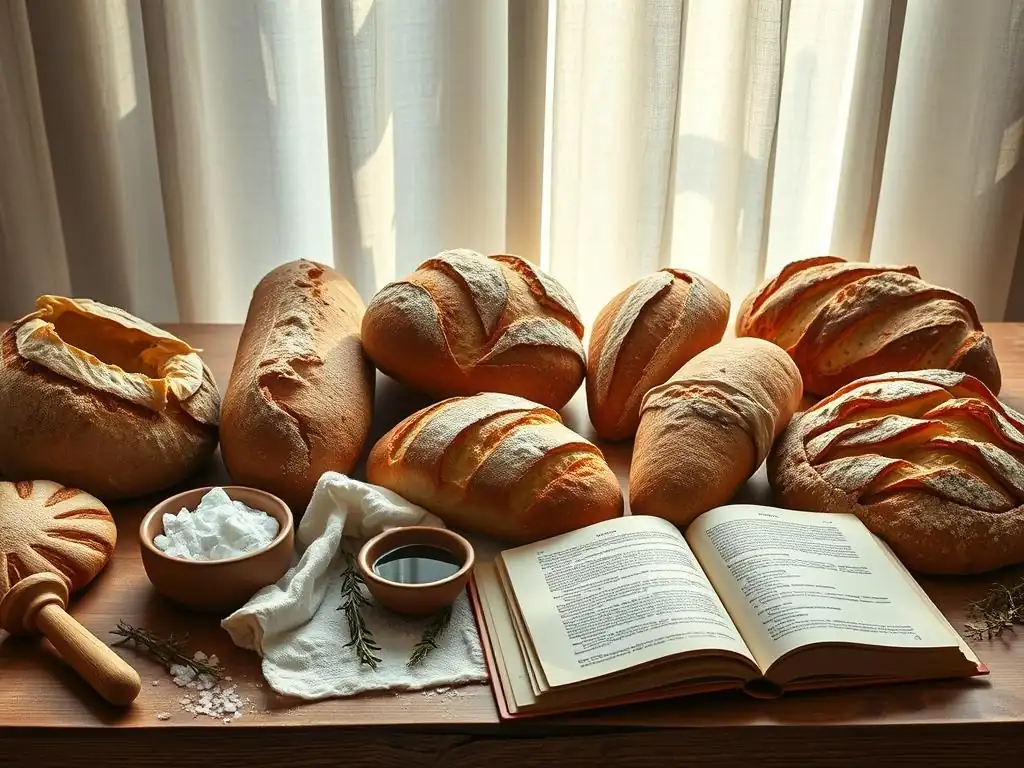
Choosing the correct flour is paramount when aiming for authentic regional Italian bread recipes, even the easy versions. While all-purpose flour can work for some simple loaves, specific Italian flours or their equivalents yield better results. Italian '00' flour is finely milled and has a moderate protein content, suitable for softer doughs and breads with a fine crumb. For rustic loaves needing more structure, like many traditional country breads, a strong bread flour with a higher protein percentage (around 12-14%) is ideal.
For breads from Southern Italy, particularly Puglia and Sardinia, using durum wheat semolina is essential. Look for semola rimacinata di grano duro, which is twice-milled durum semolina, resulting in a finer texture than standard pasta semolina. This flour gives the bread its characteristic golden color, slightly sweet flavor, and unique crumb structure. Experimenting with blends of these flours can help you recreate the texture and flavor profiles of various regional Italian bread recipes easy to make at home.
Achieving the Perfect Crust and Texture
The contrast between a crisp, flavorful crust and a soft, airy interior is a hallmark of many great regional Italian bread recipes. Achieving this perfect crust requires high baking temperatures, typically between 220°C and 250°C (425°F and 475°F). Baking on a preheated surface like a baking stone or steel helps transfer heat quickly to the base, promoting a strong oven spring and a crispy bottom crust.
Introducing steam into the oven during the first 10-15 minutes of baking is also vital; it keeps the surface soft, allowing the bread to expand fully before the crust sets. A tray of hot water or baking in a covered Dutch oven are effective methods.
The interior texture, or crumb, is influenced by factors like dough hydration, kneading, and proofing. Higher hydration doughs (those with a higher percentage of water relative to flour) tend to produce a more open, airy crumb, seen in breads like Pane di Altamura or Focaccia. Proper kneading develops the gluten network necessary to trap the gases produced during fermentation, creating that desirable structure. Adequate proofing allows the yeast to work effectively, contributing to both volume and flavor. Understanding how these elements interact is key to mastering regional Italian bread recipes easy to adapt for your kitchen.
Understanding Italian Baking Temperatures and Times
Baking temperatures and times for regional Italian bread vary significantly based on the type and size of the loaf. Generally, rustic, freeform loaves like Pane di Altamura are baked at high initial temperatures (e.g., 230-250°C / 450-475°F) to maximize oven spring and crust development, often for 45-60 minutes or even longer for very large loaves. The temperature might be slightly reduced partway through baking to ensure the interior cooks without the crust burning.
Flatter breads like Focaccia, Schiacciata, or Coppia Ferrarese typically bake at slightly lower temperatures (200-240°C / 400-475°F) for shorter periods, ranging from 15 to 30 minutes. Pane Carasau has a unique two-stage baking process involving very high heat initially for puffing, followed by a lower temperature for crisping.
For any bread, knowing when it's done is crucial; larger loaves should have an internal temperature of 90-95°C (195-205°F), while smaller loaves and flatbreads are often judged by their color and how they sound when tapped on the bottom (they should sound hollow). Following guidelines for specific regional Italian bread recipes easy to bake at home will help you achieve the desired result.
Storing and Serving Your Homemade Italian Bread
Keeping Your Bread Fresh for Longer
Proper storage is key to enjoying your delicious homemade regional Italian bread for as long as possible. Rustic loaves with thick crusts, like Pane di Altamura, are best stored at room temperature in a paper bag or wrapped loosely in a clean linen cloth. This allows the crust to remain relatively crisp while protecting the interior. Avoid storing crusty breads in plastic bags, as this traps moisture and will quickly turn the crust soft and rubbery.
Softer breads and flatbreads require different approaches. Focaccia, once completely cooled, can be wrapped loosely in plastic wrap or placed in an airtight container to maintain its moisture. Pane Carasau, being a crispy flatbread, must be stored in a sealed airtight container to protect it from humidity and keep it brittle. For longer storage, most regional Italian bread recipes easy to freeze well. Allow the bread to cool completely, then wrap it tightly in plastic wrap followed by aluminum foil before freezing. Thaw at room temperature and refresh in a warm oven for a few minutes if desired.
Pairing Suggestions: Complementing Italian Bread with Olive Oil, Cheese, and Cured Meats
Regional Italian bread, especially when freshly baked, is a delight on its own, but it truly shines when paired with classic Italian complements. The simplest and perhaps most iconic pairing is with good quality extra virgin olive oil. Drizzling it generously over a slice of warm, crusty bread, or using the bread for dipping, highlights the flavor of both. A sprinkle of sea salt or a splash of balsamic vinegar can enhance this simple pleasure.
Italian cheeses and cured meats are natural partners for regional Italian bread. A sturdy loaf like Pane di Altamura pairs beautifully with aged cheeses like Parmigiano Reggiano or Pecorino, or with local Puglian cheeses like Caciocavallo. Schiacciata Toscana is perfect for creating simple yet delicious sandwiches with Prosciutto Toscano or Finocchiona (fennel salami). Focaccia Genovese is wonderful alongside a platter of mixed antipasti or used to mop up sauces. Exploring these pairings elevates the experience of baking regional Italian bread recipes easy to make at home into a full culinary adventure.
Beyond the Basics: Advanced Regional Italian Bread Baking
Exploring Sourdough Variations in Italian Bread
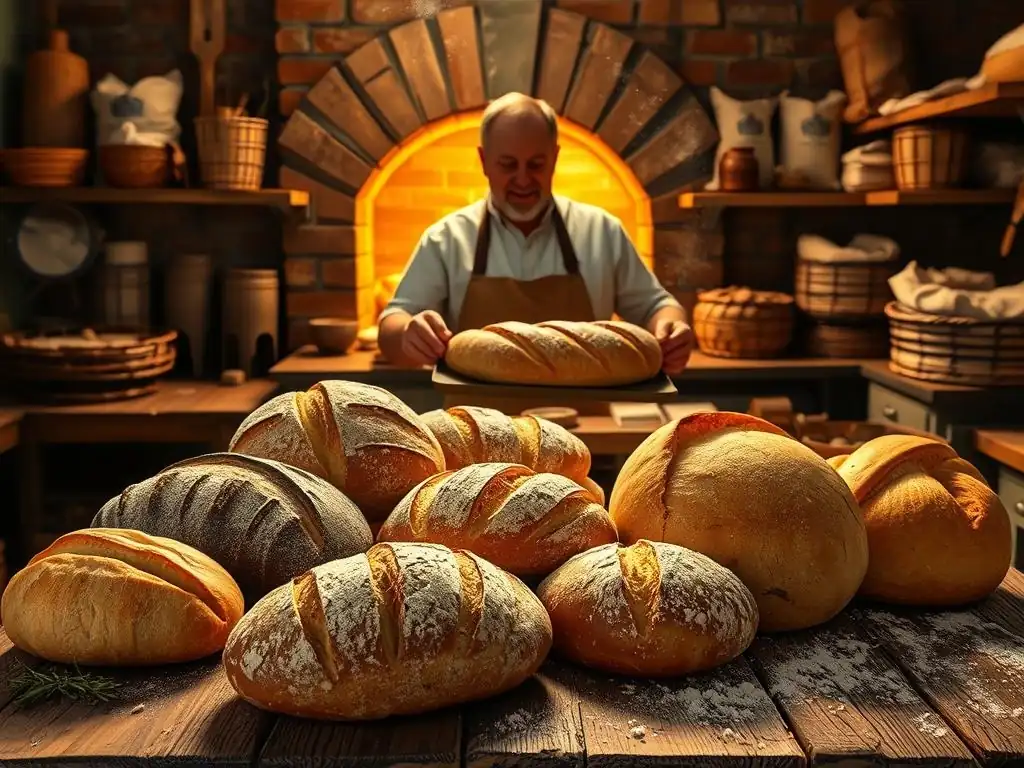
For those who have mastered the easy regional Italian bread recipes using commercial yeast and wish to delve deeper, exploring sourdough variations is a rewarding next step. Many traditional Italian breads, particularly rustic loaves, were historically leavened using lievito madre or pasta madre, a stiff, sweet sourdough starter unique to Italy. Using a natural leaven adds complexity to the flavor, improves the crust, and can enhance the keeping qualities of the bread.
Converting yeast-based recipes to sourdough requires understanding the nuances of working with a living starter, including its feeding schedule, activity level, and how fermentation times differ from commercial yeast. However, adapting your favorite regional Italian bread recipes easy to make with yeast into sourdough versions is a fantastic way to connect with ancient baking traditions and achieve truly authentic results with more depth of flavor and character.
Experimenting with Different Grains and Flours
While standard wheat and durum semolina are prevalent, Italy's bread heritage also includes the use of other grains and ancient flours. Exploring these opens up new possibilities for advanced bakers. Grains like farro (spelt), rye, or even chestnut flour are used in specific regional breads and can lend unique flavors and textures. Incorporating heritage or local wheat varieties also connects you to the specific agricultural history of different Italian regions.
Experimenting with incorporating these flours into your baking allows you to explore the full spectrum of Italian bread diversity. You might start by substituting a small percentage of the main flour with a different grain flour in an otherwise familiar regional Italian bread recipe. This gradual approach helps you understand how different flours affect dough handling, fermentation, and the final baked product, expanding your repertoire beyond the most common easy Italian bread recipes.
The Joy of Baking: Sharing Regional Italian Bread with Loved Ones
Baking Italian Bread for Special Occasions
Baking regional Italian bread is more than just following a recipe; it's an act of love and hospitality deeply embedded in Italian culture. Sharing a warm loaf straight from your oven with family and friends is a simple pleasure that brings people together. Homemade bread elevates any meal, turning a simple soup or salad into a comforting feast.
Consider baking a large Focaccia Genovese for a gathering, its inviting aroma filling your home. A Pane di Altamura makes a stunning centerpiece for a Sunday dinner, perfect for sharing around the table. Or perhaps bake a batch of crispy Coppia Ferrarese to serve with an antipasto platter. Incorporating regional Italian bread recipes easy to make at home into your special occasions adds an authentic touch and allows you to share a taste of Italy's incredible baking heritage with those you cherish.
Frequently Asked Questions
What makes Regional Italian Bread Recipes from BakeWithEase.com "easy"?
The recipes are designed with step-by-step guides and use easy-to-find ingredients. We focus on clear instructions suitable for all skill levels.
Does BakeWithEase.com offer a variety of Regional Italian bread recipes?
Yes! We explore a diverse range of Italian breads, taking you on a journey through the different regions and their unique baking traditions.
Are the Regional Italian bread recipes suitable for beginner bakers?
Absolutely. While some techniques might be new, the recipes are simplified to ensure success for beginners, offering guidance on each stage of the process.
Where can I find the complete list of ingredients for a specific Regional Italian bread recipe on BakeWithEase.com?
The full ingredient list is always provided at the beginning of each recipe, usually accompanied by helpful notes regarding substitutions.
What kind of support does BakeWithEase.com offer if I get stuck while making a Regional Italian bread recipe?
We encourage you to leave comments and questions on the recipe pages. Our team monitors the site and will provide prompt assistance to help you overcome any hurdles.
Final Reflection: A Slice of Italy, A Taste of Home
The enduring appeal of regional Italian bread recipes lies not just in their ease of preparation, but in their ability to transport us to sun-drenched villages and bustling city squares. These simple recipes, passed down through generations, are more than just instructions; they are keys unlocking a rich cultural heritage and a deeper understanding of Italian identity. The ease of recreating these breads at home allows us to connect with a tradition that has shaped culinary history for centuries.
This journey through Italy's bread basket has highlighted the incredible diversity and ingenuity found within seemingly simple recipes. The subtle variations in ingredients and techniques, reflecting the unique terroir of each region, underscore the profound connection between food, land, and people. Food is symbolic of love when words are inadequate.
– Alan D. Wolfelt. This quote perfectly encapsulates the emotional resonance of these recipes, allowing us to share a piece of Italy with loved ones and create lasting memories.
Now, it's your turn. Don't just read about these regional delights; experience them. Choose a recipe that speaks to you, gather your ingredients, and embark on your own culinary adventure. Let the aroma of freshly baked bread fill your kitchen, transporting you to the heart of Italy. The simplicity of the process will surprise you, and the taste? Unforgettable. Share your creations, share your stories, and continue the rich tradition of Italian bread making.
Unleash Your Inner Italian Baker!
Thanks for joining us on a delicious journey through Italy's diverse bread-baking traditions! You've now discovered the secrets behind regional variations and the artistry of Italian bread making. Ready to put your newfound knowledge to the test?
- Bake your own Ciabatta: This classic Italian bread is surprisingly simple to make at home, and our website has a foolproof recipe waiting for you. Start small – you can do it!
- Share your baking journey: Tag us on social media with your creations using #BakeWithEaseItaly – we’d love to see your masterpieces!
- Explore other regional recipes: Dive deeper into Italian baking by browsing our extensive collection of recipes focusing on different regions and styles.
Now, tell us: Which Italian bread are you most excited to try baking first?