
Bake With Ease: Simple Welsh Cakes Recipe

Welcome to BakeWithEase!
Ever dreamt of creating delicate, golden-brown treats that melt in your mouth? This isn't just baking; it's an invitation to experience a taste of Welsh tradition. Dive into our Simple Welsh Cakes Recipe Guide and discover how easy it is to recreate this classic delight in your own kitchen. Unlock the secrets to perfectly spiced cakes and impress your friends and family with a touch of authentic Welsh flavor. Curious about the simple steps and key ingredients? Let's get baking!
- Traditional Welsh Cakes Recipe
- Introduction to Welsh Cakes
- Welsh Cakes Recipe: Step-by-Step Guide
- Baking Welsh Cakes: The Process
- Tips for Perfect Welsh Cakes
- Variations
- Enjoy!
-
Frequently Asked Questions
- What are Welsh cakes and what makes them special?
- Are Welsh cakes difficult to make, especially for beginner bakers?
- Can I substitute any ingredients in the simple Welsh cakes recipe?
- How should I store Welsh cakes to keep them fresh?
- What's the best way to serve and enjoy freshly baked Welsh cakes?
- Final Reflection: The Enduring Charm of Simple Baking
- Unleash Your Inner Baker: Make Delicious Welsh Cakes Today!
Traditional Welsh Cakes Recipe
Introduction to Welsh Cakes
What are Welsh Cakes?
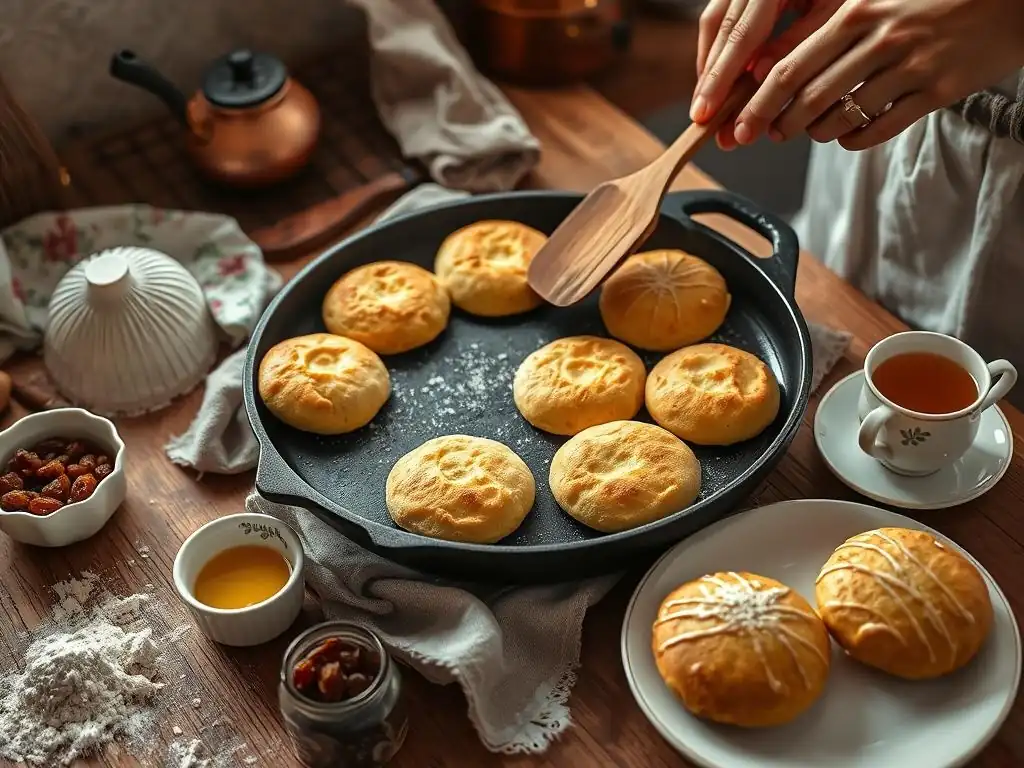
Welsh cakes, known in Welsh as picau ar y maen (cakes on the stone) or bakestones, are a beloved traditional treat originating from Wales. Unlike scones, which are typically baked in an oven, Welsh cakes are cooked on a griddle or bakestone, giving them a unique texture – slightly crisp on the outside and soft, crumbly, and tender within. They are small, round, and typically contain dried fruit such as currants or raisins, though plain versions are also common.
These delightful cakes are a staple in Welsh tea-time culture. Their simplicity in ingredients and cooking method made them accessible to households across Wales for generations. Often served warm straight from the griddle and dusted generously with sugar, they offer a comforting taste of Welsh heritage and are a perfect accompaniment to a cup of tea.
Why This Recipe is Beginner-Friendly
This simple Welsh cakes recipe guide is specifically designed for those new to baking or looking for an easy, rewarding project. The ingredients are pantry staples you likely already have, and the process avoids complex techniques like yeast activation or intricate pastry folding. Cooking on a griddle is often less intimidating than managing oven temperatures, and the quick cooking time means you get to enjoy your delicious results faster.
Baking Welsh cakes is quite forgiving. The dough is relatively easy to handle, and minor imperfections in shape or size won't drastically affect the outcome. By following this simple Welsh cakes recipe guide, you'll build confidence in fundamental baking techniques like rubbing in fat and handling dough, making it an ideal starting point before tackling more complex bakes.
Welsh Cakes Recipe: Step-by-Step Guide

Ingredients
List of Ingredients
Here are the typical ingredients needed for a batch of approximately 10-12 Welsh cakes. You can adjust quantities proportionally for more or fewer cakes.
- [ ] 225g (approximately 1 ¾ cups) Self-raising flour
- [ ] 75g (approximately ⅓ cup) Caster sugar, plus extra for dusting
- [ ] 100g (approximately ½ cup) Cold butter or a mix of butter and lard, cubed
- [ ] ½ teaspoon Baking powder
- [ ] A pinch of Salt
- [ ] 1 medium Egg, beaten
- [ ] Approximately 2-3 tablespoons Milk
- [ ] Optional: 50-75g Currants or raisins
Lard vs. Butter
The choice of fat significantly impacts the texture of your Welsh cakes. Butter contributes a rich, delicious flavour and helps create a tender crumb. Its lower melting point means it incorporates easily into the dough.
Lard, on the other hand, has a higher melting point than butter. When rubbed into the flour, it creates small pockets that melt during cooking, resulting in a lighter, flakier texture. Many traditional simple Welsh cakes recipe guides recommend using all lard or a 50/50 mix of cold butter and lard to achieve the perfect balance of flavour and flakiness.
Equipment Needed
Essential Tools
To make Welsh cakes, you'll need a few basic kitchen tools:
- Large mixing bowl: For combining ingredients.
- Measuring scales or cups: For accurate ingredient quantities.
- Sieve: To sift the flour and baking powder.
- Pastry blender or your fingertips: For rubbing the fat into the flour.
- Rolling pin: To roll out the dough.
- Round cutter: Approximately 5-6 cm (2-2.5 inches) in diameter.
- Bakestone or heavy-bottomed griddle/frying pan: For cooking the cakes.
Helpful Tools
While not strictly essential, these tools can make the process smoother:
- Wire rack: For cooling the cooked Welsh cakes slightly before dusting.
- Spatula or fish slice: For flipping the cakes on the griddle.
- Sifter or small sieve: For dusting the warm cakes generously with sugar.
Baking Welsh Cakes: The Process
Step 1: Preparing the Dough
Combining Dry Ingredients
Begin by sifting the self-raising flour and baking powder into your large mixing bowl. Sifting is important as it aerates the flour, contributing to a lighter texture, and removes any small lumps. Add a pinch of salt to enhance the overall flavour profile.
Next, stir in the caster sugar. If you are adding dried fruit or spices (see variations below), add them now and stir to distribute them evenly among the dry ingredients. This ensures the fruit or spice is coated in flour and doesn't clump together later in the dough.
Incorporating Fat
Add the cold, cubed butter (and lard, if using) to the dry ingredients in the bowl. Using your fingertips or a pastry blender, rub the fat into the flour mixture. The goal is to break down the fat into smaller pieces and coat the flour particles until the mixture resembles coarse breadcrumbs.
Lift your hands high as you rub to keep the mixture cool and airy. Avoid squeezing or pressing the mixture too firmly, as this can warm the fat and compact the flour. Continue until there are no large lumps of fat remaining, aiming for an even, breadcrumb-like consistency.
Adding Egg and Milk
Make a well in the centre of the breadcrumb mixture. Crack the beaten egg into the well. Use a knife or your hand to gently bring the dry ingredients into the egg, starting to combine everything.
Now, add the milk, a tablespoon at a time. Mix until the dough just comes together into a soft, pliable ball. Be careful not to add too much milk; you want the dough to be soft but not sticky. You might not need all the milk listed, or you might need a tiny bit more depending on the size of your egg and the flour's absorption. The dough should leave the sides of the bowl cleanly.
Step 2: Shaping the Welsh Cakes
Dough Thickness
Lightly flour a clean work surface. Turn the dough out onto the floured surface and gently bring it together into a smooth ball. Using a rolling pin, roll the dough out evenly. The ideal thickness for Welsh cakes is about 6-8 mm, which is roughly 1/4 inch.
Rolling the dough to the correct thickness is important for even cooking. Dough that is too thin will cook too quickly and potentially be dry, while dough that is too thick might burn on the outside before the inside is cooked through. Aim for consistent thickness across the entire sheet of dough.
Cutting the Cakes
Using your round cutter (about 5-6 cm diameter), press straight down into the dough to cut out circles. Avoid twisting the cutter, as this can seal the edges of the cakes and prevent them from rising slightly on the griddle.
Carefully lift the cut cakes using a spatula and place them aside on a plate or baking sheet. Gather the dough scraps, gently press them together to form a ball (do not knead aggressively), re-roll once or twice, and cut out more circles until all the dough is used. Overworking the scraps can make the later cakes tougher.
Step 3: Cooking on a Bakestone
Preparing the Bakestone or Griddle
Place your bakestone, griddle, or heavy-bottomed frying pan over medium-low heat. The temperature is crucial – it should be hot enough to cook the cakes through and brown them nicely without burning the outside. A good test is to flick a tiny drop of water onto the surface; it should sizzle and evaporate within a couple of seconds. Aim for a surface temperature of around 160-180°C (320-350°F).
Traditional bakestones are seasoned and require no greasing. If using a modern non-stick griddle or frying pan, you may use a minimal amount of fat (like a tiny bit of butter wiped over with kitchen paper) initially, but generally, Welsh cakes cook dry on the surface.
Cooking Time and Temperature
Place the shaped Welsh cakes onto the hot griddle, leaving a little space between them as they will expand slightly. Cook for approximately 3-4 minutes on the first side until they are golden brown and have started to puff up slightly in the centre.
Using a spatula, carefully flip each cake over and cook for another 3-4 minutes on the second side until golden brown and cooked through. You can check if they are done by gently pressing the centre; it should feel firm, and the edges should look cooked rather than doughy. The total cooking time per cake is usually around 6-8 minutes.
Preventing Burning
Monitoring the griddle temperature is key to preventing your Welsh cakes from burning. If they are browning too quickly, immediately reduce the heat. If they are taking too long to brown, increase the heat slightly.
Cook the cakes in batches to avoid overcrowding the griddle, which can cool the surface down unevenly. Between batches, you can wipe the griddle clean with a dry cloth if any crumbs are starting to burn, ensuring a clean surface for the next batch in this simple Welsh cakes recipe guide.
Step 4: Dusting with Sugar and Serving
Sugar Coating
As soon as the Welsh cakes are cooked and removed from the griddle, place them on a plate and immediately dust both sides generously with caster sugar while they are still warm. The warmth helps the sugar adhere beautifully, creating that classic sweet coating.
While caster sugar is traditional for its fine texture, some people prefer the slight crunch of granulated sugar. You can use a sieve or sifter for an even dusting of sugar.
Serving Suggestions
Welsh cakes are best enjoyed warm, fresh from the griddle, often served simply with a cup of tea. The combination of the warm, crumbly cake and the sweet sugar coating is truly delightful on its own.
While traditionally eaten plain, some variations include splitting a warm cake and spreading it with a little butter or even jam. However, the simple, sugar-dusted version is the most authentic way to experience this traditional treat from this simple Welsh cakes recipe guide.
Tips for Perfect Welsh Cakes
Achieving the Ideal Texture
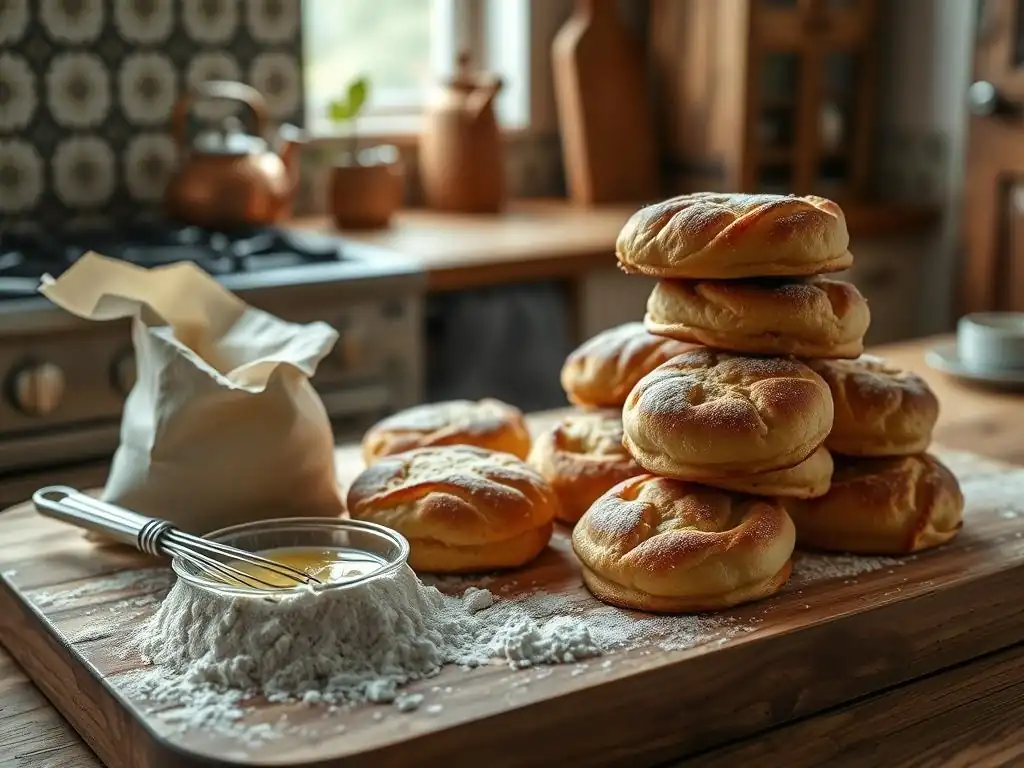
The secret to the perfect crumbly, tender texture of Welsh cakes lies in two main steps: incorporating the fat properly and not overworking the dough. Ensure your butter/lard is cold and rubbed into the flour until it resembles fine breadcrumbs. This process coats the flour and inhibits gluten development.
Equally important is handling the dough gently. Add just enough liquid to bring it together and avoid kneading. Overworking the dough activates gluten, resulting in tough, bread-like cakes instead of the desired tender crumb. Aim for a dough that is soft and just about manageable without being excessively sticky.
Storing and Reheating
Cooled Welsh cakes can be stored in an airtight container at room temperature for 2-3 days. They tend to dry out over time, so consume them relatively quickly for the best texture.
For longer storage, Welsh cakes freeze exceptionally well. Once completely cooled, stack them with parchment paper in between layers and place them in a freezer-safe bag or container for up to 3 months. Reheat frozen cakes gently on a warm griddle or in a low oven (around 150°C / 300°F) for a few minutes until warmed through. Avoid microwaving, which can make them rubbery.
Troubleshooting
Dough Too Sticky
If your dough feels too sticky after adding the liquid, it likely means you added a little too much milk or your egg was large, or perhaps your fat wasn't cold enough. Resist the urge to add excessive amounts of flour, which will result in dry cakes.
Instead, try adding just a tablespoon or two more flour until the dough is easier to handle but still soft. Alternatively, wrap the dough in plastic wrap and chill it in the refrigerator for 15-20 minutes; cold dough is often less sticky and easier to roll.
Cakes Burning
If your Welsh cakes are burning on the outside before they are cooked through, the griddle temperature is too high. The heat needs to be medium-low. Cakes should brown gradually over 3-4 minutes per side, not char instantly.
Ensure your cakes are rolled to the correct thickness (6-8mm). Thicker cakes require a lower temperature and slightly longer cooking time to ensure the heat penetrates to the centre without scorching the exterior. Cook in smaller batches if necessary to maintain consistent griddle temperature.
Variations
Adding Dried Fruit
Raisins, Currants, or Mixed Peel
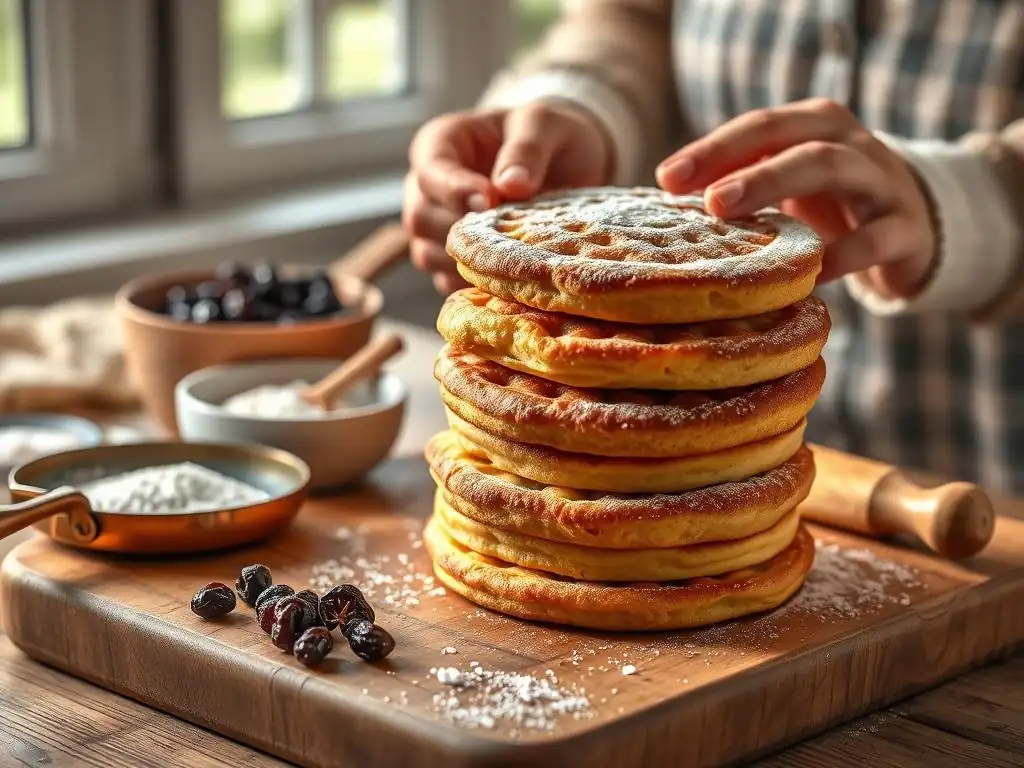
Traditional Welsh cakes often include dried fruit. The most common additions are currants or raisins, but mixed peel is also used. Add about 50-75g of your chosen dried fruit to the dry ingredients after you have rubbed in the fat and mixed in the sugar.
Stir the fruit through the breadcrumb mixture to ensure it is evenly distributed before adding the egg and milk. This adds a lovely sweetness and chewy texture that complements the tender cake structure, a classic element in a simple Welsh cakes recipe guide.
Spices
Cinnamon, Nutmeg, or Ginger
Adding spices can bring extra warmth and aroma to your Welsh cakes. Ground cinnamon is a popular choice, but nutmeg or a pinch of ginger or mixed spice also work beautifully.
Stir 1/2 to 1 teaspoon of your preferred ground spice into the dry ingredients along with the sugar and salt. Adjust the amount based on your personal taste preference. The spices enhance the simple flavours of the butter and flour, making them even more comforting.
Chocolate Chips
For a less traditional but very popular modern twist, you can add mini chocolate chips to your Welsh cakes. About 50-75g of mini milk, dark, or white chocolate chips can be stirred into the dry ingredients along with the sugar.
The chocolate chips melt slightly as the cakes cook, creating little pockets of gooey chocolate. While not historically accurate, this variation is a hit with many and shows the versatility of the basic simple Welsh cakes recipe guide.
Enjoy!
Baking is often about sharing the joy (and the delicious results!) with others. This simple Welsh cakes recipe guide is perfect for whipping up a batch to share with family and friends over a cup of tea.
Sharing your homemade Welsh cakes is a lovely way to connect and spread a little warmth and sweetness. Don't be surprised if they disappear quickly!
More Baking Recipes
If you enjoyed making these traditional Welsh cakes and are looking for more easy and delicious baking projects, BakeWithEase.com has you covered. Explore our wide range of simple recipes designed for bakers of all levels.
From other regional favourites to classic cakes, cookies, and breads, you'll find plenty of inspiration to continue your baking journey. Keep exploring and happy baking!
Frequently Asked Questions
What are Welsh cakes and what makes them special?
Welsh cakes, also known as pice ar y maen, are small, round griddle cakes traditionally made in Wales. They are special due to their slightly sweet flavor and the use of mixed spices like cinnamon and nutmeg. They're often enjoyed warm, dusted with sugar.
Are Welsh cakes difficult to make, especially for beginner bakers?
No, not at all! This BakeWithEase recipe guide focuses on a simple Welsh cakes recipe, making them accessible to bakers of all levels. The instructions are step-by-step and use easy-to-find ingredients.
Can I substitute any ingredients in the simple Welsh cakes recipe?
While following the recipe closely is recommended for best results, some substitutions are possible. You can experiment with different dried fruits, like raisins instead of currants, or use a plant-based butter alternative.
How should I store Welsh cakes to keep them fresh?
Store cooled Welsh cakes in an airtight container at room temperature. They are best enjoyed within 2-3 days for optimal freshness and flavor. You can also freeze them for longer storage.
What's the best way to serve and enjoy freshly baked Welsh cakes?
Welsh cakes are traditionally served warm, dusted with caster sugar. They are delicious on their own or with a dollop of jam or clotted cream. Enjoy them with a cup of tea for a truly authentic experience.
Final Reflection: The Enduring Charm of Simple Baking
The humble Welsh cake, a testament to the power of simple ingredients and straightforward methods, remains a comforting and delicious staple in modern kitchens. Its enduring appeal lies not just in its ease of preparation, but in the joy it brings – a joy that transcends generations and connects us to culinary traditions. This simple recipe, shared in this guide, offers a gateway to that joy, proving that extraordinary flavour doesn't require extraordinary effort.
The impact of simple baking, like the creation of Welsh cakes, extends far beyond the kitchen. It fosters a sense of connection – to heritage, to family, and to the satisfaction of creating something delicious with your own hands. It's a mindful activity, a pause in the rush of modern life, allowing for creativity and self-expression. Baking is at once child's play and adult joy. And love, of course.
This quote perfectly encapsulates the experience of making these cakes, a process that is both relaxing and deeply rewarding.
Now, I invite you to embrace the simplicity of this recipe. Don't just bake Welsh cakes; experience them. Share them with loved ones, savour their warm, buttery goodness, and let the process itself become a source of comfort and connection. Let this simple recipe be a reminder that sometimes, the most profound joys are found in the simplest of things. Go forth, bake, and share the joy!
Unleash Your Inner Baker: Make Delicious Welsh Cakes Today!
Thanks for joining us on this baking adventure! We hope you've gained some delicious inspiration and newfound confidence in the kitchen. Ready to bring those tasty Welsh cakes to life?
- Bake a batch of Welsh cakes today! Use the recipe you just learned, and adapt it to your own taste – experiment with different fruits or spices!
- Share your baking success on social media using #BakeWithEaseWelshCakes – let's see those beautiful golden-brown treats!
- Leave a comment below and share your favorite baking tip or any questions you have about making these delightful cakes.
What's your favorite ingredient to add to classic Welsh cakes?