
Beyond AllPurpose: Exploring the World of Artisan Bread Flours

Welcome to BakeWithEase, your secret ingredient to baking bliss! Ever wondered what separates a good loaf from a truly exceptional one? It often comes down to the flour. Dive into our exploration of artisan bread flour recipes easy to master and unlock the secrets to elevating your baking. Prepare to discover textures and flavors you never thought possible – your journey to bread-baking perfection starts here!
- The Quest for Perfect Artisan Bread: Understanding Flour's Role
- Decoding Artisan Flour Types: A Baker's Guide
- Choosing the Right Artisan Flour for Your Recipes: A Buying Guide
-
Top Artisan Bread Flour Recommendations: Our Best Picks for 2024
- Best Overall: High-Protein Bread Flour for Versatile Baking - A Review
- Best for Sourdough: Organic High-Extraction Flour - A Deep Dive
- Best Whole Wheat: Stone-Ground Whole Wheat Flour - A Nutritious Choice
- Best for Rye Bread: Dark Rye Flour
- Best for Beginners: Unbleached Bread Flour - An Accessible Option
- Artisan Bread Flour Recipes Easy: Putting Your Flour to the Test
- Troubleshooting Common Artisan Bread Baking Problems
- Elevate Your Baking: Advanced Techniques and Flour Combinations
- Conclusion: Unleashing Your Inner Artisan Baker with the Right Flour
- Frequently Asked Questions
- Final Reflection: The Humble Flour, the Extraordinary Loaf
- Unleash Your Inner Baker: Craft the Perfect Loaf!
The Quest for Perfect Artisan Bread: Understanding Flour's Role
Why All-Purpose Isn't Always the Answer for Artisan Bread
While all-purpose flour is a staple in most kitchens and incredibly versatile for everything from cookies to cakes, it often falls short when aiming for true artisan bread with its characteristic chewy interior and crisp crust. The primary reason lies in its protein content, which directly correlates to gluten development. All-purpose flour typically contains between 10% and 12% protein. This level is sufficient for many baking projects, providing enough structure for muffins or tenderness for pie crusts, but it doesn't offer the robust gluten network needed to trap the gases produced during fermentation in a long-fermented bread dough.
Artisan bread relies on strong gluten development to create that open, airy crumb structure and provide the dough with the elasticity and extensibility required for shaping and oven spring. Using all-purpose flour can result in a dough that is weaker, harder to handle, and produces a flatter loaf with a denser crumb. While it's possible to make a simple loaf with AP flour, achieving the signature rise, chew, and structure of a classic artisan boule or baguette often requires a flour specifically milled for bread baking, designed to develop stronger gluten.
What Makes Artisan Bread Flour Different? Protein, Gluten, and More
Artisan bread flour is specifically formulated or selected for its ability to produce high-quality bread. The most significant factor is its higher protein content compared to all-purpose flour, typically ranging from 12% to 14% or even higher for specialized flours like vital wheat gluten-enhanced types. This higher protein level means the flour has the potential to form a stronger, more elastic gluten network when hydrated and kneaded or folded. Gluten is the protein structure that gives bread dough its strength and ability to hold its shape and trap carbon dioxide, leading to a well-risen loaf.
Beyond protein, other factors differentiate artisan flours. The type of wheat used (hard red wheat varieties are common for bread flour), the milling process, and sometimes the ash content (minerals from the outer layers of the grain) play a role. Stone-ground flours, for instance, might retain more of the bran and germ, adding flavor and affecting gluten development.
Ash content can influence flavor and the color of the crumb. Ultimately, artisan flour provides the baker with a foundational ingredient capable of supporting longer fermentation times, higher hydration levels, and the development of complex flavors and textures characteristic of traditional, rustic breads.
Decoding Artisan Flour Types: A Baker's Guide
Bread Flour vs. Artisan Flour: Key Distinctions Explained
The terms "bread flour" and "artisan flour" are sometimes used interchangeably, but there are subtle distinctions, especially in marketing and specific characteristics. Standard bread flour is widely available and typically contains 12-14% protein. It's milled primarily from hard wheat and is designed specifically for yeast-leavened bread, providing reliable gluten development for good structure and rise. It's a significant step up from all-purpose flour for bread baking and is a great starting point for many artisan bread flour recipes easy to master.
"Artisan flour," as a term, often implies a flour with characteristics favored by artisan bakers, which might include higher protein (sometimes exceeding 14% or including added vital wheat gluten), specific milling techniques (like stone-ground), or inclusion of parts of the wheat berry (like high-extraction flour which contains some bran and germ). It can also refer to flours made from specific wheat varieties prized for flavor or performance.
While all bread flour is suitable for making many types of bread, "artisan" often suggests a step towards flours that offer enhanced flavor, texture, or specific handling properties for more complex or traditional bread styles.
Types of Artisan Bread Flours and Their Uses
Exploring different flour types opens up a world of flavor and texture possibilities in your artisan bread baking. Each type brings unique characteristics to the dough and the final loaf, influencing everything from handling properties to crumb structure and taste. Understanding these differences is key to selecting the best flour for your desired bread style and achieving success with your artisan bread flour recipes easy or complex.
From the foundational strength of high-gluten options to the nuanced flavors of ancient grains, the variety of flours available allows bakers to experiment and personalize their loaves. Choosing the right flour is arguably the most critical decision after deciding what kind of bread you want to bake, as it dictates much of the process and the final outcome. Don't be afraid to try new types and see how they transform your baking.
High-Gluten Flour: The Strength Behind High-Rising Loaves
High-gluten flour boasts a protein content typically above 14%, sometimes reaching 15% or even higher with added vital wheat gluten. This exceptionally high protein level means it develops a very strong, elastic gluten network, making it ideal for breads that require significant strength and chew. Think bagels, pizza dough, or certain rustic loaves that benefit from a robust structure to support a large, open crumb.
Working with high-gluten flour often requires more hydration than lower-protein flours, as the extra protein absorbs more water. The resulting dough can be quite stiff initially but becomes incredibly elastic and resilient with proper development. It's a powerful tool for achieving maximum oven spring and a noticeably chewy texture. For specific artisan bread flour recipes easy to manage, you might blend it with a lower protein flour to balance strength and manageability.
Whole Wheat Flour for Artisan Bread: Adding Flavor and Texture
Whole wheat flour is milled from the entire wheat kernel, including the bran, germ, and endosperm. This inclusion of the bran and germ adds significant flavor, nutritional value (fiber, vitamins, minerals), and a darker color to the bread. It contributes a characteristic nutty, earthy taste and a denser texture compared to white flours. Protein content in whole wheat flour varies, often ranging from 13% to 15%, but the bran and germ can interfere with gluten development, sometimes requiring longer kneading or resting times.
Using 100% whole wheat flour results in a hearty, dense loaf. Many artisan bread recipes blend whole wheat with white bread flour (like a mix of 20-50% whole wheat) to balance flavor and texture while maintaining a lighter, more open crumb. This approach allows bakers to incorporate the nutritional and flavor benefits of whole wheat while still achieving good volume and structure. It's a great way to add depth to your easy artisan bread flour recipes.
Rye Flour: From Light to Dark, Understanding Rye's Impact on Bread
Rye flour, milled from rye grain, is known for its distinctive tangy flavor and aroma. It behaves very differently from wheat flour because its proteins (secalins) don't form gluten in the same way wheat proteins (glutenin and gliadin) do. Instead, rye contains pentosans, complex carbohydrates that absorb large amounts of water and contribute to the dough's structure, resulting in a denser, stickier dough. Rye flour comes in different grades, from light (fewer bran/germ particles) to dark (more bran/germ), with pumpernickel being the coarsest grind.
Due to its low gluten-forming ability, rye bread is typically denser than wheat bread. Rye is often used in combination with wheat flour to provide structure while adding rye's unique flavor. For example, a loaf might contain 20-40% rye flour for a noticeable tang and darker crumb, or 100% rye for very dense, traditional loaves like pumpernickel. Easy artisan bread flour recipes featuring rye often use a blend to make the dough more manageable for beginners.
Spelt Flour: A Nutty Alternative for Unique Artisan Loaves
Spelt is an ancient grain, a relative of wheat, that offers a slightly nutty and sweet flavor profile. Its protein content is comparable to or slightly lower than modern wheat bread flour (around 11-14%), but its gluten structure is more fragile and water-soluble. This means spelt dough can develop gluten quickly but is prone to breaking down if over-mixed or over-proofed.
Breads made with spelt flour tend to have a tender, slightly crumbly texture and a lovely aroma. It's often used in blends with wheat flour, though 100% spelt loaves are also possible, yielding a denser result. Spelt is sometimes tolerated by individuals with mild wheat sensitivities, though it does contain gluten. It's an excellent flour to explore for adding unique flavor and texture to your repertoire of artisan bread flour recipes easy to adapt.
Kamut/Khorasan Flour: Ancient Grain, Modern Baking
Kamut, or Khorasan wheat, is another ancient grain known for its large size, rich, buttery flavor, and slightly higher protein content than modern wheat (often 13-15%). It has a relatively strong gluten structure, making it suitable for bread baking, though like spelt, its gluten can be more extensible and less elastic than modern hard wheat.
Baking with Kamut flour results in loaves with a beautiful golden color, a subtle nutty and sweet taste, and a tender crumb. It performs well in both pure Kamut loaves and blends with other flours. Its robust flavor makes it a fantastic choice for adding complexity to simple recipes. Exploring Kamut in your artisan bread flour recipes easy to prepare can introduce exciting new dimensions to your baking.
Choosing the Right Artisan Flour for Your Recipes: A Buying Guide
Factors to Consider When Selecting Artisan Flour
Selecting the right flour is crucial for successful artisan bread baking. It impacts everything from how the dough handles to the final loaf's texture, flavor, and appearance. Don't just grab the first bag labeled "bread flour"; consider these factors to match the flour to your specific recipe and desired outcome.
Thinking about the type of bread you want to bake is the first step. Are you aiming for a light, airy sourdough, a dense, flavorful rye, or a crusty baguette? Each requires different flour characteristics. Understanding the nuances of protein content, ash content, and milling helps you make informed choices that will elevate your baking.
Protein Content: Balancing Structure and Tenderness
Protein content is perhaps the most critical factor in choosing bread flour. It determines the flour's potential for gluten development. Flours with higher protein (13-14%+) are best for recipes requiring a strong structure, like chewy sourdoughs, baguettes, and bagels, as they can support longer fermentation and high hydration. Lower protein bread flours (11-12.5%) are excellent for softer loaves, sandwich bread, or enriched doughs like challah or brioche, where too much chewiness isn't desired.
For instance, a typical sourdough boule benefits greatly from a flour with 13-14% protein to develop the strong gluten network needed for its signature open crumb and rise. In contrast, a soft sandwich loaf might perform better with a slightly lower protein bread flour (12%), resulting in a tenderer texture. Matching the protein level to the recipe's needs is key to achieving the desired structure and tenderness in your artisan bread flour recipes easy or advanced.
Ash Content: Impact on Flavor and Color
Ash content refers to the mineral content left after burning a flour sample, representing the amount of bran and germ particles present. White flours (like refined bread flour) have low ash content (typically below 0.55%) because most of the bran and germ are removed. High-extraction flours or whole wheat flours have higher ash content (often 0.8% to 1.5% or more) as they retain more of the outer layers of the grain.
Higher ash content contributes more flavor and nutrition but can slightly affect gluten development and result in a darker crumb color. Many artisan bakers appreciate the depth of flavor that comes from flours with higher ash content, as it adds complexity beyond the simple starches. It's a key factor in developing the characteristic taste and appearance of rustic loaves.
Milling Process: Stone-Ground vs. Roller-Milled
The milling process significantly impacts the flour's characteristics. Roller milling is the standard industrial method, efficiently separating the bran, germ, and endosperm to produce fine, consistent white flour. This process can generate heat, which might affect some nutrients and flavors.
Stone-ground milling uses traditional millstones to grind the grain. This process often grinds the entire kernel together, resulting in flour that typically retains more of the bran and germ, even in "white" flours (resulting in higher ash content). Stone-ground flours often have a slightly coarser texture and are prized by artisan bakers for their enhanced flavor profile, aroma, and unique performance due to the presence of grain particles. While potentially less consistent than roller-milled, they offer a connection to traditional methods and contribute distinct character to artisan bread flour recipes easy or complex.
Gluten Strength: For Sourdough vs. Enriched Doughs
Gluten strength refers to how well the gluten network forms and holds up under stress (like fermentation and handling). It's related to protein content but also the quality of the proteins and the type of wheat. Strong gluten is essential for long-fermented doughs like sourdough, which undergo hours of fermentation and require a robust structure to trap gases and maintain shape. A flour with high protein (13-14%+) and good gluten quality is ideal for this.
For enriched doughs (containing butter, eggs, sugar), a moderately strong gluten is needed to support the added weight and richness, but too much strength can make the dough tough. A standard bread flour (12-13%) often works well here. For very soft rolls or enriched breads, a slightly lower protein flour might be preferred. Understanding the desired outcome helps match the flour's gluten strength to the recipe's demands.
Where to Buy Artisan Bread Flour: Online Retailers and Local Mills
Finding high-quality artisan bread flour might require looking beyond the standard grocery store aisle. Many excellent options are available from online retailers specializing in baking ingredients. Websites like King Arthur Baking, Bob's Red Mill, or dedicated flour mills often ship a wide variety of flours, including organic, stone-ground, and ancient grain options. This provides access to flours not typically found locally.
Alternatively, explore local flour mills or specialty food stores. Buying directly from a local mill can offer incredibly fresh flour and the opportunity to learn about their specific grains and milling processes. Some local bakeries also sell the flour they use. Checking farmer's markets or health food stores can also reveal hidden gems. While standard bread flour is a good start, seeking out these specialized sources opens the door to trying unique flours perfect for your next easy artisan bread flour recipe project.
Top Artisan Bread Flour Recommendations: Our Best Picks for 2024
Choosing a specific flour can feel overwhelming with so many options available. To help you get started, we've highlighted a few types of flours that consistently perform well for artisan bread baking, keeping in mind that the best choice depends on the type of bread you want to make and your experience level. These recommendations are based on general flour characteristics known for producing great results.
Remember that flour performance can vary slightly by brand and even batch. Don't be afraid to experiment with different producers once you find a type you like. The goal is to find a flour that works well for your intended artisan bread flour recipes easy to execute and delivers results you're happy with.
Best Overall: High-Protein Bread Flour for Versatile Baking - A Review
For a versatile flour that works well for a wide range of artisan loaves, a high-protein bread flour (around 13-14%) is often the best choice. It provides sufficient strength for most rustic loaves, including those with moderate whole wheat additions or shorter fermentation times, while still being relatively easy to handle for beginners compared to ultra-high-gluten flours. It's a reliable workhorse for many popular artisan bread flour recipes easy to find online.
This type of flour develops gluten readily with kneading or folding and provides good oven spring and a satisfying chew. It's a staple for many bakers transitioning from all-purpose to dedicated bread flours.
Key Features of High-Protein Bread Flour
High-protein bread flour is characterized by its protein content, typically falling between 13% and 14.5%. This range ensures robust gluten development, which is essential for the structure of free-form loaves. It's usually milled from hard red wheat and is designed to absorb a significant amount of water, allowing for higher hydration doughs often used in artisan baking.
Look for terms like "Strong Bread Flour" or specific protein percentages listed on the bag. The texture is usually fine and consistent, similar to all-purpose flour but with a slightly creamy color. This type of flour provides a reliable foundation for developing a strong gluten network capable of trapping fermentation gases, leading to excellent volume and a desirable open crumb structure in your finished bread.
Pros and Cons of High-Protein Bread Flour
Pros:
- Excellent gluten development for structure and rise.
- Versatile for many bread types (boules, batards, rolls).
- Supports moderate hydration levels.
- Provides good chewiness in the final loaf.
- Widely available from many brands.
Cons:
- Higher cost than all-purpose flour.
- Can be less tender than lower-protein flours if not handled correctly.
- Requires more kneading/folding to develop gluten fully compared to some specialized flours.
Why We Recommend It for Easy Artisan Bread Recipes
We recommend high-protein bread flour as a great starting point for easy artisan bread flour recipes because it offers a balance of performance and ease of use. It's strong enough to be forgiving with minor variations in technique or proofing times, helping beginners achieve successful, well-risen loaves. Its reliable gluten development means you're more likely to get a good crumb structure without needing advanced skills.
Many simple, popular artisan bread recipes, including basic no-knead methods or straightforward kneaded loaves, are designed to work perfectly with a standard high-protein bread flour. It provides a solid foundation for learning the fundamentals of dough handling, fermentation, and shaping before moving on to more specialized flours or techniques.
Best for Sourdough: Organic High-Extraction Flour - A Deep Dive
For sourdough baking, many experienced bakers gravitate towards high-extraction flours, particularly organic ones. High-extraction flour is a type of white flour that has had most, but not all, of the bran and germ removed during milling. This results in a flour with a slightly higher ash content than standard white bread flour (often 0.8% - 1.0%) but without the full impact on gluten development that 100% whole wheat has. Organic certification ensures the grain was grown without synthetic pesticides or fertilizers, which some believe can impact starter health and flavor.
This type of flour strikes a balance: it provides much of the structural benefit of white flour while including enough of the whole grain's nutrients and enzymes to nourish a sourdough starter and contribute complex flavors to the final loaf. It's a favorite for achieving the characteristic tangy flavor and open, irregular crumb of artisan sourdough.
The Ideal Protein Content for Sourdough Starters
While sourdough starters can theoretically be maintained with various flours, many bakers find that flours with a protein content of 12% to 14% are ideal. This range provides enough protein to build a strong gluten network in the starter itself, giving it structure and vigor. A healthy, active starter is crucial for leavening sourdough bread.
High-extraction flours often fall within this protein range, making them excellent for feeding starters. The slightly higher mineral content (ash) in high-extraction flour also provides more nutrients for the wild yeasts and bacteria in the starter, potentially leading to a more active culture and a more complex flavor profile. Using a consistent, high-quality flour like organic high-extraction flour for feeding helps maintain a stable and predictable starter activity.
How Organic High-Extraction Flour Enhances Sourdough Flavor
The magic of high-extraction flour in sourdough lies in its composition. By retaining some of the bran and germ fractions, it introduces more complex carbohydrates, minerals, and enzymes compared to highly refined white flour. These components serve as additional food sources for the sourdough starter's microbial population (both yeast and lactic acid bacteria).
This enhanced nutrition allows the microbes to produce a wider range of metabolic byproducts during fermentation, including organic acids (like lactic and acetic acid) and volatile aromatic compounds. The result is a sourdough bread with a more pronounced tang, deeper aroma, and richer, nuanced flavor profile that is highly sought after in artisan baking circles. Using organic flour ensures these flavors aren't masked by chemical residues.
Tips for Using Organic High-Extraction Flour in Sourdough Recipes
When using organic high-extraction flour in your sourdough artisan bread flour recipes easy or complex, consider its slightly higher absorption rate compared to standard white flour due to the retained bran. You might need to increase the hydration slightly. Start with your usual recipe's water amount and add more gradually until the dough feels right.
This flour can contribute to a slightly faster fermentation rate because of the extra nutrients. Keep a close eye on your bulk fermentation and proofing times, adjusting based on dough activity rather than strictly adhering to time cues. The dough might also feel slightly stickier than dough made with pure white flour due to the pentosans from the bran. Using wet hands or a bench scraper can help manage stickiness during shaping.
Best Whole Wheat: Stone-Ground Whole Wheat Flour - A Nutritious Choice
For bakers looking to incorporate the full flavor and nutritional benefits of the entire wheat kernel into their artisan loaves, a stone-ground whole wheat flour is an excellent choice. Stone milling preserves more of the grain's natural oils and nutrients compared to roller milling, resulting in a more flavorful and aromatic flour. Whole wheat flour's protein content is often high (13-15%+), but the presence of bran and germ can impede gluten development, leading to denser loaves if used alone.
Stone-ground whole wheat provides a rustic texture and a deep, earthy, nutty flavor that is characteristic of traditional whole grain breads. It's a staple for creating hearty, wholesome loaves that are both delicious and nutritious, fitting perfectly into a repertoire of easy artisan bread flour recipes focused on health and flavor.
Benefits of Using Whole Wheat Flour in Artisan Bread
The primary benefits of using whole wheat flour in artisan bread are nutritional and flavor-related. By including the bran and germ, you incorporate fiber, B vitamins, iron, and other minerals that are largely removed in the production of white flour. This makes the bread more nutritious and adds a satisfying heartiness.
From a flavor perspective, whole wheat contributes a complex, earthy, and slightly sweet taste that complements the fermentation process. It adds depth and character that simple white flour cannot provide. The bran particles also add visual appeal and texture to the crumb and crust. While 100% whole wheat can be challenging for beginners, even a partial substitution (20-50%) significantly enhances the bread's profile.
Recipe Ideas for Whole Wheat Artisan Bread using Stone-Ground Whole Wheat Flour
Stone-ground whole wheat flour shines in recipes where its flavor can take center stage. A simple whole wheat boule using a blend of 50% stone-ground whole wheat and 50% white bread flour is a great starting point for an easy artisan bread flour recipe. This blend provides good structure while showcasing the whole wheat flavor.
- Try a seeded whole wheat loaf, incorporating flax, sesame, and sunflower seeds into a dough made with 70% white bread flour and 30% stone-ground whole wheat.
- Develop a hearty whole wheat sandwich bread, using perhaps 60% whole wheat, adding a touch of honey or molasses for sweetness and moisture.
- Experiment with a whole wheat sourdough, using stone-ground whole wheat for part of the leaven or main dough to add tang and depth.
Considerations when Baking with Whole Wheat Flour
Baking with whole wheat flour requires a few adjustments compared to white flour. The bran and germ absorb more water, so you might need higher hydration. However, the bran particles can cut the gluten strands, potentially leading to a weaker dough. This is why many recipes use a blend.
Whole wheat doughs can also ferment faster due to the extra nutrients. Monitor proofing closely. Kneading times might be slightly longer or require more resting periods to allow the gluten to develop around the bran. The final loaf is typically denser than a white loaf, but proper hydration and development will prevent it from being brick-like. Don't expect the same dramatic open crumb as a pure white sourdough; whole wheat tends towards a tighter crumb, which is part of its charm.
Best for Rye Bread: Dark Rye Flour
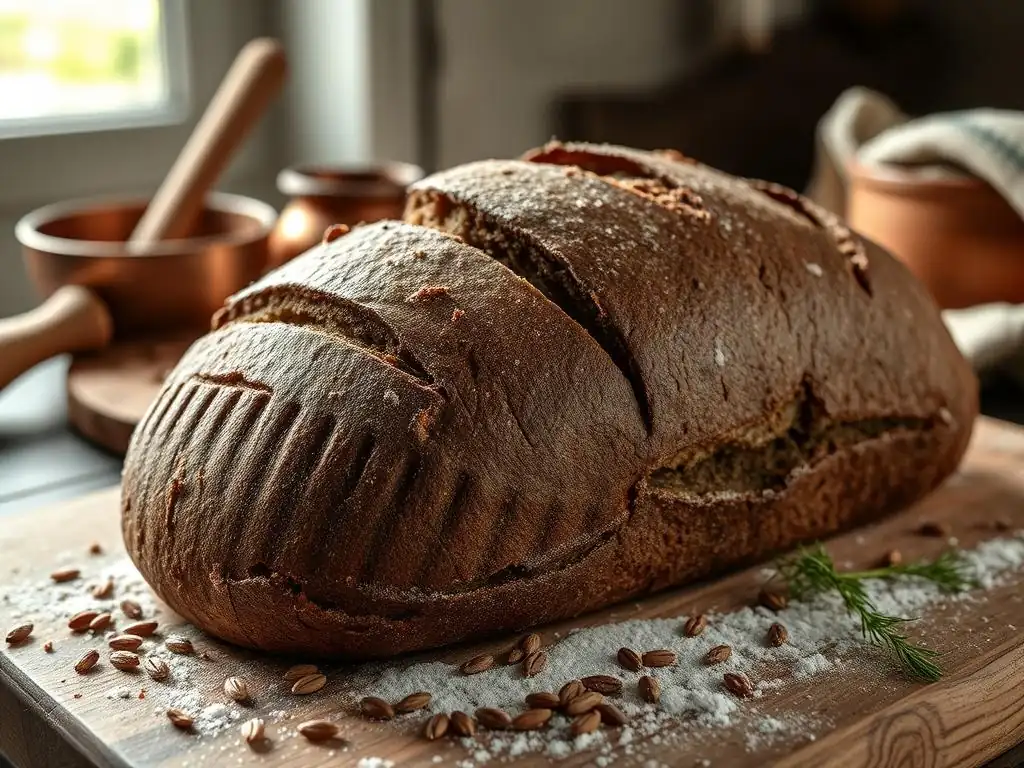
For authentic rye bread, dark rye flour is the key ingredient. Milled from the whole rye kernel (or close to it), dark rye contains a high proportion of bran and germ, giving it a deep color and intense, slightly sour flavor. Its high pentosan content makes the dough sticky and dense, as it doesn't form gluten like wheat.
Dark rye flour is essential for traditional, dense rye loaves like pumpernickel or hearty German-style rye breads. It's less commonly used for light, airy loaves unless blended significantly with wheat flour. Its robust flavor pairs wonderfully with caraway seeds, coriander, and sourdough starters.
Understanding Rye Flour Grades and Their Uses
Rye flour is typically categorized by color or extraction rate, indicating how much of the bran and germ is included.
- Light Rye Flour: Milled from the inner part of the rye berry, similar to white wheat flour. Lower in nutrients and flavor than dark rye, it's used for lighter rye breads or blended with wheat flour.
- Medium Rye Flour: Contains slightly more bran and germ than light rye, offering more flavor and color. A good compromise for many blended rye/wheat recipes.
- Dark Rye Flour: Milled from the whole rye berry, including most or all of the bran and germ. High in fiber and nutrients, with a strong, distinctive flavor. Used for dense, traditional rye breads.
- Pumpernickel Flour: A very coarse grind of whole rye flour, often used for extremely dense, dark loaves that are sometimes baked for very long periods at low temperatures.
Each grade brings a different level of rye flavor and density to the bread, allowing bakers to choose the best fit for their desired outcome.
Easy Rye Bread Recipes for Beginners
While 100% dark rye can be challenging, easy artisan bread flour recipes often use a blend of dark rye and bread flour. A simple recipe might use 20-30% dark rye flour and 70-80% bread flour. This blend provides the characteristic rye flavor and color while allowing the wheat flour's gluten to provide structure and make the dough easier to handle.
- Try a "Light Rye Loaf" recipe using 25% dark rye, 75% bread flour, yeast, salt, and water. The dough will be stickier than pure wheat dough but manageable.
- A simple "Rye Sandwich Bread" might incorporate 30% dark rye, a touch of molasses, and caraway seeds for classic flavor, using bread flour for the majority of the structure.
- Look for recipes that use a small percentage of dark rye in a sourdough starter or pre-ferment (like a pâte fermentée) before incorporating it into a larger wheat dough for a subtle rye note and enhanced fermentation.
Tips for Working with Rye Flour
Rye doughs are inherently sticky and dense due to the lack of gluten structure and the presence of pentosans. Avoid over-kneading, as this can break down the limited structure. Rye dough doesn't windowpane like wheat dough. Focus on incorporating ingredients rather than developing elasticity.
Rye also absorbs water differently and continues to absorb moisture after baking, which contributes to the bread's keeping qualities. Be prepared for a stickier dough than you're used to with wheat. Using wet hands, a well-floured surface, or a dough scraper can help with handling. Rye breads often benefit from longer, slower fermentation and can sometimes be baked in a loaf pan rather than freeform to support their structure.
Best for Beginners: Unbleached Bread Flour - An Accessible Option
For those just starting their journey into artisan bread baking, a good quality unbleached bread flour is an excellent and accessible choice. Unbleached flour is simply flour that hasn't undergone the chemical whitening process. It retains a natural creamy color and is often preferred by bakers for its slightly better flavor and performance compared to bleached alternatives.
Unbleached bread flour typically has a protein content suitable for bread (12-13%), providing enough gluten potential for a good rise and structure without being overly demanding to handle. It's widely available in most grocery stores, making it easy to find and start baking artisan bread flour recipes easy to follow.
Why Unbleached Bread Flour is Great for Learning
Unbleached bread flour offers a reliable and consistent performance that is forgiving for novice bakers. Its protein content is high enough to develop a good gluten network, allowing you to practice kneading or folding techniques and see tangible results in dough development. It's less sensitive to overmixing than some ancient grain flours and more predictable than all-purpose flour.
The dough made with unbleached bread flour is typically easy to handle, not excessively sticky like high-hydration or rye doughs, which simplifies shaping and transferring. This allows beginners to focus on fundamental techniques like mixing, fermentation timing, and baking methods without the added challenge of a difficult-to-manage dough. It provides a solid base for learning the craft.
Simple Artisan Bread Recipes to Start With
Unbleached bread flour is perfect for classic, simple artisan bread flour recipes easy to master.
- No-Knead Bread: This popular method is incredibly beginner-friendly. Mix unbleached bread flour, yeast, salt, and water, let it ferment overnight, shape minimally, and bake in a hot oven (often in a Dutch oven). The flour's protein content provides the necessary structure with minimal effort.
- Basic Kneaded Loaf: A straightforward recipe involving mixing, kneading (by hand or mixer), proofing, shaping, and baking. Unbleached bread flour develops gluten nicely with kneading, allowing you to practice this fundamental skill.
- Simple Focaccia: A flatbread using a relatively wet dough. Unbleached bread flour handles the higher hydration well, resulting in a tender interior and crisp crust.
Tips for Achieving Success with Unbleached Bread Flour
Start by accurately measuring your flour, preferably by weight (grams) for consistency. Pay attention to the dough's feel – it should be somewhat sticky but manageable after kneading or folding. Don't be afraid to adjust water slightly based on humidity.
Focus on proper fermentation times; unbleached bread flour ferments predictably. Learn to recognize when your dough is adequately proofed (the poke test is helpful). Baking in a preheated oven on a baking stone or in a Dutch oven can significantly improve crust development, giving your easy artisan bread flour recipes that desirable bakery-quality finish.
Artisan Bread Flour Recipes Easy: Putting Your Flour to the Test
Now that you know about different flours, it's time to bake! These simple recipes are designed to highlight the characteristics of specific flour types and are easy enough for bakers of any level to tackle. They require minimal special equipment and focus on fundamental techniques.
These recipes are starting points. Feel free to adapt them as you gain confidence, perhaps adding seeds, herbs, or trying different shaping methods. The goal is to enjoy the process and the delicious results of baking artisan bread flour recipes easy to make at home.
Simple Sourdough Starter Recipe Using [Recommended Sourdough Flour]
- Ingredients:
- 50g Organic High-Extraction Flour (or similar high-extraction/whole grain flour)
- 50g lukewarm non-chlorinated water
- Day 1: In a jar, mix 50g flour and 50g water until no dry bits remain. Cover loosely and leave at room temperature (ideally 70-78°F).
- Day 2-3: You might see minimal activity. Do nothing on these days.
- Day 4 onwards: "Feed" your starter daily. Discard most of the starter, leaving only about 50g. Add 50g fresh flour and 50g fresh lukewarm water. Mix well. It should start showing bubbles and growth within a few hours of feeding.
- Maturity: Within 7-14 days, your starter should consistently double or triple in size within 4-8 hours after feeding, smell pleasantly tangy, and be full of bubbles. It is then ready to use in your artisan bread flour recipes easy or complex.
Easy No-Knead Artisan Bread Recipe with [Recommended All-Purpose Flour Alternative]
- Ingredients:
- 400g Unbleached Bread Flour (or High-Protein Bread Flour)
- 300g lukewarm water
- 1 tsp salt
- 1/4 tsp instant dry yeast
- Instructions:
- In a large bowl, whisk together flour, salt, and yeast.
- Add water and mix with a spatula or wooden spoon until just combined and no dry flour remains. The dough will be shaggy and sticky.
- Cover the bowl tightly with plastic wrap and let it ferment at room temperature for 12-18 hours, or until doubled in size and the surface is dotted with bubbles.
- Lightly flour a work surface. Scrape the dough out of the bowl onto the flour; it will be very wet.
- Gently fold the edges of the dough towards the center to form a rough ball. Do not knead.
- Place the dough seam-side down on a piece of parchment paper or floured tea towel. Cover and let rest for 30-60 minutes while your oven preheats.
- Place a Dutch oven (with lid) in your oven and preheat to 450°F (230°C).
- Carefully transfer the dough (using the parchment paper or flipping from the towel) into the hot Dutch oven. Score the top if desired.
- Cover and bake for 30 minutes.
- Remove the lid and bake for another 15-25 minutes, or until the crust is deep golden brown and the internal temperature is around 200-210°F (93-99°C).
- Carefully remove the bread from the Dutch oven and let cool completely on a wire rack before slicing.
Rustic Whole Wheat Loaf Recipe Using [Recommended Whole Wheat Flour]
- Ingredients:
- 300g Bread Flour
- 100g Stone-Ground Whole Wheat Flour
- 300g lukewarm water
- 1 tsp salt
- 1 tsp instant dry yeast
- Instructions:
- In a large bowl, whisk together the bread flour, whole wheat flour, salt, and yeast.
- Add the water and mix until a shaggy dough forms and no dry flour remains.
- Turn the dough out onto a lightly floured surface. Knead for 8-10 minutes, or until the dough is relatively smooth and elastic (it may still feel slightly sticky due to the whole wheat).
- Place the dough in a lightly oiled bowl, cover, and let it rise in a warm place for 1-1.5 hours, or until doubled in size.
- Gently deflate the dough and turn it out onto a lightly floured surface. Shape it into a round or oval loaf.
- Place the shaped loaf seam-side down in a proofing basket or on a baking sheet lined with parchment paper. Cover and let it proof for 45-60 minutes, or until it has increased by about 50-75% (it won't quite double again).
- Preheat your oven to 450°F (230°C) with a baking stone or steel inside if using. Create steam in the oven (e.g., by placing a tray of hot water on the bottom rack).
- Score the top of the loaf with a sharp knife or lame.
- Carefully transfer the loaf to the hot baking stone/steel.
- Bake for 25-35 minutes, or until the crust is golden brown and the internal temperature is 200-210°F (93-99°C).
- Let cool completely on a wire rack before slicing.
Troubleshooting Common Artisan Bread Baking Problems
Even with the best flour and an easy artisan bread flour recipe, baking can sometimes present challenges. Don't get discouraged! Many common issues have simple fixes rooted in understanding dough behavior.
Learning to identify problems and make adjustments is a key part of becoming a confident baker. Here are a few common hurdles and how to overcome them.
Dealing with Sticky Dough: Flour Adjustments and Techniques
Sticky dough is a frequent complaint, especially when working with higher hydration recipes or flours like rye or whole wheat. It can make handling and shaping difficult.
- Check hydration: Is the recipe's hydration very high (above 75-80% water relative to flour weight)? High hydration naturally results in sticky dough.
- Flour Type: Some flours, like rye or those with high extraction rates, contain more pentosans, which make dough sticky. Whole wheat bran can also make dough feel less cohesive and more prone to sticking.
- Under-development: Dough that hasn't developed enough gluten can be sticky and weak. More kneading or folding might be needed.
- Techniques: Use wet hands instead of floured hands when handling very sticky doughs. A bench scraper is invaluable for manipulating and dividing sticky dough. Work on a lightly floured surface, adding just enough flour to prevent sticking without drying out the dough. Some recipes benefit from a "rest" period (like 15-20 minutes covered) after initial mixing or kneading; this allows the flour to fully hydrate and the dough to become less sticky.
Achieving a Crisp Crust: Steam and Baking Methods
That beautiful, crackly crust is a hallmark of artisan bread, but it can be elusive in a home oven. The key is steam during the initial phase of baking. Steam keeps the surface of the dough moist, allowing it to expand fully before the crust sets. This promotes better oven spring and results in a thinner, crispier crust.
- Dutch Oven: Baking in a preheated Dutch oven is one of the most effective methods for home bakers. The lid traps the moisture released by the dough, creating a steamy environment. Removing the lid for the last part of baking allows the crust to brown and crisp up.
- Baking Stone/Steel with Steam: If baking directly on a stone or steel, you need to create steam manually. This can be done by placing a tray of hot water or ice cubes on the bottom rack of the oven when you load the bread. Be cautious with this method to avoid burns from steam.
- Egg Wash/Water Spray: While not as effective as trapped steam, brushing the loaf with water or spraying it with a misting bottle just before baking can help the crust stay pliable longer.
Preventing Dense Loaves: Proper Proofing and Gluten Development
A dense, heavy loaf is often the result of insufficient rise, which can stem from several factors, primarily related to yeast activity (or starter activity in sourdough) and gluten development.
- Insufficient Proofing: The dough didn't rise enough during the bulk fermentation or final proofing stages. This could be due to inactive yeast, a cold environment, or simply not allowing enough time. Ensure your yeast is active and proof in a warm spot (70-80°F is often ideal). Learn to judge proofing by the dough's look and feel (e.g., the poke test).
- Weak Gluten Development: The flour didn't develop a strong enough gluten network to support the dough's rise. This might be due to using a low-protein flour (like AP), not kneading/folding enough, or over-proofing, which causes the gluten structure to collapse. Ensure you're using appropriate flour (like bread flour) and developing the gluten properly.
- Incorrect Baking Temperature: If the oven isn't hot enough, the dough won't get sufficient oven spring before the crust sets, resulting in a denser loaf. Ensure your oven is accurately preheated to the temperature specified in the recipe.
Elevate Your Baking: Advanced Techniques and Flour Combinations
Once you've mastered some easy artisan bread flour recipes, you might want to explore ways to add complexity and depth to your loaves. Blending flours, using pre-ferments, and looking at regional styles are excellent ways to expand your skills and flavor palette.
These techniques build upon fundamental knowledge and allow you to fine-tune textures and flavors, taking your artisan bread baking to the next level.
Blending Flours for Unique Flavor Profiles
One of the most rewarding aspects of artisan baking is experimenting with flour blends. Combining different types allows you to harness the strengths of each. For example, you might blend a high-protein bread flour for structure with a percentage of stone-ground whole wheat for flavor and nutrition, or add dark rye for tang and color.
- White + Whole Wheat: Common ratios like 70% white bread flour / 30% whole wheat offer a balance of structure and flavor.
- Wheat + Rye: Blends like 80% bread flour / 20% rye flour introduce rye flavor without excessive density.
- Ancient Grains: Adding a small percentage (10-20%) of spelt, Kamut, or einkorn to a bread flour base can subtly change the flavor and texture profile.
This allows you to customize your loaves and move beyond standard recipes, creating truly unique artisan bread flour recipes easy to adapt with different blends.
Using Pre-Ferments for Enhanced Flavor and Texture
Pre-ferments are portions of dough mixed hours or even days before the final dough. They are typically made with flour, water, and a small amount of yeast or starter. Common types include pâte fermentée (old dough), poolish (a wet, equal-weight mix of flour and water), and biga (a drier, often Italian pre-ferment). Using a pre-ferment adds significant flavor complexity due to the longer fermentation time and improves the dough's structure and keeping qualities.
Sourdough starters are themselves a type of pre-ferment (often called a levain or natural leaven). Incorporating a pre-ferment into a yeasted dough adds some of the benefits of sourdough (flavor, structure) without relying solely on a starter for leavening. It's a fantastic way to add depth to your artisan bread flour recipes easy to incorporate once you understand the basics.
Exploring Regional Bread Styles and Their Flours
Many classic artisan bread styles are tied to specific regions and the flours traditionally used there. Exploring these can provide inspiration and introduce you to new flour types and techniques.
- French Baguette: Traditionally made with * farine de tradition française T65*, a specific type of wheat flour with a regulated ash content (around 0.65%), slightly higher than typical US bread flour, contributing to flavor and crust.
- Italian Pane di Altamura: Often uses a specific durum wheat flour ( semola rimacinata di grano duro), resulting in a bread with a dense crumb and thick crust.
- German Rye Breads: Utilize various grades of rye flour, often in high percentages, sometimes combined with wheat.
Researching the traditional flours for different bread styles can help you choose the most authentic flour for your desired loaf and deepen your understanding of how flour impacts regional baking characteristics.
Conclusion: Unleashing Your Inner Artisan Baker with the Right Flour
Moving beyond all-purpose flour is a significant step towards baking truly exceptional artisan bread. Understanding the role of different flours – their protein content, milling process, and unique characteristics – empowers you to choose the best ingredient for your desired loaf. From the structural strength of high-protein bread flour to the rich flavors of whole wheat and rye, each flour type offers a distinct contribution to the final bread.
Experimenting with various flours, starting with accessible options like unbleached bread flour for easy artisan bread flour recipes, allows you to develop your skills and palate. Don't be afraid to try new types, blend flours, or explore techniques like using pre-ferments. With the right flour as your foundation, you're well on your way to baking beautiful, delicious, and satisfying artisan loaves right in your own kitchen. Find the best artisan bread flour recipes easy for your next bake and enjoy the journey!
Frequently Asked Questions
What makes artisan bread flour different from all-purpose flour?
Artisan bread flour has a higher protein content than all-purpose flour. This extra protein helps to create a stronger gluten structure, leading to chewier, more flavorful artisan breads.
Can I substitute all-purpose flour for artisan bread flour in a recipe?
While you can, the results won't be the same. All-purpose flour will produce a bread with a softer crumb and less chew. For best results, use artisan bread flour for recipes specifically calling for it.
Where can I find artisan bread flour?
Most well-stocked grocery stores carry artisan bread flour. You can also find it at specialty baking supply stores or online retailers specializing in baking ingredients.
What are some easy artisan bread flour recipes for beginners?
BakeWithEase.com offers a variety of easy artisan bread flour recipes, including simple sourdough loaves and rustic loaves. These recipes feature step-by-step guides perfect for beginners.
How should I store artisan bread flour to keep it fresh?
Store artisan bread flour in an airtight container in a cool, dry place. This will help to prevent moisture absorption and extend its shelf life, ensuring the flour remains effective for baking.
Final Reflection: The Humble Flour, the Extraordinary Loaf
The resurgence of artisan bread baking isn't just a trend; it's a testament to our growing appreciation for quality ingredients and the simple pleasures of handcrafted food. Understanding the nuances of different artisan flours is key to unlocking truly exceptional bread, moving beyond the limitations of all-purpose flour and into a world of flavor and texture previously unimaginable. This journey into the diverse world of artisan flours has revealed the profound impact a single ingredient can have on the final product.
The shift towards mindful consumption, evident in the increasing popularity of artisan breads, reflects a deeper cultural yearning for authenticity and connection to our food sources. This isn't merely about baking a loaf; it's about engaging in a process that fosters creativity, patience, and a deeper understanding of the ingredients that nourish us. Bread is the staff of life,
they say, and I believe it's truer than ever when we consider the care and intentionality poured into each loaf crafted with thoughtfully chosen flours.
Now, consider your own kitchen. What kind of flour are you using? I invite you to experiment, to explore the vast landscape of artisan flours, and to discover the unique character each one brings to your baking. Don't be afraid to try something new, to embrace the imperfections, and to savor the journey of transforming simple ingredients into something truly extraordinary. The reward? A loaf of bread that speaks of quality, intention, and the enduring satisfaction of creating something beautiful with your own hands.
Unleash Your Inner Baker: Craft the Perfect Loaf!
Thanks for diving into the world of artisan bread flours with us! We hope you've gained a new appreciation for the diverse flavors and textures these unique grains can bring to your baking. Now it's time to put your knowledge to the test!
- Bake your own artisan masterpiece: Choose a flour from our exploration—spelt, rye, or even a blend—and try a new recipe this week. The results will be incredibly rewarding!
- Share your baking journey: Post a picture of your creation on social media and tag #BakeWithEaseArtisan so we can all be inspired by your success.
- Explore our flour guide: Download our free guide for a deeper dive into different flour types and their baking properties (coming soon).
What unique flour will you experiment with first, and what delicious creation will you bake?