
Creating Steam with Ice Cubes or Hot Water

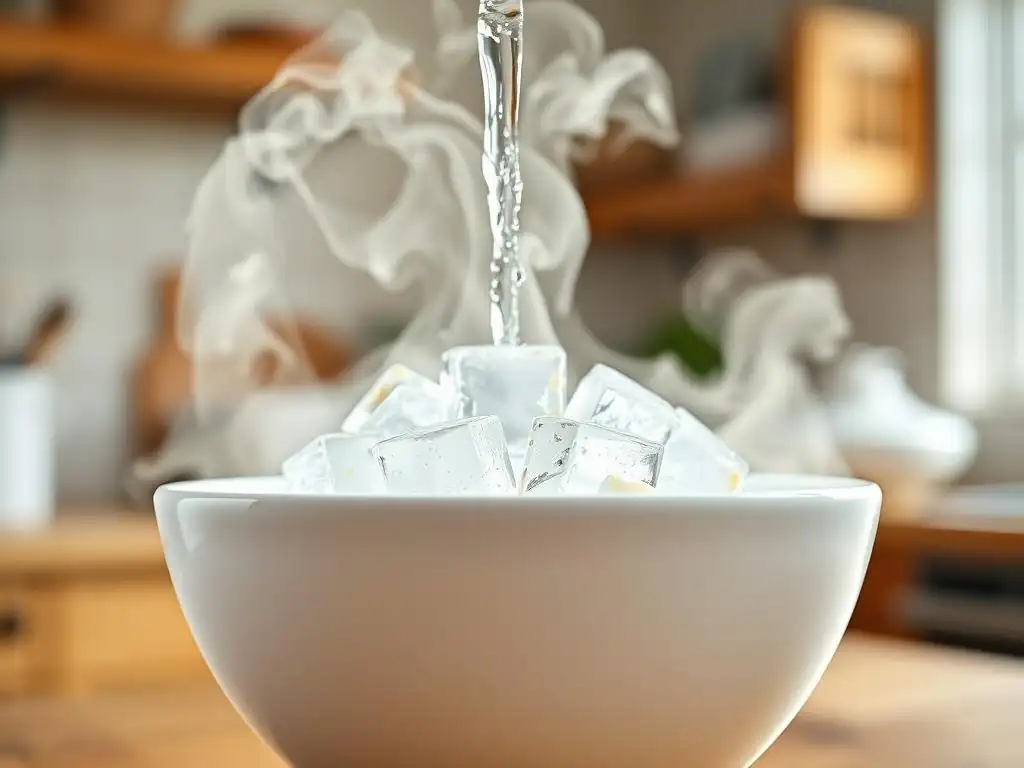
Welcome to BakeWithEase, your haven for baking bliss! Ever wondered how to achieve that perfectly moist and tender crumb in your cakes? You're in the right place. Today, we're diving deep into the surprisingly simple technique of steaming cake batter. Discover how using just ice cubes or hot water can revolutionize your baking, creating that professional-level texture you've always dreamed of. Intrigued? Let's unlock the secrets to baking perfection, one steamed cake at a time...
- How to Steam Sourdough for a Perfect Crust: Lava Rocks vs. Towel
- Introduction to Steaming Sourdough in Bread Baking
- Methods for Creating Steam in Your Oven: Lava Rocks and Towel
- Steaming Sourdough with Lava Rocks: A Detailed Guide
- Steaming Sourdough with a Towel: A Detailed Guide
- Lava Rocks vs. Towel: A Head-to-Head Comparison for Steam Generation
- Achieving the Perfect Steam for Sourdough: Advanced Tips
- Troubleshooting Common Steaming Problems
- Conclusion: Mastering the Art of Steaming Sourdough for Superior Baked Goods
-
Frequently Asked Questions
- How does steaming cake batter affect the final result?
- What are the two main methods mentioned for creating steam while baking?
- Why is steam important when baking certain types of cakes?
- Can I use any type of cake pan when steaming cake batter?
- How much water or ice cubes should I use when steaming cake batter?
- Final Reflection: The Unexpected Power of Steam in Baking
- Unlock Your Baking Potential: Perfect Steam Every Time!
How to Steam Sourdough for a Perfect Crust: Lava Rocks vs. Towel
Introduction to Steaming Sourdough in Bread Baking
Why Steam is Crucial for Sourdough Bread
Steam plays a pivotal role in achieving that signature, crackly crust and impressive oven spring characteristic of great sourdough bread. During the initial phase of baking, often the first 15 to 20 minutes, the high heat of the oven causes the dough to expand rapidly. If the surface of the loaf dries out too quickly, it will set prematurely, restricting this expansion and resulting in a dense crumb and a less dramatic rise.
Steam keeps the surface moist and pliable, allowing the dough to stretch and reach its maximum volume before the crust fully forms. This is similar to how managing moisture is key when you consider how to steam cake batter to keep cakes from drying out, though the effect on sourdough is specifically about encouraging oven spring and developing a thin, crisp crust rather than just moisture retention in the crumb.
Beyond facilitating oven spring, steam contributes significantly to the development of a desirable crust. The moist environment prevents the surface from hardening too early, promoting better caramelization of sugars and the Maillard reaction, which are responsible for the rich color and complex flavors of the crust. A well-steamed loaf typically develops a thinner, more delicate crust that shatters beautifully when sliced, compared to a thick, tough crust from baking without adequate steam. Achieving this balance is fundamental to artisan bread baking and elevates a good sourdough loaf to an exceptional one.
Understanding the Science Behind Steaming Sourdough
The science behind steaming sourdough is rooted in the interaction of heat, moisture, and gluten structure. As the dough is introduced to a hot oven (typically preheated to 450-500°F or 230-260°C), the water within the dough turns to steam, causing the loaf to expand rapidly. This process, known as oven spring, is most effective when the external environment is humid.
The added steam from external sources slows down the rate at which the dough's surface temperature rises past the boiling point of water (212°F or 100°C). This keeps the gluten network on the surface flexible, allowing it to stretch along with the expanding internal structure powered by yeast activity and trapped gases.
Once the surface temperature exceeds 212°F (100°C) and the steam dissipates (usually after 15-20 minutes), the crust begins to set and brown. The initial moist environment from the steam ensures that this setting happens later in the bake, maximizing the loaf's potential volume. Without sufficient steam, the crust sets too early, often within the first 5-10 minutes, resulting in limited oven spring and a denser final product. Understanding this timing and the role of steam in delaying crust formation is key to mastering sourdough baking.
Methods for Creating Steam in Your Oven: Lava Rocks and Towel
Comparing Steam Generation Techniques for Bread Baking
Creating a steamy environment in a home oven, which isn't naturally designed for high humidity like a commercial deck oven, requires manual intervention. Two popular and effective methods for home bakers are using lava rocks or a water-soaked towel to generate steam. Both techniques aim to saturate the oven cavity with moisture during the critical first part of the bake, but they achieve this through different mechanisms and offer distinct advantages and disadvantages. The choice often depends on a baker's equipment, comfort level with high heat, and desired results.
Lava rocks, when heated, have a large surface area and retain heat exceptionally well. Pouring water over them creates a burst of intense steam that can last for a significant portion of the initial baking time. A water-soaked towel, placed in a pan of hot water, provides a more gentle and potentially longer-lasting source of steam as the water slowly evaporates.
While lava rocks are often lauded for creating a powerful initial steam burst, the towel method is sometimes preferred for its simplicity and perceived safety, though handling boiling water near a hot oven still requires caution. Both methods require careful execution to avoid injury and ensure consistent results.
Steaming Sourdough with Lava Rocks: A Detailed Guide
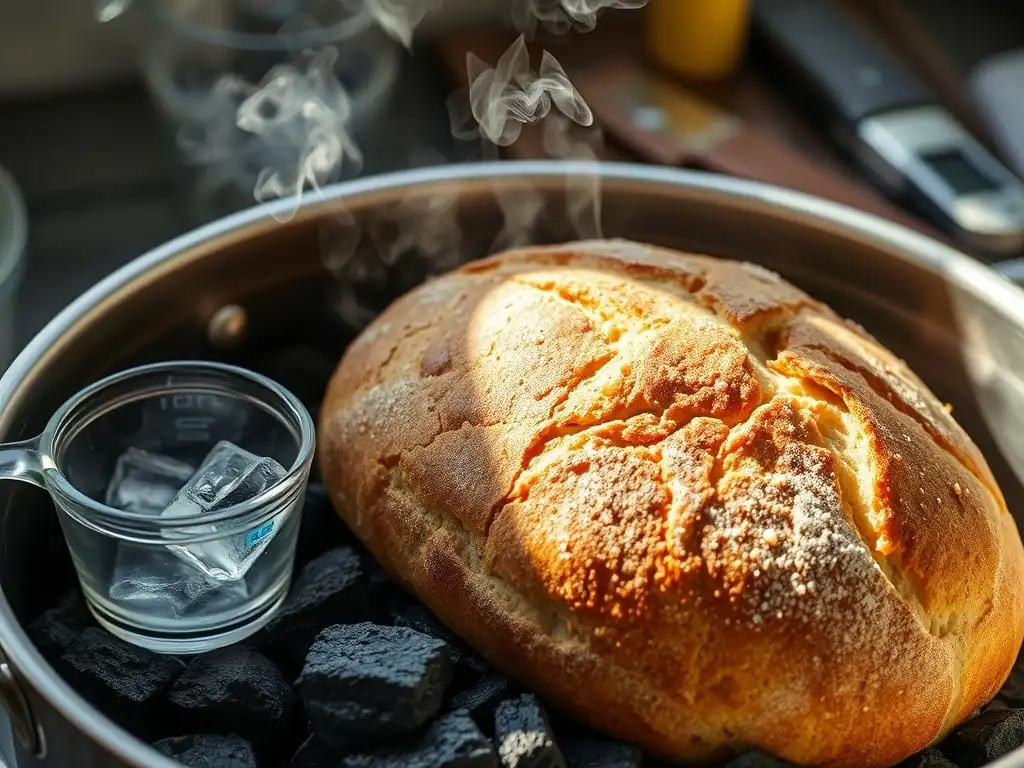
What You'll Need: Lava Rocks for Steaming Bread
To use the lava rock method for steaming your sourdough, you'll need a few specific items. First and foremost, you'll need a quantity of lava rocks, typically enough to fill a small oven-safe pan or tray. About 1 to 2 pounds (around 0.5 to 1 kg) is often sufficient, depending on the size of your pan and oven.
These can usually be purchased from garden supply stores or online retailers (ensure they are natural and not treated with chemicals). You will also need a sturdy, oven-safe pan or tray to hold the rocks; a cast iron skillet or an old metal baking pan works well. This pan should be placed on a rack below where you plan to bake your bread.
In addition to the rocks and pan, you will need a heat-resistant container with a spout for pouring water. An old teapot, a metal measuring cup with a handle, or a dedicated watering can made for this purpose is ideal. It's crucial that this container can safely hold boiling or near-boiling water. Finally, you'll need a heat-resistant oven mitt or glove, as you'll be dealing with extreme temperatures. Ensure all items are clean and dry before use, except for the water you'll add just before baking.
Step-by-Step: Using Lava Rocks to Generate Steam
- Preheat the oven: Place the pan containing the lava rocks on the lowest rack of your oven before preheating. Preheat your oven to your desired baking temperature, typically 450-500°F (230-260°C). Allow the oven and rocks to preheat for at least 30-45 minutes to ensure the rocks are thoroughly hot.
- Prepare the water: While the oven preheats, boil about 1-2 cups (240-480 ml) of water. Have your heat-resistant pouring container ready.
- Load the bread: Carefully place your shaped sourdough loaf onto your baking surface (baking stone, steel, or in a Dutch oven). Close the oven door quickly to minimize heat loss.
- Add the water: Immediately and carefully open the oven door just enough to access the pan of hot lava rocks. Pour the boiling water onto the lava rocks. This will create a large burst of steam. Use caution to avoid the rush of steam and hot surfaces.
- Close and bake: Quickly close the oven door to trap the steam inside. Bake the sourdough for the initial steaming phase, usually 15-20 minutes, before venting the steam or removing the steam source as per your recipe. Remember the principle of how to steam cake batter for moisture; here, the steam is about crust development and spring.
The Benefits of Using Lava Rocks for Steam
One of the primary benefits of using lava rocks is their ability to generate a significant and immediate burst of steam. Because the rocks have a large surface area and retain heat effectively, pouring boiling water over them instantly creates a high-humidity environment in the oven. This powerful initial steam is excellent for promoting maximum oven spring during the critical first few minutes of baking when the dough is expanding rapidly. Many bakers find that this method yields consistent results for achieving a thin, crispy crust with beautiful blisters.
Another advantage is the durability and reusability of lava rocks. Once purchased, they can be used repeatedly for countless baking sessions. They are also relatively inexpensive. While the process involves handling boiling water near a hot oven, which requires caution, the setup itself is quite simple: a pan and the rocks. This makes it an accessible method for many home bakers looking to step up their sourdough game without investing in specialized steam injection ovens.
Troubleshooting Lava Rock Steaming Issues
A common issue when using lava rocks is insufficient steam production or steam that dissipates too quickly. This can often be attributed to not preheating the rocks long enough; they need to be thoroughly saturated with heat to instantly vaporize the water. Ensure your oven and the rocks have preheated for at least 30-45 minutes at your target high temperature. Another cause could be not using enough water (aim for 1-2 cups for a standard home oven) or using water that isn't boiling when added. Using cold or warm water will produce less steam.
Safety is another critical consideration. The rush of steam when pouring water can cause burns. Always use heavy-duty, heat-resistant oven mitts and keep your face and hands away from the oven opening when adding water.
Ensure your pouring container has a long handle or spout. If you find the steam is escaping your oven too quickly, check your oven door seal. While some ovens vent naturally, excessive steam loss can be a sign of a poor seal, which might require professional attention or using additional methods like placing a rolled-up towel soaked in water in the door crack (though this can damage seals over time).
Steaming Sourdough with a Towel: A Detailed Guide
What You'll Need: A Towel for Steaming Bread
To employ the towel method for steaming sourdough, gather a few items from around your kitchen. You'll need a clean, thick towel that you don't mind potentially getting stained or dedicating to baking. A cotton bath towel or a large kitchen towel works well. Avoid synthetic fabrics, as they can melt at high oven temperatures.
You'll also need an oven-safe pan or tray that can hold the towel and some water. A sturdy metal roasting pan, a deep baking dish, or even a cast iron skillet will work. This pan should be large enough to accommodate the folded towel and will be placed on the lowest rack of your oven.
Finally, you'll need a source of hot water. Boiling water is typically recommended for the most effective steam generation. Have a kettle or pot ready to boil water just before you are ready to bake. As with the lava rock method, a good pair of heat-resistant oven mitts is essential for handling the hot pan and towel. Ensure the towel is clean and free of any soap residue before use, as this could impart off-flavors to your bread.
Step-by-Step: Using a Towel to Generate Steam
- Prepare the towel and pan: Fold the towel lengthwise into a thick pad that fits snugly in your oven-safe pan. Place the pan with the folded towel on the lowest rack of your oven before preheating.
- Preheat the oven: Preheat your oven to the desired baking temperature, usually 450-500°F (230-260°C). Allow the oven to preheat for at least 30 minutes.
- Boil water: Just before you are ready to load your bread, boil 2-3 cups (480-720 ml) of water.
- Add hot water to the towel: Carefully remove the hot pan with the towel from the oven using oven mitts. Place it on a heat-resistant surface. Pour the boiling water over the towel in the pan, ensuring the towel is fully saturated but not overflowing.
- Load the bread and steam pan: Quickly and carefully place the hot pan with the water-soaked towel back onto the lowest oven rack. Immediately load your shaped sourdough loaf onto your baking surface on a higher rack.
- Close and bake: Close the oven door quickly to trap the steam. Bake for the initial steaming phase (typically 15-20 minutes) before carefully removing the steam pan or venting the oven.
The Benefits of Using a Towel for Steam
The towel method is often favored for its simplicity and accessibility. Most home bakers already own a suitable towel and an oven-safe pan, eliminating the need to purchase specialized items like lava rocks. This makes it a very beginner-friendly approach to generating steam for sourdough or even exploring how to steam cake batter for improved moisture. The process is straightforward: soak a towel in hot water, place it in a hot pan in the oven, and bake.
Another benefit is that the towel method can potentially provide a more sustained release of steam compared to the initial burst from lava rocks. The larger volume of water held by the towel can evaporate more gradually throughout the first 15-20 minutes of baking, maintaining a humid environment for a longer period.
While it may not produce as dramatic an initial cloud of steam, it can be very effective for encouraging oven spring and developing a lovely crust. The setup is also arguably slightly less intimidating than pouring water directly onto super-heated rocks, though handling boiling water near a hot oven still requires extreme caution.
Troubleshooting Towel Steaming Issues
One common problem with the towel method is that the steam might not last long enough, especially in ovens that vent quickly. Using a thicker, more absorbent towel can help, as it will hold more water. Ensuring the water is boiling when added is also crucial for maximizing initial steam production. If the towel dries out too quickly (e.g., within 10-15 minutes), you might need to use a larger towel or a deeper pan to hold more water. Some bakers even place a second pan of hot water in the oven alongside the towel pan for extra humidity.
Safety is paramount when using this method. Handling a pan containing boiling water and a soaking-hot towel is hazardous. Always use reliable, heat-resistant oven mitts and move slowly and deliberately. Be mindful of the rush of steam when opening the oven door to place the pan inside. Another potential issue is the towel drying and potentially scorching if left in the oven too long after the water has evaporated. While most recipes call for removing the steam source after 15-20 minutes, always check the towel's condition if leaving it in for longer periods is considered.
Lava Rocks vs. Towel: A Head-to-Head Comparison for Steam Generation
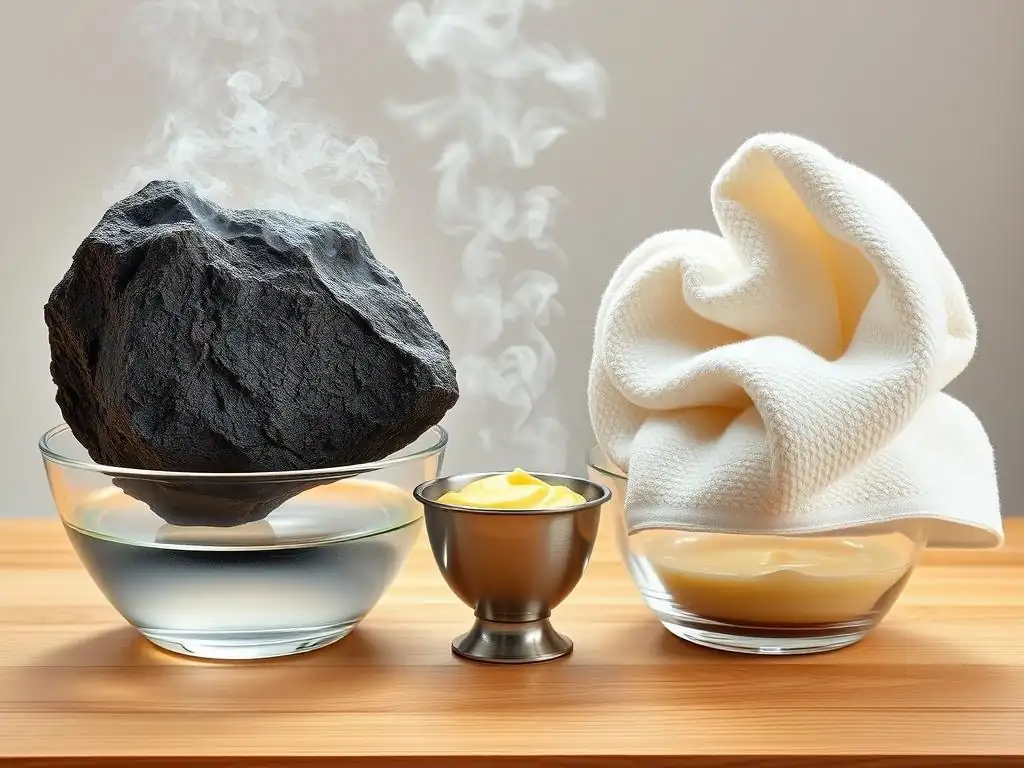
Steam Quantity and Duration: Which Method is More Effective?
When comparing the quantity and duration of steam produced, the lava rock method typically generates a more intense, immediate burst of steam. Pouring boiling water onto thousands of square inches of super-heated rock surface causes rapid vaporization, quickly saturating the oven cavity. This can be particularly effective for maximizing the initial oven spring during the first 5-10 minutes of baking. The steam may then dissipate more quickly depending on the oven's ventilation.
The towel method, conversely, tends to provide a more gradual and potentially longer-lasting release of steam. The water held within the towel evaporates over time as the pan and oven heat it. While the initial steam cloud might not be as dramatic as with lava rocks, a well-soaked towel in a suitable pan can maintain a humid environment for the full 15-20 minute steaming period recommended for most sourdough loaves. The effectiveness often depends on the volume of water the towel can hold and the oven's ability to retain moisture.
Ease of Use and Accessibility: Lava Rocks vs. Towel
In terms of ease of use and accessibility, the towel method generally has a slight edge for beginners. Most home kitchens are already equipped with a suitable towel and pan, requiring no special purchases. The process of soaking a towel and placing it in a pan is straightforward. While still requiring caution with hot water, it might feel less intimidating than pouring water directly onto glowing hot rocks.
The lava rock method requires the purchase of lava rocks and a dedicated pan if you don't have one suitable. The pouring action onto extremely hot rocks can feel more precarious, demanding extra vigilance regarding safety. However, once the equipment is acquired, the process is also relatively simple. For experienced bakers comfortable with high-temperature handling, the difference in ease of use might be negligible, focusing more on the desired steam characteristics.
Impact on Crust Texture and Color: Comparing the Results
Both lava rocks and the towel method, when used correctly, can significantly improve sourdough crust texture and color compared to baking without steam. By keeping the surface moist and allowing for maximum oven spring, both methods contribute to a thinner, crispier crust. The extended pliable phase also promotes better browning and caramelization, leading to a richer color and flavor.
Some bakers report subtle differences in the final crust depending on the method. The intense initial steam from lava rocks is sometimes credited with producing a slightly thinner, more delicate crust and potentially more surface blisters. The more sustained steam from the towel method might lead to a slightly thicker but still very crisp crust. However, the difference is often marginal and can be influenced by other factors like dough hydration, flour type, and final baking temperature. Both methods are highly effective for achieving a superior sourdough crust.
Safety Considerations: Handling Hot Lava Rocks and Hot Water
Safety is paramount when using either method, as both involve working with extreme heat and boiling water near a hot oven. When using lava rocks, the primary risk is steam burns from the sudden, large cloud of steam generated when water is poured onto the super-heated rocks. There's also the risk of splashing boiling water. Always use thick, reliable oven mitts, keep your face and body away from the oven opening, and use a pouring container with a long handle or spout.
With the towel method, the risks involve handling the pan containing a soaking-hot towel and boiling water. Spills are a significant concern. Again, robust oven mitts are essential. Move the pan slowly and deliberately. Ensure the pan is placed on a stable, heat-resistant surface when filling it with water outside the oven. Never use synthetic towels, which could melt or catch fire. Regardless of the method, caution and attention to detail are non-negotiable when generating steam in a hot oven.
Achieving the Perfect Steam for Sourdough: Advanced Tips
Controlling Oven Temperature and Humidity
Achieving the perfect steam environment for sourdough involves more than just adding a steam source; it also requires careful control of oven temperature and understanding how your specific oven handles humidity. Sourdough is typically baked at high temperatures, often starting between 450°F and 500°F (230-260°C). The initial high heat combined with steam is what drives oven spring and keeps the crust soft. After the first 15-20 minutes, the steam source is usually removed, and the temperature may be slightly reduced (e.g., to 425-450°F or 220-230°C) to allow the crust to finish browning and the interior to cook through.
Monitoring your oven's actual temperature with an external thermometer is highly recommended, as oven thermostats can be inaccurate, sometimes by as much as 25-50°F (15-30°C). Understanding how quickly your oven vents steam is also key. Some ovens are very leaky and lose steam rapidly, requiring more aggressive steam generation or supplementary methods. Others retain steam well. Experimenting with the amount of water used (e.g., 1 cup vs. 2 cups for lava rocks, or more water for the towel method) can help you find the right balance for your specific oven and desired crust.
Combining Steaming Methods for Optimal Results
For bakers seeking maximum steam production, particularly in ovens that vent quickly, combining steaming methods can be highly effective. One common approach is to use a primary steam source like lava rocks or a large pan with a towel, and supplement it with a second source, such as a shallow pan filled with boiling water placed on a different rack. This ensures a consistent, high-humidity environment throughout the crucial initial baking phase.
Another combined technique involves preheating the oven with the main steam setup (lava rocks or towel pan), and then also spraying the oven walls with water using a clean spray bottle right before loading the bread. Caution: Only spray oven walls if recommended by the oven manufacturer, as some electronic components can be damaged by moisture. This method adds an immediate burst of humidity to supplement the main steam source. Experimentation is key to finding the combination that works best for your oven setup and produces the desired crust characteristics.
Baking Times for Different Sourdough Loaf Sizes
The ideal baking time for sourdough bread varies significantly based on the size and shape of the loaf. A standard 1 kg (approximately 2.2 lb) round loaf (boule) or oval loaf (batard) typically bakes for a total of 35-50 minutes, depending on the desired crust color and internal doneness. The first 15-20 minutes are usually spent with steam, followed by 20-30 minutes without steam to finish browning the crust and cook the interior to an internal temperature of around 205-210°F (96-99°C).
Smaller loaves, such as mini boules or rolls, will require less baking time, potentially 20-30 minutes total. Larger or denser loaves, or those with higher hydration, might need longer, possibly 50-60 minutes or more. Always use an instant-read thermometer inserted into the center of the loaf to check for doneness. The crust should be deeply colored, and the internal temperature should be above 205°F (96°C) for a well-baked loaf. Adjust your steaming time proportionately if baking much smaller or larger loaves, ensuring the steam covers the critical oven spring phase.
Troubleshooting Common Steaming Problems
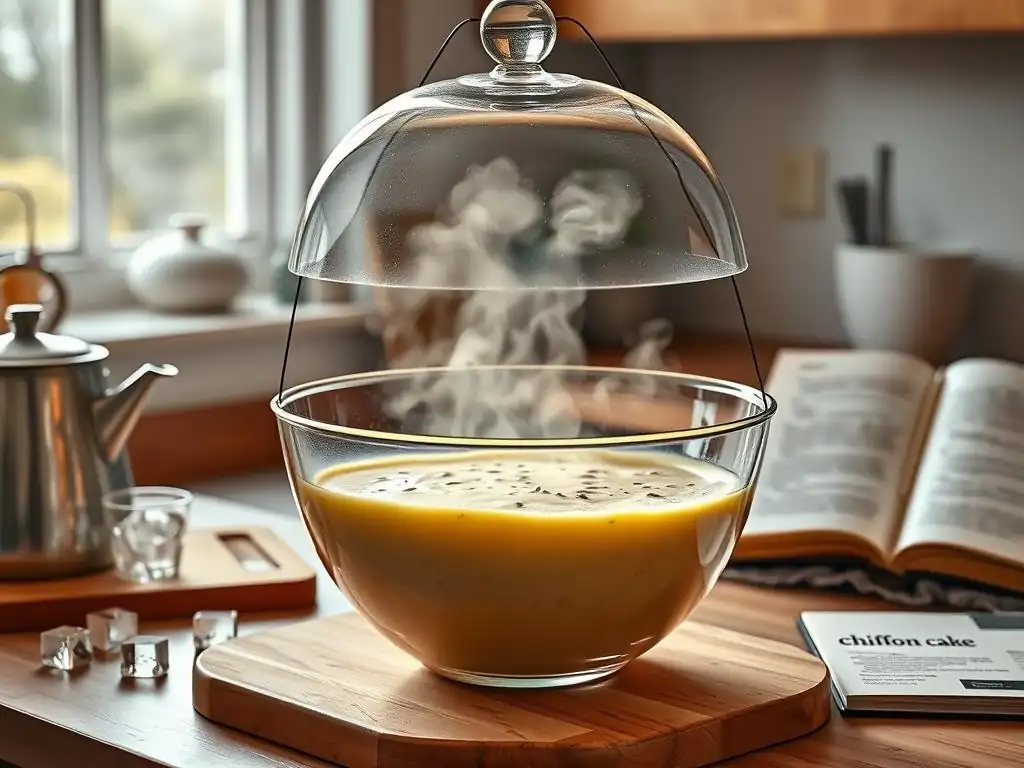
Uneven Crust Formation: Causes and Solutions
Uneven crust formation, where one part of the loaf develops a thicker or lighter crust than another, can be frustrating. One common cause is uneven heat distribution in the oven. Hot spots can cause one side of the loaf to set prematurely while the other remains pliable longer. Rotating the loaf halfway through the bake (after the steaming period) can help mitigate this, ensuring more even exposure to heat.
Another culprit for uneven crust can be inconsistent steam distribution. If your steam source is concentrated in one area of the oven, it might not reach all parts of the loaf equally. Placing the steam pan centrally on the lowest rack usually helps. If using a Dutch oven, the trapped steam is inherently more even around the loaf. For free-form loaves, ensuring the steam fills the entire oven cavity is important. Sometimes, simply adjusting the position of your baking stone or steel and the steam pan can improve evenness.
Over-Steamed or Under-Steamed Bread: Identifying and Correcting the Issue
Identifying whether your bread is over or under-steamed comes down to examining the crust and oven spring. Under-steamed bread typically has poor oven spring, resulting in a flatter loaf with a dense crumb. The crust is often thick, tough, and may lack deep color and blistering, sometimes appearing dull. If you see these signs, increase the amount of water you use, ensure your water is boiling, preheat your oven and steam source longer, or bake in a Dutch oven for better steam retention.
Over-steamed bread is less common but can occur if the steam source is too intense or left in for too long. The crust might remain pale and soft for too long, potentially hindering proper browning later in the bake. In extreme cases, excessive moisture can even affect the crumb structure near the crust. If you suspect over-steaming, try using slightly less water or removing the steam source a few minutes earlier (e.g., after 15 minutes instead of 20). However, inadequate steam is a far more frequent issue for home bakers.
Common Problems in Sourdough: Dense Crumb and Flat Loaf
A dense crumb and a flat loaf are classic indicators of problems during the baking process, and insufficient steam is a major contributing factor. As discussed, if the crust sets too early due to lack of humidity, the loaf cannot expand fully during oven spring, resulting in a limited rise and a tight, dense interior structure. While factors like weak starter, insufficient bulk fermentation, or poor shaping also contribute, lack of steam often exacerbates these issues by restricting the final expansion.
To combat a dense crumb and flat loaf potentially caused by inadequate steam, focus on maximizing humidity during the first 15-20 minutes of baking. Ensure your steam method is effective, using enough boiling water and allowing sufficient preheat time for lava rocks or the pan. Consider baking in a Dutch oven, which is highly effective at trapping steam and is often recommended for beginners struggling with oven spring. Paying attention to proper proofing and shaping techniques alongside effective steaming will significantly improve loaf volume and crumb structure.
Conclusion: Mastering the Art of Steaming Sourdough for Superior Baked Goods
Choosing the Right Steaming Method for Your Baking Needs
Selecting the best steaming method for your sourdough baking depends on your equipment, experience level, and personal preference. The towel method is highly accessible, requiring only common kitchen items, and provides a reliable, sustained source of steam that works well for many bakers, including those exploring how to steam cake batter for moisture. It's a great starting point for beginners.
The lava rock method, while requiring a small initial investment in rocks and a dedicated pan, offers a powerful, immediate burst of steam that some bakers find superior for maximizing oven spring and achieving a thin, blistered crust. It requires a bit more caution due to the intense heat involved. Ultimately, both methods are effective tools in the sourdough baker's arsenal. Experimenting with both, perhaps trying each for several bakes, is the best way to determine which method yields the results you prefer in your specific oven.
Further Resources for Perfecting Your Bread Baking Techniques
Mastering sourdough steaming is just one step in the journey towards baking perfect loaves. To continue refining your skills, explore resources that delve into other critical aspects of bread making. Look for guides and tutorials on developing a strong, active sourdough starter, understanding the nuances of bulk fermentation and proofing times based on ambient temperature, and practicing effective shaping techniques that build tension in the dough.
Many online communities, baking books, and websites dedicated to sourdough offer detailed explanations, troubleshooting tips, and video demonstrations. Learning about dough hydration levels, different flour types, and the impact of scoring on oven spring are also valuable areas of study. By continuously learning and practicing, not just about how to steam sourdough or even how to steam cake batter, but about the entire process, you'll steadily improve the quality of your baked goods and gain confidence in your abilities as a baker.
Frequently Asked Questions
How does steaming cake batter affect the final result?
Steaming cake batter results in a moist and tender cake. The steam helps to prevent the cake from drying out during baking and creates a lighter texture.
What are the two main methods mentioned for creating steam while baking?
The two main methods are using ice cubes or hot water in a pan placed on the oven rack below the cake. Both create essential steam for optimal baking.
Why is steam important when baking certain types of cakes?
Steam is crucial for cakes that need a delicate crust and moist interior. It helps the cake rise evenly and prevents it from becoming too dense or dry.
Can I use any type of cake pan when steaming cake batter?
Generally, yes, but consider your pan material. Glass or lighter metal pans might bake faster, so monitor the cake closely to prevent over-browning.
How much water or ice cubes should I use when steaming cake batter?
Use enough to create visible steam. Usually, a pan filled with about 1-2 inches of hot water or a generous handful of ice cubes will suffice.
Final Reflection: The Unexpected Power of Steam in Baking
The seemingly simple act of steaming cake batter, often overlooked, profoundly impacts the final product's texture and moistness. This seemingly small detail can elevate a humble cake to a culinary masterpiece, proving that even subtle techniques can yield extraordinary results. The difference between a dry, crumbly cake and a luxuriously moist one often hinges on the careful management of steam.
The exploration of steaming techniques, as detailed in this article, highlights a fascinating intersection between science and culinary art. Understanding the role of steam in creating a tender crumb is not merely a technical skill; it's a testament to the power of observation and experimentation in the kitchen. The best bakers are those who are not afraid to experiment and learn from their mistakes.
This quote resonates deeply, as the process of mastering steam in baking is a journey of continuous learning and refinement. The subtle nuances of temperature and timing, the careful balance between moisture and heat – these are the elements that transform a good cake into something truly exceptional.
Now, consider your own baking journey. What seemingly small detail have you overlooked that might hold the key to unlocking a new level of culinary success? I encourage you to experiment with the techniques outlined in this article, to observe the effects of steam on your own baking creations, and to embrace the joy of discovery that comes with mastering the art of baking. Don't be afraid to experiment, to adapt, and to create your own signature moist and delicious cakes. The power to transform your baking lies within your hands.
Unlock Your Baking Potential: Perfect Steam Every Time!
Thanks for exploring the world of steam baking with us! You've now learned how a simple ingredient like ice or hot water can significantly elevate your baking game. Ready to put this knowledge into practice?
- Try the ice cube method with your next loaf of bread – you'll be amazed by the crispy crust and fluffy interior!
- Experiment with different amounts of hot water to find the perfect steam level for your oven and recipe.
- Share your steaming successes (or challenges!) with our community in the comments below – let's learn from each other!
What amazing creations will you bake using the power of steam?