
Freezing Muffins and Cupcakes: Perfect for GrabandGo Breakfasts

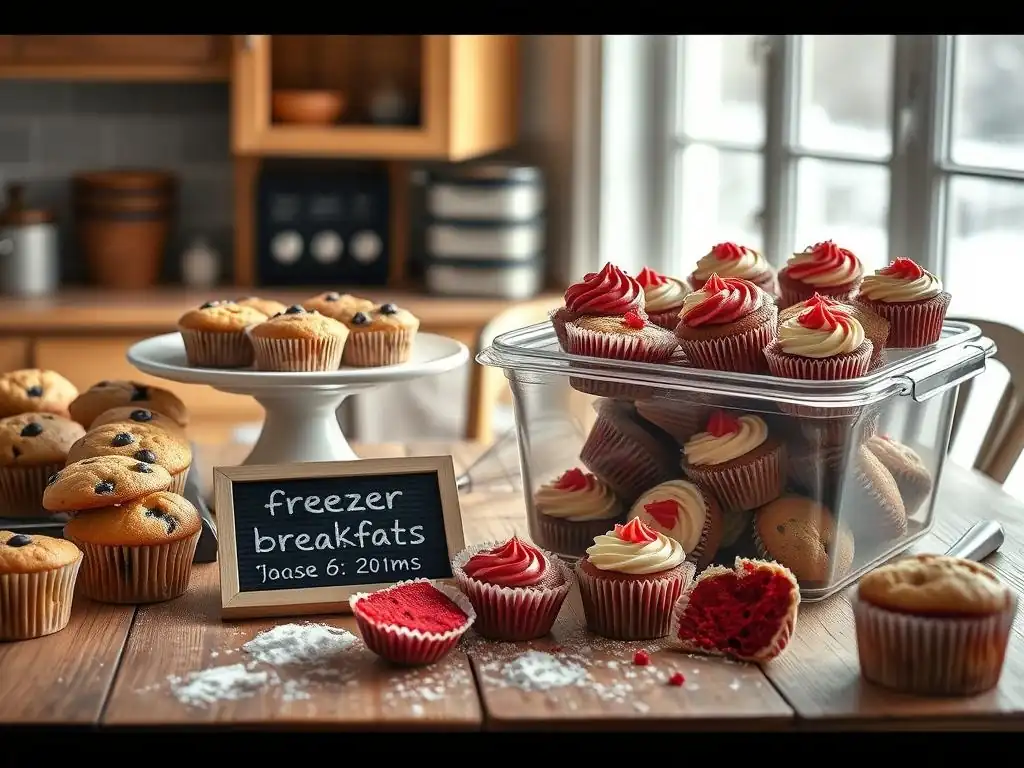
Welcome to BakeWithEase, your trusted companion in the delightful world of baking! Are you tired of rushed mornings and sacrificing delicious breakfasts? Discover the secret to effortless, grab-and-go meals with our guide on Freezing Muffins and Cupcakes. Learn how to preserve the freshness and flavor of your baked goods, ensuring a delectable treat is always within reach. Intrigued? Read on to unlock the full potential of your freezer and transform your breakfast routine!
- Why Freeze Muffins and Cupcakes for Easy Breakfasts?
- Best Practices for Freezing Muffins
- Step-by-Step Guide: How to Freeze Muffins Correctly
- Best Practices for Freezing Cupcakes
- Step-by-Step Guide: How to Freeze Cupcakes Correctly
- Thawing Frozen Muffins and Cupcakes
- Maintaining Quality: How Long Do Frozen Muffins and Cupcakes Last?
- Reviving Frozen Muffins and Cupcakes for a Fresh Taste
- Tips for Making Muffins and Cupcakes Freeze Well
- Delicious Grab-and-Go Breakfast Ideas Using Frozen Muffins and Cupcakes
- Conclusion: Enjoying Convenient, Delicious Breakfasts with Frozen Baked Goods.
- Frequently Asked Questions
- Final Reflection: The Sweet Simplicity of Frozen Breakfasts
- Unleash Your Freezer's Baking Potential!
Why Freeze Muffins and Cupcakes for Easy Breakfasts?
Streamlining Morning Routines with Frozen Treats
Mornings can often feel like a frantic race against the clock, especially when trying to get everyone out the door on time. Having a stash of frozen muffins and cupcakes can dramatically simplify the breakfast rush.
Imagine being able to grab a delicious, homemade baked good from the freezer, pop it in the microwave or toaster oven for a minute or two, and have a warm, satisfying breakfast ready without any baking or significant prep work. This strategy is particularly valuable for busy families or individuals who crave a comforting start to their day but lack the time for elaborate morning meals.
This convenience isn't just about saving minutes; it's about reducing stress and making healthier choices easier. Instead of reaching for less nutritious pre-packaged options or skipping breakfast altogether, freezing muffins and cupcakes breakfast provides a readily available, often more wholesome alternative. A batch baked on a relaxed weekend can supply quick breakfasts for a week or more, ensuring that even the most chaotic mornings start with something tasty and fulfilling.
Minimizing Waste and Extending Shelf Life Through Freezing
One of the significant benefits of freezing baked goods like muffins and cupcakes is their ability to significantly extend their usable life. Freshly baked muffins or cupcakes typically stay good at room temperature for only about 2-3 days before they start to dry out or become stale. Refrigeration can extend this slightly, perhaps to 5-7 days, but it often changes the texture, sometimes making them dense or rubbery.
Freezing, however, can preserve the quality of muffins and cupcakes for several months. This is incredibly useful for preventing food waste, especially if you've baked a large batch or find yourself unable to consume them quickly. By properly freezing muffins and cupcakes, you lock in their freshness and flavor, allowing you to enjoy them weeks or even months later, significantly reducing the likelihood of tossing uneaten baked goods into the bin.
Best Practices for Freezing Muffins
Selecting Muffins Suitable for Freezing
Most types of muffins freeze exceptionally well, making them ideal candidates for a freezing muffins cupcakes breakfast strategy. Muffins with a dense or moist crumb tend to fare better than very light, airy ones, as they are less prone to becoming dry during the freezing and thawing process. Recipes containing fruits (like blueberries, bananas, or apples), chocolate chips, or nuts generally hold up beautifully.
However, be mindful of toppings or fillings. Muffins with a crumb topping might lose some of their crispness upon thawing, though the flavor remains. Muffins with delicate glazes or very soft fillings might require extra care during wrapping to prevent damage. Overall, standard plain, fruit, or chocolate chip muffins are excellent choices for freezing muffins cupcakes breakfast meal prep.
Ensuring Complete Cooling Before Freezing
This step is absolutely crucial for successful freezing. Placing warm or even slightly warm muffins into the freezer is a recipe for disaster. The trapped heat will create condensation inside the wrapping or container, leading to ice crystals forming on the surface of the muffins. These ice crystals can cause freezer burn, resulting in a dry, unpleasant texture and diminished flavor when thawed.
Allowing muffins to cool completely to room temperature, typically on a wire rack for at least 1-2 hours after baking, ensures that all residual heat has dissipated. The centers must be cool, not just the exteriors. Patience at this stage pays off immensely in preserving the quality of your freezing muffins cupcakes breakfast stash.
Individual Wrapping for Preserving Moisture
Wrapping each muffin individually provides an extra layer of protection against moisture loss and freezer burn. This method creates a tight seal around the muffin, minimizing its exposure to the cold, dry air of the freezer. While it takes a little extra time upfront, the payoff is a muffin that thaws with a texture much closer to its freshly baked state.
Common materials for individual wrapping include plastic wrap (cling film), aluminum foil, or even small freezer-safe bags designed for single portions. Ensure the wrap is snug against the surface of the muffin, leaving as little air pocket as possible. This barrier is key to maintaining moisture and preventing the dreaded dry, spongy texture often associated with poorly frozen baked goods.
Utilizing Freezer-Safe Bags or Containers
Once individually wrapped, placing the muffins in a larger freezer-safe container or bag adds another layer of protection and helps organize your freezer space. Using a sturdy plastic container with an airtight lid or a heavy-duty freezer bag is essential. These are designed to withstand freezing temperatures without becoming brittle and offer a better seal than standard storage bags.
Arranging the wrapped muffins neatly within the container or bag prevents them from getting crushed and further shields them from freezer burn. If using a bag, try to remove as much air as possible before sealing. This double-layer approach – individual wrapping plus a collective container – is highly effective for freezing muffins cupcakes breakfast items and maintaining their quality for longer periods.
Expelling Excess Air to Prevent Freezer Burn
Whether using freezer bags or containers, minimizing the amount of air trapped with the muffins is vital. Air contains moisture, which turns into ice crystals in the freezer, leading to freezer burn – the dry, discolored patches that ruin the texture and flavor of frozen food. For freezer bags, gently press the bag around the muffins before sealing to push the air out. Using a straw to suck out the air just before sealing is an effective technique for creating a vacuum seal.
If using containers, try to choose one that is sized appropriately for the number of muffins you are freezing, minimizing the empty space inside. If there's significant empty space, you can even place a piece of crumpled parchment paper or plastic wrap on top of the muffins before closing the lid to help fill the void and reduce air circulation. Reducing air exposure is critical for successful freezing muffins cupcakes breakfast items.
Clearly Labeling Frozen Muffins with Date
This simple step is often overlooked but is incredibly important for managing your frozen stash and ensuring you consume the muffins within their optimal quality window. Use a permanent marker to write the type of muffin (e.g., "Blueberry") and the date you froze them on the outside of the freezer bag or container.
Knowing the date allows you to implement a "first-in, first-out" system in your freezer, ensuring that older items are used before newer ones. While properly frozen muffins can last up to 3-4 months in the freezer while maintaining good quality, knowing the exact date helps you decide when to use them for the best possible flavor and texture. This practice is key to maximizing the benefits of freezing muffins cupcakes breakfast.
Step-by-Step Guide: How to Freeze Muffins Correctly
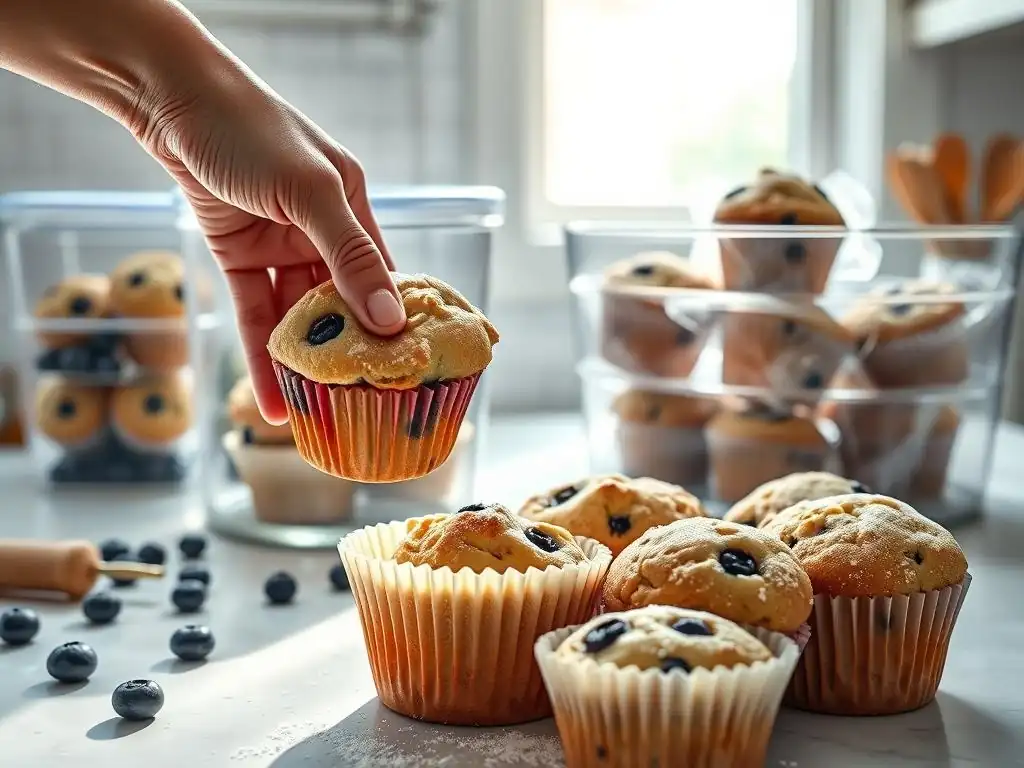
Step 1: Prepare Muffins for Cooling Rack
After removing muffins from the oven, allow them to rest in the muffin tin for just a few minutes, typically 5-10 minutes, to firm up slightly before transferring.
Step 2: Cool Muffins Thoroughly
Carefully transfer the slightly cooled muffins from the tin to a wire cooling rack. Ensure there is space between each muffin for air circulation. Let them cool completely to room temperature, which usually takes 1-2 hours. Do not rush this step; the muffins must be entirely cool before moving on.
Step 3: Individually Wrap Each Muffin
Once completely cool, wrap each individual muffin tightly in plastic wrap, aluminum foil, or place it in a small, single-serving freezer bag. Make sure the wrapping is snug against the muffin to minimize air exposure.
Step 4: Place Wrapped Muffins in Freezer Bag
Gather the individually wrapped muffins and place them into a larger, heavy-duty freezer bag or an airtight freezer-safe container. Arrange them in a single layer if possible, or stack carefully if using a container.
Step 5: Label with Date and Freeze
Before sealing the outer bag or container, gently press out as much excess air as possible. Seal tightly. Using a permanent marker, clearly label the bag or container with the type of muffin and the date they were frozen. Place the labeled package in the freezer.
Best Practices for Freezing Cupcakes
Preparing Cupcakes for Freezing: Frosting Type Matters
Freezing cupcakes presents a unique challenge compared to muffins: the frosting. The type of frosting significantly impacts how well a cupcake freezes and thaws. Buttercream made primarily from butter and powdered sugar generally freezes quite well. The fat content helps protect the cake and frosting from freezer burn, and the texture usually returns reasonably close to its original state upon thawing. Cream cheese frosting can also freeze successfully, though it might undergo a slight change in texture, sometimes becoming a little softer or weeping slightly.
However, frostings with a high water content, such as meringue-based frostings (like Swiss or Italian meringue buttercream) or whipped cream toppings, are generally not good candidates for freezing. They tend to collapse, become watery, or separate upon thawing, ruining the delicate texture and appearance. When planning to freeze cupcakes for a freezing muffins cupcakes breakfast treat, consider using a sturdy buttercream or freezing the cupcakes unfrosted.
Freezing Cupcakes with Frosting: Stabilization Techniques
If you choose to freeze cupcakes with frosting, especially buttercream, a technique called "flash freezing" is highly recommended. This involves placing the frosted cupcakes, uncovered, on a baking sheet in the freezer for about 30-60 minutes, or until the frosting is firm to the touch. This initial freezing step hardens the frosting, preventing it from smudging or sticking to the wrapping material.
Once the frosting is firm, proceed with wrapping. This stabilization ensures that the beautiful swirls or decorations on your freezing muffins cupcakes breakfast cupcakes remain intact during the wrapping process and storage. While it adds an extra step, it's crucial for preserving the visual appeal and preventing damage to the frosting layer.
Freezing Unfrosted Cupcakes: Simplified Freezing Method
For the easiest and most reliable method of freezing cupcakes, consider freezing them before adding the frosting. The plain cake portion of a cupcake freezes just as well as a muffin. This eliminates concerns about frosting type, texture changes, or damage during wrapping.
To freeze unfrosted cupcakes, simply follow the same steps as freezing muffins: ensure they are completely cool, wrap each one individually in plastic wrap or foil, place them in a freezer-safe bag or container, label with the date, and freeze. When you're ready to enjoy one for a freezing muffins cupcakes breakfast, thaw the unfrosted cupcake and then add fresh frosting just before serving. This guarantees the best possible frosting texture and appearance.
Individual Wrapping vs. Container Storage for Cupcakes
Similar to muffins, individual wrapping is highly beneficial for cupcakes, especially if they are frosted. Wrapping each cupcake tightly in plastic wrap or aluminum foil provides the best protection against freezer burn and helps keep the frosting intact after flash freezing. Place these individually wrapped cupcakes in a rigid freezer-safe container rather than a bag.
Using a container, particularly one designed for cupcakes with individual cavities or simply a sturdy square or rectangular container, prevents the cupcakes from being squished. This is particularly important for frosted cupcakes where maintaining shape is desired. While bags work for unfrosted cupcakes, a container offers superior protection for the potentially delicate frosting and structure of freezing muffins cupcakes breakfast delights.
Step-by-Step Guide: How to Freeze Cupcakes Correctly
Step 1: Cool Cupcakes Entirely
After baking, let cupcakes cool in the muffin tin for 10-15 minutes before transferring them to a wire rack. Ensure they cool completely to room temperature, which takes at least 1-2 hours.
Step 2: (Optional) Flash Freeze Cupcakes
If freezing cupcakes with frosting, place the frosted cupcakes, uncovered, on a baking sheet. Put the baking sheet in the freezer for 30-60 minutes until the frosting is firm. Skip this step if freezing unfrosted cupcakes.
Step 3: Wrap Individually or Arrange in Container
Wrap each completely cooled (and flash-frozen, if applicable) cupcake individually in plastic wrap or aluminum foil. Alternatively, if freezing unfrosted, you can place them directly into a freezer-safe container designed for cupcakes.
Step 4: Seal Tightly and Label
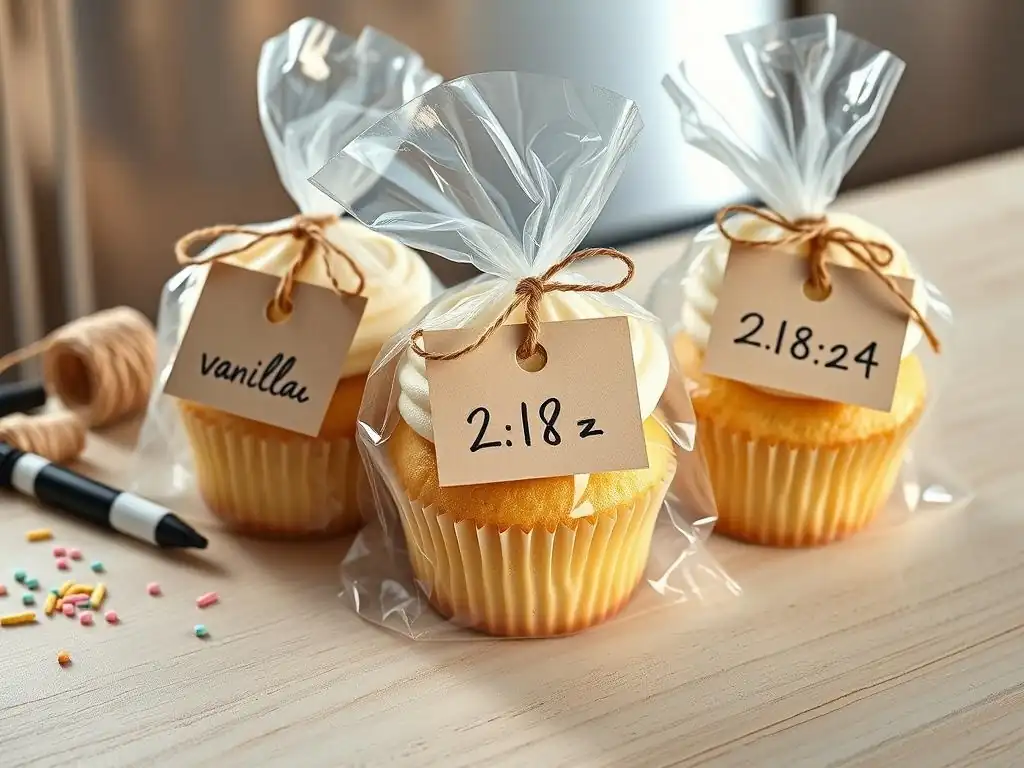
Place the individually wrapped cupcakes into a sturdy, airtight freezer-safe container. If using a bag for unfrosted cupcakes, press out excess air. Seal the container or bag tightly. Label clearly with the cupcake flavor and the date frozen using a permanent marker.
Step 5: Freeze Cupcakes
Place the labeled container or bag in the freezer. Ensure it is placed in a spot where it won't be crushed. Properly stored freezing muffins cupcakes breakfast items will be ready for later enjoyment.
Thawing Frozen Muffins and Cupcakes
Thawing Methods: Room Temperature vs. Refrigerator
There are two primary methods for thawing frozen muffins and cupcakes: at room temperature or in the refrigerator. Thawing at room temperature is the quickest and often preferred method for muffins and unfrosted cupcakes, as it helps maintain a moist texture. Simply remove the frozen baked good from the freezer, keep it in its wrapping, and let it sit on the counter for 30-60 minutes, or until fully thawed. Removing the wrapping after thawing can help prevent condensation from making the exterior soggy.
Thawing in the refrigerator is a slower but sometimes safer method, especially for frosted cupcakes or if you won't be consuming them immediately after thawing. Transfer the wrapped frozen cupcake to the refrigerator and let it thaw overnight, typically 8-12 hours. While slower, this method is gentler on delicate frostings. However, it can sometimes make the cake portion slightly drier than room-temperature thawing. Choose the method that best suits your schedule and the type of baked good for your freezing muffins cupcakes breakfast.
Estimated Thawing Times for Muffins and Cupcakes
The time it takes to thaw frozen muffins and cupcakes depends on their size, density, and the thawing method used. A standard-sized muffin or cupcake will typically thaw at room temperature within 30 to 60 minutes. Larger or denser muffins might take slightly longer, perhaps up to 90 minutes.
If thawing in the refrigerator, expect the process to take significantly longer. A single cupcake or muffin can take anywhere from 8 to 12 hours to thaw completely in the fridge. For a batch of several muffins or cupcakes in a container, it could take up to 24 hours. Planning ahead is key when using the refrigerator thawing method for your freezing muffins cupcakes breakfast.
Rapid Thawing Solutions for Impatient Mornings
Need a quick freezing muffins cupcakes breakfast solution right now? You can use a microwave for rapid thawing, though it requires careful attention to avoid overheating and drying out the baked goods. Place a single unwrapped muffin or unfrosted cupcake on a microwave-safe plate. Microwave on a low power setting (like 30-50%) for 30-second intervals, checking after each interval, until thawed and slightly warm. A standard muffin might take 60-90 seconds total.
For frosted cupcakes, microwaving is riskier as it can melt the frosting. A better rapid method for frosted cupcakes is to remove the wrapping and let them sit at room temperature while you get ready – often, they will be mostly thawed within 30-45 minutes, enough to enjoy. While not as ideal as slower thawing, these methods can save the day when time is short for your freezing muffins cupcakes breakfast.
Maintaining Quality: How Long Do Frozen Muffins and Cupcakes Last?
Recommended Storage Duration for Optimal Quality
While technically safe to eat indefinitely if kept continuously frozen, the quality of frozen muffins and cupcakes gradually deteriorates over time. For the best taste and texture, it's generally recommended to consume properly frozen muffins and unfrosted cupcakes within 3-4 months. Frozen cupcakes with buttercream or cream cheese frosting are best consumed within 2-3 months, as the frosting's texture can change slightly over longer periods.
Beyond these recommended times, the baked goods might still be safe, but they are more likely to have developed freezer burn or lost some of their original flavor and moisture. Regularly rotating your stock using the "first-in, first-out" rule based on your labels helps ensure you enjoy your freezing muffins cupcakes breakfast items at their peak quality.
Identifying Freezer Burn and Quality Degradation
Freezer burn is the most common issue affecting the quality of frozen baked goods. It appears as dry, discolored spots or patches on the surface, often grayish or whitish. It occurs when moisture evaporates from the food and forms ice crystals on the surface or inside the packaging, essentially dehydrating the exposed areas. Food with significant freezer burn is still safe to eat but will have a dry, tough, and flavorless texture in the affected areas.
Other signs of quality degradation in frozen muffins and cupcakes include a stale smell, a change in color throughout the cake (not just freezer burn spots), or an off-flavor. If you notice these signs, particularly a strong stale odor or off-flavor, it's best to discard the item. Proper wrapping and minimizing air exposure are the best defenses against these issues when freezing muffins cupcakes breakfast treats.
Reviving Frozen Muffins and Cupcakes for a Fresh Taste
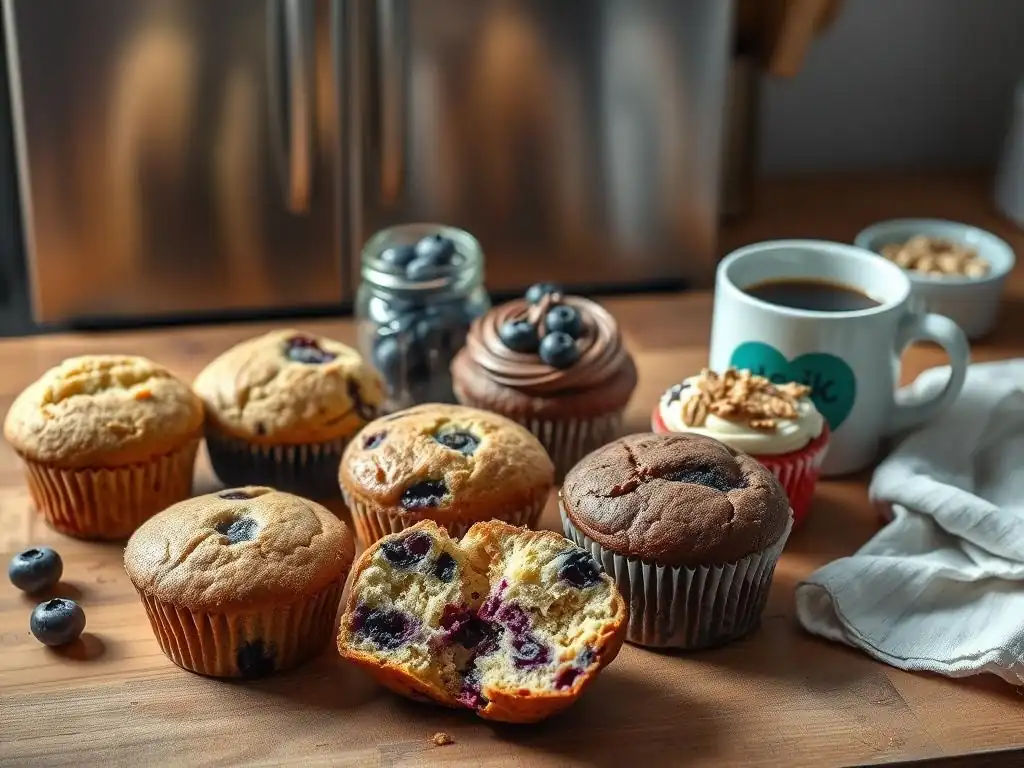
Warming Techniques to Restore Flavor and Texture
Once thawed, warming muffins and cupcakes can significantly improve their texture and bring back that freshly baked feel. For muffins, the easiest method is often the microwave (after thawing). Heat for 20-40 seconds on high power until warm. Alternatively, you can warm them in a toaster oven or conventional oven at 300°F (150°C) for 5-10 minutes. This method is great for muffins with crumb tops, as it can help crisp them up slightly.
For thawed cupcakes (especially unfrosted ones you plan to frost later), a brief warming in the microwave (15-30 seconds) can make the cake portion soft and tender. Avoid overheating frosted cupcakes in the microwave as it will melt the frosting. Warming helps release the aromas and softens the crumb, making your freezing muffins cupcakes breakfast experience much more enjoyable.
Enhancing Thawed Cupcakes with Fresh Garnishes
Thawing can sometimes affect the appearance of cupcakes, even if the taste is preserved. Adding fresh garnishes just before serving can elevate a thawed cupcake and make it feel special. For unfrosted cupcakes, this is the perfect opportunity to add fresh buttercream, a simple glaze, or a dusting of powdered sugar.
For cupcakes frozen with frosting, you can add fresh sprinkles, a drizzle of sauce (like chocolate or caramel), a fresh fruit slice, or a dollop of whipped cream on top of the thawed frosting. These simple additions not only improve the visual appeal but can also add a layer of fresh texture and flavor, making it hard to tell that your delicious freezing muffins cupcakes breakfast treat was ever frozen.
Tips for Making Muffins and Cupcakes Freeze Well
Adapting Recipes for Optimal Freezing
While most muffin and cupcake recipes freeze well, some minor adaptations can enhance their freezer-friendliness. Adding ingredients that increase moisture and tenderness can be beneficial. For instance, using buttermilk, sour cream, yogurt, or mashed banana/applesauce in the batter adds moisture that helps the baked goods stay soft during freezing. Adding a bit more fat (like an extra tablespoon of butter or oil) can also contribute to a tender crumb that holds up better to freezing.
Conversely, recipes that are very low in fat or rely heavily on delicate leavening (like primarily egg whites for airiness) might not freeze as successfully. When developing or choosing recipes specifically for freezing muffins cupcakes breakfast preparation, look for those described as "moist" or "tender."
Selecting Freezer-Friendly Ingredients
Certain ingredients perform better than others after freezing and thawing. As mentioned, sturdy fruits like blueberries, raspberries, chopped apples, and bananas freeze beautifully within the batter. Chocolate chips, nuts, and spices also hold up exceptionally well.
Ingredients to be cautious with include delicate fresh fruit pieces (like sliced strawberries, which can become mushy), some dairy products (like ricotta cheese in a cake, which can change texture), and certain extracts (some alcohol-based extracts might evaporate slightly). For frostings, opt for butter-based or cream cheese-based options over meringue or whipped cream for freezing muffins cupcakes breakfast treats.
Adjusting Bake Times for Freezer Preservation
While not a strict rule, some bakers slightly underbake muffins or cupcakes intended for freezing by just a minute or two. The idea is that the freezing and thawing process, plus any reheating, can slightly dry out the baked goods. Starting with a slightly moister crumb can counteract this.
However, be careful not to significantly underbake, as raw centers are undesirable and unsafe. A slight adjustment, ensuring they are just cooked through but not overly browned or dry, can help maintain moisture levels through the freezing cycle, resulting in a more pleasant texture when you finally enjoy your freezing muffins cupcakes breakfast.
Delicious Grab-and-Go Breakfast Ideas Using Frozen Muffins and Cupcakes
Apple Cinnamon Muffin French Toast
Thaw apple cinnamon muffins completely. Slice them horizontally into halves or thirds. Dip the slices in a standard French toast batter (eggs, milk, cinnamon, vanilla). Cook on a buttered griddle until golden brown on both sides. Serve with a drizzle of maple syrup for a warm, comforting, and elevated freezing muffins cupcakes breakfast.
Chocolate Cupcake Parfaits
Thaw unfrosted chocolate cupcakes. Crumble them into pieces. Layer the crumbled cupcake pieces with yogurt (vanilla, Greek, or chocolate-flavored), fresh berries (strawberries, raspberries), and perhaps a sprinkle of granola or mini chocolate chips in a glass or jar. This creates a delightful, layered dessert-for-breakfast using your freezing muffins cupcakes breakfast stash.
Conclusion: Enjoying Convenient, Delicious Breakfasts with Frozen Baked Goods.
Frequently Asked Questions
Can I freeze muffins and cupcakes successfully?
Yes, absolutely! Freezing muffins and cupcakes is a great way to preserve freshness and have a quick and easy breakfast or snack on hand. Proper freezing techniques are key to maintaining their texture and flavor.
How long can frozen muffins and cupcakes last?
When stored correctly in an airtight container or freezer bag, muffins and cupcakes can last for up to 2-3 months in the freezer. After this time, the quality might start to decline.
What's the best way to thaw frozen muffins and cupcakes?
The best way is to thaw them at room temperature for a few hours. You can also microwave them on a low setting for a shorter thawing time, but be careful not to overheat them and dry them out.
What types of muffins and cupcakes freeze best?
Most muffins and cupcakes freeze well, but those with cream cheese frosting or very delicate toppings might not hold up as well. Plain or lightly frosted varieties are generally the easiest to freeze.
What are some tips for preventing freezer burn on frozen muffins and cupcakes?
To prevent freezer burn, ensure the muffins and cupcakes are completely cooled before freezing. Wrap them tightly in plastic wrap and then place them in an airtight container or freezer bag, removing as much air as possible.
Final Reflection: The Sweet Simplicity of Frozen Breakfasts
The convenience of frozen muffins and cupcakes transcends mere practicality; it's a revolutionary time-saver that empowers busy individuals to prioritize healthy and delicious breakfasts. In today's fast-paced world, where time is often our most precious commodity, having a readily available, nutritious breakfast option is not a luxury, but a necessity. This simple act of freezing baked goods unlocks a world of efficiency, allowing us to enjoy homemade treats without the daily commitment of baking.
The impact of this seemingly small act extends beyond individual convenience; it speaks to a larger cultural shift towards mindful meal preparation and efficient time management. We're increasingly seeking ways to balance healthy eating with our demanding schedules, and freezing muffins and cupcakes offers a perfect solution. The best way to predict the future is to create it,
and by preparing these treats in advance, we are actively shaping a healthier and more manageable morning routine for ourselves.
Now, consider your own breakfast routine. Are you rushing out the door each morning, sacrificing nutrition for speed? Or are you proactively planning ahead, ensuring a satisfying and energizing start to your day? I encourage you to embrace the simplicity and efficiency of freezing your own muffins and cupcakes. Experiment with different recipes, flavors, and portion sizes to find what works best for you. By taking control of your breakfast, you're taking control of your day – one delicious, frozen muffin at a time.
Unleash Your Freezer's Baking Potential!
Thanks for taking the time to explore the delicious world of frozen muffins and cupcakes! We hope you’ve discovered some new ways to make your mornings easier and more enjoyable. Now it’s time to put your newfound knowledge into action.
- Bake a batch of your favorite muffins or cupcakes this weekend and freeze them for grab-and-go breakfasts all month long! This is the perfect way to start enjoying the benefits of your newfound baking skills.
- Share your frozen baking success on social media – tag us and inspire others to embrace the freezer's baking magic! We love seeing your creations.
- Try experimenting with different frostings and fillings that freeze well – think creative flavor combinations for weeks of delicious variety! Let's see what innovative treats you can create.
Ready to conquer your mornings with delicious, homemade goodness? What's your favorite muffin or cupcake recipe you'll be freezing first?