
Sugar Cookie Cracks When Rolled Out? Achieve SilkySmooth Sheets

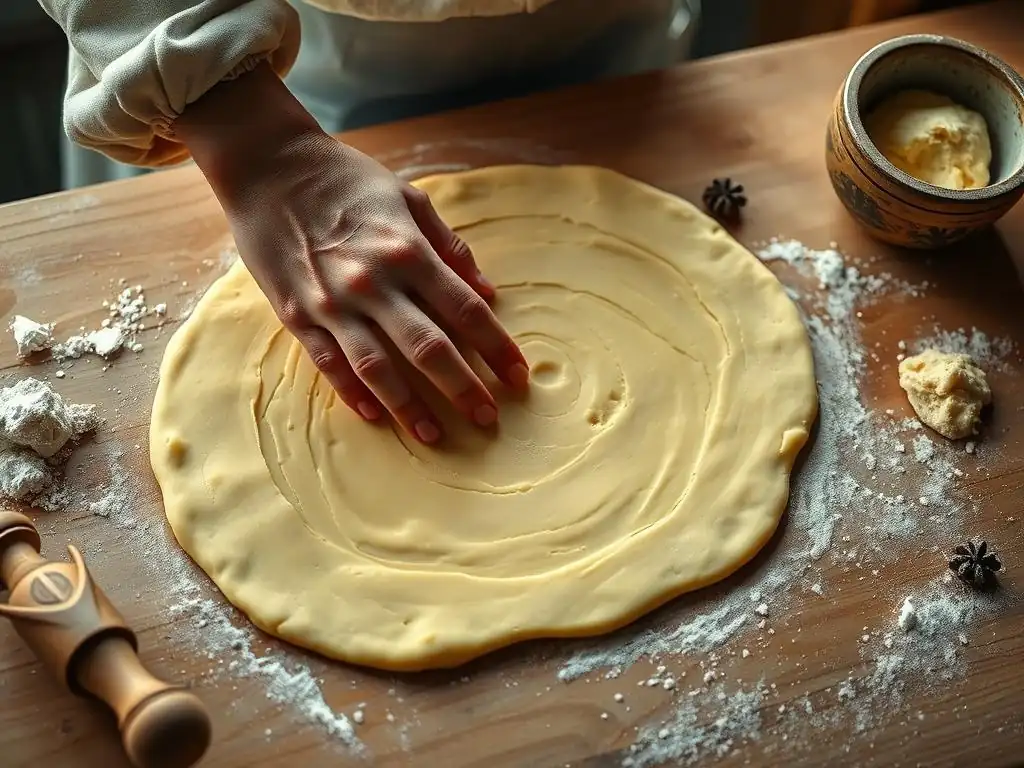
Welcome to BakeWithEase, your sanctuary for effortless baking! Ever dream of creating silky smooth sugar cookies that roll out flawlessly? We're diving deep into the secrets behind achieving that perfect texture, banishing those dreaded cracks for good. Discover the simple techniques and essential tips that will transform your sugar cookie game, one delicious bite at a time. Ready to unlock the secrets? Read on to elevate your baking!
- Preventing Sugar Cookie Cracks: Achieving Smooth Dough
- Understanding Sugar Cookie Cracking
- Step-by-Step Guide to Smooth Sugar Cookies
- Troubleshooting Common Rolling Problems
- Advanced Techniques for Smooth Cookies
- Storing Sugar Cookie Dough
- Enjoy Smooth Sugar Cookies!
-
Frequently Asked Questions
- Why are my sugar cookies cracking when I try to roll them out?
- How can I achieve silky smooth sugar cookie sheets as promised in the article?
- What ingredients might be causing my sugar cookie dough to crack?
- What is the ideal consistency for sugar cookie dough that prevents cracking?
- What are some common mistakes that lead to cracking sugar cookie dough, and how can I avoid them?
- Final Reflection: The Pursuit of Perfect Sugar Cookie Smoothness
- Unlock the Secret to Perfectly Smooth Sugar Cookies!
Rolling out sugar cookie dough can be a delightful part of the baking process, leading to beautifully shaped treats. However, encountering cracks and tears in your dough is a common frustration that can hinder achieving those perfect, silky smooth sugar cookies. Understanding why dough cracks and how to prevent it is key to effortless rolling and stunning results.
Before we dive into solutions, let's explore the fundamental reasons behind sugar cookie dough cracking. It often boils down to the dough's composition and how it's handled. Addressing these core issues will set you on the path to consistently smooth dough.
Several factors contribute to sugar cookie dough cracking during the rolling process. One primary culprit is insufficient moisture. When the dough is too dry, either from inaccurate measurement of dry ingredients or not enough liquid, it becomes brittle and lacks the elasticity needed to stretch smoothly. Imagine trying to bend a dry twig versus a fresh one – the dry twig snaps easily, much like dry dough cracks. This often happens if you accidentally add too much flour, perhaps by scooping directly from the bag instead of using the spoon-and-level method, potentially adding 20-30% more flour than intended.
Another significant cause is dough that is too cold or has been over-chilled. While chilling is essential, dough straight from the freezer or an extended stay in the refrigerator can be too stiff and resistant to rolling. Attempting to force cold dough to stretch will inevitably result in cracks and breakage. The fats within the dough are too hard to flex, preventing the dough from rolling into a uniform, silky smooth sheet. Letting the dough soften slightly at room temperature for 10-15 minutes before rolling can make a significant difference in its pliability.
Gluten development plays a crucial role in the texture of your sugar cookies and how the dough behaves. Gluten is a protein network formed when flour, specifically the proteins gliadin and glutenin, comes into contact with liquid and is then agitated through mixing or kneading. In bread baking, extensive gluten development is desired for a chewy texture and structure. However, for tender, silky smooth sugar cookies, minimal gluten development is key.
Overmixing sugar cookie dough is a common error that leads to excessive gluten formation. When gluten is overdeveloped, the dough becomes tough and elastic. This elasticity makes it spring back when rolled and more prone to cracking as you try to force it into a thin sheet.
Think of it like stretching a rubber band – it resists and wants to snap back. For delicate cookies, you want a dough that yields easily, not one that fights you. Stopping the mixer as soon as the dry ingredients are just combined is crucial to prevent this overdevelopment and ensure your dough stays pliable enough to roll into silky smooth sugar cookie sheets.
Achieving the correct moisture balance is fundamental to preventing cracks and producing a workable, silky smooth sugar cookie dough. The ratio of wet ingredients (like butter, eggs, and extracts) to dry ingredients (flour, sugar, leavening) directly impacts the dough's consistency. Too much dry ingredient, particularly flour, is a frequent culprit behind crumbly, crack-prone dough. A standard sugar cookie recipe often calls for a ratio where the flour is roughly 2 to 2.5 times the weight of the butter, but variations exist, and precise measurement is paramount.
Fats, like butter, contribute significantly to moisture and tenderness. Using properly softened butter allows it to cream effectively with sugar, incorporating air and distributing moisture evenly. Eggs add both liquid and fat, binding the ingredients and adding richness.
If your dough feels dry even before chilling, it might indicate an initial imbalance. Sometimes, factors like the humidity of your kitchen or the specific brand of flour used can slightly alter the moisture needs. A dough with the right moisture balance will feel soft, pliable, and slightly tacky but not sticky, making it ideal for rolling into silky smooth sugar cookies without resistance.
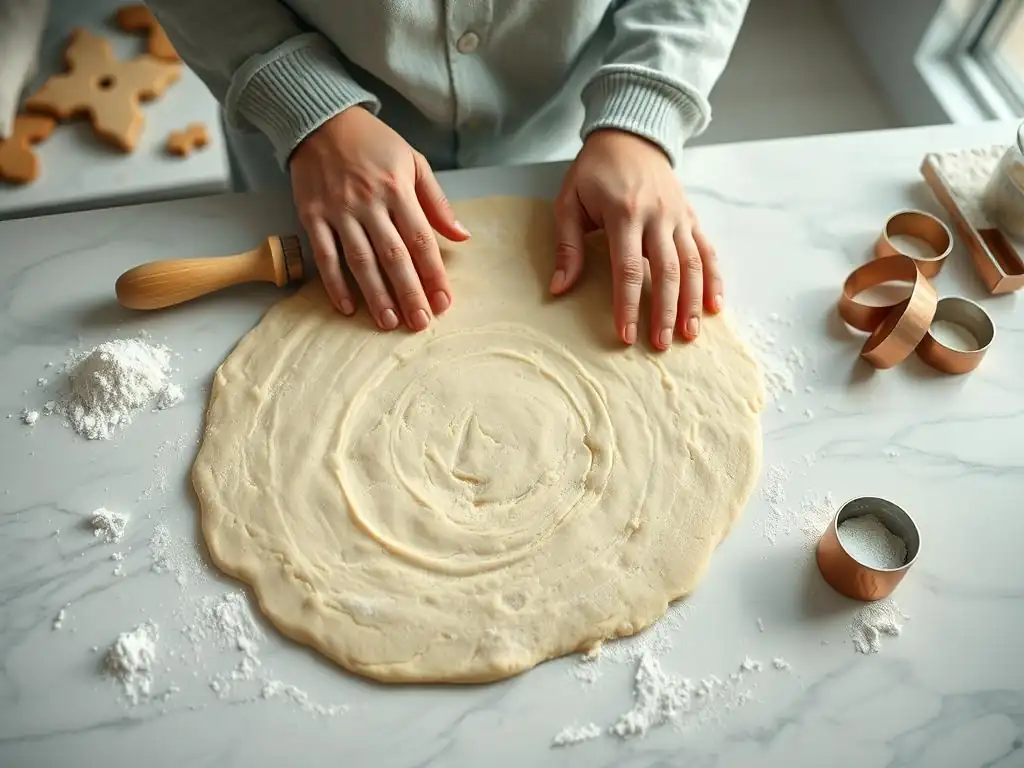
Creating dough that rolls out effortlessly into silky smooth sugar cookies involves attention to detail at every stage, from selecting ingredients to the final bake. Follow these steps to minimize the chances of cracking and maximize your baking success.
Step 1: Accurate Ingredient Measurement
Precision in measuring ingredients is the bedrock of consistent baking results, especially when aiming for silky smooth sugar cookie dough. Even slight variations in the ratio of wet to dry ingredients can significantly impact the dough's texture and workability. Using a kitchen scale for dry ingredients like flour and sugar provides the most accurate measurement, eliminating the variability of volume measurements.
For example, a cup of all-purpose flour can weigh anywhere from 4 ounces (113 grams) if spooned lightly to 5 ounces (142 grams) or more if scooped and packed. This difference of up to 25% extra flour can easily turn a pliable dough into a dry, crumbly mess.
Precise Flour Measurement: Key to Success
Flour is often the most abundant ingredient in cookie dough, and its precise measurement is critical for achieving the desired texture and preventing cracks. Too much flour leads to a dry, stiff dough that is difficult to roll and prone to splitting. Too little can result in a sticky dough that spreads excessively during baking. To ensure accuracy, particularly when using volume measurements, avoid scooping flour directly from the bag with your measuring cup, as this compacts the flour and yields an over-measurement.
The Spoon and Level Method for Flour
The recommended technique for measuring flour by volume is the "spoon and level" method. First, gently aerate the flour in its container by whisking it or stirring it with a spoon. Then, use a spoon to lightly scoop the flour into your dry measuring cup, overfilling it slightly.
Do not pack the flour down. Finally, use a straight edge, like the back of a knife or a bench scraper, to level off the excess flour across the top of the cup. This method helps ensure you get a measurement closer to the intended amount, contributing to a dough that is properly hydrated and capable of rolling into silky smooth sheets.
Step 2: Selecting the Right Ingredients
The quality and type of ingredients you use have a direct impact on the dough's structure, flavor, and how easily it rolls. Choosing the right flour, fat, and moisture sources is vital for creating a pliable dough that yields silky smooth sugar cookies.
Flour Choices for Sugar Cookies
For classic sugar cookies, all-purpose flour is typically the standard choice. It has a moderate protein content, usually between 10-12%, which allows for some gluten development to give the cookie structure without making it excessively tough.
Using flours with higher protein content, like bread flour (12-14% protein), would result in more gluten development and a chewier, potentially crack-prone dough. Conversely, using a lower protein flour like cake flour (8-10% protein) or pastry flour can result in a more tender cookie with less structure, which might be desirable for some, but all-purpose provides a good balance for a rollable dough that holds its shape.
The Importance of Butter and Sugar
Butter is a cornerstone ingredient in sugar cookies, providing flavor, tenderness, and aiding in spread. Using unsalted butter allows you to control the salt level. Ensure your butter is properly softened, but not melted, for creaming. Softened butter should yield slightly when pressed but still hold its shape. Creaming softened butter with granulated sugar is a crucial step.
The sharp edges of the sugar crystals cut into the butter, creating tiny air pockets. This process, called creaming, incorporates air which helps the cookies rise slightly and contributes to a tender texture. Creaming for 3-5 minutes until the mixture is light and fluffy is often sufficient. Using the right type of sugar, typically granulated, ensures proper creaming and texture.
Adding Moisture: Eggs and Flavor Extracts
Eggs serve multiple purposes in sugar cookie dough: they bind the ingredients together, add richness, and contribute essential moisture. The protein in eggs also adds some structure. Most recipes call for large eggs; using a different size without adjusting can alter the wet-to-dry ratio.
Flavor extracts, like vanilla or almond extract, while added in smaller quantities, also contribute a tiny amount of liquid to the dough. Ensure your eggs are at room temperature before adding them to the creamed butter and sugar mixture, as this helps them incorporate more smoothly without cooling down the fat and potentially causing the mixture to curdle. Proper moisture from eggs and extracts helps create a cohesive dough that is less likely to crack when rolled into silky smooth sheets.
Step 3: Mastering the Mixing Process
How you mix your sugar cookie dough is just as important as the ingredients themselves. Overmixing is a common pitfall that can lead to tough cookies and dough that cracks easily. The goal is to combine ingredients just enough to form a cohesive dough while minimizing gluten development.
Preventing Overmixing and Gluten Overdevelopment
Once you add the dry ingredients to the wet ingredients (creamed butter, sugar, and eggs), mix on low speed only until the flour streaks have just disappeared and the dough comes together. This typically takes less than a minute. Continuing to mix beyond this point develops gluten unnecessarily.
As mentioned earlier, too much gluten makes the dough elastic and resistant to rolling, increasing the likelihood of cracks. Resist the urge to keep the mixer running "just in case" – stop as soon as you have a unified dough. A dough mixed correctly will feel slightly soft and pliable, not stiff or overly elastic, setting the stage for rolling silky smooth sugar cookies.
Creaming Butter and Sugar Effectively
Creaming butter and sugar is the first step in mixing and is vital for both texture and structure. It's where you incorporate air into the dough, which contributes to lift and tenderness during baking. Use softened, not melted, butter. Beat the softened butter and granulated sugar together using an electric mixer (stand or hand) on medium speed.
Scrape down the sides and bottom of the bowl periodically to ensure even mixing. Cream until the mixture is pale yellow and significantly increased in volume, usually 3 to 5 minutes. This properly aerated base is essential before adding eggs and dry ingredients, helping to create a dough that spreads nicely and bakes into tender, silky smooth sugar cookies.
Step 4: Chilling the Dough Properly
Chilling sugar cookie dough is a non-negotiable step for achieving silky smooth sugar cookies that hold their shape and roll without cracking. This period in the refrigerator serves multiple critical purposes.
The Importance of Chilling
Chilling the dough allows the fats (butter) to firm up. This firming of fat is crucial for preventing excessive spread in the oven, helping cookies maintain their cut shapes. More importantly for rolling, chilling allows the gluten that did develop during mixing to relax.
Relaxed gluten makes the dough less elastic and much more pliable and cooperative when you roll it out. Think of it like letting overworked muscles rest – they become less tense. Chilled dough is firmer, easier to handle, and far less likely to crack when subjected to the pressure of a rolling pin, making it ideal for creating silky smooth sheets.
Optimal Chilling Time
The optimal chilling time can vary depending on the recipe and the thickness of the dough disc you've wrapped. Generally, chilling for at least 1 to 2 hours is recommended. This is usually sufficient time for the butter to firm up and the gluten to relax.
Chilling overnight is also perfectly fine and can sometimes make the dough even easier to work with. However, avoid chilling for excessively long periods (e.g., several days unwrapped), as the dough can dry out, making it more prone to cracking. If your dough has been chilled for a long time and feels very hard, let it sit at room temperature for 10-15 minutes before attempting to roll to allow it to soften slightly and become more pliable for rolling silky smooth sugar cookies.
Step 5: Rolling Dough Without Cracking
Even with a perfectly mixed and chilled dough, the rolling technique itself can be the difference between silky smooth sugar cookies and a cracked mess. Proper preparation of your workspace and careful handling are key.
Preparing Your Work Surface for Rolling
A lightly floured surface is necessary to prevent the dough from sticking, but using too much flour can dry out the dough as you roll, leading to cracks. Lightly dust your clean countertop or a large pastry mat with just enough all-purpose flour to create a thin, even layer.
You can also lightly flour your rolling pin. Some bakers prefer rolling the dough between two sheets of parchment paper or wax paper, which eliminates the need for surface flour altogether and is an excellent method for keeping the dough moist and achieving silky smooth sugar cookie sheets without adding extra dry flour.
Achieving Even Thickness While Rolling
Rolling the dough to a uniform thickness is essential for cookies that bake evenly. Uneven thickness leads to some cookies being overbaked and potentially dry (and thus more likely to crack) while others are underbaked.
Aim for a consistent thickness, typically between 1/4 inch and 1/2 inch, depending on your recipe and preference. Using rolling pin guides (like dowels or specially designed rolling pins with adjustable rings) placed on either side of the dough can help you maintain a consistent height as you roll, ensuring every part of the dough sheet is the same thickness for uniform, silky smooth sugar cookies.
Preventing Dough from Sticking
Sticking is a common issue that can lead to tearing and cracking when you try to lift or move the dough. If rolling directly on a floured surface, ensure you've used just enough flour. Lift and rotate the dough occasionally as you roll, adding a tiny bit more flour underneath only if necessary.
If using parchment paper, ensure the paper is smooth and doesn't have creases that could imprint on the dough. Rolling between parchment sheets is highly effective for preventing sticking and keeping the dough surface pristine, allowing you to achieve truly silky smooth sugar cookie sheets effortlessly. If the dough feels like it's warming up and becoming sticky during rolling, pop it back into the refrigerator for 10-15 minutes to firm up again.
Step 6: Baking to Perfection
The final step in the process is baking. Even if you've successfully rolled silky smooth sugar cookies, improper baking can still affect their final texture and structure.
Ideal Oven Temperature and Baking Time
Most sugar cookie recipes call for baking at a moderate temperature, typically between 325°F (160°C) and 350°F (175°C). Baking at the correct temperature ensures the cookies bake through evenly without burning the edges or spreading too much. Baking time will vary depending on the thickness of your cookies and your oven, but it's usually between 8 and 12 minutes.
It's helpful to use an oven thermometer to verify your oven's actual temperature, as they can often be off by 25 degrees or more. Baking for the appropriate time is crucial to avoid over-drying the cookies, which can make them brittle and prone to breaking after cooling, even if the dough was silky smooth.
Doneness Indicators: Avoiding Overbaking
Overbaking is a primary cause of dry, hard, and crumbly cookies. Sugar cookies should be removed from the oven when the edges are just starting to look lightly golden or set, and the centers still look slightly pale or soft. They will continue to set up as they cool on the baking sheet for a few minutes before being transferred to a wire rack.
Checking a test cookie from the first batch is always a good idea to determine the perfect baking time for your oven and cookie thickness. Underbaking slightly is often preferable to overbaking if you desire a softer texture. Avoiding overbaking is key to preserving the tender texture achieved by rolling silky smooth sugar cookies.
Troubleshooting Common Rolling Problems

Even with the best preparation, you might encounter issues while rolling. Knowing how to address these common problems on the fly can save your dough and help you get back to creating silky smooth sugar cookies.
Addressing Dry and Crumbly Dough
If your dough feels dry and crumbly right out of the refrigerator or starts cracking excessively as you try to roll it, it likely needs a little extra moisture. Do not try to force it; this will only create more cracks. Take the dough and gently knead in a tiny amount of liquid, like a teaspoon of milk or a neutral-flavored liquid like vegetable oil or melted butter, at a time. Incorporate it fully before adding more.
Be cautious not to add too much liquid, as this can make the dough sticky. Your goal is to add just enough moisture to make the dough pliable and cohesive again, allowing it to roll into silky smooth sheets without crumbling. You might need to rechill it briefly after adding the liquid if it becomes too soft.
Managing Sticky Dough
Conversely, if your dough is too sticky and adheres stubbornly to your rolling pin or work surface, it has too much moisture or hasn't been chilled sufficiently. First, ensure it's been adequately chilled (at least 1-2 hours). If it's still sticky after chilling, you can try incorporating a tiny amount of extra flour. Lightly flour your hands, the rolling pin, and the work surface.
If the dough is very sticky, you can gently knead a tablespoon of flour into the dough mass. Do this sparingly, adding just enough flour until the dough is manageable and no longer excessively sticky. Rolling between parchment paper is also an excellent strategy for sticky dough, as it bypasses the need for surface flour altogether, helping you achieve silky smooth sugar cookies without added dryness.
While not strictly a rolling issue, excessive spreading during baking can ruin the shape of your carefully cut silky smooth sugar cookies. The most common causes are warm dough, insufficient chilling, or too much fat/sugar in the recipe relative to flour. Ensure your dough is well-chilled before rolling and cutting. If you're working in a warm kitchen or taking a long time to cut out shapes, the dough can warm up.
Place the cut-out shapes on the baking sheet and chill them again for 10-15 minutes in the refrigerator or freezer before baking. This firms up the butter, which helps the cookies hold their shape better in the hot oven. Also, ensure you're not using melted butter or too much leavening (like baking powder or soda) unless the recipe specifically calls for it.
For those seeking to perfect their silky smooth sugar cookies, a few advanced techniques can further enhance the dough's texture and workability.
Incorporating Invert Sugar for Moisture
Ingredients containing invert sugar, such as corn syrup, honey, or golden syrup, can be added in small amounts to sugar cookie dough to improve its texture and prevent dryness. Invert sugar is a humectant, meaning it attracts and retains moisture. Replacing a small portion of the granulated sugar (e.g., 1-2 tablespoons per batch) with corn syrup can result in a cookie that stays softer and more tender for longer. This added moisture also contributes to a more pliable dough that is less likely to crack when rolled, making it easier to achieve truly silky smooth sugar cookie sheets.
Using Cake Flour for Tenderness
While all-purpose flour is standard, substituting a portion of it with cake flour can yield a more tender cookie. Cake flour has a lower protein content (around 8-10%) compared to all-purpose flour (10-12%), resulting in less potential for gluten development. This reduced gluten means a more delicate crumb and a dough that might be inherently less prone to becoming tough and cracking from overworking.
If experimenting, start by substituting 1/4 to 1/2 of the all-purpose flour with cake flour. This can help achieve a very tender cookie while still maintaining enough structure to roll and cut into silky smooth sugar cookies.
Adding Lemon Zest for Flavor and Texture
Adding finely grated lemon zest to sugar cookie dough not only brightens the flavor but can also subtly affect the texture. The natural oils in citrus zest contribute a small amount of fat and moisture to the dough. While the quantity is small, these oils can contribute to a slightly more tender crumb and a dough that feels just a touch more pliable.
Plus, the vibrant aroma and taste of lemon complement the sweetness of sugar cookies beautifully. Using the zest of one medium lemon for a standard batch of cookies is usually sufficient to impart flavor and potentially aid in achieving that desirable silky smooth sugar cookie texture.
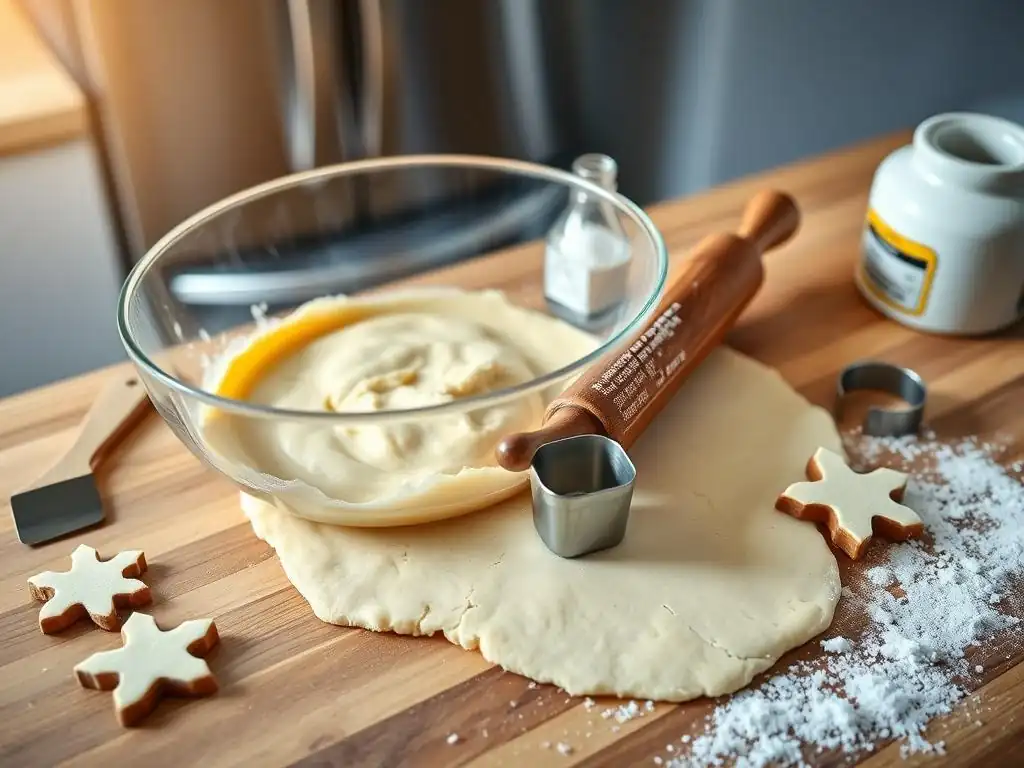
Properly storing your sugar cookie dough is essential for maintaining its quality and preventing it from drying out or developing off-flavors. Whether you're making it ahead or saving leftovers, correct storage ensures the dough remains pliable and ready to roll into silky smooth sugar cookies.
Preventing Dough from Drying Out
Sugar cookie dough can dry out quickly, especially in the refrigerator, leading to a crumbly texture that's difficult to roll without cracking. To prevent this, always wrap your dough tightly. Form the dough into a disc or log (whichever is easier for you to store and later roll) and wrap it thoroughly in plastic wrap.
Ensure there are no exposed surfaces. For extra protection, you can then place the wrapped dough disc into a zip-top bag or an airtight container. This double layer of protection minimizes exposure to air and moisture loss, keeping the dough moist and ready to be rolled into silky smooth sugar cookie sheets.
Thawing Frozen Dough Effectively
If you've frozen sugar cookie dough for later use, proper thawing is crucial to restore its pliable texture and avoid cracking. Transfer the frozen dough from the freezer to the refrigerator and let it thaw slowly overnight. Avoid thawing at room temperature for extended periods, as the outer parts can become too soft while the center remains frozen.
Once thawed in the refrigerator, the dough might still be quite firm. Let it sit at room temperature for 10-15 minutes before attempting to roll it. This brief period allows the butter to soften slightly and the dough to become more pliable, making it much easier to roll into silky smooth sugar cookies without resistance or breakage.
Mastering the art of creating silky smooth sugar cookies that roll out without a single crack is a rewarding baking achievement. By understanding the science behind potential problems and applying careful techniques from ingredient measurement to chilling and rolling, you can consistently produce beautiful, easy-to-work-with dough. Don't be discouraged by initial challenges; practice makes perfect. With these tips and tricks, you're well-equipped to troubleshoot common issues and confidently roll out perfectly silky smooth sugar cookie sheets every time, ready to be cut, baked, and decorated into delightful treats. Happy baking!
Frequently Asked Questions
Your sugar cookie dough is likely cracking due to being too dry or not properly chilled. Insufficient fat content or over-mixing can also contribute to this problem.
To get silky smooth sugar cookie sheets, ensure your dough is properly hydrated and chilled. Roll it out on a lightly floured surface with even pressure.
Common culprits for cracking dough include using too much flour, not enough fat (butter, shortening), or insufficient liquid. Check your recipe's ingredient ratios.
The ideal consistency is smooth, pliable, and slightly sticky. It should hold its shape without being overly firm or crumbly.
Common mistakes include over-mixing the dough, not chilling it sufficiently, and using too much flour. Avoid these by carefully following the recipe, chilling the dough for at least 30 minutes, and measuring ingredients accurately.
The quest for silky smooth sugar cookie dough isn't just about aesthetics; it's about unlocking the potential for perfectly crisp edges and melt-in-your-mouth tenderness. A seemingly simple task, achieving that flawless, crack-free sheet of dough reveals a deeper understanding of baking science and the importance of meticulous technique. The subtle nuances of ingredient ratios and chilling times, explored throughout this article, directly impact the final product, proving that even the smallest details matter.
The pursuit of the perfect sugar cookie has resonated deeply throughout baking history, a testament to our desire for both visual appeal and delicious taste. It's more than just a recipe; it's a reflection of our desire for control and mastery over a seemingly simple process. Baking is at once child's play and adult joy. And cooking is all that and a whole lot more.
- Alma Flor Ada. This quote perfectly encapsulates the satisfaction derived from mastering a technique as fundamental as rolling out cookie dough, transforming a potentially frustrating experience into one of quiet accomplishment.
Now, consider your own baking journey. What seemingly small detail have you overlooked that might be hindering your success? Take the time to reflect on the techniques discussed here – the importance of proper chilling, the subtle art of handling the dough, and the impact of ingredient quality. Don't be afraid to experiment, to adjust, and to find your own perfect method for achieving those silky smooth sheets of sugar cookie dough. The journey to perfection is a rewarding one, filled with delicious discoveries along the way.
Thanks for joining us on this baking adventure! We hope you learned valuable tips to conquer those pesky cracked cookie sheets. Now it's time to put your newfound knowledge into action.
- Master the art of chilling: Chill your dough thoroughly before rolling it out – this is the single most important step to preventing cracks! Remember, patience is key to perfect cookies.
- Share your success (or questions!): Show off your flawlessly rolled-out cookie creations on social media and tag us! We'd love to see your baking triumphs (or hear about any lingering challenges).
- Experiment with different flours: Try substituting a portion of your all-purpose flour with cake flour for an even more tender and smooth dough.
Ready to bake a batch of picture-perfect sugar cookies? What's your favorite tip for achieving flawlessly smooth dough?