
The Art and Science of Choosing the Perfect Artisan Flour

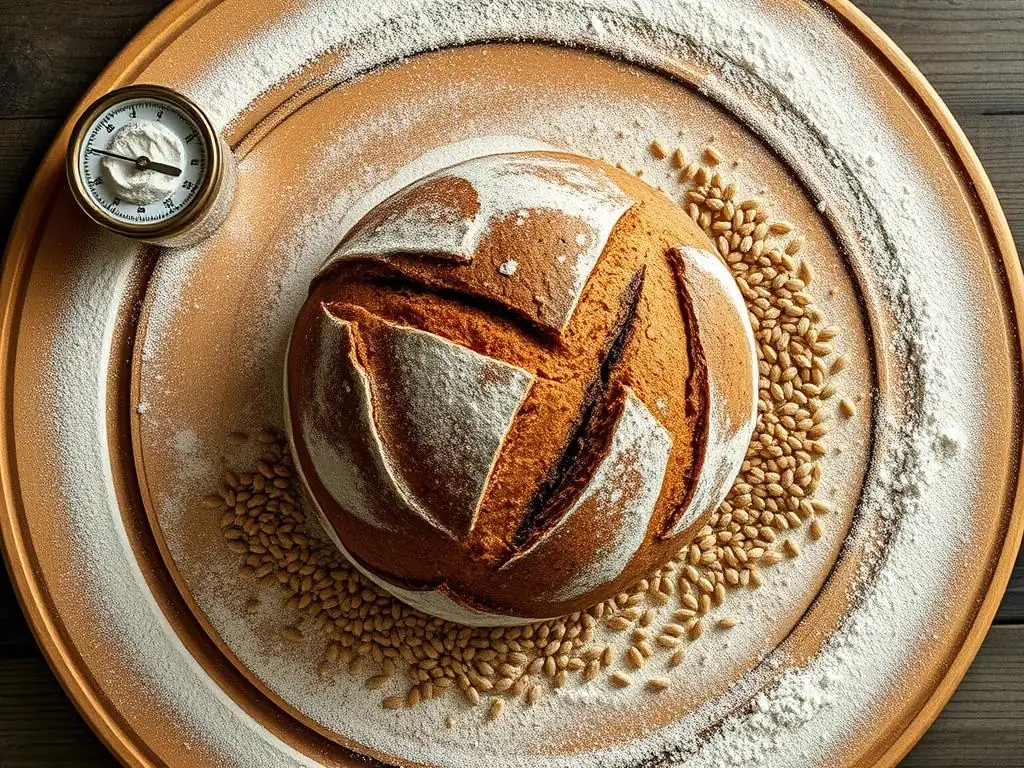
Welcome to BakeWithEase, where baking becomes a joy, not a chore! Ever wondered how to elevate your baking from good to extraordinary? This month we uncover the secrets behind achieving bakery-quality results at home, starting with the most crucial ingredient: artisan flour. Dive into our guide on Artisan flour baking tips and unlock the potential of your creations. Are you ready to transform your dough and discover the difference truly premium flour can make?
- The Art and Science of Choosing the Perfect Artisan Flour for Baking
- Unlock Your Baking Potential: A Guide to Artisan Flours
- Understanding Artisan Flour: Types and Characteristics
- Mastering Artisan Flour Baking Tips: Techniques and Best Practices
- Selecting the Right Flour for Your Baking Project
- Where to Buy Artisan Flour: Online and Local Options
- Conclusion: Embracing the Art and Science of Artisan Flour Baking
-
Frequently Asked Questions
- What exactly is artisan flour, and how does it differ from regular flour?
- Why is choosing the right artisan flour so important for baking?
- Where can I reliably source high-quality artisan flours?
- What are some key factors to consider when selecting an artisan flour for a specific recipe?
- Can I substitute artisan flour for regular all-purpose flour in any recipe?
- Final Reflection: The Enduring Allure of Artisan Flour
- Unleash Your Inner Baker: Elevate Your Baking Today!
The Art and Science of Choosing the Perfect Artisan Flour for Baking
Unlock Your Baking Potential: A Guide to Artisan Flours
Why Artisan Flour Matters: Elevating Your Bread Baking
Choosing the right flour is perhaps the most critical decision a baker makes when aiming for truly exceptional bread. While standard all-purpose flour from the supermarket shelf is perfectly adequate for many recipes, stepping into the world of artisan flour unlocks a new dimension of flavor, texture, and aroma. These flours, often milled from specific grain varieties and sometimes using traditional methods like stone milling, retain more of the grain's natural oils, germ, and bran (depending on the type).
This results in a flour with a richer nutritional profile and, more importantly for the baker, a more complex flavor that translates directly into the final loaf. Think of the difference between a generic white loaf and a rustic sourdough boule with deep, nutty undertones.
The unique characteristics of artisan flour directly impact the baking process and the final product. The protein content, ash content (minerals left after burning), and particle size all play significant roles in how the flour absorbs water, develops gluten, and behaves during fermentation. For instance, a high-extraction artisan flour might have an ash content around 0.8-1.2%, compared to a typical white flour's 0.4-0.5%.
This higher mineral content contributes to both flavor and the flour's ability to absorb water, which is crucial for achieving the desired hydration level in dough. Mastering artisan flour baking tips involves understanding these nuances and how they influence techniques like kneading, proofing, and baking, ultimately leading to superior bread.
Understanding Artisan Flour: Types and Characteristics
Decoding Flour Labels: A Baker's Guide
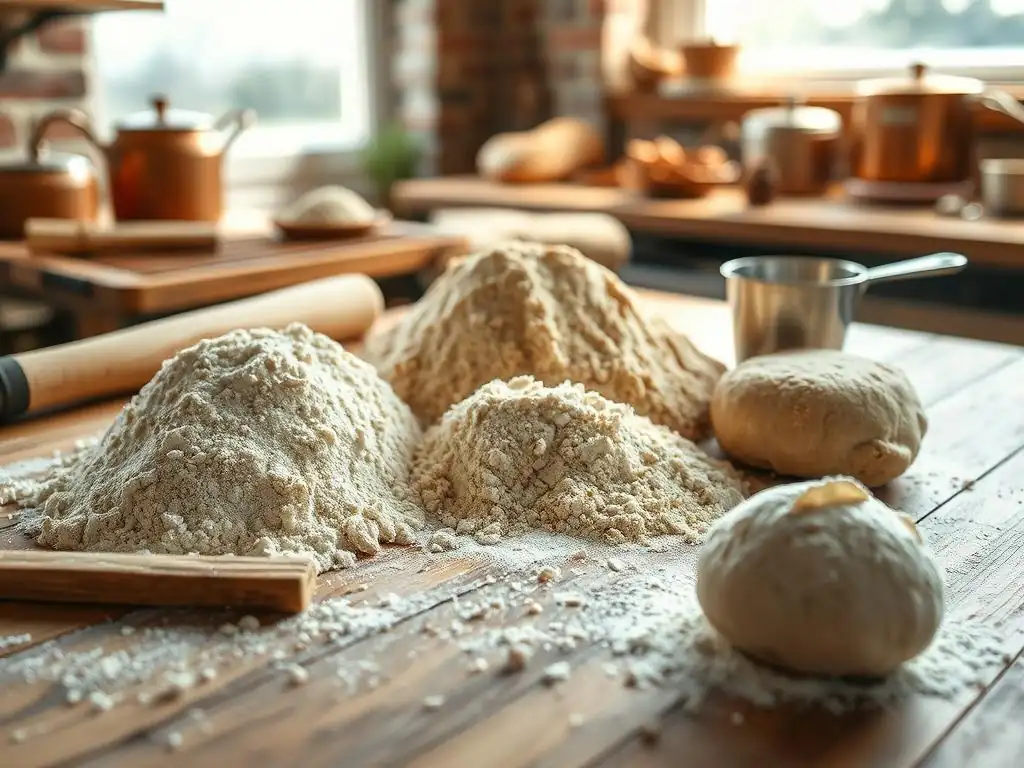
Navigating the world of artisan flour often starts with understanding what the labels actually mean. Unlike the simple "all-purpose" or "bread flour" found in most grocery stores, artisan flours can come with terms like "high extraction," "stone milled," "Type 00," or specific grain names like "Spelt" or "Kamut."
High extraction refers to how much of the grain kernel is included; a higher extraction rate means more of the bran and germ are present, leading to darker flour with more flavor and nutrients, but potentially less predictable gluten development. Stone milling, as opposed to roller milling, is said to produce flour with more varied particle sizes and can retain more nutrients and flavor compounds, though this is a subject of ongoing discussion among millers and bakers.
European flour classifications like "Type 00," "Type 55," or "Type 65" indicate the ash content – a measure of the mineral content. '00' is very low in ash (around 0.4%), resulting in a very fine, white flour often used for pasta or specific Italian breads.
'Type 55' (around 0.55% ash) is closer to a strong all-purpose or weak bread flour, while 'Type 65' (around 0.65% ash) is commonly used for traditional French breads and has a slightly higher mineral content and flavor. Understanding these labels is fundamental to applying effective artisan flour baking tips, as the flour's composition dictates its behavior and suitability for different bread styles.
Types of Artisan Flour for Bread Making: A Comprehensive Overview
-
Whole Wheat Flour:
Whole wheat artisan flour includes the entire wheat kernel – the bran, germ, and endosperm. This gives it a darker color, nuttier flavor, and higher nutritional value compared to white flours. However, the bran and germ can interfere with gluten development, sometimes resulting in a denser loaf. A typical artisan whole wheat might have a protein content ranging from 13-15%, but its gluten structure behaves differently due to the presence of the bran.
When using whole wheat artisan flour, bakers often increase hydration significantly, sometimes up to 85% or even 90%, because the bran absorbs a large amount of water. Proper kneading or stretch-and-folds are essential to encourage gluten development despite the bran's interference. Many artisan flour baking tips for whole wheat involve using a blend with white bread flour (e.g., 50-75% whole wheat) to achieve a better balance of flavor, nutrition, and structure.
-
Rye Flour:
Rye flour is known for its distinct tangy flavor and dense crumb. Unlike wheat, rye has very little gluten-forming protein. Instead, its structure relies on pentosans, water-soluble fibers that become gummy when wet. Rye flour typically has a lower protein content than wheat, often ranging from 7-10%.
Baking with rye requires different artisan flour baking tips. Doughs are often sticky and don't develop elastic gluten networks like wheat doughs. High hydration is common, and long, slow fermentation (often using a rye sourdough starter) is crucial to develop flavor and structure. Pure rye breads (like Pumpernickel) are very dense, while blends with wheat flour (like in a Jewish Rye or Marble Rye) provide a lighter texture while retaining rye's characteristic taste.
-
Spelt Flour:
Spelt is an ancient grain with a slightly sweet, nutty flavor. It contains gluten, but its structure is more fragile than modern wheat gluten. Spelt flour protein content is often similar to or slightly lower than bread flour, perhaps 11-13%.
Artisan flour baking tips for spelt often emphasize gentle handling. Over-kneading can break down the delicate gluten structure, resulting in a sticky, unmanageable dough and a dense crumb. Spelt absorbs water differently than wheat, so hydration levels may need adjustment. It ferments relatively quickly, so careful monitoring during proofing is essential to prevent over-proofing.
-
Kamut Flour:
Kamut, also known as Khorasan wheat, is another ancient grain with a rich, buttery flavor. It has a relatively high protein content, often 12-14%, and develops gluten similarly to modern wheat, though some find its gluten slightly less extensible.
Baking with Kamut artisan flour is often straightforward, similar to using wheat bread flour, though its unique flavor adds complexity. It can be used in blends or as 100% of the flour. Hydration levels are typically similar to those used for wheat. Artisan flour baking tips for Kamut highlight its excellent flavor contribution, making it a great choice for adding richness to sourdoughs or enriched breads.
-
Bread Flour:
Artisan bread flour is specifically milled from hard wheat varieties and has a high protein content, usually ranging from 12% to 14% or even higher. This high protein level is ideal for developing strong gluten networks, which trap gases produced during fermentation, resulting in well-risen loaves with a chewy crumb and sturdy crust.
Using artisan bread flour is fundamental to many classic bread recipes. Its high gluten potential means it can handle rigorous kneading and high hydration levels, making it perfect for crusty baguettes, chewy ciabatta, and robust sourdoughs. Artisan flour baking tips for bread flour often focus on maximizing gluten development through proper mixing and fermentation techniques to achieve optimal oven spring and structure.
-
"00" Flour:
"00" flour is a very finely milled Italian flour, traditionally used for pasta and pizza dough. While its name refers to its grind size (the finest), it often also implies a specific protein range. For pizza dough, a '00' flour might have a protein content of 10-12.5%, balancing extensibility (for stretching) with strength (for structure).
While primarily known for pizza and pasta, certain '00' flours with higher protein can be used for bread, particularly Italian styles like Focaccia or Ciabatta, contributing to a light, airy crumb. Artisan flour baking tips for '00' often involve higher hydration due to its fine texture and potential for long fermentation times, especially for pizza dough, which benefits from developing flavor over 24-72 hours.
-
All-Purpose Flour:
While not always considered an "artisan" flour in the same vein as heritage grains or specific regional blends, some millers produce high-quality, stone-milled, or organic all-purpose flours that qualify. All-purpose flour is a blend of hard and soft wheats, designed for versatility, with a protein content typically ranging from 10% to 12%.
Using a high-quality artisan all-purpose flour can elevate everyday baking. While it has less gluten potential than bread flour, it's suitable for a wide range of breads, especially those that don't require extreme structure like quick breads, rolls, or even some rustic loaves. Artisan flour baking tips when using AP flour often involve slightly lower hydration than bread flour and potentially gentler handling during kneading to avoid tearing the less robust gluten network.
Mastering Artisan Flour Baking Tips: Techniques and Best Practices
Artisan Flour Baking Tips: Achieving the Perfect Dough
Achieving the perfect dough with artisan flour involves understanding its unique properties and adjusting your technique accordingly. Unlike standard flours, artisan varieties often require more careful handling and attention to hydration and gluten development. For instance, a high-extraction whole wheat flour will absorb significantly more water than a refined white flour due to the presence of bran and germ.
If a recipe calls for 65% hydration with white flour, you might need 75-80% or more with a whole wheat artisan flour to achieve a similarly pliable dough consistency. Incorporating techniques like autolyse (mixing flour and water and letting it rest before adding yeast and salt) is a valuable artisan flour baking tip; this allows the flour to fully hydrate and enzymes to begin breaking down proteins, making gluten development easier, especially with less predictable artisan flours.
Furthermore, proper gluten development is key, and the method depends on the flour type. For strong artisan bread flours, vigorous kneading (by hand or mixer) can build a robust network. However, for more delicate flours like spelt or those with high bran content, gentler techniques like stretch-and-folds performed over several hours are often preferred.
A typical schedule might involve 4-6 sets of stretch-and-folds every 30-45 minutes during the initial bulk fermentation. Monitoring the dough's temperature is also crucial; artisan doughs often benefit from cooler fermentation temperatures (around 70-75°F) to allow for slower, more complex flavor development. These specific artisan flour baking tips ensure the dough has the right structure and consistency before heading into proofing and baking.
Troubleshooting Common Baking Problems with Artisan Flour
Baking with artisan flour can sometimes present challenges different from using conventional flour. One common issue is a dense crumb, which can result from insufficient gluten development or improper hydration. If your whole wheat or rye artisan flour loaf is too heavy, it might be because the bran inhibited gluten formation, or you didn't add enough water to fully hydrate the thirsty flour.
Try increasing hydration in your next bake, perhaps by 5-10%, and ensure you are using a technique that encourages gluten strength, such as adding a small percentage of vital wheat gluten or using a longer autolyse period. Another problem can be dough that is too sticky or doesn't hold its shape; this might indicate over-hydration for that specific flour or insufficient gluten development. Reducing hydration slightly or incorporating more folds during bulk fermentation can help.
Another frequent problem is inconsistent fermentation, leading to poor oven spring or a flat loaf. Artisan flours, especially those that are less processed, contain more active enzymes and can ferment faster or slower depending on storage conditions and temperature. Monitoring the dough visually and by feel, rather than strictly adhering to time cues, is a critical artisan flour baking tip.
Look for signs of fermentation like increased volume (usually 50-100% rise during bulk), bubbles on the surface, and a dough that feels airy and slightly jiggly. If fermentation is too slow, a warmer spot can help; if too fast, a cooler environment is needed. Understanding how your specific artisan flour behaves is learned through practice, so keep notes on your results.
The Role of Hydration: Understanding Water Absorption in Artisan Flours
Hydration, the ratio of water to flour by weight, is a cornerstone of artisan bread baking, and it varies significantly depending on the type of artisan flour used. Flours with higher protein content, like strong bread flour (13-14%+ protein), can absorb more water and still form a strong, manageable dough.
Conversely, flours with lower protein or higher amounts of bran and germ, such as whole wheat or rye artisan flour, also require high hydration, but the water is absorbed differently – the bran and germ soak up water like sponges, while the limited gluten absorbs less. This is why a 75% hydration dough made with white bread flour might feel slack and wet, while a 75% hydration dough made with whole wheat might feel relatively stiff.
Mastering hydration is perhaps the most impactful of all artisan flour baking tips. It directly affects the dough's consistency, the development of the gluten network, and ultimately, the texture of the finished bread. A higher hydration generally leads to a more open, airy crumb and a thinner, crispier crust, but it also makes the dough stickier and harder to handle.
Lower hydration results in a denser crumb but a more manageable dough. Bakers often experiment with hydration levels for specific artisan flours, starting with a recommended range (e.g., 60-70% for standard white flour, 75-90% for whole wheat) and adjusting based on the flour's absorption and desired dough feel. Accurately measuring ingredients by weight is essential for controlling hydration precisely.
Fermentation and Flavor: Enhancing Your Bread with Artisan Flour
Fermentation is where much of the magic happens in artisan bread baking, transforming simple ingredients into a complex, flavorful loaf. Artisan flours, particularly those that are stone-milled or high-extraction, contain more natural enzymes and nutrients that yeast and sourdough cultures feed on. This means fermentation can proceed differently than with highly refined flours.
Longer, slower fermentation, often over several hours at room temperature followed by a cold retardation in the refrigerator (12-48 hours), allows enzymes to break down starches into simpler sugars, providing more food for the microbes and producing a wider range of organic acids and alcohols. These compounds are responsible for the depth of flavor and the pleasant tang characteristic of artisan bread, especially sourdough.
The type of artisan flour significantly influences fermentation and flavor development. Rye flour, for example, is naturally rich in enzymes that contribute to a tangy flavor profile and require specific handling during fermentation. Whole wheat flour provides ample nutrients for yeast and bacteria, leading to vigorous fermentation and complex, nutty flavors.
Using a sourdough starter, which is a living culture of wild yeast and lactic acid bacteria, with artisan flour is a powerful artisan flour baking tip for maximizing flavor potential. The starter's microbial activity interacts with the specific compounds in the artisan flour, creating unique flavor profiles that cannot be replicated with commercial yeast alone.
Selecting the Right Flour for Your Baking Project
Matching Flour to Recipe: A Practical Guide
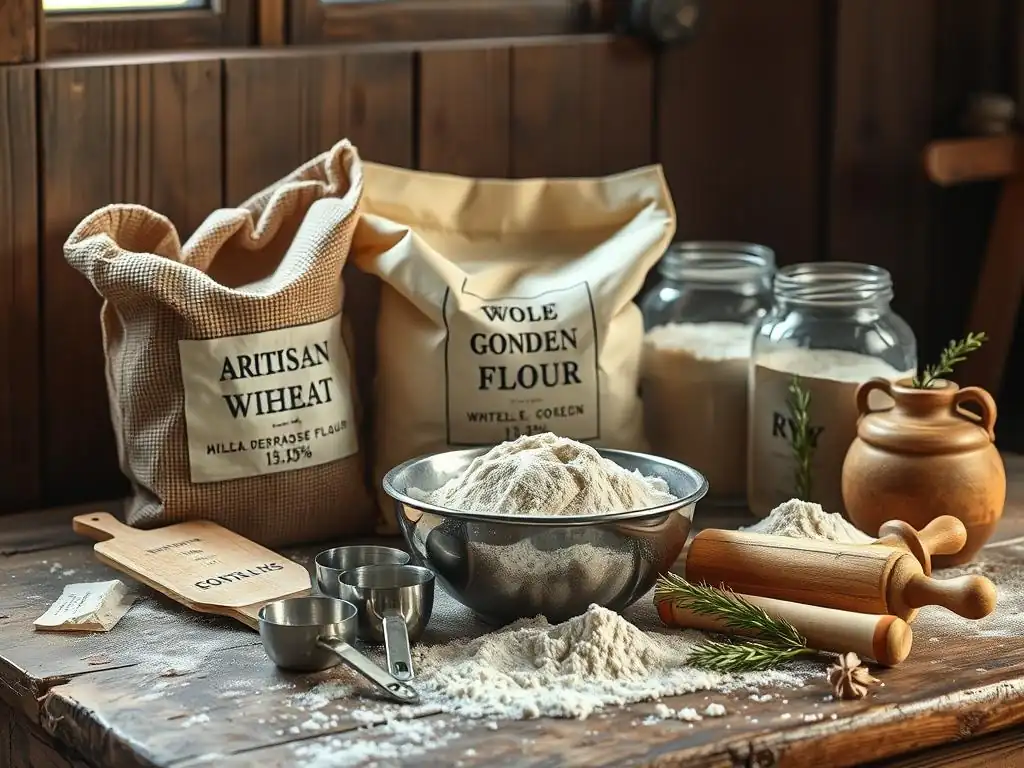
Choosing the correct artisan flour for a specific recipe is fundamental to achieving the desired outcome. A recipe designed for a high-protein bread flour requires that strength to develop a robust gluten structure necessary for a lofty loaf with a chewy crumb. Using a lower-protein flour like all-purpose or a delicate spelt flour would likely result in a flatter, denser bread. Conversely, a recipe for a soft roll or a quick bread might be overwhelmed by the gluten strength of a high-protein bread flour, leading to toughness. Understanding the intended function of the flour within the recipe is key.
For example, if you're making a classic French baguette, an artisan flour labeled "Type 65" or a strong bread flour (11.5-13% protein) is ideal for its ability to produce an open crumb and a crisp crust. For a rustic sourdough boule with some whole grain character, a blend of high-extraction white artisan flour and a portion of whole wheat or rye (e.g., 70% white, 30% whole grain) provides a balance of structure and complex flavor.
Always consider the recipe's goals: is it a light, airy loaf, a dense, flavorful rye, or something in between? Matching the protein content, extraction rate, and grain type of your artisan flour to these goals is a primary artisan flour baking tip.
Case Study: Comparing Artisan Flours in a Sourdough Recipe
Let's consider a simple sourdough recipe using a standard 70% hydration, 20% levain, and 2% salt. We bake three loaves, identical except for the flour:
- Loaf A: 100% White Artisan Bread Flour (approx. 13% protein)
- Loaf B: 70% White Artisan Bread Flour, 30% Whole Wheat Artisan Flour (approx. 13% and 14% protein respectively)
- Loaf C: 90% White Artisan Bread Flour, 10% Dark Rye Artisan Flour (approx. 13% and 8% protein respectively)
Applying consistent artisan flour baking tips for each, such as the same autolyse time and folding schedule: Loaf A would likely exhibit the most open crumb structure and significant oven spring, with a classic tangy sourdough flavor derived primarily from the starter and fermentation. Loaf B, using 30% whole wheat, would require slightly higher hydration (perhaps 73-75%) to achieve a similar dough consistency; it would yield a loaf with a denser but still relatively open crumb, a darker color, and a noticeable nutty, complex flavor from the whole grain.
Loaf C, with just 10% rye, would also need slightly higher hydration (perhaps 72-74%) and would produce a loaf with a slightly tighter crumb than A, a subtle earthy aroma, and a hint of rye's characteristic tang, adding complexity without overwhelming the palate.
This comparison highlights how even small percentages of different artisan flours significantly impact the final bread's texture, appearance, and flavor.
Choosing Artisan Flour: Factors To Consider
-
Recipe Requirements:
The most important factor is the specific needs of your recipe. Does it call for high gluten development, or is a tender crumb desired? Is the recipe designed for a specific grain like rye or spelt? Check the protein content recommended or typically associated with the flour type suggested. A high-protein flour (12.5%+ for bread) is essential for structural loaves like pain au levain or baguettes, while a medium-protein flour (10-12%) might suffice for softer rolls or enriched doughs.
Consider the hydration level the recipe expects or allows for. Flours vary in their absorption rates. If you're substituting an artisan flour, be prepared to adjust the water quantity gradually until the dough feels right, using your hands as a guide, which is a key artisan flour baking tip learned through practice.
-
Taste Preferences:
Artisan flours offer a spectrum of flavors not found in standard flours. Do you prefer a mild, classic sourdough taste, or are you seeking nutty, earthy, or even slightly sweet notes? Whole wheat, rye, spelt, and Kamut all contribute unique flavors. Stone-milled flours often have a more pronounced flavor profile due to the inclusion of more of the grain's components and potentially less heat during milling.
Experimentation is part of the joy of using artisan flour. Try baking the same recipe with different flours or blends to discover your favorites. A blend of white and whole wheat artisan flour (e.g., 80/20 or 70/30) is a popular way to introduce whole grain flavor and nutrition without sacrificing too much structure.
-
Nutritional Value:
While flavor and performance are often the primary drivers for choosing artisan flour, nutritional value is also a significant consideration. Flours that include more of the bran and germ, such as whole wheat, high-extraction, or many stone-milled varieties, are generally higher in fiber, vitamins (like B vitamins), minerals (like iron and zinc), and healthy fats compared to highly refined white flours.
For bakers looking to increase the nutritional profile of their bread, incorporating a percentage of whole grain artisan flour is an excellent strategy. Even adding 10-20% whole wheat or rye artisan flour to a white loaf can significantly boost its fiber and micronutrient content while adding depth of flavor. Balancing the desire for nutrition with the flour's baking properties is a practical application of artisan flour baking tips.
Where to Buy Artisan Flour: Online and Local Options
Finding Quality Artisan Flour: A Retailer Roundup
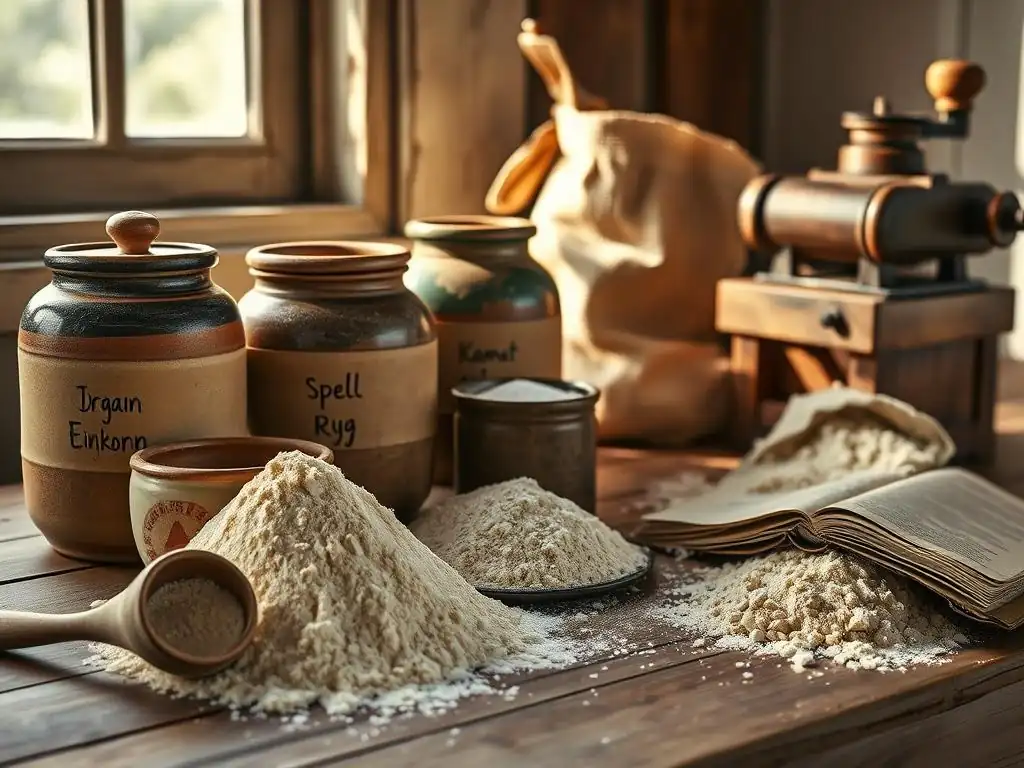
Finding high-quality artisan flour might require looking beyond the standard supermarket aisle. Dedicated baking supply stores, health food stores, and specialty grocers are excellent places to start. These retailers often carry a curated selection of flours from regional or national artisan mills, offering varieties like organic whole wheat, stone-milled rye, or heritage grain flours like Einkorn or Emmer. Prices for artisan flour are typically higher than conventional flour, ranging from $4-$10+ per pound, depending on the grain, milling process, and source, reflecting the quality and often smaller-scale production.
Online retailers specializing in baking ingredients provide access to an even wider array of artisan flours from mills across the country or internationally. Websites dedicated to baking supplies, direct-to-consumer mill websites, and even large online marketplaces feature numerous options. When buying online, look for details about the milling process (e.g., stone-milled), the grain source (e.g., specific farms or regions), and protein/ash content information if available. Reading reviews from other bakers can also provide valuable insights into the flour's performance and suitability for different artisan flour baking tips and techniques.
[Local Bakeries] Case Study: How Local Bakeries Use Artisan Flour
Local artisan bakeries are often pioneers in using high-quality artisan flours and provide a tangible example of their impact. Many successful neighborhood bakeries forge direct relationships with regional farmers and millers, sourcing grains that are grown locally or sustainably. For instance, a bakery in the Midwest might partner with a farmer growing heirloom wheat varieties like Turkey Red or Marquis and work with a local stone mill to produce flour with specific characteristics desired for their signature loaves. This allows them control over the flour's freshness, grind, and composition.
These bakeries utilize artisan flour baking tips honed over years of practice. They understand how slight variations in the flour's protein or ash content affect dough hydration and fermentation times. They might use a specific high-extraction artisan flour for their country loaves to achieve a rustic appearance and complex flavor, while reserving a finer, lower-ash flour for delicate pastries. Their success is a testament to the power of quality ingredients, demonstrating how choosing the right artisan flour is not just about following a recipe, but about building flavor and structure from the ground up.
Conclusion: Embracing the Art and Science of Artisan Flour Baking
The Future of Artisan Baking: Trends and Innovations
The world of artisan baking is constantly evolving, driven by renewed interest in traditional methods, local food systems, and unique flavors. One significant trend is the resurgence of heritage grains – ancient wheat varieties like Einkorn, Emmer, and Khorasan (Kamut), as well as other grains like spelt and rye.
Bakers are increasingly exploring these grains not just for their historical significance but for their distinct flavors, nutritional profiles, and baking properties. This push towards diverse grains means more types of artisan flour are becoming available, challenging bakers to adapt their artisan flour baking tips to work with these less common varieties, which often behave differently than modern wheat.
Another trend is the growing focus on the milling process itself. More small-scale, regional mills are emerging, often using traditional stone mills, which are believed to produce more flavorful and nutrient-dense flours compared to large-scale roller milling.
There's also increasing transparency about sourcing, with millers and bakers highlighting the farms where the grain was grown. As bakers continue to experiment with varying hydration levels, fermentation times, and shaping techniques, the availability of a wider range of high-quality artisan flours fuels innovation, pushing the boundaries of what's possible in home and professional baking and enriching the practice of artisan flour baking tips.
Frequently Asked Questions
What exactly is artisan flour, and how does it differ from regular flour?
Artisan flour refers to flour milled using traditional methods, often from heritage wheat varieties. It differs from regular flour in its flavor profile and nutrient content due to less processing.
Why is choosing the right artisan flour so important for baking?
Selecting the correct artisan flour can significantly impact the texture and flavor of your baked goods. Different flours possess varying protein levels, affecting the gluten development and final result.
Where can I reliably source high-quality artisan flours?
Good places to source artisan flours include local mills, specialty baking supply stores, and reputable online retailers dedicated to baking ingredients.
What are some key factors to consider when selecting an artisan flour for a specific recipe?
Consider the recipe's requirements for gluten development, flavor, and structure. Match the flour's protein content and grind to the desired outcome, such as a chewy bread or delicate pastry.
Can I substitute artisan flour for regular all-purpose flour in any recipe?
While possible, substitutions may require adjustments. Artisan flours often have different absorption rates, so you might need to modify the liquid content in your recipe for optimal results.
Final Reflection: The Enduring Allure of Artisan Flour
The pursuit of the perfect loaf, it turns out, begins long before the first knead. This journey into the world of artisan flours reveals not just a nuanced understanding of baking ingredients, but a deeper appreciation for the artistry and science behind creating truly exceptional bread. The subtle differences in protein content, mineral composition, and even the milling process profoundly impact the final product, transforming a simple loaf into a testament to craftsmanship.
The impact of artisan flour extends far beyond the kitchen table; it represents a connection to tradition, a respect for the land, and a commitment to quality that resonates deeply. It's a movement that celebrates the slow, deliberate process of food production, a stark contrast to the speed and efficiency of mass-produced goods. The best things in life are worth waiting for,
a sentiment perfectly encapsulates the rewarding experience of baking with artisan flour. This isn't just about following a recipe; it's about understanding the ingredients, appreciating their origins, and embracing the imperfections that often lead to the most unique and satisfying results.
Now, consider your own baking journey. What flour have you used? What have you learned about the process? I encourage you to explore the diverse world of artisan flours, experiment with different varieties, and discover the unique character each one brings to your baking. Don't be afraid to embrace the challenges and celebrate the triumphs – the perfect loaf is a journey, not a destination, and each step along the way is a lesson in itself. The reward? A deeper connection to your food, a heightened appreciation for the craft, and, of course, incredibly delicious bread.
Unleash Your Inner Baker: Elevate Your Baking Today!
Thanks for taking the time to explore the wonderful world of artisan flours with us! You've now gained the knowledge to transform your baking from ordinary to extraordinary. Ready to put your newfound expertise into action?
- Bake a masterpiece! Try a recipe using one of the flours discussed – the results will speak for themselves. Start with a simple bread or your favorite cookie recipe and see the difference artisan flour makes.
- Share your baking journey! Tell us about your experience on our social media channels – we’d love to see your creations and hear your thoughts!
- Explore the many uses of this flour! Dive into our recipe archive to find even more inspiring ideas to put your knowledge to use.
What unique flavor or texture will you create with your new artisan flour knowledge?