
The Science of Flour: How Different Grains Behave When Baked

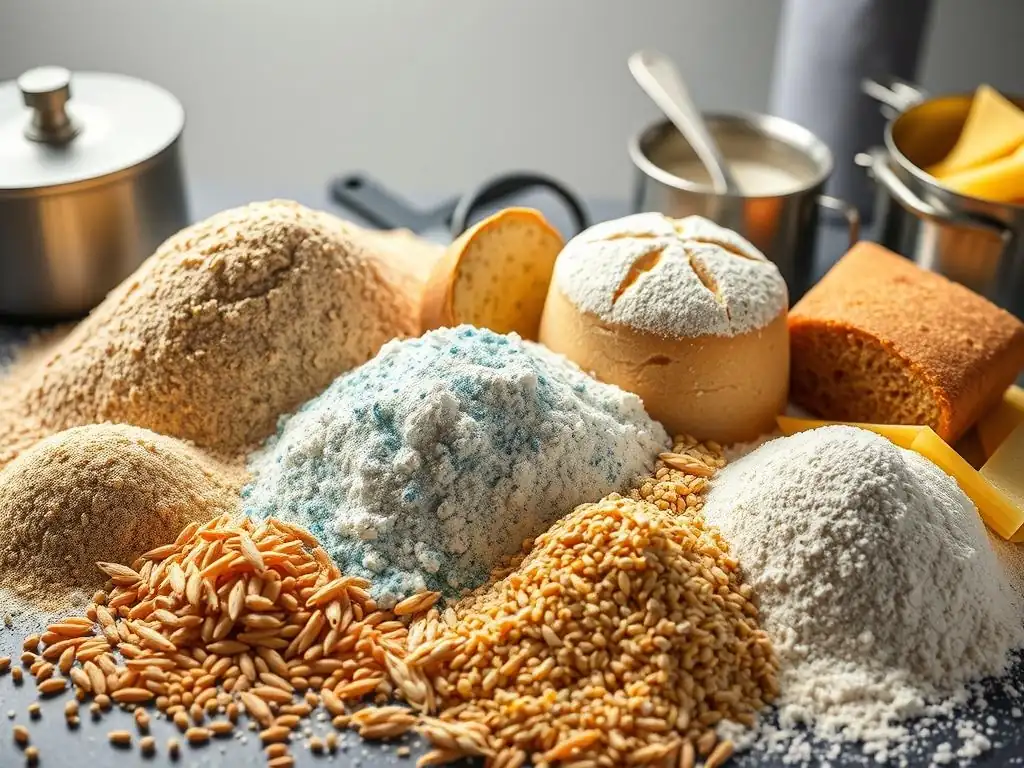
Welcome to BakeWithEase, your kitchen companion for unlocking baking brilliance! Ever wondered how a simple ingredient like flour can drastically change your baked goods? This week, we dive deep into the science of flour, exploring how different grains behave under heat and pressure. Discover the secrets behind achieving that perfect rise, texture, and flavor – and prepare to elevate your baking game! Ready to unravel the mysteries? Let's get started...
- Understanding Flour Types for Baking: An Introduction
- Wheat Flour: The Baking Staple
- Exploring Gluten-Free Flour Options
- The Role of Gluten in Baking
- Beyond Wheat and Gluten-Free: Other Flour Varieties
- Flour Storage and Handling for Optimal Baking Results
- Mastering the Science of Flour for Baking Success
-
Frequently Asked Questions
- What is the fundamental difference between different types of flour when it comes to baking?
- How does the gluten content in flour affect the final product of a baked good?
- Which type of flour is best suited for baking delicate pastries, and why?
- Can I substitute different types of flour in a recipe, and what adjustments might I need to make?
- How does the "Science of Flour" resource on BakeWithEase.com help bakers improve their baking skills?
- Final Reflection: The Ever-Evolving World of Flour
- Unleash Your Inner Baker: Master Flour's Secrets!
Understanding Flour Types for Baking: An Introduction
Why Flour Choice Matters in Baking
The foundation of most baked goods lies in flour, and understanding the science behind different flour types is crucial for achieving desired results. Just as a chef selects specific cuts of meat for different dishes, a baker must choose the right flour for cakes, breads, cookies, and pastries.
The type of grain, how it's milled, and its composition directly impact the texture, structure, and flavor of the final product. Using cake flour for crusty bread or bread flour for delicate cookies, for instance, would likely lead to disappointing outcomes due to fundamental differences in how these flours behave when mixed with liquids and exposed to heat.
Selecting the correct flour type is a key aspect of mastering the science of baking. It influences everything from how dough rises to how a crumb holds together. For example, a high-protein flour develops a strong gluten network necessary for chewy bread, while a low-protein flour results in a tender crumb ideal for cakes. Recognizing these differences and knowing which flour to reach for is a fundamental skill for any baker looking to elevate their craft and consistently produce delicious results.
Flour Composition and Baking Performance
Flour, regardless of the grain source, is primarily composed of carbohydrates (mostly starch), protein, and a small amount of fat, moisture, and minerals. However, the proportion and type of protein are particularly significant in baking, especially for wheat flours. Wheat contains proteins like glutenin and gliadin, which, when hydrated and worked, form gluten – a complex network that provides structure and elasticity to dough and batter. The percentage of protein in wheat flour typically ranges from about 5% in some cake flours up to 15% or more in high-gluten flours.
The starch in flour also plays a vital role. During baking, starch granules absorb moisture and swell, contributing to the structure and volume. Enzymes present in flour, like amylase, break down some of the starch into sugars, which feed yeast (in yeasted goods) and contribute to crust browning and flavor development through the Maillard reaction. Understanding this basic composition helps explain why different flour types yield such varied results in the oven and is central to the science of flour types in baking.
Wheat Flour: The Baking Staple
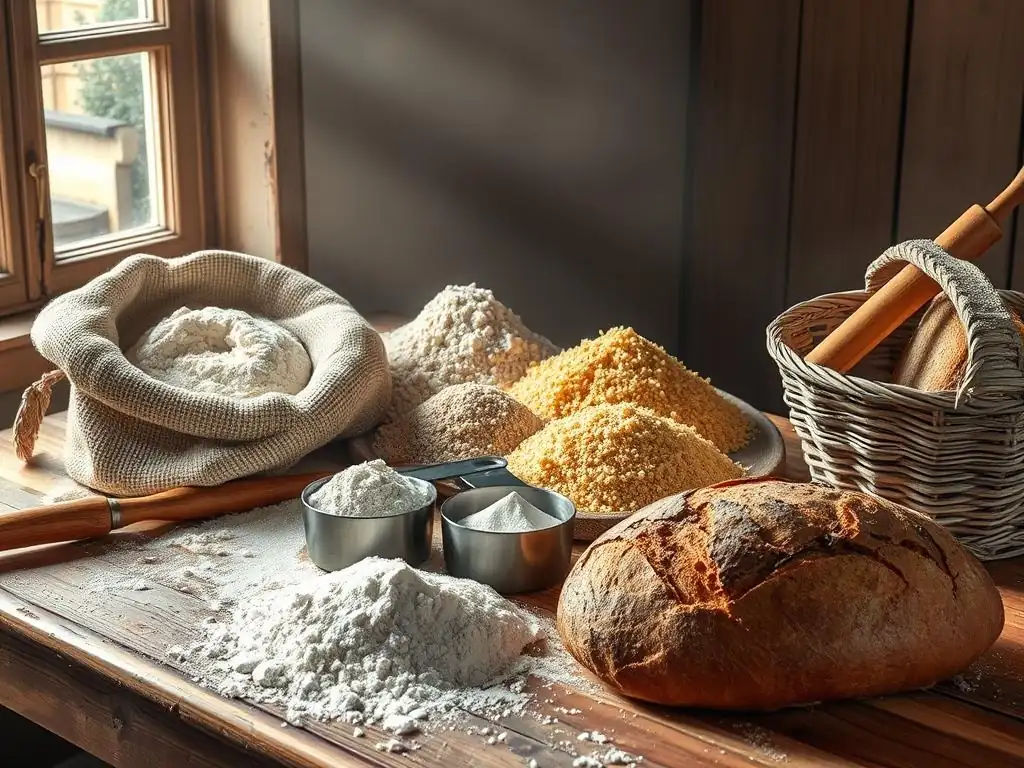
All-Purpose Flour: Versatility in Baking
All-purpose flour, often labeled simply "AP flour," is the most widely used type in home baking due to its balanced characteristics. It is typically milled from a blend of hard and soft wheat varieties, resulting in a moderate protein content, usually between 10% and 12%. This protein level allows it to develop enough gluten for structure in breads and rolls while remaining low enough for tenderness in cakes, cookies, and pastries. Its versatility makes it a pantry essential for many different flour types baking science applications.
This flour's moderate protein means it's capable of developing a decent gluten network when kneaded, providing some chewiness and structure, but not to the extent of bread flour. Conversely, its protein isn't so low that it fails to hold together in recipes requiring some stability. While it might not produce the absolute chewiest bread or the most delicate cake compared to specialized flours, it performs adequately across a wide range of recipes, making it a reliable choice for everyday baking tasks.
Protein Content and Gluten Development in All-Purpose Flour
All-purpose flour's protein content, typically 10-12%, is the sweet spot that gives it its name – it works for all purposes, or at least most common ones. When AP flour is mixed with water and agitated (stirred, mixed, or kneaded), the glutenin and gliadin proteins link together to form gluten. The amount of gluten development is directly related to the amount of protein present and the degree of manipulation. More mixing or kneading encourages more gluten formation, resulting in a stronger, more elastic dough.
For recipes like muffins or quick breads where minimal mixing is desired to keep them tender, the moderate protein in all-purpose flour develops just enough gluten to provide structure without becoming tough. For recipes like yeast bread or pizza dough, more extensive kneading helps develop a stronger gluten network, trapping the gases produced by yeast and allowing the dough to rise significantly and hold its shape during baking, resulting in a chewier texture. This adaptability highlights its utility in various flour types baking science applications.
Best Uses for All-Purpose Flour
All-purpose flour is the workhorse of the kitchen and is suitable for a vast array of baked goods. It's commonly used for:
- Cookies: Provides a good balance of spread and chewiness.
- Muffins and Quick Breads: Creates a tender crumb with sufficient structure.
- Cakes: Works well for many standard cake recipes, though specialized cake flour yields a finer crumb.
- Pancakes and Waffles: Delivers a light and fluffy texture.
- Pie Crusts: Can create a flaky crust, though pastry flour is often preferred for maximum flakiness.
- Biscuits and Scones: Results in tender layers.
- Certain Breads: Suitable for some rustic or no-knead breads where intense gluten development isn't paramount.
Using all-purpose flour simplifies baking for beginners and experienced home bakers alike, offering reliable results across a broad spectrum of recipes. It's the default flour unless a recipe specifically calls for a different type, making understanding its properties fundamental to flour types baking science.
Bread Flour: Strength and Structure
Bread flour is milled primarily from hard wheat varieties and boasts a higher protein content than all-purpose flour, typically ranging from 12% to 14%. This elevated protein level is specifically engineered for optimal gluten development, which is essential for creating the characteristic chewy texture and open crumb structure found in many types of bread. The strength of the gluten network allows the dough to trap carbon dioxide gas produced by yeast fermentation, enabling significant rise and providing structural integrity during baking.
The higher protein content in bread flour also means it absorbs more liquid than all-purpose flour. This is an important consideration when substituting flours in a recipe, as you may need to adjust the hydration level. The robust gluten structure developed by bread flour provides the necessary elasticity and extensibility for kneading, shaping, and achieving a good oven spring (the final burst of rising that occurs when dough is placed in a hot oven). This makes it the preferred choice for serious bread bakers focusing on flour types baking science for superior results.
High Gluten Content for Chewy Breads
The defining characteristic of bread flour is its high gluten-forming protein content. When kneaded, these proteins form a strong, elastic network that can stretch and expand without tearing. This elasticity is what allows bread dough to be shaped and stretched, and it's crucial for trapping the gases that make bread light and airy. A strong gluten network provides the framework that prevents the bread from collapsing during proofing and baking.
Consider a classic sourdough loaf or a chewy baguette. Achieving that signature texture requires a flour capable of developing significant gluten. Bread flour provides the necessary protein building blocks for this robust structure. While you can make bread with all-purpose flour, it generally won't have the same level of chewiness, volume, or open crumb structure as bread made with flour specifically designed for the task. This highlights the importance of flour selection in the science of baking bread.
Applications for Bread Flour
As the name suggests, bread flour is primarily used for baking a wide variety of breads, including:
- Artisan loaves (e.g., sourdough, ciabatta, baguettes)
- Sandwich loaves
- Pizza dough
- Bagels
- Pretzels
- Yeast rolls
It is also sometimes used in recipes like pasta or certain pastries that benefit from a bit more chewiness or structure. For example, some brioche recipes might incorporate a portion of bread flour. However, its high gluten makes it less suitable for delicate items like cakes or tender cookies, where excessive chewiness is undesirable. Understanding these specific applications is key to leveraging bread flour effectively in flour types baking science.
Cake Flour: Softness and Tenderness
Cake flour is milled from soft wheat and has the lowest protein content among wheat flours, typically ranging from 5% to 8%. This low protein level results in minimal gluten development, which is exactly what is needed to achieve a tender, delicate, and fine-crumbed cake. Cake flour is also often bleached, a process that further weakens proteins and changes the starch structure, allowing it to absorb more liquid and sugar. This results in a moister cake with a lighter texture and brighter color.
The fine milling of cake flour also contributes to its properties. It has a silky, powdery feel compared to the slightly coarser texture of all-purpose or bread flour. This fine texture, combined with low protein and often bleaching, makes it uniquely suited for baked goods where a tender crumb is paramount. Using cake flour is a fundamental technique in the science of baking for achieving optimal cake texture.
Low Protein Content for Delicate Crumb
The low protein content (5-8%) of cake flour means that when mixed with liquid, very little gluten network is formed, even with significant mixing. This lack of strong gluten allows the cake to have a very soft, fine, and crumbly texture rather than a chewy or elastic one. The structure of a cake made with cake flour relies more heavily on the leavening (baking powder or soda, or whipped eggs) and the support provided by fat and sugar, rather than a robust gluten network.
Consider a classic angel food cake or a delicate sponge cake. These recipes depend on minimal structure from flour proteins and maximum support from aerated eggs. Using a higher-protein flour like all-purpose would result in a tougher, less airy cake with a coarser crumb. The low protein of cake flour is the key ingredient science factor enabling these light and tender results, demonstrating a specific application of flour types baking science.
When to Use Cake Flour in Baking
Cake flour is the ideal choice for baked goods where a very tender, fine, and soft crumb is desired. Its primary uses include:
- Cakes (especially sponge cakes, angel food cakes, chiffon cakes, and delicate layer cakes)
- Cupcakes
- Some muffins and quick breads where extreme tenderness is sought
- Certain types of cookies (though less common than AP flour)
While you can sometimes substitute all-purpose flour for cake flour by reducing the amount per cup and adding cornstarch (a common approximation is 1 cup AP flour minus 2 tablespoons, plus 2 tablespoons cornstarch), using true cake flour will generally yield superior results in recipes specifically developed for it. Its unique properties make it essential for certain flour types baking science goals.
Pastry Flour: Flaky Crusts and Tender Treats
Pastry flour strikes a balance between all-purpose and cake flour in terms of protein content, typically falling in the range of 8% to 9.5%. Like cake flour, it is milled from soft wheat, giving it a fine texture. This medium protein level allows for some gluten development, providing enough structure to hold baked goods together, but not so much that it results in toughness or excessive chewiness. It's the go-to flour for achieving that perfect balance of flakiness and tenderness in pastries.
The protein content in pastry flour is ideal for creating tender pie crusts, biscuits, scones, and certain cookies. It allows for enough gluten development to create distinct layers when fat is incorporated and folded (as in puff pastry or pie dough), leading to flakiness, while keeping the overall texture tender and crumbly rather than tough or bread-like. Understanding this balance is key to mastering the science of baking pastry.
Medium Protein Content for Balanced Results
Pastry flour's protein content (8-9.5%) is higher than cake flour but lower than all-purpose flour. This moderate level facilitates just enough gluten formation to give structure to delicate baked goods without making them tough. For applications like pie crusts, the goal is limited gluten development.
The fat (like butter or shortening) coats the flour particles, inhibiting gluten formation. Pastry flour's lower protein content makes this inhibition easier to achieve, resulting in a more tender and flaky crust compared to using all-purpose flour, where the higher protein is more likely to form a strong, undesirable gluten network in a pie crust.
In scones or biscuits, pastry flour provides enough structure to rise and hold their shape but keeps the interior crumb soft and tender. Using bread flour, for instance, would result in a tough, chewy biscuit, while cake flour might not provide enough structure, leading to a crumbly mess. Pastry flour hits the sweet spot for these applications, showcasing its specific role in flour types baking science.
Ideal Uses for Pastry Flour
Pastry flour is specifically designed for baked goods where a tender and/or flaky texture is paramount. Its primary applications include:
- Pie Crusts: Creates the flakiest, most tender crusts.
- Biscuits and Scones: Yields a soft, layered interior.
- Tarts and Quiches: Excellent for tender crusts.
- Certain Cookies: Can produce a more tender cookie than all-purpose flour.
- Some Muffins and Quick Breads: Can be used for a softer result than AP flour.
While you can sometimes get acceptable results using all-purpose flour in these recipes, pastry flour is the preferred choice for achieving optimal texture, particularly in pie crusts and delicate pastries. It's a specialized tool in the baker's arsenal, highlighting the nuances of flour types baking science.
Exploring Gluten-Free Flour Options
Almond Flour: A Nutty Alternative
Almond flour is made from ground, blanched almonds. It's a popular gluten-free alternative, prized for its moistness, rich flavor, and nutrient density (high in protein and healthy fats). Because it lacks gluten, it behaves very differently from wheat flour. It doesn't provide the same elastic structure, so baked goods made solely with almond flour often require additional binders like eggs, xanthan gum, or psyllium husk to hold them together.
The high fat content of almond flour contributes to moistness but can also cause baked goods to spread more and brown faster than those made with wheat flour. It's relatively low in carbohydrates compared to many grain-based flours, making it popular in low-carb and keto baking. Its unique properties require specific adjustments in recipes, which is a key part of understanding gluten-free flour types baking science.
Baking with Almond Flour: Tips and Tricks
Baking with almond flour presents unique challenges and opportunities. Due to its lack of gluten, recipes often compensate by increasing the number of eggs, which provide structure and binding. For instance, a standard wheat flour muffin recipe might use one or two eggs, while an almond flour version might require three or four. Adding binders like xanthan gum (typically 1/4 to 1/2 teaspoon per cup of flour in cakes/muffins, slightly more in breads) helps improve the structure and prevent crumbling.
Almond flour also browns quickly due to its fat content. It's often recommended to bake at slightly lower temperatures (e.g., 325-350°F or 160-175°C) and potentially cover the baked goods with foil towards the end to prevent over-browning. Because it's denser than wheat flour, baked goods made with almond flour tend to be a bit flatter and denser unless leavening and binding are carefully balanced. Understanding these nuances is crucial for successful gluten-free flour types baking science.
Almond Flour Recipes
Almond flour is versatile in the gluten-free kitchen and is commonly used in recipes such as:
- Macarons: A classic application, yielding delicate shells.
- Financiers and other moist, rich cakes.
- Cookies: Produces soft, slightly chewy cookies.
- Muffins and Quick Breads: Results in moist, dense textures.
- Pie Crusts: Creates a tender, crumbly crust.
- Bread: Often used in combination with other flours for gluten-free bread.
It's important to note that "almond flour" and "almond meal" are slightly different; flour is typically made from blanched almonds (skins removed) and is more finely ground, while meal includes the skins and is coarser. For recipes requiring a fine texture, like macarons, almond flour is essential.
Coconut Flour: High Fiber and Absorbency
Coconut flour is made from dried, defatted coconut meat that has been ground into a fine powder. It is extremely high in dietary fiber and very low in digestible carbohydrates. Unlike most flours, it is incredibly absorbent, acting like a sponge. This high absorbency means you need significantly less coconut flour compared to wheat or almond flour in a recipe, and it requires a large amount of liquid and eggs to compensate for its drying effect and lack of gluten structure.
A little coconut flour goes a long way; substituting it 1:1 for wheat flour will result in a dry, dense, and crumbly disaster. A general rule of thumb is to use about 1/4 to 1/3 cup of coconut flour for every cup of wheat flour called for in a recipe, while also increasing the number of eggs and liquid. This unique behavior makes it a challenging but rewarding flour to work with in gluten-free flour types baking science.
Understanding Coconut Flour's Unique Properties
Coconut flour's high fiber content is responsible for its extreme absorbency. The fibers soak up liquids, which is why recipes require so much moisture. This absorbency also contributes to its binding properties, but it doesn't provide the elasticity or structure that gluten offers. Eggs are particularly important when baking with coconut flour, serving as a primary binder and source of structure and moisture. A recipe might call for 4-6 eggs per half cup of coconut flour.
Because it's so absorbent and lacks gluten, coconut flour baked goods tend to be denser and don't rise as much as wheat-based or even almond flour goods. The texture can be slightly grainy or fibrous if not properly hydrated. Its distinct coconut flavor is noticeable, which can be a pro or con depending on the recipe. Mastering its hydration needs is key to successful gluten-free flour types baking science with coconut flour.
Coconut Flour Baking Guide
Baking with coconut flour requires a specific approach. Always weigh coconut flour for accuracy, as its absorbency can vary based on how packed it is. Be prepared to use a lot of eggs and liquid (like milk, water, or yogurt). Don't try to knead coconut flour dough like wheat dough; it won't develop gluten and will just become a paste or crumble. Mix until just combined.
Common uses for coconut flour include:
- Muffins and quick breads (often resulting in dense, moist loaves)
- Pancakes
- Cookies (can produce softer, slightly crumbly cookies)
- As a thickener in sauces or gravies
- Small amounts in combination with other gluten-free flours in blends
It's best to start with recipes specifically developed for coconut flour rather than trying to convert wheat flour recipes directly, as the ratios of wet to dry ingredients are drastically different.
Rice Flour: Neutral Flavor and Texture
Rice flour is a staple gluten-free flour made from finely milled rice. It has a relatively neutral flavor, making it a versatile base for many gluten-free baking mixes. It comes in two main varieties: white rice flour and brown rice flour, each with slightly different properties influenced by the part of the rice grain used. Rice flour alone tends to produce baked goods that are somewhat crumbly or gritty due to its lack of gluten and the nature of rice starch.
To counteract the crumbliness and improve texture, rice flour is frequently combined with other gluten-free flours and starches (like tapioca starch, potato starch, or cornstarch) and binders (like xanthan gum) to create a balanced gluten-free blend that mimics the properties of wheat flour. This blending is a common practice in gluten-free flour types baking science.
White Rice Flour vs. Brown Rice Flour
White rice flour is made from polished rice kernels (with the bran and germ removed) and is more finely ground than brown rice flour. It has a delicate texture and a very neutral flavor, making it suitable for light-colored baked goods where a subtle taste is desired. Baked goods made with white rice flour can sometimes have a slightly gritty texture if not combined with other flours/starches or if the recipe isn't properly balanced.
Brown rice flour is made from whole grain rice, including the bran. This gives it a higher nutritional content, more fiber, a slightly nutty flavor, and a denser texture compared to white rice flour. It also tends to absorb more liquid. While it contributes valuable nutrients and flavor, it can make baked goods denser and potentially more crumbly if used in large quantities without other flours or binders. The choice between them depends on the desired flavor, texture, and nutritional profile in gluten-free flour types baking science.
Using Rice Flour in Gluten-Free Blends
Rice flour is rarely used alone in gluten-free baking (except perhaps for dusting or specific cultural applications like mochi). It is a foundational component of many commercially available and homemade gluten-free flour blends. A common ratio for a basic gluten-free blend might be 60% rice flour (white or brown), 20% starch (like tapioca or potato starch), and 20% other gluten-free flour (like sorghum or millet). Xanthan gum or guar gum is often added to these blends to provide binding and elasticity that gluten would normally provide.
For instance, a simple gluten-free all-purpose blend might contain 1 cup white rice flour, 1/2 cup brown rice flour, 1/2 cup tapioca starch, and 1/4 cup potato starch, plus 1-2 teaspoons xanthan gum per 2.5 cups of the mix. Using such a blend allows bakers to substitute it more easily into traditional wheat flour recipes (often on a cup-for-cup basis, though adjustments may still be needed), making gluten-free baking more accessible.
Other Gluten-Free Flours: Sorghum Flour, Potato Starch
Beyond the more common almond, coconut, and rice flours, a wide variety of other gluten-free flours and starches are used in baking. Sorghum flour, milled from the ancient grain sorghum, is one such option gaining popularity. Potato starch, derived from potatoes, is another important component, though it functions more as a thickener and tenderizer than a primary flour. Exploring these options expands the possibilities in gluten-free flour types baking science.
Other notable gluten-free options include oat flour (ensure certified gluten-free if necessary), millet flour, teff flour, buckwheat flour (though often treated as a grain, it's botanically a pseudocereal and gluten-free), and various starches like cornstarch and arrowroot starch. Each brings unique flavors, textures, and properties to baked goods, requiring careful consideration when developing or adapting recipes.
Sorghum Flour: Mild Flavor and Versatile Use
Sorghum flour is made from the whole grain sorghum. It has a mild, slightly sweet flavor and a smooth texture, making it a good neutral base in gluten-free blends. It's higher in protein and fiber compared to rice flour and provides a slightly more tender crumb. Sorghum flour works well in muffins, cookies, quick breads, and even some yeast bread recipes when combined with other flours and binders.
Because it's a whole grain flour, it adds nutritional value to baked goods. It doesn't have the strong or distinct flavor of some other gluten-free flours like buckwheat or teff, making it a versatile component in gluten-free flour types baking science formulations aimed at mimicking wheat flour. It's often used in blends at around 15-25% of the total flour mix.
Potato Starch: Binding Agent and Light Texture
Potato starch is a fine, white, powdery starch extracted from potatoes. It is distinct from potato flour, which is made from the whole potato. Potato starch is primarily used as a thickener in sauces and gravies, but in baking, it serves as a binder and contributes to a light, tender texture. It helps absorb moisture and provides structure in gluten-free baked goods, preventing them from being too crumbly.
Potato starch is often included in gluten-free flour blends, typically making up about 10-20% of the mix. It doesn't add much flavor but helps improve the overall structure and mouthfeel, counteracting the potential grittiness of rice flour or denseness of other flours. It's a valuable tool in the gluten-free baker's toolkit for achieving desirable texture in flour types baking science applications.
The Role of Gluten in Baking
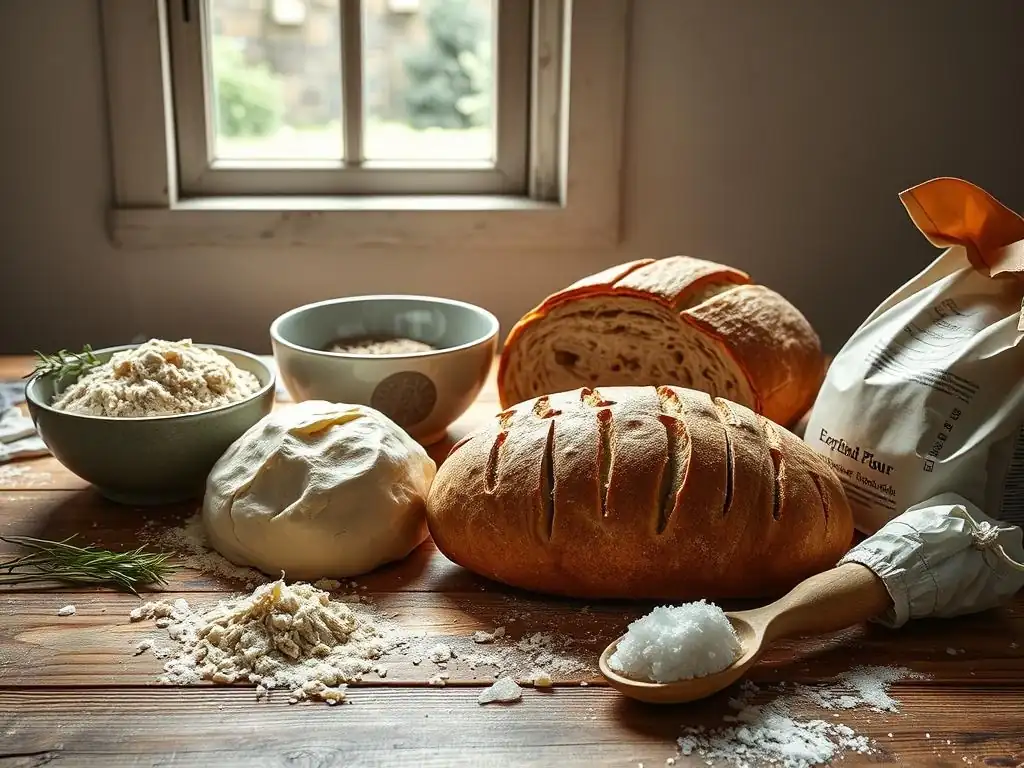
Gluten Formation: Mixing and Kneading
Gluten is a complex protein structure formed when two proteins found in wheat, rye, and barley (glutenin and gliadin) are hydrated and worked. Glutenin provides elasticity, allowing dough to spring back, while gliadin provides extensibility, allowing dough to stretch without breaking. When flour is mixed with liquid, these proteins begin to link together. The mechanical action of mixing, stirring, or kneading further develops these links, aligning the protein chains and forming a strong, elastic, web-like network – the gluten matrix.
The more a dough is mixed or kneaded, the more developed the gluten becomes. For example, a quick muffin batter is mixed minimally, resulting in very little gluten development for a tender crumb. Bread dough, conversely, is kneaded for several minutes (by hand or machine), encouraging extensive gluten development to create the strong, elastic dough necessary for rising and structure. Understanding this process is fundamental to flour types baking science when working with gluten-containing grains.
How Gluten Affects Texture and Structure
The gluten network is the primary structural component in most wheat-based baked goods. In yeast breads, the elastic gluten network traps the carbon dioxide gas produced by yeast fermentation, causing the dough to rise. During baking, this network sets, creating the characteristic airy, open crumb structure. A well-developed gluten network gives bread its chewiness and ability to hold its shape.
In cakes and pastries, less gluten development is desired for tenderness. The minimal gluten structure still helps hold the baked good together, but it doesn't provide the same level of elasticity or chewiness as in bread. The degree of gluten development, controlled by the type of flour used and the mixing method, is a critical factor determining the final texture – from the airy chew of ciabatta to the delicate crumb of a pound cake. This is a core principle of flour types baking science.
Controlling Gluten Development in Different Recipes
Bakers control gluten development based on the desired outcome. For tender baked goods like cakes, muffins, and biscuits, the goal is to minimize gluten development. This is achieved by:
- Using low-protein flours (cake or pastry flour).
- Mixing ingredients only until just combined (avoiding overmixing).
- Adding fat (butter, oil, shortening), sugar, and eggs, which interfere with gluten formation by coating the flour particles.
- Using chemical leaveners (baking powder/soda) which don't rely on gluten structure to trap gas as much as yeast does.
For chewy, structured baked goods like bread or pizza dough, the goal is to maximize gluten development. This is achieved by:
- Using high-protein flours (bread flour).
- Extensive kneading (by hand or mixer).
- Using liquids that encourage hydration (like water or milk).
- Allowing dough to rest and ferment, which further develops gluten.
Understanding how these factors influence gluten formation is essential for successfully applying flour types baking science principles to your baking projects.
Beyond Wheat and Gluten-Free: Other Flour Varieties
Rye Flour: Distinct Flavor and Dense Texture
Rye flour is milled from rye grain and contains gluten-forming proteins, but the gluten network it forms is different and less elastic than wheat gluten. Rye flour contains pentosans, complex carbohydrates that absorb large amounts of water and interfere with gluten development. This results in dough that is stickier and less elastic than wheat dough, and baked goods that are denser and heavier.
Rye flour has a distinctive, tangy, and robust flavor that is characteristic of rye bread. It is often used in combination with wheat flour (especially for lighter rye breads) because 100% rye bread can be very dense. The type of rye flour (light, medium, dark, pumpernickel) depends on how much of the bran and germ are included, affecting color, flavor, and baking properties. Understanding these nuances is part of exploring the broader landscape of flour types baking science.
Baking with Rye Flour: Tips and Techniques
Baking with rye flour requires adjusting techniques compared to wheat baking. Due to the limited gluten development, rye doughs are often stickier and don't require extensive kneading. Over-kneading can actually break down the weak gluten structure. Recipes often use sourdough starters, which help acidify the dough and partially break down the pentosans, improving texture and allowing for a slightly better rise.
Rye flour absorbs a lot of water, so recipes typically have higher hydration levels. Rye bread also benefits from longer, slower fermentation times. Common rye baking applications include:
- Rye bread (light, dark, pumpernickel)
- Crispbreads
- Certain European-style baked goods
When substituting rye flour for wheat flour, especially in recipes not designed for rye, start by replacing only a portion of the wheat flour (e.g., 25-50%) to see how the dough behaves.
Spelt Flour: Ancient Grain with a Nutty Taste
Spelt is an ancient grain related to wheat, and its flour contains gluten, making it suitable for many wheat-based recipes. Spelt flour has a slightly nutty and sweeter flavor than modern wheat flour. Its gluten structure is somewhat more fragile and water-soluble than wheat gluten, meaning spelt dough can become sticky and lose structure if overmixed or over-proofed.
Spelt flour typically has a protein content similar to or slightly higher than all-purpose flour (around 11-14%), but its gluten behaves differently. It develops more quickly and is less tolerant of long kneading or fermentation times. This means recipes might require less mixing and shorter proofing periods compared to using wheat flour, a specific consideration in flour types baking science with spelt.
Spelt Flour in Bread and Pastries
Spelt flour can be used in a wide range of baked goods. It works well in:
- Breads: Produces loaves with a pleasant flavor and slightly denser crumb than wheat bread. Requires careful handling to avoid overworking the gluten.
- Muffins and Quick Breads: Adds a nice flavor dimension.
- Cookies and Pastries: Can be used in place of some or all of the wheat flour for a nutty taste and tender texture.
Because its gluten develops quickly, spelt flour is often a good choice for no-knead or minimal-knead bread recipes. When substituting spelt flour for wheat flour in existing recipes, you may need to slightly reduce the liquid and mixing time.
Other Alternative Flours: Buckwheat Flour, Semolina Flour
The world of flour extends even further, encompassing many other grains and seeds, each offering unique characteristics. Buckwheat flour and semolina flour are two examples that highlight the diversity available to bakers, each contributing distinct flavors, textures, and behaviors in flour types baking science.
Buckwheat, despite its name, is not related to wheat and is gluten-free. It has a strong, earthy, and slightly bitter flavor and produces dense baked goods. Semolina, on the other hand, is a coarse flour made from durum wheat and is known for its use in pasta but also finds its way into certain breads and baked goods, contributing a unique texture.
Buckwheat Flour: Earthy Flavor and Rustic Texture
Buckwheat flour is milled from the seeds of the buckwheat plant. It is gluten-free and high in fiber and nutrients. Its strong, earthy flavor pairs well with ingredients like nuts, seeds, and certain fruits. Due to the absence of gluten, baked goods made solely with buckwheat flour tend to be dense and crumbly.
Buckwheat flour is commonly used in:
- Pancakes and crepes (like French galettes)
- Blinis
- Certain rustic breads (often in combination with wheat flour)
- Gluten-free blends to add flavor and nutrition
When using buckwheat flour, it's often combined with other flours (gluten-free or wheat) to improve texture and rise. Its distinct flavor profile is a key consideration in flour types baking science.
Semolina Flour: Coarse Texture and Pasta Making
Semolina flour is a coarse flour milled from durum wheat, a hard wheat variety with a very high protein content (often 13% or more). This high protein forms strong, elastic gluten, making semolina ideal for pasta dough, which requires elasticity to be rolled and shaped.
In baking, semolina is sometimes used in breads, particularly Italian-style loaves like Pane di Altamura. It contributes a slightly sweet, nutty flavor and a characteristic coarse texture to the crumb and crust. It can also be used in cakes, like citrus semolina cake, where its texture adds a unique dimension. While its primary use is pasta, its application in baking demonstrates another facet of flour types baking science.
Flour Storage and Handling for Optimal Baking Results
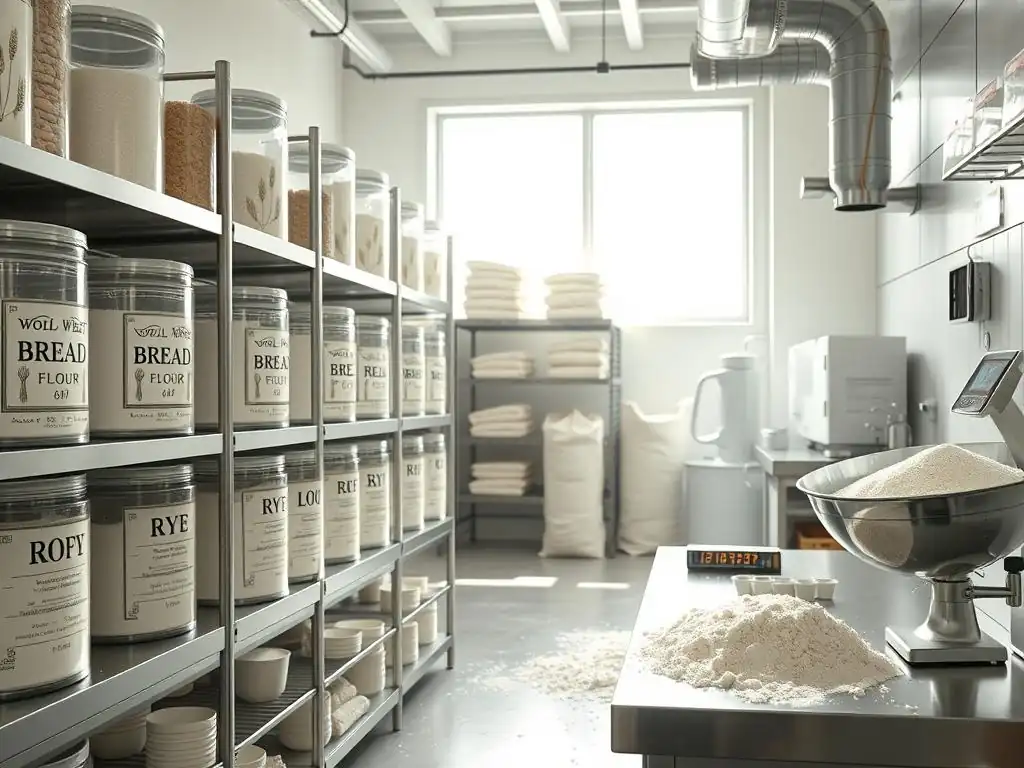
Proper Flour Storage Techniques
Proper storage is essential to keep flour fresh and prevent it from spoiling or attracting pests. Flour, particularly whole grain and gluten-free varieties which contain more oils, can go rancid over time, developing an off flavor. The enemies of flour are air, moisture, heat, and light. Storing flour in airtight containers is crucial to protect it from moisture and pests and slow down oxidation.
For longer storage, especially for whole wheat or gluten-free flours, the refrigerator or freezer is ideal. In the pantry, a cool, dry, dark place is best. An airtight plastic container or a sealed heavy-duty freezer bag works well. White all-purpose flour can last 6-12 months in the pantry, while whole wheat and gluten-free flours may only last 3-6 months in the pantry but significantly longer (up to a year or more) in the fridge or freezer. This attention to storage is a practical application of flour types baking science for consistent results.
Avoiding Rancidity and Infestation
Rancidity occurs when the fats in flour (more prevalent in whole grains) oxidize, resulting in an unpleasant smell and taste, often described as stale or bitter. Proper storage in a cool, dark, airtight environment significantly slows down this process. Freezing is the most effective way to prevent rancidity for extended periods.
Infestation by pantry pests like weevils or flour moths is another common issue. Storing flour in sealed containers, ideally made of glass, metal, or sturdy plastic, prevents pests from getting in. If you suspect infestation, discard all affected products and clean the pantry thoroughly. Freezing new flour for a couple of days upon purchase can also kill any potential insect eggs. Maintaining clean storage conditions is as important as understanding the flour types baking science itself.
Sifting and Measuring Flour Accurately
Accurate measurement is critical in baking, as the ratio of flour to other ingredients significantly impacts the outcome. The most accurate method is weighing flour using a kitchen scale. Different flours have different densities; for example, a cup of cake flour weighs less than a cup of all-purpose flour. Weighing ensures you use the exact amount specified in a recipe, regardless of how compacted the flour is. A cup of all-purpose flour, scoop-and-leveled, typically weighs around 120-130 grams.
If measuring by volume, the standard method is the "scoop and level" method: gently spoon flour into a measuring cup until it overflows, then level off the excess with a straight edge without packing the flour down. Sifting flour is sometimes required to aerate it, remove clumps, or combine it evenly with other dry ingredients (like leavening or spices). Always sift after measuring unless the recipe specifically states to sift first (e.g., "1 cup sifted flour"). These seemingly small steps are vital for consistent results in flour types baking science.
Mastering the Science of Flour for Baking Success
Experimenting with Different Flour Blends
Once you understand the properties of individual flours, you can begin experimenting with blends, either by creating your own gluten-free mix or by combining different wheat flours to achieve unique textures and flavors. For instance, combining bread flour with a small amount of whole wheat flour adds flavor and nutrition to bread while maintaining a strong gluten structure. Mixing cake flour with all-purpose flour can create a flour with properties similar to pastry flour.
For gluten-free baking, creating a custom blend allows you to tailor the flour mix to specific recipes or dietary needs. You might create a blend for cakes heavy on white rice flour and starches for lightness, and another for rustic breads using a mix of brown rice, sorghum, and buckwheat flours with added binder. Experimentation is key to discovering how different flour types baking science principles combine to produce desired results.
Many common baking issues can be traced back to the flour or how it was handled.
- Dense bread: Could be due to insufficient gluten development (not enough kneading, low-protein flour), inactive yeast, or insufficient liquid for the flour type.
- Tough cookies/cakes: Often caused by overmixing, leading to excessive gluten development, or using a flour too high in protein for the recipe.
- Dry baked goods: Might result from inaccurate measurement (too much flour, especially if scooping and packing), using a flour that absorbs more liquid than expected (like coconut flour without adjustment), or not enough fat or liquid in the recipe.
- Crumbly gluten-free goods: Typically indicates a lack of proper binders (eggs, xanthan gum, psyllium) or an imbalance in the flour blend (too much dense or crumbly flour, not enough starch or binding flour).
Understanding the science of flour types helps diagnose these issues and make necessary adjustments to ingredients or technique.
Resources for Further Learning about Flour Science
For those passionate about delving deeper into the science of flour and baking, numerous resources are available. Cookbooks dedicated to baking science, such as those by Harold McGee ("On Food and Cooking") or books specifically on bread science, offer in-depth explanations of gluten, starch, and fermentation. Online baking communities and forums provide platforms to ask questions and share experiences with different flours.
University extension offices and culinary schools often publish guides on baking ingredients. Experimenting in your own kitchen, carefully observing how different flours behave, and keeping detailed notes on your results are invaluable ways to build practical knowledge. The more you understand the fundamental science of flour types baking science, the better equipped you will be to adapt recipes, troubleshoot problems, and create consistently successful baked goods.
Frequently Asked Questions
What is the fundamental difference between different types of flour when it comes to baking?
The primary difference lies in their protein content, specifically gluten formation. Higher protein flours create stronger gluten networks, leading to chewier baked goods. Lower protein flours produce more tender results.
How does the gluten content in flour affect the final product of a baked good?
Gluten provides the structure and elasticity in baked goods. More gluten results in a chewier texture, ideal for breads. Less gluten creates a tender crumb, perfect for cakes and pastries.
Which type of flour is best suited for baking delicate pastries, and why?
Cake flour, with its low protein content, is best. This minimizes gluten development, resulting in a soft and tender crumb that is characteristic of delicate pastries.
Can I substitute different types of flour in a recipe, and what adjustments might I need to make?
Yes, but with caution! Substituting requires understanding the protein content differences. You may need to adjust the liquid content or mixing time to achieve the desired texture.
How does the "Science of Flour" resource on BakeWithEase.com help bakers improve their baking skills?
BakeWithEase.com provides simple recipes and step-by-step guides to help bakers understand how different flours behave. This allows them to make informed choices and improve their baking results.
Final Reflection: The Ever-Evolving World of Flour
Understanding the science behind flour isn't just a niche hobby; it's the key to unlocking culinary creativity and consistently delicious baked goods. The seemingly simple act of choosing a flour type profoundly impacts the final product, from the airy lightness of a croissant to the chewy texture of a sourdough loaf. This knowledge, once confined to professional bakers, is now readily accessible, empowering home cooks to achieve professional-level results.
The exploration of different flour types and their unique properties has profoundly shifted my own baking practices, leading to a deeper appreciation for the artistry involved. It's not simply about following a recipe; it's about understanding the why behind each ingredient and technique. The more you know, the more you can create.
This simple statement encapsulates the transformative power of understanding the science behind baking. The subtle nuances in protein content, starch structure, and even the milling process all contribute to the final outcome, highlighting the intricate relationship between science and culinary art.
Now, it's your turn to embark on this journey of discovery. Experiment with different flours, observe their behavior, and don't be afraid to deviate from traditional recipes. Embrace the unexpected results, learn from your mistakes, and most importantly, enjoy the process of transforming simple ingredients into something truly extraordinary. The world of flour is vast and ever-evolving; your culinary adventures are only limited by your imagination.
Unleash Your Inner Baker: Master Flour's Secrets!
Thanks for diving into the fascinating world of flour with us! We hope you've gained a deeper understanding of how different grains behave in the oven. Now it's time to put your newfound knowledge to the test!
- Experiment with a new flour: Try substituting your usual flour with one of the alternative flours discussed – perhaps rye or spelt – in your favorite recipe. Note the differences in texture and taste! This is your chance to discover your next culinary obsession.
- Share your baking adventures: Post a picture of your creation on social media using #BakeWithEaseFlour and tag us! Let's see what delicious discoveries you make.
- Consider exploring different bread-making techniques: Perhaps sourdough or no-knead will be your next adventure! The possibilities are endless.
So, what unique flour will you explore in your next baking project?