
The Perfect Cookie Dough Consistency: Tips for Beginners

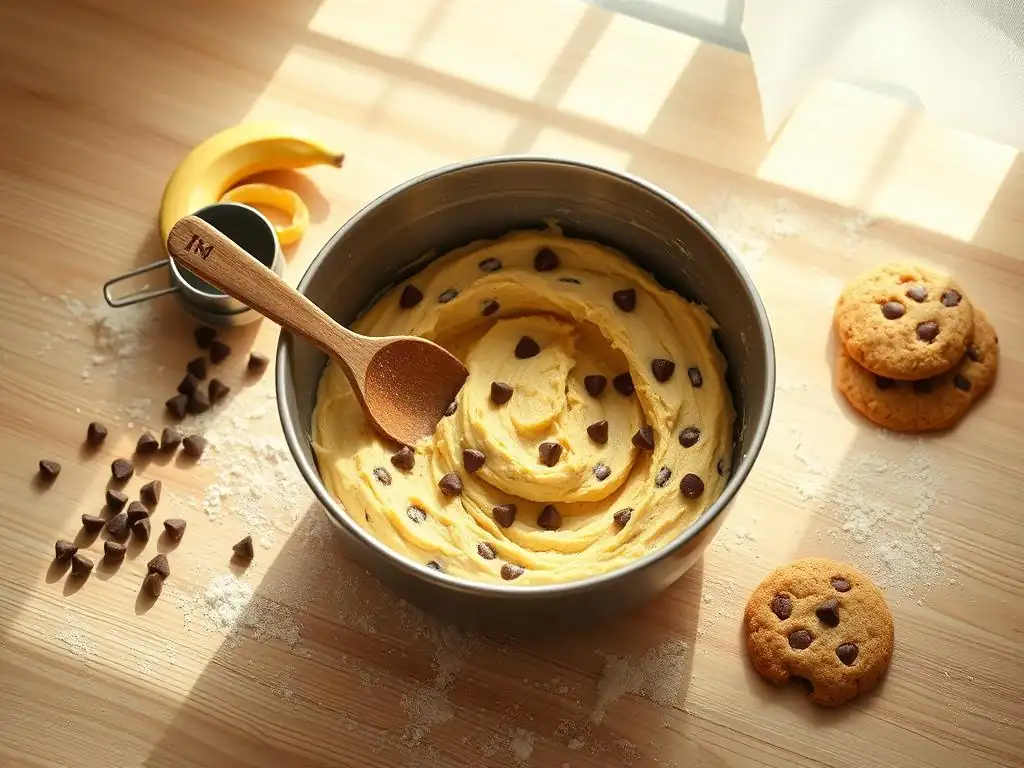
Welcome to BakeWithEase, where the world of baking unfolds effortlessly at your fingertips! Whether you're just starting your baking journey or looking to refine your skills, you've come to the right place. Our latest article on the Easy Cookie Dough Recipe is your gateway to mastering the perfect cookie texture every time. With simple, step-by-step instructions and expert tips tailored for beginners, you'll be whisking up delightful treats in no time. Curious about achieving that ideal cookie dough consistency? Let’s dive in and unlock the secrets to baking success together!
- The Perfect Cookie Dough Consistency: Tips for Beginners - BakeWithEase
- Introduction to Easy Cookie Dough Recipes for Perfect Baking
- Understanding Cookie Dough Ingredients and Their Impact
- Achieving the Ideal Cookie Dough Consistency: Step-by-Step Guide
- Troubleshooting Common Cookie Dough Problems
- Expert Tips for Perfect Cookie Dough Every Time
- Mastering Different Types of Cookie Dough
- Storing Cookie Dough for Future Baking
- Advanced Techniques for Enhancing Cookie Dough
- Conclusion: Baking Perfect Cookies Starts with the Right Dough
-
Frequently Asked Questions
- What is the most important factor in achieving the perfect cookie dough consistency?
- How can I prevent my cookie dough from being too sticky?
- What's the best way to measure flour for an easy cookie dough recipe?
- Can I substitute ingredients in an easy cookie dough recipe?
- How long can I store cookie dough before baking?
- Final Reflection: The Enduring Allure of the Perfect Bite
- Unlock Your Inner Cookie Dough Master!
Welcome to BakeWithEase! If you're just starting your baking journey, tackling an easy cookie dough recipe is often one of the first steps. Cookies are wonderfully versatile and forgiving, but achieving that perfect texture – whether it's chewy, crispy, or soft – really comes down to the consistency of your dough before it even hits the oven. Mastering this fundamental skill will set you up for success with countless recipes.
In this guide, we'll walk you through everything you need to know about cookie dough consistency. From understanding the role of each ingredient to step-by-step instructions and troubleshooting common issues, we'll demystify the process. Think of this as your friendly roadmap to turning a simple list of ingredients into delightful, consistently delicious cookies every single time.
The texture and spread of your finished cookie are directly determined by the consistency of the dough you start with. Dough that is too wet might spread excessively, resulting in flat, thin cookies. Conversely, dough that is too dry could yield crumbly cookies that don't spread enough or bake up hard.
Achieving the right balance ensures your cookies not only look appealing but also have the desired bite and flavor. For instance, a classic chocolate chip cookie dough needs a specific consistency to achieve those slightly crisp edges and a soft, chewy center. Understanding how to control this consistency is key to elevating any easy cookie dough recipe from good to absolutely perfect.
At BakeWithEase, we're dedicated to making baking accessible and enjoyable for everyone. Our approach breaks down complex techniques into simple, manageable steps. We believe that understanding the 'why' behind baking processes, like why flour measurement is crucial or how butter temperature affects dough, empowers you to become a more confident baker.
This guide is designed with beginners in mind, providing clear explanations and actionable tips. Whether you're attempting your very first easy cookie dough recipe or looking to refine your technique, we're here to help you navigate the nuances of dough consistency. Let's get started on creating delicious cookies together!
Every ingredient in an easy cookie dough recipe plays a specific role in determining the final consistency and texture. Think of them as building blocks; altering the amount or state of even one can significantly change the outcome. Getting to know how flour, butter, sugar, and eggs interact is fundamental to mastering cookie dough.
Understanding these interactions allows you to troubleshoot problems and even adapt recipes. For example, knowing how butter temperature affects spread helps you correct dough that might be spreading too much. This foundational knowledge is what turns following an easy cookie dough recipe into a truly intuitive baking experience.
Flour is the primary structural component in cookie dough. All-purpose flour, commonly used in an easy cookie dough recipe, contains gluten, a protein network that develops when liquid is added and the dough is mixed. The amount and type of flour, as well as how much it's mixed, dictate whether your cookie is tender or tough.
Too much flour will result in a dry, crumbly dough that produces thick, dense cookies. Too little flour can lead to a dough that is too wet and spreads excessively during baking. Using the correct measuring technique – typically spooning flour into the measuring cup and leveling it off – is crucial for consistent results and preventing overly dry or wet dough. Using about 120-125 grams per cup is a standard target.
Butter provides richness, flavor, and contributes significantly to the texture and spread of cookies. The temperature of the butter is especially critical. Softened, room-temperature butter (around 65-68°F or 18-20°C) is ideal for creaming with sugar, incorporating air that helps the cookies rise slightly and spread predictably.
Melted butter, on the other hand, results in chewier, denser cookies and can cause excessive spreading. Cold butter, cut into pieces, is used in some recipes (like shortbread) to create a more crumbly, tender texture as it melts slowly in the oven, creating steam pockets. For most easy cookie dough recipes, using properly softened butter is key to achieving the intended consistency and spread.
Sugar does more than just sweeten cookie dough; it affects spread, tenderness, and crispness. Granulated sugar contributes to spread and yields a crispier cookie texture. Brown sugar, which contains molasses, adds moisture, chewiness, and a slightly richer flavor. Using a combination of both is common in many easy cookie dough recipes, balancing crispness and chewiness.
Sugar also tenderizes cookies by interfering with gluten development. When sugar melts during baking, it causes the cookie to spread. The amount and type of sugar can significantly alter the final texture – more granulated sugar often means a crisper cookie, while more brown sugar typically results in a chewier one.
Eggs serve as a binder in cookie dough, holding the ingredients together. The yolk adds richness and fat, contributing to tenderness and moisture, while the egg white provides protein that helps with structure. Most easy cookie dough recipes call for large eggs.
Using too many eggs can make the dough cakey and the cookies tough, while too few can result in a crumbly dough that doesn't hold its shape. The size and temperature of the egg can also have a subtle effect; using a room-temperature egg incorporates more easily into the dough, helping to create a smooth, consistent mixture.
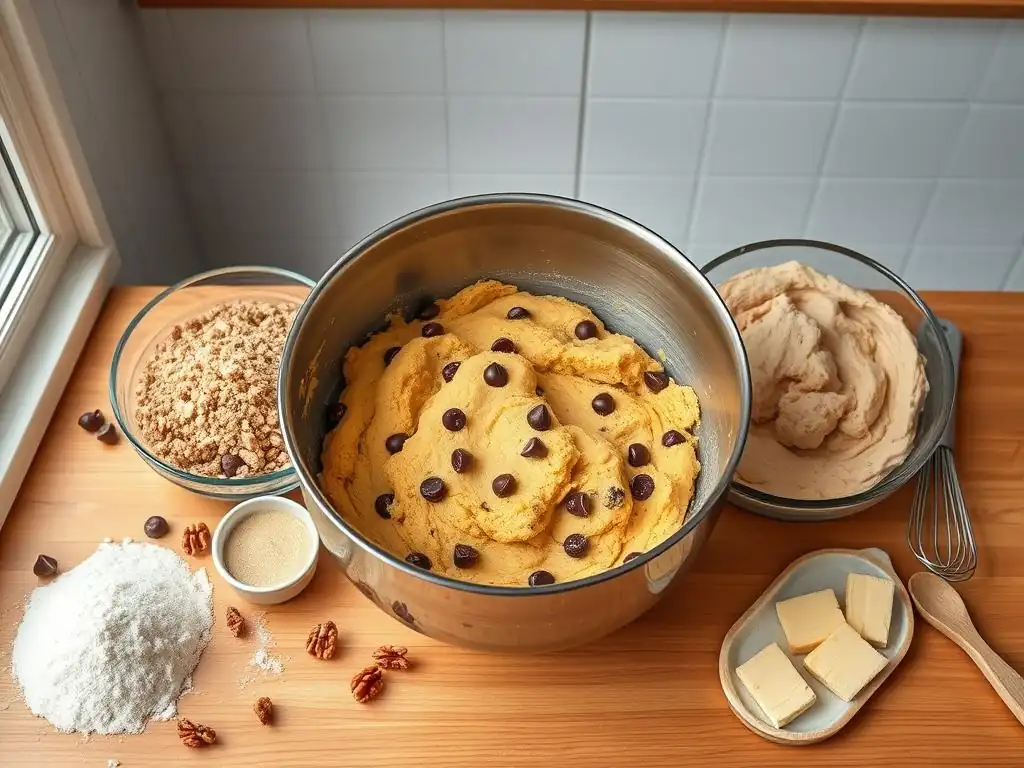
Making an easy cookie dough recipe involves a sequence of steps designed to combine ingredients in a way that develops the desired structure and texture. Following these steps carefully is crucial for achieving the perfect consistency before baking. Don't rush the process, especially when it comes to creaming butter and sugar and incorporating dry ingredients.
This step-by-step guide focuses on the standard creaming method, common for many drop cookie recipes like chocolate chip or sugar cookies. Mastering this sequence will provide a solid foundation for tackling various easy cookie dough recipes.
Step 1: Measuring Ingredients Accurately for Consistent Results
Accurate measurement is the cornerstone of consistent baking, especially when aiming for a specific cookie dough consistency. Using too much or too little of key ingredients like flour or butter can drastically alter the dough's texture. For dry ingredients like flour, spooning it lightly into a measuring cup and leveling with a straight edge is generally recommended to avoid packing it, which can add significantly more flour than intended (sometimes 20-30% more).
For wet ingredients, use liquid measuring cups at eye level. For fats like butter, use the markings on the wrapper or weigh it using a kitchen scale for maximum accuracy. Weighing ingredients (using grams or ounces) is often considered more precise than volume measurements, especially for flour, ensuring your easy cookie dough recipe turns out perfectly every time.
Step 2: Creaming Butter and Sugar for a Light and Airy Texture
Creaming butter and sugar is a vital step that incorporates air into the dough, contributing to the cookie's lift and texture. Start with softened, but not melted, butter. Beat the butter and sugar together using a mixer (stand or hand) on medium speed until the mixture becomes pale yellow and fluffy. This process can take 2 to 5 minutes, depending on your mixer and the butter temperature.
Proper creaming creates tiny air pockets that expand in the oven, helping the cookie spread and rise slightly. If the butter is too cold, it won't cream properly; if it's too soft or melted, you won't incorporate enough air, resulting in denser cookies and potentially excessive spread from a too-loose dough.
Step 3: Adding Eggs Correctly to Avoid Overmixing
Eggs should typically be added one at a time after the butter and sugar have been creamed. Beat each egg into the mixture until just combined before adding the next. It's often recommended to scrape down the sides of the bowl after adding each egg to ensure everything is fully incorporated.
Avoid overmixing once the eggs are added. Beating too much at this stage can start to develop gluten prematurely, potentially leading to tougher cookies. The goal is simply to blend the eggs smoothly into the creamy butter-sugar mixture, creating a cohesive base for your easy cookie dough recipe.
The final step for most easy cookie dough recipes is adding the dry ingredients (flour, baking soda/powder, salt) to the wet mixture. It is crucial to mix the dry ingredients just until they are combined. Overmixing at this stage is a common pitfall for beginners, as it develops the gluten in the flour too much, resulting in tough or cakey cookies.
Mix on low speed using a stand mixer, or fold by hand with a spatula, until no streaks of dry flour are visible. A few small lumps of flour are acceptable and often preferable to an overmixed, smooth dough. This gentle mixing ensures the gluten is minimally developed, leading to tender, melt-in-your-mouth cookies.
Even with an easy cookie dough recipe, things can sometimes go slightly awry. Knowing how to identify and fix common issues like dough that's too dry, too wet, or too crumbly can save your batch and your sanity. Often, these problems stem from incorrect ingredient measurements or temperature issues.
Don't be discouraged if your first attempt isn't perfect. Troubleshooting is part of the learning process in baking. By understanding the likely causes, you can quickly adjust your dough and get back on track to baking delicious cookies.
Dough that is too dry is often caused by measuring too much flour, not using enough liquid (like eggs), or sometimes, if the recipe involves melting, not enough fat. A dry dough will look crumbly and may not come together easily in the bowl or when you try to shape it. It will also likely result in cookies that don't spread much and are dense or hard.
To fix dry dough, you can carefully add a very small amount of liquid, like a teaspoon of milk or a half-teaspoon of a neutral oil (like vegetable or canola), and mix it in gently. Add just enough until the dough comes together and is pliable, but not sticky. Be cautious not to add too much at once, as you can quickly go from too dry to too wet. Aim for adding maybe 1-2 teaspoons total for a standard batch of cookies.
Sticky or overly wet dough typically results from using too little flour or too much liquid/fat. This dough will stick excessively to your hands and surfaces and will spread too much in the oven, leading to thin, flat cookies. It might also be difficult to scoop or shape.
To correct wet dough, you can add a tablespoon of flour at a time, mixing until it's just incorporated, until the dough reaches the desired consistency. Chill the dough thoroughly (at least 30-60 minutes) as cold dough is less sticky and easier to handle and bake. If the issue is likely too much fat (e.g., melted butter when softened was needed), chilling is your best bet to firm it up.
Crumbly dough is a specific type of dryness where the ingredients don't seem to bind together at all. This can be due to insufficient fat, not enough liquid (like egg), or overmixing after the dry ingredients are added, which prevents the fat from coating the flour properly. It often looks like wet sand that won't hold its shape.
Ensure you've added the correct amount of egg and fat called for in your easy cookie dough recipe. If it's still crumbly, try mixing it gently by hand for a moment – the warmth from your hands can sometimes help the fat incorporate. If it remains stubbornly crumbly, you may need to add a tiny amount of fat (like 1/2 teaspoon melted butter) or liquid (like 1/2 teaspoon milk or water) and mix very gently until it just comes together. Avoid adding too much, as this can change the texture significantly.

Beyond the basic steps, a few expert tips can elevate your easy cookie dough recipe results from good to truly spectacular. These techniques often involve simple adjustments or practices that make a significant difference in the final cookie quality, from texture to shape.
Incorporating these tips into your baking routine will help you achieve consistent success with every batch of cookies you make. They are simple habits that yield impressive results.
Chilling cookie dough is a step often included in easy cookie dough recipes for good reason. It solidifies the fat (butter), which helps the cookies spread less in the oven, resulting in thicker cookies. Chilling also allows the flavors to meld and the flour to fully hydrate, which can improve texture and reduce grittiness.
Most recipes recommend chilling for at least 30 minutes, but chilling for several hours or even overnight (up to 72 hours for some recipes) can further enhance flavor and texture. To chill, cover the bowl or wrap the dough tightly in plastic wrap. For easier scooping later, you can pre-scoop the dough balls onto a baking sheet before chilling them, then transfer the chilled balls to an airtight container.
Having the right tools can significantly improve the consistency of your cookies. An oven thermometer is essential to ensure your oven is preheating to the correct temperature (many ovens are off by 25-50°F). Using a kitchen scale for measuring ingredients, especially flour, provides accuracy that volume measurements can't match.
For perfectly uniform cookies that bake evenly, use a cookie scoop. Scoops come in various sizes, allowing you to portion dough consistently. A standard medium scoop (about 1.5 tablespoons) is common for many easy cookie dough recipes. Parchment paper or silicone baking mats are also invaluable; they prevent sticking and promote even browning compared to baking directly on greased pans.
Once you understand the role of ingredients, you can slightly adjust an easy cookie dough recipe to achieve different textures. For a chewier cookie, try substituting some granulated sugar with brown sugar or slightly increasing the amount of liquid (like an extra egg yolk). Using bread flour instead of all-purpose flour can also increase chewiness due to higher protein content.
For a crispier cookie, increase the amount of granulated sugar or decrease the liquid slightly. Using only granulated sugar and potentially baking at a slightly lower temperature for a longer time can also promote crispness. Experimenting with small batches allows you to see the effects of these minor adjustments without risking an entire recipe.
While the basic principles apply, different types of cookies require slightly different dough consistencies and handling techniques. An easy cookie dough recipe for sugar cookies will differ from one for chewy chocolate chip cookies. Understanding these nuances helps you achieve the specific characteristics desired for each cookie type.
Let's look at a few popular types and the unique considerations for their dough consistency.
Sugar cookie dough is typically designed to be rolled out and cut into shapes, requiring a firm yet pliable consistency. It often contains a higher ratio of flour to fat compared to drop cookies and relies on chilling to become firm enough to handle without excessive stickiness. The dough should be smooth and relatively dry to the touch, but not crumbly.
If your sugar cookie dough is too sticky to roll, add a tablespoon of flour and mix just until combined, then chill thoroughly (at least 1-2 hours). If it's too dry and crumbly, ensure your butter was properly softened and you added the egg(s). You can add a tiny amount of milk or softened butter (1/2 teaspoon at a time) if necessary, mixing gently until it comes together into a cohesive ball. Chilling is key to a rollable sugar cookie dough.
A classic easy cookie dough recipe for chocolate chip cookies often aims for a balance of textures: crisp edges and a soft, chewy center. This is typically achieved through a combination of granulated and brown sugar and using properly softened butter. The dough should be scoopable but hold its shape when portioned.
If your chocolate chip dough is spreading too much (too wet/fat), ensure you measured accurately and try chilling the dough for longer (at least 1 hour). If it's too thick or not spreading enough (too dry/flour), you might have overmeasured flour or undermeasured fat. Adding a tiny splash of milk might help, but often the issue is measurement or chilling time. The dough should feel slightly soft but not gooey at room temperature.
Peanut butter cookie dough, like that in many easy cookie dough recipes for this classic, can sometimes lean towards being dry due to the nature of peanut butter itself. It needs enough fat and binder to prevent it from being too crumbly. The consistency should be firm enough to roll into balls but still slightly soft.
If your peanut butter dough is too dry and crumbly, make sure your peanut butter wasn't too stiff (natural peanut butter can sometimes be drier) and that you used the correct amount of egg and butter. You can add a tiny amount of softened butter or a splash of milk if needed, mixing just until it comes together. If it's too sticky, chilling is the best solution, as adding flour can make peanut butter cookies dense.
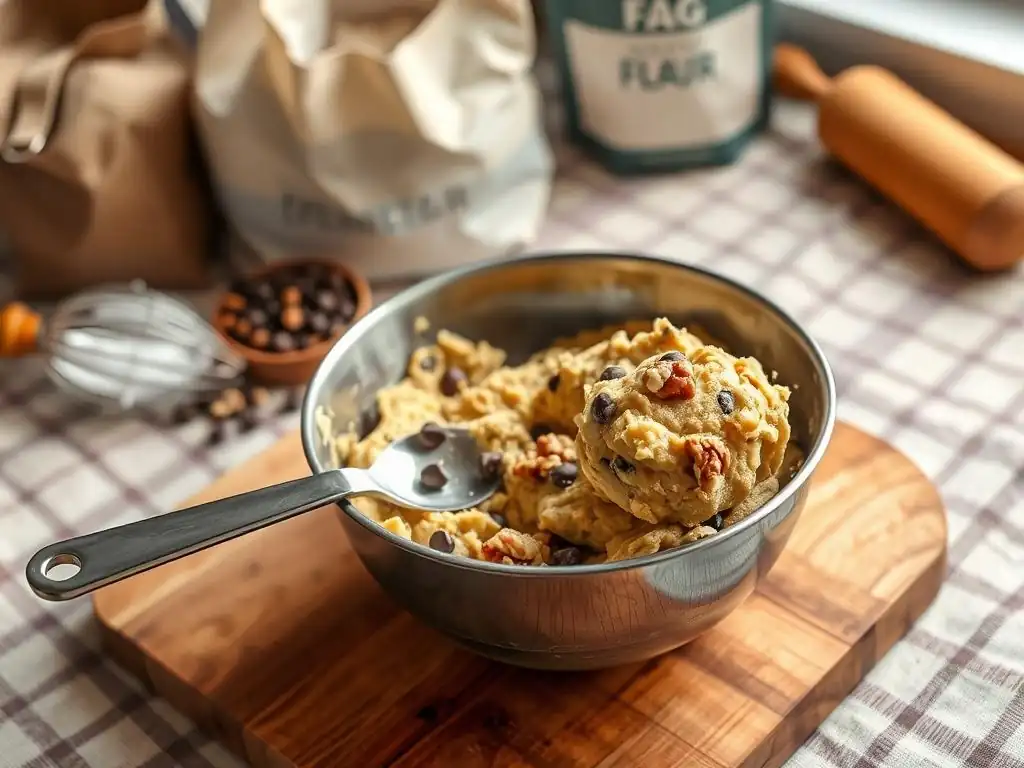
One of the great things about many easy cookie dough recipes is that the dough can be made ahead of time. Storing dough properly allows you to have fresh-baked cookies whenever the craving strikes and can even improve the flavor and texture as the ingredients meld over time.
Proper storage techniques are simple but crucial for maintaining the quality and consistency of your dough, whether you plan to bake it tomorrow or next month.
Refrigerating cookie dough is ideal for short-term storage, typically from a few hours up to 3-4 days. As mentioned, chilling also improves texture and flavor. Store the dough in an airtight container or wrap it tightly in plastic wrap to prevent it from drying out or absorbing odors from the refrigerator.
If you've already scooped the dough, place the balls on a plate or baking sheet, cover loosely with plastic wrap, and chill until firm, then transfer to an airtight container. This makes them ready to bake directly from the fridge (though you may need to add an extra minute or two to the baking time).
Freezing cookie dough is perfect for longer storage, typically up to 2-3 months. This is a fantastic way to prep multiple batches or have dough ready for unexpected guests. For drop cookies, scoop the dough into balls and place them on a baking sheet lined with parchment paper. Freeze until solid (about 1-2 hours), then transfer the frozen dough balls to a freezer-safe bag or airtight container.
Label the container with the date and type of dough. Frozen dough can usually be baked directly from the freezer; simply place the frozen balls on the baking sheet and add a few minutes to the baking time specified in your easy cookie dough recipe. For slice-and-bake dough, shape it into logs, wrap tightly in plastic wrap, and then in foil before freezing.
Once you're comfortable with basic cookie dough consistency, you can start experimenting with ways to enhance your easy cookie dough recipe. Adding extracts, mix-ins, or even trying different types of flour can introduce exciting new flavors and textures to your cookies.
These techniques allow you to personalize your baking and explore a wider range of cookie possibilities beyond the standard recipe.
Extracts are a simple way to boost the flavor profile of your easy cookie dough recipe. Vanilla extract is standard, but consider adding almond extract for a nutty note, peppermint extract for a festive touch, or even a hint of coffee extract to complement chocolate. Add extracts along with the eggs to ensure they are evenly distributed.
Start with the amount specified in the recipe, or if experimenting, add cautiously (e.g., 1/4 to 1/2 teaspoon at a time for a standard batch) as extracts can be potent. Zest from citrus fruits (lemon, orange) can also add a bright, fresh flavor when added during the creaming step.
Mix-ins allow for endless customization of your easy cookie dough recipe. Chocolate chips are just the beginning! Consider adding chopped nuts, dried fruit (like cranberries or raisins), sprinkles, toffee bits, or even crushed candies. Fold mix-ins into the dough gently during the final step, after the dry ingredients are just incorporated.
Be mindful of the quantity of mix-ins; too many can prevent the dough from holding together or cause the cookies to spread unevenly. A good rule of thumb is to add about 1 to 1.5 cups of mix-ins per standard batch of dough (using about 1.5-2 cups of flour).
Experimenting with Different Flours for Unique Textures
While all-purpose flour is standard for most easy cookie dough recipes, experimenting with different flours can yield unique textures. Using a portion of bread flour (higher gluten) can increase chewiness. Substituting some all-purpose flour with cake flour (lower gluten) can result in a more tender, delicate cookie.
Whole wheat flour or oat flour can add nuttiness and density. Keep in mind that different flours absorb liquid differently, so you may need to make slight adjustments to the liquid or fat in the recipe. Start by substituting a small portion (e.g., 1/4 or 1/3 of the total flour) to see how it affects the dough consistency and final cookie.
Mastering cookie dough consistency is a fundamental skill that will empower you to bake consistently delicious cookies from any easy cookie dough recipe. By understanding the role of each ingredient, measuring accurately, and following proper mixing techniques, you lay the foundation for baking success.
Don't be afraid to troubleshoot and learn from each batch. Baking is a journey of practice and discovery. With the tips and techniques outlined here, you're well-equipped to achieve the perfect dough consistency every time, leading to cookies that are just right – whether you prefer them chewy, crispy, or soft.
- Accuracy is paramount: Measure ingredients precisely, especially flour, ideally by weight.
- Temperature matters: Use properly softened butter and room-temperature eggs for most recipes.
- Creaming builds structure: Cream butter and sugar until light and fluffy to incorporate air.
- Don't overmix: Incorporate dry ingredients just until combined to avoid tough cookies.
- Chill your dough: Refrigeration improves flavor, texture, and prevents excessive spreading.
- Use the right tools: Cookie scoops and an oven thermometer ensure consistency.
- Understand ingredients: Know how flour, butter, sugar, and eggs impact texture and spread.
- Troubleshoot common issues: Be prepared to adjust dough that is too dry, wet, or crumbly.
[x] Measure accurately
[x] Use room temperature butter/eggs (as needed)
[x] Cream butter and sugar properly
[x] Don't overmix dry ingredients
[x] Chill the dough (if recipe recommends)
BakeWithEase: Your Partner in Baking Success
At BakeWithEase, we are passionate about helping you master the art of baking. From understanding basic techniques like achieving the perfect cookie dough consistency to exploring more advanced recipes, we provide the guidance and resources you need. We believe that everyone can bake, and our goal is to make the process simple, enjoyable, and rewarding.
Keep practicing these tips, and you'll find that making an easy cookie dough recipe becomes second nature. Explore our website for more beginner-friendly recipes, technique guides, and helpful tips to continue building your baking skills. Happy baking!
Frequently Asked Questions
The most important factor is using the correct ratio of wet to dry ingredients. Too much flour will result in dry, crumbly cookies, while too much liquid leads to flat, spread-out cookies.
Chilling the dough in the refrigerator for at least 30 minutes allows the gluten to relax and the fats to solidify, making it easier to handle. Adding a little more flour can also help.
Using a kitchen scale to weigh your flour is the most accurate method. If measuring with cups, use the "spoon and level" method to avoid packing the flour.
Substituting ingredients can alter the texture and flavor of your cookies. While some substitutions are possible (e.g., brown sugar for white sugar), it's best to follow the recipe closely, especially when starting out.
Cookie dough can typically be stored in the refrigerator for up to 3-5 days. For longer storage, freeze the dough in individual portions for up to 2-3 months.
Final Reflection: The Enduring Allure of the Perfect Bite
The quest for the perfect cookie dough consistency isn't just about baking; it's about mastering a fundamental element of comfort and joy. The seemingly simple act of mixing flour, butter, and sugar transforms into a deeply satisfying experience, one that connects us to generations of bakers past and promises the delicious reward of perfectly textured cookies. This journey, from understanding the role of each ingredient to achieving that ideal balance of wet and dry, is a testament to the power of culinary precision.
The pursuit of the perfect cookie dough has profoundly shaped our collective culinary landscape, influencing everything from family traditions to professional baking techniques. The seemingly simple act of mixing ingredients has become a canvas for creativity, with countless variations and adaptations reflecting diverse cultural influences and personal preferences. Baking is at once child's play and adult joy. And love, of course.
– This sentiment perfectly captures the emotional resonance of the process, transforming a simple recipe into a cherished experience.
Now, consider your own baking journey. What have you learned about precision, patience, and the subtle art of balance through this exploration of cookie dough? I encourage you to embrace the imperfections, celebrate the successes, and most importantly, to continue experimenting. The perfect cookie dough, much like life itself, is a journey of continuous learning and refinement. Don't be afraid to get your hands dirty, and most importantly, enjoy the process!
Thanks for taking the time to explore the world of perfect cookie dough with us! We hope you’ve gained valuable insights into achieving that ideal consistency. Ready to put your new knowledge into practice?
- Bake a batch of your favorite cookies using your newfound dough-making expertise. Don't be afraid to experiment!
- Share your cookie dough creation journey on social media – tag us @BakeWithEase (imaginary social media handle) and show us your delicious results!
- Leave a comment below sharing your biggest cookie dough challenge and how you overcame it (or plan to! ).
What unique ingredient are you planning to add to your next batch of cookie dough to elevate the flavor profile?