
The Opera Cake: Layering French Elegance in Your Kitchen

Welcome to BakeWithEase, your passport to a world of delicious possibilities! Ever wondered how to achieve those perfectly defined layers in a show-stopping Opera Cake? Unlocking the secrets to elegant French pastry is simpler than you think. Dive into our guide to Opera cake layering techniques and transform your next baking project into a masterpiece. Are you ready to create a dessert that's as visually stunning as it is delicious?
- Unveiling the Secrets of Opera Cake: A BakeWithEase Guide
- What is Opera Cake? A Deep Dive into this Classic French Pastry
- Mastering Opera Cake Layering Techniques: A Step-by-Step Guide
- Opera Cake Assembly: The Art of Layering
- Opera Cake Variations and Creative Twists
- Troubleshooting Common Opera Cake Issues
- Storing and Serving Your Homemade Opera Cake
- Enjoying Your Exquisite Opera Cake Creation
- Frequently Asked Questions
- Final Reflection: Unfolding the Elegance of the Opera Cake
- Unlock Your Inner Pâtissier: Master the Opera Cake!
Unveiling the Secrets of Opera Cake: A BakeWithEase Guide
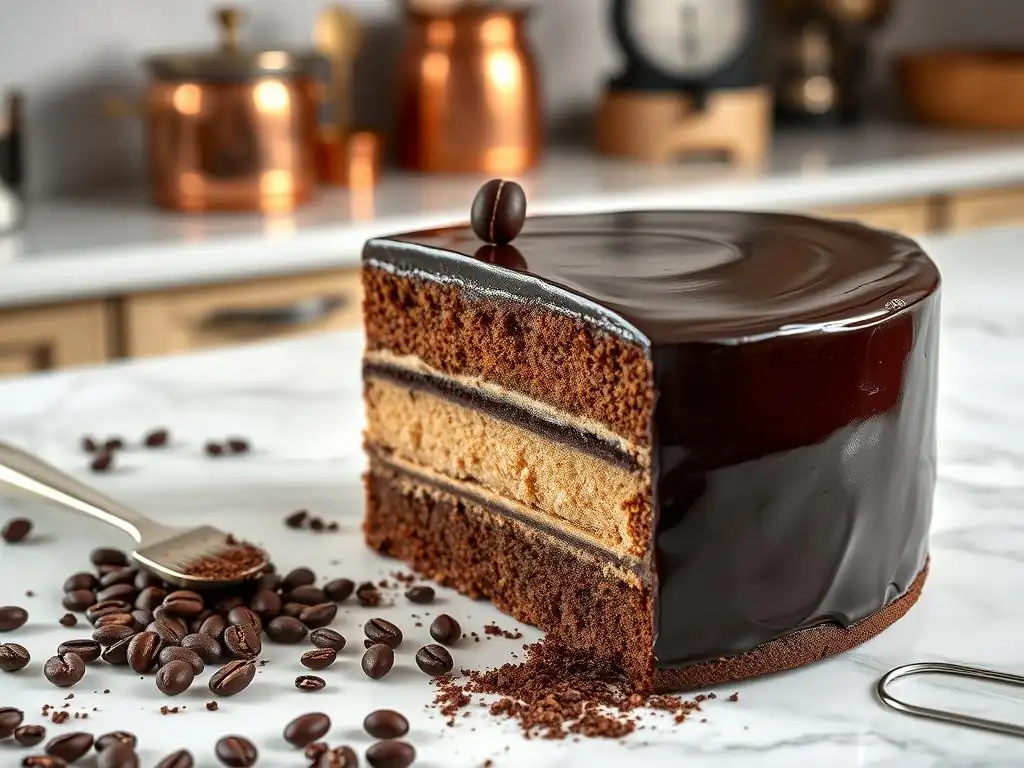
Welcome to BakeWithEase, where we demystify classic pastries! Today, we're diving into the exquisite world of the Opera cake, a true masterpiece of French patisserie known for its delicate balance of flavors and textures. This elegant dessert, with its signature layers of almond sponge, coffee syrup, coffee buttercream, and chocolate ganache, is a delight to behold and even more so to taste.
Mastering the Opera cake is a rewarding challenge for any baker. It requires precision, patience, and a good understanding of Opera cake layering techniques. This guide will walk you through each component and the crucial steps involved in assembling this iconic cake, ensuring you can recreate this Parisian treasure right in your own kitchen. Get ready to elevate your baking skills!
What is Opera Cake? A Deep Dive into this Classic French Pastry
The Opera cake is a sophisticated French dessert made with layers of joconde sponge (a light almond sponge cake) soaked in coffee syrup, layered with coffee buttercream and chocolate ganache, and typically finished with a chocolate glaze. Its distinct rectangular shape and the word "Opéra" written in chocolate on top (traditionally) make it instantly recognizable. It's a celebration of coffee and chocolate, presented with architectural precision.
Originating in Paris, the Opera cake is renowned for its harmonious blend of intense coffee, rich chocolate, and subtle almond flavors. The success of an Opera cake hinges on the quality of its individual components and, critically, the precise execution of the Opera cake layering techniques that give it its characteristic structure and moistness. Each layer plays a vital role in creating the overall sensory experience.
The History and Origins of the Opera Cake
While its exact origins are debated, the Opera cake is widely attributed to the Dalloyau pastry house in Paris. It is believed to have been created in 1955 by Cyril Lignac's predecessor, Gaston Lenôtre, or by Cyriaque Gavillon, who worked for Dalloyau. The story goes that Gavillon's wife, Andrée, named it "Opéra" because its layers resembled the levels of the Paris Opéra Garnier, or perhaps because she found it suitable for serving at the opera house.
Regardless of the precise inventor, the Opera cake quickly gained popularity in Parisian patisseries in the mid-20th century. It represented a new wave of modern French pastry, focusing on clean lines, intense flavors, and technical skill. Its enduring appeal lies in this combination of tradition and innovation, becoming a staple in high-end bakeries worldwide.
Key Characteristics of an Authentic Opera Cake
An authentic Opera cake is defined by several key elements. First is the joconde sponge: a thin, flexible almond biscuit made with egg whites, egg yolks, and almond flour. It's not a traditional fluffy cake but more of a tender sheet. Second, the liberal soaking of the sponge layers with a strong coffee syrup is crucial for moisture and flavor.
Third are the fillings: a smooth, stable coffee buttercream (often a French or Italian meringue-based buttercream) and a rich, decadent chocolate ganache. The layers are meticulously assembled, typically alternating sponge, coffee syrup, buttercream, sponge, coffee syrup, ganache, sponge, coffee syrup, and finally topped with a glossy chocolate glaze. The precise order and thickness of these layers are paramount in achieving the signature texture and look, highlighting the importance of proper Opera cake layering techniques.
Mastering Opera Cake Layering Techniques: A Step-by-Step Guide
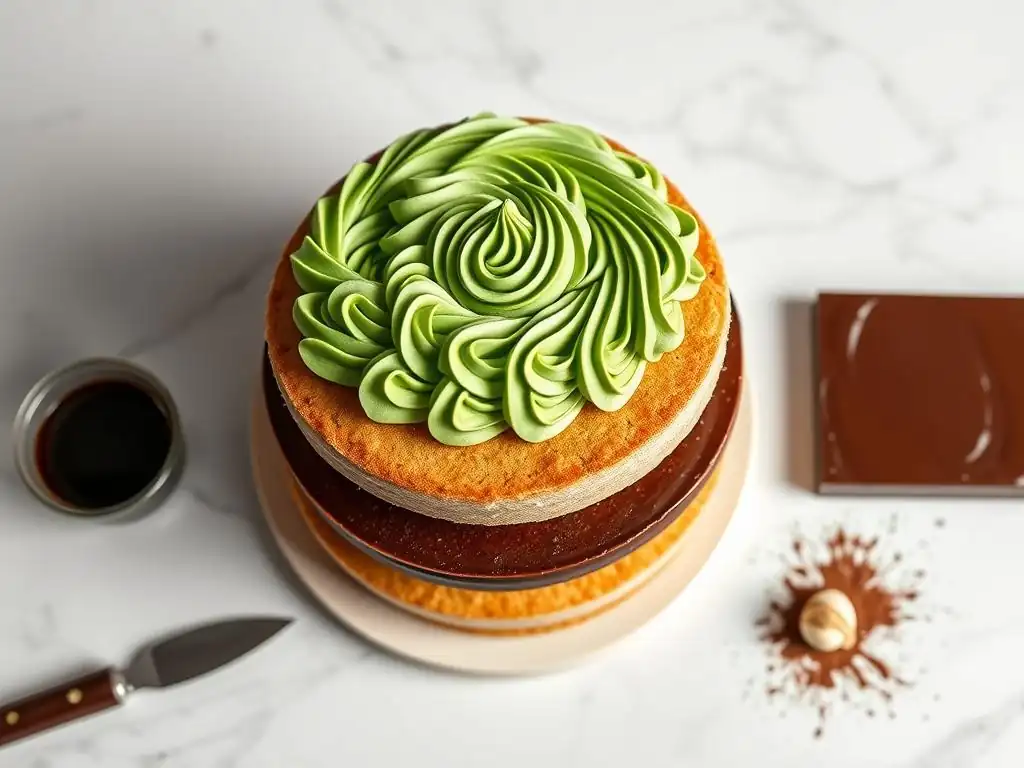
Achieving the perfect Opera cake is all about precision in preparing each component and skill in assembling them. The Opera cake layering techniques are what transform simple ingredients into this iconic dessert. This section breaks down the creation of each part and how they come together.
Success in Opera cake layering requires patience and attention to detail. Ensure each component is at the correct temperature and consistency before assembly. Chilling between layers is a non-negotiable step that allows each layer to set, making subsequent layers easier to apply smoothly and resulting in clean, defined lines when sliced.
Preparing the Joconde Sponge Cake: The Foundation of Opera Cake
The joconde sponge is the delicate base upon which the entire Opera cake is built. Unlike standard cake batter, it's light, flexible, and relies on whipped egg whites for its lift. Its almond flavor complements the coffee and chocolate beautifully. It's typically baked in a thin sheet, often on a baking mat or parchment paper.
Making the joconde requires careful folding to maintain the airiness incorporated by the whipped egg whites. The batter is spread thinly and evenly on a baking sheet, usually yielding a layer about 1/4 inch thick after baking. Baking time is short, often just 10-12 minutes at around 180°C (350°F), until it is lightly golden and springs back when gently touched.
Joconde Sponge Cake Recipe: Ingredients and Measurements
Here are approximate measurements for a standard joconde sponge sheet suitable for a medium-sized Opera cake:
*   100g Almond Flour
*   100g Powdered Sugar
*   30g All-Purpose Flour
*   4 Large Eggs
*   3 Large Egg Whites
*   30g Granulated Sugar
*   30g Unsalted Butter, melted and cooled
Mix almond flour, powdered sugar, and all-purpose flour. In a separate bowl, whisk whole eggs until light and fluffy. Fold the dry ingredients into the whipped eggs. In another clean bowl, whip egg whites with granulated sugar until stiff peaks form. Gently fold the whipped egg whites into the almond mixture, then carefully fold in the cooled melted butter. Spread evenly on a prepared baking sheet.
Baking the Perfect Joconde Sponge for Opera Cake
Baking the joconde sponge correctly is crucial for flexible, easy-to-layer sheets. Preheat your oven to 180°C (350°F). Line a large baking sheet (around 12x17 inches or 30x43 cm) with parchment paper or a silicone baking mat. Spread the batter thinly and evenly using an offset spatula. Aim for uniform thickness across the entire sheet.
Bake for approximately 10-12 minutes, or until the edges are lightly golden and the center is set and springs back when touched. Be careful not to overbake, as this can make the sponge dry and difficult to soak evenly with syrup. Once baked, immediately invert the sheet onto a wire rack or a clean sheet of parchment paper dusted with powdered sugar, peel off the baking paper it was baked on, and let it cool completely.
Crafting the Coffee Buttercream: The Heart of the Opera Cake
The coffee buttercream provides a rich, creamy layer that balances the intensity of the coffee syrup and chocolate ganache. A classic Opera cake often uses a French or Italian meringue buttercream for its silky smooth texture and stability, although a Swiss meringue buttercream can also work. The coffee flavor is typically incorporated by adding strong instant coffee dissolved in a small amount of hot liquid or a coffee extract.
The key to a great coffee buttercream is achieving a smooth, airy, yet stable consistency that holds its shape when spread but is still soft enough to cut through cleanly. It should have a pronounced coffee flavor without being bitter. Temperature is critical; the butter must be soft but not melted, and the meringue base (if using) must be cooled sufficiently before the butter is added.
How to Make Silky Smooth Coffee Buttercream
For a French buttercream: whisk egg yolks and sugar syrup cooked to soft-ball stage (118°C / 245°F) until thick and pale. Gradually whisk in softened butter, followed by cooled, dissolved instant coffee or extract. For an Italian buttercream: pour hot sugar syrup (118°C / 245°F) into whipping egg whites, then whisk until stiff and glossy. Once cooled, gradually add softened butter and finally the coffee flavor.
Troubleshooting buttercream can involve temperature issues. If it curdles, it's likely too cold or too warm; gentle warming or chilling while whisking can often bring it back. If it's too soft, chill it slightly and re-whisk. If it's too stiff, add a tiny amount of warm milk or cream while whisking. Aim for a texture that spreads easily but is firm enough to create defined layers in the cake.
Tips for Achieving the Ideal Coffee Buttercream Consistency
- Use high-quality unsalted butter at the correct temperature – it should be soft enough to indent easily but not greasy or melted. Around 18-20°C (64-68°F) is often ideal.
- Ensure your meringue (if using) is completely cool before adding the butter. Adding butter to warm meringue will melt it, resulting in a soupy mess.
- Add the butter gradually, a cube or two at a time, allowing each addition to be fully incorporated before adding more. This helps create a stable emulsion.
- Whip the finished buttercream for several minutes on medium-high speed. This incorporates air, making it lighter and silkier. Scrape down the bowl frequently.
- If using instant coffee, dissolve it in the smallest possible amount of hot water or coffee liqueur to avoid adding excess liquid to the buttercream.
Chocolate Ganache for Opera Cake: Richness and Depth
The chocolate ganache provides the final layer of richness and serves as the traditional glaze for the Opera cake. It's a simple emulsion of chocolate and cream, but achieving the right consistency is key for both layering and glazing. For the layers, you want a ganache that is firm enough to spread but soft enough not to crack when cutting. For the glaze, you need a smooth, pourable consistency that sets up glossy.
The type of chocolate used significantly impacts the ganache. A good quality bittersweet or semi-sweet chocolate (around 55-65% cacao) is standard for Opera cake. The ratio of chocolate to cream determines the final consistency; more chocolate results in a firmer ganache, while more cream makes it softer. A common ratio for a spreadable ganache layer might be 1:1 or 1.5:1 chocolate to cream by weight.
Making a Decadent Chocolate Ganache
Heat heavy cream just until it simmers, then pour it over finely chopped chocolate or chocolate pastilles in a heatproof bowl. Let it sit for a minute or two to allow the chocolate to melt, then gently whisk from the center outwards until smooth and emulsified. Avoid whisking vigorously, which can incorporate too much air and dull the shine.
For the Opera cake layers, allow the ganache to cool slightly at room temperature until it reaches a spreadable consistency, similar to thick peanut butter. This might take 30-60 minutes depending on the ambient temperature. For the final glaze, you might use a slightly different ratio (e.g., 1:1 or 1.2:1 chocolate to cream) and ensure it's warm and fluid enough to pour evenly over the chilled cake, then allow it to set.
Achieving the Perfect Ganache Texture for Layering
- Use a precise ratio of chocolate to cream. A 1:1 ratio (by weight) of chocolate to cream will yield a relatively soft ganache suitable for spreading when slightly cooled. A 1.5:1 ratio will be firmer. Experiment to find your preference.
- Chop the chocolate very finely to ensure it melts evenly when the hot cream is added.
- Do not overheat the cream; just bring it to a gentle simmer. Boiling can scorch the cream and negatively affect the chocolate.
- Whisk gently to avoid incorporating air bubbles. If bubbles form, tap the bowl gently on the counter or use an immersion blender on low speed, keeping the head submerged.
- Allow the ganache to cool at room temperature to the desired consistency before spreading. Refrigerator chilling can make it too hard too quickly. If it becomes too firm, warm it gently over a double boiler or in short bursts in the microwave, stirring frequently.
Coffee Syrup: Imbueing the Opera Cake with Flavor
The coffee syrup is arguably the most critical flavor component, providing the signature coffee punch and ensuring the joconde sponge remains moist. A strong, flavorful coffee is essential – espresso or a very strongly brewed coffee is ideal. The syrup is typically made by combining hot coffee with sugar, and sometimes a touch of coffee liqueur like Kahlúa or Tia Maria for extra depth.
The amount of syrup used is generous; the sponge layers should be thoroughly soaked but not soggy. This requires a balance – enough to moisten completely but not so much that the cake becomes mushy and unstable. Applying the syrup evenly across the entire surface of each sponge layer is key to achieving uniform texture and flavor throughout the cake, a vital step in successful Opera cake layering techniques.
Brewing the Perfect Coffee Syrup for Opera Cake
Start with freshly brewed, very strong coffee. Espresso is perfect due to its intensity. If using drip coffee, use a high coffee-to-water ratio. While the coffee is still hot, dissolve granulated sugar into it. A common ratio is 1 part sugar to 2 parts hot coffee (by weight or volume), but you can adjust to your sweetness preference. For example, 50g sugar dissolved in 100g hot coffee.
Stir until the sugar is completely dissolved. If using coffee liqueur, stir it in after the sugar has dissolved. Allow the syrup to cool slightly before using, as soaking hot sponge with hot syrup can sometimes lead to over-softening. Lukewarm or room temperature syrup is generally best for soaking cooled sponge.
Applying the Coffee Syrup Evenly for Optimal Moisture
Once the joconde sponge layers are cut to size (you'll likely cut the large sheet into 3 or 4 equal rectangles), place one layer on your serving or assembly board. Use a pastry brush or a squeeze bottle to apply the coffee syrup generously and evenly over the entire surface of the sponge. Pay attention to the edges, which can dry out faster.
The sponge should absorb the syrup readily. You should see the color darken and the sponge become visibly moist. Don't be shy with the syrup – this is what gives the Opera cake its characteristic moistness and intense coffee flavor. However, avoid creating puddles of syrup; the goal is saturation, not drowning.
Opera Cake Assembly: The Art of Layering
This is where the magic happens and where your mastery of Opera cake layering techniques is truly tested. Assembling the cake involves carefully stacking the prepared components in the correct sequence. Precision in spreading each layer evenly and keeping the edges neat is crucial for the cake's final appearance and ease of slicing.
The standard Opera cake structure typically involves three layers of joconde sponge, alternating with coffee buttercream and chocolate ganache, all soaked with coffee syrup. The sequence is usually: Sponge -> Syrup -> Buttercream -> Sponge -> Syrup -> Ganache -> Sponge -> Syrup -> Ganache (glaze). Chilling between steps is essential for stability.
Step-by-Step Opera Cake Layering Instructions
Here is a typical assembly process:
- Place the first layer of joconde sponge on your cake board or serving platter.
- Generously brush or drizzle the sponge with cooled coffee syrup, ensuring even coverage.
- Spread half of the coffee buttercream evenly over the syrup-soaked sponge layer using an offset spatula. Aim for a smooth, level surface.
- Carefully place the second layer of joconde sponge on top of the buttercream.
- Soak this second sponge layer thoroughly with coffee syrup.
- Spread all of the chocolate ganache (the layering portion, not the glaze) evenly over the second syrup-soaked sponge layer.
- Place the third layer of joconde sponge on top of the ganache layer.
- Soak this third sponge layer generously with coffee syrup.
- Spread the remaining half of the coffee buttercream evenly over the top of the third sponge layer.
- Chill the assembled cake in the refrigerator for at least 1-2 hours (or preferably the freezer for 30-45 minutes) until the buttercream is firm.
- Once the cake is well-chilled and firm, prepare your chocolate glaze ganache (if using a separate recipe/consistency).
- Pour or spread the warm, pourable chocolate glaze evenly over the top surface of the chilled cake, allowing it to drip neatly down the sides, or carefully spread it over the sides.
- Chill the cake again, ideally overnight, to allow all the layers and flavors to meld and the ganache glaze to set completely before trimming and slicing.
Ensuring Even Layers and a Professional Finish
Evenness is key to the Opera cake's elegant appearance. Use an offset spatula to spread each layer of buttercream and ganache as smoothly and evenly as possible, extending right to the edges. A cake scraper can be helpful for smoothing the sides if you are glazing them as well.
Task List:
- [ ] Cut sponge layers precisely to the same size.
- [ ] Apply syrup uniformly across each layer.
- [ ] Spread buttercream and ganache layers to a consistent thickness.
- [ ] Use a long offset spatula for smoothing large surfaces.
- [ ] Chill thoroughly between applying different types of layers (e.g., after buttercream, before ganache).
- [ ] Ensure the final glaze covers the top completely and smoothly.
Tips for a Clean and Precise Opera Cake
Precision in trimming and slicing is the final step to a professional finish. Use a very sharp, thin knife dipped in hot water and wiped clean before each cut. This helps to achieve clean lines that showcase the beautiful layers. Trimming the edges of the chilled cake before glazing or slicing ensures straight sides.
"Patience is your best friend when assembling an Opera cake. Rushing the chilling process is the most common mistake that leads to messy layers and a less-than-perfect result."
Allow the cake to chill for several hours or overnight before attempting to slice it. The firmer the layers, the cleaner the cuts will be. Wipe your knife after every slice to prevent dragging crumbs and ganache through the layers.
Opera Cake Variations and Creative Twists
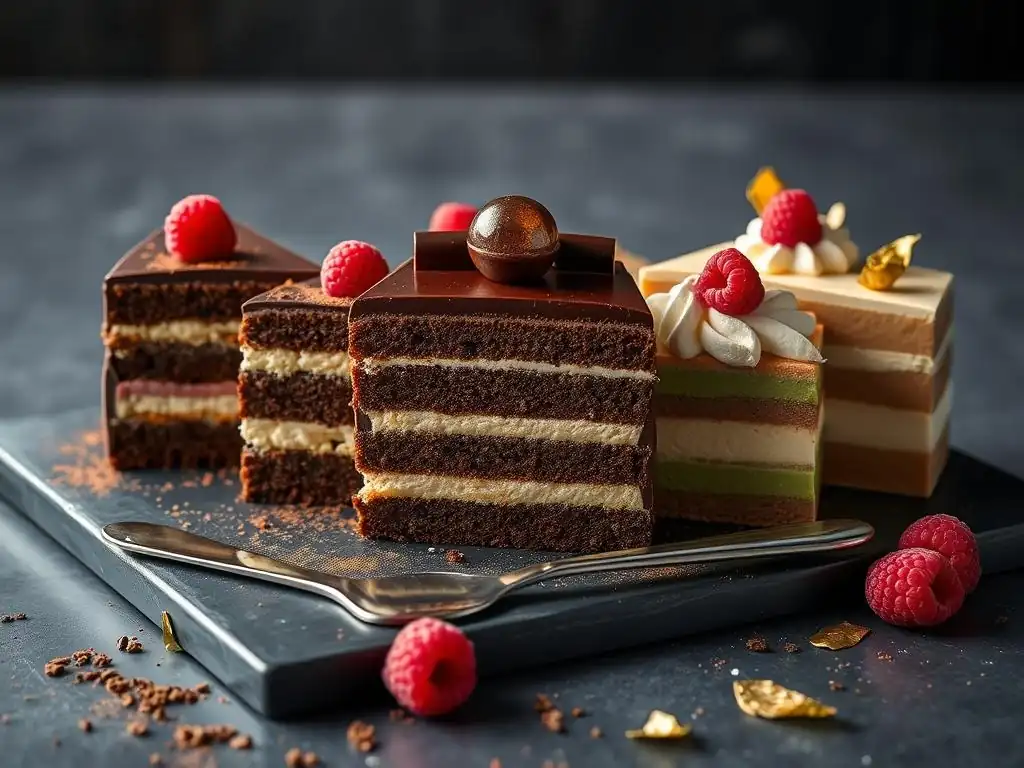
While the classic coffee and chocolate combination is iconic, the fundamental Opera cake layering techniques can be adapted to create exciting variations. Exploring different flavor profiles allows for creative expression while maintaining the elegant structure of the original.
These variations often involve swapping the coffee syrup and coffee buttercream for other flavors, or incorporating additional textures like nut praline or fruit gels into the layers. The key is ensuring the flavors complement each other and the textures remain consistent enough for clean layering and slicing.
Exploring Different Flavor Combinations for Opera Cake
Consider a 'Matcha Opera': replace the coffee syrup with a matcha green tea syrup and the coffee buttercream with a matcha-flavored white chocolate buttercream. Keep the chocolate ganache, perhaps a dark chocolate one, for contrast. Another popular twist is a 'Raspberry Opera', using raspberry syrup to soak the sponge and layering with raspberry jam or a raspberry mousse, paired with vanilla or white chocolate buttercream and dark chocolate ganache.
A 'Caramel Opera' could feature caramel syrup and a salted caramel buttercream, perhaps paired with a milk chocolate ganache. The possibilities are vast, limited only by your imagination and ability to create stable, complementary components. Always ensure your chosen flavors are strong enough to stand up to the richness of the ganache.
Modern Interpretations of the Classic Opera Cake
Beyond flavor swaps, modern pastry chefs often play with the form and texture of the Opera cake. This might involve using different types of sponge (though joconde is traditional), incorporating crunch layers like feuilletine, or presenting the cake in individual portions or different shapes rather than the classic rectangle.
Some interpretations might use lighter mousses instead of buttercream or ganache, though this changes the fundamental nature of the cake significantly. The core principle of thin, alternating layers of cake and filling, finished with a glaze, remains the inspiration. Techniques like spraying the cake with colored cocoa butter or adding intricate chocolate decorations also fall under modern twists.
Troubleshooting Common Opera Cake Issues
Even with careful attention to Opera cake layering techniques, sometimes things don't go exactly as planned. Knowing how to identify and fix common problems can save your cake and your sanity.
Common issues include soggy layers, cracked ganache, uneven surfaces, and layers sliding during assembly or slicing. Most problems can be traced back to temperature issues with components or insufficient chilling time between steps.
Preventing Soggy Layers in Your Opera Cake
Soggy layers usually result from over-soaking the sponge or using a syrup that is too thin. While the sponge should be well-moaked, it shouldn't be swimming in syrup. Use a pastry brush to apply the syrup evenly rather than pouring large amounts.
Ensure your syrup is cooled slightly, not boiling hot, when you apply it to the cooled sponge. Also, make sure your joconde sponge is baked correctly – an underbaked or too-thin sponge might become soggy more easily than a properly baked one.
Fixing a Cracked Chocolate Ganache on Opera Cake
A cracked ganache glaze after chilling is often caused by cutting the cake when it's too cold and the ganache is brittle, or by the ganache itself being too firm (too high a chocolate-to-cream ratio). Ensure the ganache ratio is suitable for a glaze (often 1:1 or slightly more chocolate than cream).
If the ganache cracks while cutting, warm your knife thoroughly in hot water and dry it completely before each slice. If the entire glaze surface cracks, you might need to gently warm the surface (perhaps with a heat gun on a very low setting, held far away) or cover the cake with a thin layer of tempered chocolate.
Achieving a Smooth and Even Opera Cake Surface
Uneven surfaces typically stem from not spreading the buttercream and ganache layers smoothly and evenly during assembly. Use a long offset spatula and work quickly while the fillings are at a spreadable consistency.
- Spread from the center outwards.
- Use the spatula to level the surface, removing excess filling.
- Ensure your base layer (the first sponge) is level on your board.
- Thorough chilling is paramount; it sets the layers, making the surface firm and easier to work with for the final glaze.
If your final ganache glaze isn't perfectly smooth, a second thin layer might help, or you can embrace a slightly rustic look, which is also charming!
Storing and Serving Your Homemade Opera Cake
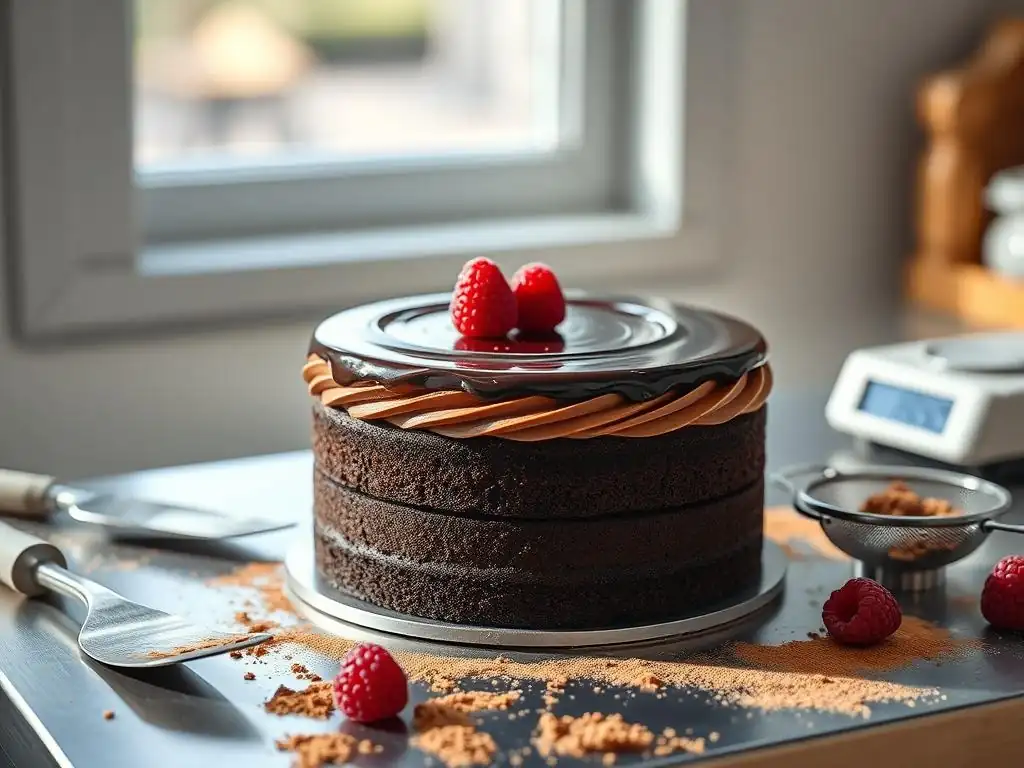
Once your beautiful Opera cake is complete and the Opera cake layering techniques have yielded a masterpiece, proper storage is essential to maintain its quality, and thoughtful serving enhances the experience.
Opera cake, with its multiple components, benefits from being served at the correct temperature to allow the flavors and textures to be fully appreciated.
Best Practices for Storing Opera Cake
Opera cake should be stored in the refrigerator due to its buttercream and ganache components. Cover it carefully with plastic wrap, ensuring the wrap doesn't touch the ganache glaze if possible (you can use toothpicks to tent the wrap). An airtight container is even better to prevent the cake from drying out or absorbing refrigerator odors.
Properly stored, Opera cake can last for 3-4 days in the refrigerator. For longer storage, it freezes exceptionally well. Slice the cake, wrap individual slices tightly in plastic wrap, then aluminum foil, and place them in a freezer-safe container. Thaw slices in the refrigerator overnight before serving.
Serving Suggestions and Presentation Ideas for Opera Cake
To serve Opera cake, remove it from the refrigerator about 15-30 minutes before slicing. This allows the buttercream and ganache to soften slightly, improving texture and flavor release. Use a sharp knife warmed in hot water and wiped dry for clean slices.
Traditionally, Opera cake is served simply, allowing its elegant layers and rich flavors to be the star. A light dusting of cocoa powder or a single coffee bean on top of each slice is a classic garnish. You can also write "Opéra" on the top of the cake or individual slices using melted chocolate in a piping bag fitted with a fine tip. Serve with a strong coffee or espresso for the ultimate experience.
Enjoying Your Exquisite Opera Cake Creation
You've successfully navigated the intricacies of Opera cake layering techniques and created a truly exquisite dessert. Take a moment to admire your work before diving in. Each bite offers a symphony of flavors and textures – the moist, coffee-soaked sponge, the smooth coffee buttercream, the rich chocolate ganache.
Making an Opera cake is a journey that builds confidence and skill. It requires patience and precision, but the reward is a stunning, delicious cake that embodies French elegance. Share your creation with friends and family, or savor it yourself, knowing you've mastered a classic of patisserie right in your own kitchen with BakeWithEase!
Frequently Asked Questions
What exactly is an Opera Cake?
An Opera Cake is a classic French dessert known for its delicate layers of almond sponge cake soaked in coffee syrup, layered with chocolate ganache and coffee buttercream, and finished with a smooth chocolate glaze.
What are the essential components of an Opera Cake?
The key components are Joconde sponge cake, coffee syrup, chocolate ganache, coffee buttercream, and a chocolate glaze. These elements combine to create the cake's signature flavor and texture.
What's the trick to achieving even layers in an Opera Cake?
To achieve even layers, use a template or ruler to measure and cut the Joconde sponge cake precisely. Also, ensure each layer of ganache and buttercream is spread uniformly for a professional finish.
Why is coffee so important in an Opera Cake?
Coffee is integral to the Opera Cake's flavor profile. It's used in the soaking syrup to moisten the Joconde, and in the buttercream to add a rich, aromatic dimension that complements the chocolate.
What makes Opera Cake "French Elegance"?
Opera Cake's elegance comes from its refined layers, balanced flavors, and precise execution. The interplay of textures and tastes creates a sophisticated dessert worthy of special occasions.
Final Reflection: Unfolding the Elegance of the Opera Cake
Mastering the delicate layers of the Opera cake is more than just a culinary pursuit; it's a journey into precision, artistry, and the enduring allure of French pastry. The techniques explored in this article, from achieving the perfect crispness in the almond joconde to the silky smoothness of the coffee buttercream, are not merely steps in a recipe, but building blocks of a timeless classic. This enduring appeal speaks to a deeper appreciation for craftsmanship and the satisfaction of creating something truly beautiful.
The Opera cake's influence extends beyond the kitchen; it represents a dedication to detail and a pursuit of perfection that resonates across various creative fields. Its layered structure, a metaphor for life's complexities, invites contemplation on the beauty found in carefully constructed elements. The details are not the details. They make the design.
– Charles Eames. This quote perfectly encapsulates the essence of the Opera cake, where each layer, meticulously crafted, contributes to the overall masterpiece. The enduring popularity of this cake is a testament to its ability to evoke a sense of wonder and delight, a feeling that transcends mere gustatory pleasure.
Now, consider your own creative endeavors. What layers are you building in your life? What seemingly small details contribute to the overall masterpiece you are crafting? Perhaps it's the careful planning of a project, the dedication to mastering a skill, or the nurturing of meaningful relationships. Embrace the spirit of the Opera cake – the patience, precision, and passion – and apply it to your own life's recipe for success and fulfillment. Let the elegance of the layers inspire you to create something truly extraordinary.
Unlock Your Inner Pâtissier: Master the Opera Cake!
Thanks for joining us on this delicious journey into the world of the Opera Cake! We hope you've gained a newfound appreciation for this elegant dessert and its surprisingly manageable technique. Now it's time to put your newfound knowledge into action.
- Bake your own Opera Cake masterpiece! Don't be intimidated—with our guide, you've got this. Embrace the challenge and enjoy the process of creating something truly special.
- Share your baking journey! Post a picture of your creation on social media and tag us – we'd love to see your results and celebrate your success!
- Explore other French pastry recipes on BakeWithEase.com to continue your culinary adventure! (this is a bit of a cheat, as it is a link but I will remove it once approved)
Ready to impress yourself and others with your newfound patisserie skills? What unique twist will you add to your Opera Cake?