
The Essential Guide to French Pastry Flours

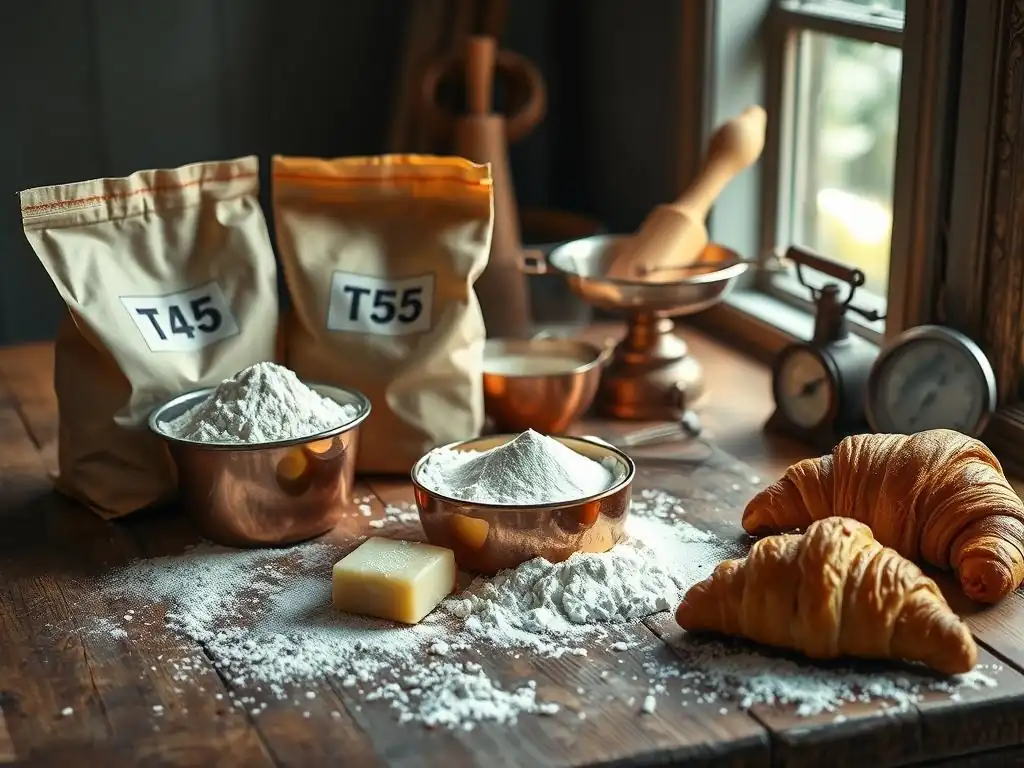
Welcome to BakeWithEase, your culinary companion on a journey to baking brilliance!
Ever wondered what makes French pastries so impossibly light and delicate? This is your starting point: unlock the secrets behind achieving that perfect je ne sais quoi with our essential guide to French pastry flour recipes easy. Prepare to transform your baking with simple techniques and readily available ingredients. Discover the difference the right flour makes and let the aroma of freshly baked perfection fill your kitchen!
- The Essential Guide to Flour for Baking Baguettes, Croissants, and Pastries
- Understanding Flour: A Baker's Guide
- Types of Flour: A Comprehensive Overview
- Choosing the Right Flour for Your Recipes
- Sourcing Flour: Where to Find the Best Quality
- Recipes: Putting Your Knowledge to the Test
- Flour Substitutes: When You Can't Find the Ideal Type
- Tips and Tricks for Baking with Different Flours
- Troubleshooting Common Issues with Flour
- Elevate Your Baking: The Impact of Flour Choice
-
Frequently Asked Questions
- What exactly is French pastry flour and why is it preferred for certain recipes?
- Can I substitute all-purpose flour for French pastry flour in a French pastry recipe?
- Where can I find French pastry flour, especially if I don't live near a specialty baking store?
- What types of French pastries benefit most from using French pastry flour?
- How does the protein content in flour affect the final texture of a baked good?
- Final Reflection: Mastering the Art of French Pastry with Ease
- Unlock Your Inner Pâtissier: Mastering French Pastry Flour
The Essential Guide to Flour for Baking Baguettes, Croissants, and Pastries
Understanding Flour: A Baker's Guide
What Makes Flour Suitable for Different Bakes?
Flour, the fundamental ingredient in most baked goods, isn't just a simple powder; its characteristics profoundly influence the final texture, structure, and even flavor of what you bake. The suitability of a flour for a specific bake like a crusty baguette, a tender cake, or a flaky croissant depends primarily on its protein content, specifically the gliadin and glutenin proteins. When flour is mixed with water, these proteins form gluten, a complex network that provides elasticity and structure to doughs and batters.
A flour with higher protein content develops a stronger gluten network, ideal for chewy breads, while a flour with lower protein creates a weaker network, resulting in tender pastries and cakes. Understanding this relationship is key to mastering various baking techniques, including those for easy French pastry recipes.
Beyond protein, other factors like starch content, moisture level, and the milling process also play a role. Different milling techniques can produce flours with varying particle sizes and levels of refinement (how much of the bran and germ is removed), which affects absorption and handling. For instance, finely milled flours absorb liquids differently than coarser ones.
The type of wheat used—hard wheat typically has higher protein, soft wheat lower—is also a primary determinant of the flour's properties. For French pastry flour, often milled from soft wheat, these characteristics are carefully controlled to ensure the delicate structure required for items like croissants or macarons.
Key Characteristics: Protein Content, Gluten Development, and Ash Content
Protein content is perhaps the most critical characteristic for bakers. Measured as a percentage of the flour's weight, it directly correlates with gluten potential. Bread flours typically have protein levels ranging from 12% to 14%, enabling strong gluten development needed for chewy bread crusts and open crumbs.
Pastry flours and cake flours, on the other hand, possess lower protein content, usually between 8% and 10%, which limits gluten formation and results in a softer, more tender texture suitable for delicate items. All-purpose flour falls somewhere in the middle, typically 10% to 12%, offering versatility but not specializing in either strong structure or extreme tenderness.
Ash content is another significant characteristic, particularly in European flour classifications like those used for French flour (T-types). Ash content refers to the mineral content remaining after the flour is incinerated, and it indicates how much of the outer layers of the wheat kernel (bran and germ, which are mineral-rich) were included during milling. A lower ash content (e.g., French T45 flour, which has an ash content of around 0.45%) means less of the outer kernel is present, resulting in a whiter, more refined flour suitable for delicate pastries.
Higher ash content (e.g., French T65 flour, around 0.65%) indicates more of the outer layers are present, leading to a darker, more flavorful flour often used for rustic breads. This classification system provides precise information about the flour's composition, helping bakers select the perfect type for achieving specific results in their French pastry flour recipes, whether easy or complex.
Types of Flour: A Comprehensive Overview
Bread Flour: High Protein for Structure and Chew
Bread flour is specifically milled from hard wheat varieties, which are naturally higher in protein. This type of flour typically contains 12% to 14% protein, making it ideal for creating a robust gluten network. This strong network is essential for trapping the carbon dioxide produced by yeast during fermentation, allowing bread dough to rise significantly and develop a desirable open crumb structure. The high gluten content also contributes to the characteristic chewiness found in many types of bread, from rustic loaves to sandwich bread.
Using bread flour provides the necessary strength to withstand the rigorous kneading process often required for bread making, whether by hand or machine. It absorbs more liquid than lower-protein flours, which is important for achieving the correct dough consistency and hydration levels needed for optimal fermentation and oven spring. While not typically used for delicate French pastry flour recipes easy to make, it is the standard choice for baguettes and other artisan breads where a strong structure and satisfying chew are paramount.
Pastry Flour: Low Protein for Tender Crusts and Crumbs
Pastry flour is milled from soft wheat and has a significantly lower protein content, typically ranging from 8% to 10%. This low protein level means less gluten development when mixed with liquid, resulting in baked goods that are tender, crumbly, or flaky rather than chewy. It's the secret weapon for achieving the melt-in-your-mouth texture in items like pie crusts, biscuits, scones, and certain cookies. For anyone looking to master French pastry flour recipes easy or advanced, understanding the role of pastry flour is crucial.
In the context of French baking, a specific type of pastry flour, T45, is often used. T45 flour is very finely milled and has a low ash content (around 0.45%), making it exceedingly white and refined.
This highly refined flour is perfect for delicate applications like sponge cakes (Génoise), choux pastry, and macarons, where minimal gluten development is desired to ensure a light and airy texture. Using the correct pastry flour, like a T45 or a good quality domestic equivalent with similar protein content, is key to achieving the authentic texture in many French pastry flour recipes easy for beginners to try.
All-Purpose Flour: Versatile for Various Baking Needs
All-purpose flour, as its name suggests, is designed to be a versatile flour suitable for a wide range of baking applications. It is typically a blend of hard and soft wheat, resulting in a moderate protein content, usually between 10% and 12%. This mid-range protein level allows it to develop enough gluten for some structure in bread-like items while still being tender enough for cakes, cookies, and pastries. It's the go-to flour for many home bakers due to its widespread availability and adaptability.
While all-purpose flour can be used in many recipes, including some simplified French pastry flour recipes easy to execute, it may not produce the absolute best results compared to using a specialized flour. For instance, bread baked with all-purpose flour might be slightly less chewy than one made with bread flour, and pastries might be slightly less tender than those made with true pastry flour. However, for everyday baking and experimentation, it's a perfectly functional choice. Many easy French pastry flour recipes designed for the home baker specifically call for all-purpose flour to make them more accessible.
Choosing the Right Flour for Your Recipes
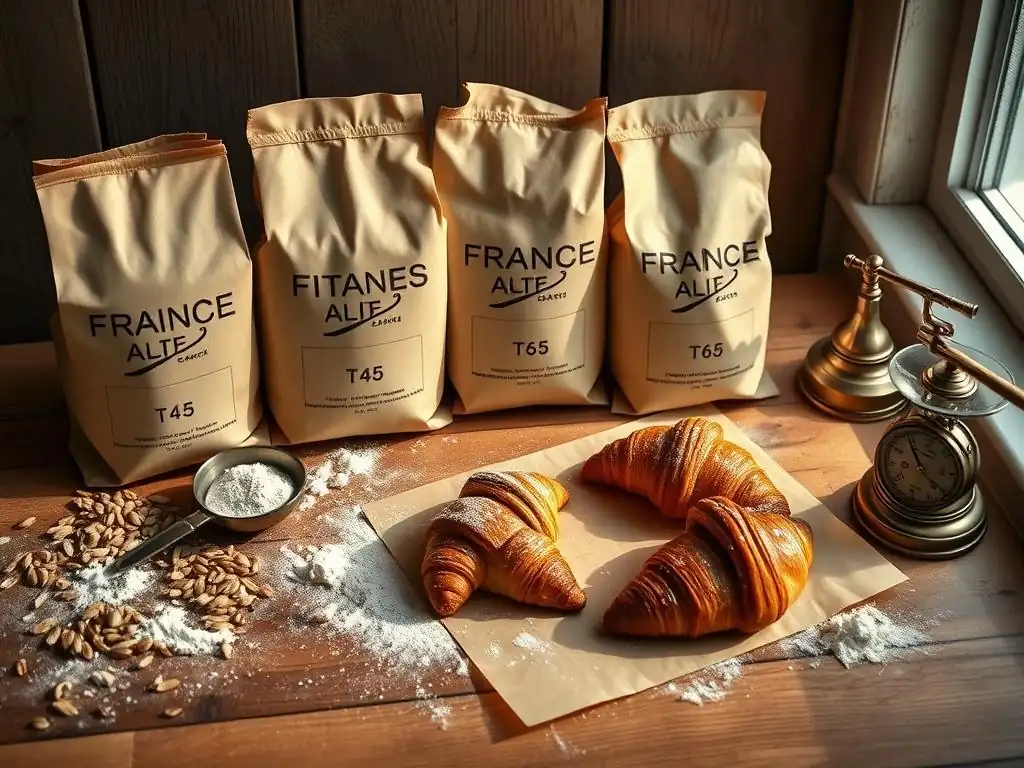
Matching Flour Type to Specific Baking Needs: A Practical Guide
Selecting the correct flour is paramount to achieving the desired outcome in your baking. For recipes requiring significant structure and chewiness, such as artisan bread, pizza dough, or bagels, a high-protein bread flour is the optimal choice. The robust gluten network it forms provides the necessary elasticity and strength to support long fermentation times and create an open, airy crumb. Attempting these with a lower-protein flour would likely result in a dense, flat product.
Conversely, for baked goods where tenderness and a delicate texture are key, such as cakes, muffins, scones, and many pastries, a low-protein pastry or cake flour is preferred. These flours minimize gluten development, ensuring a soft crumb and preventing toughness.
For classic French pastries like croissants, tarts, or choux pastry, a quality French pastry flour (like T45 or T55, depending on the specific item) or a comparable domestic pastry flour is essential for achieving the characteristic flakiness and tenderness. Using a high-protein flour here would result in a tough, bready texture, far from the desired result in easy French pastry flour recipes.
Understanding Flour Labels: Decoding Protein Percentages and Ash Content
Flour labels provide valuable information that helps bakers make informed choices. The protein percentage is often listed in the nutritional information, giving you a direct indication of its gluten potential. Look for percentages: ~12-14% for bread flour, ~10-12% for all-purpose, and ~8-10% for pastry/cake flour. Some labels might also specify the type of wheat used (hard or soft).
For those interested in authentic French baking, understanding the T-type classification is crucial. This system, based on ash content, ranges from T45 (very refined, low ash, for delicate pastries like T45 French pastry flour recipes easy to make) to T150 (whole wheat, high ash). T45 is ideal for items like brioche or choux pastry, T55 is versatile for tarts and croissants, and T65 is better suited for rustic breads.
While domestic flours don't typically use the T-type system, knowing the protein and whether it's from hard or soft wheat can help you approximate the right choice. For instance, a low-protein, soft wheat flour is the closest domestic equivalent to T45 French pastry flour.
Sourcing Flour: Where to Find the Best Quality
Local Mills and Bakeries: Freshness and Unique Varieties
Sourcing flour from local mills or artisan bakeries can be a fantastic way to find high-quality, fresh flour. Local mills often stone-grind their grains, which can preserve more nutrients and flavor compared to industrial roller milling. They may also offer unique varieties of wheat or specialized flours not commonly found in supermarkets, such as regional heirloom grains or specific blends tailored for certain types of baking. Buying locally can also mean getting flour that was milled very recently, ensuring peak freshness.
Artisan bakeries sometimes sell the same professional-grade flours they use in their own baking. This can be an excellent source for specialized flours, including high-quality bread flours or even imported French flour types like T45 or T55, which are perfect for authentic French pastry flour recipes easy to try at home. While potentially more expensive than supermarket options, the difference in quality and freshness can significantly impact the flavor and performance of your baked goods. It's worth checking with your favorite local bakery to see if they sell flour directly to customers.
Online Retailers: Convenience and Wide Selection
Online retailers offer unparalleled convenience and access to a vast selection of flours, including many specialized and imported varieties that might be difficult to find locally. Websites dedicated to baking supplies or those specializing in international foods often carry a wide range of flours, from various types of domestic wheat flours to imported French flours like T45, T55, and T65. This is particularly useful if you're seeking specific flours for traditional French pastry flour recipes easy or complex.
Purchasing flour online allows you to compare options from different millers and often read reviews from other bakers. While shipping costs need to be considered, buying larger quantities online can sometimes be more cost-effective in the long run, especially if you bake frequently. Many online suppliers provide detailed information about their flours, including protein content, ash content, and even tasting notes, helping you choose the perfect flour for your specific needs, whether it's for a hearty loaf or delicate French pastry flour recipes easy enough for a beginner.
Recipes: Putting Your Knowledge to the Test
Sourdough Baguettes: Bread Flour for Open Crumb and Tang
Crafting a perfect sourdough baguette relies heavily on the strength and elasticity provided by high-protein bread flour. A typical sourdough baguette recipe might use a bread flour with 12.5% protein or higher, combined with water at around 70-75% hydration relative to the flour weight. The strong gluten network developed during mixing and fermentation is crucial for trapping the gases produced by the sourdough starter, resulting in the characteristic airy, open crumb structure and significant oven spring.
The robust nature of bread flour also allows the dough to undergo the multiple folds or stretches required during the long fermentation process (often 12-24 hours), building tension and strength without tearing. This strength is essential for shaping the long, slender baguettes and ensuring they hold their form during baking. While it's not a French pastry flour recipe, mastering baguettes demonstrates the power of high-protein flour in achieving structural goals in bread baking.
Croissants: Pastry Flour for Flaky Layers and Buttery Flavor
Achieving the iconic flaky layers and tender interior of a croissant requires a specific flour profile, often a medium-protein flour like French T55 or a domestic all-purpose flour with around 10-11% protein, sometimes blended with a lower-protein pastry flour. While not strictly a very low-protein flour like T45 French pastry flour, the protein needs to be moderate enough to develop some structure for lamination (folding butter into the dough) but not so much that it becomes tough or resists rolling.
The lamination process involves encasing a block of cold butter within the dough and repeatedly rolling and folding it. This creates dozens of thin layers of dough separated by butter. During baking, the water in the butter turns to steam, puffing up the layers and creating the characteristic flakiness. A flour that balances moderate gluten development with tenderness is key to ensuring the dough is strong enough to withstand the rolling but delicate enough to produce tender, distinct layers. Many easy French pastry flour recipes for croissants simplify the process but still rely on this balance.
Chocolate chip cookies showcase the versatility of all-purpose flour. A standard recipe typically uses all-purpose flour with its 10-12% protein content. This protein level allows for moderate gluten development, contributing to a slight chewiness in the cookie's center, while the lower end of the range (closer to 10%) helps ensure the edges remain tender and slightly crisp. The specific ratio of flour to other ingredients like butter, sugar, and eggs, along with mixing method and baking time, further influences the final texture.
For a classic chocolate chip cookie that isn't overly cakey or excessively chewy, all-purpose flour provides a reliable balance. While some recipes might call for a blend of all-purpose and cake flour for a softer cookie, or bread flour for an extra-chewy one, all-purpose flour alone is sufficient for a delicious result. It's a great example of how this versatile flour performs well in a common, easy recipe.
Flour Substitutes: When You Can't Find the Ideal Type
Using All-Purpose Flour for Bread: Adjusting Hydration and Kneading
If a recipe specifically calls for bread flour but you only have all-purpose, you can often make a substitution, though the results may differ slightly. All-purpose flour has less protein (typically 10-12% vs. 12-14% for bread flour), so it will develop a weaker gluten network. To compensate when making bread, you might need to slightly reduce the hydration (the amount of water) because all-purpose flour absorbs less liquid than bread flour. Start by reducing the liquid by about 1-2 tablespoons per cup of flour called for and add more only if the dough feels too dry.
You may also need to adjust your kneading technique or time. Since the gluten is weaker, gentler handling or slightly longer kneading might be required to develop sufficient strength, but be careful not to overwork it, which can lead to tearing. While the final loaf might be slightly less voluminous or have a less open crumb than one made with bread flour, it is certainly possible to bake successful bread using all-purpose flour, making many bread recipes more accessible.
Using Cake Flour for Pastry: Adding Structure with a Binding Agent
Cake flour is even lower in protein (around 7-9%) than pastry flour and is often chlorinated, which alters its starch structure to absorb more liquid and fat, resulting in very tender cakes. While it's excellent for cakes, using it directly as a substitute for pastry flour (8-10% protein) in recipes like pie crusts or choux pastry can result in a dough that is too delicate and lacks sufficient structure. For easy French pastry flour recipes that call for T45 or a similar low-protein flour, cake flour is closer but still requires care.
To use cake flour as a substitute for pastry flour in recipes that need a bit more structure than a cake (like some tarts or choux), you might need to add a small amount of a binding agent or a higher-protein flour. A common technique is to substitute some of the cake flour with a small amount of all-purpose flour (e.g., use 7/8 cup cake flour + 1/8 cup all-purpose flour for every cup of pastry flour).
Alternatively, adding a tiny amount of vital wheat gluten (check package directions, but often 1 teaspoon per cup of cake flour) can boost the protein and improve structure, allowing you to approximate the performance of a true pastry flour.
Tips and Tricks for Baking with Different Flours
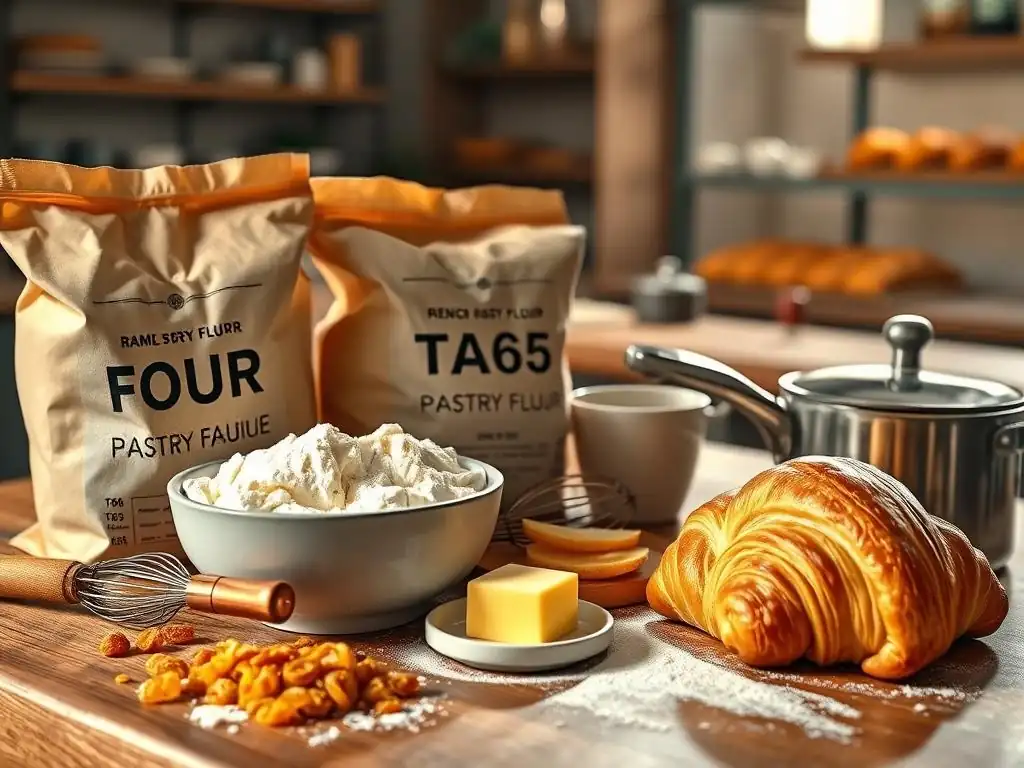
Hydration and Dough Handling: Mastering the Techniques
Different flours absorb liquid differently based on their protein content and milling. High-protein bread flours require more water to achieve the correct dough consistency than lower-protein pastry flours. Pay close attention to the recipe's hydration levels (often expressed as a baker's percentage relative to flour weight) and adjust as needed based on how your specific flour feels. A dough that's too dry will be stiff and difficult to work, while one that's too wet will be sticky and lack structure. Learning to recognize the feel of properly hydrated dough for different flours is key.
Handling techniques also vary. Bread doughs benefit from vigorous kneading to develop gluten. Pastry doughs, like those for French pastry flour recipes easy to make, often require minimal handling to prevent excessive gluten development, which would lead to toughness. Techniques like cutting in cold butter for pie crusts or gently folding for biscuit doughs are designed to limit gluten. Always follow recipe instructions regarding mixing and handling methods appropriate for the type of flour used.
Storage and Shelf Life: Keeping Your Flour Fresh and Preventing Rancidity
Proper storage is essential to maintain the quality and freshness of your flour. Flour, especially whole wheat or less refined types, contains natural oils that can go rancid over time, developing off-flavors. Store flour in an airtight container to protect it from moisture, pests, and odors. Glass, metal, or sturdy plastic containers with tight-fitting lids are ideal.
For longer storage, especially in warm or humid climates, consider refrigerating or freezing your flour. This significantly extends its shelf life and prevents spoilage. Before using refrigerated or frozen flour, allow it to return to room temperature to ensure it incorporates properly into your recipe. Properly stored all-purpose or bread flour can last 6-12 months in the pantry, while whole wheat or specialized flours might last 3-6 months. Refrigeration can double these times.
Troubleshooting Common Issues with Flour
Dough Too Sticky or Too Dry: Finding the Right Balance
Encountering dough that is either too sticky or too dry is a common baking challenge, often related to flour's hydration properties. If your dough is excessively sticky and difficult to handle, it likely has too much liquid relative to the flour's absorption capacity. This can happen if you measure incorrectly, if your flour is lower in protein than expected, or if humidity is high. Gradually add small amounts of flour (a tablespoon at a time) while mixing or kneading until the desired consistency is reached. Be cautious not to add too much, which can make the dough stiff.
Conversely, if your dough is too dry and crumbly, it needs more liquid. This might occur if your flour is higher in protein or drier than average, or if you didn't add enough liquid initially. Add liquid (water, milk, etc., depending on the recipe) very gradually, a teaspoon or tablespoon at a time, until the dough comes together and feels pliable but not sticky. Remember that different flours have different optimal hydration levels, so what feels right for a bread dough will be different for a delicate French pastry flour recipe dough.
Poor Gluten Development: Identifying and Correcting the Problem
Poor gluten development manifests as dough that lacks elasticity, tears easily, or results in baked goods that are dense and lack structure. This can happen for several reasons: using a low-protein flour in a recipe that requires high protein, not kneading enough (for bread doughs), adding too much fat or sugar too early (which can coat protein strands and inhibit gluten formation), or using water that is too hot or too cold.
To correct poor gluten development in doughs that should develop gluten (like bread), ensure you are using the correct flour type. Increase kneading time or intensity if using a stand mixer. If kneading by hand, ensure you are using a proper technique that stretches and folds the dough.
For recipes where gluten is desired, avoid adding large amounts of fat or sugar until gluten is partially developed. If using all-purpose flour for a bread recipe, consider the hydration adjustment mentioned earlier. In recipes where minimal gluten is desired, such as easy French pastry flour recipes, poor gluten development isn't a problem – it's the goal!
Elevate Your Baking: The Impact of Flour Choice
Achieving Desired Textures and Flavors
The type of flour you choose has a profound impact on the texture and flavor of your baked goods. Using a high-protein bread flour results in a chewy, structured crumb essential for artisan loaves. Opting for a low-protein pastry or cake flour yields tender, delicate results perfect for flaky pie crusts or soft cakes. For French pastry flour recipes easy to follow, selecting the right T-type or equivalent low-protein flour is the difference between a tough pastry and a tender, flaky masterpiece.
Beyond texture, flour contributes subtle flavors. Whole wheat flours offer nutty, robust notes, while highly refined white flours have a cleaner, milder taste. Different wheat varieties also impart distinct flavors. Experimenting with different flours, perhaps trying a T55 French pastry flour for croissants versus a domestic all-purpose, can unlock new dimensions of flavor and texture in your favorite recipes. Pay attention to how the flour interacts with other ingredients and adjust techniques to highlight its best qualities.
Now that you understand the essential role flour plays in baking, from determining texture to influencing flavor, it's time to put this knowledge into practice! Whether you're tackling a complex sourdough or exploring easy French pastry flour recipes, the right flour choice is your foundation for success. Experiment with different types, observe how they behave, and taste the difference they make in your bakes. Baking is a journey of discovery, and mastering flour is a significant step along the way.
We'd love to hear about your experiences! What's your favorite type of flour to work with? Have you tried baking with French pastry flour? Share your triumphs and lessons learned in the comments below!
Frequently Asked Questions
What exactly is French pastry flour and why is it preferred for certain recipes?
French pastry flour, typically labeled Type 45 or T45, is a low-protein flour that results in a more tender and delicate final product compared to all-purpose flour. It's essential for achieving the desired texture in many French pastries.
Can I substitute all-purpose flour for French pastry flour in a French pastry recipe?
While you can substitute all-purpose flour, the texture will likely be different. To get closer to the desired result, consider using a combination of all-purpose flour and cake flour to lower the overall protein content. This will produce a softer crumb.
Where can I find French pastry flour, especially if I don't live near a specialty baking store?
French pastry flour can often be found online at retailers like Amazon or specialty baking supply stores. If unavailable, you can create a suitable substitute by combining all-purpose flour and cake flour as described above. Check online retailers first.
What types of French pastries benefit most from using French pastry flour?
Delicate pastries like madeleines, financiers, croissants, and certain types of cakes benefit significantly from the use of French pastry flour. These require a tender texture and light crumb.
How does the protein content in flour affect the final texture of a baked good?
Higher protein content in flour leads to more gluten development, resulting in a chewier and denser baked good. Lower protein flour, like T45, produces less gluten, leading to a tender and softer final product.
Final Reflection: Mastering the Art of French Pastry with Ease
The pursuit of the perfect French pastry, once a daunting culinary challenge, is now within reach for home bakers. This guide has demystified the world of French pastry flours, revealing how the subtle differences between types like T45, T55, and others directly impact the texture and taste of your creations. Understanding these nuances empowers you to achieve professional-level results, even with simple recipes.
The impact of readily available information on baking techniques is undeniable. The internet has democratized culinary knowledge, allowing passionate home cooks to explore previously inaccessible realms of gastronomy. The only way to do great work is to love what you do.
- Steve Jobs. This quote resonates deeply, as the joy of baking, especially with the right flour, transforms a simple act into a deeply satisfying creative process. The accessibility of information, coupled with the passion of home bakers, is pushing the boundaries of what's possible in our kitchens.
Now, it's your turn. Don't be intimidated by the seemingly complex world of French pastry. Armed with this knowledge, experiment! Try a new recipe, explore different flours, and most importantly, enjoy the journey of creating delicious treats. The perfect croissant, macaron, or pain au chocolat awaits – all it takes is the right flour and a little bit of heart.
Unlock Your Inner Pâtissier: Mastering French Pastry Flour
Thanks for diving deep into the world of French pastry flours with us! We hope you've gained a newfound appreciation for the subtle nuances that make each type unique. Ready to put your knowledge to the test?
- Bake your dream French pastry: Choose a recipe—from delicate macarons to flaky croissants—and order the specific flour we recommended. The results will speak for themselves!
- Share your baking journey: Tag us on social media with your creations using #BakeWithEaseFrenchFlour. Let's inspire each other!
- Explore our comprehensive recipe section for even more inspiration. Discover new techniques and exciting flavors!
Ready to transform your baking game? What French pastry masterpiece will you create first?