
Transform Simple Cakes into Elegant Plated Creations

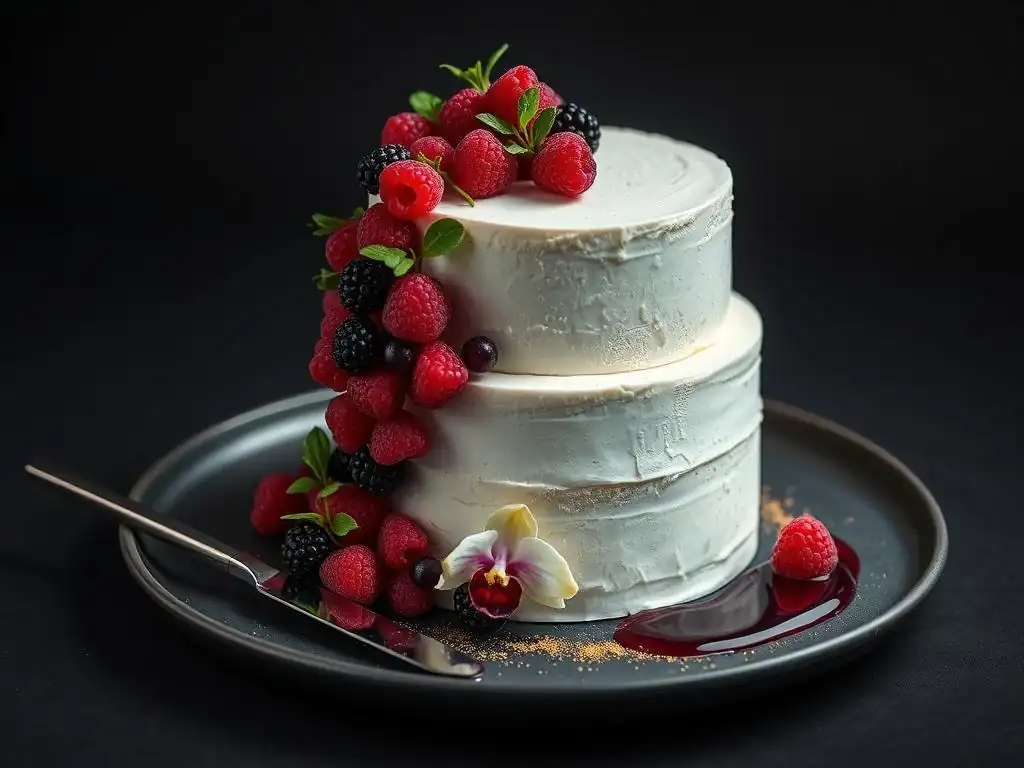
Welcome to BakeWithEase, where even the simplest treats can become extraordinary! Ever wondered how to elevate your homemade cakes from delicious to dazzling? Dive into our latest guide and unlock the secrets of elegant cake plating techniques. Prepare to transform your desserts into edible works of art – the journey to stunning presentations starts now, so keep reading to discover how!
- Elevate Simple Cakes: Plating Techniques for Elegance
- Mastering Cake Plating: Creating Elegant Dessert Presentations
- Fundamentals of Elegant Cake Plating
- Cake Plating Techniques: Step-by-Step
- Enhancing Plated Cakes with Garnishes and Sauces
- Cake Plating Inspiration: Examples
- Tips for Perfect Cake Presentation
- Advanced Cake Plating Techniques
- Conclusion: Elegant Cake Plating
-
Frequently Asked Questions
- How important is the choice of plate for elegant cake plating?
- What are some simple sauces I can use to elevate my cake plating?
- Can garnishes really make a difference in cake presentation?
- Is there a specific technique for cutting the cake to ensure an elegant presentation?
- What are some common mistakes people make when plating cakes elegantly?
- Final Reflection: Elevating the Everyday: The Art of Elegant Cake Plating
- Unleash Your Inner Cake Artist!
Elevate Simple Cakes: Plating Techniques for Elegance
Mastering Cake Plating: Creating Elegant Dessert Presentations
Transforming a simple cake into a stunning, restaurant-quality dessert is an art form accessible to any home baker. It's not just about the taste; the visual presentation plays a crucial role in the overall dining experience. Mastering elegant cake plating techniques can elevate even the most straightforward sponge or pound cake, making it look and feel special. This involves understanding composition, color, texture, and the strategic use of garnishes and sauces.
By focusing on a few key principles and practicing simple yet effective techniques, you can turn everyday baked goods into memorable culinary creations. Whether you're hosting a dinner party or simply want to make dessert feel more luxurious, these elegant cake plating techniques will help you present your cakes with grace and sophistication, impressing your guests before they even take their first bite.
Fundamentals of Elegant Cake Plating
The Impact of Visual Presentation in Dessert
The visual appeal of a dessert significantly influences how it is perceived and enjoyed. Studies in sensory science suggest that presentation can enhance the perceived flavor and quality of food. For instance, a beautifully plated dessert might be rated as tasting up to 10-20% better than the same dessert presented poorly, simply because our brains associate aesthetic pleasure with taste pleasure. This highlights why investing time in elegant cake plating techniques is worthwhile.
Beyond enhancing flavor perception, striking visual presentation creates anticipation and excitement. A well-composed plate tells a story and demonstrates care and attention to detail, making the dining experience more memorable. It transforms dessert from a simple ending to a meal into a highlight, encouraging diners to savor the moment and appreciate the effort put into its creation. Effective plating is a silent conversation between the baker and the diner, communicating passion and skill.
Essential Tools for Cake Plating
Having the right tools makes executing elegant cake plating techniques much easier and more precise. While you don't need a professional kitchen setup, a few key items can significantly improve your results. An offset spatula, for example, is invaluable for smoothing sauces or placing dollops of cream with control. Squeeze bottles or piping bags with fine tips are essential for creating delicate lines or dots with sauces or purees.
Other useful tools include stencils for applying powdered sugar or cocoa in patterns, ring molds for shaping components or sauces, and even simple spoons for creating elegant swooshes of sauce. Precision tweezers can be surprisingly helpful for placing small, delicate garnishes like microgreens or edible flowers exactly where you want them. Investing in a few of these items will greatly expand your repertoire of elegant cake plating techniques.
Cake Selection: Texture and Flavor Pairing
The type of cake you choose and how its texture and flavor pair with accompanying elements are fundamental to successful elegant cake plating. A dense, moist cake like a flourless chocolate cake slices cleanly and holds its shape well on a plate, making it ideal for precise cuts and arrangements. Lighter cakes, such as sponge or chiffon, might require careful handling but offer a different textural contrast when paired with creamy or crunchy elements.
Consider how the cake's primary flavor profile complements the sauces, fruits, or creams you plan to use. A rich chocolate cake pairs beautifully with tart raspberry or bright citrus flavors. A simple vanilla cake is a versatile canvas for everything from salted caramel and nuts to berry compotes and fresh cream. Thinking about these pairings ensures that your elegant cake plating techniques not only look good but also enhance the overall taste experience. Aim for a balance of sweet, tart, rich, and fresh flavors, alongside varied textures like smooth, crisp, and creamy.
Cake Plating Techniques: Step-by-Step
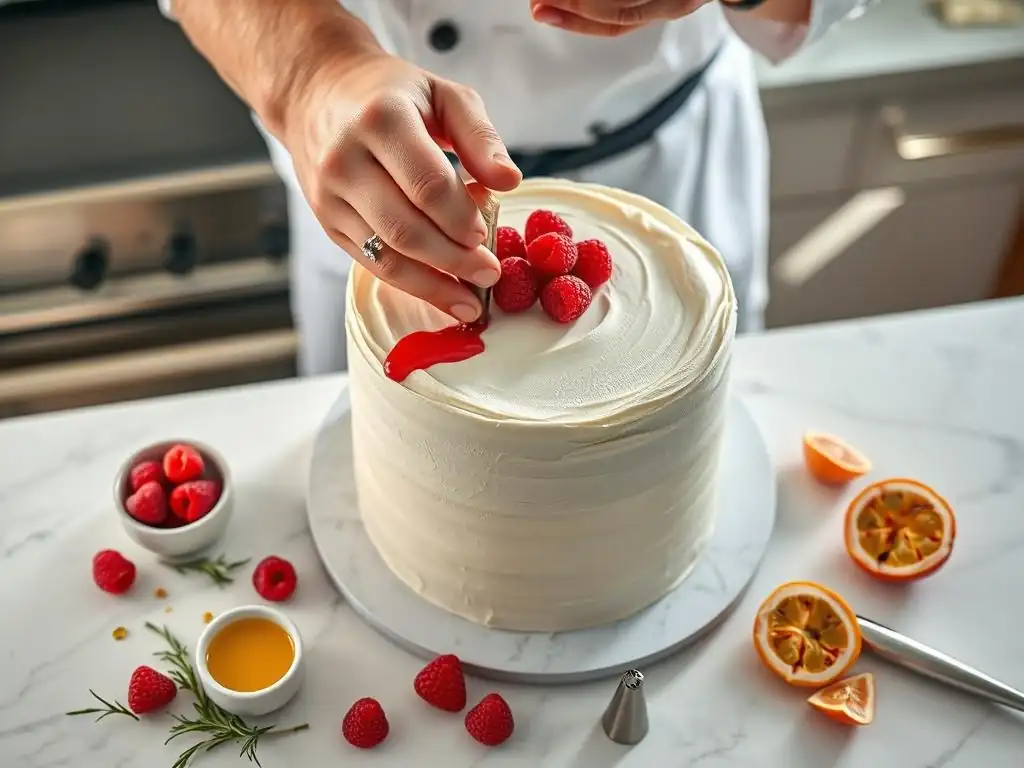
Technique 1: The Classic Slice with Sauce
One of the most fundamental and effective elegant cake plating techniques is the classic slice presented with a complementary sauce. This approach is clean, sophisticated, and highlights the cake itself. It typically involves placing a single, perfectly cut slice of cake on a plate and artfully arranging a sauce alongside or beneath it, often with a simple garnish.
To execute this technique well, focus on precision. The cake slice should be neat, and the sauce application deliberate. This method is simple yet powerful, allowing the quality of the cake and sauce to shine through while demonstrating attention to detail in presentation. It's a cornerstone technique for anyone learning elegant cake plating.
Achieving a Clean Cake Slice
Achieving a clean, sharp cake slice is paramount for elegant presentation. Start with a cake that has cooled completely; warm cakes are much harder to cut neatly. Use a sharp, thin-bladed knife, like a chef's knife or a long serrated knife. For the cleanest cuts, especially with layered cakes or those with frosting, warm the knife blade in hot water and wipe it dry before each cut.
Cut straight down in a single, decisive motion rather than sawing back and forth. For extra clean slices, especially with delicate cakes, you can chill the cake for 30-60 minutes before cutting. Lift the slice carefully using a cake server or large spatula, ensuring it remains intact as you transfer it to the plate. A clean slice is the foundation for many elegant cake plating techniques.
Mastering Sauce Swirls
Sauce swirls add movement, color, and flavor to the plate, making them essential for elegant cake plating. There are several ways to create appealing swirls. A simple method involves pouring a small pool of sauce onto the plate and using the back of a spoon to drag it outwards in a smooth, curving motion. The size and shape of the spoon will affect the resulting swirl.
For more controlled designs, use a squeeze bottle filled with sauce. You can draw lines, dots, or abstract patterns directly onto the plate. Practice different pressures and movements to see how the sauce flows. Another technique is to place dots of sauce and then drag a toothpick or skewer through them to create a connected pattern. The key is confidence and a steady hand; don't be afraid to experiment on a separate surface before working on your final plate.
Technique 2: Deconstructed Cake
Deconstructing a cake involves separating its core components—cake, frosting or cream, sauce, and perhaps fruit or a crunchy element—and artfully arranging them on the plate. This technique offers a modern, artistic approach to elegant cake plating, allowing guests to experience the different textures and flavors individually or in combination.
This method requires careful consideration of how each component looks and interacts on the plate. It's about creating a visually dynamic composition that invites exploration. While it might seem complex, breaking down the dessert allows for creative freedom and highlights the quality of each element, making it a popular choice for contemporary elegant cake plating techniques.
Breaking Down Cake Components: Sauce, Cream, Fruit, Cake
To deconstruct a cake, you first need to prepare each element separately. The cake itself might be cut into cubes, crumbled, or baked into small rounds or fingers. The frosting or cream can be piped, dolloped, or smeared. Sauces or purees are crucial for both flavor and visual flow, often used as a base or drizzled over other components.
Adding textural contrast is key. This could be achieved with fresh berries, caramelized nuts, chocolate shards, or a crisp element like a tuile or cookie crumble. Each component should be prepared to its best, as it will be presented individually. Thinking of each element as a building block allows for creative arrangement and ensures every part contributes to the overall elegant cake plating.
Arranging Components for Visual Appeal
Arranging the deconstructed components is where the artistry of elegant cake plating truly comes into play. Think about balance, negative space, and creating a focal point. You might start with a smear or swirl of sauce as a base, then strategically place pieces of cake, dollops of cream, and scattering of crunchy elements or fruit.
Consider using the rule of thirds, placing key elements off-center for a more dynamic composition. Vary the size and shape of the components. For example, pair neat cake cubes with irregular crumbles and smooth dollops of cream with sharp shards of chocolate. The goal is to create an interesting landscape on the plate that is both harmonious and visually exciting, showcasing your elegant cake plating techniques.
Technique 3: Layered Cake
Building height and dimension is a fundamental aspect of many elegant cake plating techniques. Layering components vertically adds drama and sophistication to the plate, drawing the eye upwards and making the dessert feel more substantial and impressive. This goes beyond a traditional tiered cake; it involves stacking elements on the plate itself.
This technique often involves using a base layer, adding the cake, then layering creams, sauces, and garnishes on top or alongside to create a multi-dimensional presentation. It requires components that can hold their shape or be supported, and careful assembly to prevent collapse, resulting in truly elegant cake plating.
Building Height and Dimension
To build height effectively, start with a stable base. This could be a smear of thick sauce, a dollop of sturdy cream, or even a piece of cake. Place your main cake component on this base. Then, use elements like piped cream, fruit compotes, or even thin cookie wafers to build layers upwards. Think of it as creating a small sculpture on the plate.
Using different shapes and sizes for each layer adds visual interest. For example, a round cake base topped with a smaller dollop of cream and finished with a vertical chocolate shard creates varied forms and heights. Ensure each layer is placed deliberately and securely. Building upwards requires confidence and a vision for the final structure, enhancing your elegant cake plating techniques.
Combining Cake Textures and Flavors
Layered plating is an excellent opportunity to combine multiple textures and flavors within a single dessert presentation. Imagine a base of moist chocolate cake, topped with a layer of smooth, rich ganache, then a dollop of light, airy raspberry mousse, finished with a scattering of crisp chocolate pearls and fresh raspberries.
Each layer contributes a different element to the bite—soft cake, creamy ganache, fluffy mousse, and crunchy pearls, all tied together by the tartness of the fruit. This creates a complex and exciting sensory experience. By carefully selecting and layering components with contrasting textures and complementary flavors, you elevate the simple cake into a sophisticated, multi-faceted dessert using elegant cake plating techniques.
Technique 4: Stencils and Powders
Using stencils and powders like powdered sugar or cocoa is a simple yet highly effective way to add intricate patterns and visual flair to your elegant cake plating. This technique allows you to easily apply decorative elements directly onto the plate or even onto the cake itself, creating a polished and professional look with minimal effort.
Whether you choose a simple geometric shape, a delicate lace pattern, or a themed design, stencils provide a clean and consistent way to add decorative powdered elements. It's a quick method that can instantly elevate the visual appeal of a plated dessert, making it one of the go-to elegant cake plating techniques for adding a touch of artistry.
Selecting Stencils
Stencils come in a vast array of designs, from simple circles and stripes to elaborate floral patterns and abstract shapes. When selecting a stencil for elegant cake plating, consider the overall theme and style of your dessert. A modern dessert might suit a geometric stencil, while a classic cake could be enhanced by a more traditional lace or scroll pattern.
Ensure the stencil is made from a food-safe material, typically plastic or metal. The size of the stencil should be appropriate for your plate and the scale of your dessert components. You can find stencils specifically designed for coffee art or cake decorating, which work perfectly for plating. Having a few versatile stencils in your collection will allow you to add decorative elements quickly and effectively as part of your elegant cake plating techniques.
Applying Powdered Sugar and Cocoa
Applying powdered sugar or cocoa using a stencil is straightforward. Place the stencil carefully onto the plate where you want the design. Hold it firmly in place to prevent the powder from slipping underneath. Then, using a fine-mesh sieve or a small shaker, gently tap the powder over the stencil, ensuring even coverage.
Once you have applied enough powder to create the desired density of the pattern, carefully lift the stencil straight up and away from the plate to reveal the design. Avoid sliding the stencil, as this can smudge the pattern. This technique works best on dry surfaces. You can also apply stencils directly onto a cake's frosted or ganached surface for a decorative top or side pattern, enhancing your elegant cake plating.
Enhancing Plated Cakes with Garnishes and Sauces
Garnishes and sauces are the finishing touches that bring elegant cake plating together. They add pops of color, bursts of flavor, varied textures, and visual interest, transforming a simple slice into a complete dessert experience. Choosing the right complements is just as important as the plating technique itself.
Thoughtful selection and placement of these elements can highlight the cake's best qualities and add layers of complexity to the presentation. Whether it's the vibrant hue of a berry coulis, the rich sheen of chocolate ganache, or the delicate touch of a fresh mint leaf, garnishes and sauces are indispensable tools in the repertoire of elegant cake plating techniques.
Complementary Garnishes: Fruit, Chocolate, Herbs
Garnishes should complement the cake's flavor profile while adding visual appeal. Fresh berries like raspberries, strawberries, or blueberries offer bright colors and a tart counterpoint to sweet cakes. Sliced citrus segments or candied zest can add zing and visual freshness.
Chocolate garnishes, such as shaved chocolate, chocolate curls, or tempered chocolate shards, add richness and various textures, pairing well with many cake flavors. Delicate sprigs of fresh herbs like mint, basil, or even thyme can introduce unexpected but delightful aromatic notes and a touch of vibrant green. Consider toasted nuts or edible flowers for additional texture and color. The key is using garnishes sparingly and strategically to enhance, not overpower, the elegant cake plating.
Dessert Sauces for Visual Appeal
Dessert sauces are pivotal in elegant cake plating, serving as both a flavor enhancer and a key visual element. Their color, consistency, and how they are applied can dramatically change the look of a plate. Sauces provide moisture and richness and can be used to create dynamic patterns, anchor components, or add pools of vibrant color.
Classic sauces like raspberry coulis, chocolate ganache, or salted caramel are popular choices. Their smooth textures are ideal for creating swooshes, dots, or lines. The contrast in color between a dark chocolate cake and a bright red raspberry sauce, for instance, is visually striking and a staple of elegant cake plating techniques.
Raspberry Coulis Recipe (Approximation)
A simple raspberry coulis is vibrant and tart, perfect for cutting through the richness of many cakes. You can make an easy version by simmering about 2 cups of fresh or frozen raspberries with ¼ cup of granulated sugar and a squeeze of lemon juice for about 10-15 minutes, stirring occasionally.
Once the raspberries have broken down and the sauce has thickened slightly, press it through a fine-mesh sieve using the back of a spoon to remove the seeds. This yields a smooth, bright red sauce ideal for elegant cake plating. Allow it to cool completely before using. This basic coulis can be adapted with other berries or fruits.
Chocolate Ganache Recipe (Approximation)
A basic chocolate ganache is incredibly versatile for elegant cake plating. A simple ratio involves heating about 1 cup of heavy cream just to a simmer, then pouring it over about 8 ounces of finely chopped good-quality chocolate (dark, milk, or white, depending on your preference).
Let the mixture sit for a few minutes to allow the chocolate to melt, then whisk gently from the center outwards until smooth and emulsified. For a thicker ganache suitable for dolloping, use slightly less cream. For a thinner sauce for drizzling, use slightly more cream. Let it cool to your desired consistency before using for elegant cake plating.
Strategic Sauce Placement
The placement of sauce is critical in elegant cake plating. It shouldn't look accidental. Consider using the sauce as a base layer, spreading a thin layer across part of the plate before placing the cake. This provides a foundation and prevents the cake from looking isolated.
Alternatively, you can create a dynamic swoosh alongside the cake slice using the back of a spoon. Squeeze bottles are perfect for drawing deliberate lines or patterns around the cake. Placing a small pool of sauce adjacent to the cake allows diners to control how much they add to each bite. The key is intentionality; each placement should contribute to the overall aesthetic and flavor balance of your elegant cake plating.
Cake Plating Inspiration: Examples
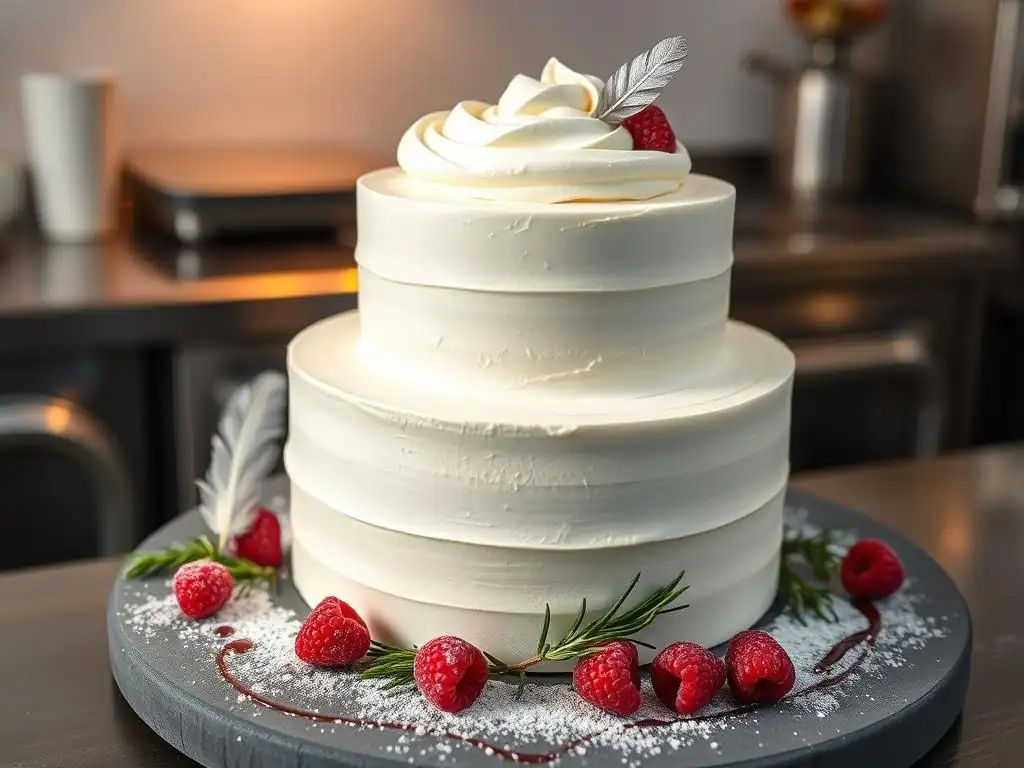
Looking at successful examples can spark ideas for your own elegant cake plating techniques. Observing how professional pastry chefs combine elements, use negative space, and build compositions provides valuable insight. These examples showcase how simple components can be transformed through thoughtful arrangement and finishing touches.
Consider these classic pairings and imagine how the techniques discussed earlier could be applied to create stunning presentations. These serve as excellent starting points for practicing and developing your own signature style in elegant cake plating.
Chocolate Cake with Raspberry Coulis and Berries
Imagine a perfectly cut slice of rich chocolate cake placed slightly off-center on a white plate. A vibrant red raspberry coulis is artfully swooshed across the plate, originating from beneath the cake slice and extending outwards. Fresh raspberries and perhaps a few small dollops of whipped cream are strategically placed along the swoosh and near the cake.
A dusting of cocoa powder through a small stencil shape (like a simple circle or star) in one corner of the plate adds a subtle decorative element. The contrast between the dark cake, bright red sauce, and white cream, along with the varying textures, creates a visually appealing and classic example of elegant cake plating.
Vanilla Cake with Salted Caramel and Toasted Pecans
Visualize a slice of moist vanilla bean cake. A pool of glossy, golden salted caramel sauce is spread thinly as a base on the plate. The cake slice is placed on top of one end of the caramel smear. Toasted pecan halves and pieces are scattered artistically across the caramel and around the base of the cake, providing crunch.
Small dollops of vanilla bean cream or mascarpone cheese are piped alongside the cake. A few fine strands of spun sugar could be added on top of the cake for height and delicate texture (an advanced touch). This composition offers warm colors and tempting textures, showcasing elegant cake plating techniques focused on classic flavor combinations.
Lemon Cake with Lemon Curd and Meringue
Consider a light and airy slice of lemon cake. A swirl of bright yellow lemon curd is placed on the plate, perhaps using a spoon or squeeze bottle for a dynamic shape. The cake slice is then positioned atop or next to the lemon curd. Small, delicate meringue kisses or shards are scattered around the plate and leaning against the cake, adding crisp texture and a touch of elegance.
A fine dusting of powdered sugar over the meringue and plate adds a soft finish. A tiny sprig of fresh mint or a thin slice of candied lemon peel provides a final pop of color and aroma. This example demonstrates elegant cake plating using bright, fresh flavors and contrasting textures, creating a refreshing and visually appealing dessert.
Tips for Perfect Cake Presentation
Achieving consistently beautiful and elegant cake plating involves more than just knowing the techniques; it requires attention to detail and an understanding of basic design principles. Focusing on a few key aspects during the plating process can significantly improve the final outcome and ensure your desserts look as good as they taste.
These tips cover crucial elements like keeping the plate clean, using color and texture effectively, and understanding balance and proportion. Mastering these fundamentals is essential for anyone aiming for truly elegant cake plating results every time.
Maintaining a Clean Plate
A clean plate is the canvas for your elegant cake plating. Any smudges, drips, or misplaced crumbs can detract significantly from the overall presentation. Have clean cloths or paper towels readily available while plating.
Immediately wipe away any sauce drips or errant sprinkles before they dry. If using powders or stencils, ensure the rest of the plate is clean before applying them. After placing all components, take a final look around the plate and use a clean cloth or brush to gently sweep away any stray crumbs or smudges. A pristine plate ensures that the focus remains solely on your beautifully plated dessert.
Color and Texture for Visual Interest
Using a variety of colors and textures is key to creating visually interesting and elegant cake plating. A plate that is all one color or texture can look flat and unappealing. Contrast is your friend. Pair a dark cake with a bright sauce, or a smooth element like cream with a crunchy element like nuts or cookie crumbs.
Think about the natural colors of your ingredients – the vibrant red of berries, the deep brown of chocolate, the bright green of mint. Arrange them in a way that allows their colors to stand out. Similarly, incorporate different textures – the softness of cake, the creaminess of ganache, the crispness of a meringue, the smoothness of a coulis. These contrasts make the elegant cake plating dynamic and inviting.
Balance and Proportion
Balance and proportion are fundamental principles in elegant cake plating. Avoid overcrowding the plate; leave ample negative space to allow the components to stand out and the design to breathe. The size of the cake slice should be in proportion to the plate size and the other elements. A tiny slice on a huge plate looks lost, while a massive slice on a small plate looks overwhelming.
Consider the visual weight of each element. A large dollop of cream might need to be balanced by a scatter of smaller garnishes on the other side of the plate. Aim for an asymmetrical balance, which is often more dynamic and interesting than perfect symmetry. Think about creating a focal point and arranging other elements to support and draw the eye towards it, demonstrating thoughtful, elegant cake plating.
Advanced Cake Plating Techniques
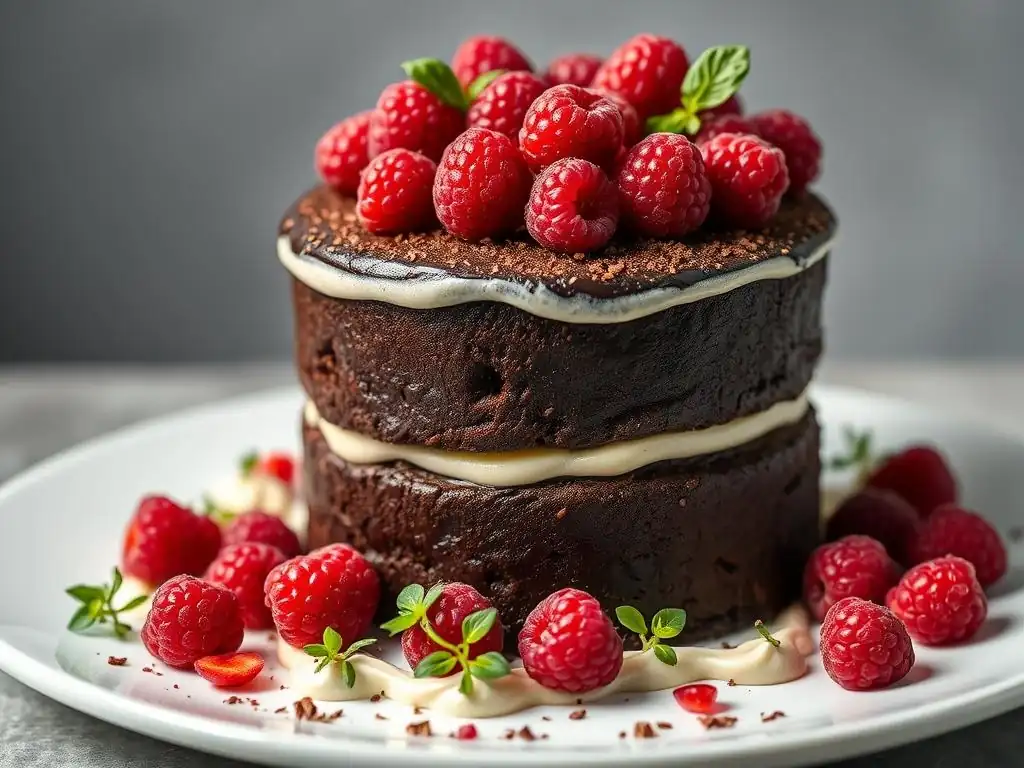
Once you've mastered the basic elegant cake plating techniques, you might want to explore more advanced methods to add extra flair and sophistication to your desserts. These techniques require a bit more skill and potentially specialized ingredients or tools, but they can truly elevate your plating to a professional level.
Incorporating elements like edible flowers, sugar art, or complex textural contrasts can make your plated cakes unforgettable. These advanced elegant cake plating techniques allow for greater creativity and offer opportunities to showcase specific skills or artistic vision.
Edible Flowers for Decoration
Edible flowers add a delicate touch of natural beauty and vibrant color to elegant cake plating. Varieties like pansies, violas, nasturtiums, or borage flowers are commonly used. They come in a wide range of colors and shapes and can instantly brighten a plate.
When using edible flowers, ensure they are specifically grown for consumption and free from pesticides. Gently place them on or around the cake using tweezers for precision. Their delicate nature requires careful handling. A scattering of small petals or a single, perfectly placed bloom can add an exquisite, refined touch to your elegant cake plating.
Sugar Art for Elevated Presentation
Sugar art techniques can create impressive decorative elements for elegant cake plating. Spun sugar, for example, creates delicate, ethereal nests or strands that add height, texture, and a touch of magic. Pulled or blown sugar can be shaped into intricate forms like ribbons, leaves, or even delicate fruits, although these require significant practice and specialized equipment.
Simple sugar work like making caramelized sugar shards or tuile cookies shaped with stencils are more accessible entry points. These add crunch and visual interest. Incorporating sugar art elevates the complexity and artistry of your elegant cake plating, showcasing advanced skills.
Incorporating Textures and Contrasts
Advanced elegant cake plating often involves a sophisticated interplay of textures and contrasts beyond the basic smooth and crunchy. Think about incorporating airy foams, gels, powders, or spheres created using molecular gastronomy techniques (like spherification, though this is quite advanced). Pairing a rich, dense cake with a light, flavored foam or a crisp, delicate tuile creates a multi-layered sensory experience.
Consider temperature contrasts as well – serving a warm cake with a cold ice cream or sorbet, or a chilled cake with a warm sauce. These elements add complexity and surprise, demonstrating a deep understanding of how different sensory inputs contribute to the overall enjoyment of a dessert and pushing the boundaries of elegant cake plating.
Conclusion: Elegant Cake Plating
Frequently Asked Questions
How important is the choice of plate for elegant cake plating?
The plate is crucial. It acts as a canvas, so choose one that complements your cake. Consider color, size, and texture to enhance the overall presentation.
What are some simple sauces I can use to elevate my cake plating?
Fruit purees, chocolate ganache, or a simple caramel sauce can add depth and visual appeal. Drizzle them artfully or use them as a base for your cake slice to create a stunning contrast.
Can garnishes really make a difference in cake presentation?
Absolutely! Garnishes like fresh berries, edible flowers, or chocolate shavings can instantly elevate a simple cake. Focus on visual balance and complementing flavors.
Is there a specific technique for cutting the cake to ensure an elegant presentation?
Yes, a sharp, clean knife is essential for creating even slices. Wipe the knife between cuts to prevent crumbs from sticking and ruining the clean lines of your presentation.
What are some common mistakes people make when plating cakes elegantly?
Overcrowding the plate is a big one. Also, using too many contrasting colors or flavors that don't complement the cake can detract from the overall aesthetic. Less is often more.
Final Reflection: Elevating the Everyday: The Art of Elegant Cake Plating
The art of elegant cake plating isn't just about aesthetics; it's about transforming a simple dessert into a memorable experience. In a world saturated with visual information, the ability to present food beautifully is more crucial than ever, impacting everything from social media engagement to the overall dining experience. This skill, once confined to professional pastry chefs, is now accessible to anyone with a passion for presentation and a few key techniques.
The impact of visually appealing food extends far beyond the plate itself. It influences our perception of taste, elevates the occasion, and even fosters a sense of connection. Food is symbolic of love when words are inadequate.
- Alan D. Wolfelt. This quote perfectly encapsulates the power of presentation; a beautifully plated cake speaks volumes, conveying care, artistry, and a desire to create something special. From intimate gatherings to grand celebrations, the ability to transform a simple cake into an elegant masterpiece adds a layer of sophistication and joy to any event.
Now, consider your own baking journey. What simple adjustments can you make to elevate your creations? Perhaps it's the careful placement of fresh berries, the strategic use of edible flowers, or the thoughtful choice of a contrasting plate. Don't underestimate the power of small details; they are the building blocks of elegance. Embrace experimentation, find your unique style, and most importantly, enjoy the process of transforming your cakes into works of art. The journey of mastering elegant cake plating is a continuous one, filled with creativity and the rewarding satisfaction of creating something truly beautiful.
Unleash Your Inner Cake Artist!
Thanks for taking the time to explore the art of elegant cake plating! We hope you now feel inspired to elevate your baking game. Ready to put your newfound skills into practice?
- Master the art of cake plating: Start by experimenting with the techniques discussed, focusing on one new element (piping, garnishing, or arrangement) at a time. This gradual approach ensures you build confidence and skill.
- Share your creations: Post a picture of your beautifully plated cake on social media and tag us @BakeWithEase — we’d love to see your masterpiece!
- Challenge yourself to recreate a plated cake from the article, adding your unique twist. This will solidify your skills and help you find your personal style.
What surprising element will you add to your next cake creation to make it truly unforgettable?