
How Baking Powder Works: Single vs. Double Acting Explained


Welcome to BakeWithEase, your trusted guide to baking brilliance! Ever wondered about the magic behind perfectly risen cakes and fluffy cookies? In this article, we'll demystify the science of baking powder, diving deep into the fascinating world of single vs. double acting varieties. Discover the key differences, learn when to use each type, and unlock the secrets to consistently amazing baked goods. Ready to take your baking skills to the next level? Let's get started!
- Understanding Baking Powder: The Science Behind the Rise
- Single-Acting Baking Powder: A Quick Release
- Double-Acting Baking Powder: The Two-Stage Reaction
- Single vs. Double Acting Baking Powder: Key Differences Explained
- Double-Acting Baking Powder: The Preferred Choice for Most Bakers
- Troubleshooting Baking Powder Problems: Avoiding Baking Fails
- Baking Powder Alternatives: When You Run Out
- Mastering Baking with Baking Powder: Tips and Tricks
-
Frequently Asked Questions
- What is the basic difference between single and double-acting baking powder?
- Why might a recipe specifically call for single-acting baking powder?
- How can I tell if my baking powder is still active?
- Can I substitute double-acting baking powder for single-acting baking powder in a recipe?
- Does the type of baking powder affect the taste of the baked good?
- Final Reflection: The Rise and Fall (and Rise Again!) of Baking Powder
- Unleash Your Inner Baker: Master Baking Powder!
Understanding Baking Powder: The Science Behind the Rise
What is Baking Powder and Why Do We Use It?
Baking powder is a complete leavening agent, meaning it contains everything needed to produce carbon dioxide gas, which creates bubbles in batter and dough, causing them to rise. It's essentially a dry chemical leavener, a mixture of a base (typically sodium bicarbonate, also known as baking soda), one or more acid salts, and a starch (like cornstarch or potato starch) to absorb moisture and keep the mixture dry and free-flowing.
We use it primarily in recipes that don't contain acidic ingredients like buttermilk, yogurt, or molasses, which are needed to activate plain baking soda. It provides lift and tenderness to baked goods such as cakes, cookies, muffins, and quick breads, ensuring they aren't dense or heavy.
The primary function of baking powder is to generate carbon dioxide gas. This gas gets trapped within the structure of the batter or dough, expanding when heated in the oven. This expansion is what gives baked goods their light and airy texture. Without baking powder or another leavening agent, a cake batter would bake into a flat, hard disc, and muffins would be incredibly dense. It's a crucial ingredient for achieving that desired fluffy crumb and appealing volume in many popular recipes, making it a staple in most home kitchens.
The Role of Leavening Agents in Baking
Leavening agents are the heroes behind the lift and texture in baked goods. Their fundamental role is to produce gas – carbon dioxide, steam, or air – which expands during the baking process. This expansion stretches the gluten and egg proteins in the mixture, creating a stable, porous structure. Think of it like inflating tiny balloons within your batter. Without leavening, a baked good would be flat and heavy, lacking the tender crumb and pleasant mouthfeel we expect from cakes, breads, and pastries.
There are different types of leavening agents, each working through different mechanisms. Yeast, for example, is a biological leavener that produces gas through fermentation over time. Mechanical leavening involves incorporating air through physical actions like whipping egg whites or creaming butter and sugar. Chemical leaveners, like baking powder and baking soda, rely on chemical reactions to produce gas quickly. Understanding how these agents work, especially the difference between single vs. double acting baking powder, is key to successful baking. They don't just provide lift; they also influence the texture, color, and even flavor of the final product.
Single-Acting Baking Powder: A Quick Release
Composition of Single-Acting Baking Powder
Single-acting baking powder is the simpler cousin in the leavening family, though less common in modern home baking than its double-acting counterpart. Its composition is straightforward: it contains baking soda (sodium bicarbonate) and just one type of acid salt. Common examples of single-acting acid salts include cream of tartar (potassium bitartrate) or calcium acid phosphate. Like all baking powders, it also includes a starch, such as cornstarch, which serves two main purposes: absorbing moisture from the air to prevent premature reaction and standardizing the strength of the powder, ensuring consistent leavening power.
The key characteristic of single-acting baking powder's composition is the presence of only one reactive acid. This single acid is designed to react quickly and completely when it comes into contact with liquid. Unlike single vs. double acting powder, there isn't a second acid component that requires heat to activate. This means that once the wet ingredients are mixed with the dry ingredients containing single-acting baking powder, the leavening action begins immediately and largely finishes before the mixture even reaches the oven.
How Single-Acting Baking Powder Reacts with Liquid
The reaction of single-acting baking powder is triggered the moment it encounters moisture. When the dry acid salt in the powder dissolves in the liquid of the batter or dough, it reacts with the baking soda (sodium bicarbonate). This chemical reaction produces carbon dioxide gas, water, and a salt. The simplified reaction is often represented as: Acid + NaHCO₃ (Baking Soda) → CO₂ (Carbon Dioxide) + H₂O (Water) + Salt.
Because this reaction happens all at once upon wetting, it's crucial to mix and bake recipes using single-acting baking powder very quickly. The gas production is rapid but short-lived. If you let the batter sit for too long after mixing, the carbon dioxide bubbles will escape, and you'll lose the leavening power. This is a major difference when comparing single vs. double acting leaveners; the latter provides a safety net for timing. The immediate reaction makes single-acting powder less forgiving for recipes that require resting time or complex shaping.
Best Uses for Single-Acting Baking Powder
Due to its rapid, single-stage reaction, single-acting baking powder is best suited for recipes where the mixing-to-baking time is extremely short. Historically, it was used more frequently, but its sensitivity to time made precision key. Think of simple, quick recipes like some older biscuit or scone recipes where the dough is mixed minimally and immediately transferred to a hot oven. The intense, initial burst of gas provides the necessary lift.
However, finding modern recipes that specifically call for single-acting baking powder is becoming less common. Most contemporary recipes are formulated for double-acting baking powder because of its more reliable and forgiving nature. If you encounter a recipe designed for single-acting powder, be prepared to work quickly. The key is to get the mixture into the oven while the gas production is still actively happening, maximizing the lift achieved from that single reaction phase.
Single-Acting Baking Powder: Pros and Cons
The primary "pro" of single-acting baking powder, arguably, is its historical significance and its ability to provide a very quick, initial lift. In specific applications where speed is paramount and the recipe is designed around its fast action, it can perform effectively. For instance, some very old recipes for specific types of steamed puddings or fritters might originally have called for it, relying on that immediate gas release.
However, the "cons" are significant and explain why it's less popular today, especially when comparing single vs. double acting options. The main drawback is its lack of a secondary reaction phase. This means all the leavening power is expended the moment the liquid is added. If you delay baking even slightly, much of the gas escapes, resulting in a denser product. This lack of a second lift makes it much less forgiving and reliable for the average home baker, whose mixing and preparation times might vary. It requires precise timing that can be challenging to consistently achieve.
Double-Acting Baking Powder: The Two-Stage Reaction
Composition of Double-Acting Baking Powder
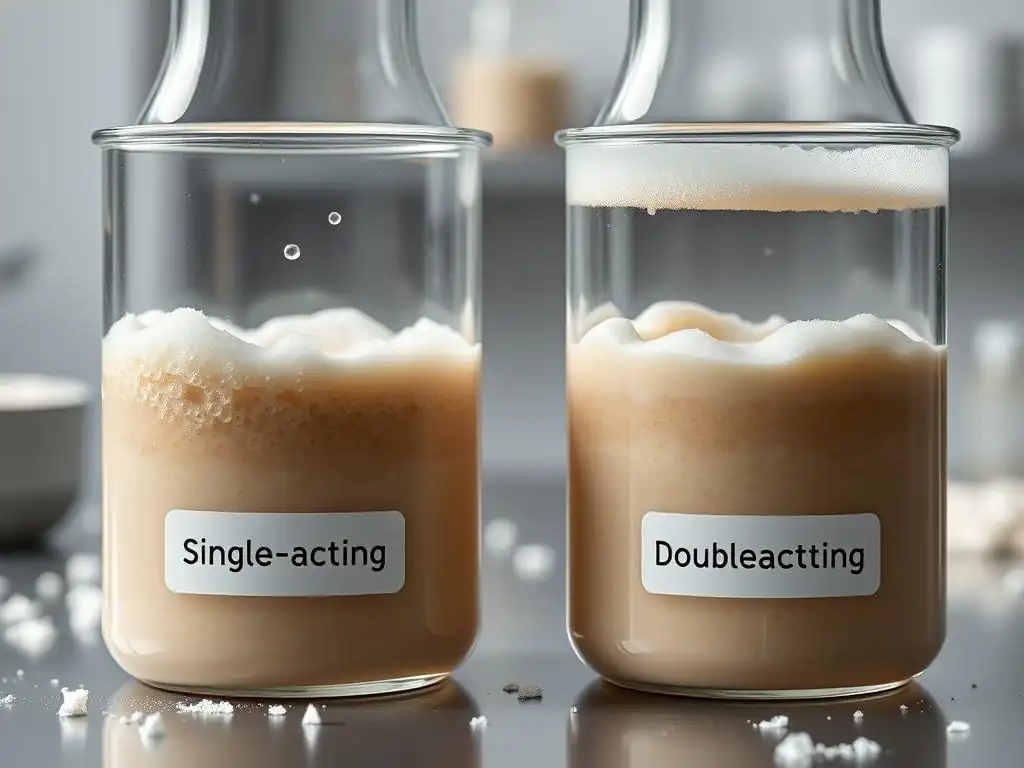
Double-acting baking powder is the standard leavening agent found in most grocery stores today and is the workhorse of modern baking. Its composition includes baking soda (sodium bicarbonate), a starch (like cornstarch), and two different acid salts. One acid salt is designed to react quickly with liquid at room temperature, while the second acid salt is designed to react only when heated. Common quick-acting acids include monocalcium phosphate. Common slow-acting acids include sodium acid pyrophosphate (SAPP) or sodium aluminum sulfate (SAS).
The presence of these two distinct acid salts is what gives double-acting baking powder its name and its unique functionality. This dual composition ensures that leavening occurs in two phases, providing a more sustained and reliable rise compared to single-acting powder. The starch component still serves its vital role of absorbing moisture and standardizing the mixture's strength and flowability, typically making up about 25-30% of the total weight.
The First Reaction: When Wet
The first stage of leavening with double-acting baking powder occurs the moment the powder is moistened, typically when the wet ingredients are combined with the dry. The quick-acting acid salt, such as monocalcium phosphate, dissolves in the liquid and immediately reacts with a portion of the baking soda. This reaction produces a release of carbon dioxide gas, causing the batter or dough to start rising before it even enters the oven.
This initial reaction is responsible for about one-third to one-half of the total leavening power provided by the double-acting powder. It helps to lighten the mixture and prepare it for the second, more powerful lift. This early gas production is beneficial because it begins to expand the structure of the batter or dough while it's still relatively cool and pliable, setting the stage for the subsequent expansion during baking.
The Second Reaction: When Heated
The second, and often more significant, stage of leavening with double-acting baking powder happens when the batter or dough is exposed to heat, usually in the oven. The slow-acting acid salt, such as sodium acid pyrophosphate or sodium aluminum sulfate, requires higher temperatures to dissolve and react with the remaining baking soda. As the temperature of the mixture rises during baking, this second reaction kicks in, releasing another significant amount of carbon dioxide gas.
This heat-activated reaction provides a powerful push of leavening just when the structure of the baked good is setting. As the proteins (like gluten or egg proteins) coagulate and starches gelatinize, the expanding gas is trapped within this developing structure, causing the mixture to rise further and maintain its shape. This two-stage process provides a sustained lift throughout the entire baking period, resulting in a more consistent and often higher volume compared to using single-acting baking powder.
Advantages of Using Double-Acting Baking Powder
The primary advantage of using double-acting baking powder lies in its forgiving nature and reliability, a key point when considering single vs. double acting options. Because it has a second reaction triggered by heat, you don't have to rush the batter or dough into the oven the second it's mixed. If you need a few extra minutes to prepare your pans, preheat the oven fully, or finish mixing other components, the batter won't lose all its leavening power. The second reaction is waiting to happen when the heat is applied.
This consistent, two-stage lift also tends to produce a more even crumb structure and better overall volume in the final baked product. It provides a steadier expansion throughout the baking process, reducing the risk of collapse or uneven rising that can sometimes occur with single-acting powder if not handled perfectly. For the vast majority of modern recipes and home baking scenarios, double-acting baking powder is the recommended and most reliable choice.
Single vs. Double Acting Baking Powder: Key Differences Explained
Timing is Everything: Reaction Speed Comparison
The most significant difference between single vs. double acting baking powder is the timing and duration of their leavening reactions. Single-acting baking powder reacts entirely and rapidly the moment it comes into contact with any liquid. The gas production is intense but short-lived, essentially finishing before the item goes into the oven. This demands immediate baking after mixing to capture the maximum lift.
Double-acting baking powder, conversely, offers a two-stage reaction. A portion of its leavening gas is released upon contact with liquid at room temperature, providing an initial lift. The remaining, and often larger, portion of gas is released later, activated by the heat of the oven during baking. This staggered release means the mixture continues to rise as it bakes, providing a more sustained lift and allowing for more flexibility in preparation time. This makes double-acting powder much more forgiving for home bakers.
Impact on Recipe Texture and Volume
The different reaction timings of single vs. double acting baking powder directly impact the texture and volume of the finished product. Single-acting powder, with its single, rapid burst of gas upon wetting, can potentially create slightly larger, less uniform air pockets if not baked immediately. If the batter sits, it risks losing significant volume, resulting in a dense, heavy texture.
Double-acting baking powder, with its sustained leavening through both the mixing and baking phases, generally produces a finer, more even crumb structure. The continuous gas release throughout the baking process helps to create consistently sized air cells throughout the mixture. This leads to a more uniform and tender texture, as well as typically higher and more consistent volume. Most modern recipes are balanced to achieve optimal results using the sustained lift provided by double-acting powder.
Which Baking Powder is Right for Your Recipe?
For virtually all modern baking recipes, especially those found in cookbooks or online today, double-acting baking powder is the correct choice. Recipes written in the last few decades almost universally assume you are using double-acting powder unless explicitly stated otherwise. Its two-stage reaction provides the reliability and consistent lift that these recipes are balanced for.
You would only intentionally choose single-acting baking powder if you were working with a very old or specialized recipe specifically formulated for its properties, or perhaps experimenting with historical baking methods. If a recipe simply calls for "baking powder" without specifying, assume it means double-acting. Using single-acting powder in a recipe designed for double-acting would likely result in a significantly reduced rise and a much denser texture, highlighting the critical difference between single vs. double acting agents in recipe performance.
Double-Acting Baking Powder: The Preferred Choice for Most Bakers
Why Double-Acting Baking Powder is More Forgiving
The forgiving nature of double-acting baking powder is perhaps its greatest advantage and the primary reason it has become the standard for home baking. Unlike single-acting powder, which demands immediate baking after mixing, double-acting provides a buffer. The initial reaction gives you some lift upfront, but the significant second reaction, triggered by heat, ensures that the majority of the leavening power is available when the item is actually in the oven and needs to rise.
This means if you take an extra 10 or 15 minutes to finish preparing your cake pan, decorate muffins before baking, or portion out biscuit dough, you won't completely lose the leavening power. While it's still best practice not to let batters sit for excessively long periods (as other factors like gluten development can change), the presence of the heat-activated reaction makes double-acting powder far more tolerant of slight delays or variations in your baking workflow. This reliability makes the difference between single vs. double acting powder particularly noticeable in busy kitchens.
How to Store Baking Powder for Optimal Performance
Proper storage is crucial for maintaining the effectiveness of any baking powder, especially double-acting, to ensure both reactions occur as intended. Baking powder is highly sensitive to moisture and air. Exposure to either can trigger the initial reaction prematurely, depleting its leavening power before it even gets into your recipe. The best way to store baking powder is in its original container, tightly sealed, in a cool, dry place like a pantry or cupboard. Avoid storing it near the stove or in the refrigerator, where temperature and humidity fluctuations are common.
Most baking powder has a shelf life of about 6 to 12 months once opened. While it doesn't "go bad" in a way that makes it harmful, its leavening power diminishes over time as it absorbs moisture from the air. An old, inactive baking powder is a common culprit for baking fails. Checking its freshness before using it is a simple but vital step, ensuring your double-acting powder performs its two-stage lift effectively.
Troubleshooting Baking Powder Problems: Avoiding Baking Fails
Baking Powder Not Working? Common Causes and Solutions
If your baked goods are coming out flat and dense despite using baking powder, the leavening agent is likely the issue. The most common cause is using old, expired, or improperly stored baking powder. As mentioned, exposure to moisture and air degrades its effectiveness. A simple test for freshness (detailed below) can quickly diagnose this. If it's old, the solution is straightforward: buy a new can!
Another potential cause is incorrect measurement. Using too little baking powder will obviously result in insufficient lift. Using too much can cause rapid, uncontrolled rising and then collapse, or leave a bitter, metallic aftertaste. Always measure accurately, ideally using the "spoon and level" method for dry ingredients. For recipes using single-acting powder (though rare), delaying baking after mixing is a sure way to lose leavening power. With double-acting, while more forgiving, excessive delays can still impact the final texture. Ensuring your oven is properly preheated is also critical, as the second reaction of double-acting powder relies on heat.
Testing Baking Powder for Freshness
Testing your baking powder for freshness is a quick and easy way to prevent baking disasters caused by inactive leavener. You can perform a simple fizz test. Take a small bowl or cup and place about 1 teaspoon of baking powder in it. Then, pour about 1/4 cup of hot tap water over the powder. Hot water is used because it helps activate both the cold-reactive and heat-reactive acids in double-acting powder, giving you a clearer picture of its overall potential.
Fresh, active baking powder should produce an immediate and vigorous fizzing or bubbling action when the hot water is added. You should see and hear the carbon dioxide gas being released. If the reaction is weak, minimal, or nonexistent, your baking powder has lost its potency and should be replaced. This simple test takes less than a minute and can save you from a disappointing baking outcome.
Baking Powder Alternatives: When You Run Out
Baking Soda and Acid: A Powerful Combination
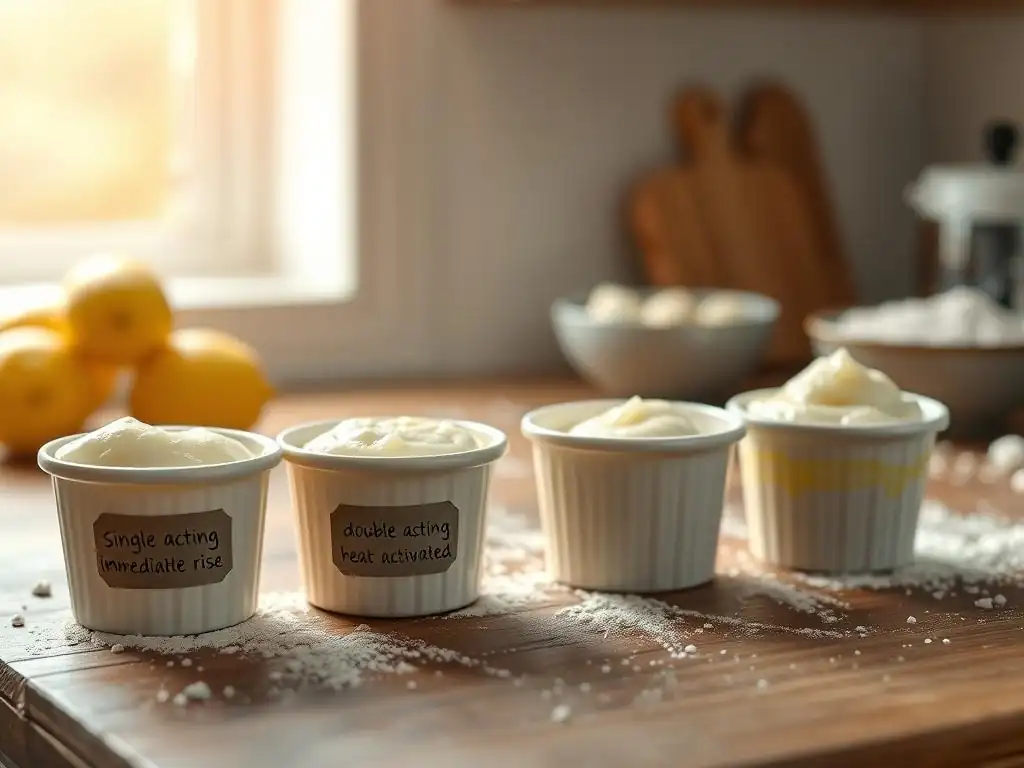
If you find yourself out of baking powder, you can often create a substitute using baking soda and an acidic ingredient you likely have on hand. Baking soda (sodium bicarbonate) is a base and requires an acid to react and produce carbon dioxide gas. Common kitchen acids include vinegar (acetic acid), lemon juice (citric acid), buttermilk (lactic acid), yogurt (lactic acid), molasses, or cream of tartar (tartaric acid).
The general ratio for substituting baking powder with baking soda and an acid is to use 1/4 teaspoon of baking soda for every 1 teaspoon of baking powder called for in the recipe, and then add an acidic ingredient to neutralize the baking soda. For example, 1/4 teaspoon baking soda can be combined with 1/2 cup buttermilk, 1/2 cup yogurt, 1 teaspoon vinegar, or 1 teaspoon lemon juice.
Remember, this substitution works best in recipes that already contain an acidic liquid; if the recipe uses only neutral liquids like milk or water, you'll need to add an acid source specifically. This method essentially mimics the reaction of single-acting baking powder, so you'll need to bake immediately after mixing.
DIY Baking Powder Recipe
You can also make a simple DIY baking powder substitute if you have baking soda and cream of tartar, which is a common single-acting acid found in many pantries. The standard recipe for homemade baking powder is a ratio of 1 part baking soda to 2 parts cream of tartar. For example, combine 1 teaspoon of baking soda with 2 teaspoons of cream of tartar. You can also add 1 part cornstarch (e.g., 1 teaspoon) to help prevent clumping, mimicking the composition of commercial baking powder, though this is optional for immediate use.
This homemade version acts much like a single-acting baking powder because cream of tartar reacts with baking soda upon contact with liquid. Therefore, just like commercial single-acting powder, any recipe using this substitute must be mixed quickly and baked immediately to capture the leavening gas before it dissipates. While it won't provide the sustained, two-stage lift of double-acting powder, it's a viable substitute in a pinch for recipes that can tolerate a quick reaction time, serving as a useful alternative when comparing single vs. double acting options isn't possible due to supply constraints.
Mastering Baking with Baking Powder: Tips and Tricks
Achieving Optimal Rise with Baking Powder
To achieve the optimal rise using baking powder, whether single vs. double acting, several factors are key. First, ensure your baking powder is fresh by performing the simple fizz test. Old powder won't provide the necessary lift. Second, measure your baking powder accurately; too little means insufficient rise, too much can cause rapid initial rise followed by collapse or a bitter taste. Use the spoon-and-level method rather than scooping directly from the can, which can compact the powder.
Third, follow the recipe's instructions regarding mixing time and baking time promptly, especially if using a recipe originally designed for single-acting powder or a homemade substitute. For double-acting powder, while more forgiving, avoid letting batters sit for excessive periods. Finally, ensure your oven is fully preheated to the correct temperature. The heat is essential for activating the second stage of double-acting powder and for setting the structure of the baked good as it rises.
Baking Powder and Gluten Development
Baking powder, as a chemical leavener, has an interesting interaction with gluten development in batters and doughs. Unlike yeast-leavened breads where gluten development is crucial for structure and chewiness, baking powder is often used in quick breads, cakes, muffins, and biscuits where a tender, less chewy texture is desired. The rapid production of carbon dioxide gas by baking powder helps to lift the mixture quickly without requiring extensive mixing.
Minimal mixing is often recommended for recipes using baking powder (especially muffins and quick breads) to limit gluten development. Overmixing develops the gluten network, which can make the final product tough or rubbery. The quick lift provided by the baking powder, whether single vs. double acting, relies on trapping gas within the existing structure formed by flour, eggs, and fat, rather than a strong, developed gluten network. The leavening happens so rapidly that excessive gluten development isn't necessary or desired for the intended tender crumb.
Frequently Asked Questions
What is the basic difference between single and double-acting baking powder?
Single-acting baking powder releases its gas when mixed with liquid, while double-acting releases some gas then and the rest when exposed to heat. Double-acting gives you more leeway.
Why might a recipe specifically call for single-acting baking powder?
Some recipes, particularly older ones, were developed for single-acting powder. Immediate leavening is desired in these cases, and the recipe anticipates that timing.
How can I tell if my baking powder is still active?
Test a small amount in hot water. If it fizzes, it's still active and producing carbon dioxide. Lack of fizz indicates it's time to replace it.
Can I substitute double-acting baking powder for single-acting baking powder in a recipe?
Generally, yes, but be mindful. Work quickly after mixing the batter, as the double-acting will begin to leaven immediately as well.
Does the type of baking powder affect the taste of the baked good?
Potentially. Some perceive a slightly metallic taste from excessive baking powder use, which could be influenced by the type. Proper measurement is always key.
Final Reflection: The Rise and Fall (and Rise Again!) of Baking Powder
Understanding the nuances of single versus double-acting baking powder is not just a matter of kitchen chemistry; it's the key to unlocking consistently perfect baked goods. The seemingly simple act of choosing the right leavening agent profoundly impacts the texture and rise of your creations, from fluffy cakes to delicate biscuits. This difference, often overlooked, is the secret ingredient to baking success.
The impact of this seemingly small detail extends far beyond the individual baker. It speaks to a larger appreciation for the science behind everyday cooking, a science that allows us to transform simple ingredients into something truly magical. The understanding of how these powders work, and the careful consideration of their properties, elevates baking from a rote process to a creative endeavor. The best things in life are the simple things, but they are not always easy to do.
This quote perfectly encapsulates the challenge and reward of mastering the subtleties of baking powder.
Now, armed with this knowledge, I invite you to experiment. Try a recipe using single-acting baking powder, then compare it to the same recipe using double-acting. Observe the differences, understand the reasons behind them, and most importantly, savor the results. Don't just bake; understand your baking. This deeper understanding will not only improve your baking but will also foster a greater appreciation for the science and artistry that goes into creating delicious food.
Unleash Your Inner Baker: Master Baking Powder!
Thanks for diving into the world of baking powder with us! You've now unlocked the secrets to achieving perfectly fluffy cakes and biscuits. Ready to put your newfound knowledge into practice?
- Bake your best creation yet! Try a recipe you've always wanted to tackle, and see the difference understanding baking powder makes. Pay close attention to the leavening agent specified – you'll notice a huge improvement!
- Share your baking triumphs (and challenges!) Let's build a community of bakers! Post a picture of your masterpiece on social media and tag us—we'd love to see it.
- Explore alternative leavening agents: Now that you know all about baking powder, why not discover the magic of baking soda or even sourdough starters?
What delicious creation will you bake first, armed with this new baking powder knowledge?