
High Extraction Flours: Getting the Most Flavor from the Grain

Welcome to BakeWithEase, your haven for baking brilliance!
Ever wondered how to unlock intense, complex flavors in your baked goods? This week, we delve into the world of high extraction flour recipes, revealing how this often-overlooked ingredient can elevate your baking to new heights. Discover easy techniques and recipes to maximize flavor and texture, and begin your journey to baking with purpose and passion. Curious to learn more about the magic of high extraction flour? Let's get started!
- Understanding High Extraction Flour for Baking: A Baker's Guide
- High Extraction Flour Recipes Made Easy: Unlock Deeper Flavors
- Choosing the Best High Extraction Flour: A Buyer's Guide
- Incorporating High Extraction Flour into Your Baking: Tips and Techniques
- Where to Buy High Extraction Flour: Online Retailers and Local Mills
- Maximizing Flavor: Complementary Ingredients for High Extraction Flour Baking
- High Extraction Flour vs. Whole Wheat Flour: Key Differences and Applications
- Storing High Extraction Flour Properly: Maintaining Freshness and Quality
- Conclusion: Embrace the Flavor of High Extraction Flour.
- Frequently Asked Questions
- Final Reflection: The Bountiful Promise of High Extraction Flour
- Unlock the Flavor Secrets of High Extraction Flour!
Understanding High Extraction Flour for Baking: A Baker's Guide
What is High Extraction Flour? Defining the Key Terms
High extraction flour represents a fascinating middle ground between refined white flour and whole wheat flour. It's produced by milling the grain kernel but removing only a portion of the bran and germ, typically around 10-20%.
This process leaves more of the flavorful, nutrient-rich layers of the grain compared to standard white flour, which might remove 25-30% or more of the outer layers. The "extraction rate" refers to the percentage of the original grain kernel that ends up in the flour; standard white flour might have a 75% extraction rate, while a high extraction flour could be 85% or 90%.
This specific milling technique results in a flour that retains much of the complex flavor profile found in whole grains but behaves more similarly to white flour in baking due to the reduced bran content. The presence of some bran and germ contributes to a slightly darker color than white flour and introduces subtle nutty, earthy, or sweet notes depending on the grain type (wheat, rye, spelt, etc.). Understanding this balance is key to unlocking the potential of high extraction flour recipes, making them a delightful addition to your baking repertoire.
The Flavor Advantage: Why Bake with High Extraction Flour?
The primary reason bakers turn to high extraction flour is its superior flavor compared to standard white flour. While white flour provides a neutral base, high extraction flour brings intrinsic character derived from the parts of the grain that are usually sifted out. These parts, particularly the aleurone layer and remaining germ, contain a higher concentration of aromatic compounds, oils, and minerals.
When you bake with high extraction flour, these compounds contribute depth and complexity to your finished goods. A loaf of bread made with high extraction wheat flour will taste richer and more nuanced than one made with all-purpose flour. Similarly, using high extraction rye flour in a loaf brings a more pronounced, authentic rye flavor without the density often associated with 100% whole rye. This makes high extraction flour recipes easy ways to boost the taste of your baked goods.
Nutritional Benefits of Using High Extraction Flours in Baking
While not as nutritionally dense as 100% whole grain flours, high extraction flours still offer significant nutritional advantages over refined white flour. By retaining more of the bran and germ, they keep a higher proportion of dietary fiber, vitamins (especially B vitamins), minerals (like iron, zinc, and magnesium), and beneficial antioxidants. For instance, a typical high extraction wheat flour might contain around 5-7% fiber, compared to 2-3% in white flour.
Incorporating high extraction flour into your baking is an excellent way to incrementally increase the nutritional value of your diet without drastically altering the texture or handling properties of your dough. It provides a good source of complex carbohydrates and contributes to a more balanced nutritional profile in your baked goods. This makes high extraction flour recipes not only flavorful but also a healthier choice for everyday baking.
High Extraction Flour Recipes Made Easy: Unlock Deeper Flavors
High Extraction Rye Sourdough Bread Recipe: A Step-by-Step Guide
Creating a delicious sourdough loaf with high extraction rye flour is surprisingly accessible and yields incredible depth of flavor. Rye adds a tangy, earthy note that complements the sourdough tang beautifully. This recipe focuses on a manageable hydration level to make handling easier, proving that high extraction flour recipes easy enough for home bakers are definitely achievable.
This process will take roughly 24 hours from start to finish, including fermentation time, but the active work is minimal. You'll need an active rye or mixed-grain sourdough starter. The high extraction rye contributes a unique aroma and slightly denser crumb compared to wheat, perfect for a hearty loaf.
Ingredients for Authentic High Extraction Rye Sourdough
- 200g active rye or mixed-grain sourdough starter (100% hydration)
- 400g high extraction rye flour
- 100g strong bread flour (for structure)
- 375g lukewarm water (around 85-90°F or 30-32°C)
- 10g fine sea salt
- Note: Hydration here is roughly 75% relative to the flour weight (375g water / 500g total flour).
Baking Instructions: From Starter to Crusty Loaf
- Mixing: In a large bowl, whisk together the active starter and water until mostly dissolved. Add the high extraction rye flour, bread flour, and salt. Mix with a spatula or your hands until no dry flour remains and a shaggy dough forms. Cover the bowl and let it rest for 30 minutes (autolyse).
- Bulk Fermentation: After the rest, perform a series of stretch and folds over the next 2-3 hours. For each fold, wet your hand, grab one side of the dough, stretch it up, and fold it over the center. Rotate the bowl and repeat 3-4 times. Do this every 30-45 minutes. The dough will become smoother and more elastic. After the final fold, let the dough rest undisturbed at room temperature (around 70-75°F or 21-24°C) until it has increased in volume by about 50-75% and looks bubbly and aerated. This can take 4-8 hours depending on your starter and room temperature.
- Shaping: Gently turn the dough out onto a lightly floured surface. Be careful not to deflate it. Shape the dough into a boule or bâtard. The dough will be slightly stickier than pure wheat dough due to the rye. Use a bench scraper to help. Place the shaped dough seam-side up into a floured proofing basket (banneton).
- Proofing: Cover the banneton and place it in the refrigerator for 12-18 hours. This cold proof develops flavor and makes the dough easier to score and handle.
- Baking: Preheat your oven to 450°F (230°C) with a Dutch oven or baking stone inside for at least 30-45 minutes. Carefully invert the cold dough onto parchment paper or directly into the hot Dutch oven. Score the top of the loaf with a sharp razor or knife.
- If using a Dutch oven, cover with the lid and bake for 20 minutes.
- If using a stone, create steam by placing a tray of ice cubes on the bottom rack of the oven just before loading the bread.
- Finishing: After 20 minutes, remove the lid (if using a Dutch oven) or the steam tray (if using a stone). Reduce the oven temperature to 425°F (220°C) and bake for another 20-30 minutes, or until the crust is deep golden brown and the internal temperature reaches 205-210°F (96-99°C).
- Cooling: Transfer the loaf to a wire rack and let it cool completely for at least 2 hours before slicing. This is crucial for the crumb structure to set.
Troubleshooting Common Sourdough Issues
- Dough Too Sticky: High extraction rye flour dough can be inherently stickier. Use wet hands or a bench scraper during handling. Don't add too much extra flour during shaping, as this can make the crust dry.
- Lack of Oven Spring: Ensure your starter is active and bubbly before starting. Don't overproof the dough during bulk fermentation. A cold proof often helps with structure and spring. Make sure your oven and baking vessel are fully preheated.
- Dense Crumb: This can be caused by an inactive starter, under-proofing during bulk fermentation, or slicing the bread before it has cooled completely. Ensure your dough is bubbly and has visibly increased in volume before shaping.
High Extraction Wheat Pizza Dough Recipe: Elevating Your Pizza Game
Using high extraction wheat flour for pizza dough adds a wonderful depth of flavor to your crust that you simply can't get with standard all-purpose flour. It provides a slightly nutty, richer taste while still allowing for a crispy, chewy texture. This makes high extraction flour recipes easy ways to upgrade a classic like homemade pizza.
This recipe is straightforward and can be adapted for same-day use or a longer, cold fermentation for even more flavor development. The high extraction wheat flour interacts beautifully with yeast, yielding a flavorful and manageable dough.
Selecting the Right High Extraction Flour for Pizza
For pizza dough, you want a high extraction wheat flour with a moderate to high protein content, ideally between 12-14%. This protein develops gluten, which is essential for the dough's structure and chewiness, allowing it to stretch thinly without tearing. Flours labeled as "High Extraction Bread Flour" are often a good choice. Look for flours stone-ground if possible, as this can further enhance the flavor profile by including more of the germ and oil. The specific extraction rate might vary slightly between millers, but anything in the 85-90% range will work well.
Pizza Dough Recipe and Baking Tips
- Ingredients:
- 300g high extraction wheat flour
- 200g strong bread flour (optional, can use 500g high extraction flour for stronger flavor)
- 320g lukewarm water (around 85-90°F or 30-32°C)
- 10g fine sea salt
- 2g instant dry yeast (or 2.4g active dry yeast, bloomed in some water)
- 5g olive oil (optional, for easier handling and slight richness)
- Recipe:
- In a large bowl, whisk together the flours, salt, and yeast.
- Add the water and olive oil (if using). Mix with a spatula or your hands until a shaggy dough forms and no dry bits remain.
- Turn the dough out onto a lightly floured surface and knead for 8-10 minutes until smooth and elastic. The dough should pass the windowpane test (stretch a small piece thin enough to see light through it).
- Place the dough in a lightly oiled bowl, cover, and let it rise at room temperature (70-75°F or 21-24°C) for 1.5 - 2 hours, or until doubled in size. Alternatively, refrigerate for 24-72 hours for slower, flavor-developing proof.
- Punch down the dough gently, divide into 2-3 equal portions (depending on desired pizza size), and shape into balls. Let the balls rest, covered, for 20-30 minutes before shaping into pizza rounds.
- Preheat your oven as high as it goes (typically 500-550°F or 260-290°C) with a pizza stone or steel inside for at least 45-60 minutes.
- Stretch or roll out a dough ball into your desired pizza shape. Place on a peel dusted with cornmeal or semolina. Add toppings.
- Carefully slide the pizza onto the hot stone/steel. Bake for 8-12 minutes, or until the crust is golden brown and the cheese is bubbly and slightly charred.
High Extraction Spelt Flour Pancakes: A Delicious and Nutritious Breakfast
High extraction spelt flour brings a lovely, slightly sweet, and nutty flavor to pancakes, making them far more interesting than those made with plain white flour. Spelt is an ancient grain that's often easier to digest for some people and offers a good nutritional profile. This recipe is a simple and quick way to enjoy the benefits and flavor of high extraction flour recipes, making them an easy addition to your breakfast rotation.
Unlike wheat, spelt has a more fragile gluten structure, which results in tender pancakes. The high extraction process ensures you get more of that characteristic spelt flavor without the heaviness that 100% whole spelt can sometimes impart in baked goods like pancakes.
Recipe Variations: Adding Flavors and Textures
- Ingredients:
- 200g high extraction spelt flour
- 2 tbsp sugar (or maple syrup/honey)
- 2 tsp baking powder
- ½ tsp baking soda
- ½ tsp fine salt
- 1 large egg
- 300ml milk (dairy or non-dairy)
- 30g melted butter or vegetable oil, plus extra for greasing the pan
- Recipe:
- In a large bowl, whisk together the high extraction spelt flour, sugar, baking powder, baking soda, and salt.
- In a separate bowl, whisk together the egg, milk, and melted butter/oil.
- Pour the wet ingredients into the dry ingredients and mix gently with a whisk or fork until just combined. A few lumps are okay; do not overmix, as this can toughen the pancakes due to spelt's delicate gluten.
- Heat a lightly greased griddle or non-stick pan over medium heat. Pour about ¼ cup of batter per pancake onto the hot surface.
- Cook for 2-3 minutes per side, or until bubbles appear on the surface and the edges look set, then flip and cook the other side until golden brown.
- Serve immediately with your favorite toppings.
- Variations:
- Blueberry Spelt Pancakes: Gently fold in ½ cup fresh or frozen blueberries into the batter just before cooking.
- Lemon Ricotta Spelt Pancakes: Add the zest of one lemon and ½ cup ricotta cheese to the wet ingredients before combining with the dry.
- Spice & Nut Pancakes: Add 1 tsp cinnamon and ¼ tsp nutmeg to the dry ingredients. Fold in ¼ cup chopped nuts (like walnuts or pecans) with the wet ingredients.
Choosing the Best High Extraction Flour: A Buyer's Guide
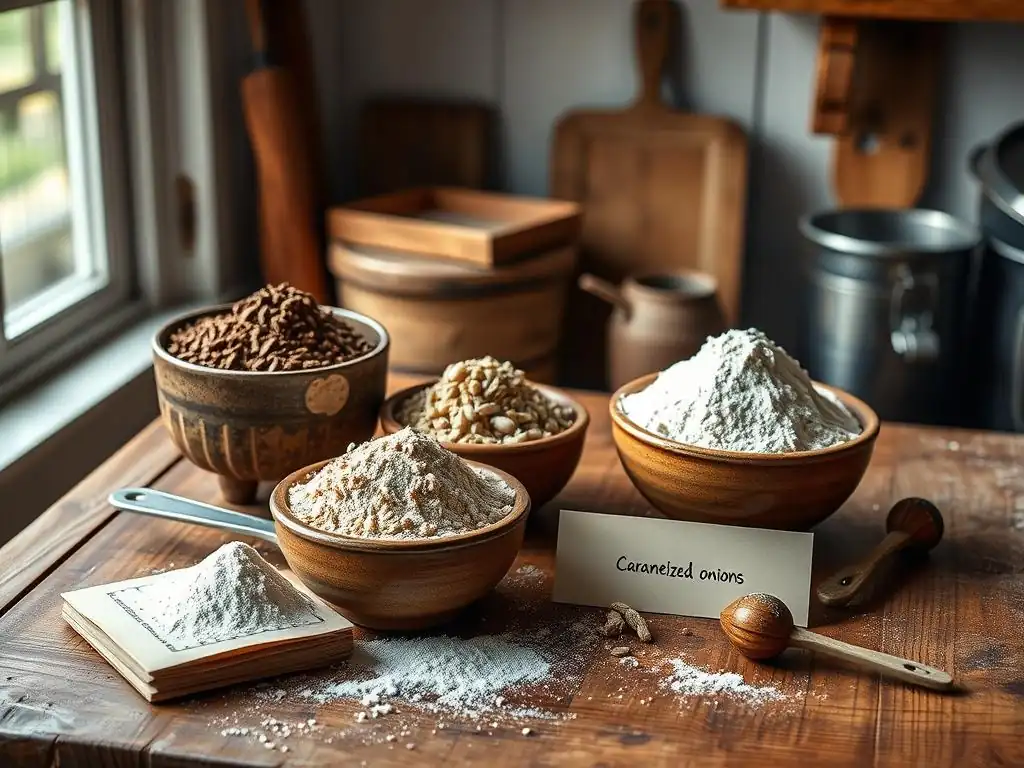
Selecting the right high extraction flour can significantly impact your baking results. It's not just about finding flour labeled "high extraction"; understanding the nuances between types and producers is key to mastering high extraction flour recipes. Consider the grain type, milling process, and specific flour characteristics.
Different millers will have slightly different definitions and processes for high extraction flour, leading to variations in flavor and performance. Researching the miller and reading product descriptions carefully will help you make an informed choice tailored to your baking goals, whether it's for a rustic loaf or delicate pancakes.
Types of High Extraction Flour Available
High extraction flour isn't limited to just wheat. You can find it made from various grains, each offering unique flavors and baking properties. The most common types available to home bakers include wheat, rye, and spelt, but some specialty millers may offer high extraction versions of other grains.
Each grain type behaves differently in dough and contributes a distinct flavor profile. High extraction wheat is versatile, while rye adds tang and density, and spelt offers a softer crumb and nutty sweetness. Exploring these different types allows you to expand your repertoire of high extraction flour recipes easy to make and full of character.
King Arthur Baking Company High Extraction Wheat Flour: A Review
King Arthur Baking Company's High Extraction Flour is a popular choice among home bakers seeking to bridge the gap between all-purpose and whole wheat. This flour is typically milled from hard red wheat and has an extraction rate around 85%. This means it retains much of the wheat berry's flavor and nutrition while performing similarly to white flour in terms of gluten development and rise.
Bakers often find this flour produces loaves with a beautiful golden crumb and a more pronounced, sweet, and slightly nutty wheat flavor than white flour. Its protein content is usually around 13%, making it suitable for bread baking, including sourdough and yeasted loaves. It's a reliable option for those starting with high extraction flour recipes.
Bob's Red Mill Stone-Ground High Extraction Rye Flour: A Flavor Profile
Bob's Red Mill offers a Stone Ground Dark Rye Flour that functions similarly to a high extraction rye, though they may not explicitly label it as such. Stone milling traditionally retains more of the bran and germ compared to roller milling, resulting in a higher extraction rate and richer flavor. Their dark rye flour is known for its robust, earthy, and slightly tangy flavor, characteristic of traditional rye baking.
While not a finely sifted high extraction, this stone-ground version provides a similar benefit of increased flavor from the grain's outer layers. It's excellent for adding depth to rye breads, pumpernickel, or even blending with wheat flour for mixed-grain loaves. Expect a denser crumb and more assertive rye taste compared to light rye flour.
Arrowhead Mills Organic High Extraction Spelt Flour: A Healthy Option
Arrowhead Mills offers an Organic Spelt Flour that, while often labeled "whole grain," is frequently milled in a way that results in a texture and behavior similar to a high extraction flour due to spelt's unique composition. Spelt bran breaks down more easily during milling. Their organic version provides the distinct, slightly sweet, and nutty flavor of spelt along with the nutritional benefits of retaining more of the grain's original components.
This spelt flour is a great choice for bakers looking for an alternative to wheat or simply wanting to explore different ancient grains. It works well in everything from bread and muffins to the previously mentioned high extraction spelt flour pancakes. Its organic certification also appeals to those seeking sustainably produced ingredients.
Factors to Consider When Buying High Extraction Flour
Choosing the right high extraction flour involves looking beyond the label. Several technical factors influence how the flour will perform and taste in your high extraction flour recipes. Paying attention to details like ash content, protein content, and the milling process can help you predict the flour's behavior and flavor.
Understanding these characteristics allows you to select a flour best suited for your specific baking project, whether it's a rustic artisan loaf requiring strong gluten or a tender cake where too much structure isn't desired.
Ash Content and its Impact on Flavor
Ash content is a baker's term that indirectly measures how much of the bran and germ remains in the flour. It's determined by burning a sample of flour and weighing the mineral residue (ash). Standard white flour might have an ash content of 0.4-0.6%. High extraction flour, by retaining more minerals from the outer layers, typically has a higher ash content, often ranging from 0.8% to 1.2% or even higher, depending on the extraction rate.
A higher ash content generally correlates with a higher extraction rate and thus more flavor and nutrition from the grain. However, very high ash content can sometimes negatively impact gluten development and result in a darker, slightly more bitter flavor if not balanced properly in the recipe. It's a key indicator of how "whole" the flour is without being 100% whole grain.
Protein Content and Gluten Development
Protein content is crucial, especially when baking bread. Protein, specifically gluten-forming proteins like gliadin and glutenin, determines the dough's ability to develop structure and trap gases, leading to a good rise. High extraction wheat flour typically has a protein content similar to or slightly higher than strong bread flour, often between 12-14%.
This higher protein level in high extraction wheat allows it to develop a strong gluten network, making it excellent for artisan bread, pizza dough, and other baked goods requiring structure. For high extraction flours from grains like rye or spelt, the protein content might be similar, but the gluten structure is weaker (spelt) or non-existent (rye), requiring different handling techniques.
Milling Process and its Effect on Texture
The milling process significantly impacts the flour's texture and how finely the remaining bran and germ particles are ground. Roller milling is more common for commercial flours and can produce a very consistent product. Stone milling, on the other hand, grinds the entire grain between stones, often resulting in a slightly coarser flour with more variance in particle size, including larger flakes of bran.
Stone-ground high extraction flour often retains more of the grain's oils and flavor compounds, leading to a richer taste. The coarser texture can also affect dough handling and the final crumb structure, sometimes requiring slightly higher hydration. Understanding the milling process used can help you anticipate the flour's characteristics and adjust your high extraction flour recipes accordingly.
Incorporating High Extraction Flour into Your Baking: Tips and Techniques
Baking with high extraction flour is similar to using white flour, but a few adjustments can help you achieve the best results. Because it contains more of the grain's outer layers, it absorbs water differently and can affect dough development.
Mastering these simple techniques will ensure your high extraction flour recipes turn out perfectly every time, yielding flavorful baked goods with excellent texture. It's about respecting the unique properties of the flour.
Adjusting Recipes for High Extraction Flour
When substituting high extraction flour for white flour in a recipe, you may need to make slight adjustments, particularly regarding hydration. High extraction flour tends to absorb more water than white flour due to the presence of remaining bran and germ. Start by increasing the liquid (water, milk, etc.) in your recipe by 5-10% compared to what you'd use for white flour.
It's often best to add the liquid gradually and observe the dough's consistency, as different flours absorb water differently. The dough should feel hydrated but still manageable. For recipes like cakes or muffins, this adjustment might be less critical, but for bread or enriched doughs, proper hydration is key to developing the gluten and achieving a good crumb structure.
Hydration Levels: Getting the Right Dough Consistency
Achieving the correct hydration level is perhaps the most important factor when working with high extraction flour, especially in bread baking. As mentioned, these flours are thirstier. If your dough feels too stiff, it's likely under-hydrated, which can result in a dense crumb and dry texture.
A good starting point is often a hydration percentage between 70-80% for lean bread doughs, relative to the total flour weight. For enriched doughs (containing butter, eggs, milk), the hydration might be slightly lower. Pay attention to how the dough feels during mixing and kneading; it should be supple and slightly sticky but not a wet, unmanageable mess. Don't be afraid to add a little extra water if the dough seems dry after the initial mix.
Mixing and Kneading Techniques for High Extraction Flour Doughs
High extraction flours, particularly wheat, can develop strong gluten, but the presence of bran can sometimes interfere with gluten development by cutting the strands. For bread doughs, consider a slightly longer mixing or kneading time compared to pure white flour dough. Using methods like the autolyse (resting the dough with just flour and water before adding other ingredients) can also help the flour absorb water and kickstart gluten development.
Gentle stretch and folds during bulk fermentation are also highly effective for building strength in high extraction flour doughs without overworking them. For more delicate baked goods like cakes or pancakes, minimal mixing is required, just enough to combine ingredients without activating too much gluten, which would make them tough.
Where to Buy High Extraction Flour: Online Retailers and Local Mills
Finding high quality high extraction flour might require looking beyond your standard supermarket shelves. Specialty online retailers and local flour mills are excellent sources for a wider variety and often fresher product.
Exploring these options allows you to access flours with specific extraction rates, grain types (like unique heritage varieties), and milling processes that can elevate your high extraction flour recipes. Supporting local mills can also provide access to incredibly fresh flour with unique regional characteristics.
Several online retailers specialize in baking ingredients and carry a range of high extraction flours from various millers. These platforms offer convenience and access to products you might not find locally.
- King Arthur Baking Company
- Bob's Red Mill
- Breadtopia
- Central Milling (often sells in larger quantities, popular with professional bakers)
Supporting Local Mills: Finding High-Quality High Extraction Flour Near You
Local flour mills are fantastic resources for high extraction flour. They often mill smaller batches, providing exceptionally fresh flour. Many local mills are passionate about their craft and can offer insights into their specific flours, including the extraction rate and best uses.
Searching online directories for "local flour mills near me" or visiting farmers' markets are good ways to find these producers. Buying directly from a mill often means you're getting flour that hasn't sat on a shelf for long, preserving the delicate oils and flavors that make high extraction flour so special for your high extraction flour recipes.
Maximizing Flavor: Complementary Ingredients for High Extraction Flour Baking
High extraction flour provides a fantastic flavor base, but certain complementary ingredients and techniques can further enhance and highlight its inherent characteristics. Think of them as building layers of flavor on top of the grain's natural profile.
These additions and methods can transform simple high extraction flour recipes into complex and memorable baked goods. They interact with the grain's subtle notes to create a richer sensory experience.
Seeds and Grains: Adding Texture and Nuance
Incorporating seeds like sesame, poppy, sunflower, or flax, or whole grains like oats, cracked wheat, or rye berries, adds both texture and additional flavor dimensions. Seeds contribute nutty or earthy notes and a pleasant crunch, while added grains can bring chewiness and further deepen the malty or nutty flavors already present in the high extraction flour.
Consider soaking seeds or grains before adding them to dough, especially in bread, to soften them and prevent them from absorbing moisture from the dough during baking. This ensures a better crumb structure and integrates the additions more seamlessly into your high extraction flour recipes.
Herbs and Spices: Enhancing the Aromatic Profile
Herbs and spices can beautifully complement the natural flavors of high extraction flour. Rosemary, thyme, or chives work well in savory bread or biscuits made with wheat or spelt. Spices like caraway, coriander, or fennel are classic pairings for rye flour, enhancing its distinctive tang.
Even subtle additions like a pinch of nutmeg in spelt pancakes or a hint of black pepper in wheat pizza dough can elevate the overall flavor experience. Experiment with different combinations to find what best suits the grain type and the specific high extraction flour recipes you are making.
Fermentation Techniques: Unlocking Deeper Flavor Potential
For bread and doughs, the fermentation process is critical for developing complex flavors. Using techniques like a long, slow cold proof (as in the sourdough recipe example) or incorporating a preferment (like a poolish or biga) allows enzymes in the flour and yeast/bacteria to break down starches and proteins, creating aromatic compounds.
High extraction flours, with more of the grain's natural enzymes present, often benefit significantly from longer fermentation times compared to refined flours. This extended process deepens the inherent nutty or malty notes of the flour and creates a more nuanced, less "floury" taste in the final product.
High Extraction Flour vs. Whole Wheat Flour: Key Differences and Applications
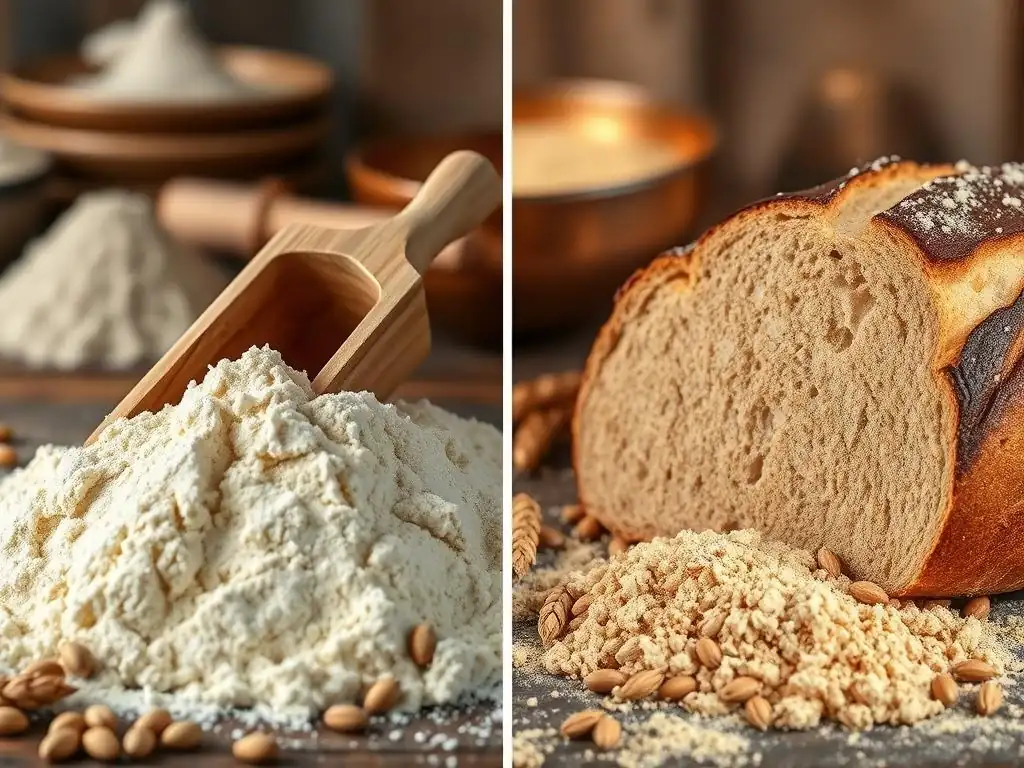
While both high extraction flour and whole wheat flour contain parts of the bran and germ, the key difference lies in the amount retained. This difference leads to variations in nutritional content, flavor, and baking properties, influencing which flour is best suited for different high extraction flour recipes.
Understanding these distinctions helps you choose the right flour for your desired outcome, whether prioritizing maximum nutrition, specific texture, or a balance of flavor and ease of use.
Understanding the Nutritional and Flavor Differences
Whole wheat flour contains 100% of the original grain kernel – the bran, germ, and endosperm. This makes it the most nutritionally complete, highest in fiber, vitamins, and minerals. Its flavor is typically robust, sometimes described as intensely wheaty or slightly bitter due to the high concentration of bran and germ oils.
High extraction flour, containing only a portion of the bran and germ (e.g., 85-90% extraction), offers a compromise. It has more nutrients and flavor than white flour but less than whole wheat. Its flavor is still distinct and complex, but often less assertive than 100% whole wheat, with a focus on nutty or sweet notes rather than bitterness. It strikes a balance that many find appealing for both taste and nutrition.
Choosing the Right Flour for Your Baking Needs
- Choose Whole Wheat Flour when:
- Maximum nutritional value is the top priority.
- You want a very dense, hearty texture.
- A strong, assertive grain flavor is desired (e.g., in rustic loaves, bran muffins).
- You are comfortable with dough that may be less elastic and require more hydration.
- Choose High Extraction Flour when:
- You want more flavor and nutrition than white flour but prefer a lighter texture than whole wheat.
- You are making artisan bread, pizza dough, or other recipes where good gluten development and structure are important, but you still want the grain's character.
- You are looking for high extraction flour recipes easy to adapt from white flour recipes with minimal adjustments.
- You want a balanced flavor that complements other ingredients without being overpowering.
Storing High Extraction Flour Properly: Maintaining Freshness and Quality
Like all flours containing the germ (which contains oils), high extraction flour is more perishable than refined white flour. Proper storage is essential to prevent spoilage, rancidity, and insect infestation, ensuring your high extraction flour recipes always start with the best possible ingredients.
The oils in the germ can oxidize and become rancid over time, leading to off-flavors that can ruin your baked goods. Keeping the flour cool, dark, and airtight is the key to extending its shelf life and preserving its quality.
Best Practices for Long-Term Storage
For optimal freshness, store high extraction flour in an airtight container. This protects it from moisture, odors, and pests. Glass, sturdy plastic, or metal containers with tight-fitting lids work well.
The best place to store high extraction flour is in a cool, dark environment. The refrigerator is ideal for frequent use, keeping the flour fresh for several months (typically 3-6 months). For longer-term storage (up to a year or more), the freezer is an excellent option. Allow frozen flour to come to room temperature before measuring and using it in your high extraction flour recipes.
Recognizing Signs of Spoilage
Spoiled high extraction flour will develop noticeable off-flavors and aromas, often described as stale, bitter, or crayon-like due to rancidity. Before using flour that has been stored for a while, give it a sniff. Fresh flour has a mild, pleasant, slightly sweet or nutty aroma depending on the grain. Rancid flour will have a distinct, unpleasant smell.
Other signs of spoilage or poor storage include visible mold, discoloration, or the presence of pantry pests like weevils. If you notice any of these signs, it's best to discard the flour and purchase a fresh supply to ensure the success and flavor of your high extraction flour recipes.
Conclusion: Embrace the Flavor of High Extraction Flour.
Frequently Asked Questions
What is high extraction flour and why should I use it?
High extraction flour contains a larger portion of the whole grain, including the bran and germ. This results in a flour with more flavor, nutrients, and a slightly coarser texture compared to all-purpose flour. It's great for adding depth to your baked goods.
How does high extraction flour affect my baking?
Using high extraction flour can lead to baked goods with a slightly denser crumb and a more pronounced flavor. You may need to adjust the hydration in your recipes slightly, as it absorbs more water.
Can I substitute high extraction flour for all-purpose flour in any recipe?
While you can substitute it, it's best to start with recipes specifically designed for high extraction flour or gradually substitute it for a portion of the all-purpose flour. This helps you adjust for the flour's unique properties.
Where can I find high extraction flour?
High extraction flour is often available at specialty baking stores, co-ops, or directly from mills. You can also sometimes find it online from reputable flour suppliers.
What are some easy recipes that use high extraction flour?
Look for recipes like rustic breads, hearty muffins, or flavorful cookies that benefit from the added flavor and texture. Many recipes specifically designed for whole wheat flour can also be adapted for high extraction flour.
Final Reflection: The Bountiful Promise of High Extraction Flour
The resurgence of high extraction flours isn't just a culinary trend; it's a rediscovery of flavor and a commitment to sustainable food practices. We've explored the nuanced differences between flours, highlighting the superior taste and nutritional benefits offered by those with higher extraction rates. This isn't simply about finding a "better" flour; it's about understanding the impact of our food choices on both our palates and the planet.
The journey into the world of high extraction flours has been a personal revelation. I've witnessed firsthand the transformation in baked goods – the deeper color, the richer aroma, the more complex flavor profiles. The simplest things are often the most extraordinary.
This quote perfectly encapsulates the magic of using high extraction flour; it allows the inherent goodness of the grain to shine through, requiring less manipulation and resulting in a truly exceptional product. The shift towards appreciating the whole grain, rather than just a refined portion, speaks to a broader cultural shift toward mindful consumption and a deeper connection with our food sources.
Now, it's your turn. Consider the possibilities. Experiment with different high extraction flours, explore new recipes, and savor the difference. Don't be afraid to embrace the slightly coarser texture or the more intense flavor; these are hallmarks of a truly authentic and nourishing experience. By choosing high extraction flours, you're not just baking bread; you're participating in a movement towards a more sustainable and flavorful future. Let the journey begin!
Unlock the Flavor Secrets of High Extraction Flour!
Thanks for taking the time to explore the world of high extraction flours with us! We hope you now feel empowered to create truly exceptional baked goods. Ready to put your newfound knowledge into practice?
- Bake a test loaf: Start small! Try a simple recipe using your newly acquired high extraction flour. Note the changes in flavor and texture compared to what you're used to. This is the most important step!
- Share your experience: Post a picture of your creation on social media and tag us! Let's build a community of high-extraction flour enthusiasts. Use #BakeWithEaseHighExtraction
- Explore different grains: Don't be afraid to experiment! High extraction flours come from a variety of grains – what other exciting flavors will you discover?
What unique flavor profile will you unlock with your next high extraction flour bake?