
The Role of Time and Temperature: How They Shape Your Dough's Flavor

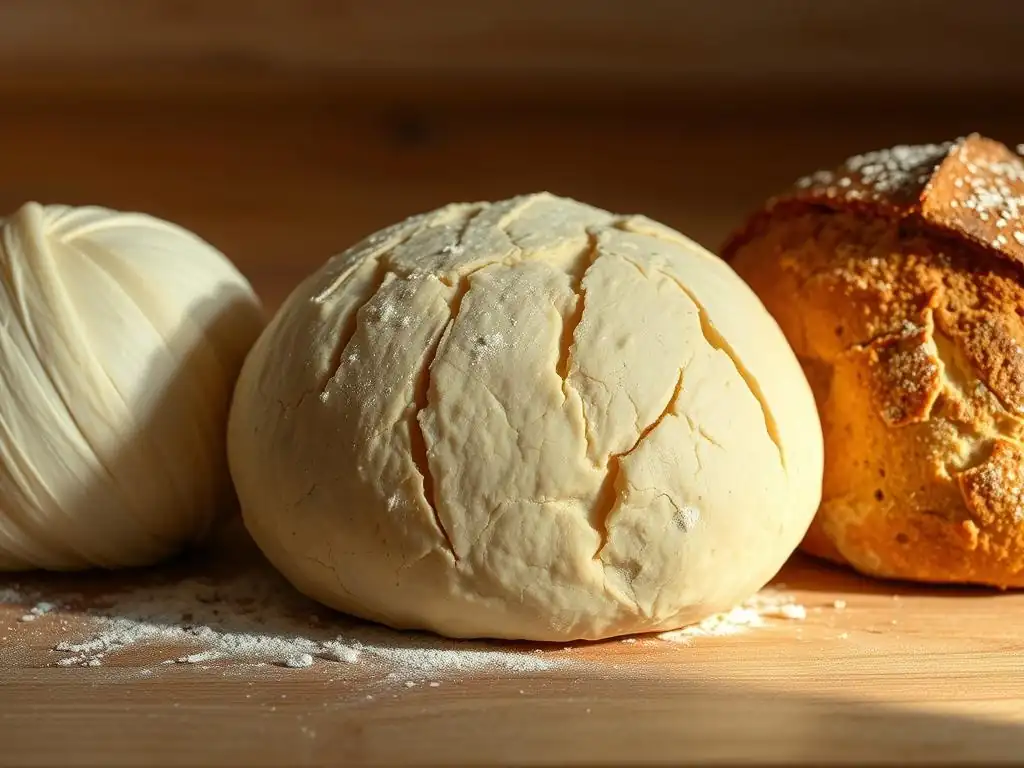
Welcome to BakeWithEase, your trusted companion on your baking journey! Ever wondered how subtle tweaks in your dough's flavor, influenced by time and temperature, can transform a simple loaf into a culinary masterpiece? This week, we're diving deep into the secrets of bread baking, exploring the crucial role of time and temperature in shaping the perfect flavor profile. Get ready to unlock the science behind sourdough and elevate your baking game! Read on to discover how these key elements can revolutionize your bread.
The Science Behind Flavor Development in Sourdough
Sourdough flavor is a complex symphony orchestrated by the metabolic activity of wild yeasts and lactic acid bacteria (LAB) naturally present in the starter and dough. These microorganisms consume sugars in the flour and produce a range of compounds, primarily organic acids (like lactic and acetic acid), carbon dioxide, and various volatile aromatic substances (such as esters, aldehydes, and alcohols).
The balance and quantity of these compounds directly influence the bread's tanginess, aroma, and overall depth of flavor. For instance, a typical sourdough starter contains a diverse microbial community; studies have identified species like Lactobacillus sanfranciscensis as key players in producing the characteristic acetic acid tang, while yeasts like Saccharomyces cerevisiae primarily generate carbon dioxide for rise and ethanol, which contributes to aroma.
The specific strains present, their activity levels, and the conditions they experience – particularly temperature and time – dictate which metabolic pathways are favored and, consequently, the resulting flavor profile.
The flour itself plays a crucial role, providing the substrate (sugars and proteins) for microbial fermentation. Different flours have varying levels of fermentable sugars and nutrient availability, which can influence the speed and type of fermentation. For example, whole wheat flour, with its higher mineral and enzyme content, tends to ferment faster and can lead to a more acidic profile if not carefully managed. The interaction between the flour's components and the microbial activity is dynamic.
As fermentation progresses over time, enzymes in the flour break down complex starches into simpler sugars, making them accessible to the microorganisms. Simultaneously, the microbes produce enzymes that further modify the dough structure and release flavor precursors. Understanding this interplay is fundamental to controlling the dough flavor temperature time relationship and achieving desired sourdough characteristics.
Key Factors: Time, Temperature, and Lacto-Fermentation
The three pillars governing sourdough flavor development are undeniably time, temperature, and the process of lacto-fermentation driven by lactic acid bacteria. Time dictates the duration of microbial activity; longer fermentation periods allow for a greater accumulation of metabolic byproducts, leading to more pronounced and complex flavors. However, excessive time can lead to over-acidification. Temperature acts as a primary control knob, significantly influencing the rate at which yeasts and bacteria operate.
LAB generally thrive in warmer conditions (around 75-85°F or 24-30°C), producing more lactic acid which provides a softer, yogurt-like tang. Acetic acid bacteria, while often present, are favored by cooler temperatures (below 70°F or 21°C) and stiffer doughs, contributing a sharper, vinegary tang. The balance between lactic and acetic acid is crucial for the overall flavor profile.
Lacto-fermentation itself is the specific process carried out by LAB, converting sugars into lactic acid and, to a lesser extent, acetic acid. This process is distinct from the alcoholic fermentation driven by yeast, which produces carbon dioxide and ethanol. While yeast is essential for dough rise, the LAB are the primary architects of sourdough's characteristic tang and aroma. The ratio of lactic to acetic acid produced is heavily influenced by temperature and hydration.
Warmer temperatures and higher hydration levels typically favor lactic acid production, resulting in a milder, rounder acidity. Cooler temperatures and lower hydration levels lean towards acetic acid production, yielding a sharper, more pungent tang. Mastering the relationship between dough flavor temperature time allows bakers to steer the microbial activity towards their desired outcome, whether that's a mildly tangy country loaf or a sharply acidic rye bread.
- The Science Behind Flavor Development in Sourdough
- Key Factors: Time, Temperature, and Lacto-Fermentation
Time's Influence on Sourdough: From Autolyse to Flavor Complexity
Short vs. Long Fermentation: Effects on Sourdough's Taste
The duration of fermentation fundamentally alters the flavor profile of sourdough. A short fermentation, perhaps just a few hours at room temperature after mixing, results in a bread with a milder flavor, often described as less complex or tangy. This is because the microorganisms haven't had sufficient time to significantly break down sugars and proteins or produce large quantities of organic acids and volatile compounds.
The primary action during short fermentation is often gas production for initial rise, with less emphasis on deep flavor development. For example, a quick sourdough recipe might involve a 3-4 hour bulk fermentation followed by a 1-2 hour proof, yielding a loaf with minimal tang, suitable for those new to sourdough or preferring a less acidic taste. The limited dough flavor temperature time interaction restricts the metabolic output.
Conversely, a long fermentation, especially one incorporating a cold period, allows for extensive microbial activity and the development of profound flavor complexity. Over many hours, or even days, the yeasts and bacteria work through the dough, producing a wider range of aromatic compounds and a higher concentration of organic acids. This extended time permits slower enzymatic breakdown of starches and proteins, which can contribute to a richer crumb texture and crust color through the Maillard reaction during baking.
For instance, a loaf cold-proofing in the refrigerator for 18-48 hours will develop a significantly more pronounced tang and nuanced aroma compared to a loaf proofed quickly at room temperature. This extended dough flavor temperature time interaction is key to achieving the signature tangy depth of traditional sourdough.
Bulk Fermentation Time: Optimizing for Flavor and Texture
Bulk fermentation, the period after mixing and before shaping, is a critical window for developing both structure and flavor. During this phase, the dough undergoes significant microbial activity: yeasts produce CO2 for expansion, and bacteria produce organic acids that strengthen the gluten network and contribute to flavor. The duration of bulk fermentation directly impacts the final taste.
A bulk fermentation that is too short will result in underdeveloped flavor and potentially a denser crumb, as the microorganisms haven't had enough time to work. For example, stopping bulk fermentation after only 2 hours at 75°F (24°C) might yield a loaf with minimal tang.
Optimizing bulk fermentation time involves balancing microbial activity with desired outcomes. A typical bulk fermentation for a standard sourdough loaf might range from 3 to 6 hours at a room temperature of 75-80°F (24-27°C), with folds performed periodically. During this time, the dough should increase significantly in volume (often 50-100%) and show signs of fermentation like bubbles on the surface and along the sides of the container.
Pushing bulk fermentation longer, perhaps 8-12 hours at a slightly cooler room temperature (70-72°F or 21-22°C), can enhance flavor development, leading to a tangier loaf. However, over-fermenting during bulk can exhaust the dough, leading to poor oven spring and excessive acidity. Experienced bakers often rely on visual cues and the "poke test" in addition to time and temperature to determine the optimal point to end bulk fermentation, ensuring the desired dough flavor temperature time outcome.
Proofing Time and its Role in Acidity and Aroma
Proofing, the final rise after shaping, is another crucial stage where time profoundly influences sourdough flavor, particularly acidity and aroma. While bulk fermentation builds the foundational flavor, proofing refines it. During this phase, microbial activity continues, albeit often at a slower pace if proofed in a cooler environment like a refrigerator. The production of organic acids continues, concentrating the tang. The dough's structure also relaxes slightly, allowing volatile aromatic compounds to develop and integrate into the dough matrix. A longer proof, especially a cold one, allows for a slower, more controlled production of these flavor compounds.
A short, warm proof (e.g., 1-2 hours at 75-80°F or 24-27°C) will result in a loaf that rises quickly but has less developed acidity and aroma compared to a long, cold proof. For instance, proofing a shaped loaf in the refrigerator at 38-40°F (3-4°C) for 12-24 hours slows down both yeast and bacterial activity significantly.
While yeast slows considerably (reducing CO2 production), the cold temperatures favor the slower production of acetic acid by some LAB strains, contributing a sharper tang. This extended cold proof also allows enzymes to continue breaking down starches, potentially leading to a sweeter note after baking.
The dough flavor temperature time during proofing is a final opportunity to fine-tune the balance of acids and aromatics before the heat of the oven locks them in. Over-proofing at this stage can lead to a collapsed loaf and overly acidic, sometimes unpleasant flavors due to excessive acid production and breakdown of the dough structure.
Temperature's Impact: Controlling Sourdough Flavor Through Temperature Regulation
The Ideal Dough Temperature for Optimal Flavor
Controlling dough temperature is arguably the most effective lever a baker has to influence the speed and outcome of fermentation, and thus, the final flavor of sourdough. While there isn't a single "ideal" temperature for all sourdoughs, a common target range for active fermentation during bulk is between 75°F and 80°F (24°C to 27°C).
Within this range, both yeast and lactic acid bacteria are quite active, allowing for a relatively predictable fermentation timeline (typically 3-6 hours for bulk fermentation) and a balanced production of lactic and acetic acids, leaning slightly towards lactic acid depending on hydration. Achieving and maintaining this temperature can be done by adjusting the water temperature used in the mix, placing the dough in a warm spot, or using equipment like proofing boxes.
However, the "ideal" temperature is relative to the desired outcome and the time available. If a baker wants a sharper, more vinegary tang, they might target a slightly cooler temperature during bulk fermentation, perhaps 70-72°F (21-22°C), which favors acetic acid production. If they are aiming for a very mild, less tangy loaf, a warmer temperature (80-85°F or 27-30°C) can speed up fermentation and favor lactic acid, but this requires close monitoring to prevent over-fermentation.
The temperature of the dough itself, not just the ambient temperature, is key. Using a digital thermometer to check the dough's core temperature is essential for consistent results when managing dough flavor temperature time.
Cold Fermentation (Retardation): Enhancing Flavor Depth
Cold fermentation, often referred to as retardation, is a powerful technique used to significantly slow down microbial activity by placing the dough in a refrigerator, typically at temperatures between 38°F and 45°F (3°C to 7°C). At these low temperatures, yeast activity slows dramatically, significantly reducing gas production. However, lactic acid bacteria, particularly those that produce acetic acid, remain relatively active compared to yeast.
This imbalance allows for a slow, prolonged production of organic acids and complex aromatic compounds over an extended period, often 12 to 72 hours or even longer. The result is a sourdough with enhanced tang, greater depth of flavor, and often a more complex aroma profile.
Beyond flavor, cold fermentation offers practical benefits. It makes the dough easier to handle due to increased gluten strength and less stickiness. It also provides flexibility in the baking schedule, allowing bakers to proof dough overnight or while they are away.
For instance, a dough that might bulk ferment for 4 hours at room temperature could be cold-proofed for 24 hours, yielding a loaf with a much more pronounced tang. This extended dough flavor temperature time interaction in the cold environment allows for enzymatic activity to continue breaking down complex carbohydrates, potentially contributing to better crust browning and a slightly sweeter aftertaste alongside the increased acidity.
Warm Fermentation: Speeding Up Flavor Development
Warm fermentation involves maintaining the dough temperature at the higher end of the active range, typically between 80°F and 85°F (27°C to 30°C). In some techniques, like Tartine's approach using warm water, temperatures might even briefly exceed this. At these temperatures, microbial activity is significantly accelerated. Yeast produces CO2 rapidly, leading to a faster rise. Lactic acid bacteria are also highly active, primarily favoring the production of lactic acid, which is milder than acetic acid. This speed means that fermentation times are much shorter, often just 2-4 hours for bulk fermentation.
The primary outcome of warm fermentation is a faster process and a sourdough with a milder, less pronounced tang. While flavor development does occur, the limited time means fewer complex compounds are produced compared to a long, cold fermentation. This approach is useful when time is limited or when a less acidic loaf is desired.
However, warm fermentation requires vigilant monitoring as the dough can quickly over-ferment, leading to a loss of structure, excessive acidity, and potentially a gummy crumb. Balancing dough flavor temperature time in a warm environment is crucial for achieving the desired rapid rise without sacrificing too much flavor or structure.
The Interplay of Time and Temperature: Mastering Sourdough Flavor Profiles
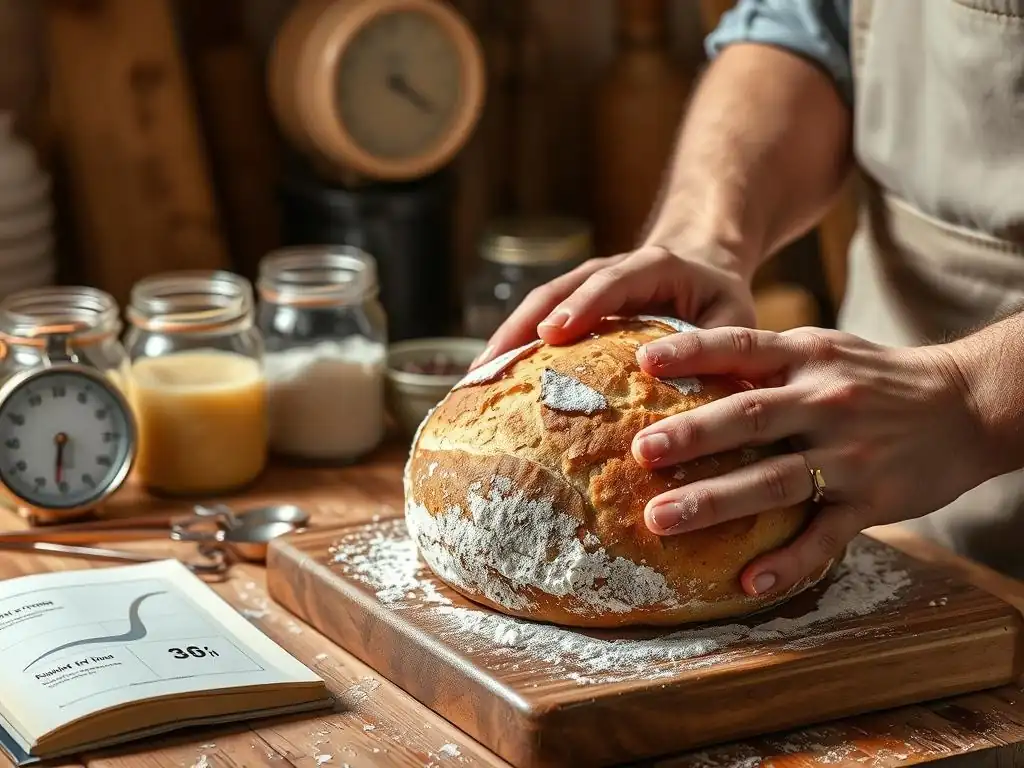
Time and Temperature Combinations for Different Sourdough Styles
Mastering sourdough flavor hinges on understanding how to combine time and temperature throughout the entire process, from mixing to final proof. Different combinations yield distinct flavor profiles, allowing bakers to tailor their bread to specific preferences or regional styles. For example, a classic San Francisco-style sourdough, known for its pronounced tang, often utilizes a long, cool bulk fermentation followed by an extended cold proof (perhaps 12 hours at 70°F followed by 24-48 hours at 40°F). This combination favors acetic acid production and allows ample time for complex flavor compounds to develop.
In contrast, a milder, less tangy country loaf might involve a shorter, warmer bulk fermentation (e.g., 4 hours at 80°F) followed by a relatively short room-temperature proof (1-2 hours) or a moderate cold proof (8-12 hours at 40°F). This approach prioritizes lactic acid production and limits the total fermentation time, resulting in a softer acidity. Even within a single recipe, manipulating the dough flavor temperature time can dramatically change the outcome. Experimenting with different temperatures during bulk fermentation versus proofing, and varying the duration at each stage, is key to unlocking the full spectrum of sourdough flavors.
How Time and Temperature Affect Yeast and Bacteria Activity
Time and temperature are the primary regulators of microbial activity in sourdough. Wild yeasts and lactic acid bacteria have different optimal temperature ranges and varying tolerances for acidic environments. Yeast activity is highest between 75°F and 85°F (24°C to 30°C), rapidly producing CO2 and ethanol.
Their activity slows considerably below 50°F (10°C) and above 100°F (38°C) they start to die. LAB, on the other hand, are generally more resilient and active over a wider range, with optimal temperatures often slightly higher than yeast, around 75-95°F (24-35°C), although some strains thrive in cooler conditions. The ratio of yeast to bacteria activity changes significantly with temperature shifts.
At warmer temperatures (e.g., 80°F+), both yeast and LAB are highly active, leading to rapid fermentation. Yeast dominates gas production, and LAB produce lactic acid primarily. At cooler temperatures (e.g., 60-70°F), yeast activity slows more than LAB activity, particularly the acetic acid producing strains. This imbalance, especially over extended time, allows for greater acetic acid production.
Furthermore, as fermentation progresses over time, the dough becomes more acidic due to the accumulation of organic acids. This increasing acidity can eventually inhibit the activity of both yeast and some LAB strains, naturally slowing down fermentation. The baker's control over dough flavor temperature time is fundamentally about managing the populations and metabolic rates of these two crucial microbial partners.
Controlling Acidity in Sourdough Through Time and Temperature Management
Acidity is a defining characteristic of sourdough, and its level and type (lactic vs. acetic) are primarily controlled by manipulating time and temperature. To produce a milder, less tangy sourdough, the strategy involves minimizing the total fermentation time and favoring conditions that promote lactic acid production. This typically means a shorter bulk fermentation and proofing period, often at slightly warmer temperatures (78-82°F).
The higher temperature encourages faster fermentation and lactic acid production, while the shorter time prevents excessive acid accumulation. For instance, a 4-hour bulk at 80°F followed by a 2-hour proof at 75°F will yield significantly less tang than a longer fermentation.
Conversely, to achieve a more pronounced, often sharper tang, the strategy involves extending fermentation time and utilizing cooler temperatures, particularly during bulk fermentation or proofing. A cooler temperature during bulk fermentation (68-72°F) over a longer period (6-10 hours) can favor acetic acid production. Even more effectively, an extended cold proof (12-48 hours at 38-40°F) significantly promotes acetic acid development while slowing down overall fermentation.
This extended dough flavor temperature time allows for the slow, steady accumulation of acetic acid, resulting in a distinct vinegary note. By intentionally adjusting the fermentation schedule and temperature at different stages, bakers can precisely control the level and type of acidity in their sourdough.
Advanced Techniques: Manipulating Time and Temperature for Unique Flavors
Using Refrigeration to Slow Down Fermentation and Enhance Tang
Refrigeration is a cornerstone technique for advanced sourdough bakers seeking to enhance flavor depth and manage their baking schedule. By placing dough in a cold environment (typically 38-40°F or 3-4°C), fermentation is dramatically slowed. Yeast activity is significantly inhibited, which is why cold dough doesn't rise much in the fridge. However, many lactic acid bacteria, particularly the heterofermentative strains responsible for acetic acid production, remain relatively active at these temperatures. This differential activity over an extended period (12-72 hours or more) leads to a higher ratio of acetic acid to lactic acid compared to warmer fermentations.
The result of this extended cold dough flavor temperature time interaction is a loaf with a more pronounced, sometimes sharper, tang. Beyond acidity, the slow enzymatic breakdown of starches continues in the cold, potentially leading to a sweeter crust upon baking due to increased simple sugars. Cold fermentation also develops complex aromatic compounds that contribute to a richer overall flavor profile.
For example, a baker might bulk ferment for 4 hours at room temperature, then shape and cold proof for 24 hours. This technique is widely used for baguettes, pizzas, and country loaves to develop deep flavor without over-proofing at room temperature.
Employing Warm Environments to Accelerate Rise and Flavor Intensity
While cooler temperatures are often associated with complex flavor, intentionally using warm environments can also be an advanced technique, particularly for accelerating fermentation or promoting specific flavor notes. Maintaining dough at temperatures between 80°F and 85°F (27°C to 30°C) significantly speeds up both yeast and bacterial activity. This is useful when time is limited, allowing a bulk fermentation that might take 4-6 hours at standard room temperature to be completed in 2-3 hours. At these temperatures, lactic acid bacteria are very active, favoring lactic acid production, which results in a milder, rounder tang.
Some bakers use brief periods of very warm fermentation (e.g., 90°F or 32°C) at the beginning of bulk fermentation to give the dough a rapid start, or during proofing to speed up the final rise. While prolonged exposure to very high temperatures can negatively impact flavor and structure, strategic use of warmth, combined with careful monitoring, can help develop flavor more quickly.
For example, a baker might use an 85°F environment for the first hour of bulk fermentation before moving the dough to a cooler spot, or they might proof a shaped loaf at 80°F for 1.5 hours instead of 4 hours at 70°F. The key is understanding how this accelerated dough flavor temperature time interaction impacts microbial balance and acid production, and stopping fermentation before undesirable characteristics develop.
Understanding Starter Activity and its Connection to Time and Temperature
The activity and health of your sourdough starter are intrinsically linked to time and temperature, and they profoundly impact the flavor you can achieve in your dough. A starter is a mini-ecosystem where yeasts and bacteria live and ferment. The temperature at which you maintain and feed your starter dictates its microbial composition and activity level.
A starter kept at warm room temperature (75-80°F) and fed regularly will be very active, with a balanced population of yeast and bacteria, and will typically peak (double or triple in size) within 4-6 hours. This active starter will contribute both leavening power and a good balance of acids to your dough, leading to a relatively predictable flavor profile.
However, manipulating starter temperature can also influence the final bread flavor. Keeping a starter at cooler temperatures (e.g., 65-70°F) slows down activity and can favor acetic acid bacteria over time, potentially leading to a tangier starter that imparts more sharpness to the dough. Using a very young starter (just after feeding, before it peaks) or a very mature starter (past its peak, starting to collapse) will also impact flavor due to different ratios of acids and sugars present.
An active, ripe starter (used at its peak) is typically recommended for consistent results and balanced flavor, as it provides a robust and predictable contribution to the dough flavor temperature time equation in the main dough. Understanding your starter's peak behavior at different temperatures allows you to time its addition to the dough for optimal results.
Troubleshooting Sourdough Flavor Issues: Time and Temperature Corrections
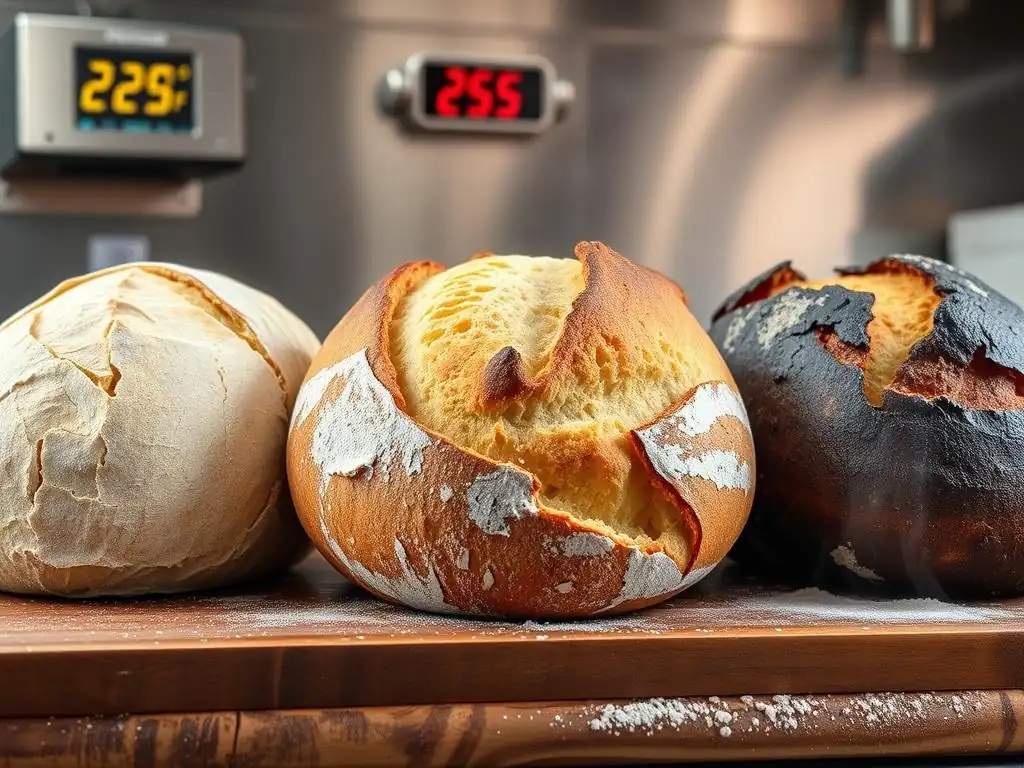
Sourdough Too Sour: Adjusting Time and Temperature for Balance
Excessive tang is a common issue in sourdough baking, often resulting in a bread that is overwhelmingly acidic or has an unpleasant vinegary bite. This is typically caused by allowing fermentation to proceed for too long, or at temperatures that heavily favor acetic acid production. If your sourdough is consistently too sour, the primary levers to adjust are time and temperature. The goal is to either shorten the fermentation duration or shift the microbial activity towards lactic acid production.
To reduce sourness, first, consider shortening your overall fermentation time. This might mean reducing bulk fermentation time by 1-2 hours or significantly cutting back on cold proofing time, perhaps from 24 hours to 12-16 hours. Second, increase the fermentation temperature slightly. Aim for the higher end of the recommended range for bulk fermentation (78-82°F or 26-28°C) rather than the lower end.
Warmer temperatures favor lactic acid bacteria, which produce the milder lactic acid. Ensure your starter is active and used at its peak, as an over-fermented starter can also contribute excessive acidity. By carefully managing the dough flavor temperature time relationship, focusing on warmer, shorter fermentations, you can effectively dial down the tanginess.
Sourdough Lacking Flavor: Techniques to Boost Flavor Complexity
If your sourdough is coming out bland or with insufficient tang, it usually indicates underdeveloped fermentation. The microorganisms haven't had enough time or the right conditions to produce a sufficient amount of flavor compounds. To enhance flavor complexity, you need to encourage more microbial activity and potentially shift the balance towards more pungent acids and aromatics. The solution lies in extending fermentation time or adjusting temperature to favor flavor development.
The most effective way to boost flavor is often to increase fermentation time, particularly by incorporating a cold fermentation period. Extend your bulk fermentation slightly (perhaps by an hour or two if fermenting at room temperature) to allow more initial acid development. Crucially, introduce an extended cold proof in the refrigerator (38-40°F or 3-4°C) for at least 12-24 hours.
This cooler temperature and extended time significantly promote the development of acetic acid and other complex aromatics, contributing a deeper and tangier flavor. Using a mature, active starter and potentially increasing the starter percentage in your recipe slightly can also contribute more microbial power to the dough. Experimenting with longer dough flavor temperature time interactions, especially in the cold, is key to building greater flavor depth.
Over-Proofed Sourdough: Addressing Flavor and Texture Problems
Over-proofing occurs when dough ferments for too long, exhausting the available sugars, weakening the gluten structure due to excessive acidity and enzymatic action, and potentially leading to unpleasant off-flavors. Visually, over-proofed dough may appear overly bubbly, slack, and might collapse when handled. Baked, it often results in poor oven spring, a dense or gummy crumb, and an overly acidic or alcoholic flavor. The cause is almost always a miscalculation of dough flavor temperature time, allowing fermentation to proceed past its optimal point.
To address over-proofing issues, you need to refine your understanding of dough readiness and better control fermentation speed. First, be more attentive to visual cues and the poke test during bulk fermentation and proofing, rather than relying solely on time. The dough should increase significantly in volume (often 50-100% in bulk, less during cold proof) but still show signs of structure and elasticity. Second, adjust your time and temperature.
If proofing at room temperature, shorten the proofing time. If using cold fermentation, ensure your refrigerator is at the correct temperature (below 40°F) and consider reducing the cold proof duration if your dough is consistently over-proofing within your current schedule. Remember that warmer temperatures accelerate over-proofing, so if you are struggling with timing, a slightly cooler fermentation environment might provide a larger window of opportunity.
Practical Tips for Managing Time and Temperature in Your Sourdough Baking
Using a Thermometer to Monitor Dough Temperature Accurately
One of the most impactful steps you can take to gain control over your sourdough's flavor and fermentation is to stop guessing the dough temperature and start measuring it. A simple digital instant-read thermometer is an invaluable tool. Room temperature can fluctuate significantly throughout the day and between seasons, and the temperature of your water and flour also play a large role in the dough's starting temperature. Aiming for a specific dough temperature, such as 78°F (26°C) after mixing, provides a consistent starting point for every bake.
To use a thermometer effectively, measure the temperature of your water, flour, and starter before mixing. You can then use online calculators or simple formulas to adjust your water temperature to hit a target dough temperature after mixing, often referred to as the "desired dough temperature" (DDT). For example, if your target DDT is 78°F, and your room is 70°F, flour is 70°F, and starter is 75°F, you'll need to use warmer water than 78°F to account for the cooler flour and ambient temperature.
After mixing, insert the thermometer into the center of the dough mass to get an accurate reading. Monitor the dough temperature periodically during bulk fermentation, especially if using specific temperature strategies (like warm or cool fermentation). Consistent dough flavor temperature time management starts with accurate temperature monitoring.
Implementing a Consistent Fermentation Schedule
Consistency is key to mastering sourdough flavor. Once you understand how time and temperature influence your dough, developing and sticking to a consistent fermentation schedule will yield predictable results. This means aiming for similar dough temperatures, bulk fermentation durations, and proofing times for each bake, at least when trying to achieve a specific style of loaf. For example, if you find that a 4-hour bulk fermentation at 78°F followed by a 16-hour cold proof at 39°F consistently produces the flavor and texture you desire, make this your standard process.
However, consistency doesn't mean rigidity. You'll need to be prepared to make slight adjustments based on environmental factors (like a particularly warm or cold day) or the specific behavior of your starter on a given day. This is where monitoring dough temperature and observing the dough's activity (rate of rise, feel, presence of bubbles) becomes crucial. A consistent schedule provides a baseline, but flexibility based on observation ensures success. Recording your dough flavor temperature time parameters and the resulting outcome for each bake is an excellent way to build a library of knowledge specific to your environment and starter.
Recording and Analyzing Your Results for Consistent Flavor
To truly master the art of controlling sourdough flavor through time and temperature, keeping detailed records of your bakes is invaluable. For each bake, note down key parameters: the temperature of your starter, flour, and water; the final mixed dough temperature; the ambient temperature of your fermentation area; the duration and temperature of bulk fermentation; the duration and temperature of proofing (both room temperature and cold, if applicable); and observations about the dough's activity (how much it rose, its texture).
After baking, evaluate the result. How was the oven spring? What was the crumb texture like? Most importantly for this topic, how was the flavor? Was it too sour, not sour enough, balanced?
Did it have specific aromatic notes? Compare the outcomes of different bakes to the parameters you recorded. For instance, if you notice that bakes with a longer cold proof consistently have a sharper tang, while those with a shorter cold proof are milder, you've identified a key relationship between dough flavor temperature time and your preferred flavor profile. This systematic approach allows you to learn from each bake, refine your process, and replicate successful results or adjust parameters to troubleshoot issues.
Recipes & Examples: Demonstrating Time and Temperature Techniques
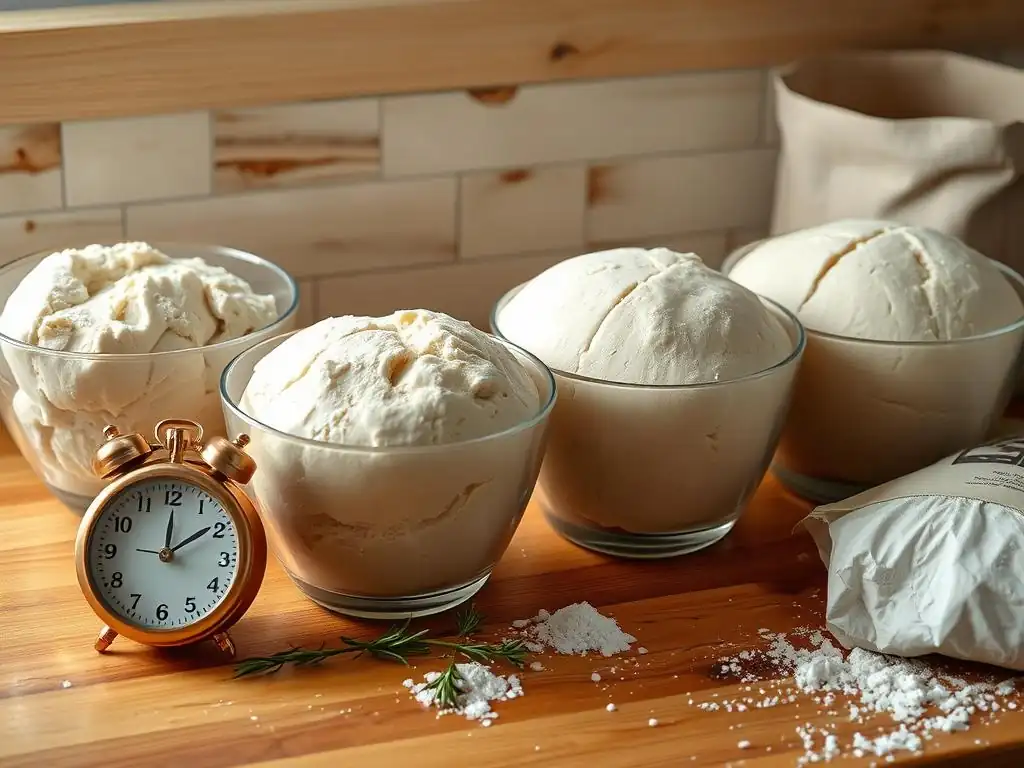
Recipe 1: Overnight Cold-Proofed Sourdough for Enhanced Tang (using Time and Temperature)
This recipe demonstrates how an extended cold proof dramatically influences tang.
Ingredients:
- Active Sourdough Starter (ripe, at peak): 100g (approx. 75-80°F)
- Warm Water: 350g (adjust temp to hit target dough temp)
- Bread Flour: 500g (approx. 70°F)
- Fine Sea Salt: 10g
Process:
- Mix: Combine starter and water in a bowl. Add flour and salt. Mix until no dry flour remains (shaggy dough). Rest 30 minutes (autolyse).
- Develop: Perform 3-4 sets of stretch and folds over 2-3 hours, maintaining dough temperature around 78°F (25-26°C).
- Bulk Fermentation: Allow dough to bulk ferment at 78°F (25-26°C) for 3-4 hours, or until increased by about 50-75% and showing bubbles. This relatively short warm bulk limits initial acidity.
- Shape & Cold Proof: Gently shape the dough into a boule or batard. Place in a floured banneton. Immediately transfer to the refrigerator (38-40°F or 3-4°C) for 12-18 hours. This extended cold dough flavor temperature time period significantly enhances acetic acid production and tang.
- Bake: Preheat oven with Dutch oven to 500°F (260°C). Score dough, transfer to Dutch oven, bake covered for 20 mins, then uncovered at 450°F (230°C) for 20-25 mins.
This method prioritizes a controlled, relatively fast bulk fermentation at a warm temperature to build structure and some initial flavor, followed by a long, cold proof to develop significant tang and complex aromatics through slow microbial activity favoring acetic acid.
Recipe 2: High-Hydration Sourdough: Time and Temperature Optimization
High hydration doughs often ferment faster and can develop acidity quickly. This recipe uses time and temperature to manage that.
Ingredients:
- Active Sourdough Starter (ripe, at peak): 100g (approx. 75-80°F)
- Warm Water: 400g (adjust temp to hit target dough temp)
- Bread Flour: 500g (approx. 70°F)
- Fine Sea Salt: 10g
Process:
- Mix: Combine starter and water. Add flour and salt. Mix thoroughly (can be sticky). Rest 30 minutes.
- Develop: Perform 4-5 sets of coil folds or stretch and folds over 2-3 hours, maintaining dough temperature around 75°F (24°C). High hydration often requires more folds for structure.
- Bulk Fermentation: Allow dough to bulk ferment at 75°F (24°C) for 3-5 hours, watching carefully as high hydration ferments faster. Look for a 75-100% volume increase and significant bubbling. The slightly cooler temperature compared to Recipe 1 helps manage the speed in this high-hydration dough.
- Shape & Proof: Gently shape (high hydration can be tricky). Place in a floured banneton. Proof at room temperature (75°F or 24°C) for 1-2 hours or cold proof at 38-40°F (3-4°C) for 8-12 hours. A shorter proof is often needed for high hydration to prevent over-proofing and maintain structure. The chosen dough flavor temperature time for proofing dictates the final acidity level. A short warm proof yields milder flavor, while the shorter cold proof provides some tang but less than the 18-hour cold proof in Recipe 1.
- Bake: Preheat oven with Dutch oven to 500°F (260°C). Score, transfer, bake covered 20 mins, then uncovered at 450°F (230°C) for 20-25 mins.
This example highlights how hydration interacts with dough flavor temperature time. High hydration speeds things up, requiring potentially slightly cooler temperatures or shorter times at each stage to prevent over-fermentation and manage acidity.
Variations & Notes: [Different Hydration Levels and their Impact]
Hydration level significantly influences the impact of time and temperature on sourdough flavor. Higher hydration doughs (above 75%) tend to ferment faster because the increased water content makes starches and sugars more accessible to the microorganisms. This accelerated activity means that the fermentation process, and thus flavor development, happens more quickly.
If not managed carefully with temperature or time adjustments, high hydration doughs can become overly acidic or over-proofed rapidly. For example, a dough at 80% hydration might bulk ferment to readiness in 3 hours at 75°F, whereas a 70% hydration dough might take 4-5 hours at the same temperature.
Lower hydration doughs (below 70%), on the other hand, ferment more slowly. The reduced water content makes the dough stiffer, and the microorganisms have to work harder to access nutrients. This slower pace means that lower hydration doughs generally require longer fermentation times to develop comparable volume and flavor to higher hydration doughs at the same temperature.
Interestingly, lower hydration also tends to favor the production of acetic acid over lactic acid, especially in cooler temperatures. This is why stiffer starters and lower hydration rye doughs often have a sharper, more vinegary tang. When managing dough flavor temperature time, bakers must always consider the hydration level as it acts as a multiplier or decelerator for microbial activity and flavor development.
Conclusion: Mastering Sourdough Flavor Through Time and Temperature Control
Frequently Asked Questions
How does temperature affect dough flavor development?
Temperature greatly influences the speed of fermentation. Warmer temperatures accelerate the process, potentially leading to stronger, sometimes even sour, flavors. Cooler temperatures slow it down, creating more subtle and complex flavors.
Why is time crucial for dough flavor?
Time allows the yeast and bacteria within the dough to break down sugars and produce flavorful byproducts. A longer fermentation time results in a more developed and nuanced flavor profile.
What's the ideal temperature range for most dough fermentations?
While it varies by recipe, a general range for many doughs is between 70-75°F (21-24°C). However, some recipes call for cold fermentation in the refrigerator to slow down the process.
Can I adjust the baking time based on the dough's fermentation time?
Generally, no. Baking time is primarily determined by the dough's internal temperature and desired crust color. Adjusting fermentation time affects flavor development, not necessarily baking time.
How can I control the flavor development of my dough at home?
You can control flavor by adjusting fermentation time and temperature. Refrigerating the dough for a longer, slower rise will generally lead to a more complex and nuanced flavor.
Final Reflection: The Timeless Dance of Dough and Flavor
The perfect loaf isn't just about the ingredients; it's a symphony of time and temperature, a precise choreography that elevates simple flour and water into something truly extraordinary. Understanding this dance, as we've explored throughout this article, is crucial not just for bakers seeking perfection, but for anyone who appreciates the nuanced flavors hidden within a well-crafted dough. The impact of precise timing and temperature control extends far beyond the kitchen, influencing the very texture and taste that defines our culinary experiences.
The journey of dough, from initial mixing to the final bake, mirrors the slow, deliberate processes that shape our own lives. Each stage—the gentle rise, the careful kneading, the patient proofing—requires attention and understanding. It's a reminder that true mastery comes not from rushing, but from embracing the rhythm of time. Patience is a virtue, and in baking, it is the key to unlocking the full potential of your ingredients.
This quote, though not directly about baking, perfectly encapsulates the essence of what we've discussed. The subtle changes in flavor, the development of complex aromas, all unfold over time, a testament to the power of slow, deliberate action.
Consider the impact of temperature on your next baking project. Will you allow the dough to rise slowly in a cool environment, fostering a deeper, more complex flavor profile? Or will you opt for a quicker rise, sacrificing depth for speed? The choice, as with so many things in life, is yours. Take the time to understand the interplay of time and temperature, and you will unlock a new level of appreciation for the art and science of baking, and perhaps even find a deeper understanding of the rhythms that shape your own life.
Unleash Your Inner Baker: Mastering the Art of Dough
Thanks for taking the time to explore the fascinating world of dough and its relationship with time and temperature! You’ve now unlocked a key ingredient to baking success – understanding the subtle nuances of fermentation and heat. Ready to put your new knowledge to the test?
- Bake your best loaf yet: Try experimenting with different fermentation times and baking temperatures using your favorite dough recipe. Note the results and see how the flavor changes! This is your chance to become a true dough master.
- Share your baking journey: Post a picture of your creation on social media and tag us – we’d love to see your delicious results!
- Explore our recipe archives: Discover a wealth of recipes and tips to further perfect your baking technique.
Ready to transform your baking game? What surprising flavor will you unlock next?