
How to Make Steamed Buns (Baozi) At Home: A BeginnerFriendly Recipe

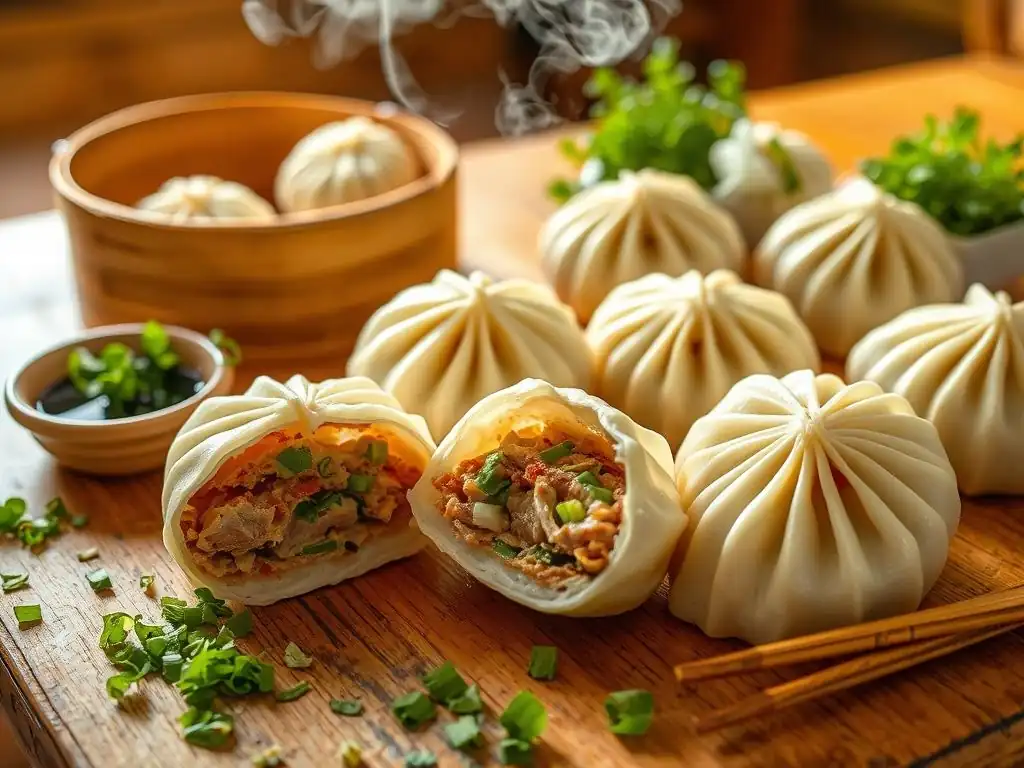
Welcome to BakeWithEase, your kitchen companion for all things baking! Ever dreamt of creating pillowy soft steamed buns at home, but felt intimidated? Prepare to be amazed! This guide unlocks the secrets to an easy homemade steamed buns recipe that's perfect for beginners. Get ready to embark on a delicious adventure and discover how simple it is to craft these delightful treats. Let's get baking!
- How to Make Cantonese Char Siu Bao at Home: A Detailed Recipe
- Introduction to Homemade Char Siu Bao
- Char Siu Bao Recipe: Ingredients and Equipment
- Step-by-Step Guide: Making the Dough for Char Siu Bao
- Preparing the Char Siu Filling
- Shaping and Filling Your Char Siu Bao
- Steaming Your Char Siu Bao
- Serving and Storing Your Homemade Char Siu Bao
- Tips and Tricks for Perfect Char Siu Bao
- Conclusion: Enjoy Your Homemade Char Siu Bao!
-
Frequently Asked Questions
- How difficult is this steamed bun (baozi) recipe for a complete beginner?
- What kind of flour is best to use for this easy homemade steamed buns recipe?
- How long does it take to make these steamed buns from start to finish?
- Can I freeze the steamed buns after they are cooked?
- What are some popular fillings I can use for these homemade steamed buns?
- Final Reflection: The Joy of Homemade Baozi
- Unleash Your Inner Baozi Master!
How to Make Cantonese Char Siu Bao at Home: A Detailed Recipe
Introduction to Homemade Char Siu Bao
Discover the Art of Making Char Siu Bao at Home
Embarking on the journey to make Char Siu Bao, those delightful Cantonese steamed buns filled with savory-sweet BBQ pork, right in your own kitchen can be incredibly rewarding. Far from being an intimidating task, crafting these fluffy parcels is achievable for bakers of all levels, especially when following an easy homemade steamed buns recipe designed for success.
The satisfaction of biting into a warm, cloud-like bun filled with succulent char siu pork, made entirely by hand, is unparalleled. This guide breaks down the process into simple, manageable steps, allowing you to bring the authentic taste of dim sum into your home.
Making homemade steamed buns, or baozi, offers a level of freshness and customization that store-bought versions simply cannot match. You have control over the quality of ingredients, the sweetness and savoriness of the filling, and the texture of the dough. This easy homemade steamed buns recipe focuses on clear instructions and common kitchen tools, removing the complexity often associated with traditional bao making. Whether you're new to baking or looking to expand your repertoire, mastering this steamed bao recipe is a delicious goal.
What is Char Siu Bao and Why Bake Them?
Char Siu Bao is a classic Cantonese dim sum dish consisting of a soft, fluffy steamed bun enveloping a filling of char siu pork, typically glazed with a sweet and savory sauce. The name itself, "Char Siu Bao," translates directly to "fork-roasted meat bun," referencing the traditional method of cooking the pork. These buns are a staple in Cantonese cuisine and are beloved globally for their unique texture – a contrast between the pillowy dough and the rich, flavorful filling.
Why bake (or rather, steam) them at home? Firstly, cost-effectiveness. Purchasing Char Siu Bao from dim sum restaurants or Asian grocery stores can add up, whereas making a batch at home is significantly more economical. A typical restaurant serving might include three buns for around $5-8 USD, while ingredients for a batch of 12-16 buns might cost roughly $10-15 USD, depending on pork prices.
Secondly, freshness and quality. Steamed buns are best enjoyed fresh off the steamer. Making them at home ensures you get that perfect, warm, fluffy texture every time. Finally, it's a fun and engaging culinary project that yields delicious results, perfect for sharing with family and friends.
Char Siu Bao Recipe: Ingredients and Equipment
Gathering Ingredients for Authentic Char Siu Bao
To create delicious, authentic Char Siu Bao at home, you'll need a specific set of ingredients for both the dough and the filling. While some ingredients might seem specialized, most are readily available at standard grocery stores or Asian markets. Using good quality ingredients is key to achieving the best flavor and texture in your easy homemade steamed buns recipe. Pay attention to the type of flour and yeast for optimal dough results.
The combination of ingredients in both the dough and the filling is crucial for the signature taste and texture of Char Siu Bao. The dough relies on a mix of flours and leavening agents for its characteristic softness and slight sweetness, while the filling balances the sweetness of the char siu with savory sauces and a thickening agent. This recipe is designed to make approximately 12-16 medium-sized buns, a good starting point for an easy homemade steamed buns recipe.
Dough Ingredients: Cake Flour, All-Purpose Flour, Yeast, Sugar, Milk Powder, Water, Oil
- Cake Flour (approximately 150g): Provides a tender texture due to its lower protein content.
- All-Purpose Flour (approximately 250g): Gives the dough structure. The combination balances tenderness and chewiness.
- Active Dry Yeast (approximately 7g or 2 ¼ teaspoons): The leavening agent that makes the buns light and fluffy.
- Sugar (approximately 50g): Feeds the yeast and adds sweetness to the dough.
- Milk Powder (approximately 15g): Enhances softness and contributes to browning slightly during steaming (though minimal).
- Lukewarm Water (approximately 200-220ml): Activates the yeast and hydrates the dough. Temperature should be around 105-115°F (40-46°C).
- Vegetable Oil (approximately 15ml or 1 tablespoon): Adds richness and helps keep the dough soft.
Filling Ingredients: Char Siu Pork, Hoisin Sauce, Oyster Sauce, Sugar, Soy Sauce, Cornstarch, Water, Shaoxing Wine
- Cooked Char Siu Pork (approximately 300-400g): The star ingredient. Leftover homemade or store-bought char siu works well.
- Hoisin Sauce (approximately 30ml or 2 tablespoons): Adds sweetness, tang, and depth of flavor.
- Oyster Sauce (approximately 30ml or 2 tablespoons): Provides savory, umami notes.
- Sugar (approximately 15-30g or 1-2 tablespoons): Adjust to balance the sweetness of the char siu and sauces.
- Soy Sauce (approximately 15ml or 1 tablespoon): Adds saltiness and color.
- Cornstarch (approximately 15g or 1 tablespoon): Used as a thickening agent for the sauce.
- Water (approximately 60-90ml or 4-6 tablespoons): To dissolve the cornstarch and create the sauce consistency.
- Shaoxing Wine (approximately 15ml or 1 tablespoon): Optional, but adds authentic flavor. Can substitute with dry sherry or skip.
Essential Equipment for Making Char Siu Bao at Home
While you don't need a professional kitchen setup, having the right tools makes the process of creating your easy homemade steamed buns recipe much smoother. Most items are standard kitchen equipment, but a steamer is essential for achieving the characteristic fluffy texture of baozi. Ensuring you have these items ready before you start will help you move through the steps efficiently.
Having the correct equipment ensures consistency and success in your steamed bao recipe. From accurately measuring ingredients to properly steaming the buns, each tool plays a role. Don't worry if you don't have specialized items; often, common alternatives can be used effectively, making this an accessible easy homemade steamed buns recipe for most home cooks.
Steamer Options: Bamboo or Metal
- Bamboo Steamer: A traditional choice, bamboo steamers allow steam to circulate evenly and absorb excess moisture, preventing condensation from dripping onto the buns and making them soggy. They are typically stacked over a pot of boiling water. A 10-inch (approximately 25 cm) steamer is a good size for a batch of 12-16 buns.
- Metal Steamer Basket/Insert: These fit into pots and work similarly to bamboo steamers, though they may require lining the lid with a cloth to prevent condensation drip. Ensure your pot is large enough to hold the basket and has a tight-fitting lid. A basic metal steamer insert is a perfectly suitable and often more readily available option for this easy homemade steamed buns recipe.
Dough Preparation Tools: Bowls, Spatulas, Rolling Pin, Parchment Paper
- Mixing Bowls: You'll need at least two – one for mixing the dough and one for the filling. A large bowl for the dough is recommended to allow for rising.
- Spatulas/Wooden Spoon: For mixing the dough ingredients initially and scraping down the sides of the bowl.
- Rolling Pin: To roll out the dough portions into discs for filling. A small rolling pin is adequate.
- Parchment Paper Squares (approximately 3x3 inches or 7.5x7.5 cm): Each bun sits on a square of parchment paper in the steamer to prevent sticking. You'll need one square per bun. Pre-cutting these saves time later.
- Kitchen Scale (Optional but Recommended): For precise ingredient measurements, especially flour and yeast, ensuring consistent results with your easy homemade steamed buns recipe.
- Measuring Cups and Spoons: For measuring liquids and smaller ingredient quantities accurately.
Step-by-Step Guide: Making the Dough for Char Siu Bao
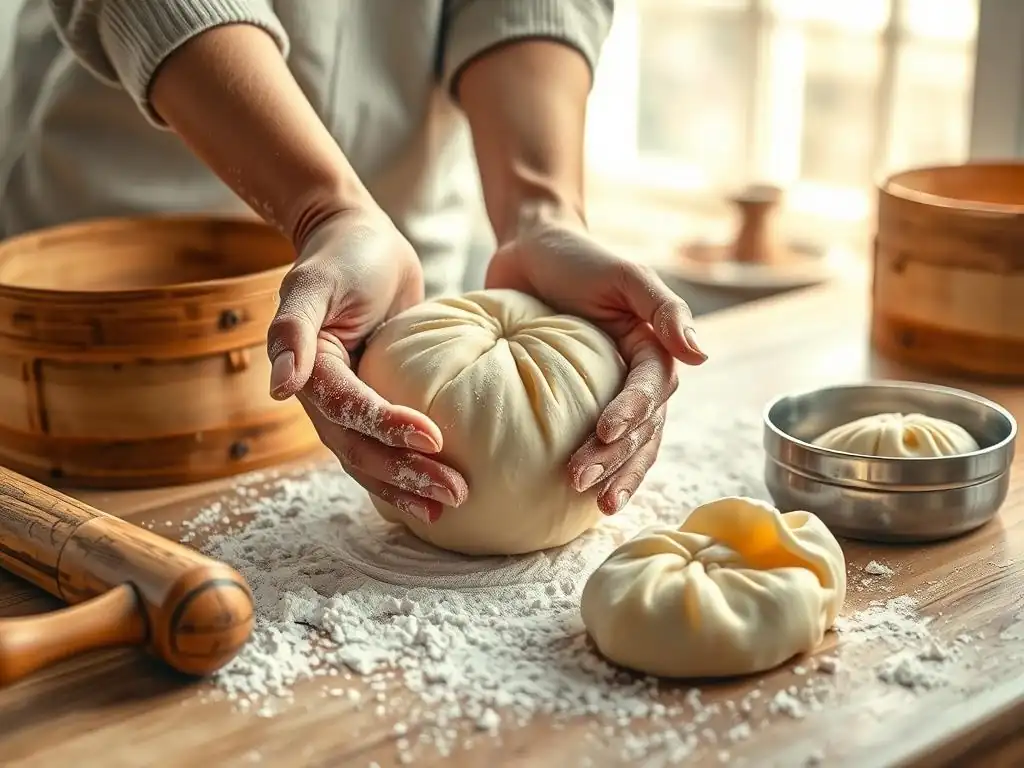
Creating the perfect bao dough is fundamental to this easy homemade steamed buns recipe. The process involves activating the yeast, mixing, kneading, and proofing. Each step is crucial for developing a soft, elastic, and fluffy dough that will steam beautifully. Patience during the proofing stages is key; don't rush this part.
Following these steps carefully will result in a pliable dough that is easy to work with and produces wonderfully light buns. The hydration level and proper kneading are particularly important for achieving the characteristic tender yet slightly chewy texture of authentic Char Siu Bao dough. This is often the most time-consuming part, but also one of the most rewarding in the easy homemade steamed buns recipe.
Activating the Yeast: Ensuring a Good Rise
The first step is to activate the yeast. This ensures that your yeast is alive and ready to leaven the dough effectively. In a small bowl, combine the lukewarm water (approximately 200-220ml) with the active dry yeast (approximately 7g) and a pinch of the sugar from the dough ingredients list. Stir gently to dissolve the yeast.
Let the mixture sit for about 5-10 minutes. You should see a foamy layer form on the surface. This foam indicates that the yeast is active and working. If no foam appears, your yeast may be old or the water was too hot or too cold, and you should start again with fresh yeast and properly tempered water. This "blooming" step is a simple quality check vital for the success of your easy homemade steamed buns recipe.
Mixing the Dough: Achieving a Smooth and Elastic Dough
In a large mixing bowl, whisk together the cake flour (approximately 150g), all-purpose flour (approximately 250g), remaining sugar (approximately 50g minus the pinch used for yeast), and milk powder (approximately 15g). Make a well in the center of the dry ingredients. Pour the activated yeast mixture and the vegetable oil (approximately 15ml) into the well.
Using a spatula or wooden spoon, start mixing from the center, gradually incorporating the dry ingredients into the wet until a shaggy dough forms. At this point, turn the dough out onto a clean, lightly floured surface to prepare for kneading. The dough might be slightly sticky, which is normal.
Kneading the Dough: Developing Gluten for Soft Bao
Kneading is essential for developing the gluten structure in the dough, which gives the buns their soft yet resilient texture. Knead the dough for about 8-10 minutes by hand, or about 5-7 minutes using a stand mixer with a dough hook on medium speed. Push the dough away from you with the heels of your hands, fold it back over, rotate, and repeat.
Continue kneading until the dough becomes smooth, elastic, and no longer sticky. It should feel soft and spring back slowly when gently poked. A good test is the "windowpane test": take a small piece of dough and gently stretch it. If you can stretch it thin enough to see light through it without tearing, the gluten is well-developed. This step is critical for achieving the desired fluffy texture in your easy homemade steamed buns recipe.
First Proofing: Allowing the Dough to Double in Size
Place the kneaded dough in a lightly oiled clean bowl, turning the dough to coat all sides. Cover the bowl tightly with plastic wrap or a damp kitchen towel. Let the dough rise in a warm, draft-free place until it has doubled in size.
This typically takes about 1 to 1.5 hours, depending on the room temperature. A warm oven that has been turned off (or heated briefly to a low temperature like 100°F/38°C and then turned off) can be an ideal spot for proofing. The dough should look visibly larger and feel light and airy. This first proof is vital for the leavening process in your easy homemade steamed buns recipe.
Preparing the Char Siu Filling
While the dough is undergoing its first proof, you can prepare the delicious Char Siu filling. This involves dicing the pre-cooked char siu pork and simmering it in a flavorful sauce until it thickens. The balance of sweet, savory, and slightly tangy flavors in the sauce is key to the success of this easy homemade steamed buns recipe.
Ensuring the filling is properly prepared and cooled before filling the buns is important. A filling that is too hot can affect the dough's texture and proofing. The consistency of the sauce should be thick enough to coat the pork but not overly dry, providing moisture within the bun.
Dicing the Char Siu: Creating Bite-Sized Pieces
Take your cooked Char Siu pork (approximately 300-400g) and dice it into small, bite-sized cubes. Aim for pieces roughly 0.5 to 1 cm (about ¼ to ½ inch) in size. Smaller pieces are easier to distribute evenly within the bun and prevent large chunks that might tear the dough during shaping or eating.
If your Char Siu has fatty pieces, you can include them as they add flavor and moisture to the filling. Ensure any overly tough or burnt edges are trimmed off. Having uniformly diced pork helps create a balanced filling in every bite of your easy homemade steamed buns recipe.
Combining the Sauce Ingredients: Achieving the Perfect Sweet and Savory Balance
In a small bowl, whisk together the hoisin sauce (approximately 30ml), oyster sauce (approximately 30ml), sugar (approximately 15-30g), soy sauce (approximately 15ml), and Shaoxing wine (approximately 15ml, if using). In a separate small bowl, whisk the cornstarch (approximately 15g) with the water (approximately 60-90ml) to create a smooth slurry. This slurry will be used later to thicken the sauce.
The sugar amount can be adjusted based on the sweetness of your Char Siu and personal preference. Some recipes use more sugar, up to 60g, for a sweeter filling. Taste the sauce mixture before adding the cornstarch slurry and adjust if necessary. This balance of flavors is crucial for the delicious core of your easy homemade steamed buns recipe.
Cooking the Filling: Thickening the Sauce
Heat a wok or saucepan over medium heat. Add the diced Char Siu pork and the combined sauce ingredients (excluding the cornstarch slurry). Stir to coat the pork evenly and bring the mixture to a simmer. Let it simmer for 1-2 minutes to allow the flavors to meld.
Give the cornstarch slurry a quick whisk to ensure the cornstarch is suspended, then slowly pour it into the simmering pork mixture while stirring continuously. Stir until the sauce thickens to a glossy, gravy-like consistency that coats the pork. This should only take about 30-60 seconds. Remove from heat and let the filling cool completely before using. Cooling is essential to prevent the heat from affecting the raw dough during filling in this easy homemade steamed buns recipe.
Shaping and Filling Your Char Siu Bao
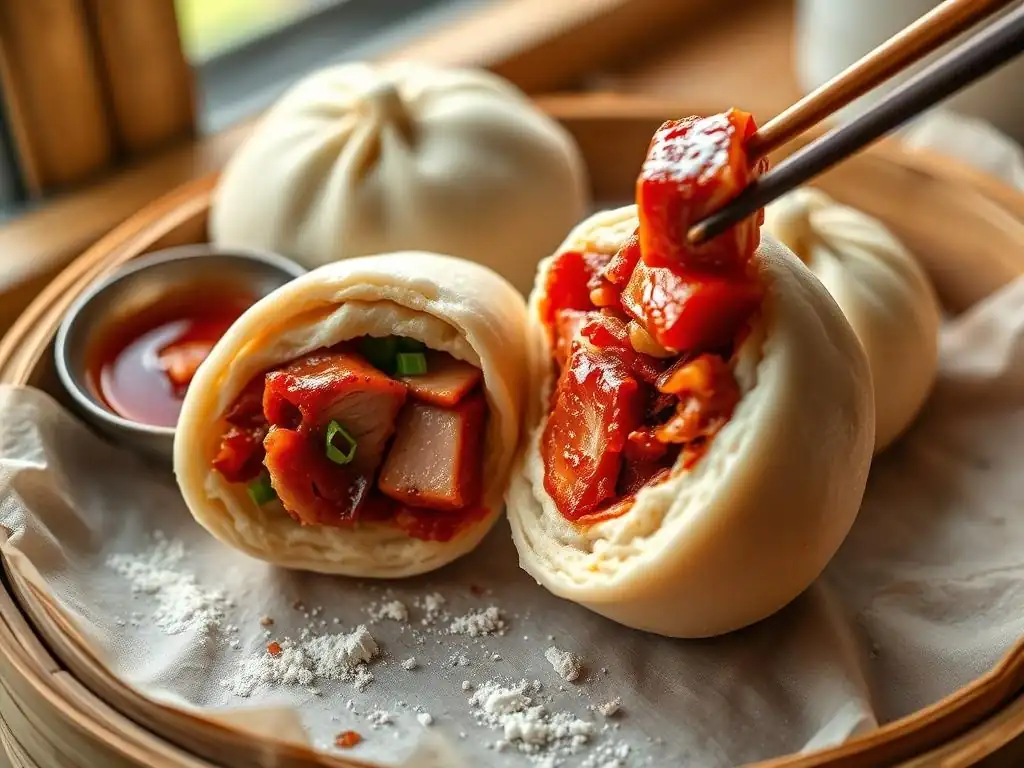
Shaping the Char Siu Bao is where your dough transforms from a smooth ball into individual buns ready for steaming. This process involves dividing the dough, rolling out portions, adding the filling, and expertly closing the buns. While the pleated top is traditional, don't worry if your first attempts aren't perfect; the key is to seal the buns well to prevent the filling from leaking out during steaming.
Working efficiently during this stage helps maintain the dough's texture. Keep the dough not being actively shaped covered to prevent it from drying out. With a little practice, you'll find your rhythm for rolling, filling, and shaping each delicious bun for your easy homemade steamed buns recipe.
Dividing the Dough: Creating Even Portions (Approximately 12)
Once the dough has doubled in size after the first proof, gently punch it down to deflate it. Turn the dough out onto a lightly floured surface. Knead it gently for a minute or two to remove any large air bubbles and create a smooth texture again.
Weigh the total dough and divide it into approximately 12-16 equal portions. For consistency, weighing each portion is best; aiming for roughly 50-60g per bun. Roll each portion into a smooth ball. Keep the dough balls covered with plastic wrap or a damp towel while you work to prevent them from drying out. This ensures uniform size and cooking time for your easy homemade steamed buns recipe.
Rolling Out the Dough: Making a Thin Disc
Take one dough ball and flatten it slightly with your palm. Using a rolling pin, roll the dough out into a round disc, about 3-4 inches (approximately 7.5-10 cm) in diameter. The edges of the disc should be slightly thinner than the center, as this makes pleating easier and prevents a thick doughy spot at the top of the bun.
Avoid rolling the dough too thin, especially in the center, as it might tear when filled. The thickness should be relatively uniform around the edges, tapering slightly towards the perimeter. This careful rolling prepares the dough for receiving the generous filling in your easy homemade steamed buns recipe.
Filling the Dough: Generously Filling Each Bao
Place a rolled dough disc in the palm of your non-dominant hand. Spoon a generous amount of the cooled Char Siu filling into the center of the dough disc. The amount of filling will depend on the size of your dough disc, but aim for approximately 30-40g of filling per bun. Don't overfill, as this will make it difficult to seal the bun properly.
Ensure the filling is centered on the dough. The goal is to have a good balance of dough and filling in each bite. Having the filling prepared and cooled beforehand, as outlined in the previous section, is crucial at this stage of the easy homemade steamed buns recipe.
Pleating Techniques: Creating the Signature Bao Shape
To seal the bun, gather the edges of the dough around the filling. Using your thumb and forefinger, start creating small pleats along the edge of the dough, rotating the bun as you go. Pinch each pleat firmly to the edge of the dough disc. Continue pleating and rotating until you have gathered all the edges, forming a series of pleats that meet at the top center of the bun.
Pinch the pleated edges firmly together at the top to seal the bun completely. If you find pleating difficult, a simpler method is to gather all the edges together like a money bag and twist the top to seal. While the pleated top is visually appealing, a secure seal is the most important aspect to prevent leakage during steaming in your easy homemade steamed buns recipe. Place each shaped bun on a square of parchment paper.
Steaming Your Char Siu Bao
Steaming is the final cooking method that transforms the shaped dough into light, fluffy buns. Proper steaming technique is crucial to achieve the desired texture. Over-steaming can make the buns tough, while under-steaming leaves the dough raw. This section details how to set up your steamer and the correct timing for perfect results.
The unique texture of steamed buns comes from the rapid cooking by steam, which prevents a crust from forming and results in a soft, tender exterior. Paying attention to water level and steamer setup is key to successful steaming in this easy homemade steamed buns recipe.
Preparing the Steamer: Adding Water and Lining with Parchment Paper
Fill your pot (the one that fits your steamer) with about 1-2 inches (approximately 2.5-5 cm) of water. Ensure the water level is below the bottom of the steamer basket or insert. Bring the water to a rolling boil over high heat.
While the water heats, arrange the shaped Char Siu Bao in your steamer basket(s), placing each bun on its individual parchment paper square. Leave ample space between the buns, as they will expand significantly during steaming. Overcrowding the steamer can lead to uneven cooking. If using a bamboo steamer, you can stack multiple baskets. If using a metal insert, you might need to steam in batches. This preparation step is vital for the final cooking of your easy homemade steamed buns recipe.
Steaming Time: Achieving a Light and Fluffy Texture (Approximately 15 Minutes)
Once the water is boiling vigorously, carefully place the steamer basket(s) over the pot. Cover the steamer with a lid. Reduce the heat slightly to maintain a strong, steady steam, but not so high that the water boils dry quickly. Steam the Char Siu Bao for approximately 12-15 minutes.
Avoid lifting the lid during the steaming process, especially during the first 10 minutes, as this can cause the buns to collapse. The steam pressure is what helps the buns rise and become fluffy. The exact steaming time may vary slightly depending on the size of your buns and the efficiency of your steamer. This timing is a crucial element in achieving the perfect texture for your easy homemade steamed buns recipe.
Checking for Doneness: Ensuring the Dough is Cooked Through
After approximately 12-15 minutes, carefully lift the steamer lid away from you to avoid steam burns. The buns should have increased significantly in size and appear plump and glossy. The dough should look cooked through, with no translucent or raw-looking spots.
To be absolutely sure, you can gently press the side of a bun; it should feel firm but yielding and spring back slightly. The color should be a uniform, slightly off-white. If they look dense or doughy, steam for another 2-3 minutes. Once cooked, remove the steamer from the heat and let the buns sit inside for 2-3 minutes before opening the lid completely. This prevents them from deflating due to a sudden temperature change. This final check ensures your easy homemade steamed buns recipe results in perfectly cooked bao.
Serving and Storing Your Homemade Char Siu Bao
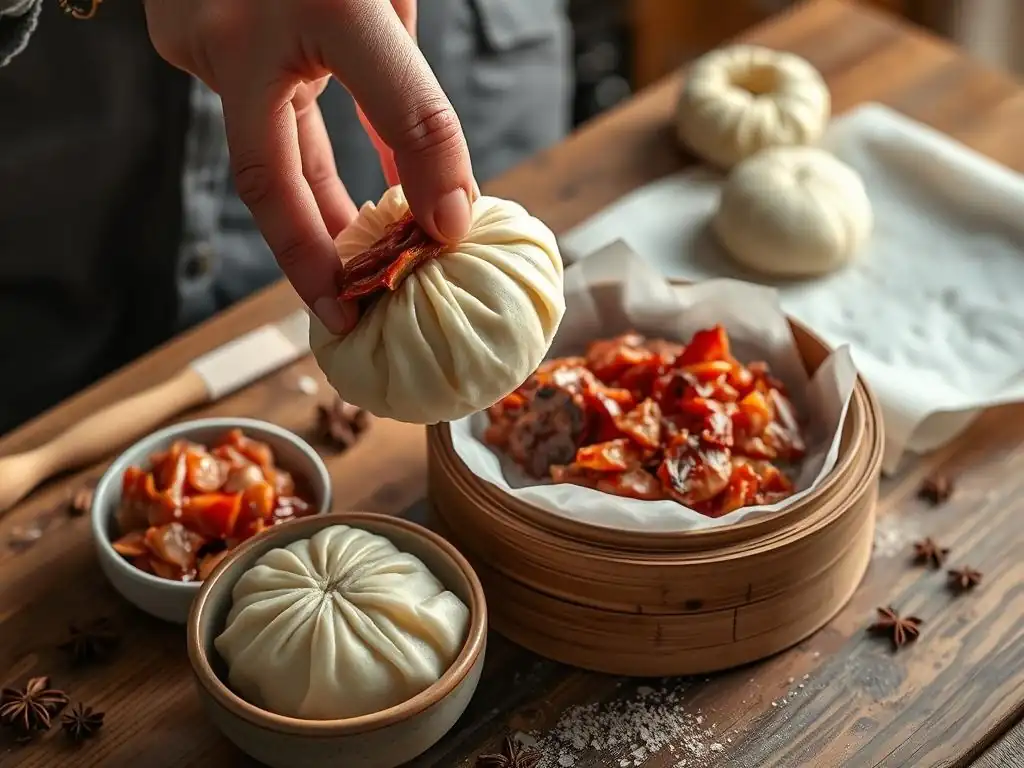
Now that your delicious homemade Char Siu Bao are steamed to perfection, it's time to enjoy them! Proper serving and storage techniques will help you make the most of your efforts and ensure any leftovers remain as delicious as possible. Steamed buns are best enjoyed fresh, but they store and reheat surprisingly well.
Knowing how to handle your freshly steamed bao and how to preserve their texture for later consumption is part of mastering this easy homemade steamed buns recipe. A little care in storing and reheating goes a long way in maintaining their delightful fluffiness.
Serving Suggestions: Enjoying Freshly Steamed Bao
The best way to enjoy Char Siu Bao is fresh and hot, directly from the steamer. Carefully remove the buns from the steamer using their parchment paper squares. Serve them immediately as a snack, appetizer, or part of a larger dim sum meal.
Char Siu Bao are typically served on their own, allowing the flavors of the fluffy bun and savory-sweet filling to shine. You can serve them with a side of chili oil or soy sauce for dipping if desired, though they are flavorful enough on their own. Sharing these warm, pillowy buns is a highlight of making this easy homemade steamed buns recipe.
Storing Leftover Bao: Keeping Them Soft
If you have leftover Char Siu Bao, it's important to store them correctly to maintain their texture. Allow the buns to cool completely at room temperature. Once cooled, place them in an airtight container or a resealable plastic bag.
Store the container in the refrigerator for up to 3-4 days. For longer storage, you can freeze the cooled buns. Wrap each bun individually in plastic wrap, then place them all in a freezer-safe bag or container. Frozen Char Siu Bao can be stored for up to 2-3 months. Proper storage ensures your easy homemade steamed buns recipe yields delicious results even days or weeks later.
Reheating Steamed Bao: Restoring Their Fluffy Texture
To reheat refrigerated Char Siu Bao, the best method is steaming. Place the buns back in a steamer over boiling water and steam for about 5-8 minutes, or until heated through and fluffy again. The parchment paper squares can be reused.
For frozen Char Siu Bao, you can steam them directly from frozen. Place them in the steamer and steam for about 10-15 minutes, or until heated through and soft. Avoid using a microwave if possible, as it can often make the dough tough and chewy. Steaming is the key to restoring the light, airy texture you achieved with your easy homemade steamed buns recipe.
Tips and Tricks for Perfect Char Siu Bao
Making Char Siu Bao is a skill that improves with practice. Even with an easy homemade steamed buns recipe, you might encounter small challenges. This section offers solutions to common issues, suggestions for variations, and a brief note on tackling homemade char siu. These tips are designed to help you refine your technique and consistently produce delicious results.
Learning from potential hiccups and knowing how to adjust the recipe or process are valuable skills for any home baker. These insights will help you master this steamed bao recipe and feel confident in experimenting in the future.
Troubleshooting Common Baking Problems
- Dough isn't rising: Ensure your yeast was active (foamy after blooming) and that your proofing environment is warm enough (ideally 75-85°F / 24-30°C). Check the expiry date on your yeast.
- Buns are tough/dense: This could be due to over-kneading, under-proofing, or over-steaming. Ensure you knead just until smooth and elastic (windowpane test), allow sufficient proofing time (doubled in size), and stick to the recommended steaming time (approximately 12-15 minutes).
- Filling is leaking: This usually means the buns weren't sealed properly after filling. Practice your pleating or sealing technique, ensuring the edges are firmly pinched together at the top. Don't overfill the buns.
- Buns wrinkled after steaming: This can happen if the lid is lifted too early during steaming or if the buns are exposed to a sudden draft or temperature change immediately after steaming. Let them rest in the steamer for a few minutes after turning off the heat before lifting the lid.
Variations: Adjusting Sweetness and Savoryness
This easy homemade steamed buns recipe provides a classic balance, but you can easily adjust it to your preference.
- Sweeter Filling: Increase the amount of sugar in the filling sauce by another tablespoon or two (up to approximately 45g total).
- More Savory Filling: Reduce the sugar slightly and potentially increase the soy sauce or oyster sauce by half a tablespoon, tasting as you go. Be mindful that soy and oyster sauces are salty, so adjust carefully.
- Spicy Kick: Add a pinch of white pepper or a teaspoon of chili garlic sauce to the filling mixture for a hint of heat.
- Dough Sweetness: The dough contains sugar, but for a less sweet bun, you could slightly reduce the sugar in the dough recipe (e.g., down to 40g), though be aware this might slightly affect yeast activity and browning.
Making Char Siu from Scratch: A More In-Depth Guide
While this easy homemade steamed buns recipe utilizes pre-cooked Char Siu pork for convenience, making the Char Siu from scratch is a rewarding endeavor that offers ultimate control over flavor and quality. Traditional Char Siu involves marinating pork shoulder or pork belly with a blend of ingredients including hoisin sauce, soy sauce, honey, Shaoxing wine, five-spice powder, and often red food coloring (for the signature look, though optional).
The marinated pork is then typically roasted or grilled until caramelized and tender. There are many excellent recipes available specifically for making Char Siu at home. If you're feeling ambitious after mastering this easy homemade steamed buns recipe, consider trying a homemade Char Siu recipe to elevate your bao to the next level. It adds another layer of authenticity and flavor to your homemade steamed buns.
Conclusion: Enjoy Your Homemade Char Siu Bao!
Congratulations! You've successfully navigated the steps of this easy homemade steamed buns recipe and created delicious, fluffy Char Siu Bao in your own kitchen. From activating the yeast and kneading the dough to preparing the flavorful filling and mastering the steaming process, you've brought a beloved dim sum classic to life. The aroma filling your kitchen and the taste of these warm, tender buns filled with savory-sweet pork are the ultimate rewards for your efforts.
Don't be discouraged if your first batch isn't absolutely perfect; like any baking or cooking skill, making homemade steamed buns improves with practice. Each attempt will teach you more about the dough, the filling, and the steaming process. We hope this detailed guide has made the process approachable and enjoyable, proving that an authentic and easy homemade steamed buns recipe is well within your reach. Share your creations with loved ones and savor the satisfaction of making these delightful Char Siu Bao from scratch. Happy steaming!
Frequently Asked Questions
How difficult is this steamed bun (baozi) recipe for a complete beginner?
This recipe is designed to be beginner-friendly, focusing on simple steps and readily available ingredients. We provide clear, step-by-step instructions to ensure your success, even if you've never made steamed buns before.
What kind of flour is best to use for this easy homemade steamed buns recipe?
We recommend using all-purpose flour for this recipe. It's widely available and provides a good texture for the steamed buns. However, bread flour can also be used for a slightly chewier texture.
How long does it take to make these steamed buns from start to finish?
The entire process, including dough preparation, proofing, filling (if desired), and steaming, takes approximately 2-3 hours. Most of this time is dedicated to dough proofing, which is crucial for a light and fluffy bun.
Can I freeze the steamed buns after they are cooked?
Yes, you can freeze the steamed buns after they have cooled completely. Wrap them individually in plastic wrap and then place them in a freezer bag. Reheat them by re-steaming for best results.
What are some popular fillings I can use for these homemade steamed buns?
You can use a variety of fillings, both savory and sweet. Popular savory options include pork and cabbage, vegetables and tofu, and barbecue pork. Sweet fillings can include red bean paste or custard.
Final Reflection: The Joy of Homemade Baozi
The simple act of steaming a perfect baozi, fluffy and yielding, is more than just a culinary achievement; it's a connection to tradition and a testament to the power of homemade food. This recipe, designed for beginners, aims to demystify the process and unlock the joy of creating these delightful steamed buns from scratch. The ease of the recipe, we hope, has proven that anyone can achieve delicious results, regardless of their baking experience.
The enduring appeal of baozi lies not just in their taste, but in the comforting ritual of making them. It's a process that connects us to generations past, a tangible link to culinary heritage. Food is symbolic of love when words are inadequate.
- Alan D. Wolfelt. This sentiment rings especially true when considering the effort and love poured into creating something as comforting and delicious as homemade baozi. Sharing these buns with loved ones amplifies this connection, transforming a simple meal into a cherished moment.
Now, we invite you to take this newfound knowledge and embark on your own baozi journey. Don't be afraid to experiment with fillings, to adjust the recipe to your preferences, and most importantly, to savor the process. The satisfaction of creating something beautiful and delicious with your own hands is a reward in itself. So, gather your ingredients, embrace the warmth of the steam, and experience the joy of homemade baozi. The journey, as much as the destination, is worth savoring.
Unleash Your Inner Baozi Master!
Thanks for joining us on this delicious journey into the world of homemade baozi! We hope you’ve gained the confidence to tackle this seemingly complex recipe. Now it’s time to put your newfound skills to the test!
- Bake your first batch of fluffy baozi: Gather your ingredients and follow the recipe again – this time, it'll be even easier! Don't be afraid to experiment with different fillings.
- Share your baozi creations: Show off your culinary skills on social media and inspire others! Use #BakeWithEaseBaozi to connect with our community.
- Explore more amazing recipes: Dive into our extensive collection of bread and pastry recipes on BakeWithEase.com.
Ready to become a baozi expert? What unique filling will you try first?