
Dry, Crumbly Bread? Add Moisture Back In


Welcome to BakeWithEase, your guide to transforming baking from a chore into a delightful experience! Tired of bread that crumbles before you can even spread the butter? You're in the right place. This week, we're diving deep into achieving the perfect, moist bread recipe tips you've been searching for. Discover the secrets to banishing dryness forever and unlock the satisfyingly soft crumb you crave. Keep reading to learn how!
- Dry, Crumbly Bread? Restore Moisture & Flavor
- Understanding Dry Bread: Causes and Prevention
- The Science of Moist Bread: Ingredients and Techniques
- How to Revive Dry Bread: Practical Tips & Tricks
- Moist Bread Baking: Avoiding Dryness From the Start
- Proper Bread Storage: Preventing Dryness
- Troubleshooting Bread Baking: Maintaining Moisture Balance
- Enjoying Moist Bread: Recipes and Serving Suggestions
-
Frequently Asked Questions
- How can I prevent my bread from becoming dry and crumbly in the first place?
- What are some ingredients I can add to my bread recipe to make it more moist?
- My bread is already dry. Can I revive it somehow?
- Does the type of flour I use affect the moisture content of my bread?
- What are some "Moist bread recipe tips" I can use right away?
- Final Reflection: The Enduring Quest for Perfectly Moist Bread
- Rediscover Your Bread's Softness!
Dry, Crumbly Bread? Restore Moisture & Flavor
Understanding Dry Bread: Causes and Prevention
Why is My Bread Dry? Identifying Common Causes
Understanding the root cause is the first step to fixing dry, crumbly bread. Often, the issue stems from an imbalance in your ingredients, particularly the liquid content. Baking is a science, and while recipes provide a great starting point, factors like ambient humidity, flour absorption rates, and even the age of your flour can affect how much water your dough needs. If your dough felt stiff and didn't come together easily during kneading, it likely started with insufficient hydration, leading to a dense, dry crumb after baking.
Another common culprit is simply not adding enough water to the recipe, or measuring inaccurately. Flour absorbs liquid differently; bread flour, for instance, typically absorbs more water than all-purpose flour due to its higher protein content. A recipe designed for all-purpose flour might require slightly more water if you substitute bread flour to achieve the same hydration level, often varying by 1-3% of the total flour weight. Ignoring these subtle differences can result in a dough that's too dry from the start, making it impossible to achieve that desirable moist crumb.
Baking Mistakes That Lead to Dryness
Over-baking is a primary reason bread turns out dry and hard. When bread stays in the oven too long, excessive moisture evaporates, leaving behind a dry structure. This is especially true for lean doughs (those without much fat or sugar).
Even a few minutes past the ideal baking time can make a significant difference. For example, a standard loaf of white bread baked at 375°F (190°C) might be perfectly done in 30-40 minutes, reaching an internal temperature of about 200-210°F (93-99°C). Baking it for 45-50 minutes at the same temperature can easily result in a much drier loaf as more water is driven out.
Incorrect oven temperature can also contribute to dryness. An oven that runs too hot can cause the crust to set too quickly before the interior is fully cooked, trapping moisture initially but potentially leading to rapid moisture loss once removed from the oven, resulting in a dry interior.
Conversely, an oven that's too cool might require a longer baking time to achieve proper browning and structure, again increasing the risk of moisture evaporation over an extended period. Monitoring your oven temperature with a separate thermometer is a simple but effective way to ensure accuracy and improve your chances of achieving moist bread.
Environmental Factors Affecting Bread Moisture
The environment you bake in plays a surprisingly significant role in bread texture and moisture. High humidity can mean your flour has already absorbed some moisture from the air, potentially requiring slightly less liquid in the dough. Conversely, baking in a very dry climate or during winter when indoor heating is on can mean your flour is drier, and the dough will lose moisture more quickly during proofing and baking, necessitating a bit more water in your initial mix. These subtle environmental shifts can alter the hydration needs of your dough by 1-2%, sometimes more.
Altitude is another environmental factor that impacts baking, including bread moisture. At higher altitudes, atmospheric pressure is lower, which causes dough to rise faster. Water also boils at a lower temperature. This means doughs can ferment too quickly and liquids evaporate more readily during baking. Recipes often need adjustments at high altitudes, such as increasing the liquid slightly (perhaps by 1-2 tablespoons per cup of liquid) and potentially decreasing yeast or proofing time to prevent over-fermentation, which can also contribute to dryness. Understanding these environmental impacts is key to consistent results and achieving moist bread regardless of your location.
The Science of Moist Bread: Ingredients and Techniques
Hydration's Crucial Role in Bread Baking
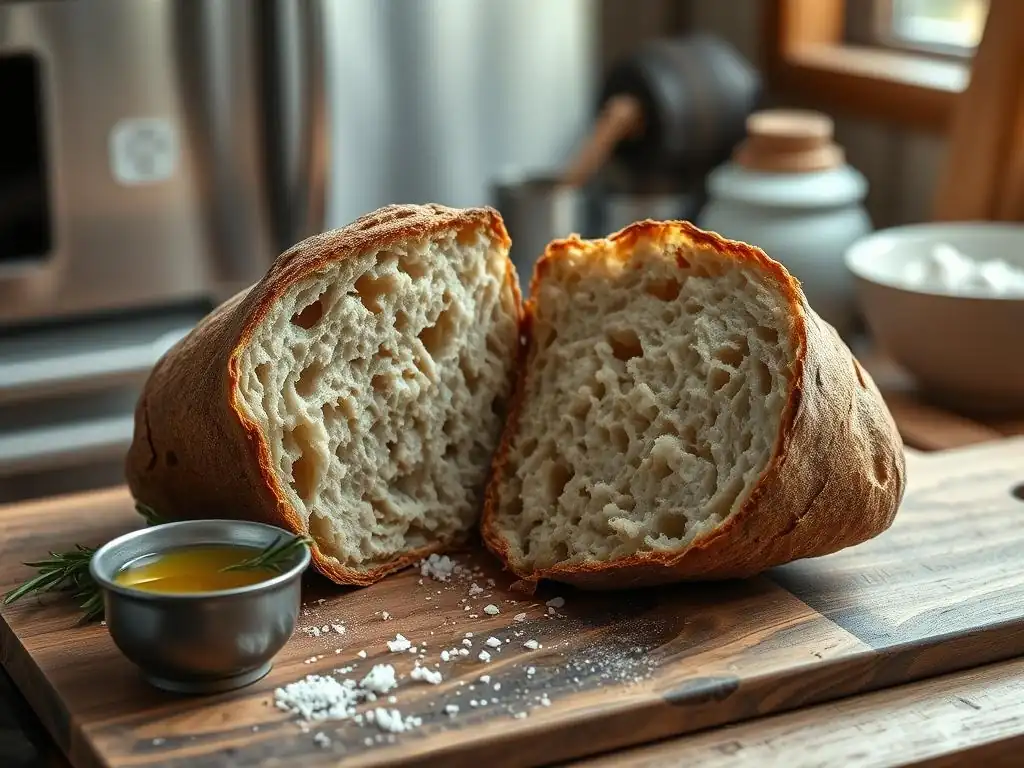
Hydration, or the ratio of water to flour by weight, is perhaps the most critical factor in determining bread's final texture and moisture. A higher hydration dough (more water relative to flour) generally results in a more open, airy crumb and a softer, moister loaf. For example, a lean white bread might have a hydration level of 60-65%, yielding a standard sandwich loaf. In contrast, a ciabatta dough often has a hydration of 75-80% or even higher, resulting in a very wet dough that bakes into a loaf with large, irregular holes and a chewy, moist interior.
The water in dough does more than just hydrate the flour. It activates the gluten development, allows the yeast to ferment and produce gas, and contributes directly to the final moisture content of the baked bread. If there isn't enough water, gluten won't develop properly, yeast activity might be sluggish, and the baked loaf will inevitably be dense and dry. Mastering hydration is a fundamental moist bread recipe tip that experienced bakers swear by. It requires careful measurement, often by weight, as volume measurements of flour can vary significantly, leading to inconsistent hydration levels.
Choosing the Right Flour for Optimal Moisture
The type of flour you use significantly impacts hydration and the resulting bread texture. Different flours have varying protein content and absorption capabilities. Bread flour, with its high protein (typically 12-14%), develops strong gluten structures and can absorb a larger amount of water compared to lower-protein flours like cake flour (around 7-9% protein) or all-purpose flour (around 10-12% protein). Using a flour with higher absorption can allow for higher hydration levels without the dough becoming unmanageable, contributing to a moister crumb.
Whole wheat flour, while nutritious, can sometimes result in drier bread if not handled correctly. The bran and germ particles in whole wheat flour can cut the gluten strands and absorb moisture differently than the endosperm.
Often, whole wheat doughs benefit from slightly higher hydration than white flour doughs (sometimes 5-10% more) and a longer autolyse period (allowing the flour and water to rest before adding yeast and salt) to ensure the bran softens and the flour is fully hydrated. Selecting the appropriate flour for your desired bread type and understanding its hydration needs is a key part of developing moist bread recipe tips tailored to different ingredients.
The Importance of Fats for Bread Texture and Moisture
Fats, such as butter, oil, or eggs, play a crucial role in enriching bread dough and contributing to a softer, more tender crumb and extended shelf life. Unlike water, which evaporates during baking, fats remain in the loaf, coating gluten strands and interfering with their development to some extent. This interference results in a finer, softer crumb structure that feels more tender and moist in the mouth. Think of brioche or challah, which are rich in butter and eggs; their texture is incredibly soft and stays moist for days compared to a lean baguette.
Beyond tenderness, fats also help to retain moisture in the baked bread. They create a barrier that slows down the staling process, which is primarily caused by starch retrogradation (starch molecules realigning and pushing out water). Even a small amount of fat, perhaps 2-5% of the flour weight, can make a noticeable difference in the softness and shelf life of a loaf.
Incorporating fats is a valuable moist bread recipe tip, especially for enriched breads or loaves intended to stay fresh for several days. The type of fat matters too; liquid fats like oil tend to make the crumb softer, while solid fats like butter contribute richness and flavor as well as tenderness.
How to Revive Dry Bread: Practical Tips & Tricks
Rehydrating Stale Bread: Simple Methods
Don't despair if you have a loaf that's gone a bit dry! There are several simple methods to bring moisture back into stale bread, making it palatable again, especially for toast or croutons. One classic method is to lightly dampen the crust under running water or by misting it, then placing the loaf in a preheated oven at around 300-350°F (150-175°C) for 5-10 minutes. The moisture on the crust turns to steam, which is absorbed by the crumb, softening it. This works best for crusty breads like baguettes or country loaves.
Another effective technique for smaller pieces or slices is using a microwave. Wrap the dry bread slice in a damp paper towel and microwave on high for 10-20 seconds. Be careful not to overheat, as microwaving can quickly turn bread tough if done for too long. While these methods won't return the bread to its fresh-from-the-oven glory, they are excellent moist bread recipe tips for salvaging loaves that are past their prime for slicing but still perfectly good for other uses. For very hard bread, transforming it into bread crumbs or croutons is always an option.
Adding Moisture-Boosting Ingredients
Using Dairy (Milk or Yogurt) for a Softer Crumb
Substituting some or all of the water in a bread recipe with dairy adds richness, flavor, and contributes significantly to a softer, moister crumb. Milk, whether whole or skim, contains fats, proteins, and sugars that interact with the flour and yeast differently than water. The fats and proteins tenderize the crumb, while the sugars provide more food for the yeast and contribute to better crust browning. Using milk can increase the perceived moisture and softness of the loaf compared to an identical recipe made with just water.
Yogurt or buttermilk can also be used, adding a tangy flavor and further contributing to moisture due to their fat content and acidity. The acidity in yogurt can actually help tenderize the gluten structure, resulting in a softer loaf. When substituting milk or yogurt for water, you might need to slightly adjust the quantity as their hydration levels differ from pure water, though often it's a straight 1:1 substitution by weight to start. Incorporating dairy is a popular moist bread recipe tip for enriched doughs like sandwich loaves, rolls, and sweet breads.
Incorporating Cooked Starch (Potatoes or Rice)
Adding cooked, mashed potatoes or cooked rice to bread dough is an old-world secret for creating incredibly soft and moist bread that stays fresh longer. Starch from potatoes or rice gelatinizes when cooked, meaning it swells and holds onto a significant amount of water. When incorporated into bread dough, this gelatinized starch releases moisture slowly during baking and storage, keeping the crumb soft and preventing it from drying out as quickly. A common ratio is to substitute about 10-20% of the flour weight with cooked, mashed potato (weighed after cooking and mashing).
For instance, in a recipe using 500g of flour, you might add 50-100g of mashed potato. The potato also adds a subtle sweetness and flavor. Cooked rice, often in the form of a porridge or simply cooked grains, works similarly, contributing moisture and a unique texture. This technique is particularly effective for loaves like potato bread or certain regional specialties known for their exceptional softness and moistness. It's a fantastic moist bread recipe tip for bakers looking to extend the shelf life and improve the texture of their homemade loaves.
Adding Natural Sweeteners (Honey or Molasses)
Natural sweeteners like honey, molasses, maple syrup, or even brown sugar do more than just add flavor; they also contribute to moisture and improve the texture of bread. These unrefined sugars contain varying amounts of water, and their hygroscopic nature means they attract and retain moisture from the environment and within the bread itself. This helps keep the crumb soft and moist over time, slowing down the staling process. Molasses, in particular, adds significant moisture, a rich flavor, and a darker color, common in rye or whole wheat breads.
Using honey (typically 1-2 tablespoons per loaf) can result in a softer crust and a more tender crumb, while also providing food for the yeast. Brown sugar, compared to white granulated sugar, contains molasses and thus imparts more moisture. While white sugar does contribute to tenderness and browning, the natural, unrefined sweeteners are generally more effective at retaining moisture over the long term. Incorporating these sweeteners is a simple yet effective moist bread recipe tip for achieving a softer, longer-lasting loaf.
Adjusting Baking Time and Temperature
Precise control over baking time and temperature is paramount to preventing dry bread. Over-baking, as mentioned earlier, is a major cause of moisture loss. Always bake until the loaf reaches the correct internal temperature, which is typically 190-200°F (88-93°C) for enriched or soft crust breads and 200-210°F (93-99°C) for lean, crusty breads. Using an instant-read thermometer is the most reliable way to check for doneness. Don't rely solely on visual cues or tapping the bottom, as these can be misleading.
Adjusting your oven temperature can also help. If your crust is browning too quickly while the interior is still undercooked, try lowering the oven temperature slightly (perhaps by 25°F or 15°C) and extending the baking time.
Conversely, if your bread is taking too long to bake and drying out before it's done, your oven might be running cool, or you might benefit from starting at a higher temperature for the first 10-15 minutes to set the crust and promote oven spring before reducing the heat. These adjustments are crucial moist bread recipe tips for achieving the perfect balance between a well-baked interior and a beautiful crust without sacrificing moisture.
The Tangzhong Method: Unlock Extra Moisture
The Tangzhong method, originating in Asia, is a technique that involves cooking a small portion of the flour with a liquid (usually water or milk) to form a thick paste or roux before adding it to the main dough. This pre-gelatinizes the starches in the flour, allowing them to absorb and retain significantly more liquid than uncooked flour. A typical Tangzhong might use 5-10% of the total flour weight and 5-10 times that amount of liquid, heated to around 149°F (65°C) until thickened.
When this paste is added to the main dough, it introduces a large amount of bound water that doesn't evaporate during baking as readily as free water. The result is bread with an incredibly soft, cottony texture and an extended shelf life – often staying soft and moist for 3-4 days at room temperature, whereas a standard loaf might start to dry out after 1-2 days. Implementing the Tangzhong method is one of the most effective moist bread recipe tips for achieving commercial-level softness and moisture in homemade bread, particularly for sandwich loaves and rolls.
Moist Bread Baking: Avoiding Dryness From the Start
Accurate Ingredient Measurement for Hydration
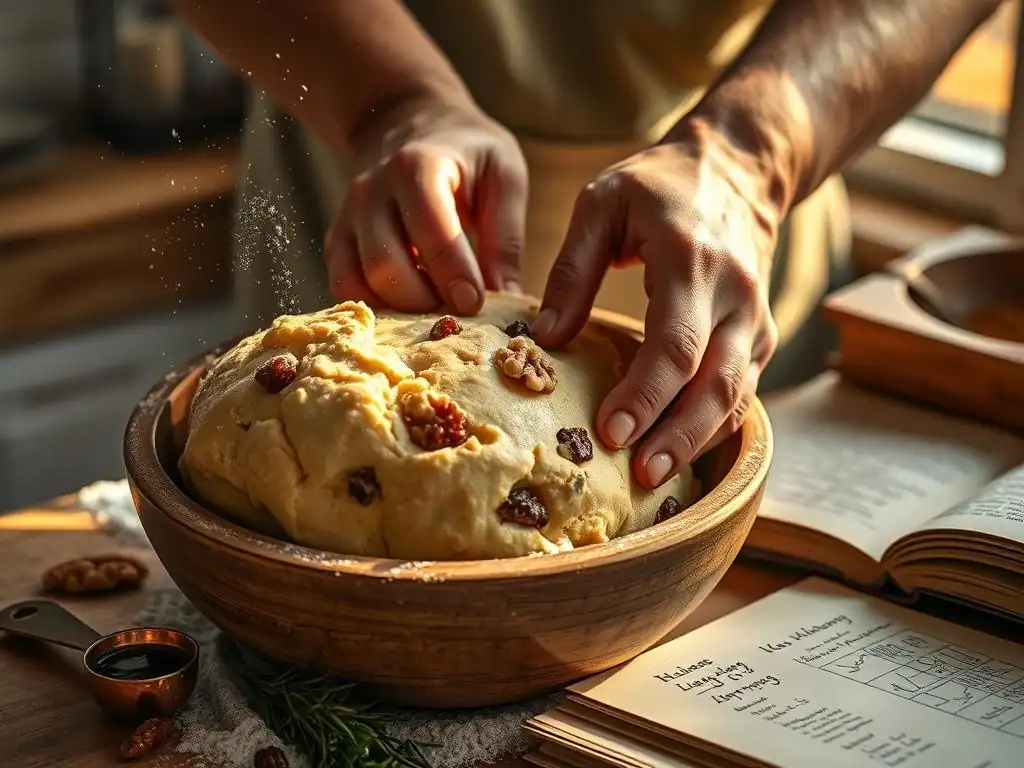
Achieving moist bread starts with precision, and accurate ingredient measurement is non-negotiable, especially when it comes to hydration. While volume measurements (cups, teaspoons) are common in many home recipes, they are notoriously inaccurate for dry ingredients like flour, which can be packed differently each time. Weighing your flour and liquids using a digital kitchen scale provides consistent ratios, ensuring your dough's hydration level is exactly as intended by the recipe or your adjustments.
For example, a cup of all-purpose flour can weigh anywhere from 120g to 150g depending on how it's scooped and leveled. In a recipe calling for 4 cups of flour and 1.5 cups of water, the hydration could range from 40% (1.5 cups water ~350g / 4 cups flour ~600g) to nearly 60% (1.5 cups water ~350g / 4 cups flour ~480g) just based on how the flour is measured by volume.
This massive variation directly impacts the dough's consistency and the final moisture of the bread. Using a scale removes this variability, making it one of the most fundamental moist bread recipe tips for consistent results.
Kneading for Well-Hydrated Dough
Proper kneading is essential for developing the gluten structure that gives bread its texture, but it also plays a role in ensuring even hydration throughout the dough. Kneading helps the flour fully absorb the liquid and distribute it evenly. Under-kneaded dough might have dry pockets or a weak structure that doesn't trap steam effectively during baking, leading to a dense, potentially dry crumb. Over-kneading, while less common for home bakers, can sometimes lead to a tough texture, though it's less directly linked to dryness than under-kneading or insufficient hydration.
The goal during kneading is to develop enough gluten so the dough becomes smooth, elastic, and passes the windowpane test (a small piece can be stretched thinly enough to see light through it without tearing). This developed structure is crucial for trapping the gases produced by yeast and the steam produced during baking, both of which contribute to a light, airy, and moist crumb. Ensuring your dough is adequately kneaded is a vital step among effective moist bread recipe tips.
Proofing for Maximum Moisture Retention
Proofing, the rising period for dough, is where fermentation occurs, developing flavor and creating the airy structure. However, if dough is proofed in a dry environment, it can develop a skin on the surface, which inhibits rise and can lead to a less tender, potentially drier crust and crumb. Dough should be proofed in a slightly warm, humid environment to prevent the surface from drying out. Covering the dough bowl tightly with plastic wrap or placing it in a proofing box or a turned-off oven with a pan of hot water are common techniques.
Over-proofing can also contribute to dryness. If dough rises too long, the gluten structure can weaken, and the yeast may consume all readily available sugars, potentially leading to a less vigorous oven spring. While over-proofed bread isn't necessarily dry internally, it can sometimes bake into a less voluminous loaf with a coarser, more crumbly texture that feels drier in the mouth. Monitoring proofing time and ensuring the dough is adequately covered are simple yet effective moist bread recipe tips.
Oven Temperature and Steaming for a Moist Crust
Baking at the correct oven temperature, often starting high, is crucial for achieving good oven spring and setting the crust. However, creating a moist environment within the oven during the initial baking phase is equally important for preventing the crust from forming too quickly and allowing the loaf to expand fully, contributing to a lighter, moister interior. Introducing steam into the oven prevents the surface of the dough from drying out immediately, keeping it pliable so the loaf can expand before the crust sets.
Methods for creating steam include placing a tray of hot water on the bottom rack of the oven, spraying the oven walls with water, or baking the bread in a Dutch oven or covered pot. Baking in a covered vessel traps the moisture released by the bread itself, creating a steamy microclimate around the loaf for the first 15-20 minutes of baking. This steaming period is a critical moist bread recipe tip for achieving both a beautiful, well-risen loaf and a tender interior by preventing premature crust formation.
Proper Bread Storage: Preventing Dryness
Best Storage Practices for Freshness
Once your beautiful, moist bread is baked and cooled, how you store it determines how long it stays fresh and soft. The enemy of fresh bread is air circulation, which leads to moisture loss and staling. For crusty loaves like baguettes or artisan breads, storing them cut-side down on a cutting board or in a paper bag is best for maintaining a crisp crust for the first day. However, for longer storage or for soft-crust breads like sandwich loaves, reducing air exposure is key.
Storing bread in a bread box at room temperature is an excellent option as it provides a balance of limited air circulation and sufficient space. For maximum freshness and moisture retention, especially in dry climates, wrapping the cooled loaf tightly in plastic wrap or placing it in a sealed plastic bag is very effective. While this can soften the crust of crusty breads, it significantly extends the softness and moisture of the crumb. Avoid refrigerating most types of bread, as the temperatures accelerate starch retrogradation, causing them to stale and dry out much faster than at room temperature.
Reviving Slightly Dry Bread
If your bread has only just started to show signs of dryness, it's often possible to revive it slightly before resorting to the more intensive methods mentioned earlier. For a whole loaf that's a bit firm, you can lightly dampen the entire crust by holding it briefly under a running tap (don't soak it!) or by spraying it with a mist of water. Then, place the loaf in a preheated oven at around 300-325°F (150-160°C) for 6-10 minutes. The heat turns the surface moisture into steam, which penetrates the crumb and softens it.
For slices that are slightly dry, a quick toast can actually improve the texture, making them crisp rather than stale and chewy. Alternatively, wrapping a slice in a barely damp paper towel and microwaving for 10-15 seconds can soften it, though this effect is often temporary. These are quick moist bread recipe tips for getting a little extra life out of bread that's just starting to lose its fresh moisture.
Troubleshooting Bread Baking: Maintaining Moisture Balance
Addressing Over-Proofing and its Effects
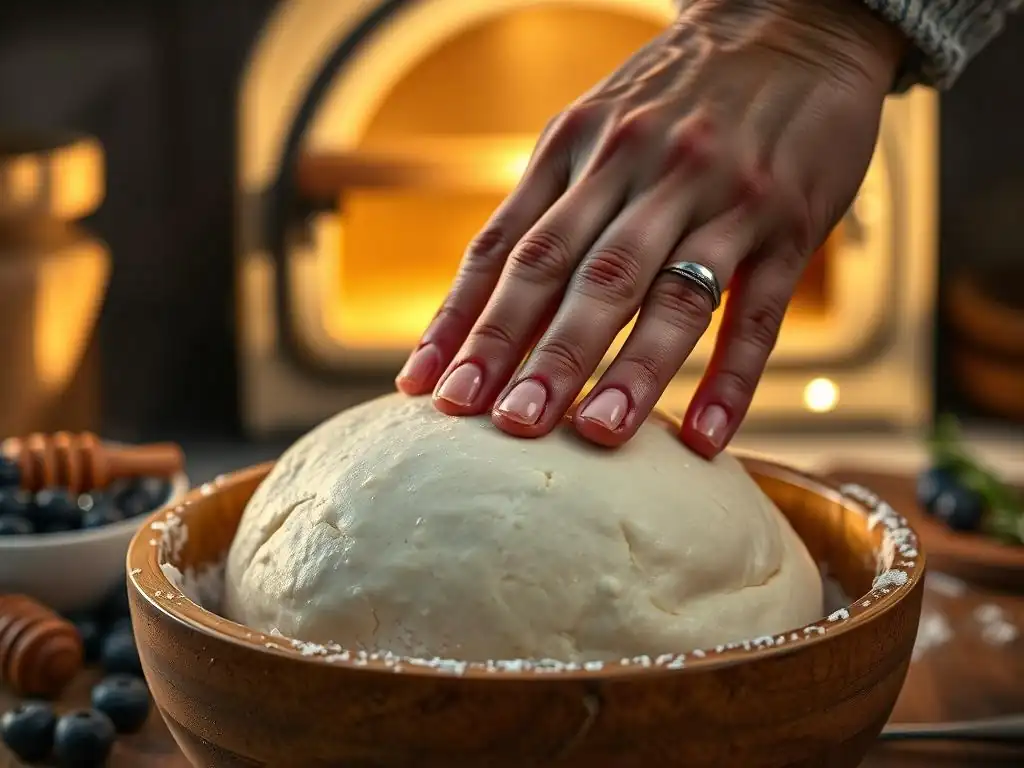
Over-proofing occurs when dough is allowed to ferment for too long or in too warm an environment, causing the gluten structure to weaken and potentially collapse. While not a direct cause of initial dryness from the oven, over-proofed loaves often have a poor oven spring, a pale crust, and a coarse, sometimes crumbly texture that can feel dry. The yeast may have consumed all the available sugars, leading to less steam production and a less tender crumb.
If you suspect your dough is over-proofing, you can try gently deflating it (without tearing) and reshaping it for a shorter second proof, or simply bake it immediately if it's significantly over-risen. Adjusting yeast quantity or proofing time in future bakes based on your kitchen temperature is crucial.
For example, if your kitchen is warm (above 75°F or 24°C), you might use slightly less yeast (perhaps 10-15% less) or shorten the proofing time by 15-30 minutes compared to a cooler kitchen. Paying attention to the dough's feel and appearance, rather than just the clock, is a key troubleshooting moist bread recipe tip.
Oven Issues Contributing to Dry Bread
An oven that doesn't hold a consistent temperature or has uneven heating can contribute to dry bread. If one part of the oven is significantly hotter, it can cause localized over-baking and moisture loss. Conversely, a generally cool oven requires longer baking times, increasing overall moisture evaporation. Using an oven thermometer is essential to verify that your oven is heating to the temperature you set and to identify any significant hot or cool spots.
If your oven has uneven heating, rotating the bread halfway through the baking time can help ensure even cooking and prevent one side or end from drying out more than the other. For ovens that run consistently cool or hot, adjust the dial accordingly (e.g., set it 25°F higher or lower) based on your thermometer readings. Understanding your specific oven's quirks is an important part of troubleshooting and applying effective moist bread recipe tips.
Adjusting Recipes for Altitude and Moisture
Baking at high altitudes (typically above 3,000 feet or 900 meters) presents unique challenges that can lead to dry bread if recipes aren't adjusted. Lower atmospheric pressure causes dough to rise faster due to less resistance, and liquids evaporate more quickly both during proofing and baking because water boils at a lower temperature. This accelerated activity and moisture loss can result in a dry, dense loaf.
Common high-altitude adjustments for bread include slightly increasing the liquid (e.g., adding 1-2 tablespoons of water per cup of liquid in the recipe), slightly decreasing the yeast or leavening agent (perhaps by 10-25%), and potentially reducing the amount of sugar, which can ferment too quickly. Baking temperature might also need adjustment, often increasing it slightly (by 15-25°F or 10-15°C) to set the structure faster and minimize moisture loss during the longer baking time sometimes required. Experimentation is key when baking at high altitude to find the right balance for moist bread recipe tips that work in your specific environment.
Enjoying Moist Bread: Recipes and Serving Suggestions
Classic Sandwich Bread Recipe
Creating a consistently soft and moist sandwich loaf at home is a rewarding experience. A reliable classic sandwich bread recipe often includes a small amount of fat (like butter or oil, around 5-10% of the flour weight), a liquid other than just water (like milk or a mix of milk and water), and sometimes a touch of sugar or honey. A typical recipe might use around 500g of bread flour, 300-350g of milk (60-70% hydration from milk), 7g of instant yeast, 10g of salt, and 30g of softened butter.
The process usually involves mixing the ingredients, kneading until smooth and elastic, a first rise until doubled (about 1-1.5 hours), shaping into a loaf, a second rise in the pan until doubled (about 45-60 minutes), and baking at 375°F (190°C) for 30-40 minutes until golden brown and the internal temperature reaches 190-200°F (88-93°C). Using milk and butter in this recipe helps ensure a tender crumb and contributes significantly to its moist texture and shelf life, making it a staple moist bread recipe tip for home bakers.
Serving Suggestions: Pairings and Uses
Moist bread is a joy to eat in countless ways. A soft, moist sandwich loaf is, of course, perfect for sandwiches, holding up well to fillings without becoming soggy or falling apart. Its tender crumb is also ideal for toast, soaking up butter or jam beautifully without being overly crumbly. Consider using slightly sweet, moist bread for French toast, where its ability to absorb the custard mixture without disintegrating is a major advantage.
Crusty, moist loaves, perhaps made with higher hydration, are wonderful served alongside soups or stews, perfect for soaking up flavorful broths. They are also excellent for open-faced sandwiches or simply enjoyed with good quality olive oil and balsamic vinegar. Even if a loaf has started to dry out slightly, it can be transformed into delicious bread pudding, stratas, or savory bread Stuffing, where the addition of liquids and other ingredients brings moisture back into the bread. Exploring these uses ensures you can enjoy your homemade moist bread in its best form, whether fresh or revived.
Frequently Asked Questions
How can I prevent my bread from becoming dry and crumbly in the first place?
The best way to avoid dry bread is to ensure proper hydration during the baking process. This means accurately measuring ingredients, especially liquids, and not over-baking. You can also add ingredients like oil or yogurt to increase moisture.
What are some ingredients I can add to my bread recipe to make it more moist?
Several ingredients can contribute to a more moist bread. These include adding mashed potatoes, applesauce, or even grated zucchini to the dough. These ingredients retain moisture and add a pleasant texture.
My bread is already dry. Can I revive it somehow?
Yes, you can often revive dry bread! Try wrapping it in a damp paper towel and microwaving it in short bursts. Alternatively, brushing it with water and baking it briefly can help.
Does the type of flour I use affect the moisture content of my bread?
Absolutely! Some flours absorb more moisture than others. Whole wheat flour, for example, tends to absorb more liquid than all-purpose flour. You might need to adjust the liquid content accordingly.
What are some "Moist bread recipe tips" I can use right away?
Focus on using high-hydration doughs, incorporating ingredients like honey or molasses, and ensuring your oven temperature is accurate to prevent over-baking, which leads to dryness.
Final Reflection: The Enduring Quest for Perfectly Moist Bread
The pursuit of perfectly moist bread transcends mere culinary technique; it's a testament to our enduring desire for comfort and satisfaction. From the simplest loaf to the most elaborate sourdough, the texture of our bread speaks volumes about the care and attention poured into its creation. This article explored various methods to restore moisture to dry, crumbly bread, highlighting the importance of understanding the science behind breadmaking to achieve consistently delicious results.
The quest for the perfect loaf has shaped culinary traditions across cultures and generations. The simple act of sharing bread, whether it's a crusty baguette or a soft, fluffy roll, is a powerful symbol of community and connection. Bread is the staff of life.
This simple adage speaks to the profound impact bread has had, and continues to have, on our lives, reminding us that even the smallest details, like moisture content, can significantly impact our overall experience. The techniques discussed here, while seemingly minor, contribute to a larger conversation about mindful food preparation and appreciation.
Consider the next time you encounter a slightly dry loaf. Don't discard it! Instead, remember the techniques outlined in this article – the gentle steaming, the strategic application of moisture, the careful reheating. Embrace the opportunity to transform a seemingly imperfect loaf into something delicious and satisfying. By understanding the science behind bread's texture, you not only improve your baking skills but also cultivate a deeper appreciation for the simple pleasures in life. Let the quest for perfectly moist bread be a reminder to savor the process and enjoy the results.
Rediscover Your Bread's Softness!
Thanks for taking the time to explore the secrets of reviving dry bread! We hope you now feel confident in rescuing those slightly stale loaves. Ready to put your newfound knowledge to the test?
- Bring your bread back to life: Try our suggested methods today – you might be surprised by the results! Experiment with different techniques to find your favorite.
- Share your success (or challenges!): Let us know in the comments how your bread revival went. What method worked best? What would you try next time?
- Inspire others: Share this article with a friend who might also benefit from these simple tips.
Have you ever managed to perfectly revive a rock-hard baguette? Share your best tips with us!