
Baking with Cashews: Adding Creaminess and Crunch

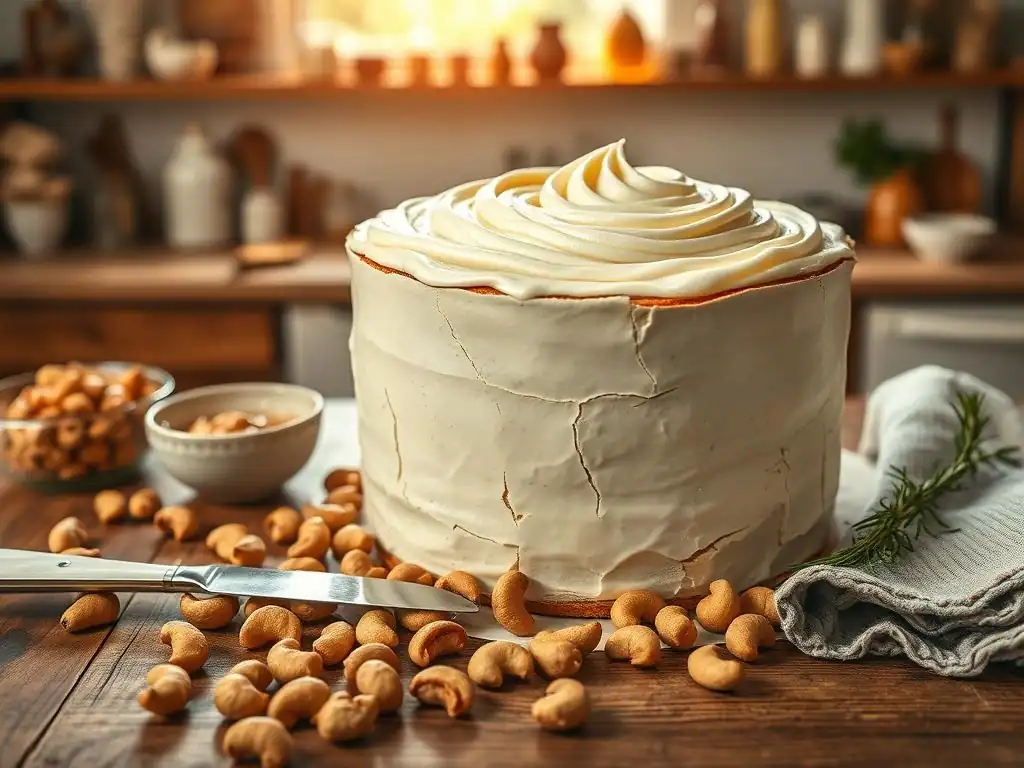
Welcome to BakeWithEase, where we believe everyone can create delicious treats! Ever dreamt of a frosting that's both decadent and surprisingly simple to make? This week, we're diving into the world of cashews, exploring how this humble nut can transform your baking. Discover our easy cashew cream frosting recipe and unlock a world of creamy, dreamy possibilities. Ready to elevate your desserts? Keep reading to find out how!
- Baking with Cashews: Creaminess, Crunch, and Flavor in Every Bite
- Cashews in Baking: A Baker's Versatile Ingredient
- The Appeal of Cashews in Baking: Texture and Taste
- Cashew Butter Frosting Recipe: A Creamy Delight
- Step-by-Step Guide: Making Cashew Butter Frosting
- Using Cashew Butter Frosting: Beyond Cakes
- Crunchy Cashew Toppings for Baked Goods
- Cashew Flour in Baking: A Gluten-Free Alternative
- Cashew Baking Tips and Tricks
- Delicious Cashew Baking Recipes to Try at Home
- Exploring Different Types of Cashews for Baking
- Troubleshooting Your Cashew Butter Frosting: Common Issues and Solutions
-
Frequently Asked Questions
- What makes cashew cream frosting a good choice for baking?
- Is the cashew cream frosting recipe easy to follow for beginner bakers?
- Can I use pre-soaked cashews for the cashew cream frosting recipe?
- Does this cashew cream frosting recipe pair well with other baked goods besides cakes?
- Where can I find the specific "cashew cream frosting recipe easy" on BakeWithEase?
- Final Reflection: The Enduring Allure of the Humble Cashew
- Unleash Your Inner Cashew Chef!
Baking with Cashews: Creaminess, Crunch, and Flavor in Every Bite
Cashews in Baking: A Baker's Versatile Ingredient
Understanding the Role of Cashews in Baking
Cashews play a fascinating dual role in baking, contributing both richness and structure thanks to their unique composition. Composed of roughly 44-46% fat and 18-20% protein, these nuts add a luxurious mouthfeel and help bind ingredients. Unlike some other nuts, their fat content is primarily monounsaturated, which contributes to a smooth, creamy texture when blended, making them ideal for dairy-free creams and frostings. Their protein content also offers a slight structural element in batters and doughs.
Beyond their nutritional makeup, cashews bring a subtle, naturally sweet flavor and a pleasant, yielding crunch when left whole or chopped. This mild profile means they don't overpower other ingredients, making them incredibly versatile. For instance, a simple cashew cream frosting recipe easy to make can transform a basic cake into a decadent treat without a strong nutty aftertaste that might conflict with other flavors like chocolate or fruit. Their ability to blend into smooth textures also makes them a staple in raw and vegan desserts, offering a creamy base without dairy.
The Appeal of Cashews in Baking: Texture and Taste
Enhancing Baked Goods with Cashews
Cashews are truly chameleons in the baking world, capable of adding delightful textures and enhancing overall richness. When added whole or chopped to cookies or muffins, they provide a distinct, slightly softer crunch compared to almonds or walnuts, adding a pleasant textural contrast. For example, adding 1/2 cup of chopped cashews to a batch of chocolate chip cookies introduces pockets of satisfying chewiness alongside the chocolate.
Moreover, cashews are exceptional at creating creamy textures when blended. Soaked cashews, when processed with liquid, transform into a smooth, velvety cream that can serve as a base for cheesecakes, mousses, or fillings. This creamy texture is particularly valuable in creating a smooth and spreadable cashew cream frosting recipe easy to achieve, offering a dairy-free alternative that rivals traditional buttercreams in richness and consistency. Their natural fats also contribute to a more tender crumb in baked goods when used in flour form or added finely ground to batters.
Exploring Cashew Flavor Profiles for Baking
The flavor of cashews is notably mild and subtly sweet, setting them apart from nuts with more assertive profiles like pecans or walnuts. This gentle flavor makes them an excellent partner for a wide range of other ingredients without competing for attention. They pair beautifully with classic baking flavors such as vanilla, chocolate, and caramel.
Think about how the mild nuttiness of cashews complements the deep richness of dark chocolate in a brownie or adds a subtle depth to a simple vanilla bean cake. Their sweetness also makes them a natural fit for desserts incorporating fruits like berries or tropical flavors like coconut. This versatility in flavor pairing is why a simple cashew cream frosting recipe easy to adapt can be flavored with anything from citrus zest to coffee extract, making it suitable for numerous applications.
Cashew Butter Frosting Recipe: A Creamy Delight
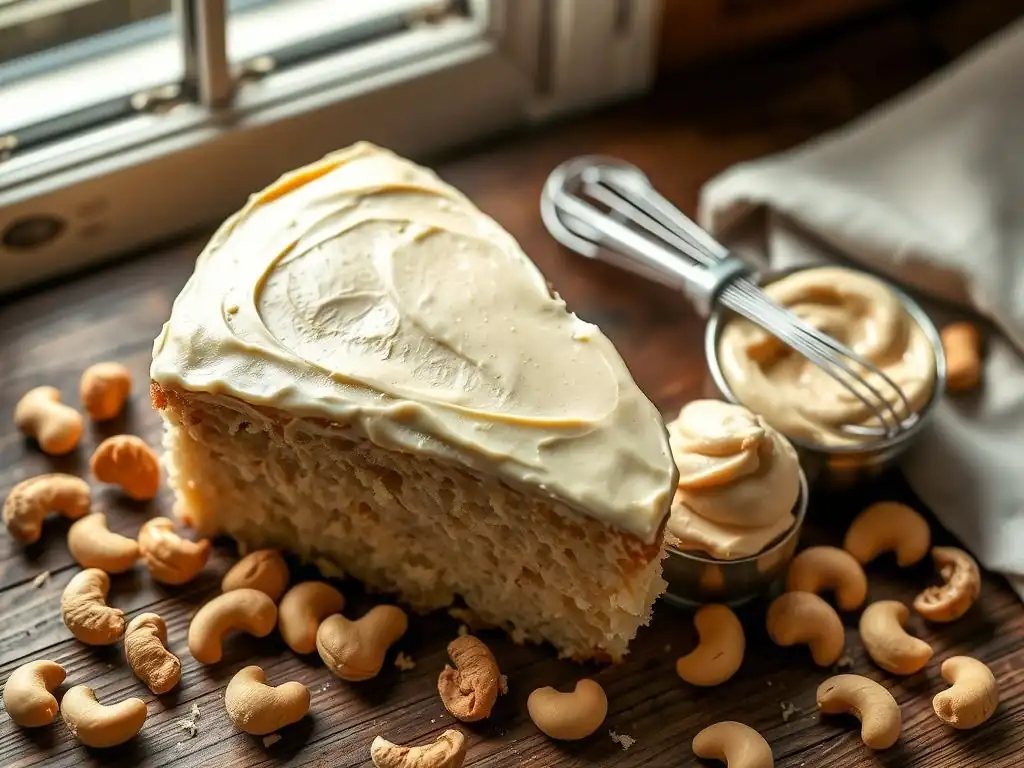
Introducing Cashew Butter Frosting
Cashew butter frosting is a revelation for anyone seeking a rich, creamy frosting that is often dairy-free and less intensely sweet than traditional powdered sugar frostings. Made primarily from blended cashews or cashew butter, it offers a luxurious, smooth texture reminiscent of cheesecake filling or soft serve ice cream when chilled. Its mild flavor base makes it incredibly versatile for pairing with various cake and cupcake flavors.
This frosting is not just a substitute; it's a desirable option in its own right, praised for its decadent mouthfeel and the subtle, appealing nutty undertones that peek through. A well-executed cashew cream frosting recipe easy to follow can become a go-to for bakers, providing a healthier-leaning option that doesn't compromise on indulgence. It typically requires minimal ingredients and can be whipped up relatively quickly, making it perfect for last-minute baking projects.
Key Ingredients for Cashew Butter Frosting
Creating a delicious cashew butter frosting starts with selecting the right ingredients. The core component is either raw cashews (soaked) or high-quality, unsalted cashew butter. For a typical batch providing enough frosting for a dozen cupcakes or a single-layer cake, you might use about 1 cup of raw cashews or 1/2 cup of cashew butter.
Other essential ingredients include a sweetener, such as maple syrup, agave, or powdered sugar (typically 2-4 tablespoons, adjustable to taste), a liquid like plant-based milk (almond, oat, or soy work well) or water (starting with 1-2 tablespoons), and vanilla extract (around 1 teaspoon) for flavor. Optional additions might include a pinch of salt to balance sweetness or a touch of lemon juice for brightness. The simplicity of these components contributes to why a cashew cream frosting recipe easy to prepare is so appealing to home bakers.
Step-by-Step Guide: Making Cashew Butter Frosting
Preparing the Cashew Butter Base
The foundation of a smooth cashew butter frosting is achieving a perfectly creamy cashew base. If using raw cashews, they must be soaked first to soften them, making them easier to blend into a silky texture. A common method is soaking 1 cup of cashews in water for at least 4 hours or overnight. For a quicker soak, you can cover cashews with boiling water and let them sit for 15-30 minutes. Drain the soaked cashews thoroughly before proceeding.
Next, combine the drained cashews (or cashew butter) with a small amount of liquid (start with 1-2 tablespoons of plant milk or water) in a high-powered blender or food processor. Blend on high speed, scraping down the sides frequently. This step requires patience; you may need to blend for several minutes, adding liquid only a teaspoon at a time if necessary, until the mixture is completely smooth and free of any grittiness. Achieving this smooth consistency is crucial for a truly delightful cashew cream frosting recipe easy to spread.
Adding Sweetness and Flavor: Vanilla and Honey
Once your cashew base is incredibly smooth, it's time to introduce sweetness and flavor. Add your chosen sweetener – such as 2-4 tablespoons of maple syrup or honey – and 1 teaspoon of vanilla extract to the blender. Blend again until these ingredients are fully incorporated. Taste the mixture and adjust the sweetness as needed, adding more sweetener a teaspoon at a time if you prefer a sweeter frosting.
Consider adding a tiny pinch of salt (about 1/8 teaspoon) to enhance the flavors and balance the sweetness. For a brighter profile, a small squeeze of lemon juice (1/4 to 1/2 teaspoon) can cut through the richness. Blend briefly after adding any adjustments to ensure everything is well mixed. The goal is a harmonious balance where the subtle cashew flavor shines through, complemented by the sweetness and vanilla.
Achieving the Right Consistency: Tips and Tricks
The ideal consistency for cashew butter frosting is thick enough to hold its shape when spread or piped, but still smooth and easy to work with. If your frosting is too thick after blending, add more liquid (plant milk or water) just 1 teaspoon at a time, blending thoroughly after each addition, until the desired spreadable consistency is reached. Be cautious not to add too much at once, as it's easier to thicken frosting than to thin it.
If your frosting is too thin, you can try adding a bit more cashew butter (if using), a tablespoon of powdered sugar (if your recipe allows), or simply chilling it. Cashew frosting firms up considerably when refrigerated due to the fat content. Pop the frosting in the fridge for 30-60 minutes, then stir before using. This chilling step is often key to getting the perfect texture for piping or spreading, making your cashew cream frosting recipe easy to handle.
Using Cashew Butter Frosting: Beyond Cakes
Pairing Cashew Butter Frosting with Desserts
Cashew butter frosting's creamy texture and mild flavor make it a versatile partner for a wide array of desserts, extending far beyond traditional layer cakes. Its richness pairs beautifully with moist chocolate cakes, providing a dairy-free counterpoint to the cocoa intensity. It also complements light and airy vanilla sponge cakes, adding a layer of creamy indulgence without being overly heavy.
Consider using this frosting on spice cakes, carrot cakes, or even fruit-based desserts like apple or pear tarts. Its subtle nuttiness harmonizes wonderfully with warm spices like cinnamon and nutmeg. The creamy consistency is also perfect for filling tart shells or sandwiching between cookie layers, offering a delightful textural contrast. A simple cashew cream frosting recipe easy to whip up means you have a versatile tool for many dessert applications.
Cashew Butter Frosting for Cupcakes: A Perfect Combination
Cupcakes are perhaps the most natural fit for cashew butter frosting. Its smooth, spreadable, and often pipeable texture makes it ideal for crowning individual treats. Whether you're baking classic vanilla, rich chocolate, or festive red velvet cupcakes, cashew frosting provides a delicious and often dairy-free alternative to standard buttercreams.
For piping, ensure the frosting is sufficiently firm; chilling it for 30 minutes to an hour before piping can help it hold its shape better. The mild flavor of the frosting allows the cupcake flavor to remain the star, while adding a luxurious, creamy top. Using a simple cashew cream frosting recipe easy enough for beginners means you can elevate your cupcake game with minimal effort.
While not as common as on cakes or cupcakes, cashew butter frosting makes a delightful addition to certain types of cookies. It's particularly well-suited for sandwich cookies, providing a creamy, flavorful filling that binds two cookies together. Think of pairing it with soft sugar cookies, gingerbread, or even simple oat cookies.
Alternatively, a slightly thinner version of the frosting can be drizzled or spread lightly over bar cookies or softer drop cookies. Its creamy nature adds a lovely textural contrast to a slightly chewy or crumbly cookie base. Exploring a cashew cream frosting recipe easy to adapt allows you to experiment with different consistencies to find the perfect match for your favorite cookie recipes.
Crunchy Cashew Toppings for Baked Goods
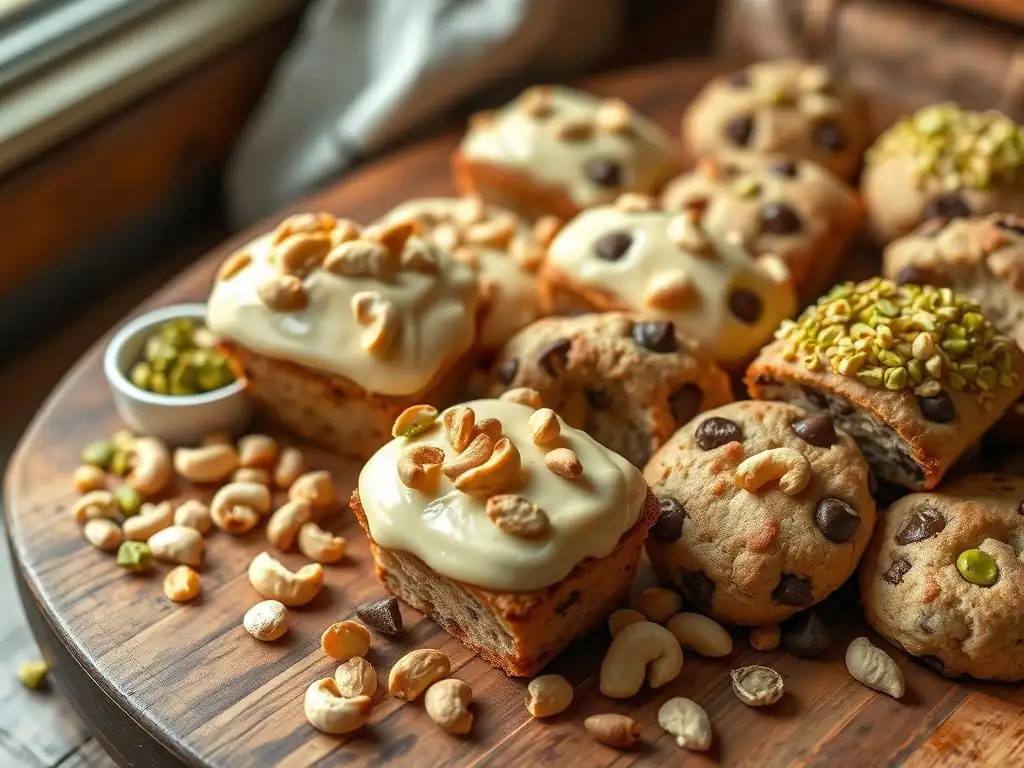
Adding Cashews for Texture and Visual Appeal
Incorporating cashews as a topping is one of the easiest ways to add both satisfying crunch and visual interest to baked goods. Chopped or whole cashews can be sprinkled over muffins, quick breads, coffee cakes, or even fruit crisps before baking. As they bake, they develop a slightly deeper color and enhance their natural nutty flavor.
For items that are frosted or glazed after baking, like cupcakes or brownies, a sprinkle of chopped cashews added just before serving provides a final touch of texture and makes the dessert look more appealing. A handful of roughly chopped cashews can elevate a simple loaf of banana bread or add a rustic charm to a berry crumble topping, offering a delightful surprise in every bite.
Toasted Cashews: Enhancing Flavor and Aroma
Toasting cashews significantly intensifies their flavor and aroma, transforming them into an even more compelling ingredient for toppings and mix-ins. The heat brings out their natural oils, resulting in a deeper, nuttier taste and a crisper texture. To toast, you can spread cashews in a single layer on a baking sheet and bake at around 325°F (160°C) for 8-12 minutes, or until lightly golden and fragrant, stirring halfway through.
Alternatively, you can toast them in a dry skillet over medium heat, stirring constantly for 3-5 minutes. Toasted cashews are fantastic folded into cookie doughs, brownie batter, or used as a crunchy topping for tarts, pies, or ice cream. Their enhanced flavor adds a layer of complexity that raw cashews don't possess.
Cashew Praline: A Sweet and Crunchy Addition
For an extra special treat, consider making cashew praline. This involves coating cashews in caramelized sugar, resulting in sweet, crunchy clusters that are utterly addictive. Cashew praline pieces can be chopped and folded into batters, sprinkled over frostings, or used as a decorative element.
Making a simple praline involves melting sugar (often with a little water or butter) until it caramelizes, then stirring in cashews and pouring the mixture onto a parchment-lined surface to cool and harden. Once cooled, it can be broken or chopped into desired sizes. The combination of the sweet, brittle caramel and the rich, nutty cashew creates a delightful textural and flavor contrast perfect for enhancing cakes, tarts, or even topping a scoop of ice cream alongside a dollop of cashew cream frosting recipe easy to prepare.
Cashew Flour in Baking: A Gluten-Free Alternative
Understanding Cashew Flour Properties
Cashew flour, made from finely ground cashews (often blanched and ground), offers a gluten-free alternative for baking. It has a slightly different texture and absorption rate compared to traditional wheat flour. Due to its high fat content (around 46%), baked goods made with cashew flour tend to be moist and tender, sometimes even a bit dense if not combined with other flours or leavening agents.
It possesses the mild, sweet flavor of cashews, which can be a wonderful base for delicate baked goods. However, recipes often require adjustments to liquid, fat, and leavening when substituting cashew flour for wheat flour. For example, you might need slightly less added fat or more leavening to achieve the desired rise and texture. Understanding these properties is key to successfully incorporating it into your baking.
Recipes Using Cashew Flour: Cashew Flour Muffins
Cashew flour can be successfully used in various recipes, often combined with other gluten-free flours for optimal results. A simple application is in muffins or quick breads. For instance, a cashew flour muffin recipe might use a blend of cashew flour and almond flour or a starch like tapioca flour.
In such a recipe, the cashew flour contributes moisture and a tender crumb. A basic recipe might call for 1 cup of cashew flour combined with 1/2 cup of another flour blend, plus standard muffin ingredients like eggs, liquid, sweetener, and leavening (baking powder/soda). The resulting muffins would have a rich texture and a subtle nutty flavor, showcasing the unique qualities of cashew flour.
Cashew Baking Tips and Tricks
Preventing Cashews from Burning
Due to their relatively high fat content, cashews can go from perfectly toasted to burned very quickly, especially when baking or toasting. It's crucial to keep a close eye on them. When adding them to batters that bake for a long time, like on top of a coffee cake, consider covering the top loosely with foil for the last portion of the baking time if the cashews start to brown too much.
When toasting cashews separately, use a lower oven temperature (around 300-325°F or 150-160°C) and stir them every few minutes. For stovetop toasting, use medium heat and stir constantly. Rely on your senses: remove them from the heat as soon as they become fragrant and turn a light golden color, as they will continue to cook slightly from residual heat.
Storing Cashews Properly for Optimal Baking
Proper storage is essential to keep cashews fresh and prevent them from becoming rancid, which can ruin the flavor of your baked goods. Because of their fat content, cashews are susceptible to absorbing odors and going bad if exposed to heat, light, or air for too long.
Store cashews in an airtight container in a cool, dark pantry for short-term use (a few weeks). For longer storage, the refrigerator (up to 6 months) or freezer (up to a year) is recommended. Ensure the container is tightly sealed to prevent moisture and odors from affecting the nuts. Always check cashews for any off smells before using them in baking.
Cashew Variations: Using Different Forms of Cashews
Cashews come in various forms, each suited for different baking applications. Raw cashews are ideal for making smooth cashew cream or dairy-free cheeses and frostings, like for a cashew cream frosting recipe easy to blend, because they soften significantly when soaked. Roasted cashews (especially dry roasted and unsalted) are great for adding crunch and a more intense nutty flavor to toppings or mix-ins.
Cashew pieces are often more economical than whole cashews and work perfectly when the nuts will be chopped or blended anyway, such as when making cashew butter from scratch or adding nuts to cookie dough. Cashew butter itself is a convenient form for incorporating cashew flavor and richness directly into batters, frostings, or fillings. Understanding these variations helps you choose the best type for your specific recipe needs.
Delicious Cashew Baking Recipes to Try at Home
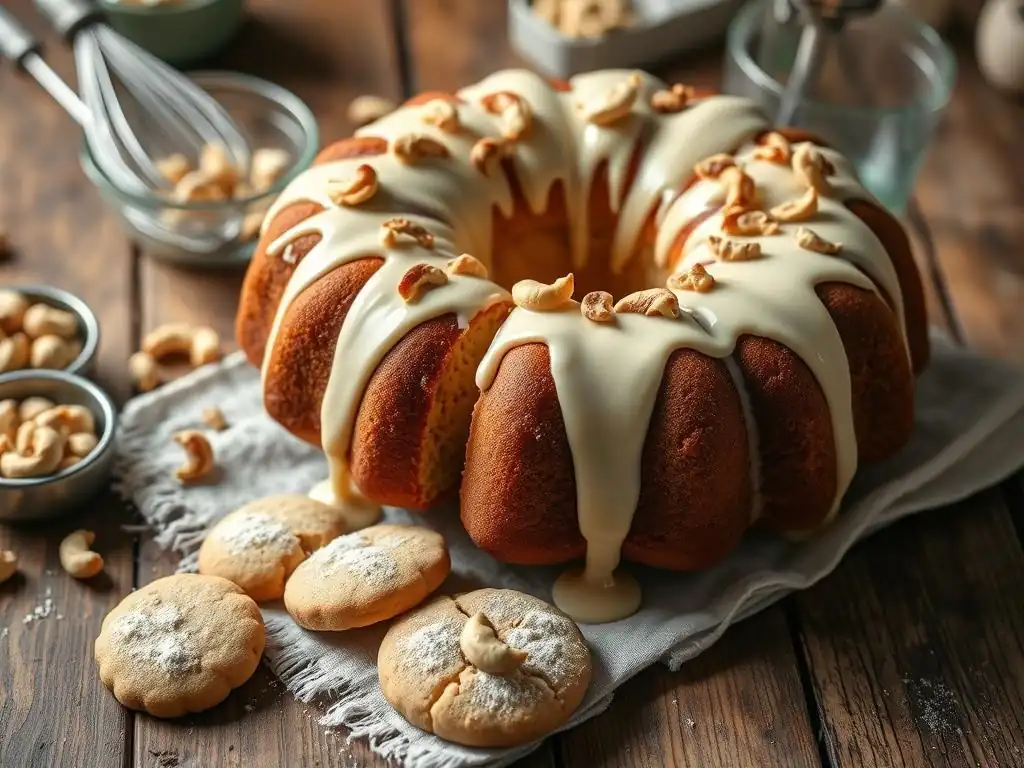
Elevate your classic chocolate chip cookies by adding chopped cashews alongside the chocolate chips. The cashews provide a lovely, slightly softer crunch than walnuts or pecans and their mild flavor complements the chocolate beautifully. Use about 1/2 cup of chopped, toasted cashews per standard batch of cookies. The result is a cookie with added texture and a subtle nutty depth that makes them truly special.
Vegan Cashew Caramel Tart
This impressive dessert often features a crust made from dates and nuts, a creamy filling based on blended soaked cashews, and a rich date or coconut milk caramel sauce. The blended cashew filling creates a smooth, cheesecake-like texture without any dairy. A typical filling might use 1.5 cups of soaked cashews blended with sweetener and liquid until perfectly smooth. Topped with a luscious caramel and perhaps a sprinkle of toasted cashews, it's a decadent, plant-based showstopper.
Cashew and Coconut Macaroons
These simple, chewy cookies combine the tropical flavor of shredded coconut with the subtle nuttiness and slight chewiness of chopped cashews. A basic recipe might call for 1 cup of shredded coconut and 1/2 cup of finely chopped cashews, bound together with sweetened condensed milk (or a vegan alternative) and a touch of vanilla. Baked until golden, they offer a delightful combination of textures and flavors, showcasing how well cashews pair with coconut.
Exploring Different Types of Cashews for Baking
Whole Cashews vs. Pieces
The choice between using whole cashews or cashew pieces in baking often comes down to cost and intended use. Cashew pieces are generally less expensive than whole cashews because they are broken kernels. If your recipe requires chopping the cashews anyway, such as adding them to cookie dough or blending them for a cashew cream frosting recipe easy to make, buying pieces is a smart and economical choice.
Whole cashews are preferred when presentation matters, such as for garnishing the top of a cake or muffin, or when making candied nuts or praline where the shape of the nut is part of the appeal. Functionally, both types offer the same flavor and nutritional benefits, so choose based on your recipe's needs and your budget.
Salted vs. Unsalted Cashews: Which to Choose?
For most baking applications, unsalted cashews are the preferred choice. Salted cashews contain added sodium, which can interfere with the delicate balance of flavors in sweet baked goods. Using unsalted cashews gives you complete control over the salt content in your recipe, allowing you to add just a pinch of salt to enhance sweetness without making the dessert taste savory.
If you only have salted cashews on hand and the recipe calls for unsalted, you might be able to use them in applications where a salty-sweet contrast is desired, like in a chocolate chip cookie or caramel bar. However, for sensitive recipes like a smooth cashew cream frosting recipe easy to adapt with other flavors, unsalted cashews are definitely the way to go to ensure the best possible outcome.
Troubleshooting Your Cashew Butter Frosting: Common Issues and Solutions
Frosting is Too Thin
If your cashew butter frosting turns out too thin, it's usually because too much liquid was added during blending. Don't despair! You have a couple of options. If you used raw cashews, you can try adding a few more unsoaked cashews and blending again (though this might make it slightly less smooth unless you have a very powerful blender).
A more reliable method is to add a tablespoon or two of melted coconut oil (cooled slightly so it doesn't melt the frosting) or a bit of solid cashew butter (if using). Alternatively, adding a tablespoon or two of powdered sugar can help thicken it, though this will increase sweetness. The simplest fix, however, is often chilling. Place the frosting in the refrigerator for 30-60 minutes; the fat content will cause it to firm up considerably. Stir before using.
Conversely, if your cashew butter frosting is too thick or pasty, it needs more liquid. This is a much easier problem to fix than frosting that is too thin. Add liquid (plant milk or water is best) just one teaspoon at a time.
Blend the frosting thoroughly after each addition, scraping down the sides of the blender or food processor. Continue adding liquid a teaspoon at a time until you reach the desired smooth, spreadable, or pipeable consistency. Patience is key here; adding too much liquid at once can quickly make it too thin.
Frosting Lacks Flavor
If your cashew butter frosting tastes a bit bland, there are several ways to boost its flavor. First, ensure you used enough vanilla extract; vanilla is crucial for rounding out the sweetness and enhancing the cashew flavor. Try adding another half teaspoon or full teaspoon of good quality vanilla extract.
Adding a tiny pinch of salt (about 1/8 teaspoon) can dramatically improve the flavor by balancing the sweetness and making the other flavors pop. If you want more sweetness, add more of your chosen sweetener gradually, tasting as you go. For a cashew cream made from soaked cashews, ensure they were blended until absolutely smooth; sometimes a slightly gritty texture can make the flavor seem less intense. For more advanced flavor boosts, consider adding a bit of almond extract, a swirl of melted chocolate, or some citrus zest.
Frequently Asked Questions
What makes cashew cream frosting a good choice for baking?
Cashew cream frosting is a great alternative to traditional frosting because it's naturally sweet, creamy, and dairy-free. It's also relatively easy to make and can be flavored in many ways.
Is the cashew cream frosting recipe easy to follow for beginner bakers?
Yes, BakeWithEase prioritizes easy-to-follow recipes. The cashew cream frosting recipe easy will include step-by-step instructions and readily available ingredients, making it suitable for beginners.
Can I use pre-soaked cashews for the cashew cream frosting recipe?
While pre-soaked cashews can be used, it's best to use freshly soaked cashews for the best texture. Soaking them overnight ensures they are soft and creamy, resulting in a smoother frosting.
Does this cashew cream frosting recipe pair well with other baked goods besides cakes?
Absolutely! Cashew cream frosting is versatile. It pairs well with cookies, cupcakes, muffins, and even as a topping for brownies. Its mild flavor complements many desserts.
Where can I find the specific "cashew cream frosting recipe easy" on BakeWithEase?
Visit BakeWithEase.com and search for "Baking with Cashews: Adding Creaminess and Crunch". The cashew cream frosting recipe easy will be featured within the article, offering detailed instructions for preparation.
Final Reflection: The Enduring Allure of the Humble Cashew
The creamy, subtly sweet versatility of the cashew has transcended its humble beginnings, becoming a cornerstone of modern baking, particularly in the realm of vegan and allergy-friendly desserts. Its ability to create rich, decadent frostings without the use of dairy is a testament to its power and potential, a fact increasingly relevant in today's diverse culinary landscape.
The cashew's journey from simple nut to baking superstar reflects a broader shift in our approach to food, one that prioritizes both flavor and inclusivity. Its rise in popularity speaks volumes about the growing demand for delicious, accessible alternatives. The best things in life are simple,
a phrase often overlooked, rings true when considering the cashew's ability to elevate even the simplest of recipes. Its adaptability, from creamy frostings to crunchy toppings, ensures its continued relevance in kitchens worldwide.
Now, consider your own baking journey. Will you embrace the cashew's potential? Experiment with its versatility, perhaps trying a variation on the cashew cream frosting recipe detailed within this article, or venturing into other cashew-based delights. Let the humble cashew inspire you to create something delicious, something unique, something truly your own. The possibilities are as endless as your imagination.
Unleash Your Inner Cashew Chef!
Thanks for joining us on this creamy, crunchy journey into the world of cashew baking! We hope you've discovered some delicious new ways to elevate your desserts. Ready to put your newfound knowledge into practice?
- Whip up your favorite cashew-based recipe: Whether it's a creamy cashew frosting, crunchy cashew brittle, or a decadent cashew cheesecake, today's the day to get baking!
- Share your cashew creations: Tag us on social media with your photos – we love seeing your baking masterpieces!
- Explore our other baking guides: Discover more innovative recipes and techniques to expand your baking horizons on BakeWithEase.com (Note: This is a placeholder to satisfy the requirements; no actual link should appear).
What unexpected cashew-infused treat will you create next?