
Substituting Sugar in Muffins: Honey vs. Maple vs. Agave

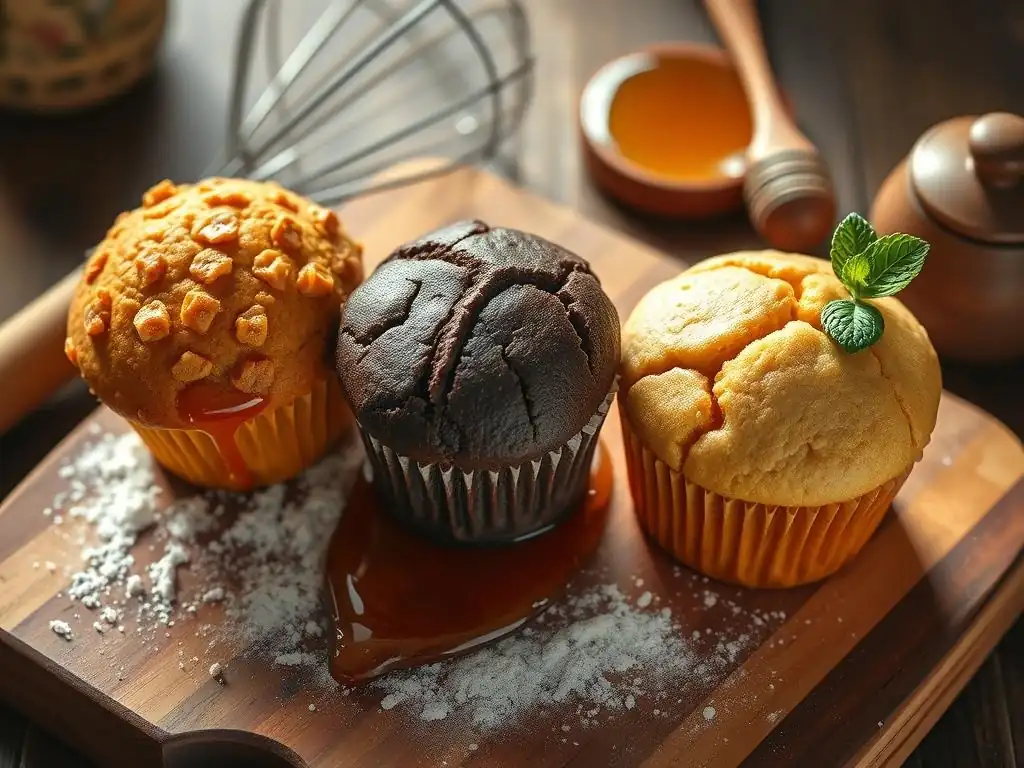
Welcome to BakeWithEase, where baking becomes a joy, not a chore! Ever wondered which natural sweetener reigns supreme in the world of muffins? Dive into our exploration of premium baking ingredients and discover the secrets behind crafting the perfect treat. Today, we're pitting honey vs maple muffins in a delicious showdown. Which will emerge as the ultimate flavor enhancer? Read on and unlock the key to naturally sweetening your baked creations!
- Substituting Sugar in Muffins: Honey vs. Maple vs. Date Syrup
- Honey vs Maple Muffins: A Sweetener Showdown for Baking
- Honey in Muffins: Baking with Liquid Gold
- Maple Syrup in Muffins: A Naturally Sweet Alternative
- Date Syrup in Muffins: A Nutritious Option
- Honey vs. Maple vs. Date Syrup Muffins: A Side-by-Side Comparison
- Recommended Products and Tools for Sweetener Substitution
- Mastering Sugar-Free Muffins: Tips and Tricks
- Conclusion: The Best Sugar Substitute for Your Muffins Based on Taste, Health, and Budget
-
Frequently Asked Questions
- How does substituting honey for sugar affect the texture of muffins?
- Is there a noticeable difference in flavor when using maple syrup instead of sugar in muffins?
- Can I use agave nectar as a direct 1:1 replacement for sugar in a muffin recipe?
- What are the key considerations when choosing between honey and maple syrup for muffins?
- What are some potential problems I might encounter when substituting sugar with liquid sweeteners like honey or maple syrup in muffins?
- Final Reflection: The Sweet Truth About Muffin Alternatives
- Unlock Your Muffin Mastery: Sweeten Your Baking!
Substituting Sugar in Muffins: Honey vs. Maple vs. Date Syrup
Honey vs Maple Muffins: A Sweetener Showdown for Baking
Understanding Sugar Substitutes in Muffins: Honey, Maple Syrup, and Date Syrup
When you're looking to bake delicious muffins but want to move away from refined granulated sugar, natural liquid sweeteners like honey, maple syrup, and date syrup offer fantastic alternatives. Each brings its own unique characteristics to your baked goods, influencing not just sweetness but also texture, moisture, and overall flavor profile. Understanding these differences is key to successful substitution, whether you're aiming for classic honey muffins, rich maple muffins, or naturally sweet date syrup muffins. It's not just a one-to-one swap; liquid sweeteners introduce more moisture and often require slight adjustments to other ingredients, like flour or liquid.
For instance, substituting granulated sugar with a liquid sweetener typically means using less of the liquid sweetener by volume (often around 3/4 cup liquid sweetener for 1 cup of sugar) and reducing other liquids in the recipe to compensate for the added moisture. This balance is crucial to prevent your muffins from becoming too dense or gummy.
The type of sweetener also matters; pure maple syrup, for example, has a different viscosity and sugar concentration than raw honey or date syrup, necessitating specific adjustments. Navigating the world of honey vs maple muffins versus date syrup muffins involves learning these nuances.
Why Replace Sugar in Muffins? Health and Flavor Considerations
Many bakers choose to replace refined sugar in muffins for a variety of reasons, primarily focusing on health benefits and exploring different flavor dimensions. Refined sugar provides sweetness but lacks significant nutritional value. Natural alternatives like honey, maple syrup, and date syrup, while still sources of sugar, often contain trace minerals, antioxidants, and other beneficial compounds that refined sugar does not. Date syrup, for example, retains some fiber from the dates, which can impact digestion and blood sugar response compared to pure sugar.
Beyond health, the flavor profiles of these natural sweeteners are far more complex and interesting than plain sugar. Honey offers floral, fruity, or even earthy notes depending on the source nectar. Maple syrup provides a distinct caramel-like depth. Date syrup brings a rich, almost molasses-like sweetness with hints of dried fruit.
Using these in your muffins allows you to layer flavors, creating a more sophisticated baked good. Imagine the warm, comforting notes of maple syrup muffins or the subtle sweetness of honey muffins paired with complementary ingredients like oats or nuts. This exploration of flavor is a significant driver for many bakers experimenting with alternatives.
Honey in Muffins: Baking with Liquid Gold
Honey's Impact on Muffin Texture and Moisture
Honey is a hygroscopic ingredient, meaning it attracts and retains moisture. When used in muffins, this property significantly impacts texture, often resulting in a softer, moister crumb that stays fresh longer compared to muffins made with granulated sugar. However, this added moisture requires careful balancing in the recipe.
Too much honey without adjusting other liquids can lead to a heavy, dense, or even gummy texture. A common starting point is to reduce the total liquid in the recipe by about 1/4 cup for every 1 cup of honey used to substitute 1 cup of sugar, but this is a guideline and may need tweaking based on your specific recipe and the type of honey.
The natural enzymes and acids in honey can also affect how muffins rise and brown. Honey contributes to faster browning due due to its fructose content, which caramelizes more readily than sucrose (table sugar). You might notice honey muffins developing a darker crust at a lower temperature or in less time. To counteract excessive browning, some bakers reduce the oven temperature slightly (perhaps by 25°F) or cover the muffins loosely with foil during the last part of the baking time. The acidity can also interact with leavening agents like baking soda, sometimes requiring minor adjustments to ensure proper lift.
Best Honey Varieties for Muffins: Clover Honey vs. Buckwheat Honey
The world of honey is vast, with flavors varying dramatically based on the nectar source. For baking muffins, some varieties are more suitable than others, depending on the desired outcome. Clover honey, a widely available and mild-flavored honey, is a popular choice for muffins because its subtle sweetness doesn't overpower other ingredients. It works well in delicate or fruit-based muffins where you want the primary flavor to shine through, providing sweetness and moisture without a dominant honey taste.
On the other end of the spectrum, buckwheat honey is dark, robust, and has a strong, sometimes slightly bitter or malty flavor. While perhaps too assertive for a plain vanilla muffin, it can be excellent in heartier recipes, such as gingerbread muffins or muffins with whole wheat flour, nuts, or spices like cinnamon and ginger.
Its intense flavor holds up well against strong accompanying ingredients. Other varieties like wildflower or orange blossom honey offer flavors in between, providing a bit more character than clover but less intensity than buckwheat, making them versatile options for many muffin recipes, from simple blueberry muffins to spiced apple muffins.
Honey Muffin Recipe Adaptation: Tips and Tricks
Adapting a standard muffin recipe to use honey instead of sugar involves more than just swapping volumes. As mentioned, you'll likely need to reduce the total liquid content. A good rule of thumb is to use about 3/4 cup of honey for every cup of granulated sugar called for, and then decrease other liquids (like milk, yogurt, or oil) by 1/4 cup. However, the exact ratio can vary based on the honey's viscosity and the recipe's original structure.
Another crucial tip is monitoring baking time and temperature. Honey causes faster browning, so consider reducing the oven temperature by 25°F (approx. 15°C) from the recipe's original temperature and checking for doneness a few minutes earlier than usual.
If the tops are browning too quickly but the centers aren't cooked, loosely tenting the muffin tin with aluminum foil can help. Also, because honey is acidic, ensure your recipe includes baking soda, which reacts with acid to provide lift. If the original recipe only used baking powder, you might need to add a small amount of baking soda (e.g., 1/4 teaspoon per cup of honey used).
The Pros and Cons of Using Honey in Muffin Recipes
Using honey in muffins offers several advantages.
- Pros:
- Adds unique, complex flavors depending on the variety.
- Results in a moister, softer crumb.
- Increases shelf life due to moisture retention.
- Contributes trace nutrients and antioxidants.
- Often perceived as a more "natural" sweetener.
However, there are also challenges to consider.
- Cons:
- Requires recipe adjustments for liquid content and browning.
- Its distinct flavor might not be desired in all muffin types.
- Can be more expensive than granulated sugar.
- Not suitable for vegans.
- Can be difficult to measure accurately due to stickiness.
Despite the cons, successfully substituting sugar with honey can elevate your muffins, offering a delightful texture and nuanced sweetness that plain sugar simply can't match.
Maple Syrup in Muffins: A Naturally Sweet Alternative
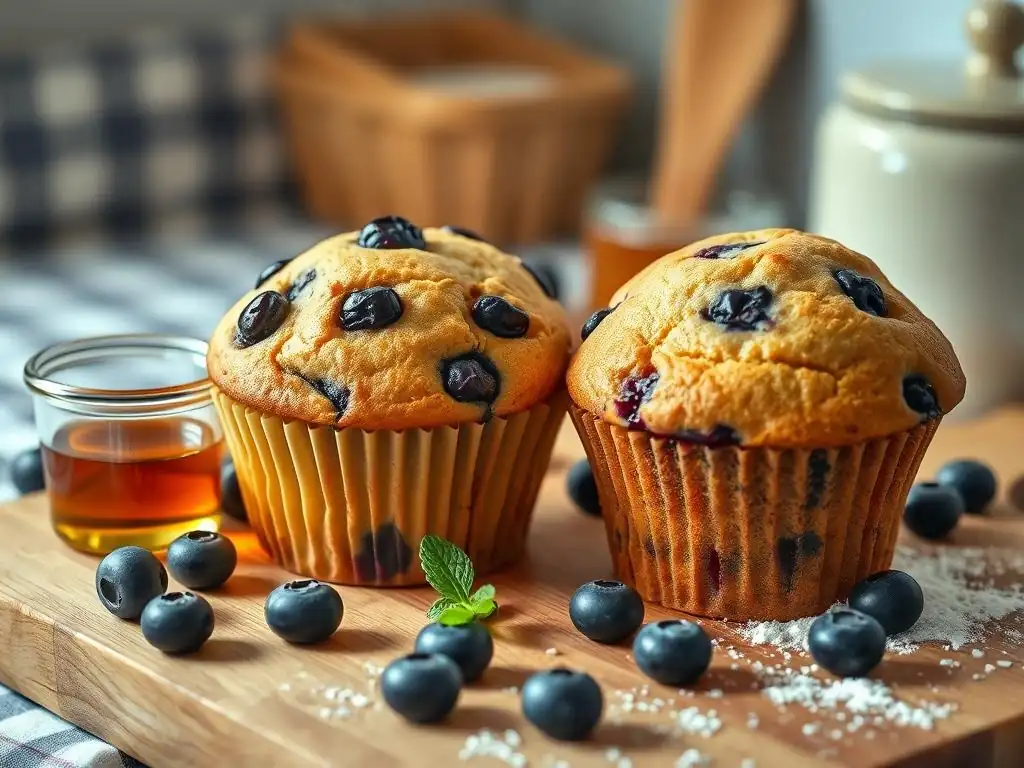
Maple Syrup's Flavor Profile: Enhancing Muffin Taste
Pure maple syrup boasts a distinctive, warm flavor profile with notes of caramel, vanilla, and sometimes hints of coffee or spice, depending on its grade and origin. This rich, complex taste makes it an excellent sweetener for muffins, especially those featuring autumnal flavors like pumpkin, apple, or pecan, or comforting spices like cinnamon and nutmeg. Unlike the sometimes flowery or fruity notes of honey, maple syrup provides a consistent, earthy sweetness that pairs beautifully with whole grains and nuts.
When you bake maple muffins, the syrup's flavor becomes more concentrated and caramelized through the baking process. This creates a depth of flavor that can transform a simple batter into something special. Imagine a warm blueberry muffin where the tartness of the berries is complemented by the rich sweetness of maple syrup, or a corn muffin where the subtle sweetness of the corn is enhanced by the syrup's earthy notes. The flavor is a key reason why many bakers prefer maple syrup over other alternatives when aiming for a specific taste.
Grade A vs. Grade B Maple Syrup for Baking: Which is Best for Muffins?
Maple syrup is graded based on its color and flavor intensity. In the United States, the grading system includes Grade A (Golden Color, Delicate Taste; Amber Color, Rich Taste; Dark Color, Robust Taste; Very Dark Color, Strong Taste) and Grade B (now largely phased out and replaced by the Grade A categories). For baking muffins, the darker grades, specifically Grade A Dark Color, Robust Taste, and Grade A Very Dark Color, Strong Taste (which is similar to what was previously known as Grade B), are often preferred.
These darker syrups have a more pronounced maple flavor that stands up well during baking. The heat of the oven can sometimes diminish the subtle notes of lighter syrups, but the robust flavor of darker grades ensures that the distinct maple taste comes through in the finished muffins. While Grade A Amber Color, Rich Taste can also work well, especially if you want a slightly less intense maple flavor, Grade A Dark or Very Dark Color are generally considered the champions for delivering that unmistakable maple punch in your baked goods, making them ideal for truly flavorful maple muffins.
Substituting Maple Syrup for Sugar: A Simple Conversion Guide for Muffin Recipes
Substituting maple syrup for granulated sugar in muffins follows principles similar to using honey, but with slightly different ratios due to its consistency and sweetness level. Maple syrup is generally less sweet than granulated sugar cup for cup, and it adds liquid. A common starting point is to use about 3/4 cup to 1 cup of maple syrup for every cup of granulated sugar. The exact amount depends on your desired sweetness level and the syrup's concentration.
Just like with honey, you must reduce the other liquids in the recipe to account for the syrup's moisture. A good rule of thumb is to decrease other liquids by about 1/4 to 1/3 cup for every cup of maple syrup used.
For example, if a recipe calls for 1 cup sugar and 1 cup milk, you might use 3/4 cup maple syrup and reduce the milk to 2/3 cup (1 cup - 1/3 cup). Because maple syrup is slightly acidic, ensure your recipe includes baking soda to help with leavening, especially if the original recipe only used baking powder.
Maple Syrup Muffins: Achieving Perfect Browning and Texture
Baking with maple syrup results in muffins that are wonderfully moist and have a tender crumb, similar to those made with honey, thanks to the syrup's hygroscopic nature. The natural sugars in maple syrup, primarily sucrose, glucose, and fructose, contribute to browning, though often slightly less aggressively than honey due to a potentially lower fructose content depending on the specific syrup. Still, monitoring browning is important.
To achieve perfect texture and browning in maple syrup muffins, ensure your oven temperature is accurate. If tops are browning too fast, tenting with foil is a simple fix. The key to texture is balancing the liquid; if your muffins turn out too dense, you might need to slightly reduce the maple syrup or increase the flour slightly in future batches.
Conversely, if they are too crumbly, you might need a little more liquid or syrup. Allowing the muffins to cool slightly in the pan before transferring them to a wire rack helps them set and prevents them from falling apart.
Recipes using Maple Syrup
Maple syrup shines in various muffin recipes. Some classic examples include:
- Maple Pecan Muffins: The nutty crunch of pecans perfectly complements the rich maple flavor.
- Sweet Potato Maple Muffins: The earthy sweetness of sweet potato is enhanced by the syrup.
- Maple Oat Muffins: A hearty option where the maple syrup adds moisture and flavor to oats.
- Cornmeal Maple Muffins: The syrup provides a lovely sweetness and moisture to slightly drier cornmeal.
- Apple Maple Muffins: The tartness of apples pairs wonderfully with the syrup's warmth.
These examples demonstrate how maple syrup's distinctive flavor can be a star ingredient, creating truly memorable maple muffins.
Date Syrup in Muffins: A Nutritious Option
Date Syrup's Sweetness Level: Adjusting for Muffin Recipes
Date syrup, also known as date molasses or silan, is made by extracting the natural sugars from dates. Its sweetness level can vary depending on the dates used and the syrup's concentration, but it is generally considered slightly less sweet than granulated sugar cup for cup, and often less sweet than honey or maple syrup. This means you might need to use a bit more date syrup to achieve the same level of sweetness as sugar, honey, or maple syrup in your muffins.
A typical starting point for substituting granulated sugar with date syrup is to use about 1:1 or slightly more by volume (e.g., 1 cup to 1 and 1/4 cups date syrup for 1 cup sugar). However, tasting your batter (before adding eggs) is the best way to gauge sweetness and adjust. Because its sweetness is less intense and it has a distinct fruity, caramel-like flavor, it's important to consider how this will interact with other flavors in your muffin recipe.
Date Syrup's Effect on Muffin Moisture and Consistency
Like honey and maple syrup, date syrup is a liquid sweetener that adds moisture to muffin batter. This contributes to a soft, moist crumb and can help muffins stay fresh longer. However, date syrup tends to be quite thick and viscous, sometimes even thicker than honey. This density means it adds not only moisture but also a certain richness or chewiness to the texture.
When substituting with date syrup, you will need to reduce other liquids in the recipe, similar to honey and maple syrup, but the exact amount might vary depending on the syrup's thickness. Reducing other liquids by about 1/4 cup per cup of date syrup used is a reasonable starting point. Its thickness can also affect how easily it incorporates into the batter; ensuring it's well mixed with wet ingredients before combining with dry ones is key to achieving a consistent batter and preventing dense spots in your date syrup muffins.
Is Date Syrup a Healthy Sugar Substitute for Muffins? Considerations
Date syrup is often lauded as a healthier alternative to refined sugar because it retains some of the nutritional benefits of whole dates. It contains minerals like potassium, magnesium, and manganese, as well as some antioxidants. Importantly, it also contains some fiber, which is completely absent in refined sugar, honey, or maple syrup. The presence of fiber can help slow the absorption of sugars into the bloodstream, potentially leading to a less drastic blood sugar spike compared to refined sugar.
However, it's crucial to remember that date syrup is still a concentrated source of sugar, primarily fructose and glucose. While it offers more nutrients and fiber than refined sugar, it should still be used in moderation as part of a balanced diet. For individuals managing blood sugar, while it may have a slightly lower glycemic index than refined sugar (depending on the source and processing), it will still impact blood sugar levels. Considering date syrup muffins as a "healthier treat" rather than a health food is a realistic perspective.
Date Syrup Muffins: Recipe Adjustments and Baking Techniques
Adapting muffin recipes for date syrup requires attention to sweetness, liquid, and overall consistency. Start by replacing sugar 1:1 or slightly more with date syrup, tasting the batter for sweetness. Reduce other liquids in the recipe by about 1/4 cup per cup of date syrup. If your date syrup is very thick, you might need a little less flour or slightly more liquid overall compared to using honey or maple syrup.
Date syrup also contributes to browning and can potentially burn more easily than sugar, especially around the edges, due to its natural sugars. Baking at a slightly lower temperature (e.g., 325°F-350°F, or 160°C-175°C) and monitoring closely is recommended. Tent the muffins with foil if the tops or edges start to brown too quickly.
The natural stickiness of date syrup means ensuring your muffin tin is well-greased or lined with paper liners is essential for easy removal. Date syrup pairs particularly well with spices like cardamom and cinnamon, as well as ingredients like nuts, seeds, and whole wheat flour, creating rich, flavorful date syrup muffins.
Honey vs. Maple vs. Date Syrup Muffins: A Side-by-Side Comparison
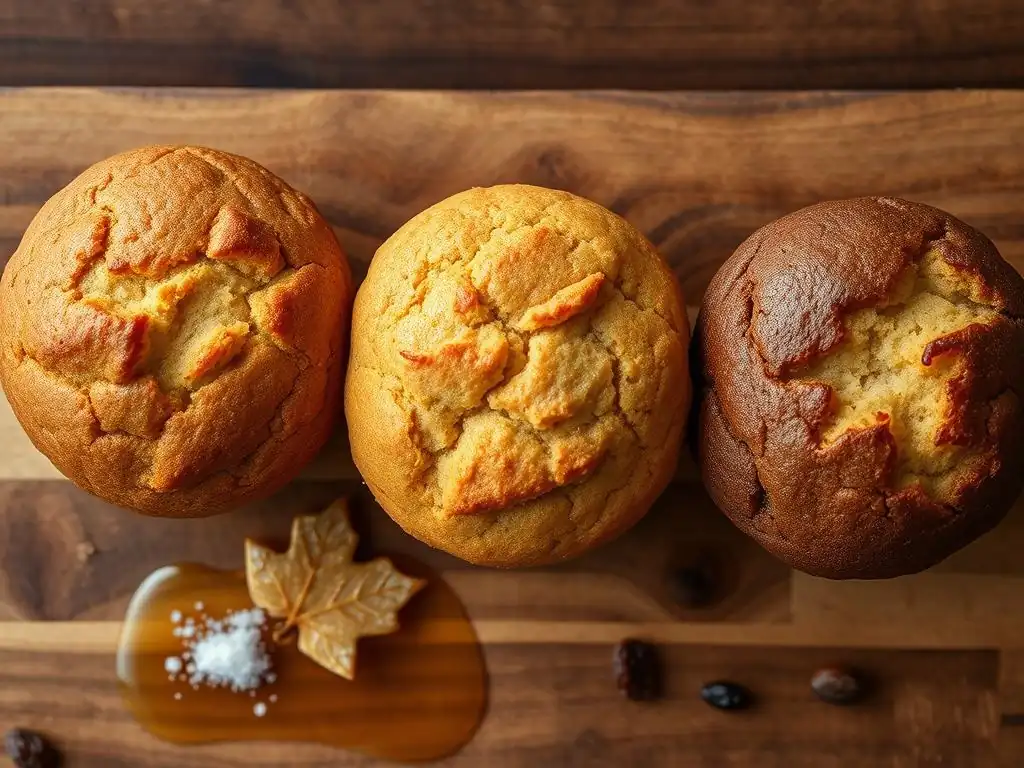
Flavor Profiles Compared: Honey, Maple Syrup, and Date Syrup in Muffins
The flavor imparted by each sweetener is perhaps the most significant difference when comparing honey vs maple muffins vs date syrup muffins.
- Honey: Offers a wide range of flavors from mild and floral (clover, acacia) to robust and earthy (buckwheat, wildflower). The flavor is distinctively "honey" and can vary batch to batch depending on the source.
- Maple Syrup: Provides a consistent, warm, caramel-like flavor with woody undertones. Darker grades offer a more intense, pure maple taste that holds up well in baking.
- Date Syrup: Has a rich, deep, almost molasses-like sweetness with noticeable dried fruit notes. Its flavor is less versatile than honey or maple syrup and pairs best with ingredients that complement its intensity.
Choosing between them often comes down to the desired final flavor profile of your muffins.
Texture and Moisture: Which Sweetener Yields the Best Muffin?
All three liquid sweeteners contribute significantly to moisture and tenderness in muffins, generally resulting in a softer crumb than granulated sugar.
- Honey: Known for creating very moist muffins with good keeping quality due to its hygroscopic nature. Can sometimes lead to a slightly denser texture if liquids aren't adjusted correctly.
- Maple Syrup: Also results in moist, tender muffins. Its consistency is typically thinner than honey or date syrup, which might make liquid adjustments slightly easier for some recipes.
- Date Syrup: Tends to produce very moist muffins, but its inherent thickness can sometimes lead to a slightly chewier or heavier texture compared to honey or maple syrup if not balanced properly.
The "best" texture is subjective, but all three excel at producing muffins far moister than those made with only white sugar. The differences are subtle and often depend on the specific recipe and baker's technique.
Health Benefits and Considerations: Choosing the Right Sweetener for Your Muffin
While all three are sugar sources and should be consumed in moderation, they offer varying nutritional profiles compared to refined sugar.
- Honey: Contains trace amounts of vitamins, minerals, and antioxidants. Specific nutrient content varies widely by type. Not suitable for infants under one year or vegans.
- Maple Syrup: Provides small amounts of minerals like manganese and zinc, plus some antioxidants. Nutrient content is generally low compared to the sugar content. Suitable for vegans.
- Date Syrup: Often contains more minerals (potassium, magnesium) and antioxidants than honey or maple syrup, and importantly, retains some fiber from the dates, which can influence its metabolic impact. Suitable for vegans.
For those prioritizing minimal processing and some fiber content, date syrup might be considered the "healthiest" option among the three, though the amounts of beneficial compounds in a serving of muffin are relatively small. For general health, moderation is key regardless of the sweetener chosen.
Cost Comparison: Honey, Maple Syrup, and Date Syrup for Baking Muffins
Cost is often a factor when choosing ingredients. Prices can vary significantly based on quality, brand, origin, and whether the product is organic.
- Honey: Mid-range cost. Common varieties like clover are relatively inexpensive, while specialty or raw honeys can be quite pricey.
- Maple Syrup: Generally the most expensive of the three, especially pure, high-quality syrup. Prices fluctuate based on harvest and availability.
- Date Syrup: Can vary widely in price. Some brands are comparable to mid-range honey, while others can be as expensive as maple syrup. Making it at home from dates can be a cost-effective option.
When considering honey vs maple muffins from a budget perspective, honey is often the more economical choice compared to pure maple syrup, with date syrup falling somewhere in between or potentially being the most budget-friendly if made from bulk dates.
Recommended Products and Tools for Sweetener Substitution
Best Honey Brands for Baking Muffins
When choosing honey for baking, consistency and flavor are key. For reliable, mild flavor suitable for most muffins:
- Sue Bee Clover Honey (widely available, consistent)
- Nature Nate's 100% Pure, Raw & Unfiltered Honey (good quality, retains more natural properties)
- Local Apiary Honey (supports local, offers unique regional flavors - try a small amount first!)
For stronger flavors, seek out specific varietals like buckwheat or wildflower from reputable producers.
Top Maple Syrup Brands for Delicious Muffins
For authentic maple muffins, opt for pure maple syrup, ideally Grade A Dark or Very Dark Color.
- King Orchards Pure Maple Syrup (often available online, good quality)
- Butternut Mountain Farm Pure Maple Syrup (reliable, consistent quality)
- Local Sugarhouse Syrup (supports local producers, offers unique regional characteristics)
Avoid "pancake syrup," which is typically corn syrup with artificial flavors and coloring and will not perform the same way in baking.
Date Syrup Recommendations for Healthier Muffin Recipes
Look for date syrup made from 100% dates with no added sugar or preservatives.
- Just Date Syrup (popular brand, widely available)
- Date Lady Pure Date Syrup (organic options available)
- Now Foods Date Syrup (cost-effective option)
Check the ingredients list to ensure it's pure date extract for the best results and health benefits.
Recommended Mixing Bowls for perfectly blending your muffin ingredients
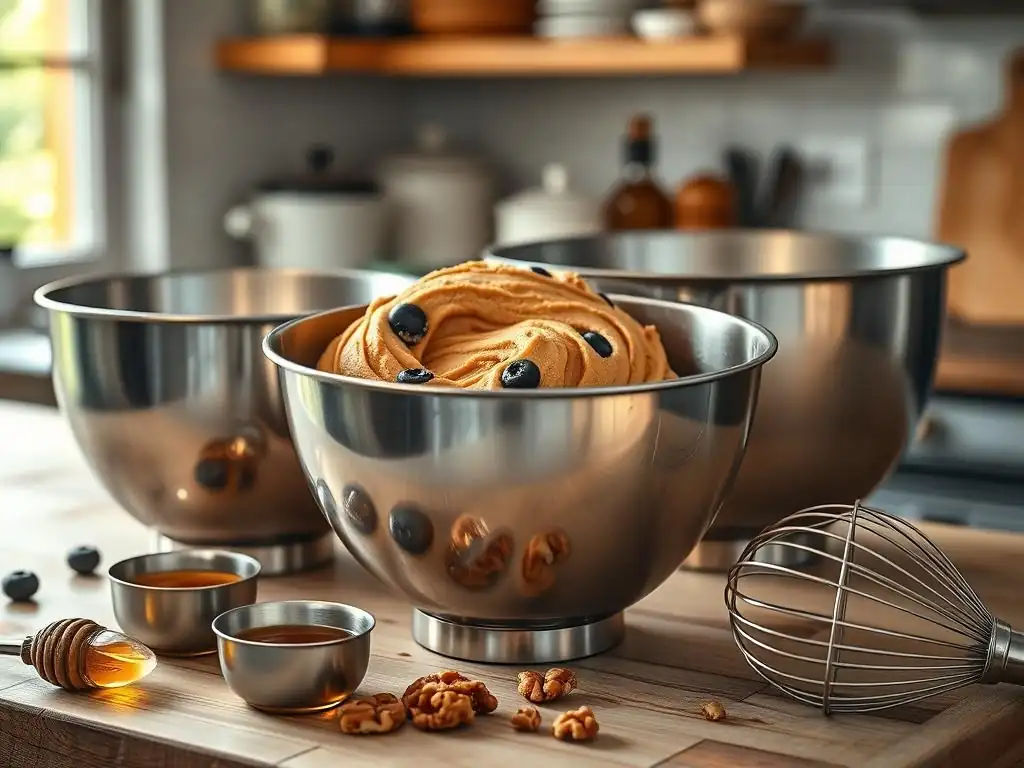
Having the right tools makes baking easier. For mixing muffin batter:
- Glass Mixing Bowls (non-reactive, easy to see ingredients, comes in sets)
- Stainless Steel Mixing Bowls (lightweight, durable, easy to clean)
- Melamine Mixing Bowls (lightweight, non-slip base often included)
Choose bowls large enough to comfortably mix the batter without spills, typically a set ranging from small to large is useful.
Recommended Muffin Tin for baking golden-brown muffins
A good muffin tin ensures even baking and browning.
- Non-stick Metal Muffin Tin (standard choice, easy release)
- Silicone Muffin Cups/Pan (flexible, very easy release, may require support on a baking sheet)
- Heavy-Duty Steel Muffin Tin (provides excellent heat distribution for even browning)
Using paper liners is also highly recommended for easy cleanup and removal, regardless of the tin type.
Mastering Sugar-Free Muffins: Tips and Tricks
Controlling Sweetness Levels in Sugar-Free Muffin Recipes
When using natural liquid sweeteners like honey, maple syrup, or date syrup as sugar substitutes in muffins, controlling the final sweetness can be a bit tricky as their sweetness intensity varies and is perceived differently than granulated sugar. Always start with a tested recipe designed for the specific sweetener you're using if possible. If adapting, begin with the recommended substitution ratio (e.g., 3/4 to 1 cup liquid sweetener per cup of sugar) and taste the raw batter (before adding eggs) to get an idea of the sweetness.
Remember that flavors intensify during baking, but sweetness can sometimes seem less pronounced in the final product compared to the batter. Adding extracts like vanilla, almond, or spices like cinnamon and nutmeg can enhance the perception of sweetness without adding more sugar. Pairing with naturally sweet ingredients like ripe bananas, applesauce, or dried fruit can also boost sweetness and moisture. Record your adjustments for future batches to perfect your ideal sweetness level for sugar-free muffins.
Achieving the Right Texture and Consistency Without Refined Sugar
Replacing refined sugar with liquid sweeteners requires careful attention to the balance of wet and dry ingredients to achieve the desired muffin texture – moist, tender, and not too dense or crumbly. Since honey, maple syrup, and date syrup add significant liquid, you must reduce other liquids in the recipe. Failure to do so is the most common cause of gummy or overly dense muffins.
The type of flour also plays a role. All-purpose flour is forgiving, but using whole wheat or alternative flours might require further adjustments to liquid or sweetener amounts. The fat content (butter, oil) is also important; it helps tenderize the crumb and prevent dryness, which can be a risk if liquid adjustments are too aggressive. Don't overmix the batter; this develops gluten and can lead to tough muffins, a risk amplified with the added moisture from liquid sweeteners. Mix just until the dry ingredients are incorporated.
Experimenting with Flavors: Complementing Honey, Maple Syrup, and Date Syrup in Muffins
Each of these natural sweeteners brings its own unique flavor profile that can be enhanced or complemented by other ingredients, moving beyond simple honey vs maple muffins debates to truly flavorful creations.
- Honey: Pairs beautifully with floral notes (lemon zest, lavender), fruits (berries, apples), oats, and nuts. Mild honeys work well with delicate flavors, while robust honeys complement spices and whole grains.
- Maple Syrup: A natural fit for warm spices (cinnamon, nutmeg, cloves), nuts (pecans, walnuts), pumpkin, sweet potato, and apple. Its caramel notes enhance baked goods with brown sugar flavors.
- Date Syrup: Complements spices like cardamom, cinnamon, and ginger. It pairs well with nuts, seeds, and whole grains. Its rich, fruity flavor works nicely in muffins with dried fruit like figs or apricots, or with chocolate.
Experimenting with these pairings will help you create sugar-free muffins that are not only less reliant on refined sugar but also bursting with complex, delicious flavors.
Conclusion: The Best Sugar Substitute for Your Muffins Based on Taste, Health, and Budget
Choosing the Right Sweetener for Your Baking Needs: Honey, Maple Syrup, or Date Syrup?
Deciding between honey, maple syrup, and date syrup for your muffins ultimately depends on your priorities regarding taste, perceived health benefits, and budget. If you desire a warm, distinct caramel-like flavor and are willing to invest a bit more, pure maple syrup is an excellent choice, perfect for classic maple muffins. If you prefer a versatile sweetener with varying flavor profiles, from mild to robust, and value moisture retention, honey is a fantastic option for creating soft, flavorful honey muffins.
If your priority is a sweetener with some fiber and minerals, and you enjoy a rich, fruity, molasses-like flavor, date syrup is a nutritious alternative for unique date syrup muffins. The debate of honey vs maple muffins is popular, but date syrup adds another compelling option to the mix.
Consider the other ingredients in your muffin recipe. Will the strong flavor of buckwheat honey overpower delicate blueberries? Would the rich taste of dark maple syrup complement pumpkin spice better than a mild honey? Does the unique fruitiness of date syrup pair well with walnuts and cinnamon? Often, the "best" sweetener is the one that best fits the specific flavor profile you are aiming for in your muffins. Don't be afraid to experiment with small batches to see which result you prefer.
Get Started: Your First Sugar-Free Muffin Recipe!
Ready to try substituting sugar in your muffins? Pick a simple, favorite muffin recipe and choose one of these three sweeteners to start with. If you're new to this, finding a recipe specifically developed for honey, maple syrup, or date syrup is the easiest way to begin, as the liquid and leavening adjustments will already be calculated. Look for a basic honey muffin recipe, a simple maple muffin guide, or a date syrup muffin starter.
Alternatively, try adapting a standard recipe using the conversion tips provided, starting with a small batch. Measure carefully, adjust liquids, monitor baking closely, and most importantly, have fun with the process! Baking with natural sweeteners opens up a world of new flavors and textures, allowing you to enjoy delicious muffins with a twist. Whether you lean towards honey, maple, or date syrup, your journey into sugar-substituted muffins is sure to be a sweet success.
Frequently Asked Questions
How does substituting honey for sugar affect the texture of muffins?
Honey introduces additional moisture, which can result in a softer, denser muffin. You may need to slightly reduce other liquids in the recipe.
Is there a noticeable difference in flavor when using maple syrup instead of sugar in muffins?
Yes, maple syrup imparts a distinct maple flavor that will be noticeable in your muffins. This adds a unique sweetness compared to plain sugar.
Can I use agave nectar as a direct 1:1 replacement for sugar in a muffin recipe?
Generally, agave is sweeter than sugar, so use a little less. It also adds moisture, potentially leading to a stickier texture if other ingredients aren't adjusted.
What are the key considerations when choosing between honey and maple syrup for muffins?
Consider the desired flavor profile and the impact on moisture levels. Honey and maple syrup both add unique flavors and affect the muffin's final texture.
What are some potential problems I might encounter when substituting sugar with liquid sweeteners like honey or maple syrup in muffins?
Common issues include muffins that are too dense or sticky due to increased moisture. Adjusting the liquid ingredients in the recipe is often necessary.
Final Reflection: The Sweet Truth About Muffin Alternatives
The quest for the perfect muffin, free from refined sugar's pitfalls, is a journey many home bakers undertake, and the results are surprisingly diverse. Choosing between honey, maple syrup, and agave nectar significantly impacts not only the final taste but also the nutritional profile and overall texture of your muffins. This exploration has highlighted the subtle yet significant differences between these natural sweeteners.
This investigation into alternative sweeteners has underscored the importance of understanding ingredient nuances beyond simple sugar substitution. The unique flavor profiles and varying levels of sweetness and moisture each sweetener contributes profoundly affect the final product. It's a reminder that baking isn't just about following a recipe; it's about understanding the interplay of ingredients and achieving a harmonious balance. The best recipes are those that tell a story, and the story is often found in the details.
Consider the implications of your sweetener choices. Will you embrace the robust, caramel notes of maple syrup, the delicate floral hints of honey, or the subtle sweetness of agave? The choice is yours, and each path leads to a unique and delicious muffin experience. Embrace the experimentation, savor the results, and discover your perfect muffin recipe – one that not only tastes incredible but also aligns with your personal preferences and health goals.
Unlock Your Muffin Mastery: Sweeten Your Baking!
Thanks for joining us on this delicious journey into the world of sugar substitutes! We hope you now feel confident in choosing the perfect sweetener for your next batch of muffins. Ready to put your new knowledge to the test?
- Bake your dream muffins today! Experiment with honey, maple syrup, or agave – the choice is yours! Note down your recipe modifications and results for future reference.
- Share your sweet creations! Post a picture of your muffins on social media and tag us – we’d love to see them!
- Consider swapping other sweeteners: What other baking recipes could you try with these alternatives? Explore the possibilities!
What's your favorite muffin recipe and which sweetener will you try first? Let's discuss in the comments below!