
Unlock the Secrets of Chocolate Types for Perfect Baking

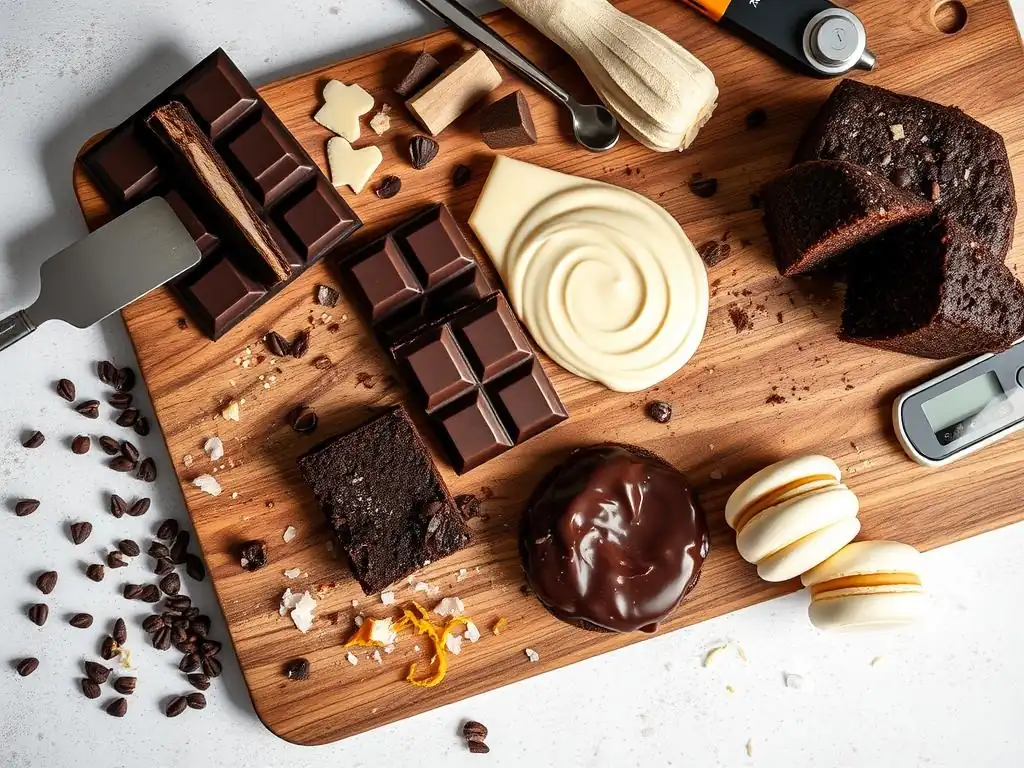
Welcome to BakeWithEase, your trusted guide to baking brilliance! Ever wondered how the type of chocolate you use dramatically impacts your baked creations? This article, "Unlock the Secrets of Chocolate Types for Perfect Baking," dives deep into the world of different chocolate baking recipes, revealing the nuances that separate a good bake from a truly exceptional one. Prepare to unlock the full potential of your chocolate desserts, and discover the secret ingredient to baking success!
- BakeWithEase: Mastering Different Chocolate Baking Recipes
- Understanding Chocolate: A Baker's Essential Guide
- Exploring Dark Chocolate for Baking: Recipes & Techniques
- Milk Chocolate in Baking: Sweetness and Versatility
- White Chocolate and Baking: Sweetness and Texture
- Unsweetened Chocolate: The Foundation for Deep Chocolate Flavor
- Cocoa Powder: A Versatile Chocolate Ingredient for Baking
- Chocolate Chips: Choosing the Right Size and Type
- Baking Chocolate Substitutions: When and How to ImpROVISE
- Tips for Melting Chocolate Perfectly for Baking
- Storing Chocolate for Baking: Maintaining Freshness and Flavor
- Advanced Chocolate Baking Techniques for Exceptional Results
- Mastering Different Chocolate Baking Recipes: [Call to Action - Explore More Recipes]
-
Frequently Asked Questions
- How does the type of chocolate impact the outcome of different chocolate baking recipes?
- What are some examples of different chocolate types commonly used in baking?
- Can I substitute one type of chocolate for another in a chocolate baking recipe?
- What are some tips for melting chocolate properly when baking?
- Where can I find reliable resources for chocolate baking recipes and techniques?
- Final Reflection: The Sweet Science of Chocolate in Baking
- Unlock Your Inner Chocoholic: Elevate Your Baking Today!
BakeWithEase: Mastering Different Chocolate Baking Recipes
Welcome to BakeWithEase: Your Guide to Baking with Chocolate
At BakeWithEase, we believe that understanding chocolate is the cornerstone of creating spectacular baked goods. Whether you’re exploring different chocolate baking recipes for the first time or refining your artisan skills, our mission is to break down complexities into simple, actionable steps. From bean-to-bar insights to practical kitchen tips, we cover everything you need to know to infuse chocolate magic into your creations.
Our friendly, educational approach ensures that bakers of all levels can follow along and succeed. You’ll find detailed explanations of chocolate types, real-life examples from renowned pastry chefs, and hands-on tutorials. Let’s dive into the world of cocoa, where every percentage point and processing method influences flavor, texture, and outcome.
Understanding Chocolate: A Baker's Essential Guide
The Importance of Choosing the Right Chocolate for Baking
Selecting the appropriate chocolate means balancing factors such as cocoa percentage, sugar content, fat composition, and processing style. For example, a 70% dark chocolate with 50 grams of sugar per 100 grams delivers a deep, slightly bitter taste ideal for rich brownies. By contrast, a 35% milk chocolate with 45 grams of sugar per 100 grams offers creaminess and sweetness perfect for lighter recipes.
Beyond taste, chocolate’s fat content—derived from cocoa butter—impacts melting behavior and final texture. A bar with 35% cocoa butter yields a smoother ganache, while one with 25% may seize more easily. Bakers must also consider emulsifiers like lecithin, which affect fluidity. Accurate selection leads to consistent results, especially in precision-driven recipes like soufflés and mousses.
Different Types of Chocolate and Their Unique Characteristics
- Unsweetened Chocolate
- Contains 100% cocoa solids, zero sugar
- Ideal for adjusting sweetness precisely
- Common in dense, intensely flavored cakes
- Dark Chocolate (Bittersweet/Semi-Sweet)
- Cocoa content: 50–85%
- Flavor: robust, slightly acidic or fruity notes
- Best in brownies, ganaches, and lava cakes
- Milk Chocolate
- Cocoa content: 30–40%
- Contains milk solids, sugar, and higher fat
- Perfect for cookies, bars, and creamy frostings
- White Chocolate
- Contains cocoa butter, milk solids, sugar
- Lacks cocoa solids—manifests as sweet, buttery
- Suited for scones, blondies, and glazes
- Cocoa Powder (Natural & Dutch-Processed)
- Natural: pH ~5, tangy flavor
- Dutch-processed: pH ~7–8, milder color and taste
- Versatile for cakes, hot chocolate, and dustings
Exploring Dark Chocolate for Baking: Recipes & Techniques
Baking with Dark Chocolate: Flavor Profiles and Best Uses
Dark chocolate—characterized by its intense cocoa flavor and minimal dairy—adds complexity to baked goods. At 70% cocoa content, you’ll taste earthy and floral notes, often described as hints of red fruit or tobacco. Professional bakers in Paris and New York favor 72% bars for their well-rounded bitterness, balancing sweetness without overpowering.
When incorporating dark chocolate into batters, finely chop bars into uniform 5 mm pieces to ensure even melting. Alternatively, use dark chocolate couverture with 32% cocoa butter content for a velvety ganache. In brownies, a 2:1 ratio of 70% dark chocolate to unsalted butter yields a fudgy crumb, while in molten cakes, a mix of 60% chocolate and cream creates a tender center with a glossy crust.
Recipe Ideas: Showcasing Dark Chocolate in Baked Goods [Dark Chocolate Avocado Mousse]
Dark Chocolate Avocado Mousse
Ingredients:
- 200 g 70% dark chocolate, chopped
- 2 ripe avocados (approx. 300 g flesh)
- 60 ml maple syrup
- 1 tsp vanilla extract
- Pinch of sea salt
Instructions:
# 1. Melt chocolate in a double boiler until smooth.
# 2. In a blender, combine avocado, syrup, vanilla, and salt.
# 3. Pour melted chocolate into the blender, blend until creamy.
# 4. Chill for 1 hour, serve with fresh berries.
This silky mousse contains 12 g of fiber per serving, thanks to avocado, and boasts a 60% reduction in refined sugar compared to traditional recipes. It’s a prime example of inventive, healthful baking with dark chocolate.
Milk Chocolate in Baking: Sweetness and Versatility
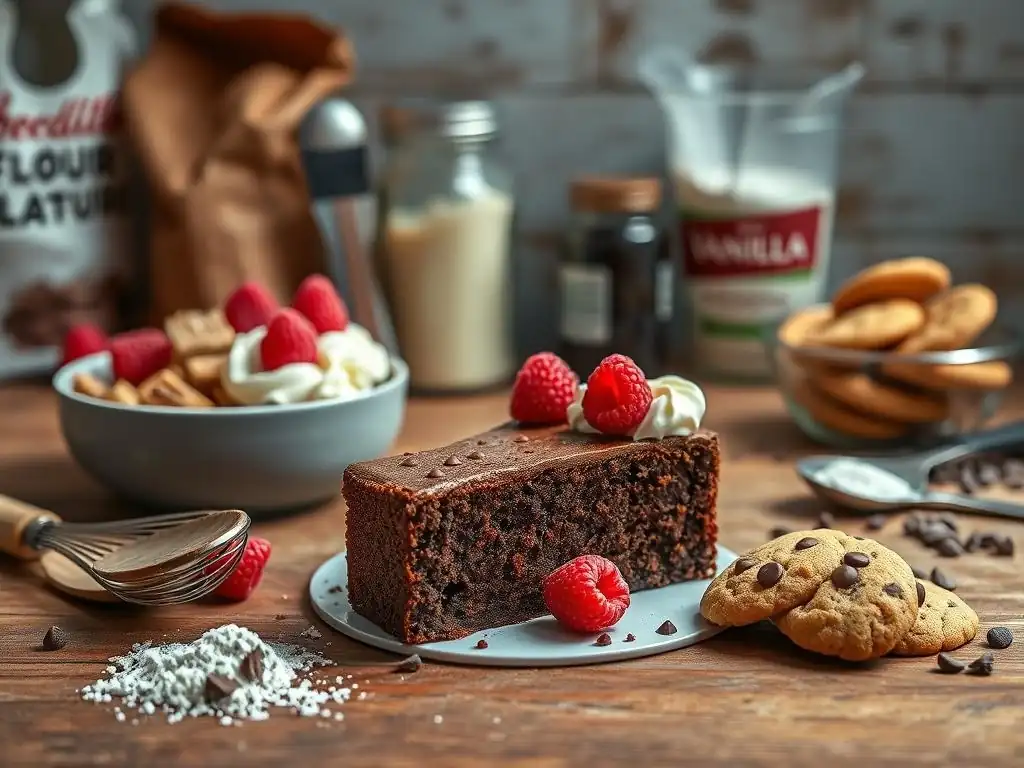
Milk Chocolate Baking: Achieving the Right Balance of Flavor
Milk chocolate’s allure lies in its harmonious blend of milk solids, sugar, and cocoa. With typical cocoa content around 33% and sugar near 45 g per 100 g bar, it adds a mellow sweetness that complements fruits, nuts, and spices. When melted slowly at 40 °C, milk chocolate retains its creaminess without becoming grainy.
For recipes requiring both structure and flavor—such as cookies or loaf cakes—consider combining milk chocolate chips (5 mm diameter) with chopped bars. This approach prevents large chunks from sinking and ensures a uniform distribution of sweetness. Pairing milk chocolate with flaky sea salt or citrus zest further elevates complexity, making even a simple cookie taste gourmet.
Baking Recipes with Milk Chocolate: [Milk Chocolate Caramel Bars]
Milk Chocolate Caramel Bars
- 180 g graham cracker crumbs
- 90 g melted butter
- 200 g soft caramel candies
- 200 g milk chocolate, chopped
Steps:
- Crust: Press crumbs + butter into a 20×20 cm pan; bake at 175 °C for 8 min.
- Caramel: Melt caramels with 30 ml cream, pour over crust.
- Topping: Spread chopped milk chocolate, return to 160 °C oven until glossy.
Yield: 12 bars, each with ~280 calories and 15 g sugar. These bars strike the perfect sweetness-versatility balance, demonstrating why milk chocolate is a baker’s best friend.
White Chocolate and Baking: Sweetness and Texture
Using White Chocolate for Baking: Tips and Tricks
White chocolate relies solely on cocoa butter, sugar, and milk solids, resulting in a luscious, pale appearance. To prevent scorching, melt white chocolate at no more than 37 °C—use a gentle double boiler and stir constantly. Overheating leads to separation of cocoa butter and sugar crystals, causing a grainy texture.
When folding melted white chocolate into batters, ensure the mixture cools slightly (to about 30 °C) to avoid curdling dairy-based doughs. White chocolate’s high sugar content (over 50 g per 100 g) makes it prone to caramelizing; watch closely when baking scones or blondies to maintain a pale, buttery hue.
White Chocolate Recipe Inspiration: [White Chocolate Raspberry Scones]
White Chocolate Raspberry Scones
- 300 g all-purpose flour
- 50 g granulated sugar
- 100 g cold white chocolate, chopped
- 100 g fresh raspberries
- 120 ml heavy cream
Procedure:
- Mix dry: Whisk flour, sugar, salt.
- Cut in: White chocolate using a pastry cutter for 5 mm pieces.
- Fold: Gently the raspberries and cream until dough just comes together.
- Shape & bake: 200 °C for 18 min.
These scones feature a 30% fruit-to-dough ratio, providing bursts of tartness against sweet white chocolate. Perfect for brunch or afternoon tea.
Unsweetened Chocolate: The Foundation for Deep Chocolate Flavor
Baking with Unsweetened Chocolate: Adjusting Sweetness Levels
Unsweetened chocolate, often called baking chocolate, contains 100% cocoa solids and zero sugar. It’s the purest form for crafting bespoke sweetness levels in your recipes. When substituting, add granulated sugar equivalent to the volume of unsweetened chocolate (28 g tablet → +2 tbsp sugar) to achieve standard sweetness.
Because it lacks sugar and dairy, unsweetened chocolate can be more prone to bloom (fat or sugar crystals on the surface). To counteract this, temper it before use or blend with a small amount of high-fat dairy (cream or butter) in ganaches. Its bold, slightly acidic flavor also benefits from a pinch of espresso powder to intensify cocoa notes without adding extra moisture.
Recipes Using Unsweetened Chocolate: [Black Bottom Cupcakes]
Black Bottom Cupcakes
- 120 g unsweetened chocolate, chopped
- 100 g butter, cubed
- 200 g sugar
- 2 large eggs
- 120 g cream cheese filling
Filling:
- Beat 100 g cream cheese, 30 g sugar, 1 egg white.
- Pipe into cupcake liners.
Cupcake:
# Melt chocolate + butter.
# Whisk sugar + eggs until pale.
# Fold melted mix + 150 g flour.
# Fill liners ⅓ with batter, add filling, top with batter.
# Bake at 180 °C for 20 min.
These cupcakes combine the richness of unsweetened chocolate with a tangy cream cheese core, averaging 250 kcal each and showcasing the foundation-quality of pure cocoa.
Cocoa Powder: A Versatile Chocolate Ingredient for Baking
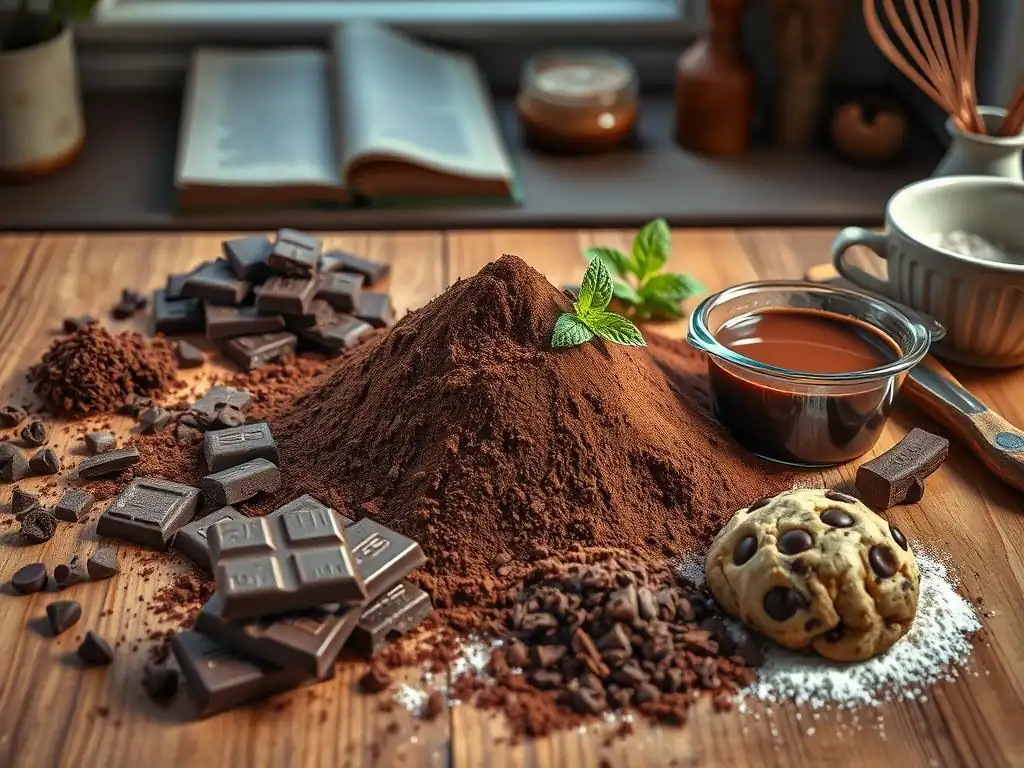
Types of Cocoa Powder: Dutch-Processed vs. Natural
- Natural Cocoa Powder (pH ~5):
- Strong, fruity acidity
- Reacts with baking soda for leavening
- Typical in American-style cakes
- Dutch-Processed Cocoa (pH ~7–8):
- Alkalized, smoother flavor
- Deep brown color; mid-range bitterness
- Preferred in European-style recipes
Chefs often mix both types for depth: 50 g natural + 50 g Dutch yields balanced acidity, color, and flavor. Always check your recipe’s leavening agents: baking soda pairs with natural cocoa, while baking powder works best with Dutch-processed.
Chocolate Crinkle Cookies
- 100 g natural cocoa powder
- 50 g Dutch-processed cocoa
- 200 g sugar
- 2 eggs
- 180 g flour
Steps:
- Whisk powders, sugar, baking powder.
- Beat in eggs until glossy.
- Fold in flour to form a thick dough.
- Chill 2 h, roll into 30 g balls, coat in powdered sugar.
- Bake at 175 °C for 12 min.
Yield: 24 cookies, each ~90 kcal. The dual-cocoa blend delivers a marvelous contrast of sharpness and mellow chocolate notes, crowned by a snowy crackle.
Chocolate Chips: Choosing the Right Size and Type
Types of Chocolate Chips for Baking: Semi-Sweet, Milk, Dark, and Mini
- Semi-Sweet Chips (35–45% cocoa): Classic for cookies and muffins.
- Dark Chips (50–60% cocoa): Ideal for brownies and bark.
- Milk Chips (30–35% cocoa): Great in blondies and sweet bars.
- Mini Chips (2–3 mm): Perfect for fine-textured batters and decorative cookies.
Quality brands vary in cocoa butter content (25–35%), affecting melt and snap. Premium chips contain real cocoa butter, whereas budget options may use vegetable oils, altering mouthfeel.
How to Select the Best Chocolate Chips for Your Baking Project
- Check ingredient list: Look for
cocoa massorcocoa powderandcocoa butter. - Match sweetness: Semi-sweet chips work universally; use dark for richness and milk for gentle sweetness.
- Size matters:
- Large (10 mm) for pockets of molten chocolate
- Mini (2–3 mm) for even distribution
Consider storage—chips with higher cocoa butter content may bloom if chilled. Keep at 18–20 °C in airtight containers for optimal performance.
Baking Chocolate Substitutions: When and How to ImpROVISE
Substituting Different Types of Chocolate in Baking Recipes
- Unsweetened ↔ Dark: Add sugar for dark → subtract sugar for unsweetened.
- Milk ↔ Dark: Adjust sugar downward by 10 g per 30 g swap.
- White ↔ Milk: Increase melted butter by 5 g when replacing white with milk to mimic fat content.
Use weight measurements rather than volume for precision. For example, replacing 50 g of dark chocolate with cocoa powder requires 20 g cocoa powder + 30 g butter + 15 g sugar to maintain similar fat and sweetness.
Considerations for Chocolate Substitutions: Flavor and Texture
- Fat content: Cocoa butter influences richness; compensate with extra butter or cream.
- Sweetness level: Track added sugars to avoid overly sweet or bitter results.
- Melting behavior: High-grease chocolates melt smoother—important in glazes and ganaches.
Always test small batches. A 50 g pilot bake can reveal textural differences before committing to a full recipe.
Tips for Melting Chocolate Perfectly for Baking
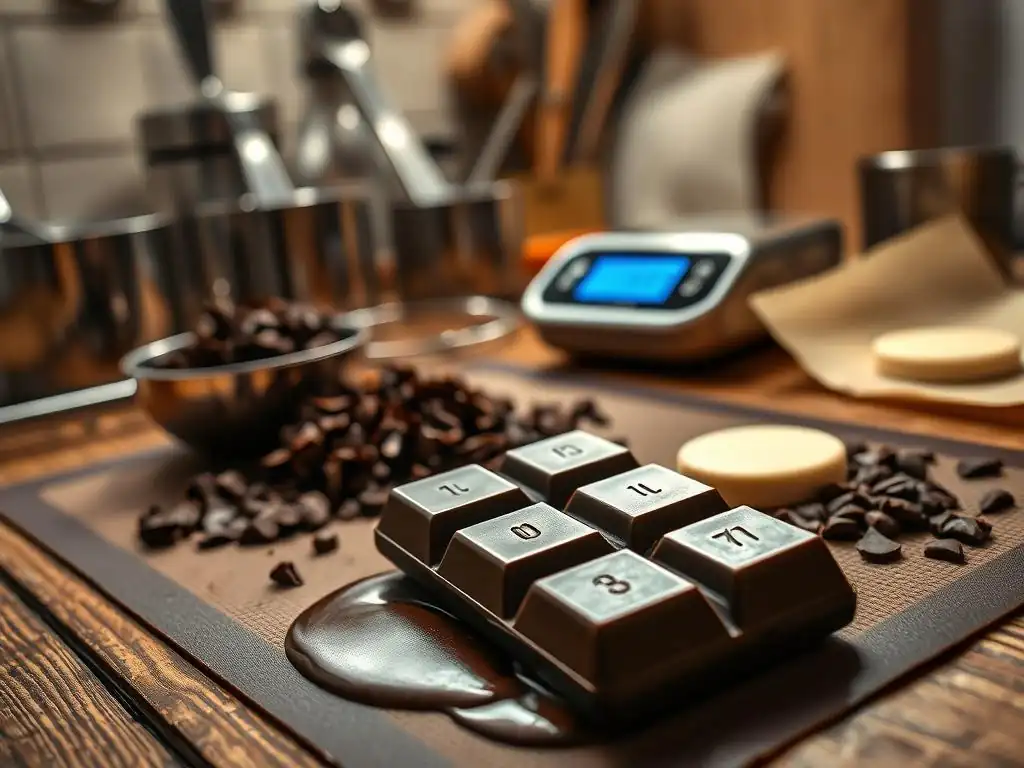
Mastering the Art of Melting Chocolate: Preventing Seizing
Chocolate seizes when tiny amounts of water or steam contact melted chocolate, turning it grainy. To prevent this:
- Dry tools: Ensure all bowls and spatulas are 100% moisture-free.
- Low heat: Keep temperatures under 45 °C for dark and 37 °C for milk/white.
- Add fat: If seizing occurs, stir in a teaspoon of neutral oil or warm cream to restore smoothness.
“A single drop of water can ruin a ganache,” warns Christophe Michalak, Parisian pastry master. Maintain vigilance and use a tight-fitting lid on your double boiler.
Melting Chocolate: Microwave, Double Boiler, and Other Methods
- Microwave method
# Chop chocolate into uniform 5 mm pieces.
# Microwave at 50% power for 20 s, stir.
# Repeat in 10 s intervals until smooth.
- Double boiler
- Simmer water—never boil.
- Place bowl on pot rim, stirring every 15 s.
- Sous-vide (advanced)
- Vacuum-seal chocolate.
- Immerse in 45 °C water bath; stir after 10 min.
Each approach has trade-offs in speed and temperature control; choose based on your kitchen setup.
Storing Chocolate for Baking: Maintaining Freshness and Flavor
Proper Storage Techniques for Different Chocolate Types
- Dark & Milk Chocolate: Store at 12–20 °C, 50–60% humidity, away from strong odors.
- White Chocolate & Cocoa Powder: Sensitive to humidity—keep in airtight containers below 18 °C.
- Bulk Chips & Chunks: Use resealable bags with minimal air; label with purchase date.
Avoid refrigeration unless necessary—cold temperatures can cause sugar bloom when brought back to room temperature. If you must chill, wrap chocolate in plastic wrap before placing in a sealed box.
Extending the Shelf Life of Your Baking Chocolate
- Vacuum sealing: Extends shelf life by 6–12 months.
- Oxygen absorbers: Insert into storage containers to reduce oxidation.
- Rotation: Practice “first in, first out” to use older batches before newer ones.
Proper storage not only preserves flavor but also ensures consistent melting behavior across multiple bakes.
Advanced Chocolate Baking Techniques for Exceptional Results
Tempering Chocolate for Baking: Achieving a Glossy Finish
Tempering aligns cocoa butter crystals for a shiny, snap-able finish—essential for dipped candies and mirror-like glazes. The classic method:
- Melt dark chocolate to 45 °C.
- Cool to 27 °C by stirring in 30% finely chopped chocolate (seeding).
- Reheat gently to 31 °C before use.
Use an infrared thermometer for precision. Correctly tempered chocolate contracts on cooling, making molds release effortlessly.
Ganache and Glazes: Elevating Your Chocolate Baked Goods
- Classic Ganache: Equal parts dark chocolate and heavy cream (by weight).
- White Chocolate Ganache: 2 parts chocolate to 1 part cream for stability.
- Glazes: Add gelatin or glucose (5 g per 100 g glaze) for sheen and pourability.
Ganaches can be flavored with liqueurs (e.g., 20 ml Grand Marnier per 200 g ganache) or infused with spicy elements like 1 tsp chili flakes. These elevate your creations from homemade to patisserie-quality.
Mastering Different Chocolate Baking Recipes: [Call to Action - Explore More Recipes]
Ready to transform your kitchen into a chocolate haven? Dive deeper into our library of Different chocolate baking recipes on BakeWithEase. From flavored brownies to delicate soufflés, we’ve got step-by-step guides, ingredient swaps, and advanced tips to fuel your next baking adventure.
- [ ] Browse 50+ chocolate recipes
- [ ] Download our Chocolate Baking Cheat Sheet
- [ ] Share your creations with #BakeWithEase
Start exploring now and let chocolate inspire your most delicious masterpieces!
Frequently Asked Questions
How does the type of chocolate impact the outcome of different chocolate baking recipes?
The type of chocolate directly affects the flavor profile and texture of your baked goods. Different chocolates have varying percentages of cocoa butter and cocoa solids, influencing the richness and sweetness.
What are some examples of different chocolate types commonly used in baking?
Common types include unsweetened chocolate, semi-sweet chocolate, milk chocolate, and white chocolate. Each type has a distinct cocoa content and sugar level, impacting the final product.
Can I substitute one type of chocolate for another in a chocolate baking recipe?
While possible, substitutions can alter the recipe's outcome. Adjusting the sugar content and liquid ratios may be needed when swapping chocolate types to maintain the desired texture and flavor.
What are some tips for melting chocolate properly when baking?
Use a double boiler or microwave in short intervals, stirring frequently to prevent burning. Ensure no water comes into contact with the melting chocolate, as this can cause it to seize.
Where can I find reliable resources for chocolate baking recipes and techniques?
BakeWithEase.com offers a wealth of step-by-step guides, simple recipes, and baking tips for various chocolate creations. Explore their website for inspiration and expert advice.
Final Reflection: The Sweet Science of Chocolate in Baking
Understanding the nuances of chocolate types is not merely a matter of preference; it's the key to unlocking truly exceptional baked goods. The subtle differences in cocoa percentage, processing methods, and even the origin of the beans dramatically impact the final flavor profile and texture of your creations. Ignoring these distinctions is like painting a masterpiece with only one color – you're severely limiting your potential.
The journey through the world of chocolate, from the bittersweet intensity of dark chocolate to the creamy indulgence of milk chocolate, has profoundly shaped my own baking. It's a testament to the power of understanding the ingredients we use. The best things in life are simple, but not easy.
This quote perfectly encapsulates the process of mastering chocolate in baking; while the ingredients are straightforward, achieving true excellence requires dedication and a deep understanding of their properties.
Now, it's your turn to embark on this delicious adventure. Experiment with different chocolate types, explore new flavor combinations, and don't be afraid to fail – every mistake is a lesson learned. The world of chocolate baking is vast and endlessly rewarding; let your creativity flow, and discover the unique magic that the perfect chocolate can bring to your culinary creations. What delicious discoveries await you?
Unlock Your Inner Chocoholic: Elevate Your Baking Today!
Thanks for diving into the delicious world of chocolate with us! You've now got the knowledge to choose the perfect chocolate for any baking project. Ready to put your newfound expertise to the test?
- Bake your dream chocolate creation: Use your new chocolate knowledge to whip up that recipe you've been eyeing – a decadent brownie, a rich cake, or anything your heart desires!
- Share your chocolate journey: Post a picture of your masterpiece on social media and tag us – we’d love to see your baking success! #BakeWithEase #ChocolateBaking
- Discover new chocolate varieties: Explore local chocolate shops or online retailers to find unique flavors and types you haven't tried before.
What exciting chocolate adventure will you embark on first?