
The Mystery of the Cake That Won't Bake in the Middle

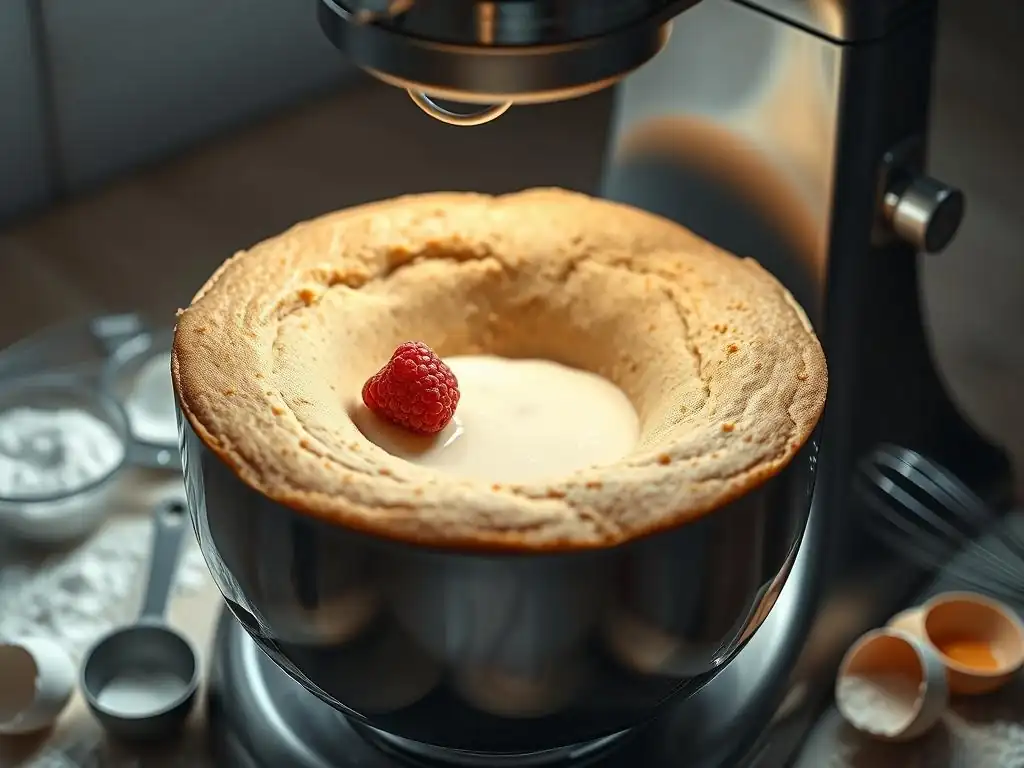
Welcome to BakeWithEase, your trusted guide to baking bliss! Ever wondered why your cake sinks in the center, defying your best efforts? Unravel the secrets behind perfect cake baking with our expert tips and tricks. Prepare to transform your baking from frustrating to fabulous – let's conquer that sunken cake together!
- Troubleshooting Why Your Carrot Cake Sinks in the Middle
- Understanding the Common Problem: Why Does My Carrot Cake Sink?
- Diagnosing Your Carrot Cake: Identifying the Specific Cause
- Solutions for a Perfectly Baked Carrot Cake
- Advanced Troubleshooting: Addressing Less Common Causes
- Bake a Perfect Carrot Cake Every Time
- Share Your Carrot Cake Successes and Challenges!
- Frequently Asked Questions
- Final Reflection: The Enduring Allure of a Perfectly Baked Cake
- Unlock Your Perfectly Baked Cake Secrets!
Troubleshooting Why Your Carrot Cake Sinks in the Middle
Understanding the Common Problem: Why Does My Carrot Cake Sink?
Few things are more disheartening in baking than pulling a beautiful cake from the oven, only to watch its center slowly collapse. When it comes to a rich, moist favorite like carrot cake, a sunken middle is a surprisingly common frustration. This issue, often described by bakers asking "Why cake sinks center? ", points to an internal structural failure during the baking process. It means the cake's framework didn't set correctly before cooling, leading to a dense, unbaked, or gummy section right where you want it to be light and fluffy.
The sinking center is a clear indicator that something went awry while the cake was in the oven or immediately after. It's a sign that the heat didn't penetrate evenly, the leavening agents didn't perform their job throughout the batter, or the cake simply wasn't given enough time or the right conditions to finish baking through. Understanding the root cause is the first step to preventing this problem and achieving that perfect, evenly baked crumb in your next carrot cake.
Identifying the Culprit: Common Reasons for a Carrot Cake Sinking
Undercooking: The Primary Cause of a Soggy Center
Undercooking is perhaps the most frequent reason behind a sunken cake center. When a cake is removed from the oven before the batter in the middle has reached the temperature required to set its structure, that unset portion lacks the rigidity to support the rest of the cake as it cools. This often happens because the outside edges appear done, perhaps even browned, while the denser center, especially in a moist cake like carrot cake, lags behind in cooking time.
The result is a tell-tale dip in the middle, accompanied by a wet, gooey, or gummy texture when you slice into it. For a standard 9x13 inch carrot cake baked at 350°F (175°C), the center needs to reach an internal temperature typically between 200-210°F (93-99°C) to be considered fully baked and structurally sound. Removing it even a few degrees below this point can lead to collapse.
Too Much Moisture from Carrots or Other Ingredients
Carrot cake, by its nature, is a moist cake, thanks to the grated carrots, oil, and often buttermilk or applesauce. However, an excess of moisture can weigh down the batter and increase the baking time needed for the center to set. If a recipe calls for a large quantity of grated carrots, or if the carrots aren't properly drained (especially if using very fresh, juicy carrots), the extra liquid introduces a significant challenge for the oven's heat to penetrate and solidify the center before the edges dry out.
Consider a recipe that uses 3 cups of grated carrots for a loaf pan compared to one using 1 cup for the same size pan. The higher volume of moisture-rich carrots in the first example will require a longer, potentially lower-temperature bake to ensure the center cooks through without burning the outside. This imbalance of liquid to dry ingredients, or simply using ingredients with unexpectedly high moisture content, directly contributes to why cake sinks center.
Oven Temperature Issues: Inaccurate Temperatures and Their Impact
An inaccurate oven temperature is a silent saboteur in baking. If your oven runs cooler than the dial indicates, your cake will bake slower than expected. This prolonged baking time can lead to the edges drying out while the center is still raw, or it might simply not provide enough heat energy in the allotted time to fully set the dense middle of a carrot cake. Conversely, an oven that runs too hot can cause the edges and top to set and brown rapidly, giving the illusion of doneness while the inside remains undercooked.
Think about a recipe tested at a true 350°F (175°C). If your oven is only reaching 325°F (160°C), the leavening reaction might be slower, and the heat penetration significantly reduced, especially in the center of a thick cake. This discrepancy means the cake needs much longer to bake through, and pulling it out at the time suggested by the recipe (which assumed the correct temperature) will inevitably result in an underbaked, sunken middle.
Overmixing the Batter: Gluten Development and Cake Structure
While not as common a cause for sinking in the middle as undercooking or moisture, overmixing can contribute to poor cake structure, making it more susceptible to collapse. When you mix wheat flour with liquid, gluten begins to develop. In cakes, we want minimal gluten development to ensure a tender crumb. Overmixing, especially after adding the flour, develops too much gluten, resulting in a tough, dense texture.
A dense, overmixed batter doesn't rise as well and can be harder for heat to penetrate evenly. This can exacerbate issues like undercooking in the center. Imagine the difference between a light, airy batter and a thick, ropey one; the heat will travel much more easily through the former. While overmixing might not always cause a sink, it definitely compromises the overall structure and can worsen other problems that do lead to why cake sinks center.
Incorrect Pan Size: Affecting Baking Time and Heat Distribution
Using a cake pan that is too small for the amount of batter is another significant factor. When too much batter is poured into a pan, the cake bakes up much thicker and taller than the recipe intended. This increased volume means heat has a longer distance to travel to reach the center of the cake. The edges and top will likely bake and set long before the heat fully penetrates the deep center.
For instance, putting batter meant for a 9x13 inch pan into two 8-inch round pans will result in much thicker cakes. These thicker cakes require a longer baking time, often at a slightly lower temperature, to ensure the center cooks through without the edges burning. If you bake them for the time specified for the original pan size, the center will almost certainly be undercooked, leading to the classic sunken middle – a clear answer to why cake sinks center in this scenario.
Diagnosing Your Carrot Cake: Identifying the Specific Cause
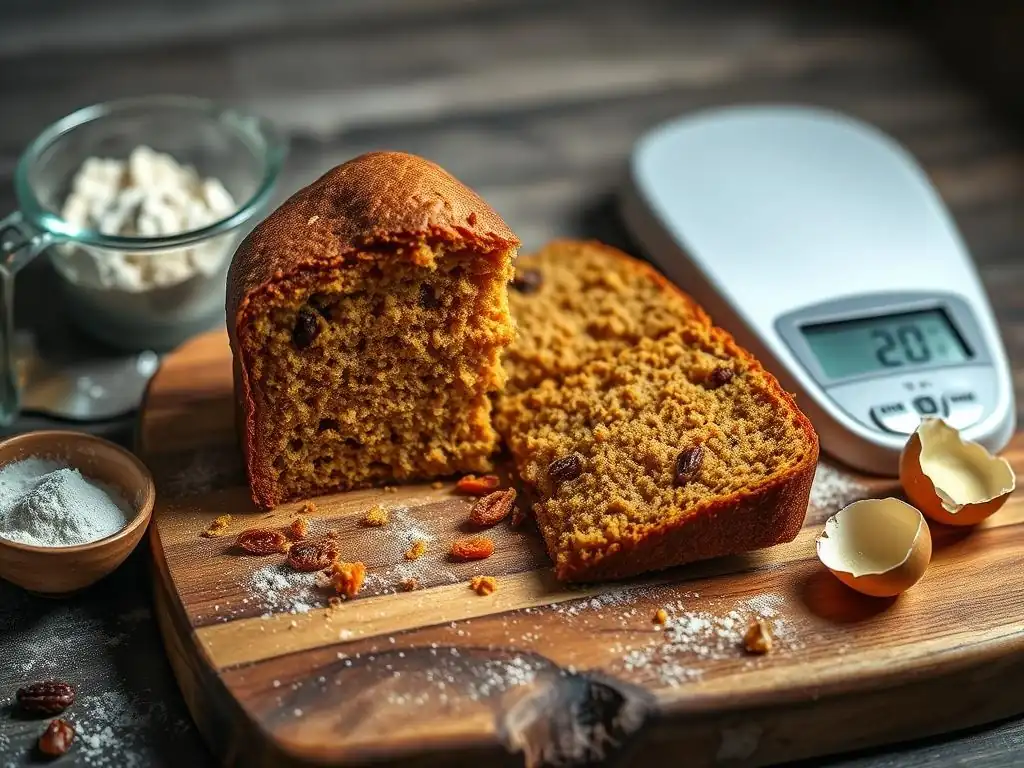
When faced with a sunken carrot cake, it's time to play detective. The key is to systematically review your process and ingredients to pinpoint exactly why cake sinks center in your specific situation. This involves looking closely at the recipe itself, your oven's performance, and your baking techniques.
Start by considering the symptoms. Was the center completely raw and liquidy, or just dense and slightly moist? Did the edges seem overbaked? Did the cake rise beautifully and then collapse suddenly after coming out of the oven? These clues can help narrow down the potential culprits. A completely raw center points strongly to undercooking or severe oven temperature issues, while a cake that sinks after cooling might indicate insufficient structural support (possibly related to leavening or overmixing) or being moved too soon.
Recipe Analysis: Evaluating Carrot Content and Moisture Levels
Take a close look at the recipe you used. How much grated carrot does it call for relative to the flour? Recipes with a very high proportion of wet ingredients (carrots, pineapple, applesauce, oil, etc.) naturally require more careful baking. For example, a recipe using 4 cups of grated carrots and a full can of crushed pineapple for a single 9x13 cake is adding substantial moisture and weight compared to a drier recipe.
- Did you use the exact amount of carrots specified?
- Were the carrots very finely grated (which releases more moisture)?
- Did you drain any excess liquid from additions like crushed pineapple or applesauce?
Sometimes, variations in ingredient moisture (e.g., very fresh, juicy carrots vs. slightly older ones) can subtly affect the outcome. While you can't get exact figures without laboratory testing, comparing your recipe's ratios to other standard carrot cake recipes can give you a hint if moisture might be an excessive factor contributing to why cake sinks center.
Oven Check: Verifying Accurate Temperature and Consistent Heat
Your oven's temperature is critical. Relying solely on the oven's built-in thermostat can be misleading, as they are often inaccurate. A simple oven thermometer, placed in the center of your oven, provides a real-time reading of the actual temperature. This is perhaps the most crucial diagnostic tool for understanding why cake sinks center.
- Place an oven thermometer inside your oven.
- Preheat the oven to the temperature specified in your recipe (e.g., 350°F or 175°C).
- Check the thermometer reading after the oven has preheated for at least 15-20 minutes.
- Is the actual temperature significantly different from the setting? A difference of 25-50°F (approx. 15-30°C) is common and can drastically impact baking time and evenness.
Also, consider if your oven has hot spots. Some ovens heat unevenly. If one side of your cake consistently browns faster, it might indicate uneven heat distribution, which can also contribute to the center not receiving enough heat.
Baking Technique Review: Assessing Mixing Methods and Batter Consistency
Think back to how you prepared the batter. Did you follow the mixing instructions precisely? Many cake recipes use the "creaming" method (beating butter and sugar) or the "reverse creaming" method (mixing dry ingredients, then cutting in fat, then adding wet). Overmixing the batter, especially after the flour is added, can develop too much gluten, leading to a tough texture and potentially hindering even baking.
- Did you mix only until the ingredients were just combined?
- Did you scrape down the sides of the bowl?
- Was the batter consistency as expected (smooth, thick but pourable)?
Even how you incorporate the grated carrots and other add-ins matters. Dumping them all in at once and beating them vigorously can also contribute to overmixing. Gentle folding is usually recommended at the final stage. Reflecting on these steps can help identify if technique played a role in why cake sinks center.
Solutions for a Perfectly Baked Carrot Cake
Now that you've diagnosed the potential causes, let's look at actionable solutions to ensure your next carrot cake bakes beautifully with a perfectly set center. Addressing the most likely culprits first will give you the best chance of success.
Adjusting Baking Time and Temperature for Even Baking
If undercooking or oven inaccuracies were the issue, adjusting your baking approach is key. Don't rely solely on the recipe's suggested baking time. It's a guideline, but factors like your specific oven, pan material, and even the temperature of your ingredients can affect the actual time needed.
- Start checking for doneness before the minimum time stated in the recipe.
- Use visual cues (edges pulling away, golden brown color) in conjunction with the toothpick test.
- If your oven runs cool, slightly increase the baking time or consider increasing the temperature by 10-15°F (approx. 5-8°C) after verifying with an oven thermometer. If it runs hot, slightly decrease the temperature (e.g., bake at 340°F/170°C instead of 350°F/175°C) and potentially increase baking time.
The Toothpick Test: Knowing When Your Cake is Done
The toothpick test is the classic method for checking cake doneness. Insert a wooden skewer or toothpick into the center of the cake. For carrot cake, it should come out with moist crumbs attached, but no wet batter. If it comes out clean, it might even be slightly overbaked, especially if you're aiming for maximum moisture.
A toothpick that comes out wet indicates the center is still undercooked. Return the cake to the oven for a few more minutes (start with 5-7 minutes) and test again. This iterative process is crucial, especially for dense cakes like carrot cake, to ensure the center sets without drying out the edges. This simple test is your best defense against why cake sinks center due to undercooking.
Oven Thermometers: Ensuring Accurate Temperature Readings
As mentioned in the diagnosis section, an oven thermometer is invaluable. Place one in your oven and note the difference between the set temperature and the actual temperature. This discrepancy explains a lot about why cakes might take longer or shorter to bake than expected.
Once you know how your oven performs, you can adjust accordingly. If your oven reads 25°F (approx. 15°C) low, set it 25°F higher than the recipe calls for. If it reads 25°F high, set it 25°F lower. This simple tool eliminates a major variable and helps prevent issues like why cake sinks center due to incorrect heat.
Managing Moisture Content: Achieving the Right Balance
If excess moisture is suspected, you can take steps to mitigate it in future bakes. This doesn't mean making a dry cake, but rather controlling the variables you can.
Draining Excess Moisture from Grated Carrots
Carrots contain a lot of water. If your recipe uses a large quantity or you use particularly fresh, juicy carrots, consider gently squeezing the grated carrots in a clean tea towel or cheesecloth to remove some of the excess liquid before adding them to the batter. Don't wring them dry, just remove the obvious excess.
Another approach is to let the grated carrots sit in a sieve for 10-15 minutes before using them. This allows some liquid to drain off naturally. This small step can make a difference in the overall moisture load the cake needs to handle during baking, helping prevent why cake sinks center.
Adjusting Liquid Ingredients: Reducing Milk or Oil
If your recipe consistently produces a sunken center despite proper baking time and temperature, the overall liquid ratio might be too high for your oven or climate. As a last resort, you could try slightly reducing one of the liquid ingredients, such as the oil or buttermilk, by a tablespoon or two in future attempts.
- Example: If a recipe calls for 1 cup of oil, try using 7/8 cup next time.
- Example: If using buttermilk, try reducing it by 1-2 tablespoons.
Make only small adjustments at first, as too little moisture can result in a dry cake. This is a trial-and-error process, but it can help if the issue is fundamentally related to an overly wet batter struggling to set.
Mastering Mixing Techniques: Avoiding Overmixing
Proper mixing ensures the batter develops just enough structure without becoming tough or dense. Follow the recipe's instructions carefully regarding when to add wet and dry ingredients and for how long to mix.
Gently Folding in Carrots and Nuts: Preserving Air and Texture
Once the main batter is mixed, add solid ingredients like grated carrots, nuts, or raisins using a spatula or wooden spoon, not the electric mixer. Fold them in gently until they are just evenly distributed.
This folding action prevents overworking the batter (which develops gluten) and also avoids crushing the ingredients, which can release more moisture or break down air bubbles incorporated earlier. Gentle handling at this stage contributes to a lighter crumb and helps prevent density issues that can contribute to why cake sinks center.
Knowing When to Stop Mixing: Preventing Gluten Overdevelopment
For most standard cake recipes using wheat flour, you should stop mixing as soon as the last streaks of dry ingredients disappear. A few small lumps of flour are acceptable. Continuing to mix "just to be sure" is a common mistake that leads to overdeveloped gluten.
The batter should look relatively smooth but not overly elastic or gluey. This minimal mixing approach, often called the "muffin method" when dry and wet ingredients are combined separately before mixing, is crucial for tender cakes and helps ensure even heat penetration, reducing the risk of why cake sinks center.
Choosing the Right Pan Size: Matching Pan Size to Recipe Volume
Using the correct pan size is non-negotiable for even baking. Recipes are developed assuming a certain depth of batter in a specific pan, which dictates the baking time and temperature.
Pan Size Conversions: Adapting Recipes to Different Pans
If you need to use a different pan size than specified, consult a reliable pan conversion chart. These charts provide guidance on how to adjust baking time and temperature. For example, baking a recipe meant for a 9x13 inch pan in two 8-inch rounds will require a longer baking time (often 35-45 minutes instead of 25-35 minutes) and sometimes a slightly lower temperature (e.g., 325°F/160°C instead of 350°F/175°C) to ensure the thicker cakes cook through.
Using a pan that is too large will result in a thin, dry cake, while one that is too small will lead to overflow and, critically, a deep center that struggles to bake through, explaining why cake sinks center in this situation.
Using Baking Strips: Promoting Even Baking
Baking strips (like Wilton Bake Even Strips) are fabric strips that you soak in water and wrap around the outside of your cake pan. They work by insulating the edges of the pan, slowing down how quickly they heat up. This allows the center of the cake more time to rise and set before the edges are fully baked.
These strips are particularly useful for larger or deeper cakes where the edges are prone to overbaking before the center is done. They promote a more level top and can help prevent the edges from setting too quickly and pulling away, which can sometimes contribute to a sunken middle by creating uneven heat distribution.
Advanced Troubleshooting: Addressing Less Common Causes
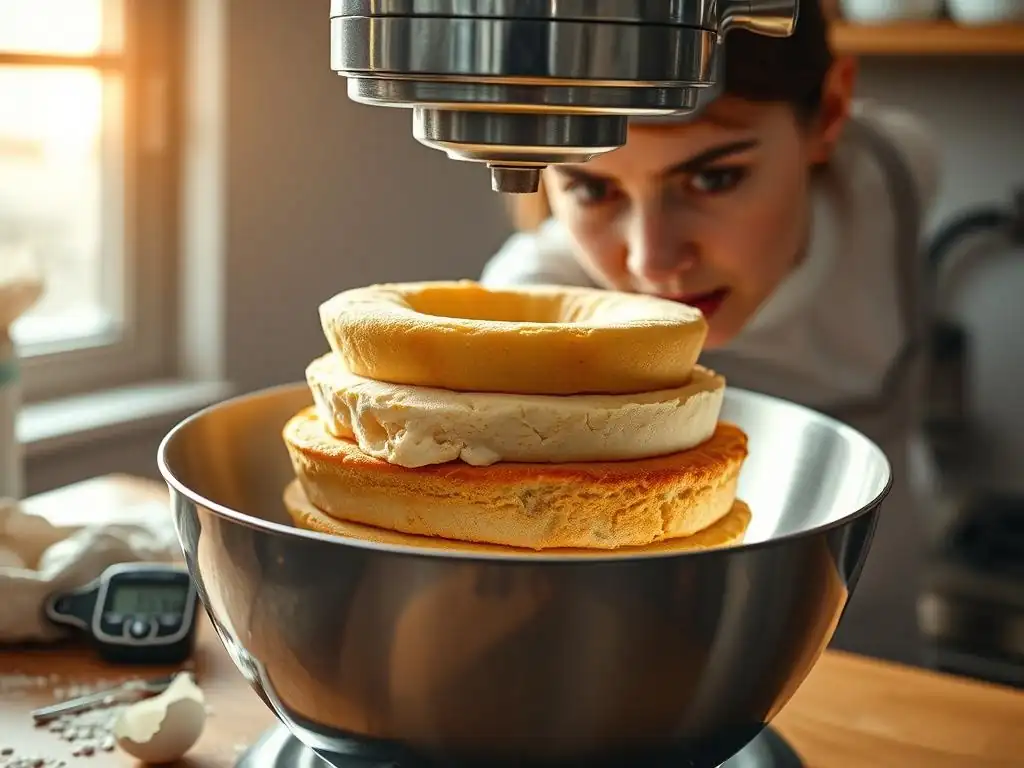
While undercooking, moisture, oven issues, mixing, and pan size cover the vast majority of cases explaining why cake sinks center, a few less common factors can also play a role.
Altitude Adjustments: Baking at High Altitudes
Baking at high altitudes (typically above 3,000 feet or 900 meters) presents unique challenges. Lower atmospheric pressure causes cakes to rise faster, and liquids evaporate more quickly. If a standard recipe isn't adjusted, the cake can rise too quickly before the structure is set, leading to collapse.
Common high-altitude adjustments include:
- Reducing baking powder/soda slightly (e.g., by 1/4 to 1/2 teaspoon per teaspoon).
- Increasing liquid slightly (e.g., by 1-2 tablespoons).
- Increasing flour slightly (e.g., by 1-2 tablespoons).
- Increasing oven temperature by about 15-25°F (approx. 8-15°C) and reducing baking time.
These adjustments help slow the rise, strengthen the structure, and compensate for faster evaporation, preventing why cake sinks center in high-altitude environments.
Oven Hot Spots: Rotating Your Cake for Even Baking
As mentioned earlier, some ovens have uneven heating. If you notice one side of your cake consistently browns faster than the other, rotating the cake pan halfway through the baking time can help.
Carefully open the oven door, quickly turn the pan 180 degrees, and close the door gently to avoid deflating the rising cake. This ensures all sides of the cake receive equal exposure to heat, promoting more even baking and reducing the risk of an undercooked center due to localized cooler spots.
Ingredient Quality: Freshness and Impact of Baking Powder/Soda
The freshness of your leavening agents (baking powder and baking soda) is critical. If they are old or expired, they may not produce enough gas to properly lift the cake, resulting in a dense structure that is more prone to sinking.
Test your baking powder by adding a teaspoon to hot water; it should fizz vigorously. Test baking soda by adding a teaspoon to vinegar; it should also fizz. If there's little reaction, replace them. Using fresh, active leavening is fundamental to a cake's rise and structure, and stale leavening can contribute to why cake sinks center. Ensure other ingredients like flour and oil are also fresh and stored properly.
Bake a Perfect Carrot Cake Every Time
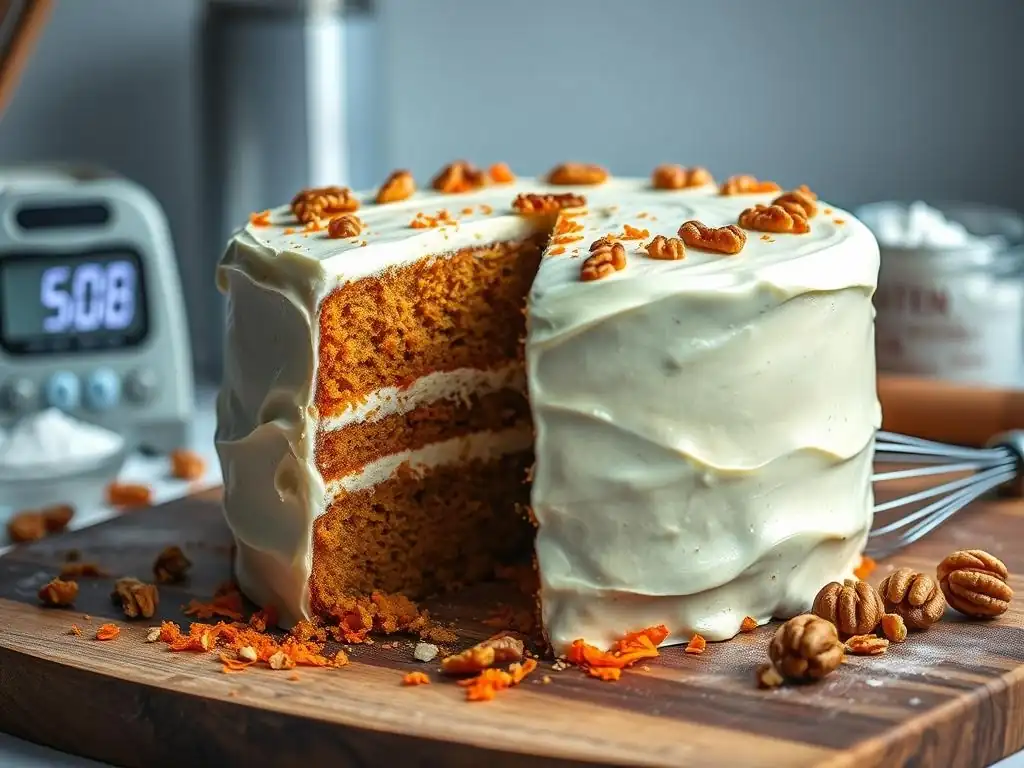
Troubleshooting why cake sinks center might seem daunting, but by systematically checking your recipe, ingredients, oven, and technique, you can identify the issue and take steps to correct it. Often, it's a combination of factors, but addressing the most common ones first (undercooking and oven temperature) usually solves the problem. Happy baking!
Frequently Asked Questions
Why does my cake sink in the center after baking?
A sunken cake center is often due to the cake not being fully baked. This can be caused by an oven temperature that's too low or removing the cake from the oven too early.
Can overmixing the batter cause my cake to sink?
Yes, overmixing develops too much gluten, leading to a tough cake that can collapse in the middle. Mix only until the ingredients are just combined.
Does using the wrong pan size impact cake sinking?
Absolutely! Using a pan that's too small can cause the cake to overflow and sink. A pan that's too large can cause the cake to bake unevenly.
Could adding too much liquid lead to a sunken cake?
Excess liquid can weaken the structure of the cake, making it prone to sinking. Always measure ingredients accurately, especially liquids.
How can I prevent my cake from sinking in the future?
Ensure your oven temperature is accurate, use the correct pan size, avoid overmixing, and test for doneness with a toothpick before removing the cake.
Final Reflection: The Enduring Allure of a Perfectly Baked Cake
The quest for the perfectly baked cake, free from the dreaded sunken center, remains a culinary challenge that resonates deeply with home bakers and professional pastry chefs alike. This seemingly simple act of baking reveals a complex interplay of science and artistry, highlighting the importance of precise measurements, understanding oven temperatures, and the subtle nuances of ingredient interaction. The mystery of the sunken center, far from being a mere baking mishap, offers a valuable lesson in the importance of attention to detail and the rewarding satisfaction of mastering a classic technique.
The frustration of a collapsed cake is a universal experience, a shared moment of culinary disappointment that transcends cultural boundaries. It's a reminder that even the most seemingly straightforward recipes require careful consideration and a willingness to learn from mistakes. The best way to find yourself is to lose yourself in the service of others.
While this quote might seem unrelated at first glance, it speaks to the dedication and patience required to perfect the art of baking. The sunken center, in its own way, becomes a teacher, guiding us towards a deeper understanding of the baking process and the importance of perseverance.
So, the next time you find yourself facing a less-than-perfect cake, remember the lessons learned within these pages. Don't be discouraged! Embrace the challenge, analyze the results, and adjust your technique accordingly. You, too, can unlock the secret to a perfectly baked cake, a testament to your dedication and a delicious reward for your efforts. The journey towards baking mastery is a continuous one, filled with both triumphs and setbacks, but the sweet taste of success makes every step of the way worthwhile.
Unlock Your Perfectly Baked Cake Secrets!
Thanks for joining us on this baking adventure! We hope you gained valuable insights into solving that pesky mid-cake mystery. Ready to take your baking skills to the next level?
- Try our recommended baking techniques: Put those newfound tips to the test – your next cake is waiting to be perfectly baked!
- Share your baking triumphs (or challenges!): Let's build a supportive baking community! Post a picture of your masterpiece (or your learning experience!) on our social media.
- Explore more of our expert baking guides: Dive deeper into the world of flawless cakes with our extensive collection of recipes and tutorials.
So, what unique ingredient or technique are you most excited to experiment with in your next baking project?