
Baking Eastern European Comfort Food Made Easy

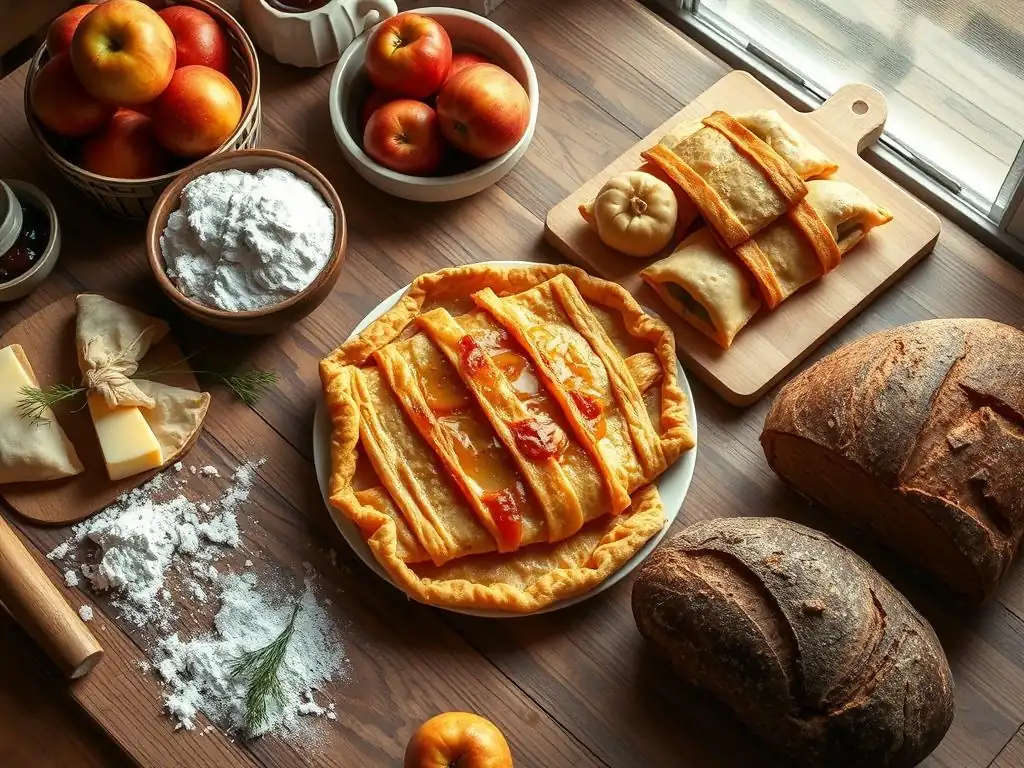
Welcome to BakeWithEase, your passport to a world of delicious homemade goodness! Are you ready to unlock the secrets of Easy Eastern European baking recipes? From hearty breads to sweet pastries, we'll guide you through authentic flavors and simple techniques. Prepare to be amazed at how easily you can bring these comforting traditions to your own kitchen – discover your new favorite recipe right here!
- Baking Eastern European Comfort Food Made Easy: Simple Recipes from BakeWithEase
- Discover the Delights of Eastern European Baking: Easy Recipes for Home Bakers
- Essential Ingredients for Easy Eastern European Baking Recipes
- Easy Eastern European Baking Recipes: A Step-by-Step Guide
- Tips and Tricks for Successful Eastern European Baking
- Variations and Adaptations for Eastern European Baking
- Beyond the Basics: Expanding Your Eastern European Baking Repertoire
-
Frequently Asked Questions
- What defines "Easy Eastern European Baking Recipes" according to BakeWithEase?
- What types of baked goods can I expect to find in the "Easy Eastern European Baking Recipes" collection?
- Are these recipes truly beginner-friendly, even if I have limited baking experience?
- Where can I find the specific recipes mentioned on BakeWithEase.com?
- Does BakeWithEase offer tips and techniques alongside the recipes to improve my baking skills?
- Final Reflection: The Sweet Taste of Heritage, the Simple Joy of Baking
- Unlock the Secrets of Eastern European Baking!
Baking Eastern European Comfort Food Made Easy: Simple Recipes from BakeWithEase
Discover the Delights of Eastern European Baking: Easy Recipes for Home Bakers
Explore the World of Eastern European Comfort Food Baking
Eastern European baking is a rich tapestry of history, culture, and comforting flavors, often associated with holidays, celebrations, and family gatherings. Think of the sweet, braided loaves, the savory filled pastries, and the diverse array of cakes and cookies that define this culinary region. From the hearty rye breads of Russia and Poland to the delicate pastries of Hungary and the Czech Republic, there's a vast and inviting world waiting to be explored in your own kitchen.
While some recipes might seem complex, many fundamental elements of Eastern European comfort food baking are surprisingly accessible, making it a perfect area for home bakers to dive into. These easy Eastern European baking recipes often rely on simple, readily available ingredients and straightforward techniques.
Embarking on your journey into Eastern European baking means connecting with traditions that have been passed down through generations. These baked goods are more than just food; they are expressions of warmth, hospitality, and heritage. Learning to bake a simple babka or a batch of pierogi from scratch can bring a unique sense of accomplishment and fill your home with incredibly inviting aromas.
Many classic Eastern European baked goods, like various types of rolls or simple cakes, require minimal specialized equipment, making them ideal projects for anyone with a basic kitchen setup. This section focuses on highlighting how approachable and rewarding it is to start baking these beloved comfort foods, emphasizing the many simple Eastern European baking recipes available.
Why Eastern European Baking is Perfect for Beginners
Eastern European baking offers a fantastic entry point for those new to baking or looking to expand their skills beyond typical Western pastries. Many foundational recipes, such as simple yeast doughs used for rolls or basic cake batters, are quite forgiving. The emphasis is often on wholesome ingredients and straightforward processes rather than intricate decorating or complex techniques.
Learning to handle a simple enriched yeast dough, a staple in many Eastern European sweet breads like babka or paska, is a fundamental skill that translates well to other baking projects. These easy Eastern European baking recipes build confidence and provide a solid foundation in bread and pastry making.
Moreover, the satisfaction derived from creating traditional comfort foods from scratch is immense. Successfully baking your first batch of soft, pillowy kolaches or a fragrant, braided challah-style loaf (common in some parts of Eastern Europe) can be incredibly encouraging. The robust flavors, often featuring ingredients like poppy seeds, nuts, fruit preserves, or cheese, are deeply satisfying and comforting.
Unlike some delicate French pastries that require precise temperatures and techniques, many Eastern European baked goods are more rustic and forgiving, making minor imperfections part of their charm. This makes exploring easy Eastern European baking recipes a low-pressure, high-reward endeavor for any beginner baker.
Essential Ingredients for Easy Eastern European Baking Recipes
Key Pantry Staples for Eastern European Sweets and Breads
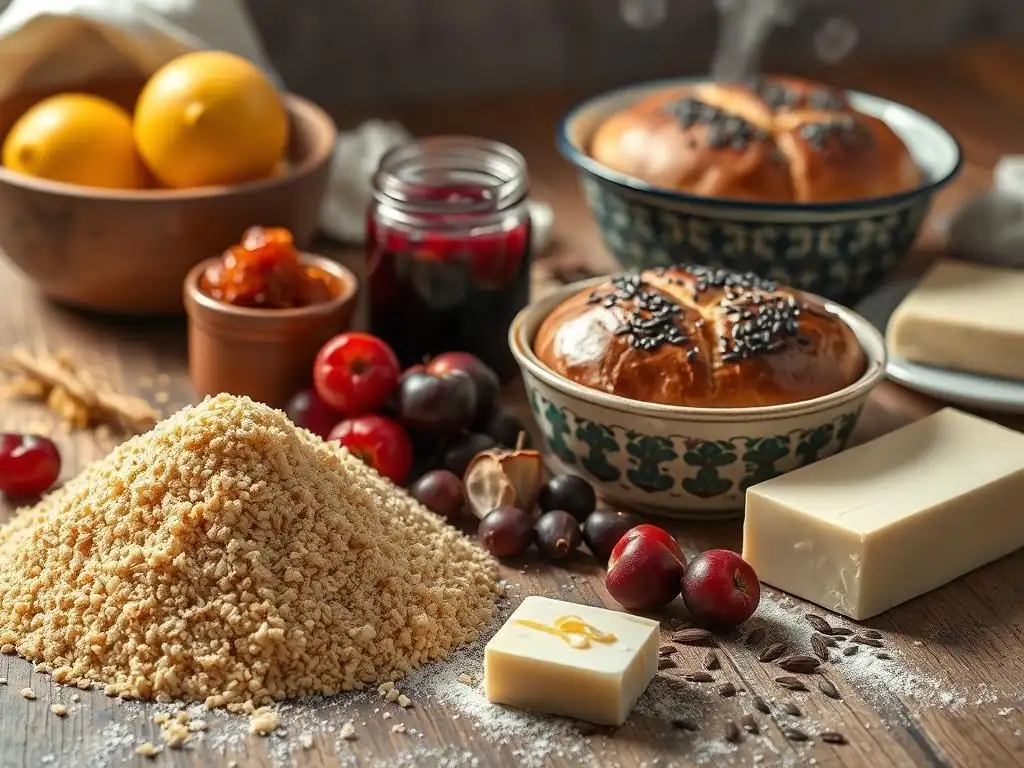
Many delicious and easy Eastern European baking recipes rely on a core set of pantry ingredients that are likely already in your kitchen or easily found at any grocery store. Flour is, of course, paramount, with all-purpose wheat flour being the most common base for cakes, pastries, and many breads. However, rye flour is also a significant component, particularly in darker, heartier breads; having a small amount on hand can open up new possibilities.
Sugar is essential for sweetening, and granulated white sugar is standard, though powdered sugar is needed for dusting or icings. Salt is crucial for balancing flavors and activating yeast.
Fats like unsalted butter and neutral oils (like sunflower or vegetable oil) are widely used for richness and tenderness in doughs and batters. Eggs provide structure and richness. Dairy, such as milk, sour cream, or farmer's cheese (twaróg in Polish, tvorog in Russian), plays a vital role in many recipes, contributing moisture, tenderness, and unique flavors.
Leavening agents like active dry yeast (for breads and enriched doughs) and baking powder or baking soda (for cakes and quick breads) are indispensable. Common flavorings include vanilla extract, lemon zest, and spices like cinnamon, nutmeg, or cardamom. Poppy seeds and various nuts (walnuts, almonds, hazelnuts) are also frequently used fillings or toppings in many easy Eastern European baking recipes.
Where to Find Authentic Eastern European Ingredients
While many core ingredients for easy Eastern European baking recipes are standard supermarket items, some specific components or higher-quality versions might require a bit more searching. Large grocery stores often have an international aisle where you can find items like specific types of poppy seeds (sometimes labeled "baking poppy seeds"), certain preserves (like plum or apricot), or even specialty flours. Look for products imported from countries like Poland, Ukraine, Russia, or the Czech Republic.
Specialty international food stores, particularly those focusing on Eastern European or Slavic cuisine, are the best sources for authentic ingredients. Here, you can find high-quality farmer's cheese specifically intended for baking (it has a drier, crumblier texture than ricotta), specialty flours, a wider variety of nuts and seeds, and traditional fillings like sweetened poppy seed paste or fruit leathers.
These stores might also carry unique items like kvas or specific types of dried mushrooms used in savory fillings. Online retailers specializing in international foods are another excellent resource, offering a wide selection delivered directly to your door, which can be especially helpful if local options are limited.
Easy Eastern European Baking Recipes: A Step-by-Step Guide
Recipe 1: Simple Babka – A Sweet Braided Bread for Beginners
Babka, a sweet, enriched bread often swirled with chocolate, cinnamon, or fruit, is a beloved Eastern European classic. While it looks impressive, the basic process for a simple babka is quite manageable for beginners. This recipe focuses on a straightforward yeast dough and a simple filling. It's a prime example of an easy Eastern European baking recipe that yields delicious results. The dough is similar to a challah or brioche dough, making it rich and forgiving.
This simple babka variation typically involves preparing an enriched yeast dough, letting it rise until doubled (usually 1-1.5 hours in a warm place), rolling it out, spreading a filling, rolling it into a log, and then slicing and braiding or twisting the logs together before a second rise (about 30-45 minutes) and baking. Baking time is generally around 30-40 minutes at 180°C (350°F). The total active time for this recipe is relatively low, making it accessible even on a busy weekend.
Ingredients for Easy Babka
- 300 grams (about 2 1/2 cups) all-purpose flour
- 50 grams (about 1/4 cup) granulated sugar
- 1 teaspoon active dry yeast
- 1/2 teaspoon salt
- 120 ml (about 1/2 cup) warm milk (around 40-45°C / 105-115°F)
- 1 large egg
- 50 grams (about 1/4 cup) unsalted butter, melted and slightly cooled
- For the Filling:
- 100 grams (about 1/2 cup) chocolate chips or chopped chocolate
- 2 tablespoons unsalted butter, melted
- 2 tablespoons powdered sugar
- 1 tablespoon cocoa powder
- 1/4 teaspoon cinnamon (optional)
- For the Simple Syrup Glaze:
- 50 grams (about 1/4 cup) granulated sugar
- 50 ml (about 1/4 cup) water
Step-by-Step Babka Baking Instructions
- In a large bowl, whisk together the flour, sugar, yeast, and salt.
- In a separate bowl, whisk together the warm milk, egg, and melted butter.
- Pour the wet ingredients into the dry ingredients and mix with a spoon or spatula until a shaggy dough forms.
- Turn the dough out onto a lightly floured surface and knead for about 5-7 minutes, until smooth and elastic. Alternatively, use a stand mixer with a dough hook for 4-5 minutes.
- Place the dough in a lightly oiled bowl, turn to coat, cover with plastic wrap or a damp cloth, and let rise in a warm place until doubled in size, approximately 1 to 1.5 hours.
- While the dough rises, prepare the filling: Combine chocolate chips, melted butter, powdered sugar, cocoa powder, and cinnamon (if using) in a small bowl. Mix until well combined.
- Once the dough has risen, punch it down gently and turn it out onto a lightly floured surface. Roll the dough into a rectangle, roughly 30x40 cm (12x16 inches).
- Spread the chocolate filling evenly over the dough, leaving a small border around the edges.
- Starting from a long side, tightly roll the dough into a log.
- Using a sharp knife, slice the log in half lengthwise, creating two long pieces with the layers exposed.
- Twist the two pieces together, keeping the cut sides facing outwards as much as possible. Pinch the ends together to seal.
- Carefully transfer the twisted dough into a greased standard loaf pan (approximately 23x13 cm / 9x5 inches).
- Cover the pan loosely with plastic wrap or a damp cloth and let it rise again for 30-45 minutes, or until visibly puffy.
- Preheat your oven to 180°C (350°F).
- Bake the babka for 30-40 minutes, or until golden brown and a wooden skewer inserted into the center comes out clean. If the top browns too quickly, tent it loosely with foil.
- While the babka is baking, prepare the simple syrup glaze: Combine the sugar and water in a small saucepan and heat over medium heat, stirring until the sugar dissolves. Bring to a gentle boil and cook for 1-2 minutes without stirring. Remove from heat.
- As soon as the babka comes out of the oven, brush the warm simple syrup over the top.
- Let the babka cool in the pan for at least 15-20 minutes before carefully removing it to a wire rack to cool completely.
Recipe 2: Quick and Easy Pierogi Dough: A Versatile Eastern European Classic
Pierogi (or varenyky in Ukrainian, pelmeni in Russian) are perhaps one of the most iconic Eastern European comfort foods. These filled dumplings can be boiled, fried, and served with various toppings. While fillings vary widely, the dough is fundamental. This recipe focuses on a simple, versatile dough that is easy to work with and requires minimal ingredients, making it a perfect easy Eastern European baking recipe for beginners. This dough can be used for both sweet and savory fillings.
This quick pierogi dough typically uses just flour, water, and sometimes an egg or a touch of oil or salt. Unlike yeast doughs, it requires no rising time, meaning you can mix, roll, fill, and cook your pierogi relatively quickly. The key is to knead the dough until it is smooth and elastic but not tough, and to roll it thinly enough that it cooks through easily but is strong enough to hold the filling. This simple dough recipe is a gateway to countless delicious variations of a beloved classic.
Mastering the Pierogi Dough Recipe
Creating a good pierogi dough is simpler than you might think. The ratio of flour to liquid is crucial, and variations exist, but a basic recipe often starts with about 2 parts flour to 1 part liquid (usually warm water, sometimes with an egg). Kneading is essential to develop the gluten, which gives the dough structure and elasticity, allowing you to roll it thinly without it tearing.
Over-kneading can result in tough pierogi, so aim for a smooth, pliable texture that springs back slowly when poked. Resting the dough for 15-30 minutes after kneading is also vital; it allows the gluten to relax, making the dough much easier to roll out thinly without shrinking back.
Rolling the dough evenly is key to ensuring the pierogi cook consistently. Aim for a thickness of about 1-2mm (about the thickness of a dime). You can cut circles using a biscuit cutter, a glass rim, or even freehand with a knife for a more rustic look. Sealing the edges properly is critical to prevent the filling from leaking out during boiling. Pressing firmly with your fingers or using a fork to crimp the edges works well. This simple dough preparation is a fundamental skill for many easy Eastern European baking recipes that involve filled pastries.
Filling Ideas for Your Easy Pierogi Creations [Sauerkraut and Mushroom]
Once you've mastered the simple pierogi dough, the possibilities for fillings are nearly endless! For a classic savory option, a Sauerkraut and Mushroom filling is both traditional and delicious. This filling is typically made by sautéing chopped onions until translucent, adding finely chopped mushrooms (like cremini or button) and cooking until softened and browned. Then, drained sauerkraut is added and cooked together until some of the moisture evaporates and the flavors meld. Seasoning with salt and pepper is usually sufficient, although some recipes might add a touch of caraway seeds or a bay leaf during cooking for extra flavor.
Another popular savory filling involves mashed potatoes, often mixed with farmer's cheese and sautéed onions. For sweet pierogi, common fillings include fresh fruits like blueberries, cherries, or plums (often mixed with a little sugar and perhaps a touch of cornstarch to thicken the juices), or sweetened farmer's cheese sometimes mixed with raisins or vanilla. Prune filling is also traditional and very popular in some regions. The beauty of easy Eastern European baking recipes like pierogi is their adaptability – you can truly fill them with whatever ingredients you have on hand or whatever flavors you enjoy.
Recipe 3: Making Delicious Kolaches: A Beginner's Guide to Czech Pastries
Kolaches (koláče in Czech) are delightful sweet pastries originating from Central Europe, particularly the Czech Republic and Slovakia. They are essentially round rolls of slightly sweet yeast dough with a well in the center filled with various sweet fillings. Kolaches are popular throughout the region and have even become a beloved bakery item in parts of the United States with Czech heritage. They are relatively simple to make and offer a charming introduction to Czech baking, fitting perfectly into the category of easy Eastern European baking recipes.
The process involves making a simple enriched yeast dough, similar in richness to a brioche but often slightly less buttery. After the first rise, the dough is divided into small balls, which are then flattened slightly, and an indentation is made in the center to hold the filling. After a second short rise, the pastries are filled and baked until golden. The result is a soft, slightly sweet roll with a flavorful center. This straightforward method makes kolaches a great project for those new to working with enriched doughs.
Kolache Dough: The Foundation of Your Baking Success
The dough for kolaches is key to their soft, slightly sweet texture. It typically includes warm milk, yeast, sugar, eggs, and butter, in addition to flour and salt. The dough is kneaded until smooth and elastic, then allowed to rise until doubled, similar to a standard sweet bread dough. The amount of butter and sugar is usually moderate, making the dough rich but still light and airy. A common ratio might involve around 500 grams of flour, 250 ml of milk, 50-70 grams of sugar, 1-2 eggs, and 50-70 grams of butter, along with yeast and salt.
After the first rise, the dough is portioned into small balls, perhaps 50-60 grams each, depending on the desired size of the kolache. These balls are placed on a baking sheet and gently flattened, then a depression is made in the center using your fingers or the bottom of a small glass. This forms the cavity for the filling.
Allowing the formed kolaches to rise again for about 20-30 minutes before filling and baking is crucial for achieving a light texture. This foundational dough is versatile and can be adapted slightly for other sweet rolls or buns, making it a valuable skill gained from tackling easy Eastern European baking recipes.
Easy Kolache Filling Options [Apricot, Prune]
Traditional kolache fillings are typically made from fruit or cheese. Two classic and easy-to-prepare options are apricot and prune fillings. Apricot filling can be made using dried apricots that are simmered with a little sugar and water until soft, then mashed or pureed into a thick paste. Alternatively, you can use a good quality apricot jam or preserve, perhaps thickened slightly by cooking it down or adding a touch of cornstarch. A simple approximation for a small batch might involve simmering 100 grams of dried apricots with 150 ml water and 2 tablespoons sugar until tender, then mashing.
Prune filling is similarly made by simmering dried prunes (pitted) with water and sugar until soft, then mashing or pureeing. Some recipes add a touch of lemon zest or rum for extra flavor. A basic ratio could be 100 grams of dried prunes simmered with 100 ml water and 1 tablespoon sugar.
Both apricot and prune fillings are relatively thick, which is important for preventing them from running out of the kolache during baking. These simple fruit preparations highlight how easy it is to create traditional flavors with minimal effort, embodying the spirit of easy Eastern European baking recipes. Other popular fillings include sweetened farmer's cheese (twaróg/tvorog), poppy seed paste, or cherry filling.
Tips and Tricks for Successful Eastern European Baking
Mastering the Art of Yeast Dough for Eastern European Breads
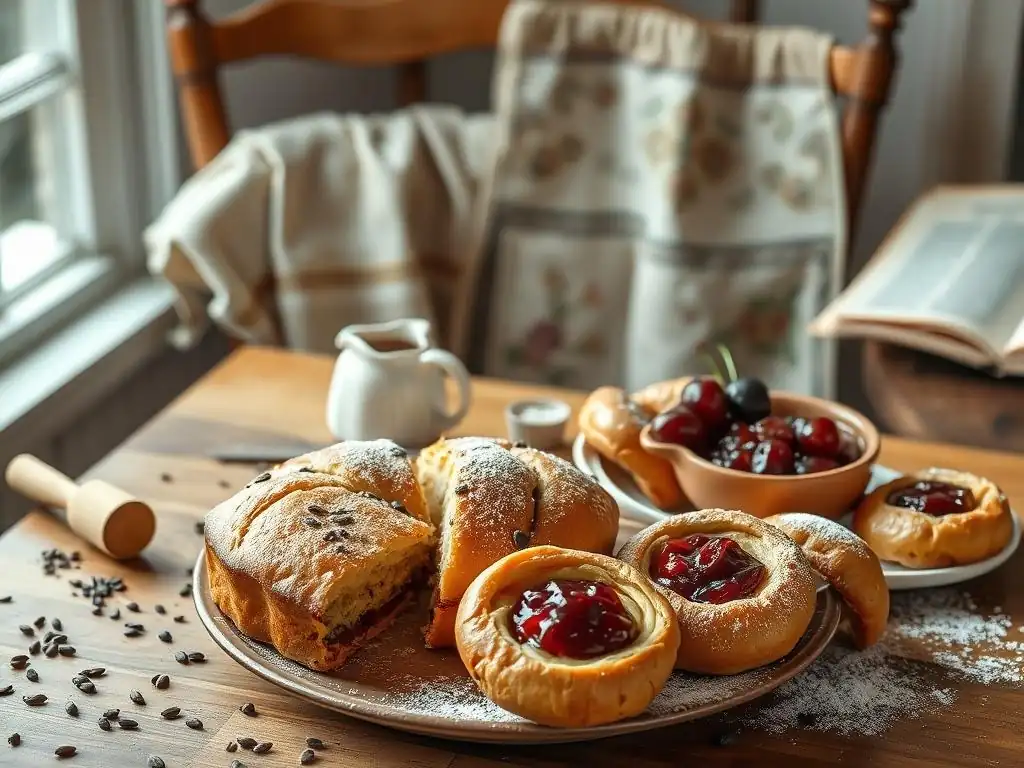
Many staple Eastern European baked goods, from hearty breads to sweet babkas and kolaches, rely on yeast dough. Mastering the basics of working with yeast dough is fundamental for success in these easy Eastern European baking recipes. The key steps involve activating the yeast (if using active dry yeast), combining ingredients correctly, kneading sufficiently to develop gluten, allowing adequate time for the dough to rise (fermentation), and shaping and baking properly. Warmth is crucial for yeast activity; aim for a room temperature of around 20-24°C (68-75°F) for rising.
Understanding the "windowpane test" is helpful for kneading: a well-kneaded dough should be able to be stretched thinly without tearing, forming a translucent "windowpane." The first rise, or bulk fermentation, develops flavor and texture; the dough should typically double in size. The second rise, or proofing, after shaping, ensures a light final product.
Don't rush the rises! Under-proofed dough results in dense bread, while over-proofed dough can collapse. Learning to recognize the signs of properly risen dough – it should be visibly larger and spring back slowly when gently poked – is a skill that comes with practice and significantly improves your results with easy Eastern European baking recipes.
Achieving the Perfect Crust on Your Eastern European Baked Goods
The crust is a vital component of many Eastern European baked goods, from the chewy crust of a rustic rye bread to the golden, slightly tender crust of a sweet roll or cake. For breads, achieving a good crust often involves creating steam in the oven during the initial stages of baking.
This keeps the surface of the dough moist, allowing it to expand fully before the crust sets. Methods include placing a pan of hot water on the bottom rack of the oven or using a Dutch oven or baking stone covered for the first part of the bake.
For sweet baked goods like babka or kolaches, achieving a beautiful golden-brown crust is usually a matter of baking at the correct temperature for the right amount of time. Egg washes (egg mixed with a little water or milk) brushed on before baking contribute to a glossy, golden finish.
Simple sugar syrups, brushed on immediately after baking while the pastry is still hot, create a slightly sticky, sweet glaze that is characteristic of many Eastern European sweets. Monitoring the bake visually and using internal temperature (around 90-95°C or 195-205°F for breads, slightly lower for cakes) helps ensure the interior is cooked while the crust develops perfectly, enhancing your success with easy Eastern European baking recipes.
Storing and Enjoying Your Homemade Eastern European Treats
Proper storage ensures your delicious homemade Eastern European baked goods stay fresh and enjoyable for as long as possible. Breads, especially those with a rustic crust, are often best stored at room temperature, wrapped in a linen cloth or paper bag once fully cooled. This helps maintain the crust's texture. Avoid airtight plastic bags for crusty breads, as they can make the crust soft and rubbery. Most yeast breads are best consumed within 2-3 days.
Sweet pastries like babka, kolaches, or rolls can be stored in an airtight container at room temperature for 2-3 days. If they have cream cheese or fruit fillings, refrigeration might be necessary, though this can sometimes alter the texture of the dough. Many Eastern European baked goods, both sweet and savory, freeze exceptionally well. Allow them to cool completely, then wrap tightly in plastic wrap and then foil or place in a freezer-safe bag.
Frozen baked goods can last for 1-2 months. Thaw at room temperature or gently reheat in a low oven. Enjoying your creations, whether fresh from the oven or slightly warmed, is the final, most rewarding step of making easy Eastern European baking recipes.
Variations and Adaptations for Eastern European Baking
Gluten-Free Eastern European Baking: Simple Substitutions
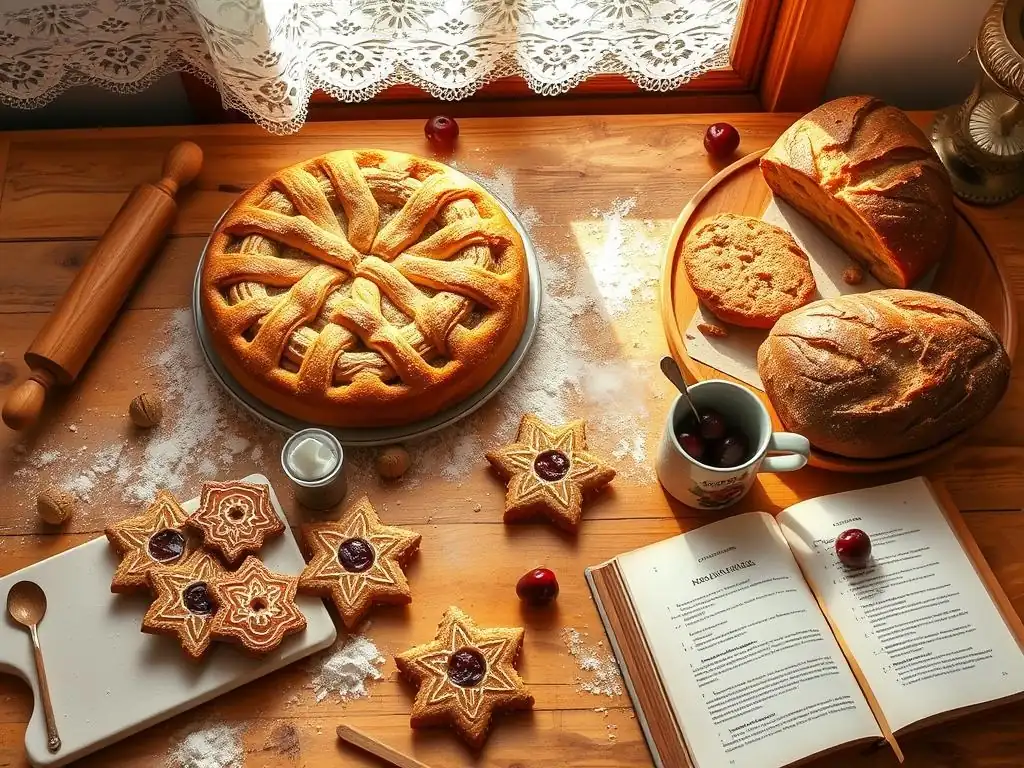
Adapting traditional easy Eastern European baking recipes to be gluten-free is certainly possible, though it requires understanding the role of gluten in structure. Wheat flour provides the elastic network that gives breads and pastries shape and texture. Gluten-free baking typically relies on a blend of different flours (like rice flour, sorghum flour, millet flour) and starches (tapioca starch, potato starch, cornstarch), often with binders like xanthan gum or psyllium husk to mimic gluten's properties.
For yeast breads like babka or rolls, a good quality gluten-free bread flour blend specifically designed for yeast baking is recommended. You may need to adjust the liquid content slightly, as gluten-free flours can absorb moisture differently. Adding psyllium husk can greatly improve the structure and elasticity of gluten-free yeast doughs, making them easier to handle and resulting in a less crumbly texture.
For cakes and pastries like kolaches (dough portion), a gluten-free all-purpose blend usually works well. While the texture might differ slightly from the traditional version, you can still capture the essence of the flavors and fillings, allowing everyone to enjoy these comforting easy Eastern European baking recipes.
Vegan Eastern European Baking: Adapting Traditional Recipes
Many traditional easy Eastern European baking recipes can be adapted to be vegan, focusing on substituting eggs and dairy products. Eggs in baking provide binding, richness, and leavening. Substitutes include applesauce, mashed banana, commercial egg replacers, flax eggs (ground flaxseed mixed with water), or silken tofu, depending on the recipe's function. For richness and structure in yeast doughs, using a good vegan butter substitute is effective.
Dairy milk can be easily replaced with plant-based milks like almond, soy, oat, or cashew milk. When substituting for sour cream or farmer's cheese in fillings or doughs, vegan alternatives made from cashews, tofu, or coconut cream can work, though the texture and flavor might require some adjustment.
For instance, a vegan farmer's cheese substitute for pierogi or kolache filling can be made from firm tofu blended with vegan cream cheese or yogurt and a touch of lemon juice for tang. While some subtle flavor nuances might change, the core components and comfort of these easy Eastern European baking recipes are certainly achievable in a vegan format.
Beyond the Basics: Expanding Your Eastern European Baking Repertoire
Exploring More Advanced Eastern European Baking Techniques [Working with Strudel Dough]
Once you've gained confidence with easy Eastern European baking recipes like simple babka or pierogi dough, you might be ready to explore more challenging techniques. Working with strudel dough is a classic example. Traditional strudel dough is a very thin, elastic dough made from flour, water, a little oil or melted butter, and sometimes vinegar. The technique involves stretching the dough by hand until it is paper-thin and large enough to cover a table, rather than rolling it.
This process requires practice to avoid tearing the delicate dough while achieving the required thinness. It's a technique found in Austrian, Hungarian, and other Central/Eastern European traditions. Once stretched, the dough is brushed with melted butter, filled (commonly with apples, poppy seeds, or cheese), and carefully rolled up before baking. Mastering strudel dough allows you to make truly authentic versions of this flaky, delicious pastry, representing a step up from beginner-level easy Eastern European baking recipes towards more traditional, intricate methods.
Finding Inspiration for New Eastern European Baking Adventures
The world of Eastern European baking is vast and diverse, offering endless inspiration once you've mastered the basics from easy Eastern European baking recipes. Explore regional variations – Polish baking includes diverse cakes like Sernik (cheesecake) and Makowiec (poppy seed roll), while Hungarian pastries feature layered cakes like Dobos Torte or kürtőskalács (chimney cake). Ukrainian baking includes paska (Easter bread) and Pampushky (garlic rolls). Russian baking offers blini (crepes) and Pryaniki (spice cookies).
Look for cookbooks specializing in specific countries or regions, or explore online communities dedicated to Eastern European cuisine. Visiting local Eastern European bakeries, if available, can provide a glimpse into the variety of baked goods and inspire you to try making them at home. Don't be afraid to experiment with new ingredients or techniques as you expand your repertoire. The journey through Eastern European baking is a delicious exploration of history, culture, and comfort food, offering a lifetime of baking adventures beyond the initial easy Eastern European baking recipes.
Frequently Asked Questions
What defines "Easy Eastern European Baking Recipes" according to BakeWithEase?
It refers to recipes from Eastern European countries that are designed to be simple to follow and use easy-to-find ingredients. BakeWithEase provides step-by-step guides for these recipes.
What types of baked goods can I expect to find in the "Easy Eastern European Baking Recipes" collection?
You can expect a variety of baked goods, including pastries, breads, cakes, and cookies that are popular in Eastern European cuisine. Recipes are tailored for different skill levels.
Are these recipes truly beginner-friendly, even if I have limited baking experience?
Yes! BakeWithEase focuses on making baking accessible. The recipes are designed with beginners in mind, offering clear instructions and readily available ingredients to ensure success.
Where can I find the specific recipes mentioned on BakeWithEase.com?
Navigate to the "Easy Eastern European Baking Recipes" section on the BakeWithEase website. You'll find a curated collection with step-by-step guides for each recipe.
Does BakeWithEase offer tips and techniques alongside the recipes to improve my baking skills?
Absolutely. Beyond the recipes, BakeWithEase provides baking techniques and helpful tips to enhance your overall baking skills and help you master even more complex recipes.
Final Reflection: The Sweet Taste of Heritage, the Simple Joy of Baking
The enduring appeal of Eastern European baking lies not just in its rich flavors and comforting textures, but in its ability to connect us to our heritage and create cherished memories in the kitchen. These recipes, simplified for the modern baker, offer a gateway to a world of tradition, proving that delicious, authentic food doesn't have to be complicated.
The influence of these recipes extends far beyond the simple act of baking; they represent a thread connecting generations, a tangible link to family history and cultural identity. These aren't just recipes; they are stories whispered through flour-dusted hands, passed down through families, and now shared with a wider audience. Food is symbolic of love when words are inadequate.
- Alan D. Wolfelt. This quote perfectly encapsulates the emotional resonance of these traditional baked goods, transcending mere sustenance to become a powerful symbol of connection and belonging.
Now, I invite you to roll up your sleeves, gather your ingredients, and embark on your own baking journey. Don't be intimidated by unfamiliar names or techniques; embrace the process, savor the aromas, and allow yourself to be transported to another time and place. Let these recipes be a starting point for your own culinary exploration, a chance to discover new flavors and forge your own sweet traditions. The joy of baking, like the warmth of shared meals, is a gift to be cherished and passed on.
Unlock the Secrets of Eastern European Baking!
Thanks for joining us on this delicious journey through the heart of Eastern European baking! We hope you've discovered some new favorite recipes and techniques. Ready to take your baking skills to the next level?
- Bake your own pierogi today! Find the perfect recipe on our site and impress your family and friends with your newfound culinary expertise. This is your chance to put your new knowledge into practice!
- Share your baking creations on social media using #BakeWithEase and inspire others to explore these delightful flavors. Let's build a vibrant baking community together!
- Consider trying a new, less common ingredient from our extensive ingredient guide to expand your culinary horizons even further.
What unique Eastern European treat will you bake next?