
Allspice Deep Dive: One Spice, Many Flavors for Baking

Welcome to BakeWithEase, your guide to unlocking the secrets of the baking world! Ever wondered how one simple spice can elevate your desserts from ordinary to extraordinary? Prepare to be amazed as we dive deep into the aromatic world of allspice, uncovering its versatility and showcasing easy allspice baking recipes that will tantalize your taste buds and impress your friends. Ready to unlock the full potential of this baking staple? Let's get started!
- BakeWithEase Presents: Unlocking the Secrets of Allspice in Baking
- What is Allspice? A Baker's Introduction to this Versatile Spice
- Why Choose Allspice for Your Baking Recipes?
- Allspice Baking Recipes: Easy and Delicious Ideas
- Tips and Tricks for Baking with Allspice
- Mastering Allspice Baking: Advanced Techniques and Flavor Pairings
- Allspice Baking: Troubleshooting Guide
- Conclusion: Embrace the Versatility of Allspice in Your Baking Journey
-
Frequently Asked Questions
- What exactly is allspice, and why is it so popular in baking?
- What are some "Allspice baking recipes easy" that are suitable for beginners?
- How much allspice should I use in a recipe? Can I overdo it?
- Can I substitute allspice with other spices if I don't have it on hand?
- How should I store allspice to maintain its flavor and potency?
- Final Reflection: The Enduring Allure of Allspice in Baking
- Unleash the Magic of Allspice in Your Baking!
BakeWithEase Presents: Unlocking the Secrets of Allspice in Baking
Welcome, bakers! Today, we're diving deep into a spice that holds a surprising secret: allspice. Despite its name, allspice isn't a blend of multiple spices; it's actually the dried, unripe berry of the Pimenta dioica tree, native to the Greater Antilles, southern Mexico, and Central America. This single spice miraculously embodies the aroma and flavor notes reminiscent of cinnamon, cloves, and nutmeg combined, making it an incredibly versatile ingredient for your baking adventures. Learning to harness the power of allspice can elevate your cakes, cookies, breads, and pies from simple treats to truly memorable creations.
At BakeWithEase, we believe that understanding your ingredients is key to mastering baking. That's why we're dedicating this deep dive to allspice, exploring its origins, unique flavor profile, and how you can use it to create delicious and easy allspice baking recipes. Whether you're a novice baker looking for simple spice additions or an experienced enthusiast wanting to refine your techniques, allspice offers a world of flavor possibilities. Get ready to unlock the secrets of this remarkable spice and add a new dimension to your baked goods.
What is Allspice? A Baker's Introduction to this Versatile Spice
Allspice: Beyond Just One Flavor - A Comprehensive Overview
Allspice is a fascinating spice because its flavor profile is so complex, often described as a blend of cinnamon, cloves, and nutmeg. This unique combination comes from the various volatile oils present in the berry, particularly eugenol (also found in cloves), which contributes a warm, pungent note, and compounds similar to those found in cinnamon and nutmeg. When used in baking, this multifaceted flavor adds warmth, depth, and a hint of gentle spice that complements a wide range of ingredients.
For bakers, understanding this complexity is crucial. While you might reach for cinnamon or nutmeg alone, allspice offers a convenient way to introduce multiple warm spice notes simultaneously, simplifying your spice blend for many recipes. It provides a balanced warmth that doesn't overpower other flavors, making it ideal for both sweet and savory baking applications, although it's most commonly celebrated in desserts and baked goods. Think of it as a shortcut to achieving a perfectly spiced flavor in your easy allspice baking recipes.
Allspice vs. Other Spices: A Flavor Profile Comparison for Baking
Comparing allspice to its perceived components—cinnamon, cloves, and nutmeg—highlights its unique position in the spice rack. Cinnamon is generally sweet and woody, nutmeg is warm, nutty, and slightly sweet, and cloves are intensely pungent, warm, and slightly bitter. Allspice sits comfortably among them, offering a balance that none of the individual spices possess on their own. It provides the warmth of cloves without their potential bitterness if used heavily, the sweetness of cinnamon without being solely focused on that note, and the comforting depth of nutmeg.
This balanced profile makes allspice exceptionally versatile in baking. For instance, in a classic apple pie, using only cloves might make the spice flavor too sharp, while only cinnamon might be too one-dimensional. Allspice provides a harmonious blend that enhances the fruit without dominating it. When developing easy allspice baking recipes, this inherent balance means you often need fewer different spices, simplifying your ingredient list and ensuring a consistently pleasant flavor.
The Origins of Allspice: From the Pimenta Dioica Tree to Your Baking
The journey of allspice begins with the Pimenta dioica tree, an evergreen native to the tropical rainforests of the Caribbean islands, particularly Jamaica, which is historically the largest producer. The spice comes from the small, green, unripe berries of this tree. These berries are harvested before they ripen, as the flavor compounds are most concentrated at this stage. After harvesting, the berries are carefully sun-dried, during which they shrink, darken to a reddish-brown color, and develop their characteristic aroma.
Historically, allspice played a significant role in the culinary traditions of the indigenous peoples of the Caribbean and Central America. It was later introduced to European palates during the colonial era, gaining popularity for its unique flavor. Today, while still primarily sourced from its native region, particularly Jamaica (often considered to produce the finest quality), allspice is a staple in spice racks worldwide, cherished by bakers for its ability to add warmth and complexity to a wide array of easy allspice baking recipes.
Why Choose Allspice for Your Baking Recipes?
Enhancing Baking with Allspice: Flavor Depth and Complexity
Choosing allspice for your baking recipes is an excellent way to introduce significant flavor depth and complexity with minimal effort. As we've discussed, its natural blend of cinnamon, clove, and nutmeg notes means you're adding multiple dimensions of warm spice in a single ingredient. This is particularly useful in recipes where you want a rich, comforting spice profile without the hassle of measuring out several different powders. Allspice provides a harmonious foundation that allows other flavors, like fruit, chocolate, or nuts, to shine while adding a layer of sophisticated warmth underneath.
Consider a simple spice cookie. While you could combine cinnamon, nutmeg, and cloves, using allspice achieves a similar, often more balanced, result. This makes developing easy allspice baking recipes straightforward and reliable. The spice's ability to bridge the gap between sweet and slightly savory notes also makes it a fantastic addition to breads and muffins, where it can complement ingredients like molasses, brown sugar, or even vegetables like pumpkin or zucchini, adding a comforting, homey flavor.
Allspice in Baking: A Natural Flavor Enhancer for Gingerbread
Gingerbread is a quintessential example where allspice truly excels as a natural flavor enhancer. While ginger is the star, the supporting cast of warm spices—often cinnamon, cloves, and nutmeg—is crucial for the classic gingerbread profile. Allspice perfectly complements the pungent heat of ginger, adding those essential background notes of warmth and sweetness that make gingerbread so beloved. Using allspice simplifies the spice blend for many easy gingerbread recipes, ensuring a consistent and delightful flavor.
In many traditional gingerbread recipes, allspice is used alongside ginger and sometimes cinnamon. For example, a typical recipe for gingerbread cookies might call for 1-2 teaspoons of ginger, 1 teaspoon of cinnamon, and ½ to 1 teaspoon of allspice. The allspice deepens the overall spice profile, adding layers that ginger alone cannot provide. This synergy makes allspice an indispensable ingredient for achieving that perfect, cozy gingerbread flavor, whether you're making cookies, cakes, or loaves.
The Health Benefits of Allspice: More Than Just a Delicious Spice
Beyond its wonderful flavor, allspice also offers some potential health benefits, adding another reason to include it in your easy allspice baking recipes. Like many spices, allspice contains compounds with antioxidant and anti-inflammatory properties. Eugenol, a primary component, has been studied for its potential effects in these areas. While you wouldn't consume enough allspice in a single slice of cake to gain significant medicinal benefits, incorporating spices like allspice into your diet as a whole contributes to overall wellness.
Historically, allspice has been used in traditional medicine for various ailments, including digestive issues. While modern baking primarily focuses on its flavor, it's pleasant to know that the ingredients adding warmth and complexity to your baked goods also bring potential health perks. Enjoying a treat spiced with allspice means savoring delicious flavors while potentially benefiting from its natural properties, making your baking feel even more wholesome.
Allspice Baking Recipes: Easy and Delicious Ideas
Jamaican Allspice Bun Recipe: A Simple Recipe
The Jamaican Allspice Bun is a classic example of how this spice is central to Caribbean baking, and it's surprisingly simple to make. This dense, often dark, sweet bread or cake is traditionally made with molasses, dried fruit (like raisins and currants), and a generous amount of spice, with allspice being a key player. The allspice provides the signature warm, slightly peppery notes that complement the richness of the molasses and the sweetness of the fruit.
Making a basic Jamaican Allspice Bun involves combining flour, sugar, molasses, butter, eggs, dried fruit, and a leavening agent, along with a significant quantity of ground allspice (often 1 to 2 tablespoons for a standard loaf). Some recipes also include a bit of stout or dark rum for added depth. It's typically baked in a loaf pan and can be enjoyed sliced, often with cheese. This easy allspice baking recipe showcases the spice's ability to stand out and define the character of a baked good.
Allspice Cake Recipe: A Classic Baking Staple
An allspice cake is a wonderfully simple yet flavorful dessert that highlights the spice's versatility. Unlike a complex spice cake that might use many different spices, an allspice cake often relies primarily on allspice for its warm flavor profile. This makes it an excellent easy allspice baking recipe to start with if you're new to the spice. The cake can be a simple loaf cake, a bundt cake, or layers for a more elaborate dessert.
A typical allspice cake recipe will include standard cake ingredients like flour, sugar, butter, eggs, milk, and leavening, with ground allspice added to the dry ingredients. The amount can vary, but often ranges from 1 to 2 teaspoons for an 8 or 9-inch cake. The allspice infuses the cake with a comforting warmth and a hint of complexity that pairs beautifully with simple glazes or cream cheese frosting. It's a classic for a reason – easy to make and deeply satisfying.
Spiced Allspice Breads: Adding Warmth and Flavor to Banana Bread
Allspice isn't just for sweet cakes; it's also a fantastic addition to quick breads and yeast breads, bringing warmth and enhancing other flavors. Banana bread is a perfect example. While cinnamon is a common spice in banana bread, adding allspice introduces a layer of complexity that elevates the flavor beyond the usual. The allspice complements the sweetness of the ripe bananas and the richness of the bread itself.
Incorporating allspice into your favorite banana bread recipe is simple. For a standard loaf (using about 2-3 mashed bananas), adding ½ to 1 teaspoon of ground allspice alongside your usual spices (like cinnamon) can make a significant difference. It adds a subtle warmth that makes the bread feel more comforting and spiced without overpowering the banana flavor. This easy adjustment transforms a standard banana bread into a more intriguing spiced loaf, demonstrating how allspice can subtly enhance existing recipes.
Allspice Muffins: Quick and Easy Baking for Morning Glory Muffins
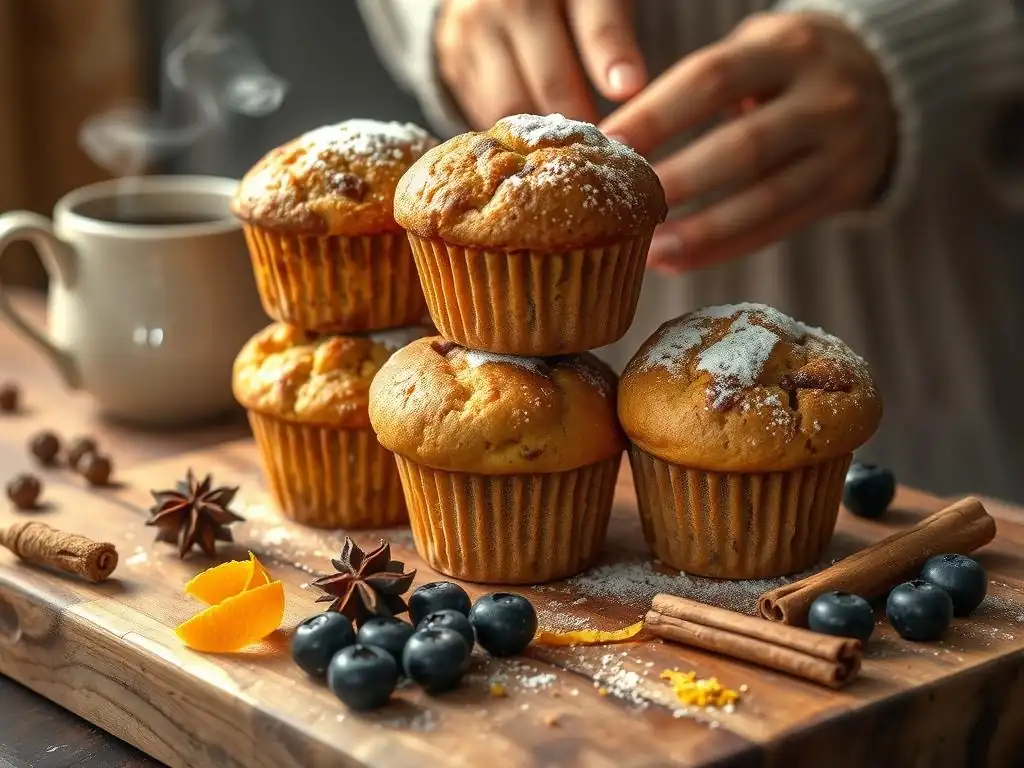
Muffins are the epitome of quick and easy baking, and allspice is a superb spice to incorporate into them, especially in recipes like Morning Glory Muffins. These hearty muffins are typically packed with ingredients like carrots, apples, raisins, nuts, and sometimes pineapple, creating a complex mix of flavors and textures. Allspice provides a warm, unifying spice note that ties all these diverse ingredients together beautifully.
In a Morning Glory Muffin recipe that yields 12 standard muffins, you might find calls for 1 to 1.5 teaspoons of ground allspice, often combined with cinnamon. The allspice ensures that each bite, full of different fruits and vegetables, has a consistent, comforting spice background. Its flavor profile complements both the sweetness of the fruit and the earthiness of the carrots, making these muffins incredibly flavorful and satisfying. It's an easy way to add depth to your morning bake.
Allspice in Pumpkin Pie: A Festive Flavor Addition
Pumpkin pie is a holiday staple, and while pumpkin pie spice blends are common, allspice is a crucial component that can be used individually or as part of a blend to achieve that signature festive flavor. The traditional spices in pumpkin pie work together to complement the earthy sweetness of the pumpkin, and allspice's unique profile of cinnamon, clove, and nutmeg notes is essential to this mix.
When making pumpkin pie filling from scratch, many recipes will call for a combination of spices. For a standard 9-inch pie, you might use 1-2 teaspoons of cinnamon, ½-1 teaspoon of ginger, ½ teaspoon of cloves, and ½ to ¾ teaspoon of allspice. The allspice contributes significantly to the overall warmth and complexity, ensuring the pie tastes richly spiced and comforting. Using fresh, quality allspice is key here to ensure the flavor isn't muted, making your easy allspice baking recipe for pumpkin pie truly shine.
Tips and Tricks for Baking with Allspice
How to Measure Allspice for Baking: Achieving the Perfect Balance
Measuring spices accurately is key to achieving the perfect flavor balance in your baking, and allspice is no exception. As with many ground spices, using standard measuring spoons and leveling off the top ensures you're using the amount called for in the recipe. However, spice potency can vary depending on freshness and quality. A good starting point for many recipes is to follow the measurement exactly, typically using teaspoons or fractions thereof.
For ground allspice, a level teaspoon holds a specific weight, but the impact of that volume can differ. If a recipe calls for whole allspice berries, remember that grinding them fresh will yield a more intense flavor than using pre-ground spice.
A general rule of thumb is that about 1 teaspoon of ground allspice is equivalent to about 1 tablespoon of whole allspice berries. When trying a new easy allspice baking recipe, start with the specified amount, and if you prefer a stronger spice flavor, you can slightly increase it in subsequent batches, adding perhaps an extra quarter or half teaspoon at a time until you find your ideal level.
Storing Allspice for Baking: Maintaining Freshness and Flavor
Proper storage is vital for preserving the flavor and potency of all spices, including allspice. Both whole and ground allspice should be stored in airtight containers away from heat, light, and moisture. A cool, dark pantry or cupboard is an ideal location. Exposure to air, light, and heat causes the volatile oils that give spices their flavor to degrade over time, resulting in a weaker, less vibrant spice.
Whole allspice berries retain their flavor much longer than ground allspice, often staying potent for 3-4 years if stored correctly. Ground allspice, having more surface area exposed to air, loses its potency more quickly, typically within 6-12 months. While it won't necessarily spoil after this time, its flavor contribution to your easy allspice baking recipes will be significantly diminished. For the best results, aim to use ground allspice within a year of purchasing and consider buying whole berries to grind as needed if you don't use it frequently.
Allspice Substitutions: What to Use If You Run Out
If you find yourself in the middle of preparing an easy allspice baking recipe only to discover you've run out, don't worry! While a direct substitute that perfectly replicates allspice's unique profile is challenging to create, you can approximate its flavor by combining the spices it resembles. The most common substitution involves mixing cinnamon, cloves, and nutmeg.
A widely accepted ratio for substituting 1 teaspoon of ground allspice is to combine ½ teaspoon of ground cinnamon, ¼ teaspoon of ground cloves, and ¼ teaspoon of ground nutmeg. Adjusting this ratio slightly (e.g., using a bit less clove if you find it too strong) can help tailor the blend to your preference and the specific recipe. While this mix won't be identical to true allspice, it provides a very similar warm, spiced flavor that will work well in most baking applications, allowing you to complete your easy allspice baking recipe successfully.
Common Mistakes to Avoid When Baking with Allspice
One of the most common mistakes when baking with allspice is using old, stale spice. As mentioned, ground allspice loses its potency relatively quickly. Using spice that has been sitting in your cupboard for years will result in a weak, lackluster flavor in your baked goods, leaving you wondering why the recipe didn't turn out as expected. Always check the aroma of your allspice; if it doesn't have a strong, warm, pungent scent, it's likely past its prime and should be replaced.
Another mistake is using too much, particularly if you're heavy-handed with the substitution blend involving cloves. Cloves are very potent, and using too much can make your baked goods taste medicinal or overly sharp. When using the cinnamon/clove/nutmeg substitute, err on the side of caution with the clove measurement initially. Finally, not integrating the spice properly into the batter or dough can lead to uneven flavor distribution. Ensure you whisk or sift ground allspice with your dry ingredients to distribute it evenly before combining with wet ingredients for consistent flavor throughout your easy allspice baking recipes.
Mastering Allspice Baking: Advanced Techniques and Flavor Pairings
Exploring Different Allspice Forms (Whole vs. Ground) for Baking
The form of allspice you use can impact the final flavor of your baked goods. Ground allspice is convenient and integrates smoothly into batters and doughs, providing a consistent flavor throughout. It's the standard for most easy allspice baking recipes. However, whole allspice berries offer the freshest, most intense flavor because their volatile oils are protected until they are ground.
Grinding whole allspice berries just before use releases the most vibrant aroma and flavor. You can grind them using a spice grinder, a clean coffee grinder dedicated to spices, or even a mortar and pestle for small amounts.
While ground allspice is suitable for quick breads, cakes, and cookies where even distribution is key, whole berries can be used in applications like infusing liquids (milk for custards or sauces) or added to fruit fillings (like for apple pie) where they can be strained out later. Using freshly ground allspice can elevate your baking, providing a noticeably brighter and more potent spice note compared to pre-ground.
Allspice and Chocolate: A Decadent Flavor Combination
While not as common as chili or cinnamon with chocolate, allspice is a wonderfully decadent spice to pair with it in baking. The warm, slightly peppery notes of allspice complement both dark and milk chocolate beautifully, adding a layer of sophistication that enhances the richness of the cocoa. This pairing works well in cakes, cookies, brownies, and even chocolate sauces or ganaches.
Adding a small amount of allspice to chocolate recipes can transform them. For example, incorporating ½ teaspoon of ground allspice into a batch of chocolate cookies (yielding about 2 dozen) alongside vanilla extract can add an unexpected depth of flavor. In a chocolate cake, ½ to 1 teaspoon of allspice can enhance the cocoa notes and provide a warm undertone. This pairing is particularly effective in recipes that also include other warm flavors like coffee or brown sugar. Experimenting with allspice and chocolate is an easy way to create unique and luxurious baked goods.
Allspice and Fruit: A Perfect Pairing for Apple Crisp
Allspice has a natural affinity for many fruits, bringing out their sweetness and adding a comforting warmth. Apples are perhaps the most classic pairing. The spice blend in apple pie or apple crisp almost always includes allspice because its flavor profile perfectly complements the sweet and tart notes of apples. However, allspice also pairs wonderfully with pears, peaches, plums, and even tropical fruits like pineapple.
In an apple crisp or crumble topping for an 8x8 inch dish, using ½ to ¾ teaspoon of ground allspice along with cinnamon and perhaps a pinch of nutmeg creates a beautifully spiced fruit layer. The allspice enhances the natural apple flavor and makes the entire dish feel cozier and more autumnal. For other fruit bakes like peach cobbler or plum tart, adding a small amount of allspice (¼ to ½ teaspoon) can provide a lovely background warmth that elevates the fruit filling. This makes it an easy addition to many fruit-based easy allspice baking recipes.
Allspice and Nuts: Enhancing Texture and Flavor in Baked Goods
Nuts add wonderful texture and flavor to baked goods, and allspice is an excellent spice to pair with them. The warm, slightly woody notes of allspice complement the richness of nuts like pecans, walnuts, almonds, and hazelnuts. This combination works well in nut-based cakes, muffins, cookies, and even granola or spiced nuts used as a topping for baked goods.
Consider a pecan pie or tart. Adding ¼ to ½ teaspoon of allspice to the filling alongside vanilla extract can enhance the deep, caramelized flavor of the pecans and brown sugar. In a recipe for spiced nuts (often used in muffins or quick breads), allspice can be part of the spice mix used to coat the nuts before baking. Adding ½ teaspoon of allspice to a batch of walnut muffins (yielding 12) can deepen the nutty flavor and add a comforting warmth. This pairing adds complexity and enhances the overall sensory experience of baked goods featuring nuts.
Allspice Baking: Troubleshooting Guide
My Allspice Baking Tastes Bitter: What Went Wrong?
If your allspice baking tastes bitter, there are a few potential culprits. The most common reason is often using too much ground clove if you were attempting to substitute for allspice using a blend. Cloves are very potent and can lend a bitter or medicinal flavor when used in excess. While allspice contains eugenol (found in cloves), its concentration and balance with other compounds in pure allspice usually prevent this bitterness when used in typical baking amounts.
Another possibility is that the allspice itself was old or stored improperly, causing its flavor compounds to degrade in a way that produces off-notes, including bitterness. Ensure your ground allspice is relatively fresh (ideally less than a year old) and has been stored in an airtight container away from light and heat. Lastly, sometimes certain flours or leavening agents can interact with spices, but using excessive or stale spice, particularly clove, is the most likely cause of bitterness in allspice baking.
Allspice Flavor Too Subtle: How to Enhance It?
If the allspice flavor in your baked goods is too subtle, it's most likely due to using old or low-quality spice. As ground spices age, their volatile oils evaporate, significantly reducing their flavor potency. If your allspice doesn't have a strong, distinct aroma when you open the container, it won't contribute much flavor to your baking. Replacing old spice with fresh, high-quality ground allspice is the first step to enhancing the flavor.
Another way to boost the allspice flavor is to slightly increase the amount used in the recipe in subsequent attempts. If a recipe calls for 1 teaspoon, try 1.25 or 1.5 teaspoons next time. You can also try using freshly ground allspice berries instead of pre-ground, as this will provide a more intense flavor. Toasting the spice gently before adding it to the batter (be careful not to burn it) can also sometimes help release more flavor, though this requires caution. Ensuring the spice is well-distributed in the batter or dough is also key for consistent flavor.
Allspice Overpowered My Baking: How to Balance the Flavors?
If the allspice flavor is too dominant in your baking, it typically means too much was added relative to the other ingredients, or perhaps the allspice used was exceptionally potent (e.g., very freshly ground). Unlike the bitterness issue, this is simply a matter of the allspice flavor being too strong and masking other intended flavors.
To balance an overpowering allspice flavor in future baking attempts of that easy allspice baking recipe, simply reduce the amount of allspice used. If the recipe called for 1.5 teaspoons, try reducing it to 1 or even 0.75 teaspoons. Remember that the perceived strength of spice can also depend on the other flavors present.
In recipes with delicate flavors, even a standard amount of allspice might seem prominent. Consider if the recipe needs adjustment in other areas, such as increasing the amount of sugar, fat, or other flavorings like vanilla or citrus zest, which can help mellow and balance the spice notes.
Conclusion: Embrace the Versatility of Allspice in Your Baking Journey
As we've explored, allspice is far more than just a blend of other spices; it's a unique ingredient with a complex flavor profile that brings warmth, depth, and intrigue to a wide variety of baked goods. From classic gingerbread and festive pumpkin pie to simple allspice cakes, muffins, and even unexpected pairings with chocolate or nuts, allspice proves its worth in the baker's pantry. Its ability to act as a balanced combination of cinnamon, clove, and nutmeg makes it particularly useful for creating easy allspice baking recipes that are both delicious and straightforward.
Understanding where allspice comes from, how to store it properly, and how to troubleshoot common issues will empower you to use this spice confidently. Whether you're grinding whole berries for maximum freshness or using convenient ground allspice, incorporating this versatile spice into your creations is an easy way to elevate your baking. So, next time you're looking to add a touch of warmth and complexity, reach for the allspice. Experiment with easy allspice baking recipes, discover its perfect pairings, and enjoy the rich, comforting flavors it brings to your kitchen. Happy baking!
Frequently Asked Questions
What exactly is allspice, and why is it so popular in baking?
Allspice isn't a blend, but a single dried berry from the Pimenta dioica tree. Its popularity stems from its flavor profile, reminiscent of cinnamon, cloves, and nutmeg, making it a convenient way to add depth to recipes.
What are some "Allspice baking recipes easy" that are suitable for beginners?
Simple options include allspice-spiced muffins, quick breads like banana bread with a dash of allspice, or even allspice-infused cookies. These recipes are generally straightforward and require basic baking skills.
How much allspice should I use in a recipe? Can I overdo it?
Start with a small amount, typically 1/4 to 1/2 teaspoon per batch of cookies or cake batter. Overusing allspice can result in an overpowering flavor, so it's best to err on the side of caution.
Can I substitute allspice with other spices if I don't have it on hand?
Yes, you can create a substitute by blending equal parts of ground cinnamon, cloves, and nutmeg. However, the flavor won't be exactly the same, as allspice has its unique characteristics.
How should I store allspice to maintain its flavor and potency?
Store ground allspice in an airtight container in a cool, dark, and dry place. Properly stored, it can last for several months, but its flavor will gradually diminish over time.
Final Reflection: The Enduring Allure of Allspice in Baking
The warmth of allspice, once a rare and exotic ingredient, now graces countless kitchens, proving its enduring versatility in baking. Its rich, complex flavor profile, a harmonious blend of cinnamon, nutmeg, and cloves, continues to captivate both seasoned bakers and enthusiastic novices alike. This accessibility, coupled with its remarkable ability to elevate even the simplest recipes, solidifies allspice's place as a baking staple for generations to come.
Allspice's journey from a prized spice to a common pantry item reflects our evolving relationship with food and flavor. Its integration into diverse culinary traditions underscores its adaptability and enduring appeal. The ease with which it can be incorporated into various baked goods, from cakes and cookies to pies and breads, speaks to its democratic nature. The best things in life are simple,
a sentiment perfectly mirrored by the uncomplicated yet profound impact of allspice on our baking experiences.
Now, consider your own baking adventures. What new creations will you conjure using this multifaceted spice? Will you experiment with its subtle nuances in a classic recipe, or dare to create something entirely new? Embrace the possibilities, let the warmth of allspice inspire you, and discover the unique magic it brings to your culinary journey. The world of allspice baking awaits your exploration.
Unleash the Magic of Allspice in Your Baking!
Thanks for exploring the wonderful world of allspice with us! We hope you discovered new ways to elevate your baking with this versatile spice. Ready to put your newfound knowledge into practice?
- Experiment with a new allspice-infused recipe: Try substituting allspice in your favorite cookie recipe or create something entirely new using the flavor profiles we explored. This is your chance to unleash your inner baking artist!
- Share your allspice baking creations with us on social media using #BakeWithEaseAllspice – we'd love to see your culinary masterpieces!
- Challenge yourself to find one unexpected pairing for allspice: Think beyond the typical apple and pumpkin – what other flavors could you enhance with a touch of this warming spice?
Now, let's get baking! What surprising allspice-infused treat will you create next?