
Perfect Pfeffernüsse: Simple Steps to Spicy German Cookies

Welcome to BakeWithEase!
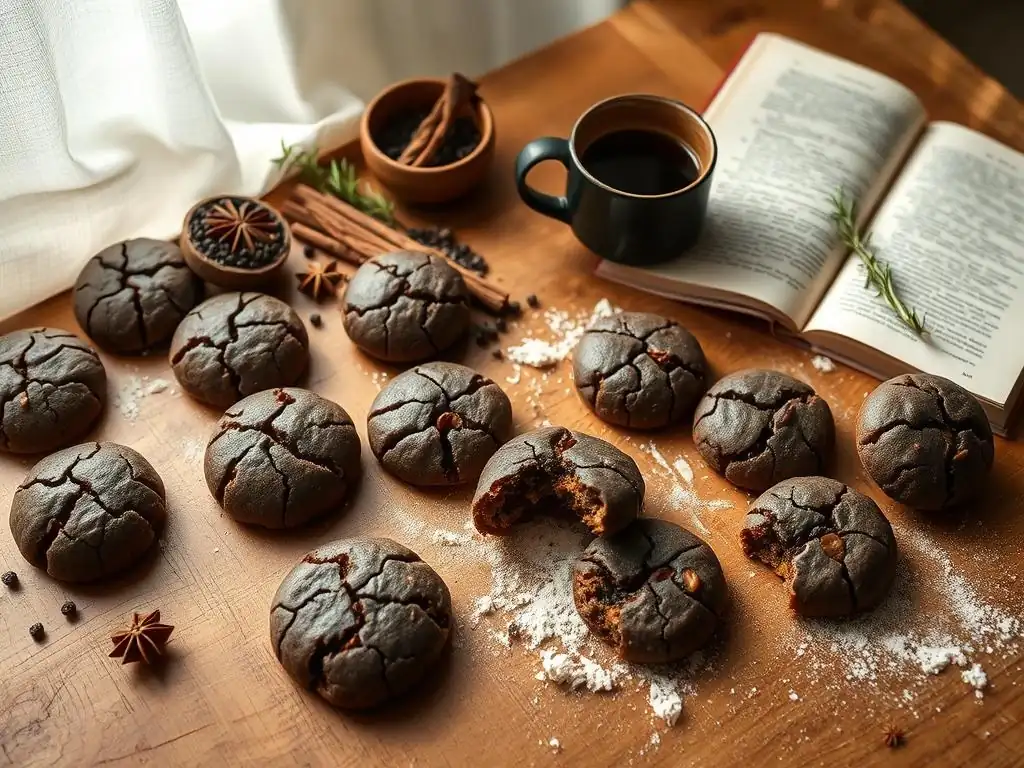
Craving the warmth and spice of the holidays? You've come to the right place! Delve into the world of regional baking with our guide to Perfect Pfeffernüsse: Simple Steps to Spicy German Cookies. These "pepper nuts," as they're sometimes called, are easier to make than you might think! Discover the secrets behind achieving that authentic, melt-in-your-mouth texture and discover how to bake easy spicy german cookies that will transport you straight to a German Christmas market. Ready to fill your kitchen with the irresistible aroma of cinnamon, cloves, and nutmeg? Let's get started!
- Perfect Pfeffernüsse: Simple Steps to Spicy German Cookies - BakeWithEase
- Introduction: Discover the Magic of Easy Spicy German Cookies
- Gathering Your Ingredients for Authentic Pfeffernüsse
- Step-by-Step Guide: Baking Your Own Spicy Pfeffernüsse
- The Secret to Perfect Pfeffernüsse: Tips and Tricks
- Storing and Serving Your Homemade Pfeffernüsse
- Variations and Adaptations: Customizing Your Pfeffernüsse Recipe
- Conclusion: Enjoying the Delights of Easy Spicy German Cookies at Home
- Frequently Asked Questions
- Final Reflection: The Enduring Magic of Pfeffernüsse
- Unleash Your Inner Bäcker: Bake Pfeffernüsse Today!
What are Pfeffernüsse? A Taste of German Baking Tradition
Pfeffernüsse, directly translating to "pepper nuts," are small, round cookies originating from Germany, though variations exist across central Europe. Despite the name, they aren't always dominated by pepper; instead, they feature a complex blend of warm spices like cinnamon, cloves, nutmeg, and often ginger, with black pepper providing a subtle, intriguing kick. These delightful treats have a rich history, often associated with the festive Christmas season, and are known for their firm texture that softens over time.
Traditionally, Pfeffernüsse were made with honey or molasses and a mix of spices, sometimes even including ground nuts. Their size, typically about 1-2 cm in diameter, makes them perfect bite-sized delights. While deeply rooted in holiday traditions, enjoying these easy spicy german cookies is a pleasure that can extend throughout the year, bringing a touch of European charm to any occasion.
Why This Pfeffernüsse Recipe is Perfect for Home Bakers
This particular Pfeffernüsse recipe is designed with the home baker in mind, making the process of creating these classic easy spicy german cookies straightforward and rewarding. We focus on readily available ingredients and simplified techniques that yield authentic results without requiring specialized equipment or advanced skills. Whether you're a complete novice or someone looking for a reliable, fuss-free version of a traditional favorite, this guide breaks down each step into manageable parts.
The beauty of this recipe lies in its simplicity and forgiveness. Unlike some finicky cookies, Pfeffernüsse dough is quite robust. The steps, from mixing the dough to baking and glazing, are easy to follow, ensuring a high success rate. You'll find that achieving that perfect balance of spice and sweetness is well within reach, allowing you to confidently bake a batch of these delicious and easy spicy german cookies right in your own kitchen.
Gathering Your Ingredients for Authentic Pfeffernüsse
Essential Spices for the Perfect Pfeffernüsse Flavor Profile
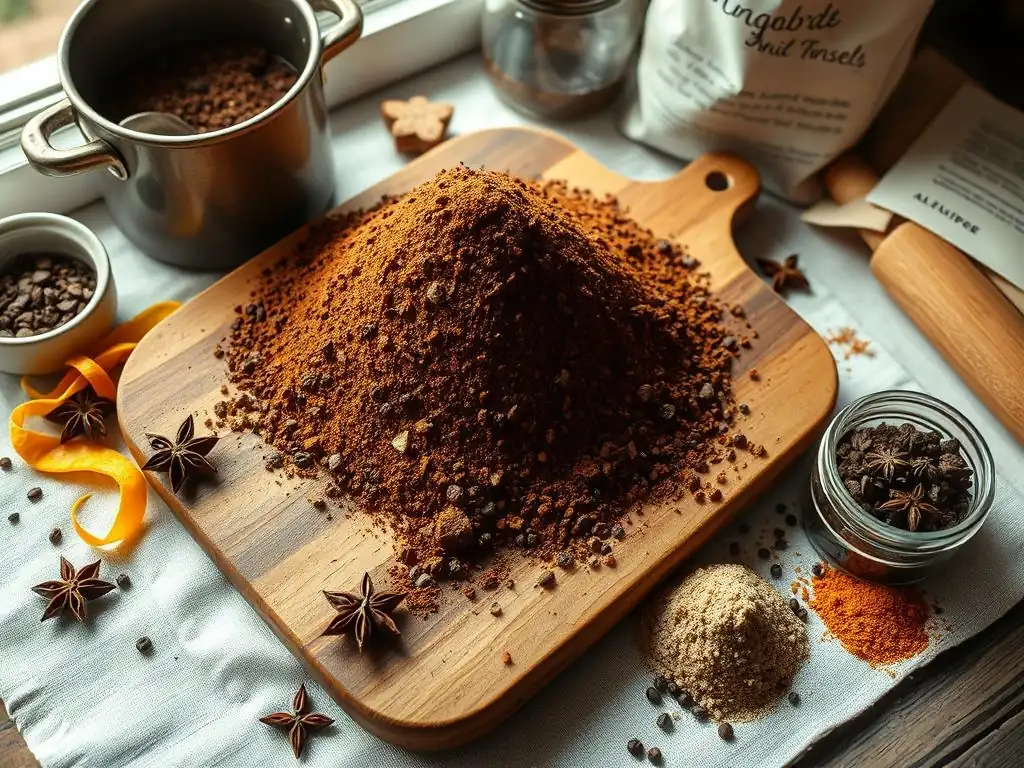
The hallmark of Pfeffernüsse is its distinctive blend of spices, which creates a warm, aromatic, and slightly piquant flavor. While the exact mix can vary by region and family recipe, the core includes ground cinnamon, cloves, nutmeg, ginger, and, of course, black pepper. A standard starting point might involve a ratio where cinnamon is the most prominent spice (perhaps 2 teaspoons), followed by ginger and cloves (around 1 teaspoon each), with nutmeg and black pepper used more sparingly (maybe 1/4 to 1/2 teaspoon each).
These spices not only contribute to the unique taste but also act as natural preservatives, historically allowing the cookies to be stored for extended periods. The black pepper, though often used in a smaller quantity than the other spices, is crucial; it provides a subtle warmth that elevates the overall flavor profile, preventing the cookies from being merely sweet and spiced. Using fresh, high-quality ground spices will significantly enhance the aroma and taste of your easy spicy german cookies.
For authentic Pfeffernüsse, a good quality all-purpose flour is typically the standard choice. Approximately 2 to 2.5 cups of all-purpose flour are usually sufficient for a batch yielding 4-5 dozen small cookies. The gluten content in all-purpose flour provides the necessary structure for the cookies while allowing them to maintain a relatively soft interior after the initial bake. Ensure your flour is measured correctly, preferably by weight (around 250-300 grams), for consistent results.
Traditional Pfeffernüsse often rely on molasses or honey as the primary sweetener, sometimes combined with granulated or brown sugar. Molasses, with its dark color and robust flavor, contributes significantly to the characteristic taste and chewy texture. Using about 1/2 cup of dark molasses alongside 1/4 cup of brown sugar provides a rich base. Granulated sugar (around 1/2 cup) is also commonly included to ensure adequate sweetness and aid in texture development. The combination of sweeteners impacts both the flavor depth and how the easy spicy german cookies soften over time.
Step-by-Step Guide: Baking Your Own Spicy Pfeffernüsse
Step 1: Preparing the Pfeffernüsse Dough - A Simple Mixing Process
Creating the dough for these easy spicy german cookies is refreshingly simple. Begin by creaming together softened butter (around 1/2 cup or 115 grams) with your chosen sweeteners – typically molasses, brown sugar, and granulated sugar – until the mixture is light and fluffy, which usually takes about 2-3 minutes with an electric mixer. In a separate bowl, whisk together the dry ingredients: all-purpose flour, baking soda (about 1 teaspoon), salt (1/4 teaspoon), and your carefully measured spice blend.
Once the wet ingredients are well combined, beat in one large egg and a splash of vanilla extract (about 1 teaspoon). Gradually add the dry ingredients to the wet mixture, mixing on low speed or by hand until just combined. It's important not to overmix at this stage; stop as soon as no dry streaks of flour are visible. The resulting dough will be quite soft and sticky, which is perfectly normal for these easy spicy german cookies.
Step 2: Chilling the Dough for Optimal Flavor and Texture
Chilling the Pfeffernüsse dough is a crucial step that significantly improves both the flavor and the handling properties. As the dough rests in the refrigerator, the spices have time to meld and deepen, resulting in a more complex and authentic taste. Furthermore, chilling solidifies the fats in the dough, making it much easier to roll and shape the small cookies without them sticking excessively to your hands or the work surface.
For best results, wrap the dough tightly in plastic wrap or place it in an airtight container and refrigerate for at least 1-2 hours. Ideally, chilling the dough overnight allows the flavors to fully develop, yielding exceptionally aromatic easy spicy german cookies. If you're in a hurry, even 30 minutes in the freezer can help firm it up enough to work with, but the flavor benefits of a longer chill are substantial.
Shaping Pfeffernüsse traditionally involves rolling the chilled dough into small balls, roughly the size of a marble or a small walnut, typically measuring about 1 to 1.5 cm in diameter. This size ensures they bake evenly and are pleasant bite-sized treats. To make this process easier, you can lightly dust your hands with flour or powdered sugar, or even dampen them slightly with water, though chilling the dough adequately is the primary trick to prevent stickiness.
An efficient way to shape many cookies quickly is to roll sections of the dough into long ropes, about the thickness of your thumb (around 1.5-2 cm). Then, use a knife or bench scraper to cut the rope into small segments, approximately 1-1.5 cm long. You can then quickly roll these segments into balls, or simply bake them as small cubes for a slightly more rustic look. Place the shaped dough balls about 1 inch apart on baking sheets lined with parchment paper.
Step 4: Baking to Perfection - Achieving the Ideal Texture
Baking Pfeffernüsse requires careful attention to achieve the desired texture – slightly firm on the outside but still a bit soft within. Preheat your oven to a moderate temperature, typically around 350°F (175°C). Place the baking sheets with the shaped cookies in the preheated oven. The small size of the cookies means they bake relatively quickly.
Bake the cookies for approximately 10-12 minutes. The exact baking time will depend on their size and your oven's calibration. You'll know they are ready when the edges are lightly golden brown and the tops appear set but not deeply colored. Avoid overbaking, as this can result in hard, dry cookies. Once baked, remove the sheets from the oven and let the easy spicy german cookies cool on the baking sheet for a few minutes before transferring them to a wire rack to cool completely.
The Secret to Perfect Pfeffernüsse: Tips and Tricks
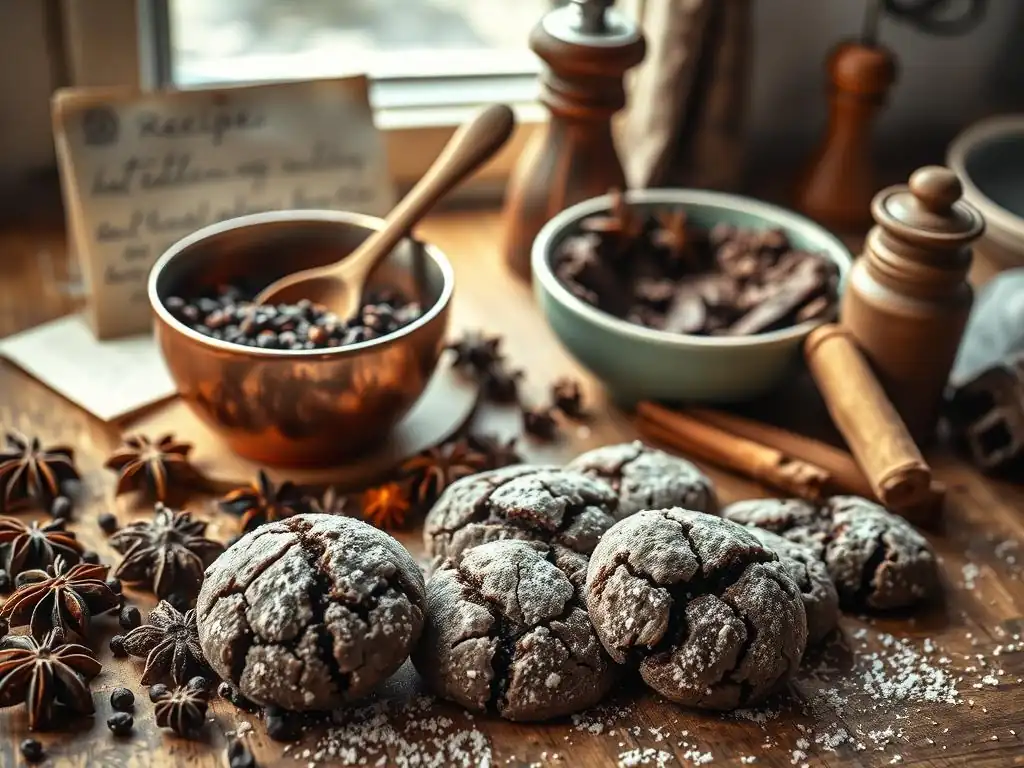
The beauty of making easy spicy german cookies like Pfeffernüsse at home is the ability to customize the spice blend to your personal preference. While the recipe provides a classic starting point, feel free to adjust the quantities of individual spices. If you love the warmth of ginger, increase it slightly. If you prefer a more pronounced peppery kick, add a touch more black pepper (though start small, as its flavor intensifies).
A good approach is to measure the spices carefully for your first batch according to the recipe. After baking and tasting, you can make notes for your next batch. Perhaps you'd prefer 1/4 teaspoon less clove or an extra pinch of cinnamon. Over time, you'll refine the blend to create your signature easy spicy german cookies, perfectly tuned to your taste buds. Remember that the flavors will meld and deepen as the cookies age.
Avoiding Common Pfeffernüsse Baking Mistakes
Successfully baking Pfeffernüsse is relatively simple, but being aware of common pitfalls can ensure perfect results every time. One frequent mistake is not chilling the dough sufficiently; this leads to a sticky mess that's hard to shape and cookies that spread too much during baking. Always allow at least 1-2 hours of chilling time, or ideally longer. Another error is overmixing the dough after adding the flour, which can develop too much gluten and result in tough cookies. Mix only until the ingredients are just combined.
Furthermore, overbaking is a common issue. Because the cookies are small, they can go from perfectly baked to hard and dry very quickly. Start checking for doneness around the 10-minute mark, looking for light browning only around the edges. Using an oven thermometer can also help ensure your oven is at the correct temperature, preventing unexpected baking times and results for your easy spicy german cookies.
Tips for Perfectly Glazed Pfeffernüsse
Traditional Pfeffernüsse are often coated in a simple, crisp powdered sugar glaze, which adds a touch of sweetness and a beautiful, slightly crackled finish. To make this glaze, whisk together about 1 cup of powdered sugar with 2-3 tablespoons of milk or lemon juice until smooth and pourable. Lemon juice adds a lovely tart contrast to the rich spices. The consistency should be thick enough to coat but thin enough to drip off excess easily.
The best time to glaze the cookies is while they are still warm, but not hot, from the oven. This allows the glaze to adhere well and set into a crisp coating. You can toss a few warm cookies at a time in a bowl with the glaze, using a spoon to coat them, then lift them out with a slotted spoon or fork, allowing the excess glaze to drip back into the bowl before placing them on a wire rack to let the glaze set completely.
Alternatively, you can simply dip the tops of the cookies. Ensure the glaze is fully set before storing the easy spicy german cookies.
Storing and Serving Your Homemade Pfeffernüsse
One of the wonderful characteristics of Pfeffernüsse is their excellent shelf life, largely thanks to the spices and molasses/honey content which help retain moisture and act as natural preservatives. Once completely cooled and the glaze has set, store your easy spicy german cookies in an airtight container at room temperature. Layering them between sheets of parchment paper can prevent sticking, especially if they are glazed.
Stored properly, Pfeffernüsse can remain fresh and delicious for several weeks, often improving in flavor and texture over the first few days as the spices continue to meld and the cookie softens slightly. For longer storage, they can also be frozen in an airtight container or freezer bag for several months. Thaw them at room temperature before enjoying.
Serving Suggestions: Enjoying Pfeffernüsse All Year Round
While traditionally associated with Christmas markets and holiday baking in Germany, easy spicy german cookies like Pfeffernüsse are versatile treats that can be enjoyed year-round. Their robust spice flavor pairs wonderfully with hot beverages such as coffee, tea, or mulled wine (Glühwein). They are perfect for dipping!
Serve them as a delightful addition to a cookie platter, pack them in lunch boxes, or simply enjoy a few alongside your afternoon coffee break. Their small size makes them ideal for sharing or for a quick, satisfying bite. Consider offering them as a unique alternative to gingerbread cookies during the holiday season, or introduce friends and family to these charming easy spicy german cookies any time you want to share a taste of German baking tradition.
Variations and Adaptations: Customizing Your Pfeffernüsse Recipe
Gluten-Free Pfeffernüsse: A Simple Adaptation
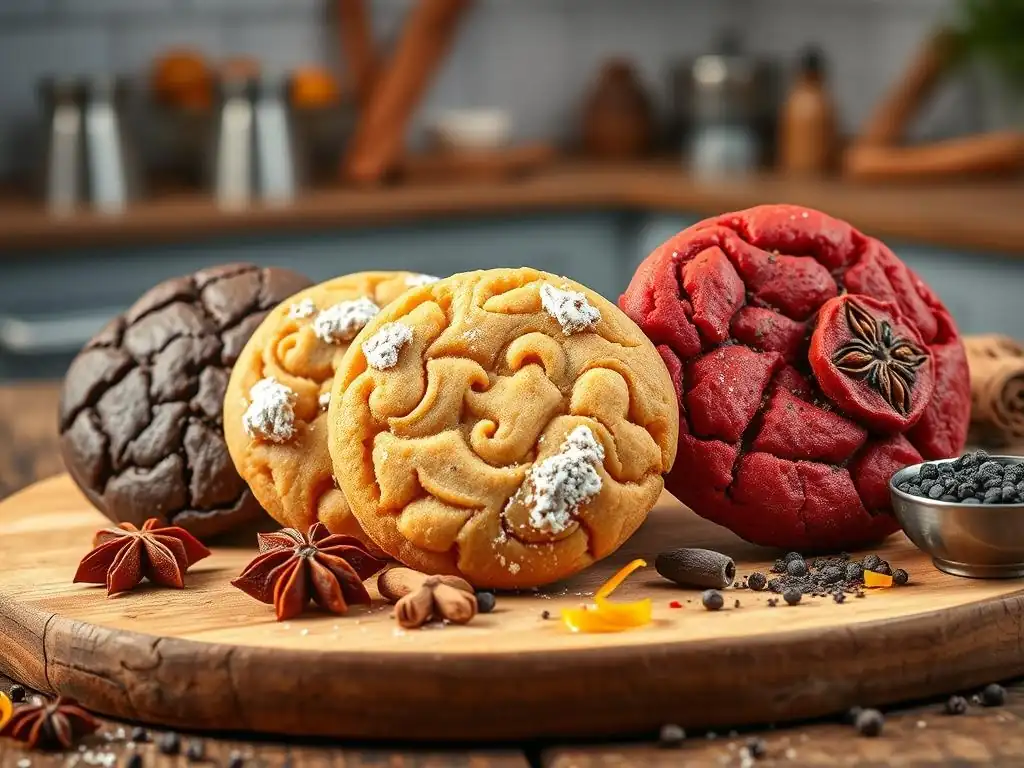
Adapting the traditional Pfeffernüsse recipe to be gluten-free is quite achievable. The simplest approach is to substitute the all-purpose flour with a good quality gluten-free all-purpose flour blend. Look for a blend that is designed for baking and contains a mix of flours and starches, often including xanthan gum for structure. You will likely need approximately the same volume or weight of gluten-free flour blend as traditional flour.
When using a gluten-free blend, the dough consistency might feel slightly different. You may find you need to add a tiny bit more liquid (like milk or water) if the dough seems too dry, or a touch more flour blend if it's overly sticky. Follow the steps for chilling and baking as usual. Gluten-free easy spicy german cookies might not spread quite as much, and their texture can be slightly different, but they will still capture the wonderful spice flavors of classic Pfeffernüsse.
Chocolate Pfeffernüsse: Adding a Decadent Twist
For those who love the combination of warm spices and chocolate, adding a chocolate element to your easy spicy german cookies is a fantastic variation. One simple method is to incorporate cocoa powder directly into the dough. Replace a small portion of the all-purpose flour (perhaps 1/4 cup) with unsweetened cocoa powder when whisking together the dry ingredients. This will give the cookies a subtle chocolate undertone that complements the spices beautifully.
Alternatively, you can add chocolate after baking. Once the cookies are completely cooled, dip half of each cookie in melted dark or milk chocolate. Place them on parchment paper to let the chocolate set. This creates a delicious contrast between the spiced cookie and the smooth chocolate coating. A sprinkle of sea salt on the wet chocolate can add another layer of complexity to your easy spicy german cookies.
Making Pfeffernüsse at home is a rewarding experience that connects you with a rich German baking tradition. This recipe simplifies the process, allowing even novice bakers to create these aromatic and flavorful easy spicy german cookies with confidence. From gathering the essential spices to shaping and baking, each step is designed to be manageable and enjoyable. The result is a batch of delightful, bite-sized cookies perfect for sharing, gifting, or simply savoring yourself.
The ability to customize the spices, explore gluten-free or chocolate variations, and store them for future enjoyment makes Pfeffernüsse a truly versatile addition to your baking repertoire. Don't let the traditional name intimidate you; these are genuinely easy spicy german cookies that bring warmth and cheer with every bite.
We love seeing what you bake! If you try this recipe for easy spicy german cookies, snap a photo of your finished Pfeffernüsse. Share your baking journey, your spice variations, or any tips you discovered along the way. Your experiences not only inspire us but also help other home bakers in our community. Happy baking!
Frequently Asked Questions
These Pfeffernüsse, or spicy German cookies, are designed to be beginner-friendly. The recipe uses simple steps and readily available ingredients, making it a great starting point for new bakers.
The "spicy" flavor comes from a blend of warm spices like cinnamon, cloves, ginger, and nutmeg. These spices create a distinctive and comforting flavor profile characteristic of traditional Pfeffernüsse.
Can I easily find the ingredients needed for this recipe?
Yes, BakeWithEase prioritizes using easy-to-find ingredients in all recipes. Most of the spices and other components required for Pfeffernüsse are common pantry staples.
Are there any variations I can try to customize the flavor?
Absolutely! You can experiment with different spices like cardamom or anise, or add citrus zest for a unique twist. Consider adding a thin glaze of icing for added sweetness and visual appeal.
Pfeffernüsse cookies actually improve in flavor over time! When stored in an airtight container, they can stay fresh for several weeks, making them perfect for holiday baking.
Final Reflection: The Enduring Magic of Pfeffernüsse
The simple act of baking Pfeffernüsse transcends mere culinary creation; it's a journey through generations of tradition, a fragrant bridge connecting us to a rich cultural heritage. These seemingly simple spicy German cookies hold within them a potent blend of warmth, spice, and the comforting aroma of home, making them as relevant today as they were centuries ago. Their enduring appeal lies not just in their delicious taste, but in the shared experience of baking and enjoying them.
The influence of Pfeffernüsse extends beyond the kitchen; they are a symbol of festive gatherings, family traditions, and the joy of creating something beautiful with your own hands. The process itself, from measuring the precise spices to the anticipation of their perfectly crisp texture, fosters a sense of mindful engagement that is often lost in our fast-paced world. As the renowned food writer, M.F.K. Fisher, once wrote: First we eat. Then we do everything else.
Pfeffernüsse remind us of the profound pleasure found in the simple act of preparing and savoring food, connecting us to something larger than ourselves.
Now, I invite you to embrace the spirit of Pfeffernüsse. Don't just bake these cookies; experience them. Share the process with loved ones, savor the aroma filling your home, and relish the taste of tradition. Let the simple steps outlined in this article be a guide, but allow your own creativity and intuition to infuse these cookies with your personal touch. The true magic of Pfeffernüsse lies not in perfection, but in the joy of the journey. So, gather your ingredients, preheat your oven, and embark on your own delicious adventure.
Unleash Your Inner Bäcker: Bake Pfeffernüsse Today!
Thanks for joining us on this delicious journey into the world of Pfeffernüsse! We hope you've gained the confidence to tackle this festive treat. Ready to transform your kitchen into a fragrant spice haven?
- Bake a batch of your own Pfeffernüsse: Use the recipe and tips from the article to create your perfect spicy cookies. Don't be afraid to experiment with spices!
- Share your baking journey: Post a picture of your Pfeffernüsse on social media and tag #BakeWithEasePfeffernüsse – let's see those creations!
- Explore other holiday recipes: Dive into our archives for more festive baking inspiration – we've got plenty of seasonal delights to share.
So, what unique spice blend will you create for your next batch of Pfeffernüsse? Let us know in the comments!