
Easy Italian Ring Cakes: Beautiful & Delicious

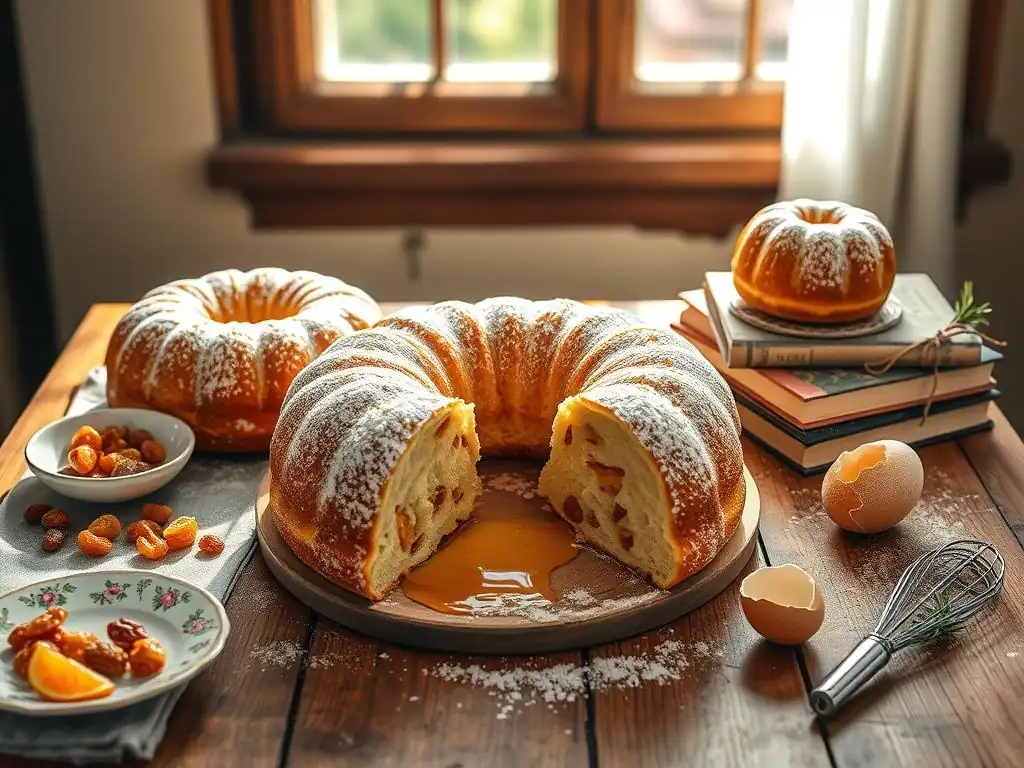
Welcome to BakeWithEase, your haven for all things baking! Ever dreamt of creating a stunning, authentic Italian dessert? Prepare to be amazed, because we're diving into the world of the Easy Italian Ring Cake. This isn't just another recipe; it's a journey into the heart of Italian baking tradition, simplified for your kitchen. Curious how to achieve that perfect golden crust and delicate crumb? Let's unlock the secrets together and bake something truly special. Read on to discover our Easy Italian Ring Cake recipe and start baking today!
- Ciambellone: The Quintessential Italian Ring Cake
- Discover the Delight of Ciambellone: A Simple Recipe
- Why You'll Love This Ciambellone Recipe
- Mastering the Ciambellone Recipe: A Step-by-Step Guide
- Variations on the Classic Ciambellone Recipe
- Tips and Tricks for Baking the Best Ciambellone
- Exploring Italian Baking: Related Recipes
- Troubleshooting Your Ciambellone: Common Issues and Solutions
- Serving Suggestions and Pairing Ideas for Your Ciambellone
-
Frequently Asked Questions
- What makes this Italian ring cake recipe considered "easy"?
- What are the key ingredients needed for this Easy Italian Ring Cake?
- Can I customize the flavor of the Easy Italian Ring Cake?
- What type of pan is best for baking an Easy Italian Ring Cake?
- How do I know when the Easy Italian Ring Cake is done baking?
- Final Reflection: The Enduring Allure of the Simple Italian Ring Cake
- Unleash Your Inner Pastry Chef!
Ciambellone: The Quintessential Italian Ring Cake
Ciambellone is more than just a cake in Italy; it's a symbol of home, warmth, and simple pleasures. This classic Italian ring cake, often found gracing breakfast tables or accompanying afternoon coffee, is beloved for its light texture, subtle sweetness, and comforting aroma. Its simple elegance makes it a staple in Italian households, passed down through generations. Whether you call it ciambella or ciambellone (the name often varies regionally and by size), its recognizable ring shape and delightful taste remain constant.
This easy Italian ring cake recipe is designed to bring a piece of that Italian tradition into your kitchen. It's a perfect project for bakers of all levels, promising a delicious result with minimal fuss. The beauty of ciambellone lies in its adaptability – while the classic version is simple, it serves as a wonderful canvas for various flavors and additions, making it a versatile treat for any occasion.
Discover the Delight of Ciambellone: A Simple Recipe
Embarking on the journey to bake a ciambellone is a delightful experience, leading to a cake that is both beautiful and incredibly satisfying. This easy Italian ring cake recipe focuses on straightforward steps and readily available ingredients, ensuring success even for those new to baking. The process is designed to be enjoyable, from mixing the batter to watching the cake rise and turn golden in the oven.
The result is a wonderfully light and airy cake with a tender crumb. It's not overly sweet, making it an ideal accompaniment to beverages or a gentle end to a meal. The simplicity of this classic Italian ring cake recipe allows the quality of the ingredients to shine through, providing an authentic taste of Italian home baking.
Why You'll Love This Ciambellone Recipe
Simple Ingredients for Authentic Italian Flavor
One of the greatest appeals of this easy Italian ring cake recipe is its reliance on basic pantry staples. You won't need obscure or hard-to-find items. Ingredients like flour, sugar, eggs, milk, oil (or butter), and leavening agents form the foundation. A touch of lemon zest or vanilla often provides the signature aroma, evoking traditional Italian kitchens.
Using fresh, good-quality ingredients is key to achieving that authentic flavor. For instance, selecting fresh eggs and whole milk can make a noticeable difference in the cake's richness and texture. While specific regional recipes might call for lard or olive oil, a neutral vegetable oil or melted butter works beautifully for a widely accessible easy Italian ring cake recipe, ensuring a moist and tender crumb every time.
A Classic and Versatile Cake
The ciambellone is a true classic in Italian baking, standing the test of time because of its inherent goodness and adaptability. It's the kind of cake that feels both special and everyday, equally appropriate for a holiday breakfast or a simple afternoon snack. Its versatility extends to flavor profiles; while the basic version is plain, it welcomes additions like chocolate chips, dried fruit, or nuts.
This easy Italian ring cake recipe serves as an excellent base to explore variations. Imagine a version with chunks of apple, a swirl of cocoa, or perhaps steeped raisins. The sturdy yet tender structure of the ciambellone batter holds up well to these additions, allowing bakers to customize it to their liking while still maintaining the comforting essence of this traditional Italian ring cake.
Perfect for Breakfast, Snack, or Dessert
Ciambellone holds a unique place in Italian culinary culture as a cake enjoyed at various times of the day. It's perhaps most famously a breakfast cake, perfect for dipping into a morning cappuccino or latte. Its not-too-sweet profile makes it an ideal start to the day, providing a gentle energy boost without being heavy.
Beyond breakfast, a slice of this easy Italian ring cake is a welcome sight during the mid-afternoon merenda (snack time), often served with a glass of milk or juice, especially for children. It also makes a delightful, light dessert, perhaps dusted with powdered sugar or served alongside fresh fruit. This adaptability underscores why the easy Italian ring cake recipe remains a beloved staple across Italy.
Mastering the Ciambellone Recipe: A Step-by-Step Guide
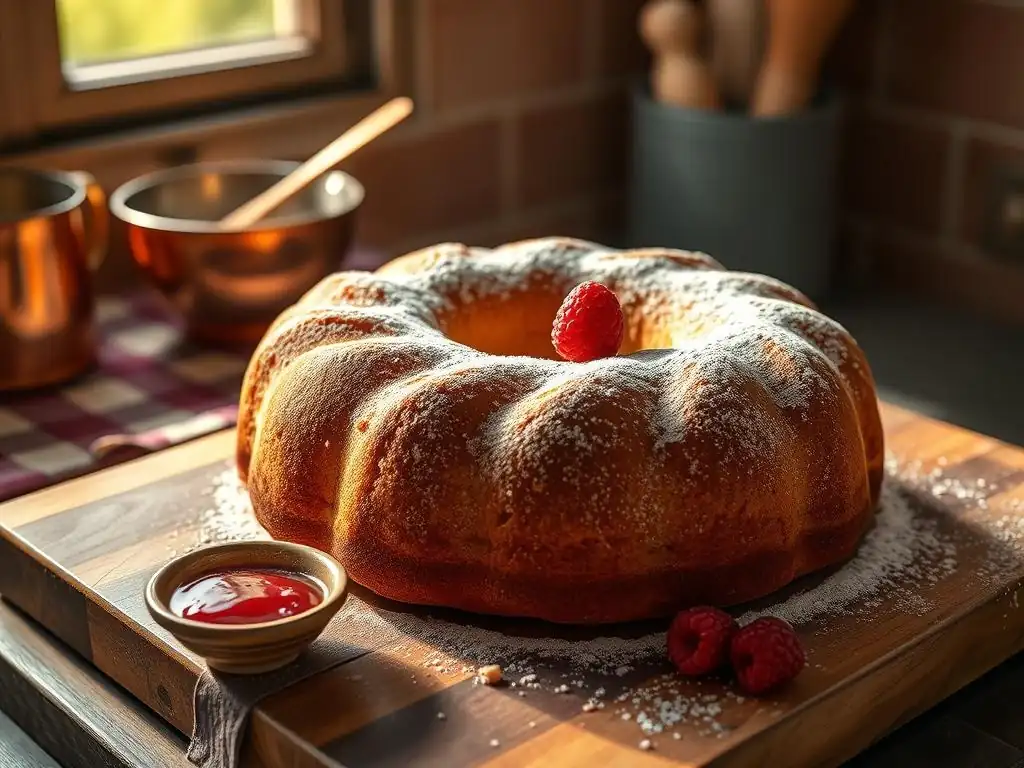
Gather Your Ingredients: [List specific ingredients with quantities]
To make a classic ciambellone, you will need:
- 3 large eggs
- 200g (about 1 cup) granulated sugar
- 100ml (about 1/2 cup minus 1 tbsp) vegetable oil or melted butter
- 120ml (about 1/2 cup) milk
- 300g (about 2 1/4 cups) all-purpose flour
- 16g (about 4 teaspoons or 1 sachet) baking powder
- Zest of 1 lemon (optional but recommended)
- A pinch of salt
- Butter and flour for greasing the pan
Having all your ingredients measured out and ready before you begin is a crucial step in any baking project, including this easy Italian ring cake recipe. Ensure your eggs and milk are at room temperature, as this helps them emulsify better with the other ingredients, leading to a smoother batter and a more evenly baked cake. The quality and freshness of ingredients, particularly the baking powder, will significantly impact the cake's rise and texture.
Preparing the Cake Batter: Achieving a Light and Fluffy Texture
Creating a light and fluffy ciambellone batter starts with creaming the eggs and sugar. In a large bowl, whisk the 3 large eggs and 200g of granulated sugar together until the mixture is pale yellow and significantly increased in volume, becoming light and airy. This process incorporates air, which contributes to the cake's final texture. An electric mixer makes this step much easier, typically taking 3-5 minutes on medium-high speed.
Next, gradually add the wet ingredients: 100ml of oil (or melted butter) and 120ml of milk, mixing on low speed until just combined. Don't overmix at this stage. In a separate bowl, whisk together the 300g of flour, 16g of baking powder, and a pinch of salt. Gradually add the dry ingredients to the wet mixture, mixing on low speed only until the flour streaks disappear.
Overmixing the flour can develop the gluten too much, resulting in a tough cake. If using, gently stir in the lemon zest. The final batter should be smooth and pourable, characteristic of a good easy Italian ring cake recipe.
Shaping the Ring Cake: Using a Bundt Pan
The distinctive ring shape of the ciambellone is traditionally achieved using a specific pan, most commonly a Bundt pan or a tube pan. These pans have a central tube that helps the cake bake more evenly by allowing heat to penetrate the center as well as the edges. A standard 9 or 10-inch (23-25 cm) Bundt pan is ideal for this easy Italian ring cake recipe.
Properly preparing the pan is essential to prevent the cake from sticking. Generously grease the entire interior surface of the pan, including the central tube, with softened butter or a non-stick baking spray. Then, dust the greased pan with flour, tapping out any excess. This creates a barrier that helps the cake release cleanly after baking. Carefully pour the prepared batter into the greased and floured Bundt pan, smoothing the top with a spatula.
Baking to Golden Perfection: Temperature and Timing Considerations
Baking the ciambellone requires precise temperature and timing to ensure it's cooked through without becoming dry. Preheat your oven to 180°C (350°F). Place the filled Bundt pan on the middle rack of the preheated oven. The baking time for this easy Italian ring cake recipe is typically between 35 to 45 minutes, but this can vary depending on your oven.
You'll know the ciambellone is ready when the top is golden brown and a cake tester or a wooden skewer inserted into the thickest part of the cake (avoiding the central tube area) comes out clean. Avoid opening the oven door during the first 20-25 minutes of baking, as this can cause the cake to sink. If the top starts browning too quickly before the cake is cooked through, you can loosely tent it with aluminum foil.
Variations on the Classic Ciambellone Recipe
Adding Lemon Zest for a Bright Flavor
One of the most popular and classic variations on the basic ciambellone is the addition of lemon zest. The fragrant oils in the lemon peel infuse the cake with a bright, citrusy aroma and flavor that is incredibly refreshing and traditional. Using the zest of one to two organic lemons is usually sufficient for this easy Italian ring cake recipe, providing a lovely lift without being overpowering.
To incorporate lemon zest, simply grate the yellow part of the lemon peel using a microplane or fine grater, being careful to avoid the bitter white pith. Stir the zest into the batter just before adding the dry ingredients or along with the wet ingredients. The heat of baking helps to release the aromatic compounds, filling your kitchen with a wonderful scent and your cake with a delightful tang that perfectly complements the simple sweetness of the ciambellone.
Incorporating Yogurt for Extra Moisture
Adding yogurt is another excellent way to modify the classic ciambellone, resulting in an even moister and tender cake. Plain, full-fat yogurt works best, contributing richness and a slight tang that enhances the overall flavor profile. Replacing some of the milk or oil with yogurt is a common technique in baking to improve texture and longevity.
For this easy Italian ring cake recipe, you could try substituting half of the milk (about 60ml) with 100-120g of plain yogurt. Alternatively, you could replace some of the oil. The yogurt's acidity also reacts with the baking powder, potentially giving the cake an extra lift. Ensure the yogurt is at room temperature before adding it to the batter for smoother incorporation.
Glazing and Decorating Your Ciambellone: Powdered Sugar and More
While the classic ciambellone is often enjoyed plain or simply dusted with powdered sugar, adding a glaze or simple decorations can elevate its appearance and add an extra layer of sweetness. A simple dusting of powdered sugar is the most traditional finishing touch for this easy Italian ring cake, giving it a rustic yet elegant look. Simply sift it over the cooled cake.
For a slightly more decadent finish, you could prepare a simple glaze by whisking together powdered sugar with a little milk, lemon juice, or even a liqueur like limoncello until you reach a pourable consistency. Drizzle this glaze over the cooled cake. Other decorative options include sprinkling with chopped nuts, candied fruit, or chocolate shavings before the glaze sets, adding texture and visual appeal to your beautiful Italian ring cake.
Tips and Tricks for Baking the Best Ciambellone
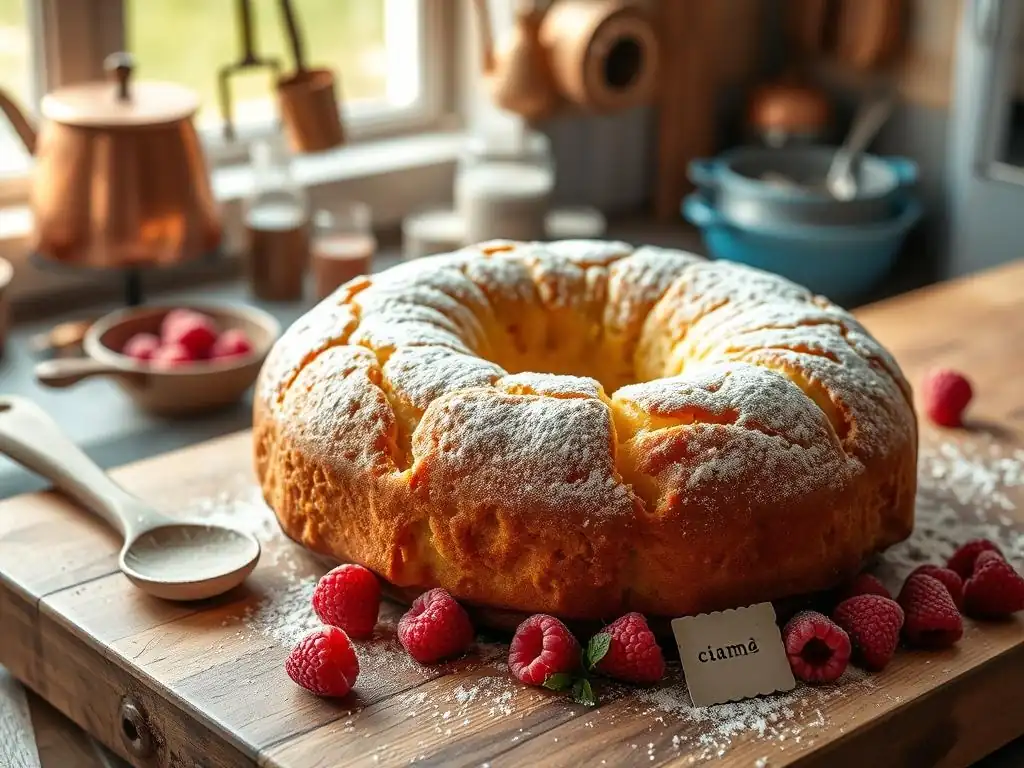
Ensuring Even Baking: Using a Cake Tester
Achieving an evenly baked ciambellone is key to its delightful texture. One of the best tools for checking doneness is a simple cake tester or a wooden skewer. While the baking time provided in this easy Italian ring cake recipe is a guideline (around 35-45 minutes at 180°C/350°F), ovens vary, and relying solely on time can lead to an under or overbaked cake.
Insert the tester or skewer into the deepest part of the cake (avoiding the central tube, which heats up faster). If it comes out clean with no wet batter attached, the cake is done. If there are wet crumbs, continue baking for another 3-5 minutes and test again. Checking in a couple of spots ensures the entire cake is cooked through.
Preventing a Dry Cake: Don't Overbake
Overbaking is the most common culprit behind a dry ciambellone. Once the cake tester comes out clean, remove the cake from the oven immediately. Even a few extra minutes in a hot oven can turn a moist, tender crumb into a dry, less appealing one. Keep a close eye on the cake, especially towards the end of the estimated baking time.
Another factor in preventing dryness is accurate measurement of ingredients, particularly flour and leavening agents. Using too much flour can absorb excess moisture, while incorrect baking powder amounts can affect the rise and texture. Following the measurements in this easy Italian ring cake recipe precisely, and trusting the cake tester, will help ensure a perfectly moist result.
Storing Your Ciambellone for Optimal Freshness
To keep your ciambellone fresh and delicious, proper storage is important. Once the cake has cooled completely on a wire rack, store it at room temperature in an airtight container or wrapped tightly in plastic wrap. This prevents it from drying out and keeps the crumb tender.
Stored correctly, a ciambellone will typically stay fresh for 3-4 days at room temperature. Avoid refrigerating ciambellone, as the cold air can dry out cakes quickly. If you need to store it for longer, it freezes well. Wrap individual slices or the whole cooled cake tightly in plastic wrap, then in aluminum foil, and freeze for up to 2-3 months. Thaw at room temperature before serving.
Other Italian Cakes: [Link to other Italian cake recipes]
Italy boasts a rich tradition of cakes beyond the beloved ciambellone. Exploring other Italian cakes reveals a fascinating array of textures, flavors, and regional specialties. From the simple torta della nonna with its pastry crust and lemon cream filling to the almond-rich torta caprese from the island of Capri, there's a world of deliciousness to discover.
Other notable Italian cakes include the soft and moist torta paradiso, often flavored with vanilla and lemon, and the rustic torta di mele (apple cake), which varies widely from region to region but always celebrates seasonal fruit. Each cake tells a story of local ingredients and culinary history, offering a delightful expansion for anyone who enjoys baking this easy Italian ring cake recipe.
Regional Variations of Ciambellone: A Glimpse
While the basic concept of a ring cake is widespread, the ciambellone itself has fascinating regional variations across Italy. For example, in some regions, the ciambellone might be made with olive oil instead of vegetable oil or butter, imparting a distinct flavor. Others might include specific local ingredients like ricotta cheese for added richness and moisture.
In certain areas, the texture might lean towards a slightly denser, bread-like consistency, while in others, like the version based on this easy Italian ring cake recipe, it's favored for its lightness and fluffiness. Some regional ciambelle might be glazed with icing, while others are left plain or simply dusted. These variations highlight the diversity within Italian culinary traditions, even for such a seemingly simple cake.
Troubleshooting Your Ciambellone: Common Issues and Solutions
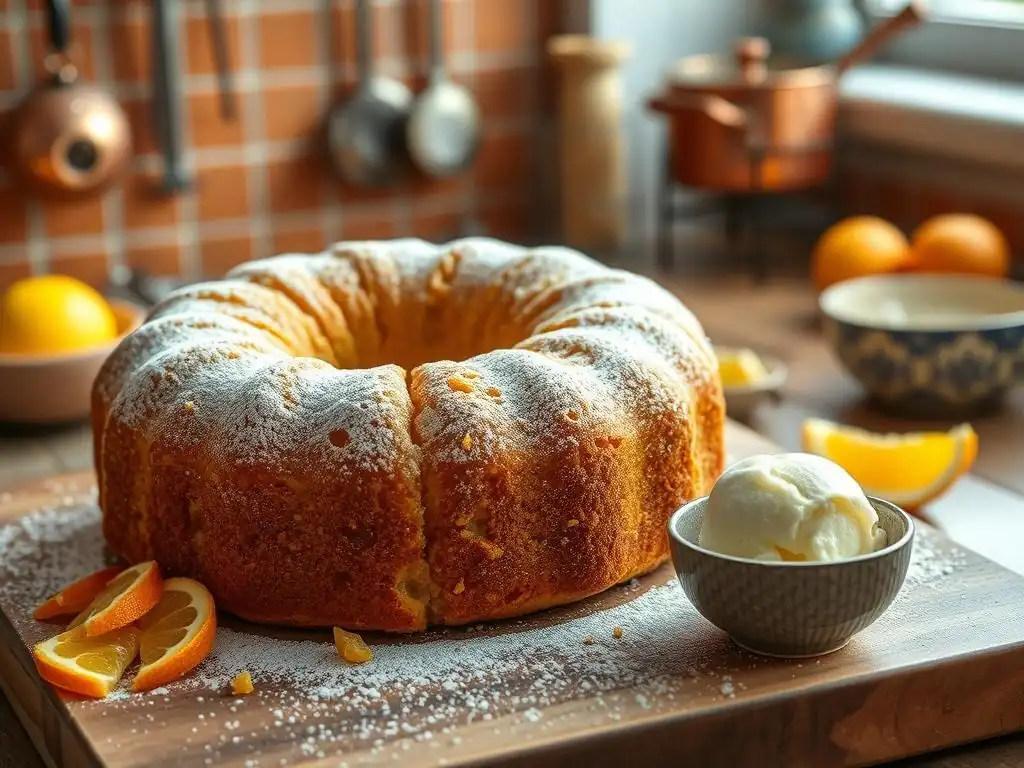
Cake Sinking in the Middle: [Possible causes and solutions]
A common frustration when baking ciambellone is finding that it has sunk in the middle after cooling. One primary cause is underbaking; the center hasn't had enough time to set properly before being removed from the oven. Ensure you use a cake tester and that it comes out clean from the center before deeming the cake done, even if the edges look golden.
Another reason for sinking can be opening the oven door too early in the baking process, especially during the first half hour. The sudden change in temperature can cause the cake's structure, which is still setting, to collapse. Ensure your oven temperature is accurate (an oven thermometer can help), as an oven that runs too hot or too cool can also contribute to uneven baking and sinking.
Cake Too Dense: [Possible causes and solutions]
If your ciambellone turns out dense instead of light and airy, several factors could be at play. Overmixing the batter after adding the flour is a frequent culprit; this develops the gluten, resulting in a tough, dense crumb. Mix only until the dry ingredients are just combined and no flour streaks remain.
Another cause of density can be using too much flour or too little leavening (baking powder). Carefully measure your flour, ideally using a kitchen scale for accuracy (300g is approximately 2 1/4 cups, but weighing is more precise). Ensure your baking powder is fresh and active; expired baking powder won't provide the necessary lift. Also, ensure your wet ingredients (eggs, milk) are at room temperature, as cold ingredients don't emulsify as well, leading to a less uniform batter and potentially a denser cake.
Cake Cracking on Top: [Possible causes and solutions]
Cracking on the top of a ciambellone is often a cosmetic issue and doesn't necessarily mean the cake is ruined, but it can be prevented. One common reason is the oven temperature being too high. If the top sets and forms a crust too quickly before the cake has finished rising, the expanding batter underneath will push through the crust, causing it to crack. Try slightly reducing the oven temperature (e.g., to 175°C/340°F) or tenting the cake loosely with foil about halfway through the baking time if you notice it browning too fast.
Another factor can be a batter that is too dry. Ensure you've measured your liquid ingredients correctly. Sometimes, adding slightly more liquid (like an extra tablespoon or two of milk) can help. While some slight cracking is natural for many ring cakes as they rise and expand, excessive cracking often points to an issue with oven temperature or batter consistency in your easy Italian ring cake recipe attempt.
Serving Suggestions and Pairing Ideas for Your Ciambellone
Enjoying with Espresso: A Perfect Pairing
In Italy, the most quintessential pairing for a slice of ciambellone is a simple cup of coffee, particularly espresso or a cappuccino. The rich, bold flavor of the coffee provides a wonderful contrast to the cake's gentle sweetness and light texture. Dipping a piece of the ciambellone into your coffee is a popular way to enjoy it, allowing the cake to soak up some of the warm beverage and become even more tender.
Serving this easy Italian ring cake recipe with coffee makes for an authentic Italian breakfast experience or a delightful afternoon break. The simplicity of the pairing highlights the comforting qualities of both the cake and the coffee, creating a moment of quiet pleasure.
Serving with Berries and Mascarpone
For a slightly more elegant serving, especially if presenting the ciambellone as a dessert, consider pairing it with fresh berries and a dollop of mascarpone cheese. The natural sweetness and slight tartness of mixed berries like strawberries, blueberries, or raspberries provide a lovely counterpoint to the cake's flavor.
Mascarpone, a creamy Italian cheese, offers a rich, smooth texture that complements the cake beautifully. You can serve the mascarpone plain or lightly sweetened with a touch of sugar and vanilla. This pairing elevates the simple Italian ring cake recipe into a more sophisticated dessert, perfect for entertaining guests.
Making it a Special Treat: Adding a Simple Glaze
As mentioned earlier, a simple glaze can transform the ciambellone into a more festive treat. A classic powdered sugar glaze mixed with a little milk or lemon juice adds a touch of sweetness and a smooth finish. Drizzling this over the cooled cake makes it visually appealing and adds an extra layer of flavor.
For special occasions, you could add a touch of liqueur to the glaze, such as Marsala wine or Amaretto, for an adult twist. Serving a glazed ciambellone makes even this easy Italian ring cake recipe feel like a celebration. It's a simple enhancement that yields impressive results, perfect for birthdays or holiday gatherings.
Frequently Asked Questions
What makes this Italian ring cake recipe considered "easy"?
The recipe focuses on simple ingredients and straightforward instructions, making it accessible even for beginner bakers. There's no need for complicated techniques or hard-to-find items.
What are the key ingredients needed for this Easy Italian Ring Cake?
The recipe primarily uses pantry staples like flour, sugar, eggs, and baking powder. It might include flavorings such as lemon zest or vanilla extract for a classic Italian touch.
Can I customize the flavor of the Easy Italian Ring Cake?
Absolutely! You can add different extracts, like almond or orange, or incorporate chocolate chips or dried fruits to personalize the recipe to your taste.
What type of pan is best for baking an Easy Italian Ring Cake?
A bundt pan or ring mold is ideal for creating the characteristic ring shape. However, you could also use a standard cake pan if you adjust the baking time accordingly.
How do I know when the Easy Italian Ring Cake is done baking?
Insert a toothpick into the center of the cake. If it comes out clean or with only a few moist crumbs, the cake is done. Also, look for a golden-brown color on the surface.
Final Reflection: The Enduring Allure of the Simple Italian Ring Cake
The ease and elegance of the Italian ring cake recipe transcend mere culinary instruction; it's a testament to the power of simple ingredients transformed into something beautiful and deeply satisfying. This recipe, shared with you today, isn't just about baking a cake; it's about connecting with a rich culinary tradition, finding joy in the process, and sharing the delicious results with loved ones. The accessibility of the recipe, coupled with its stunning visual appeal, makes it a perfect entry point for both novice and experienced bakers alike.
The enduring appeal of this cake lies not only in its taste but also in its ability to evoke feelings of warmth, comfort, and celebration. It's a recipe that can be easily adapted to suit various tastes and occasions, making it a versatile addition to any baker's repertoire. The simplest things are often the most beautiful,
a sentiment perfectly encapsulating the essence of this classic dessert. From family gatherings to quiet moments of self-care, the Italian ring cake offers a tangible connection to something larger than itself – a legacy of culinary artistry passed down through generations.
Now, I invite you to consider the possibilities. Don't just bake this cake; experience it. Embrace the simple act of measuring, mixing, and baking, and allow yourself to be present in the process. Share your creation with others, and savor the joy of sharing something delicious and meaningful. Let the aroma of the baking cake fill your home, a fragrant reminder of the beauty that can be found in the simplest of things. The Italian ring cake is more than a recipe; it's an invitation to connect with yourself, your heritage, and the people you cherish.
Unleash Your Inner Pastry Chef!
Thanks for joining us on this delicious journey into the world of Italian Ring Cakes! We hope you've gained some inspiration and confidence to tackle these beautiful and tasty treats. Ready to get baking?
- Bake your own masterpiece! Use our recipe as a springboard and experiment with different glazes, fillings, and decorations. Let your creativity shine!
- Share your creations! We'd love to see your stunning ring cakes – tag us on social media (we’re on Instagram and Facebook!) and inspire other bakers.
- Try a twist on a classic – what unique flavors or ingredient combinations will you explore next?
Ready to transform your kitchen into a sweet haven? What exciting flavor combination will you bake first?