
Intriguing Flavors: Pairing Natural Sweeteners with Spices and Extracts

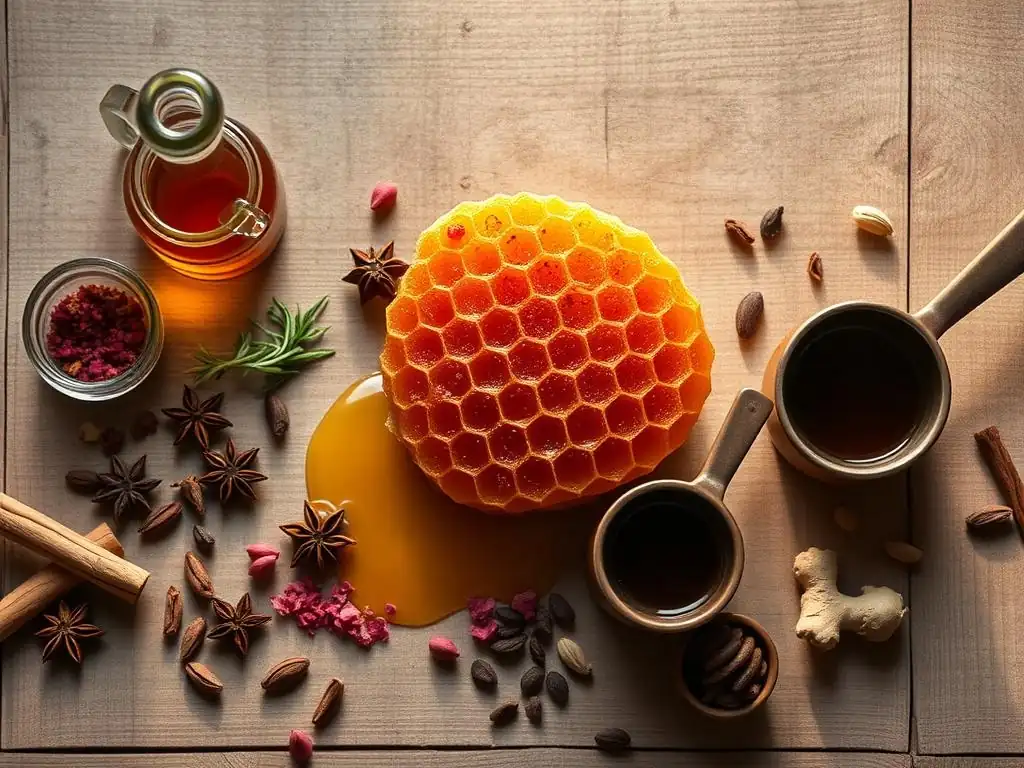
Welcome to BakeWithEase, your haven for all things baking!
Ever wondered how to elevate your baked creations with the perfect blend of sweetness and spice? We're diving deep into the fascinating world of natural sweetener spice pairings, revealing the secrets to crafting unforgettable flavor profiles. Get ready to unlock a symphony of tastes as we explore how to match the right spice to your preferred natural sweetener, creating delectable treats that will tantalize your taste buds. Intrigued? Read on to discover the art of flavor alchemy!
- Mastering Natural Sweetener Spice Pairings for Baking Excellence
- Understanding the Flavor Profiles of Natural Sweeteners
- Extract Enhancements: Amplifying Natural Sweetener Spice Pairings
- Tips for Successful Natural Sweetener Spice Pairings in Baking
- Conclusion: Unleash Your Creativity with Natural Sweetener Spice Pairings.
-
Frequently Asked Questions
- What are some examples of natural sweeteners discussed in the article, and how do they differ from refined sugar?
- Which spices are highlighted as being particularly well-suited for pairing with natural sweeteners?
- Does the article provide specific recipe examples that demonstrate natural sweetener spice pairings?
- Are there any potential drawbacks to using natural sweeteners in baking compared to using refined sugar?
- Does the article offer guidance on substituting natural sweeteners for refined sugar in existing recipes?
- Final Reflection: Unlocking the Symphony of Sweet and Spice
- Unleash Your Inner Pastry Chef: Craft Exquisite Sweet Treats!
Mastering Natural Sweetener Spice Pairings for Baking Excellence
Moving beyond refined sugar opens a world of nuanced flavors in baking. Natural sweeteners like honey, maple syrup, and agave nectar offer unique characteristics that can transform a simple recipe into something extraordinary. The real magic happens when you start exploring natural sweetener spice pairings, discovering how these ingredients interact to create depth, warmth, and complexity in your baked goods. Understanding the distinct profiles of different natural sweeteners is the first step in unlocking these exciting flavor combinations and elevating your baking skills.
Successful natural sweetener spice pairings rely on balancing sweetness, moisture, and aromatic compounds. Unlike the straightforward sweetness of granulated sugar, natural alternatives bring their own flavor notes – floral hints from honey, earthy richness from maple syrup, or a subtle, clean sweetness from agave. When combined thoughtfully with the right spices and extracts, these natural sweeteners can create truly memorable results, from moist cakes with a hint of cinnamon to cookies with a complex interplay of ginger and molasses.
Understanding the Flavor Profiles of Natural Sweeteners
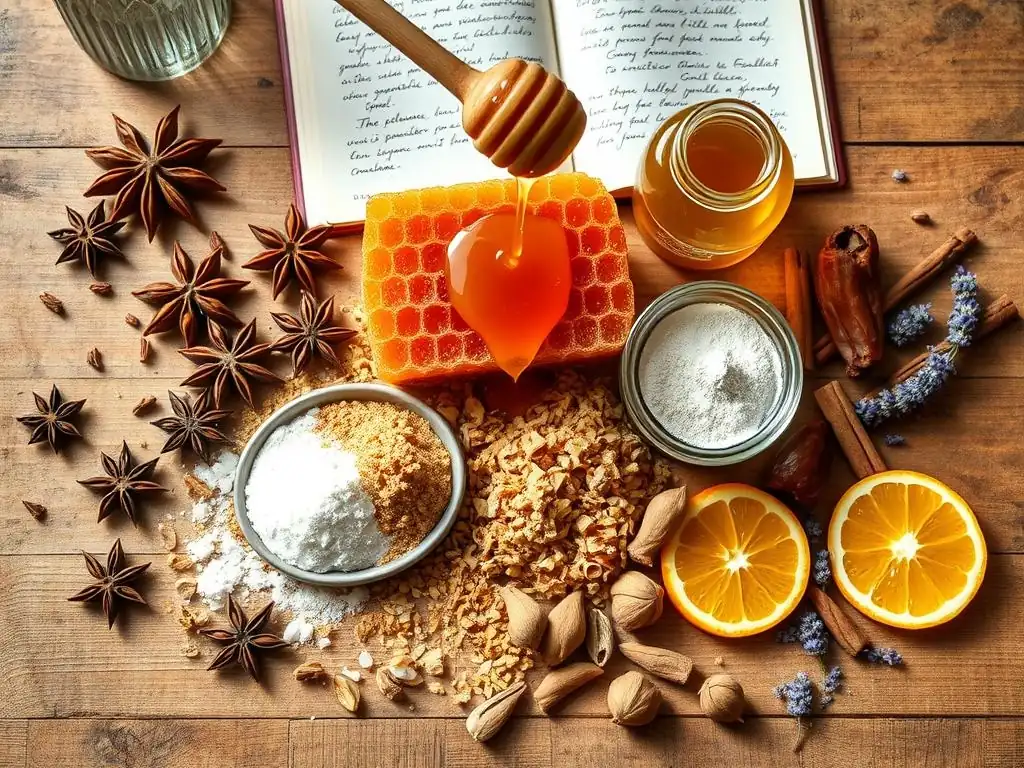
Honey: Beyond the Basic Sweetness
Honey is far more than just a sweet liquid; its flavor profile is incredibly diverse, influenced by the floral source the bees visited. For baking, this means selecting a honey that complements your desired outcome. A light, mild clover honey is versatile and won't overpower delicate flavors, making it suitable for cakes and lighter cookies.
In contrast, a darker, more robust buckwheat honey brings a strong, almost molasses-like intensity that pairs wonderfully with hearty spices in gingerbread or dark fruit loaves. Manuka honey, known for its distinct, slightly medicinal taste, is often used for its unique flavor and texture in specific recipes, though its strong profile requires careful pairing.
The synergy between honey and spices is a cornerstone of classic baking. Honey's natural moisture and slightly acidic pH help activate baking soda and contribute to a tender crumb in cakes and muffins. When exploring natural sweetener spice pairings with honey, consider the beloved combination of honey & cinnamon.
This pairing offers classic comfort in everything from honey cakes to spiced cookies, with the warm spice enhancing honey's sweetness. For warmth and spice, honey & ginger is excellent in ginger snaps or spiced breads, where ginger's bite balances honey's richness. An exotic delight awaits with honey & cardamom, perfect for adding fragrant notes to tea cakes or shortbread.
Maple Syrup: A Rich and Earthy Sweetener
Maple syrup provides a distinctive earthy sweetness with notes of caramel and vanilla, varying in intensity based on its grade. Maple syrup grades are determined by color and flavor: Grade A Golden Color, Delicate Taste is the lightest, offering a subtle maple note ideal for lighter baked goods where you don't want the maple flavor to dominate.
As the color darkens through Amber Color, Rich Taste to Dark Color, Robust Taste, the maple flavor becomes more pronounced and intense. Grade A Dark Color, Robust Taste, or even Very Dark Color, Strong Taste (formerly Grade B) are excellent choices for recipes where a deep maple flavor is desired, such as maple pecan pies or spiced muffins.
Exploring maple syrup spice combinations can significantly enhance the depth and complexity of your baking. Maple syrup's liquid nature means recipes often need slight adjustments to flour and liquid ratios compared to granulated sugar. When considering natural sweetener spice pairings with maple syrup, the autumnal harmony of maple syrup & nutmeg is a natural fit for pumpkin bread, apple pies, and spiced scones.
For a warm and inviting profile, maple syrup & allspice works beautifully in cookies or spiced cakes. And for a touch of festive flair, maple syrup & cloves brings a pungent warmth that complements maple's richness, perfect for holiday baking or spiced glazes.
Agave Nectar: A Delicate and Neutral Sweetness
Agave nectar, sourced from the agave plant, is a liquid sweetener with a relatively neutral flavor profile compared to honey or maple syrup. It's often sweeter than sugar by volume, allowing bakers to potentially use slightly less. Agave's unique properties include a lower glycemic index than table sugar and its ability to dissolve easily, making it useful in glazes, sauces, and some baked goods. However, its high fructose content means it can cause baked goods to brown more quickly, requiring adjustments to baking time or temperature. Its delicate nature makes it an excellent canvas for showcasing other flavors.
When considering agave nectar and spice compatibility, its neutral sweetness allows the spice or extract to shine. This makes it ideal for creating light and refreshing flavors. A zesty brightness is achieved with agave nectar & lemon zest, perfect for lemon poppy seed muffins or citrus-glazed cakes, where the agave provides sweetness without competing with the bright citrus.
A timeless combination is agave nectar & vanilla extract; agave's clean sweetness allows the pure vanilla flavor to come through beautifully in simple cookies or sponge cakes. For floral elegance, agave nectar & lavender offers a sophisticated pairing, wonderful in shortbread or delicate pastries, where the subtle sweetness complements the fragrant lavender.
Other Natural Sweeteners: Molasses, Coconut Sugar, and More
Beyond the more common honey, maple syrup, and agave, a variety of other natural sweeteners offer distinct flavors and textures that can add unique dimensions to your baking. Molasses, a byproduct of sugar refining, ranges from light to blackstrap and provides deep, robust, and sometimes slightly bitter notes along with significant moisture. Coconut sugar, derived from the sap of the coconut palm, has a caramel-like flavor and granular texture similar to brown sugar.
Date syrup, made from cooked and blended dates, offers a rich, fruity sweetness and a thick, pourable consistency. Exploring these less common natural sweeteners allows for even greater creativity in your natural sweetener spice pairings.
Each of these alternative sweeteners presents opportunities for unique spice pairings. For a deep and earthy combination, molasses & ginger is iconic in gingerbread and spice cookies, with the pungent ginger balancing the strong, dark flavor of molasses.
Coconut sugar & cinnamon creates a caramel-like warmth, perfect for snickerdoodles, spiced muffins, or crumble toppings, where the granular texture and flavor profile mimic brown sugar but with a distinct note. Date syrup & cardamom offers a rich and exotic pairing, fantastic in fruitcake, spiced loaves, or Middle Eastern-inspired pastries, where the fruity sweetness of the date syrup marries beautifully with the fragrant spice.
Extract Enhancements: Amplifying Natural Sweetener Spice Pairings
Vanilla Extract: A Universal Enhancer
Vanilla extract is often considered the backbone of baking, its aromatic compound, vanillin, enhancing the perception of sweetness and complexity in almost any recipe. Using vanilla extract is crucial to complement spice and natural sweetener combinations, adding a layer of depth that rounds out other flavors. Whether paired with the rich earthiness of maple syrup and nutmeg or the delicate sweetness of agave and lemon zest, vanilla acts as a bridge, harmonizing the different notes. It's particularly effective with honey, where it amplifies the honey's floral or fruity undertones.
The quality and type of vanilla extract can significantly impact the final flavor. Madagascar vanilla extract is the most common, offering a classic sweet, creamy, and rich vanilla flavor that pairs well with most natural sweetener spice pairings. Mexican vanilla extract has smoky and spicy undertones, while Tahitian vanilla is more floral and fruity. Vanilla bean paste, containing the seeds from the vanilla bean, provides a more intense, visible vanilla flavor and aroma, often preferred when you want vanilla to be a prominent note alongside your natural sweetener and spice choices.
Almond Extract: Adding Nutty Depth
Almond extract provides an intense, slightly bitter, and distinctly nutty flavor that can add wonderful depth to baked goods. When pairing almond extract with natural sweeteners and spices, it's important to use it sparingly as its flavor is potent. It works particularly well with honey, enhancing its sweetness and adding a marzipan-like quality to cakes or cookies. Paired with maple syrup, almond extract can deepen the nutty and caramel notes, creating a richer profile. With agave, it adds an interesting counterpoint to the sweetener's neutrality, especially when combined with spices like cardamom or cinnamon.
Think of almond extract as a way to introduce a subtle (or not-so-subtle) nutty dimension without adding nuts themselves. It complements spices like cinnamon, cardamom, and even ginger. For example, a honey cake with cinnamon and a hint of almond extract offers layers of warm, sweet, and nutty flavors. Maple syrup cookies with ginger and almond extract provide a complex interplay of earthy, spicy, and nutty notes. Its versatility makes it a valuable addition to your pantry for enhancing natural sweetener spice pairings in various recipes.
Other Extracts to Consider: Lemon, Orange, Peppermint
Beyond vanilla and almond, exploring less common extracts in baking can unlock exciting new flavor possibilities when working with natural sweetener spice pairings. Citrus extracts like lemon and orange provide bright, zesty notes that cut through sweetness and richness. Peppermint extract offers a cool, refreshing contrast, particularly effective in holiday baking or alongside chocolate. Using these extracts thoughtfully can elevate your baked goods and create memorable flavor profiles.
Lemon extract, for example, pairs beautifully with agave nectar and spices like ginger or cardamom. The bright citrus enhances agave's clean sweetness, while the spice adds warmth, resulting in a lively and fragrant bake. Orange extract is a fantastic complement to maple syrup and spices like cinnamon or cloves, deepening the autumnal warmth and adding a layer of citrus brightness that lifts the rich maple flavor. Peppermint extract, surprisingly, can work well with honey and spices like ginger or even a touch of black pepper in unique holiday cookies, providing a cool counterpoint to the warm sweetness and spice.
Tips for Successful Natural Sweetener Spice Pairings in Baking
Measuring Sweetness and Spice Levels
Achieving the perfect balance in natural sweetener spice pairings is key to successful baking. Natural sweeteners vary in sweetness intensity compared to granulated sugar and each other. Honey is generally sweeter than sugar by weight but less sweet by volume. Maple syrup is less sweet than sugar. Agave is often sweeter than sugar by volume but similar or less sweet by weight. Spices also vary in potency depending on freshness and type. Avoiding overpowering flavors is crucial; start with recommended amounts and adjust based on taste preferences and the specific intensity of your ingredients.
Adjusting recipes when converting from refined sugar to natural sweeteners requires attention not just to sweetness but also to moisture and acidity. Natural sweeteners like honey and maple syrup add significant liquid, often necessitating a slight reduction in other liquids in the recipe (e.g., milk or water) or an increase in dry ingredients (e.g., flour). Agave, while liquid, is less viscous but browns more readily. Always make adjustments gradually, perhaps reducing the sweetener by 10-20% initially and slightly increasing spice if needed, then tasting and adjusting in future batches.
The Importance of High-Quality Ingredients
The success of your natural sweetener spice pairings hinges significantly on the quality of your ingredients. Just as a fine wine benefits from quality grapes, exceptional baking relies on premium components. Sourcing quality spices is paramount; freshly ground spices or those from reputable suppliers will have more potent and nuanced flavors than older, pre-ground varieties that have lost their volatile oils. Store spices correctly in airtight containers away from heat and light to preserve their potency.
Choosing pure extracts is equally important. Pure extracts are made by extracting flavor compounds directly from the source ingredient (like vanilla beans or almonds) using alcohol. Imitation extracts, made with synthetic compounds, often lack the depth and complexity of pure versions and can leave an artificial aftertaste that detracts from your carefully crafted natural sweetener spice pairings. Opting for pure extracts ensures the clean, true flavor you intend to add to your baked goods.
Recipe Adjustments for Different Sweeteners
When substituting natural sweeteners for granulated sugar, several recipe adjustments are often necessary due to differences in moisture content, acidity, and browning characteristics. As mentioned, natural liquid sweeteners like honey, maple syrup, and agave add moisture. A common guideline when substituting these for granulated sugar (especially in cakes and muffins) is to reduce the total liquid in the recipe by about ¼ cup for every cup of liquid sweetener used. This helps maintain the correct batter consistency.
Browning is another key difference. Natural sweeteners, particularly honey and agave due to their fructose content, caramelize and brown more quickly than sucrose (table sugar). This means baked goods made with these sweeteners may need to be baked at a slightly lower temperature (e.g., reducing the oven temperature by 25°F or about 15°C) or for a shorter time to prevent over-browning on the exterior before the interior is cooked through. Monitoring closely is essential, especially with darker sweeteners like molasses which inherently contribute color.
Conclusion: Unleash Your Creativity with Natural Sweetener Spice Pairings.
Frequently Asked Questions
What are some examples of natural sweeteners discussed in the article, and how do they differ from refined sugar?
The article likely mentions sweeteners like honey, maple syrup, and agave nectar. These differ from refined sugar by containing nutrients and having distinct flavor profiles.
Which spices are highlighted as being particularly well-suited for pairing with natural sweeteners?
While I don't have the full article, common pairings would include spices like cinnamon, nutmeg, and ginger. These spices complement the natural sweetness of the mentioned sweeteners.
Does the article provide specific recipe examples that demonstrate natural sweetener spice pairings?
Based on the website's focus, it's highly probable that the article includes recipes. These recipes would likely showcase the flavor combinations and baking techniques using those specific pairings.
Are there any potential drawbacks to using natural sweeteners in baking compared to using refined sugar?
Yes, some natural sweeteners can affect the texture and moisture of baked goods. Adjustments to the recipe might be needed to compensate for the unique properties of each sweetener.
Does the article offer guidance on substituting natural sweeteners for refined sugar in existing recipes?
The article probably offers advice on substitution ratios and potential adjustments. It might also provide tips on how to account for differences in sweetness levels and moisture content.
Final Reflection: Unlocking the Symphony of Sweet and Spice
The exploration of natural sweetener and spice pairings isn't just a culinary trend; it's a gateway to a more nuanced and flavorful world. We've uncovered a surprising depth of possibilities, demonstrating how the careful combination of natural sweetness and aromatic spices can elevate simple recipes to extraordinary experiences. This isn't merely about finding new taste combinations; it's about understanding the synergistic relationship between ingredients and unlocking their full potential.
The impact of this exploration extends beyond the kitchen table. It speaks to a growing awareness of the importance of natural ingredients and mindful consumption. We are increasingly seeking out healthier alternatives and more complex flavor profiles, moving away from overly processed foods and embracing the artistry of cooking with whole ingredients. The best things in life are simple, but not easy.
This quote perfectly encapsulates the journey of discovering the perfect natural sweetener and spice pairings – simple in concept, yet rewarding in execution. The exploration of these pairings reflects a broader cultural shift towards appreciating the subtle nuances of flavor and the connection between food and well-being.
Now, it's your turn. Consider the recipes and pairings we've explored. Experiment! Don't be afraid to venture beyond the suggestions, to trust your palate, and to discover your own unique combinations. The world of natural sweeteners and spices is vast and waiting to be explored. Let your creativity guide you, and savor the journey of unlocking the symphony of sweet and spice in your own kitchen.
Unleash Your Inner Pastry Chef: Craft Exquisite Sweet Treats!
Thanks for exploring the exciting world of natural sweeteners and their flavor pairings! We hope you've discovered some delicious inspiration for your next baking adventure. Ready to elevate your sweet creations?
- Experiment with a new flavor combination: Try substituting the suggested sweetener and spice pairing into your favorite recipe. Let us know how it turns out!
- Share your culinary journey: Post a picture of your creation on social media and tag us – we'd love to see your delicious results!
- Dive deeper into natural sweeteners: Explore our other articles on BakeWithEase.com to uncover even more flavor secrets.
What unique flavor combination will you create today?